Black pottery of Marginea: the Magopăț family workshop
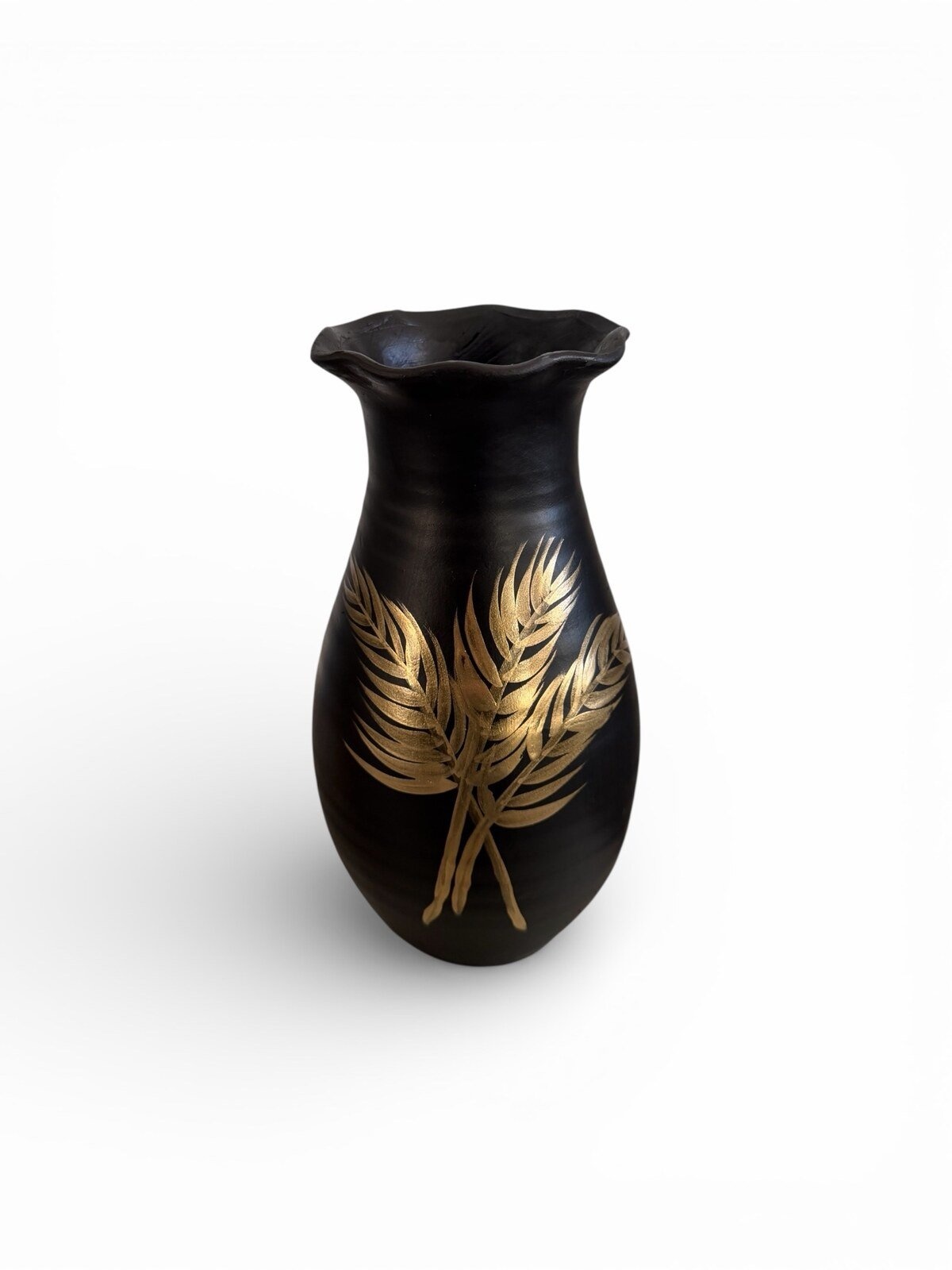
Black pottery of Marginea: the sixth generation of the Magopăț family
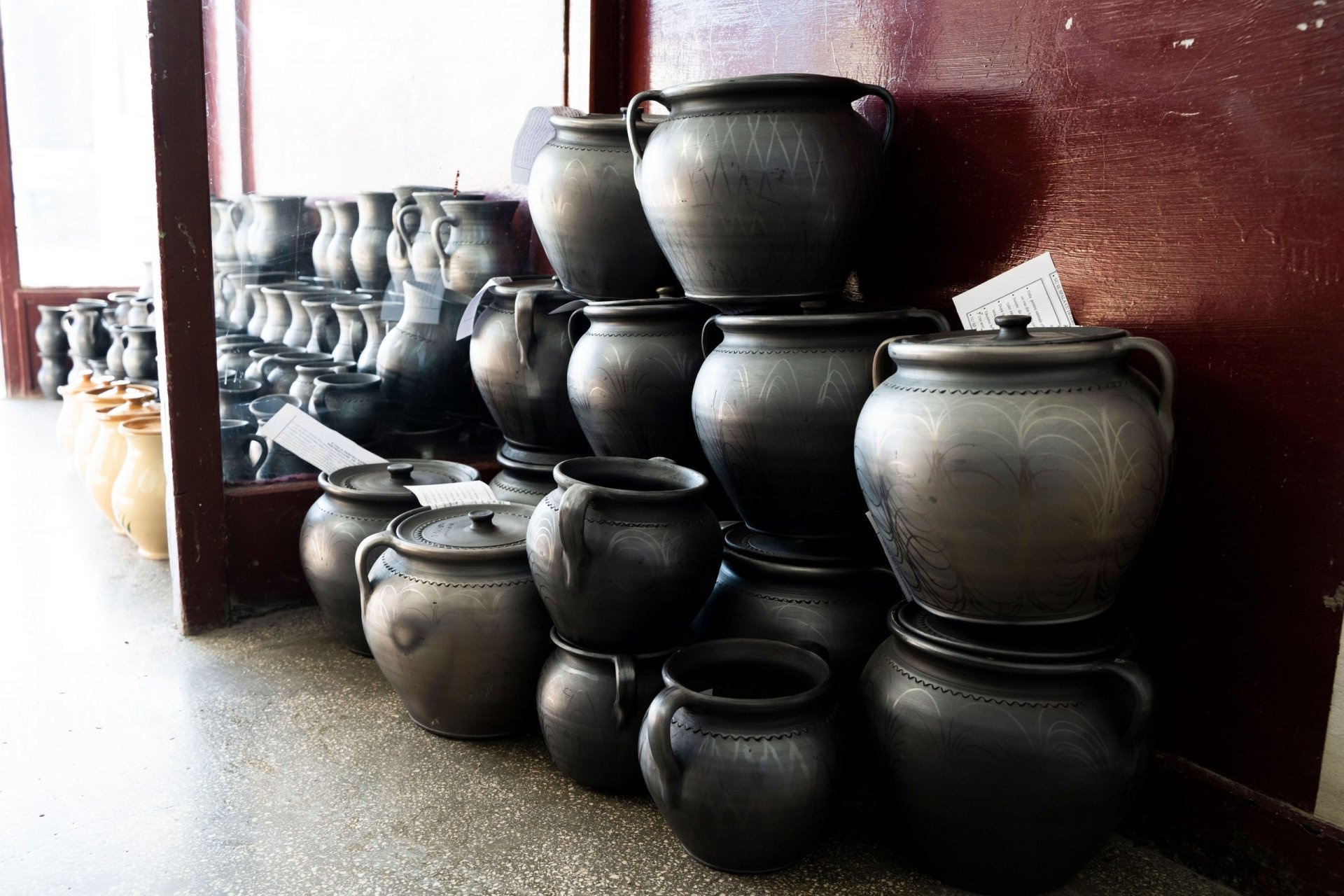
Marginea is a large village in the Romanian part of Bukovina, between the town of Rădăuți and Sucevița Monastery. It is known throughout Romania for a single craft — black pottery. Clay pots, jugs, bowls and vases here are not glazed: they gain their deep black colour in the kiln, where the ware is fired without oxygen, in dense smoke from fir wood.
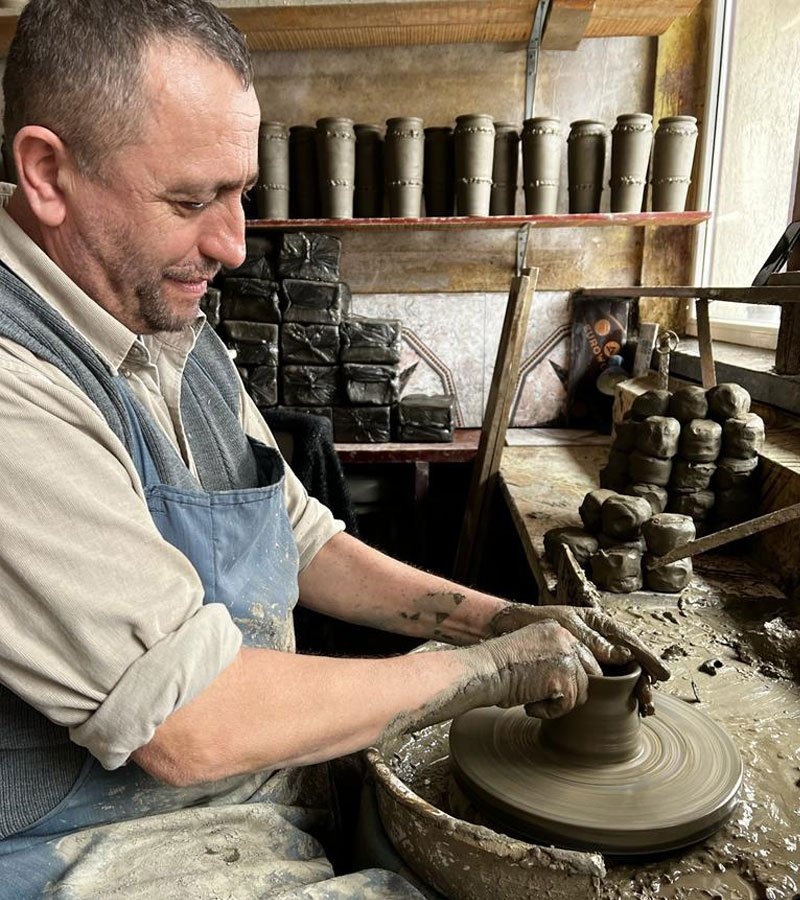
The village’s best-known workshop belongs to the Magopăț family. According to the potters themselves, pottery has been made in Marginea for at least 300 years, and the technique has roots reaching back to Dacian times. Today’s master, Corneliu Magopăț, represents the sixth generation of the family: he first sat down with clay at the age of six, was making vases at nine or ten, and has worked professionally since 1991. He studied economics but came back home to the potter’s wheel. Some 60 families in the village once made black pottery; after the 1990s most gave up the craft. Now, as the master says, three families keep the tradition alive, and all of them work in the same workshop: three potters, three decorators who ornament the pieces before firing, while Corneliu’s wife paints the finished ware.
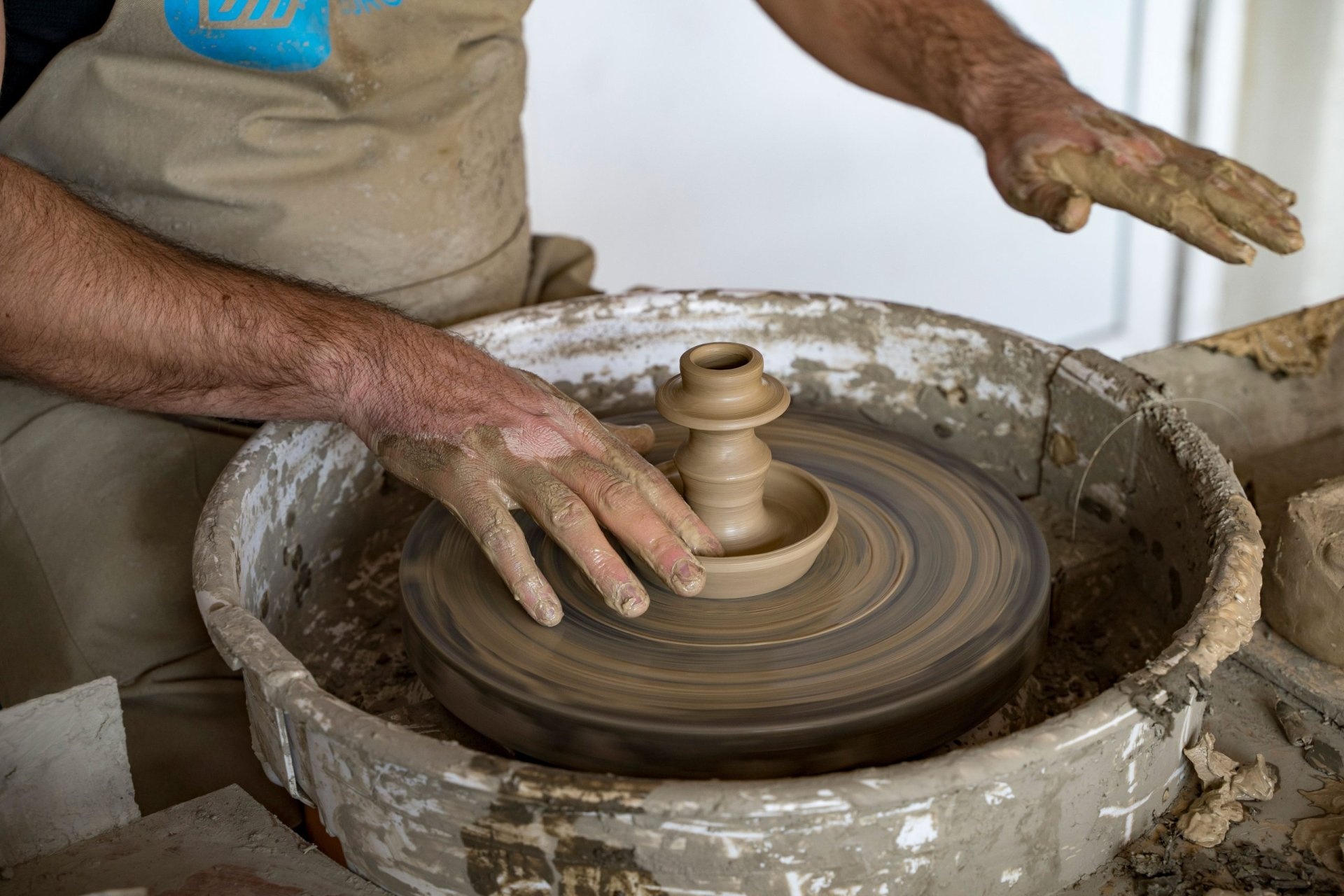
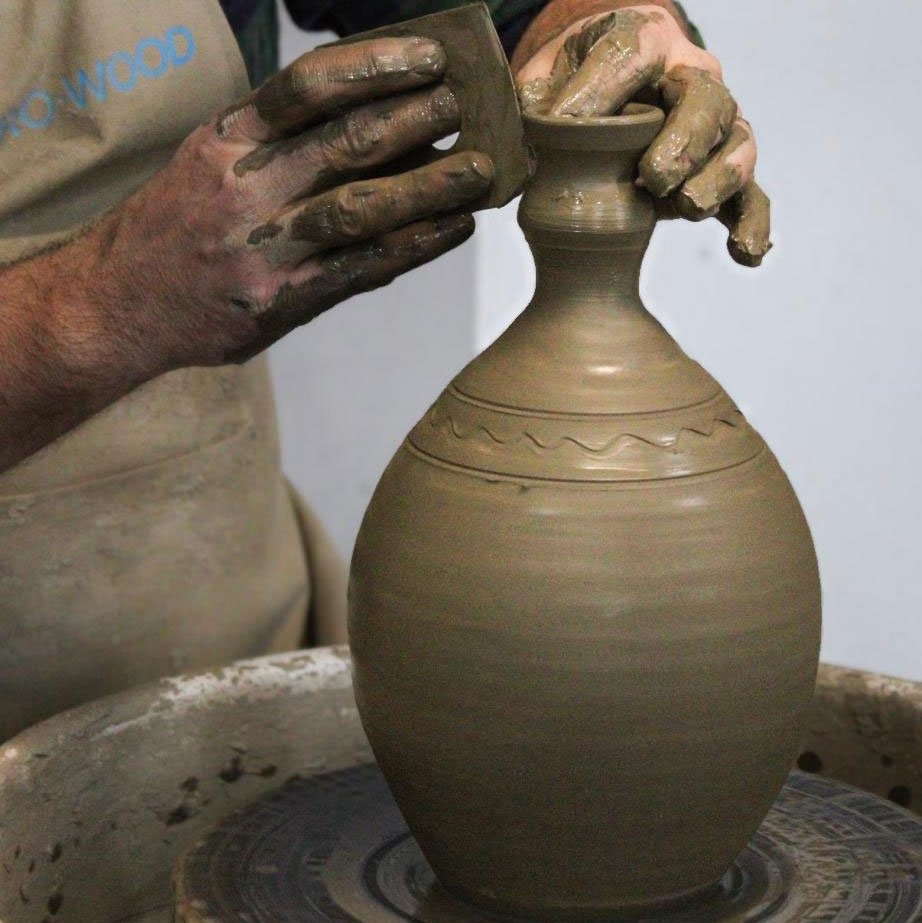
The technique has hardly changed. The clay is cleaned and kneaded, then shaped on the wheel — manual or electric — with a few simple tools. Patterns are pressed into the still-damp piece, and the half-dried ware is rubbed with river flint to a soft sheen. The pieces are then dried and fired in a sealed kiln at about 900 °C on fir wood. From shaping to a finished pot takes about three weeks. The Magopăț workshop is listed in the Homo Faber guide, which brings together Europe’s finest craftspeople.
Why go
Here you can see the craft alive: potters work in the workshop, and visitors watch a jug rise from a lump of clay on the wheel, a pattern appear on it, and the ware being prepared for firing. This is not a museum — the shelves hold fresh pieces just out of the kiln, and next to you work people for whom clay is daily work.
The workshop also runs sessions on the potter’s wheel led by Corneliu Magopăț: about two hours, groups of 2 to 6 people, adults and children taking turns. You can take your piece home to dry or leave it with the master to be decorated and fired. Sessions must be arranged in advance by phone.
What to see and buy
- Pots for cabbage rolls — a Bukovina classic: sarmale are traditionally slow-cooked in black clay pots here.
- Jugs, mugs and carafes with impressed patterns and a matt flint-polished sheen.
- Vases and decorative vessels with motifs inspired by archaeological finds, as well as painted vases with ears of wheat and poppies.
- Bowls, platters and baking dishes — ware you can use every day.
- Small souvenirs — bells, candlesticks, decorative plates.
The pieces are sold in the shop at the workshop; part of the range can also be ordered through the workshop’s online shop with delivery within Romania.
Practical information
Address: Calea Bucovinei 194, Marginea commune, Suceava County — on the main road through the village; a large black jug sculpture stands by the entrance, with parking next to it.
Getting there: about 10 km west of the town of Rădăuți and about 50 km from the city of Suceava. From Ukraine the nearest border crossings are Krasnoilsk — Vicovu de Sus, about 15 km from Marginea (check the crossing’s current regime), or Porubne — Siret, about 45 km away via Rădăuți.
Hours: the workshop and shop are open daily from 9:00 to 19:00 (as of November 2026, per the workshop’s website). Wheel sessions by prior booking.
Contact: phone +40 745 922 949, e-mail [email protected].
Nearby
- Sucevița Monastery with its painted façades (UNESCO) — about 8 km west.
- Putna Monastery, founded by Stephen the Great — about 25 km.
- The “Huțulca” narrow-gauge railway in Moldovița — over the pass, about 40 km.
- Mount Rarău above Câmpulung Moldovenesc — about 70 km by road.
Official website: ceramicamarginea.ro
Photos: Ceramica Marginea, official website.
Getting there from Ukraine
Border crossings
- Porubne – Siret — road and pedestrian, 24/7
- Diakivtsi – Racovăț — road and pedestrian, 24/7 No freight traffic.
- Krasnoilsk – Vicovu de Sus — road and pedestrian, 08:00–20:00 Cars up to 3.5 t and pedestrians only; not 24/7.
- Solotvyno – Sighetu Marmației — road and pedestrian, 24/7 Passenger traffic only: vehicles up to 3.5 t with up to 9 seats, pedestrians.
- Diakove – Halmeu — road, 24/7 No pedestrian crossing.
By car
Chernivtsi – Câmpulung Moldovenesc ≈121 km, ≈2 h 12 min (via Krasnoilsk – Vicovu de Sus); Ivano-Frankivsk – Câmpulung Moldovenesc ≈239 km, ≈4 h 12 min (via Krasnoilsk – Vicovu de Sus); Rakhiv – Câmpulung Moldovenesc ≈217 km, ≈4 h 35 min (via Solotvyno – Sighetu Marmației). Times without border queues, our road routing (GraphHopper, OSM).
Checked 03.11.2026; border crossing hours and timetables change — check before you travel.
Reviews
Travellers’ experience: reports, tips, questions.
No reviews yet. Stayed here? Share your impressions.
Location on the map
Nearby attractions
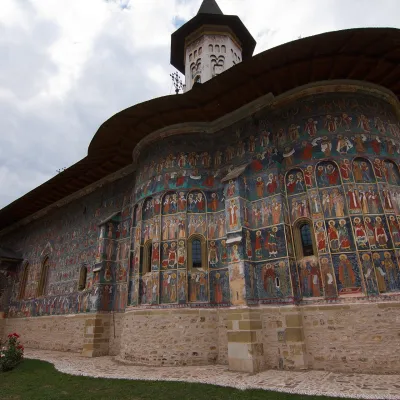 ChurchSucevița Monastery: UNESCO painted church and wallsSucevița6.7 km from Black pottery of Marginea: the Magopăț family workshopSucevița Monastery (Mănăstirea Sucevița) stands in the valley of the river of the same name in the village of Sucevița, about 18 km from the town of Rădăuți in...
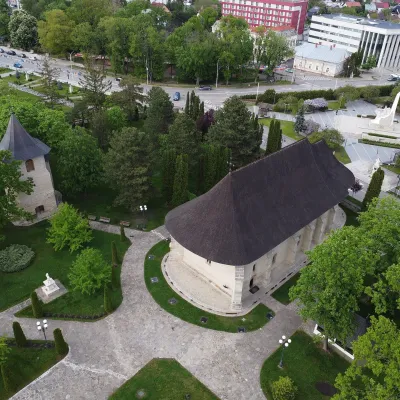 ChurchBogdana Monastery: the oldest stone church in MoldaviaRădăuți10 km from Black pottery of Marginea: the Magopăț family workshopThe first burial place of the Moldavian princes Bogdana Monastery (Mănăstirea Bogdana) stands in the centre of the town of Rădăuți in northern Bukovina, on the plain...
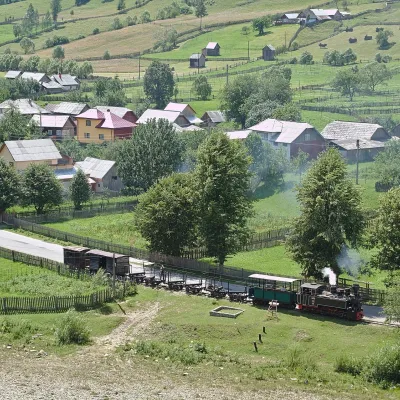 Heritage transportMocănița Huțulca: forest narrow-gauge railway in MoldovițaMoldovița23 km from Black pottery of Marginea: the Magopăț family workshopA forest narrow-gauge railway more than 135 years old Moldovița is a mountain village in the valley of the river of the same name, in the very heart of Romanian...
