Mikó Castle in Miercurea Ciuc: the Csík Székely Museum
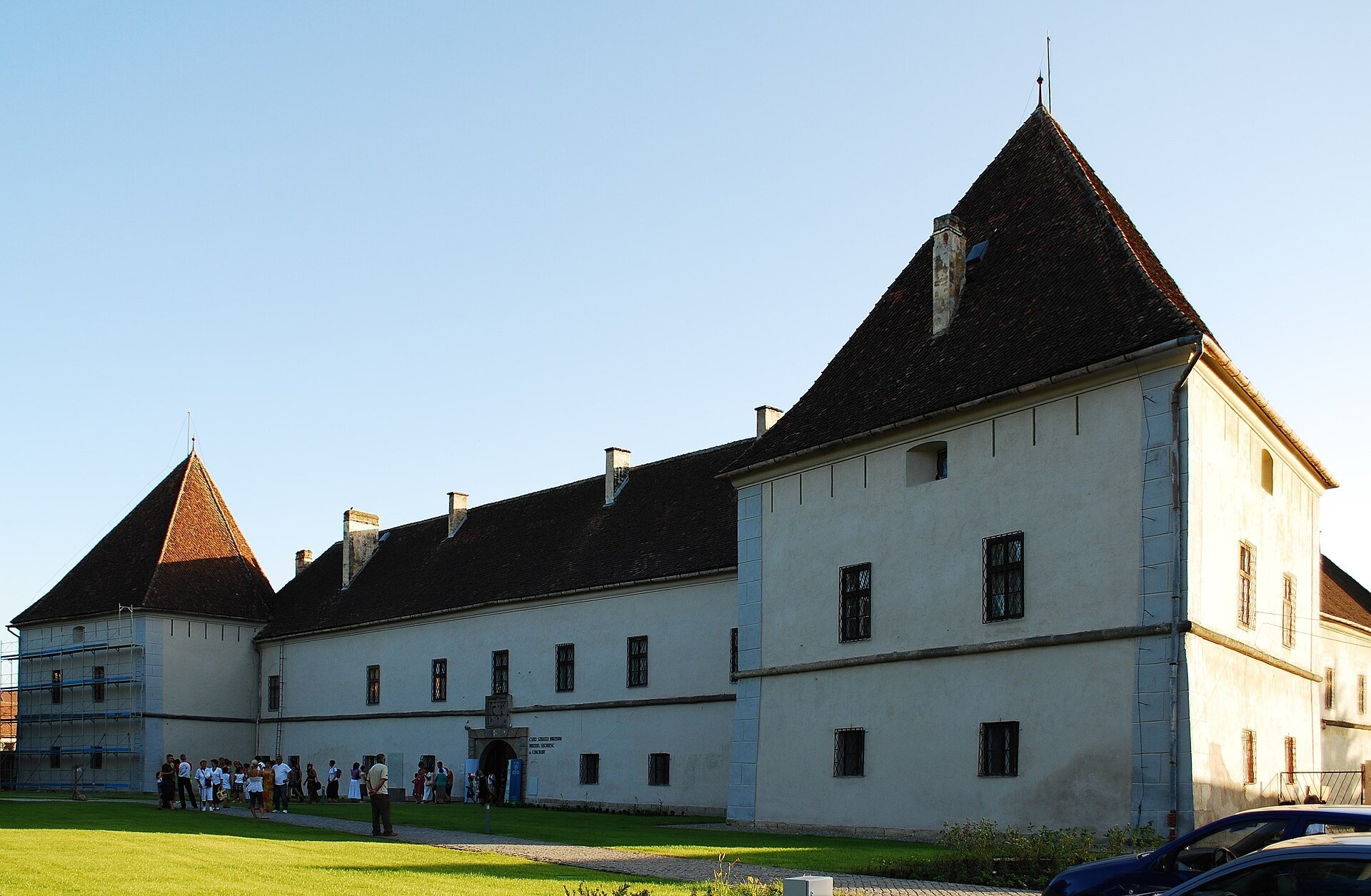
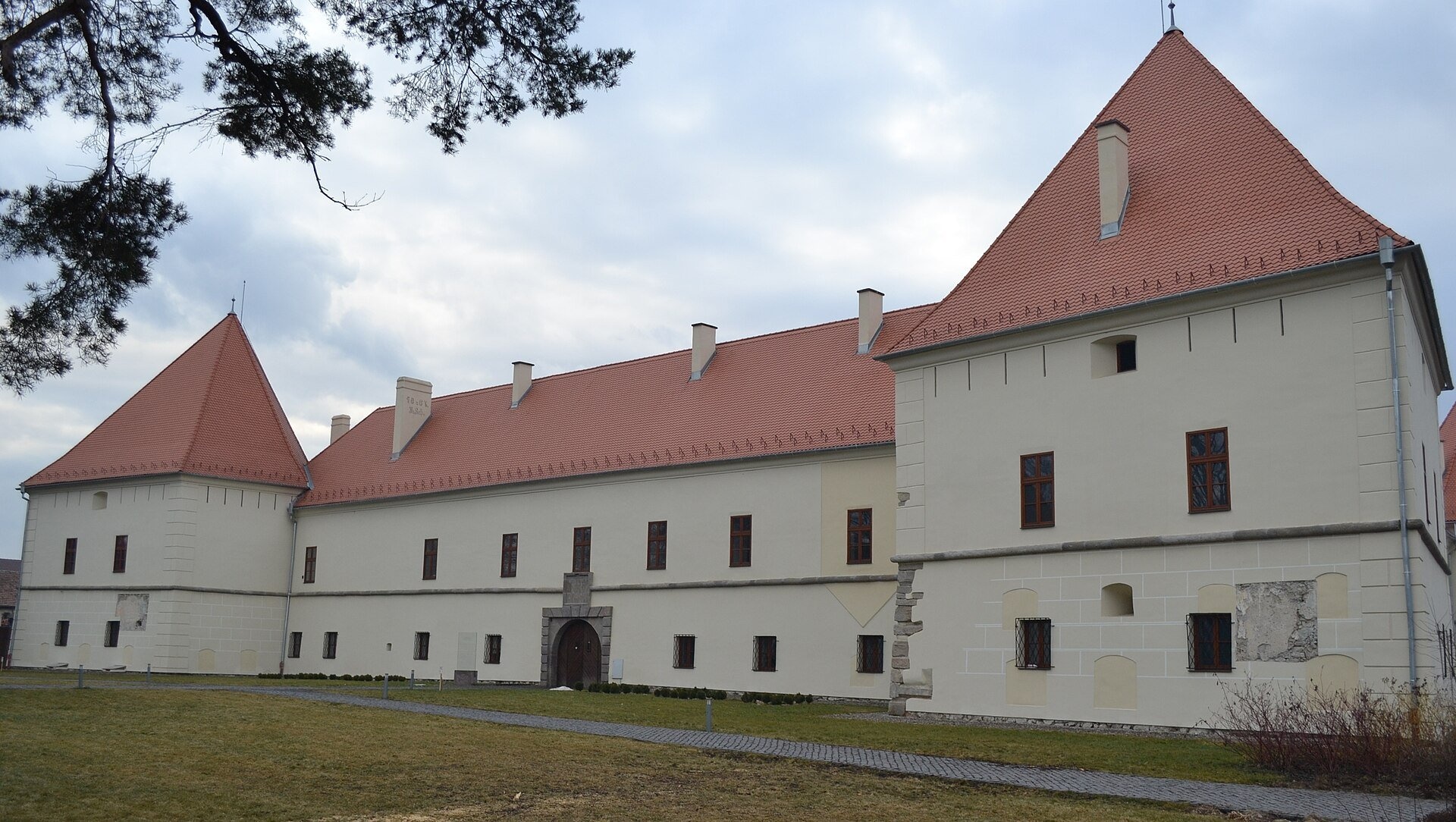
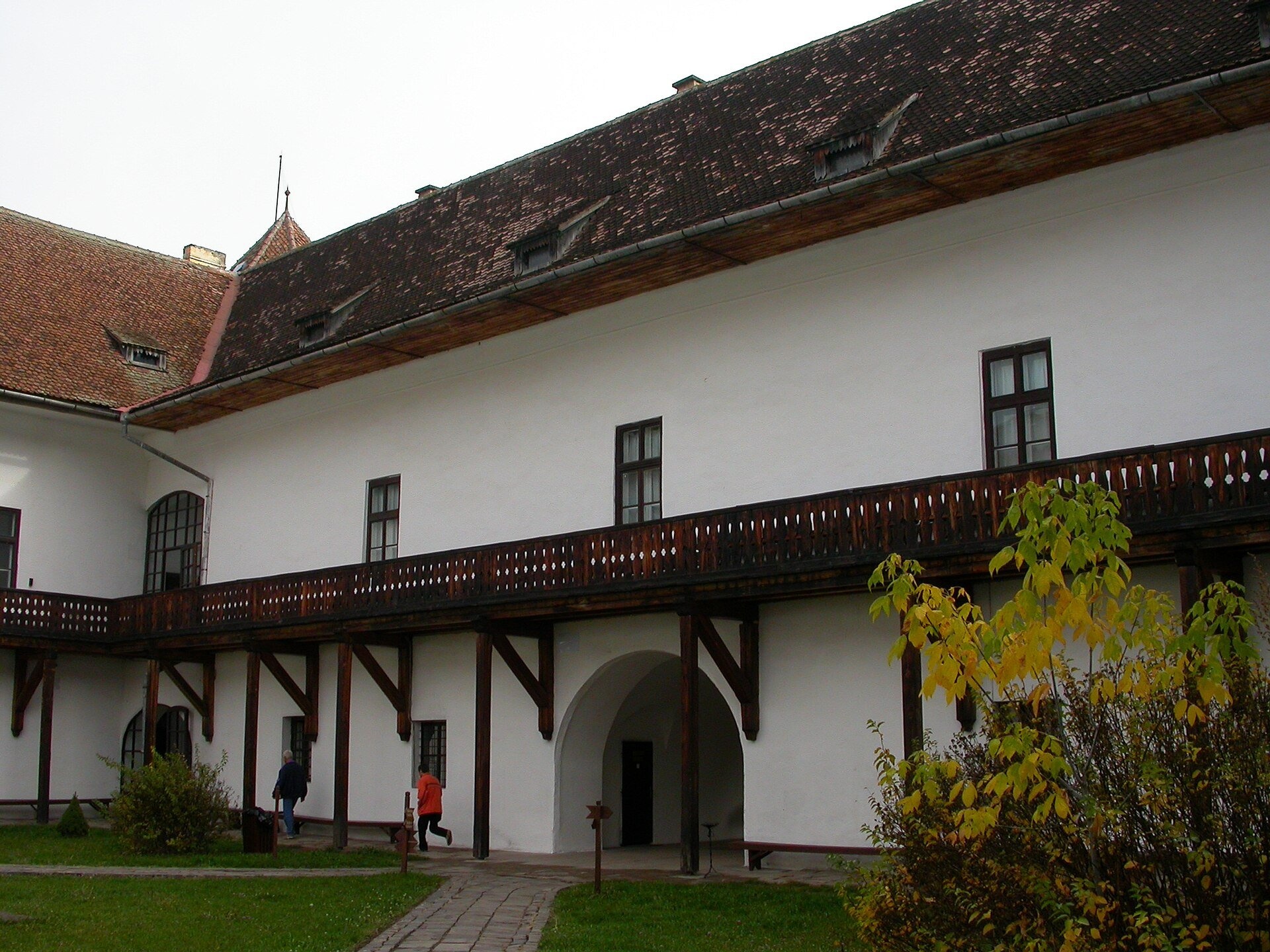
Mikó Castle (Cetatea Mikó, Hungarian Mikó-vár) stands in the very centre of Miercurea Ciuc (Csíkszereda), the capital of Harghita County and of the historical Csík region in the Székely Land. It is a low, four-sided Renaissance castle with corner bastions and steep pointed roofs. Since 1970 it has housed the Csík Székely Museum (Csíki Székely Múzeum), founded in 1930 — the main museum of the region.
From a captain's residence to a museum
The castle was built by Ferenc Mikó of Hídvég (Hídvégi Mikó Ferenc), deputy captain and, from 1613, chief captain of the Székelys of Csík, appointed by Prince Gabriel Bethlen of Transylvania; later he served as councillor, treasurer and court steward. Construction began on 26 April 1623, when the building was called the New Castle of Mikó. According to the museum, the Italian architect Giacomo Resti, court builder in Transylvania in 1615–1634, probably took part in the project. It is an early Italian-type residence of roughly 75 by 70 metres, related to the castles of Radnót, Alvinc and Szárhegy. Construction most likely stopped after Mikó's death in 1635.
On 21 October 1661 the Ottoman and Tatar army of Ali Pasha captured and burned the castle. In 1714–1716 it was rebuilt under the Austrian general Stephan Steinville — a stone inscription above the gate recalls this. From then on the castle was part of the Habsburgs' eastern defence line: imperial troops were stationed here until 1764, and from 1764 to 1849 it housed the headquarters of the First Székely Infantry Regiment. During the revolution of 1848–1849 Sándor Gál had his headquarters here. The military used the castle until the middle of the 20th century. After major repairs the museum moved in in 1970, and the latest comprehensive restoration took place in 2010–2013.
Why go
Mikó Castle is the best introduction to the Csík region: in a few hours you can understand how the Székelys lived, what their economy relied on and why this region is so distinctive. The castle itself is a rare example in the Carpathians of a Renaissance residence with bastions that you can see both outside and inside. And it stands in the town centre, a short trip from the pilgrimage site of Șumuleu Ciuc.
What to see
- «Passing Times in Csík» (Csíki idők járása) — an ethnographic exhibition on rural life in the late 19th and early 20th centuries: a mountain sheepfold, carpentry, joinery and wheelwright workshops, a cart shed with farm tools and a living room where three generations lived together.
- «Our Rescued Sacred Treasures» — church art of the region.
- The Franciscan printing house and bindery of Șumuleu Ciuc — a permanent exhibition on one of the old printing houses of Transylvania.
- «The History of Mikó Castle» and the exhibition «At the Crossroads» (Útkereszteződésben).
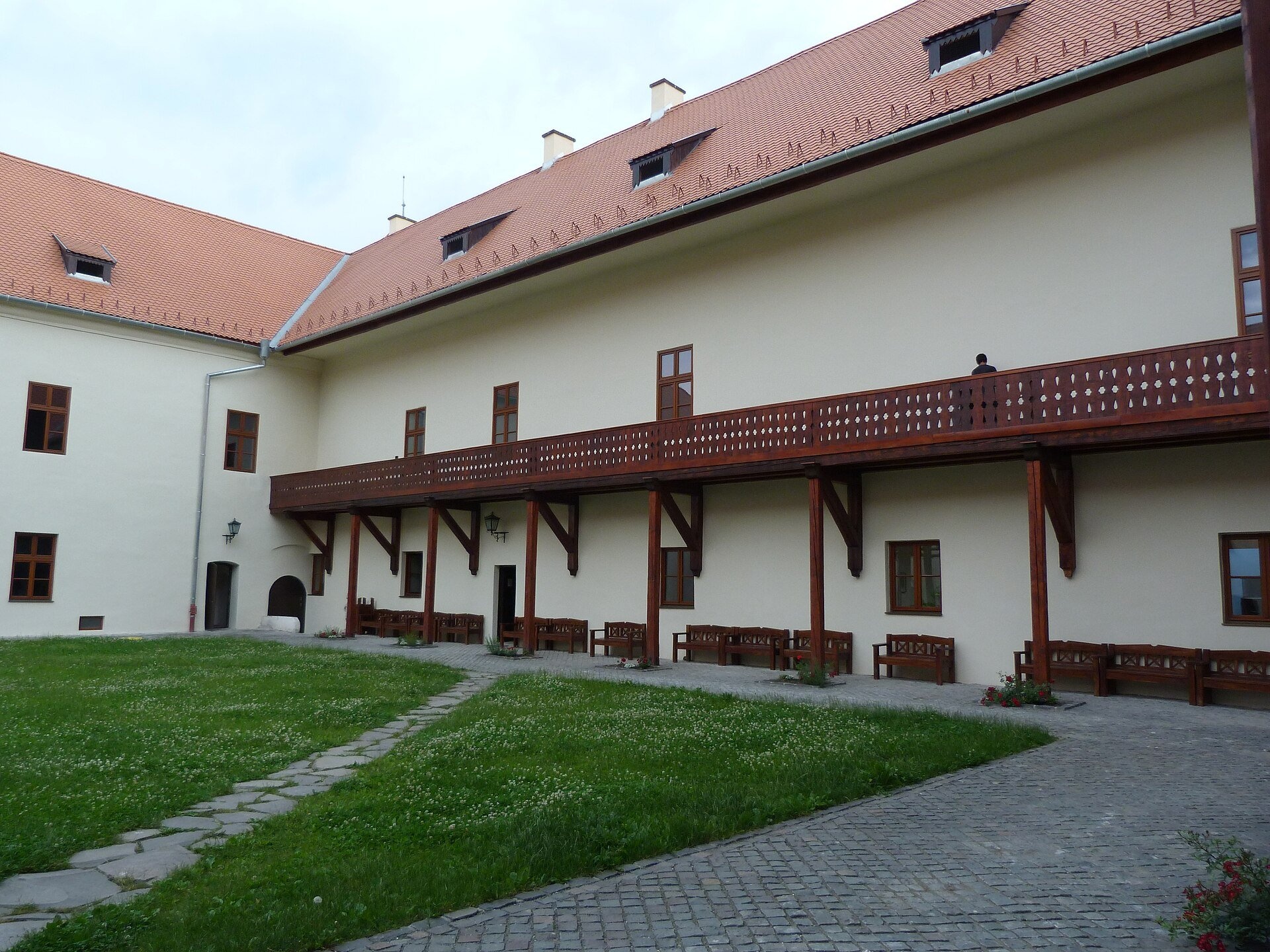
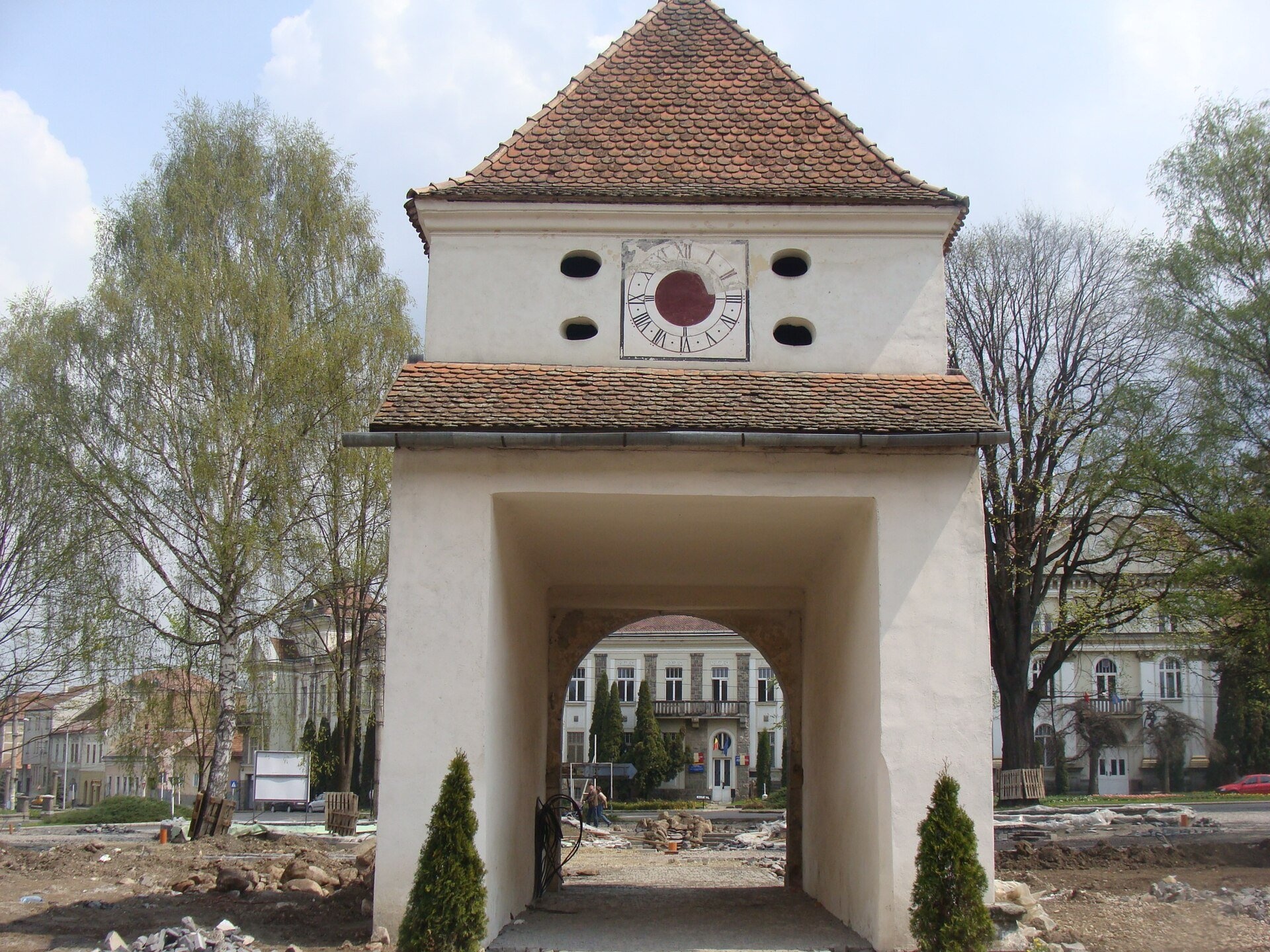
- The castle itself — corner bastions, the gate with the inscription on the 1714–1716 rebuilding, the courtyard with galleries and the remains of the Austrian fortifications on the south side.
- Temporary exhibitions — from 13 August to 20 December 2026 the castle hosts «In the Shadow of the Crescent. Transylvania and the Ottoman Empire».
Practical information
Address: Piața Cetății nr. 2, 530132 Miercurea Ciuc. The castle is in the town centre, an easy walk from the main square; from Miercurea Ciuc railway station it is about 1 km. From Ukraine the most convenient crossing is Porubne — Siret; from the border it is about 330–350 km via Suceava and the mountain passes of the Eastern Carpathians.
The museum is open Tuesday to Sunday from 9:00 to 17:00, last entry 30 minutes before closing; closed on Mondays and on church and public holidays. A full ticket costs 25 lei, pensioners 20 lei, pupils and students 15 lei, a family ticket 60 lei, courtyard only 5 lei, and a photo and video permit 50 lei (as of November 2026). The museum asks that weekend guided tours be booked by phone or e-mail by the preceding Thursday. Phone: +40 266 372 024, +40 753 073 531; e-mail: [email protected]. Allow two hours for the castle and the permanent exhibitions.
Nearby
- The Franciscan basilica of Șumuleu Ciuc — the main Catholic pilgrimage site of the Székely Land, about 3 km to the north-east.
- The Nagy Imre Gallery — a branch of the museum in the Zsögöd district, devoted to the painter Imre Nagy.
- Csíki Sör brewery in Sânsimion — about 20 km to the south.
- Harghita-Mădăraș peak — the highest point of the volcanic Harghita range west of the town.
Official website: csikimuzeum.ro
Photos: Andrei Stroe, CC BY-SA 3.0, Wikimedia Commons; Hektor894, CC BY-SA 3.0, Wikimedia Commons; Derzsi Elekes Andor, CC BY-SA 3.0, Wikimedia Commons; Einstein2, CC BY-SA 4.0, Wikimedia Commons; Andrei kokelburg, CC BY-SA 3.0 ro, Wikimedia Commons; Wikizoli, CC BY-SA 4.0, Wikimedia Commons.
Getting there from Ukraine
Border crossings
- Porubne – Siret — road and pedestrian, 24/7
- Diakivtsi – Racovăț — road and pedestrian, 24/7 No freight traffic.
- Krasnoilsk – Vicovu de Sus — road and pedestrian, 08:00–20:00 Cars up to 3.5 t and pedestrians only; not 24/7.
- Solotvyno – Sighetu Marmației — road and pedestrian, 24/7 Passenger traffic only: vehicles up to 3.5 t with up to 9 seats, pedestrians.
- Diakove – Halmeu — road, 24/7 No pedestrian crossing.
By car
Chernivtsi – Durău ≈204 km, ≈3 h 54 min (via Diakivtsi – Racovăț); Ivano-Frankivsk – Durău ≈342 km, ≈6 h 11 min (via Diakivtsi – Racovăț); Rakhiv – Durău ≈313 km, ≈6 h 18 min (via Solotvyno – Sighetu Marmației). Times without border queues, our road routing (GraphHopper, OSM).
Checked 03.11.2026; border crossing hours and timetables change — check before you travel.
Comments
Travellers’ experience: reports, tips, questions.
No one has written here yet. Be the first — your experience helps others.
Video 3
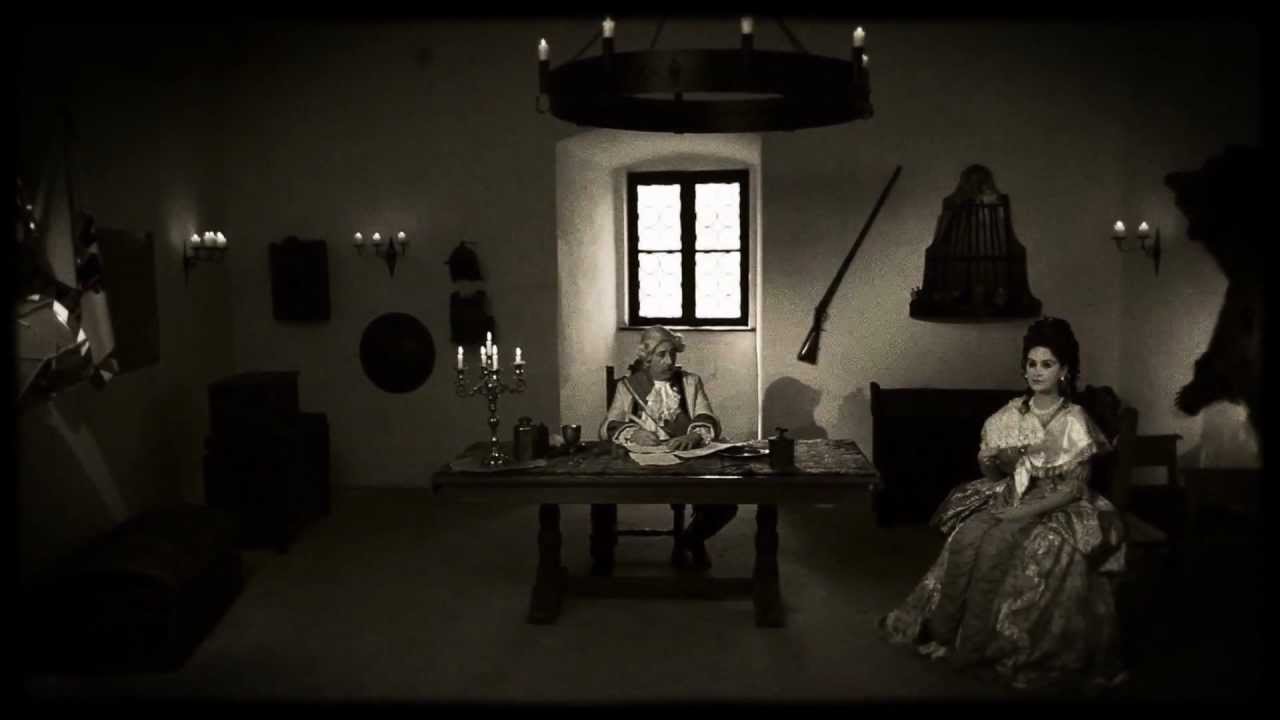 A Mikó-vár története -- a Csíki Székely Múzeum állandó kiállításaCsíki Székely Múzeum

Location on the map
Nearby attractions
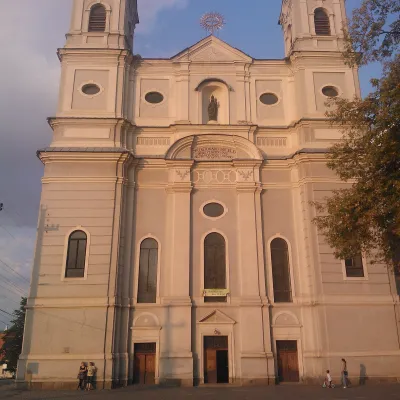 ChurchȘumuleu Ciuc Basilica: the Franciscan shrine of the SzékelysMiercurea Ciuc3.1 km from Mikó Castle in Miercurea Ciuc: the Csík Székely MuseumThe Franciscan Basilica of the Blessed Virgin Mary in Șumuleu Ciuc (Hungarian Csíksomlyó) stands on the north-eastern edge of the town of Miercurea Ciuc in Harghita...
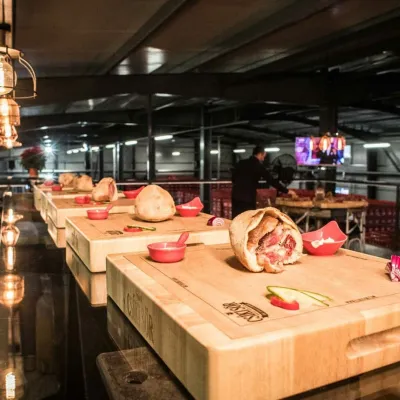 Craft beer & breweriesCsíki Sör brewery in Sânsimion: Harghita craft beerSânsimion12 km from Mikó Castle in Miercurea Ciuc: the Csík Székely MuseumA Harghita beer that defended its own name Sânsimion (Hungarian: Csíkszentsimon) is a village in the Ciuc (Csík) basin in the east of Székely Land, a few kilometres...
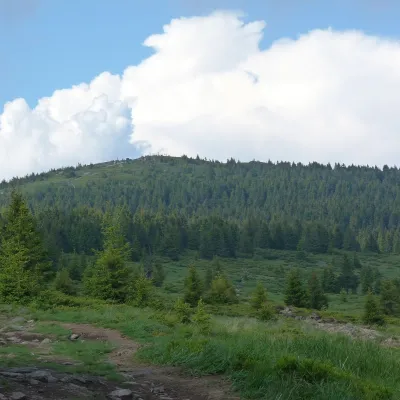 PeakHarghita-Mădărașaltitude 1 801 m20 km from Mikó Castle in Miercurea Ciuc: the Csík Székely MuseumHarghita-Mădăraș (Romanian Vârful Harghita-Mădăraș, Hungarian Madarasi-Hargita) is the highest summit of the Harghita Mountains, at 1,801 m (some sources give 1,800 m)...
Craft nearby
All craft places Water parks & thermal poolsHarghita-Băi: a 99% CO2 mofette and springs in the Harghita MountainsHarghita-Băi13 km from Mikó Castle in Miercurea Ciuc: the Csík Székely MuseumHarghita-Băi (Hungarian Hargitafürdő) is a mountain spa village in Harghita County. It belongs administratively to the town of Miercurea Ciuc and lies about 13 km west...
 Water parks & thermal poolsBăile Tușnad: mofette, sparkling springs and the Olt valleyBăile Tușnad24 km from Mikó Castle in Miercurea Ciuc: the Csík Székely MuseumBăile Tușnad is a small spa town in Harghita County, in the southern part of the Ciuc Depression, where the Olt cuts a gorge between the Harghita and Bodoc mountains.
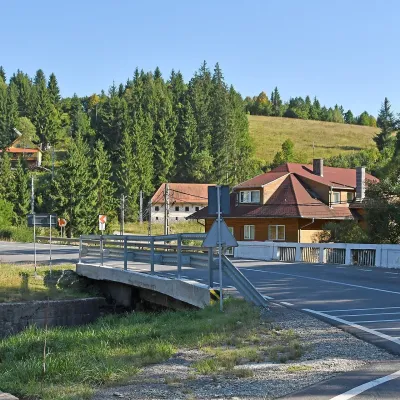 Water parks & thermal poolsBăile Homorod: the Lobogó and Mária iron springs in the Harghita MountainsBăile Homorod25 km from Mikó Castle in Miercurea Ciuc: the Csík Székely MuseumBăile Homorod (Hungarian Homoródfürdő) is a small spa village in Harghita County, administratively part of the town of Vlăhița.
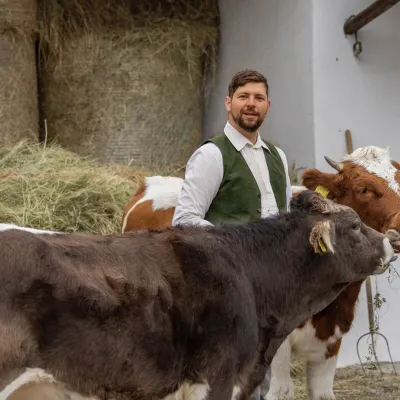 Cheese dairies & pasturesUzOnkA farm in Ozunca-Băi: aged mountain cheesesOzunca-Băi28 km from Mikó Castle in Miercurea Ciuc: the Csík Székely MuseumA mountain farm where cheese ripens in a stone cellar Ozunca-Băi (Hungarian: Uzonkafürdő) is a small mountain settlement in Covasna County at about 700 metres above...
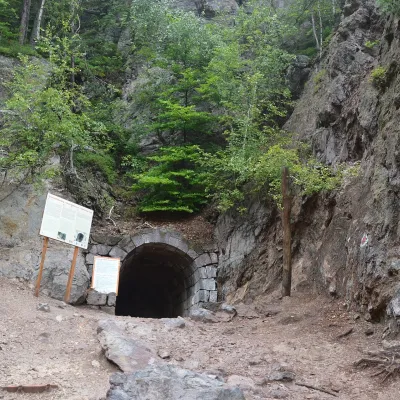 Water parks & thermal poolsBalvanyos: the Stinky Cave, mofettes and iron-rich springsBăile Bálványos29 km from Mikó Castle in Miercurea Ciuc: the Csík Székely MuseumBalvanyos (Hungarian Bálványosfürdő) is a small mountain resort in Covasna County, on the land of Turia commune, north-west of the town of Târgu Secuiesc.
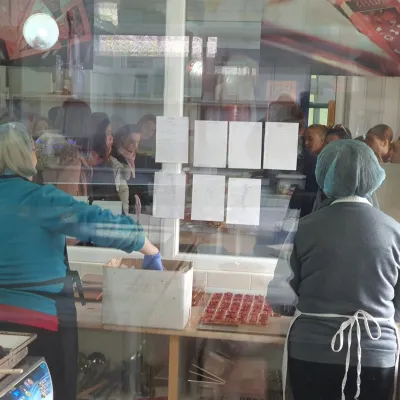 Craft producersGALFFIS chocolate manufactory in Odorheiu SecuiescOdorheiu Secuiesc39 km from Mikó Castle in Miercurea Ciuc: the Csík Székely MuseumBean-to-bar chocolate in the heart of Székely Land Odorheiu Secuiesc (Hungarian: Székelyudvarhely) is known above all for its history, schools and Székely traditions,...
