Chapel of Saint Basil the Great, Krylos
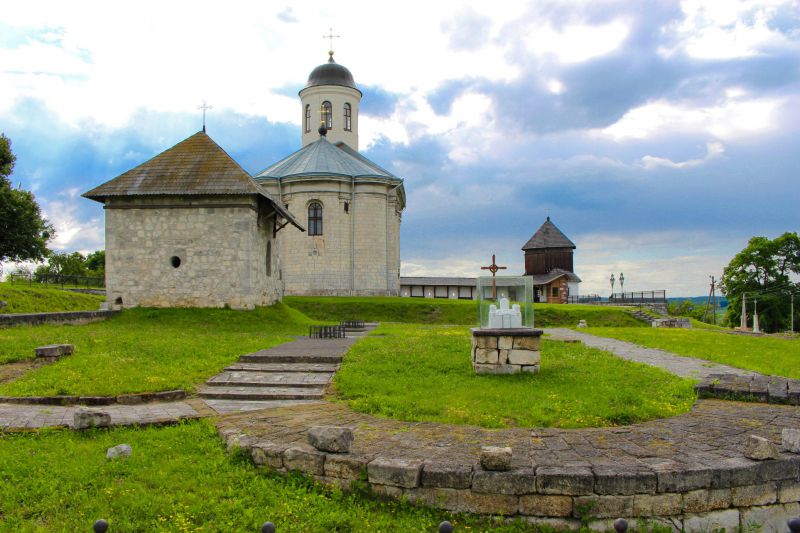
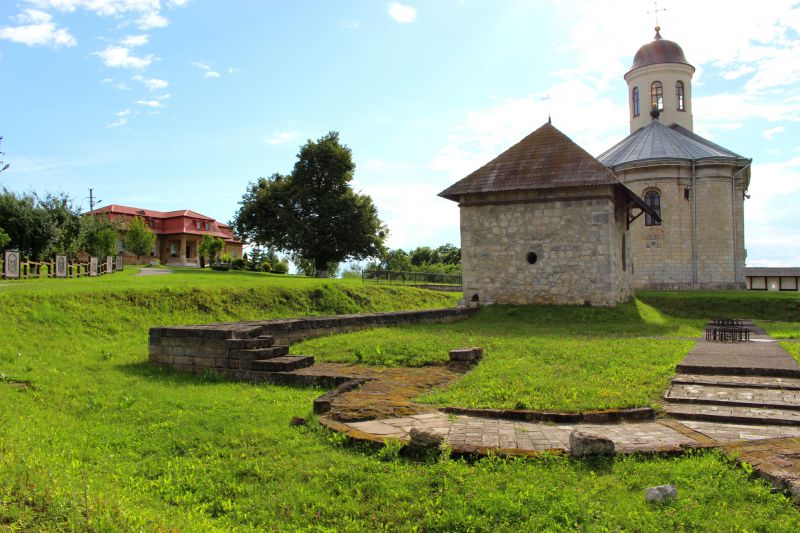
The Vasylivska chapel in the village of Krylos of Ivano-Frankivsk region was built in 1500 from hewn stone blocks and bricks of the ancient Uspensky Cathedral and constructed on its foundations. The cathedral itself was built back in 1157 and destroyed by the Mongol-Tatars during the invasion in 1241. The chapel was consecrated in honor of Saint Basil the Great.
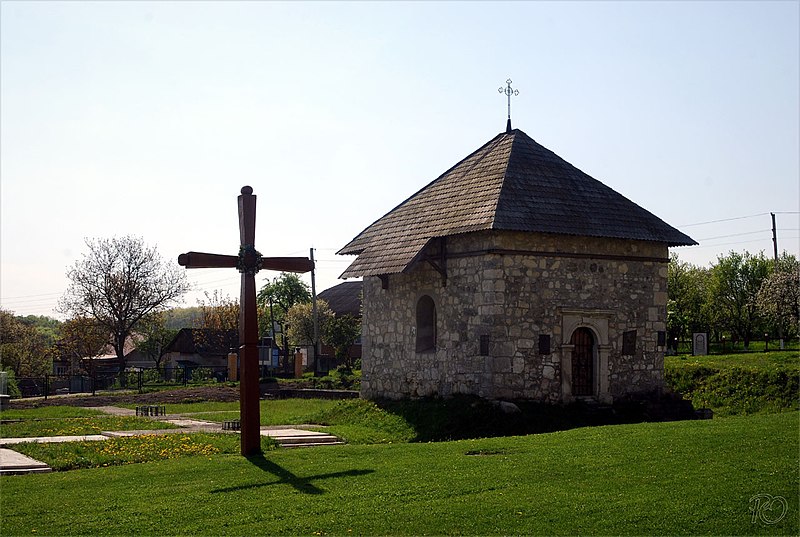
This ancient building is square in plan, with a small semicircular niche-presbytery in the eastern wall of the interior. The structure is covered with a semicircular vault and topped with a roof that has a large overhang on the western facade. The entrance to the monument from the western side is adorned with an arched portal made of white hewn stone, which is finished with a developed cornice. In the southern wall, a fragment of stone masonry from the 12th century from the ancient Uspensky Cathedral has been preserved.
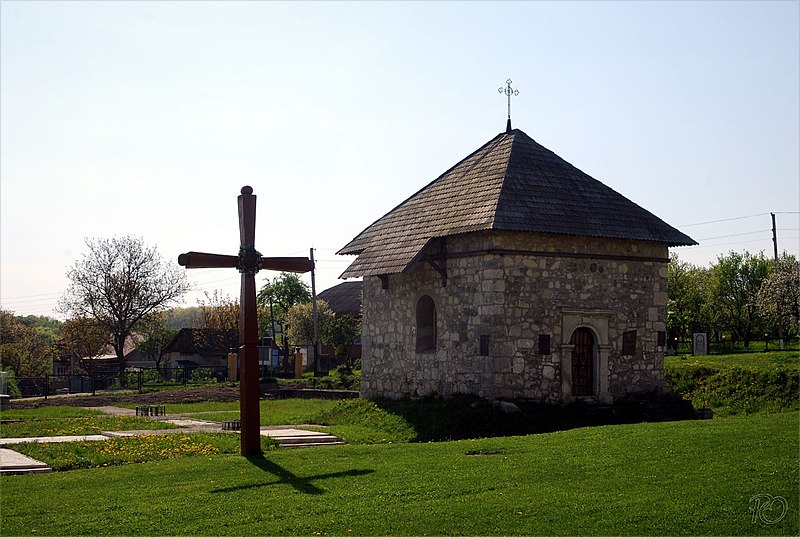
This chapel essentially became the first museum of the history of ancient Halych and preserved valuable architectural details: the altar niche and the original round window that has survived from the presbytery of the former Uspensky Cathedral. Since 1707, the chapel housed the Galych miraculous icon of the Mother of God for some time, which, researchers believe, was brought by the Galych prince Yaroslav Os'mysl from Constantinople and presented to the Uspensky Cathedral. In addition, the chapel housed ancient documents, manuscripts, and incunabula. However, valuable documents were lost in the turmoil of World War I, as during this time the chapel was partially destroyed and looted.
Today, the Vasylivska chapel, along with the Renaissance building of the Church of the Assumption of the Blessed Virgin Mary from the early 18th century (which was built from blocks of the same ancient Uspensky Cathedral) and the Metropolitan Palace building from the 18th century form a unique architectural complex.
The Vasylivska chapel in Krylos is now a historical museum, part of the national reserve "Ancient Halych" and is classified as a monument of national architectural significance.
To add a comment you can: login or register.
Accommodation around Chapel of Saint Basil the Great, Krylos:


Nearby hiking trails near Chapel of Saint Basil the Great, Krylos:
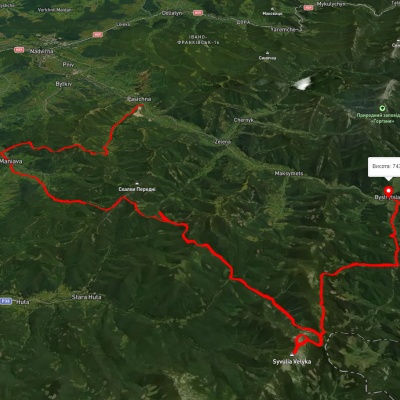
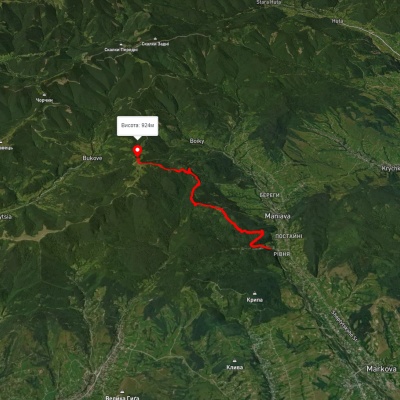
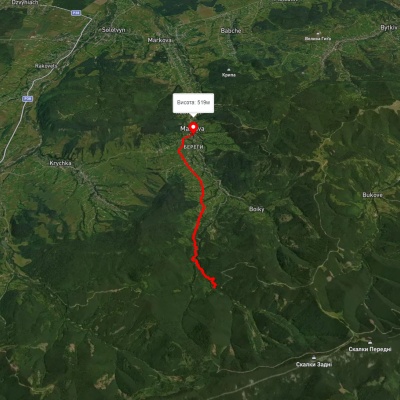
Which trails pass by Chapel of Saint Basil the Great, Krylos?
We suggest these hiking trails through or near Chapel of Saint Basil the Great, Krylos: Pasichna village, via Maniava village, Maniava Waterfall and Mount Velyka Syvulia to Bystrytsia village, Maniava village - Monastyretska polonyna, Maniava village – Maniava Waterfall, Huta village – Pasichna village, Dora village, via Mount Syniachka, Pereslip Pass, Turshuhuvata polonyna and the Yavirnyk ridge to Yaremche, Pasichna village, via Mount Syniachka to Yaremche