Slovenská bryndza
What it is
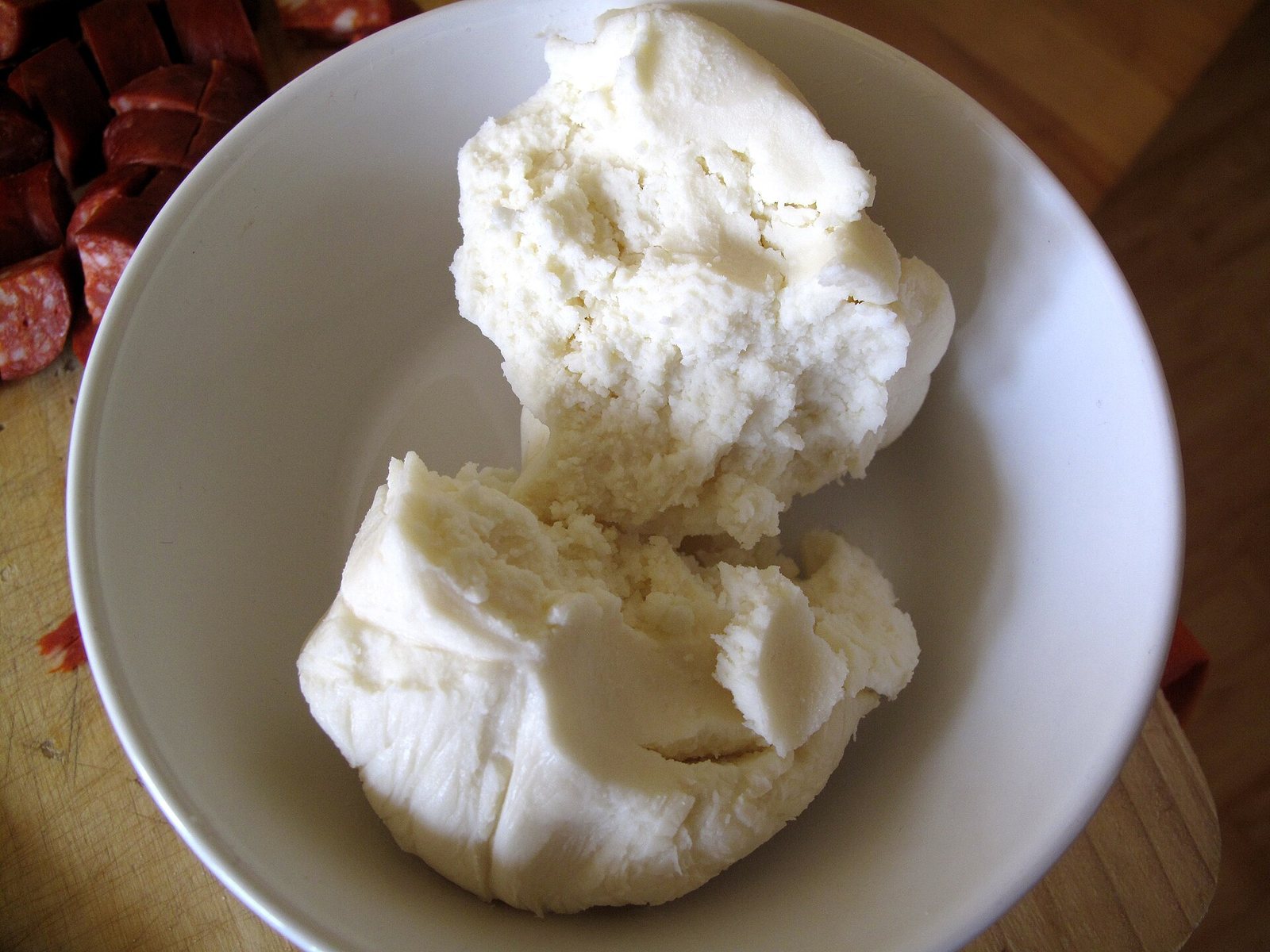
Slovenská bryndza is a soft, white, spreadable cheese with a slightly sour and salty taste and the aroma of sheep's milk. It is made not just from milk, but from ready cheese: sheep lump cheese from the salaš matures, and then it is ground and mixed with salt.
According to the Slovak food code, a product named 'bryndza' must contain at least half sheep cheese in dry matter. Summer bryndza is made from fresh cheese during the grazing season. Winter bryndza is made from aged sheep cheese with the addition of fresh cow's cheese.
Bryndza is spread on bread, used in halušky and pies, it is used to make demikát soup, and spreads with onion and paprika.
History and name
The production of bryndza at home came to Slovakia with Wallachian shepherds around the 15th century; the very word comes from the Romanian brânză — 'cheese'. In the 18th century, bryndzárne-manufactories appeared in cities — particularly in Detva, founded by Ján Vagač in 1787.
In 2026, another Slovak name was added to the EU register — 'Liptovská bryndza', now recognized as a protected designation of origin.
In the EU register: protected geographical indication (PGI), registered name «Slovenská bryndza», registered in 2008. Sources
Ingredients and allergens
Variant: summer
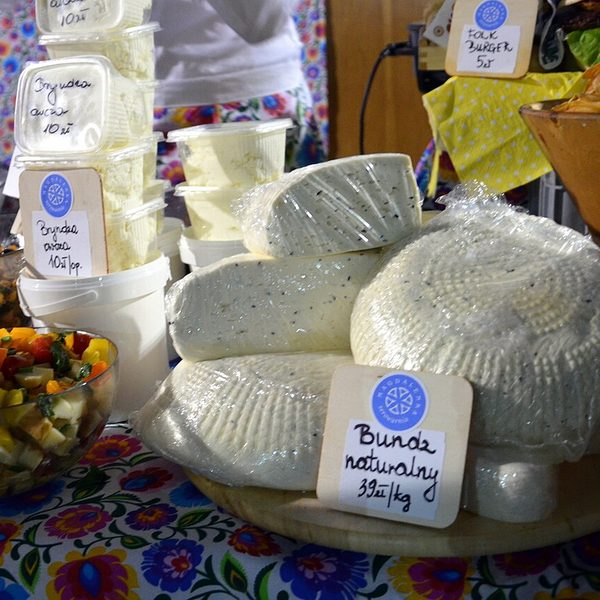
Also: salt
Contains allergens: milk
Diet: gluten-free · no cooking
Variant: winter
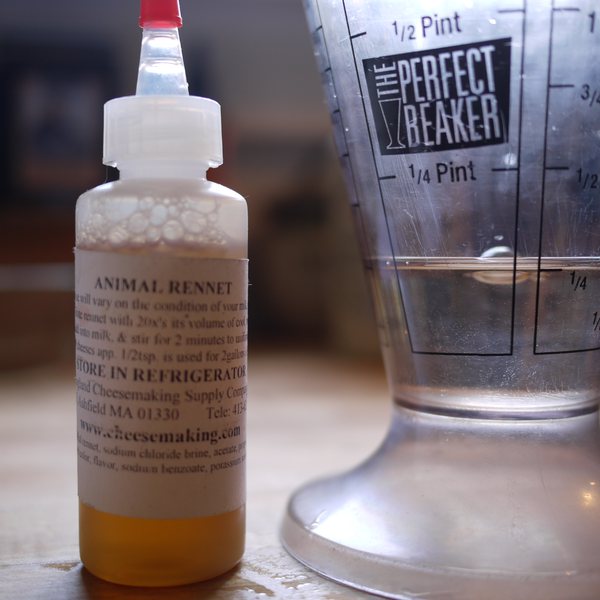
sheep lump cheese, rennet (klyag), cow's milk, salt
Contains allergens: milk
Diet: gluten-free · no cooking
Ingredients of the traditional recipe; every cook and every place may do it differently — please ask when ordering. We cannot guarantee the absence of allergens or traces.
How it is made
At the salaš, sweet sheep's milk is mixed with rennet starter, the curd is collected into a lump and allowed to dry. This lump cheese is transported to the bryndzárne, where it is sorted, washed, and left to mature in cheese baths at approximately 20 °C.
The rind is removed from the matured cheese, excess whey is pressed out, and it is crushed. The crumb is salted and ground on rollers to a smooth mass. Liptovská bryndza was traditionally packed in wooden barrels — gelytky.
Where it is eaten

The area is approximate and based on the sources below. The dish is cooked outside it too, and ethnographic borders are blurred.
Mountainous and foothill Slovakia: Orava, Liptov, Turiec, Spiš, Pogrón, Kysuce. The map shows entire regions — the area is approximate.
When it is eaten
| Jan | Feb | Mar | Apr | May | Jun | Jul | Aug | Sep | Oct | Nov | Dec |
|---|---|---|---|---|---|---|---|---|---|---|---|
Occasions: Polonyna (May — September) · Everyday food
Safety
Summer bryndza at the salaš is often made from raw milk. Pregnant women, small children, and people with weakened immune systems should choose bryndza made from pasteurized milk or consume it in hot dishes.
FAQ
What is Slovenská bryndza made from?
From matured sheep lump cheese, which is ground and mixed with salt. In winter bryndza, part is replaced with fresh cow's cheese.
How does bryndza differ from brined bryndza?
Bryndza is a spreadable ground cheese. Brined bryndza consists of blocks of cheese stored in salty water.
Comments
Travellers’ experience: reports, tips, questions.
No one has written here yet. Be the first — your experience helps others.
Similar dishes and products


Relatives in the Carpathians and nearby
- Hutsul sheep bryndza · Ukraine
close to the polonyna tradition - Podhale bryndza · Poland
family cheese, a separate protected name - brânză de burduf · Romania
family name and technique
Sources
- Реєстр географічних зазначень ЄС (eAmbrosia): Slovenská bryndza, PGI-SK-0427
- Реєстр географічних зазначень ЄС (eAmbrosia): Liptovská bryndza, PDO-SK-03316
- Вікіпедія (словац.): Bryndza
Written by the Karpaty.rocks editors from the sources above. Checked 11.11.2026.
