Horikhivka (green walnut liqueur)
18+Excessive alcohol consumption is harmful to your health
Strong spirits are part of the tradition, so we tell their history, not how to make them. Adults only (18+).
What it is
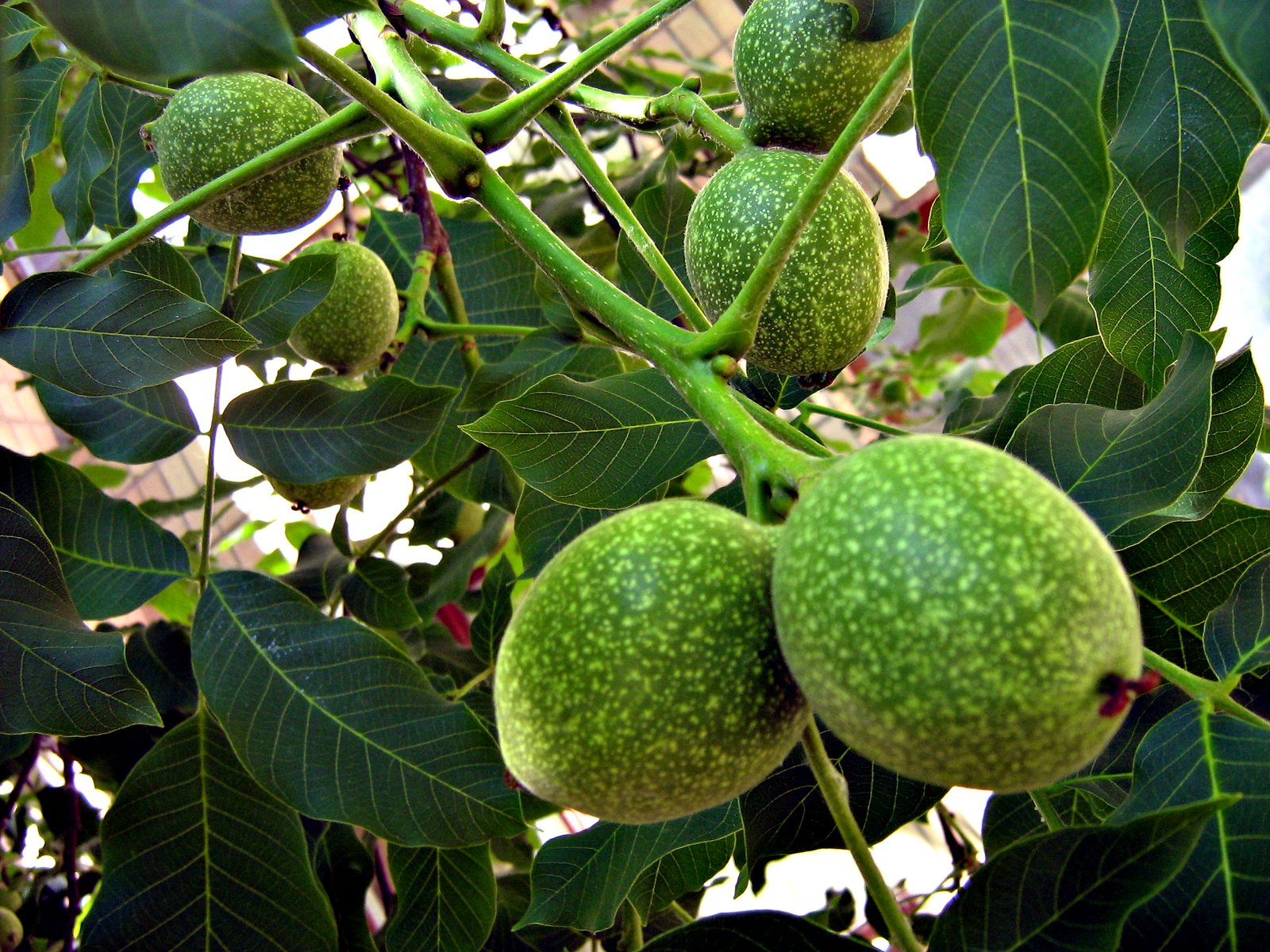
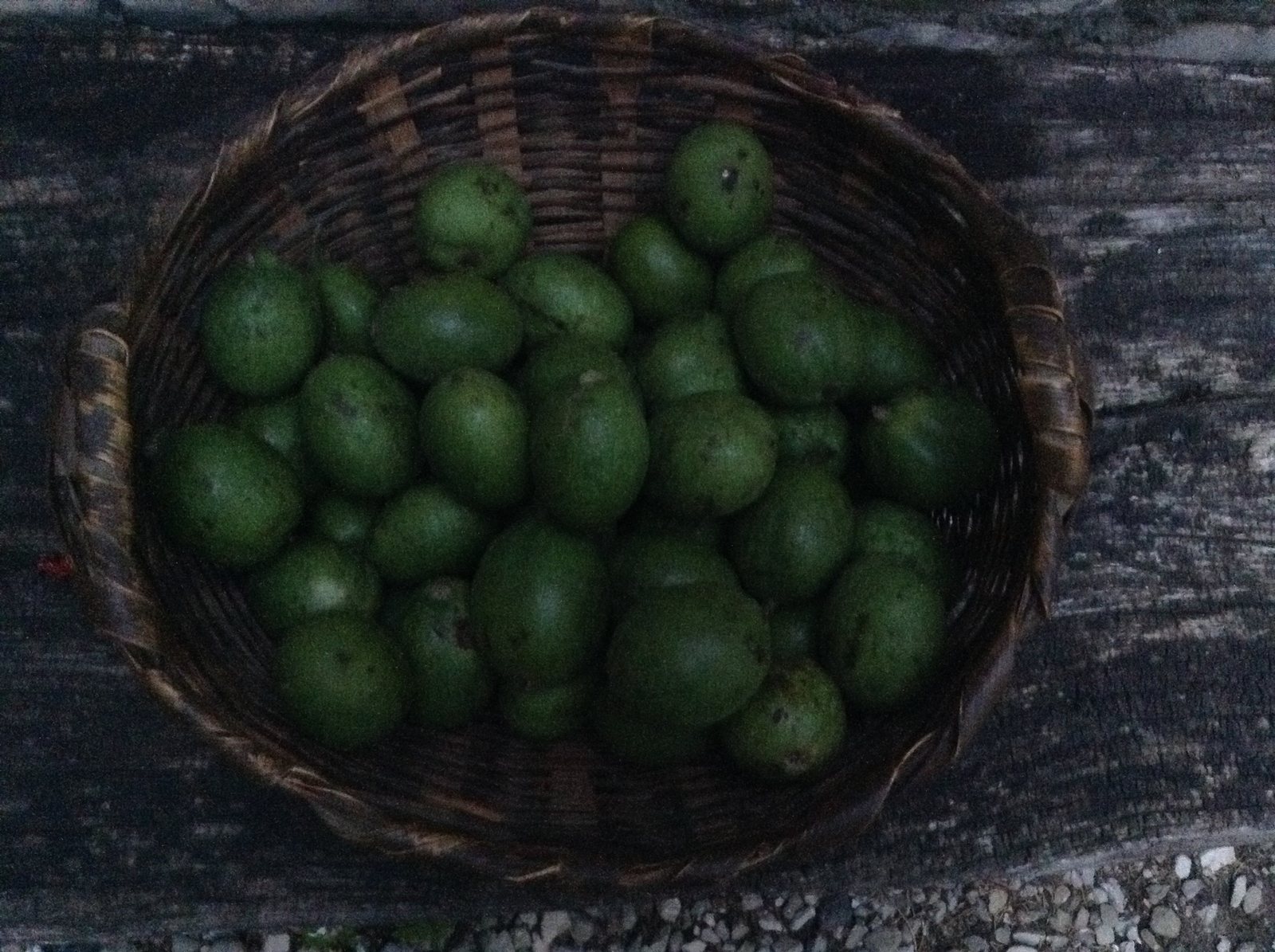
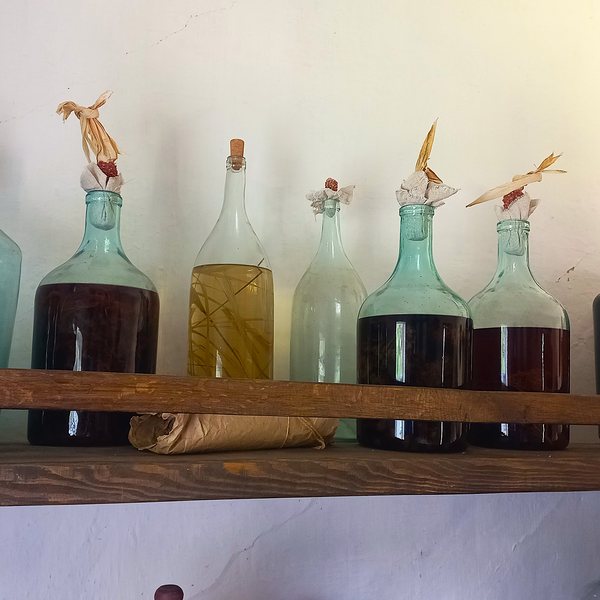
Horikhivka is a strong homemade liqueur made from unripe, still green walnuts. The drink acquires a dark, almost cognac color and a bitter-spicy taste.
Ethnobotanists write about this tradition in the mountains. Researchers from the National Nature Park 'Hutsulshchyna' together with American researcher of Ukrainian descent Nina Fontana recorded in Verkhovyna and Kosiv that the partitions of the walnuts were used for liqueurs 'of the cognac type', while unripe green fruits were infused as a home remedy. An international group of ethnobotanists (2020) documented the infusion of green walnuts in alcohol among the Hutsuls of Ukrainian Bukovina.
The walnut is not a wild mountain plant: it is planted near houses in valleys and foothills. Therefore, horikhivka is a drink of households where walnuts grow, not of high mountains.
We only tell about the name, history, and cultural context: without recipes, purchasing advice, and calls for consumption. Content is for adults only.
History and name
Infusions made from green walnuts are known in many European countries: Italian nocino from Emilia-Romagna, Polish orzechówka, Dalmatian orahovac. In the Carpathians, horikhivka stands alongside other homemade infusions made from plants — afynivka, kalganivka.
Ethnobotanists recorded horikhivka mainly as a folk remedy, rather than a festive drink. Sources do not describe specific rituals associated with it.
Legend: Horikhivka made from green walnuts treats the thyroid gland and stomach.
In fact: So says folk medicine, but there is no proven medical basis. Alcohol is not medicine; consult a doctor for health issues.
Ingredients and allergens
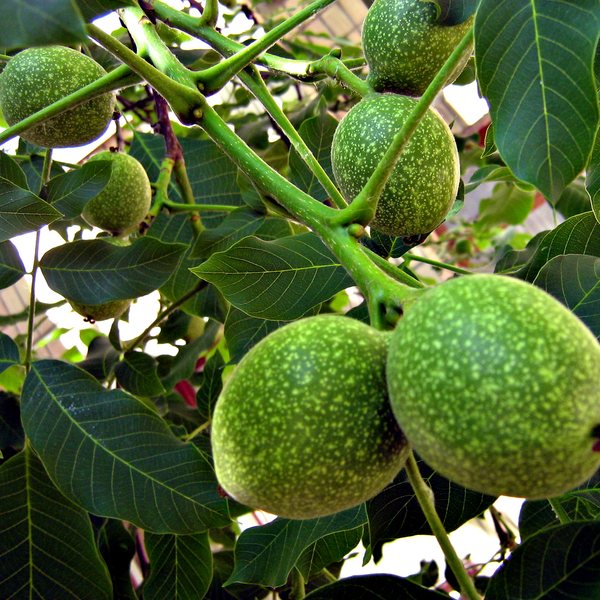
Also: sugar (—, optional)
Contains allergens: tree nuts
Ingredients of the traditional recipe; every cook and every place may do it differently — please ask when ordering. We cannot guarantee the absence of allergens or traces.
How it is made
Horikhivka is made by infusing unripe walnuts in strong alcohol. We consciously do not provide technologies and proportions: the production and sale of alcoholic beverages are regulated by law.
Where it is eaten

The area is approximate and based on the sources below. The dish is cooked outside it too, and ethnographic borders are blurred.
Hutsulshchyna (Verkhovynskyi and Kosivskyi districts) and Bukovynian Hutsulshchyna — here horikhivka was recorded by ethnobotanists. Walnuts grow primarily in valleys and foothills. The area is approximate.
When it is eaten
| Jan | Feb | Mar | Apr | May | Jun | Jul | Aug | Sep | Oct | Nov | Dec |
|---|---|---|---|---|---|---|---|---|---|---|---|
Occasions: Harvest
In tradition
Horikhivka was prepared at home, like other infusions made from berries and herbs; in Hutsul families, it was known more as a folk remedy than as a festive drink. Sources do not describe specific rituals.
Safety
18+. Alcohol is harmful to health. Do not consume while driving, during pregnancy, and breastfeeding. Do not buy alcohol of unknown origin: homemade drinks may contain dangerous impurities, including methanol. Walnut is an allergen (nuts).
FAQ
What is horikhivka?
A strong homemade liqueur made from unripe green walnuts. Ethnobotanists recorded it in the Carpathians in Hutsulshchyna and Bukovina.
How does horikhivka differ from nocino?
These are closely related traditions of infusions made from green walnuts. Nocino is an Italian liqueur from Emilia-Romagna; Carpathian horikhivka is a homemade infusion without a fixed 'canon'.
Is there a recipe for horikhivka on the site?
No. We only tell the history and tradition of alcoholic beverages, without recipes and advice on where to buy.
Similar dishes and products
Relatives in the Carpathians and nearby
- nocino
a close tradition: liqueur made from green walnuts from Emilia-Romagna - orzechówka · Poland
a close tradition - orahovac
a close tradition from Dalmatia
Sources
- Фонтана Н. М., Пасайлюк М. В., Погрібний О. О. Рослини у житті гуцулів // Природа Карпат, 2023, № 1 (8), с. 26–43 (НПП «Гуцульщина», Верховинський і Косівський райони)
- Mattalia G., Stryamets N., Pieroni A., Sõukand R. Knowledge transmission patterns at the border: ethnobotany of Hutsuls living in the Carpathian Mountains of Bukovina (SW Ukraine and NE Romania) // Journal of Ethnobiology and Ethnomedicine, 2020, 16:41
- Wikipedia (en): Nocino
Written by the Karpaty.rocks editors from the sources above. Checked 10.11.2026.
