Câlnic Fortress: a count's castle turned peasant stronghold
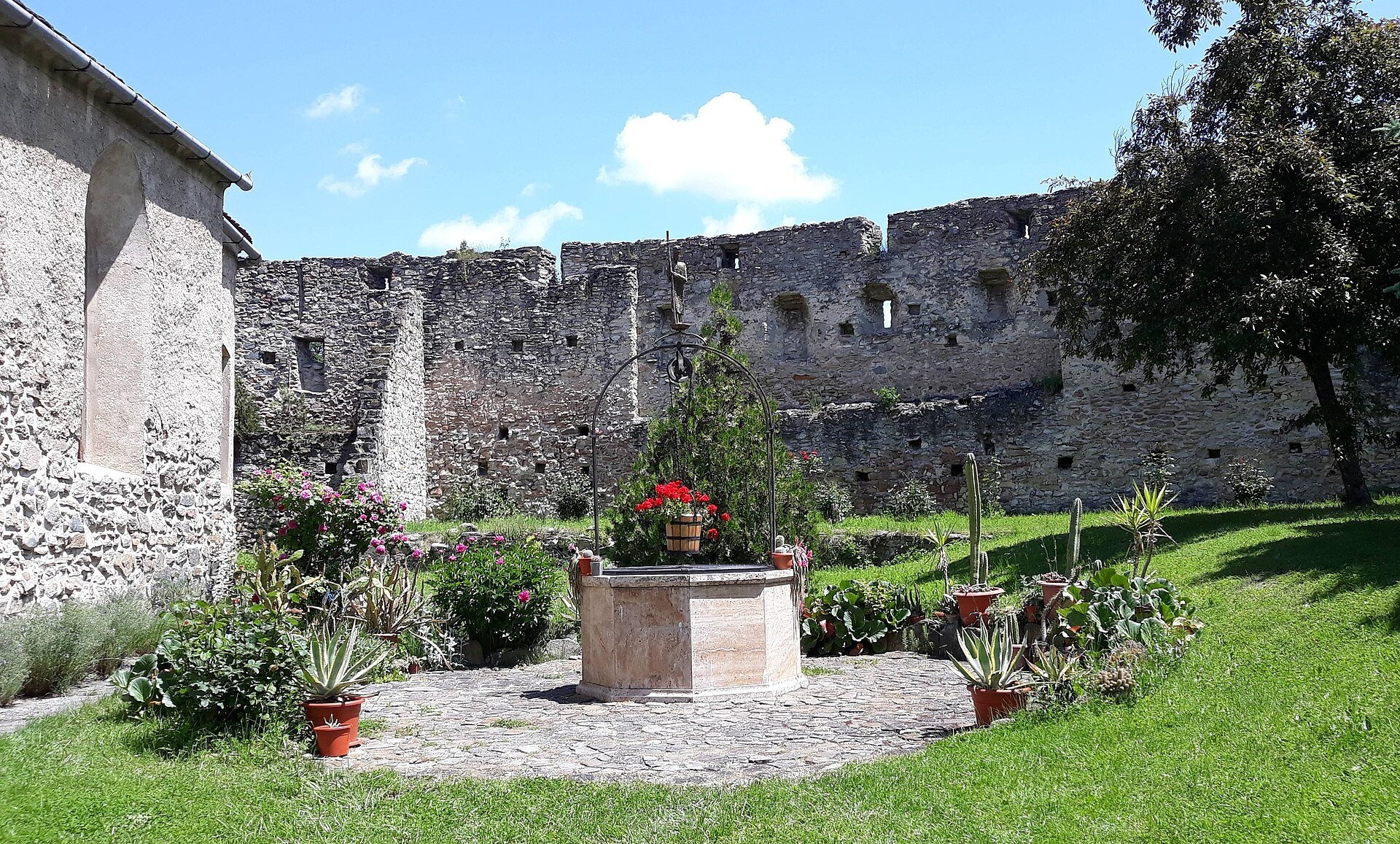
From a count's residence to a village refuge
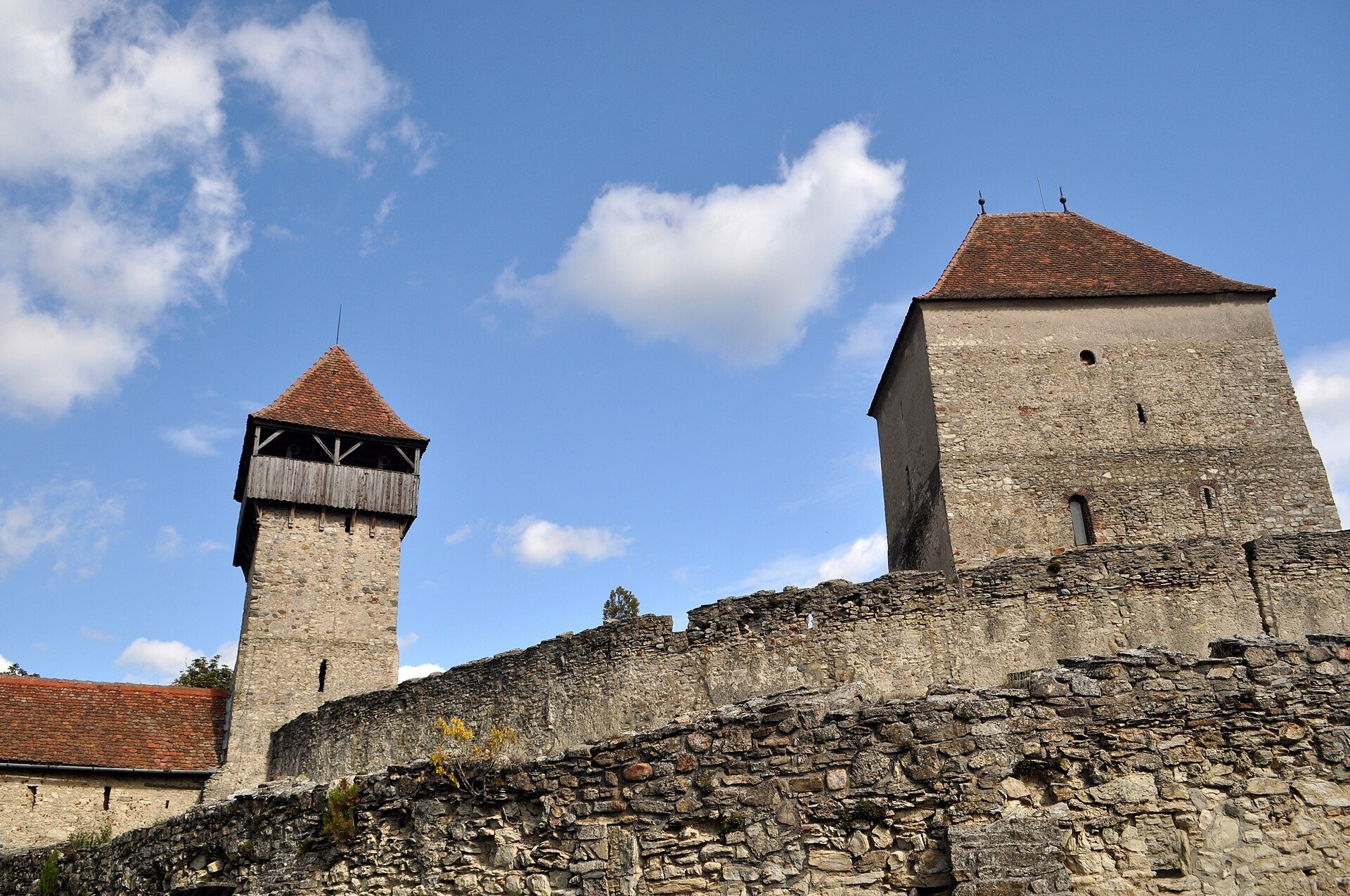
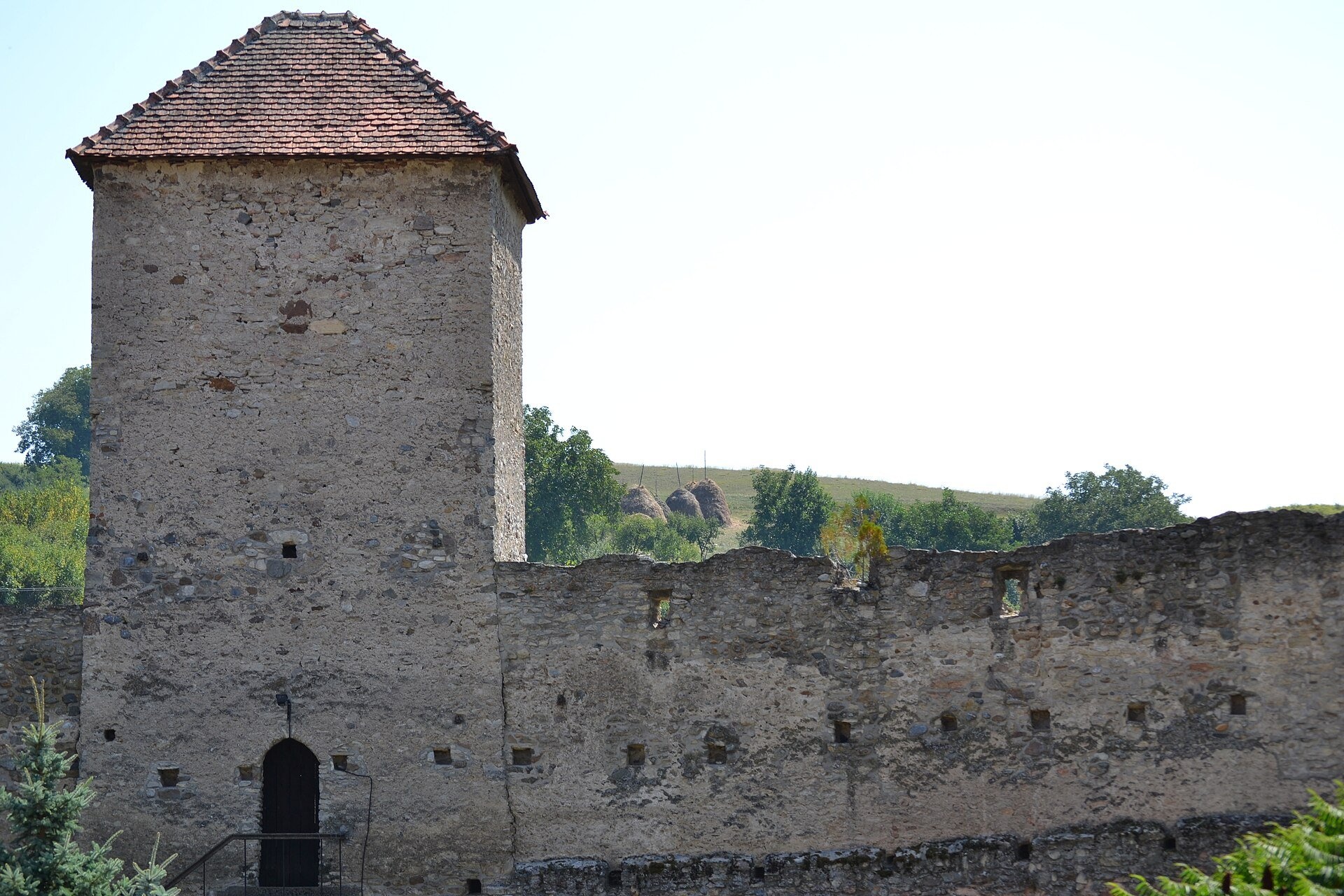
The village of Câlnic (German: Kelling, Hungarian: Kelnek) lies in a hilly valley in the south of Alba County, at the foot of a ridge descending from the Cindrel Mountains, about 13 km from the town of Sebeș. It was first mentioned in 1269 as villa Kelnuk. After the Mongol invasion of 1241, stone fortifications sprang up across Transylvania, and around 1270 the nobleman Chyl of Kelling built a residential tower here — one of the last counts' residences in the region. The massive tower with three residential floors later became known as the Siegfried Tower.
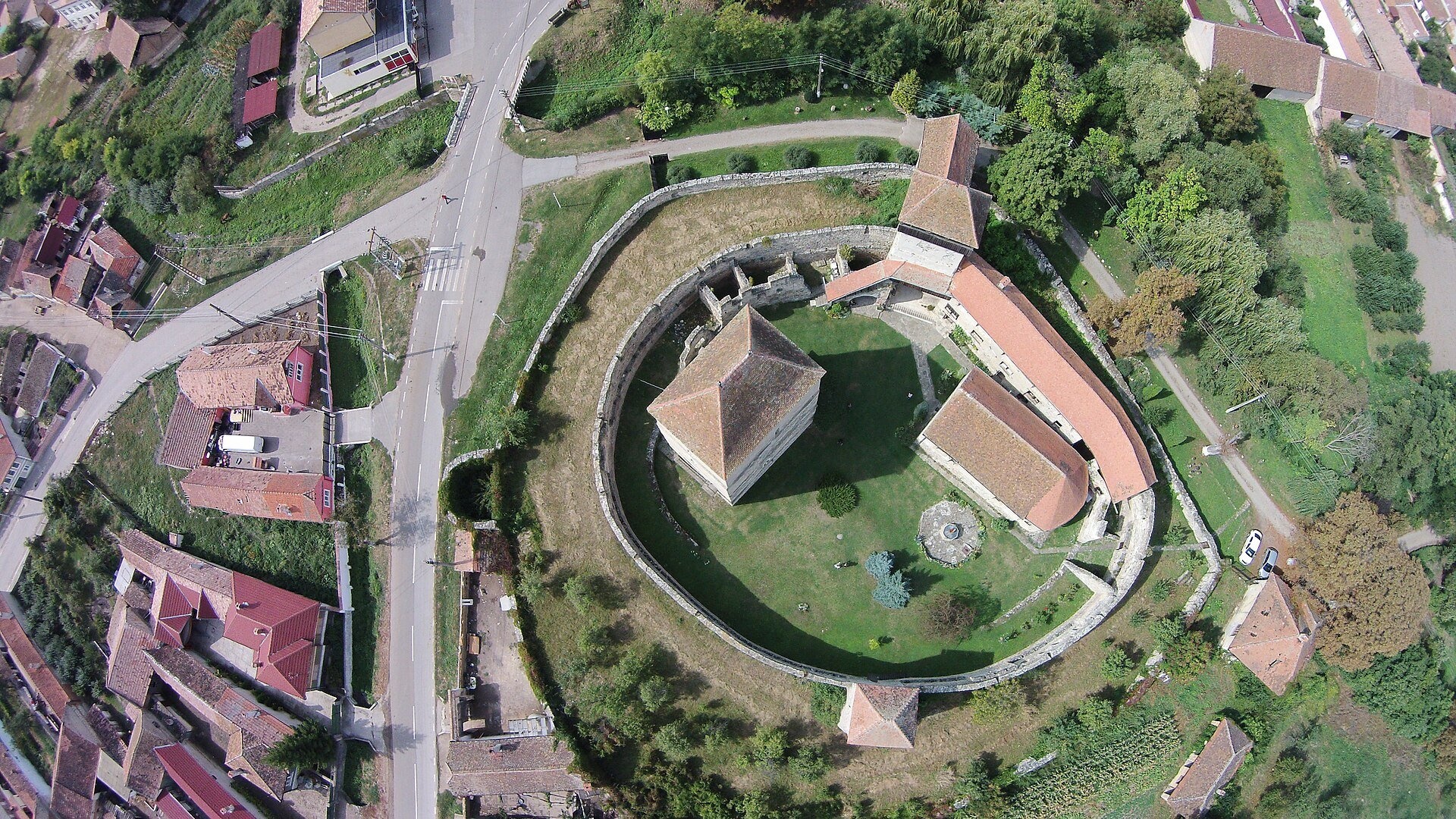
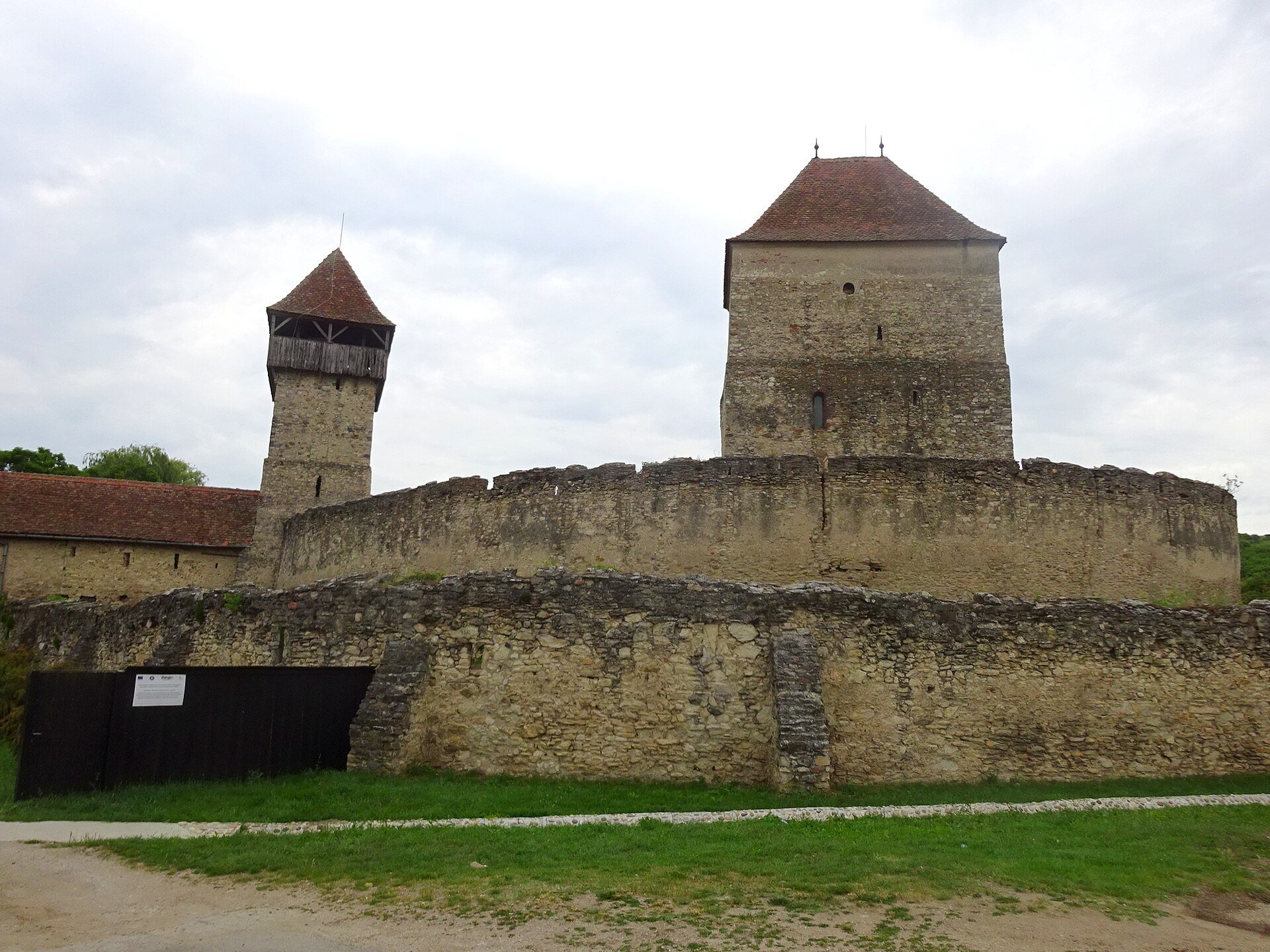
Because of Ottoman raids the tower was ringed with an oval wall with a guard tower, a gate tower and a water-filled moat crossed by a drawbridge. The count's family never got on with the local Saxons, and in 1430 the last count sold the fortress to the villagers. The community added a second ring of walls, siege storerooms and a southern tower, and raised the Siegfried Tower by two more storeys. At the end of the 15th century a small chapel was built in the courtyard. In 1658 the Ottomans burned the village but never took the fortress. The monument was restored in 1961–1964, and since 1995 it has been cared for by a foundation of Babeș-Bolyai University in Cluj-Napoca. In 1999 Câlnic was included in the UNESCO World Heritage site «Villages with Fortified Churches in Transylvania».
Why go
Câlnic is unusual among Transylvania's UNESCO sites: the star here is not a church but a real small castle, standing not on a hill but in a hollow by a stream. Double walls, a barbican, towers with timber galleries and a quiet courtyard with a well and flowers create an atmosphere you can feel even in an hour. The fortress lies by the A1 motorway between Sibiu and Alba Iulia, so it is an easy stop on the way, and in summer it hosts concerts, including events of the «Lucian Blaga» International Festival.
What to see
- The Siegfried Tower — the count's residential tower of around 1270, more than 20 m high, now housing a museum of the local Saxons' everyday life and traditions.
- Two rings of walls: the inner one, about 7 m high, with the gate tower (about 24 m, with bells) and the «Bacon Tower», and the low outer one with a semicircular bastion.
- The barbican and gate with traces of the portcullis that replaced the drawbridge in the 16th century.
- The late 15th-century chapel with fragments of early 16th-century frescoes and a wooden gallery painted in 1733 with floral folk ornament.
- The inner courtyard with its well, and the storerooms built against the wall.
- On the hill above the village — the 15th-century Evangelical church with Gothic tabernacles and sacristy portal.
Practical information
Address: DJ106F, 517205 Câlnic, Alba County. It is about 13 km from Sebeș, about 50 km from Sibiu and about 30 km from Alba Iulia; a sign on the DN1 road / A1 motorway points to the village, about 3 km from the turn-off. A car is the easiest option. From Ukraine the nearest route is via the Solotvyno — Sighetu Marmației crossing, about 340 km away. There is no official 2026 timetable online: the fortress receives visitors during the day. Contacts given by the Fortified Churches Foundation: +40 258 747 220, +40 740 234 297. Check ticket prices and hours before you go. The walls, courtyard and tower museum take about an hour. Uneven cobbles and wooden stairs in the towers make access difficult for wheelchair users.
Nearby
- The historic centre of Sibiu — about 45 minutes' drive.
- The ASTRA Museum of Traditional Folk Civilization in the Dumbrava forest near Sibiu.
- The town of Sebeș with its Gothic Evangelical church and remains of the town walls.
- The city of Alba Iulia with its Vauban-style citadel.
- Cindrel peak — the highest point of the mountains rising south of the village.
Official website: kirchenburgen.org
Photos: Andrei Iordache, CC BY-SA 3.0, Wikimedia Commons; Zsolt deak, CC BY-SA 3.0 ro, Wikimedia Commons; Țetcu Mircea Rareș, CC BY-SA 4.0, Wikimedia Commons; Albuțiu Gabriel Gábor, CC BY-SA 3.0 ro, Wikimedia Commons; F.hilbert, CC BY-SA 4.0, Wikimedia Commons; MihaelaRoler, CC BY-SA 3.0 ro, Wikimedia Commons.
Getting there from Ukraine
Border crossings
- Porubne – Siret — road and pedestrian, 24/7
- Diakivtsi – Racovăț — road and pedestrian, 24/7 No freight traffic.
- Krasnoilsk – Vicovu de Sus — road and pedestrian, 08:00–20:00 Cars up to 3.5 t and pedestrians only; not 24/7.
- Solotvyno – Sighetu Marmației — road and pedestrian, 24/7 Passenger traffic only: vehicles up to 3.5 t with up to 9 seats, pedestrians.
- Diakove – Halmeu — road, 24/7 No pedestrian crossing.
By car
Rakhiv – Sibiu ≈390 km, ≈5 h 33 min (via Solotvyno – Sighetu Marmației); Ivano-Frankivsk – Sibiu ≈524 km, ≈7 h 52 min (via Solotvyno – Sighetu Marmației); Chernivtsi – Sibiu ≈435 km, ≈8 h 00 min (via Diakivtsi – Racovăț). Times without border queues, our road routing (GraphHopper, OSM).
Checked 03.11.2026; border crossing hours and timetables change — check before you travel.
Comments
Travellers’ experience: reports, tips, questions.
No one has written here yet. Be the first — your experience helps others.
Video 2
 CETATEA MEDIEVALA CALNICBezirkskonsistorium Mühlbach
Location on the map
Nearby attractions
 Water parks & thermal poolsOcna Sibiului spa: salt lakes and healing mudOcna Sibiului31 km from Câlnic Fortress: a count's castle turned peasant strongholdOcna Sibiului is a small spa town in Sibiu County, 15 km north-west of Sibiu, on the southern edge of the Transylvanian hill basin.
 PeakCindrel Peakaltitude 2 244 m36 km from Câlnic Fortress: a count's castle turned peasant strongholdCindrel Peak (Romanian Vârful Cindrel, also Cândrel) is the highest summit of the Cindrel Mountains, at 2,244 m (some sources give 2,245 m), in the centre of the...
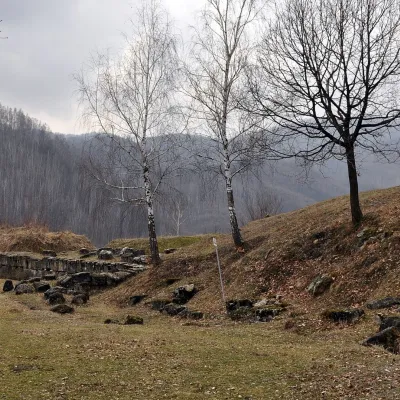 Historic siteCostești-Cetățuie: Dacian fortress, UNESCOCostești46 km from Câlnic Fortress: a count's castle turned peasant strongholdCostești-Cetățuie fortress stands on a steep hill above the valley of the Grădiștea river (Apa Grădiștei) near the village of Costești in Hunedoara County.
Craft nearby
All craft places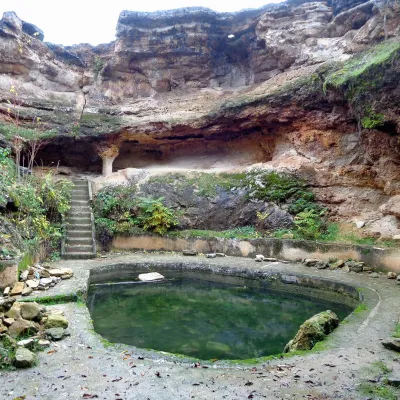 Water parks & thermal poolsGeoagiu-Băi: the Roman Germisara thermae and mesothermal watersGeoagiu-Băi39 km from Câlnic Fortress: a count's castle turned peasant strongholdGeoagiu-Băi is a small spa of mesothermal waters in Hunedoara County, on the south-eastern slopes of the Metaliferi Mountains — part of the Apuseni (Western Romanian)...
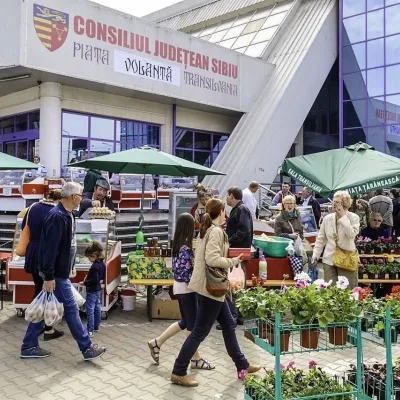 Markets & fairsTransylvania Farmers’ Market in Sibiu: Saturday producers’ marketSibiu40 km from Câlnic Fortress: a count's castle turned peasant strongholdThe Transylvania Farmers’ Market (Piața Țărănească Transilvania) is an open-air Saturday market next to the Transilvania sports hall in Sibiu.
