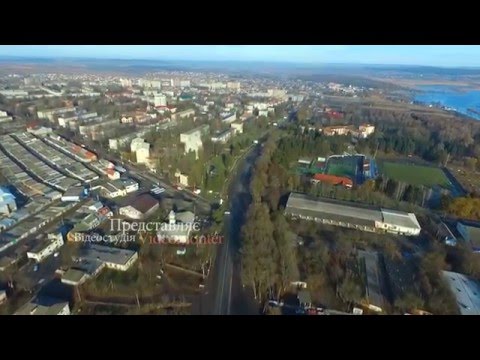
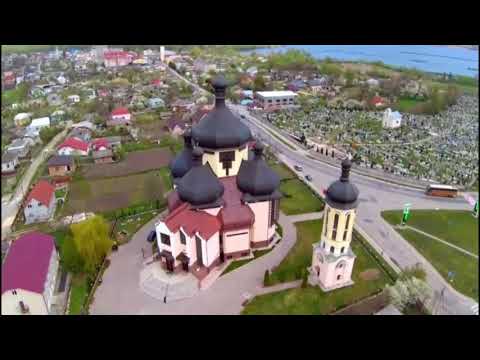
Burshtyn
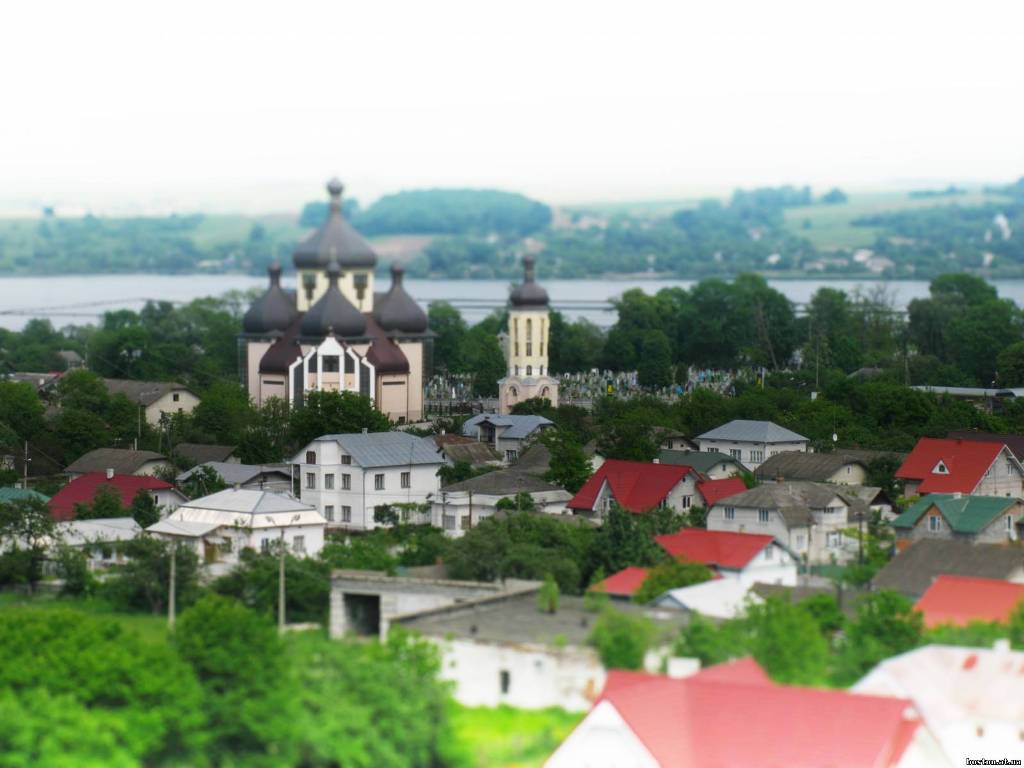
- Folkloristic and microtoponymic - there are several poetic legends, but they are always related to amber itself - throwing stones, breaking the necklace of a princess, etc. They are purely the work of folk imagination and fantasy;
- theological - the town's toponym is derived directly from the name of the amber gemstone, as the town could have been an exchange or trading post for products made from this oleoresin in ancient times (according to I. Voichyshyn) or a place where amber was processed and jewelry made from it (according to S. Babyshyn and Y. Kruhliak), or even the place where it was actually found (according to the "Chronicle of the City of Burshtyn"). However, there is no documentary mention in historical sources of the existence of an amber hut or a place of sale of amber products in the vicinity of Burshtyn. In addition, Burshtyn became Burshtyn only in the 2nd half of the 16th century (before that, the town was called Nove Selo);
- anthroponymic - there is reason to believe that the place name Burshtyn was formed, as in many other cases, from an anthroponym, and several references to people with such surnames have been preserved in historical sources from the Middle Ages. For example, according to Galician court records, in 1648 the Kalush starosta Samuel Poniatowski filed a lawsuit against the townspeople and peasants for their participation in the autumn riots, and among others, the list of rebels included Ivan and Hryts Burshtyn from the village of Sivka. Therefore, it is possible that the town was named after a new settler named Burshtyn. However, there is no direct evidence that people named Burshtyn were involved in the renaming of Nove Selo;
- soil science - Lviv scholar O. Kupchynskyi includes Burshtyn in the group of settlements whose names were formed from the color of water and soil, though without a thorough argumentation;
- linguistic - its author, a local teacher V. Matiyiv, suggested that the town got its name from a stone castle, which German builders and colonialists called burgstein (burg - "castle", stein - "stone") in their native language.
In one of the most recent thorough studies, local historian Zenoviy Fedunkiv concluded that modern Burshtyn received its current name in the 2nd half of the 16th century after the settlement of Nove Selo, destroyed by Tatars or a flood, was rebuilt on a new site. At that time, it was common practice to name newly founded settlements either by the names of their owners or by microtoponymic features, such as the names of tracts, rivers, and terrain features, but since there is no direct evidence that the town received its name from people named Burshtyn, it is likely that the settlement was named after a geographical object, most likely a tract.
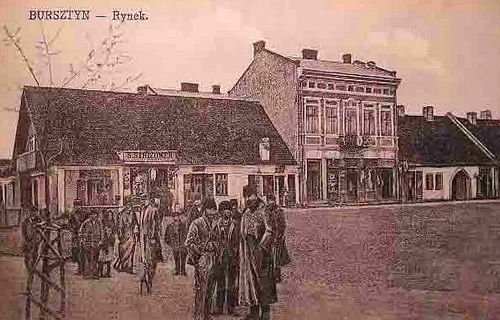
- In the 16th century, the town had a mill, a brewery, a malt house, etc.
- In the second half of the 16th century, the Polish magnate Count Skarbek became the owner of the town. A castle-fortress was built here.
- In 1629, a Polish-Tatar battle took place near Burshtyn, as a result of which the town was looted and destroyed.
- In 1630 Burshtyn became the property of Count Jablonowski.
- During the National Liberation War of 1648-1654, the town's residents took part in the hostilities.
- In the 1730s and 1750s, residents took part in the opryshky movement.
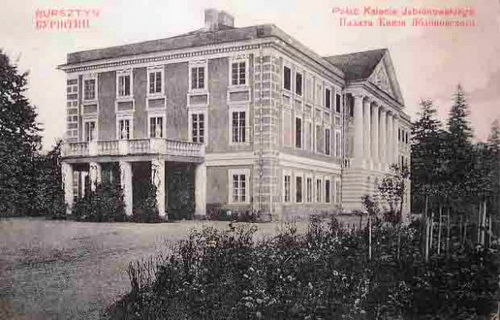
- In the early 20th century, Burshtyn belonged to Count I. Skarbek, who built a large palace here, erected a Uniate church (1802), and founded a Catholic monastery of the Sisters of Mercy (existed in 1842-1945).
- In 1829, alabaster deposits were discovered in Burshtyn. However, only artisanal quarrying took place here.
- In 1849, a one-class public school was opened. In 1882, a private pharmacy and two medical centers were built here.
- In 1857, the town was home to 3470 people.
- In the 1860s, a railroad was laid near Burshtyn and a railway station of the same name was built.
- In 1898, a four-grade school was opened in the town, which was reorganized into a five-grade school in 1909.
- During the First World War, Russian, Austro-Hungarian, Polish, and Soviet troops were stationed in the town at various times. In September 1920, Burshtyn came under Polish rule. As a result of the hostilities, the city suffered significant destruction.
- In the 1920s and 1930s, the town had a distillery, a brickyard, a water mill, and three bakeries.
- In 1930, the first power plant was opened here.
- In September 1939, Burshtyn became part of the Ukrainian SSR.
- In October 1939, the power plant resumed its work. The town had a House of Culture, a secondary school, a reading house, and a district hospital.
- In 1940, Burshtyn was granted the status of an urban-type settlement. During 1940-1962 it was a district center.
- During the Second World War, the town was occupied by the Nazi invaders from July 4, 1941, to July 26, 1944. During the occupation, underground groups operated on the territory of Burshtyn.
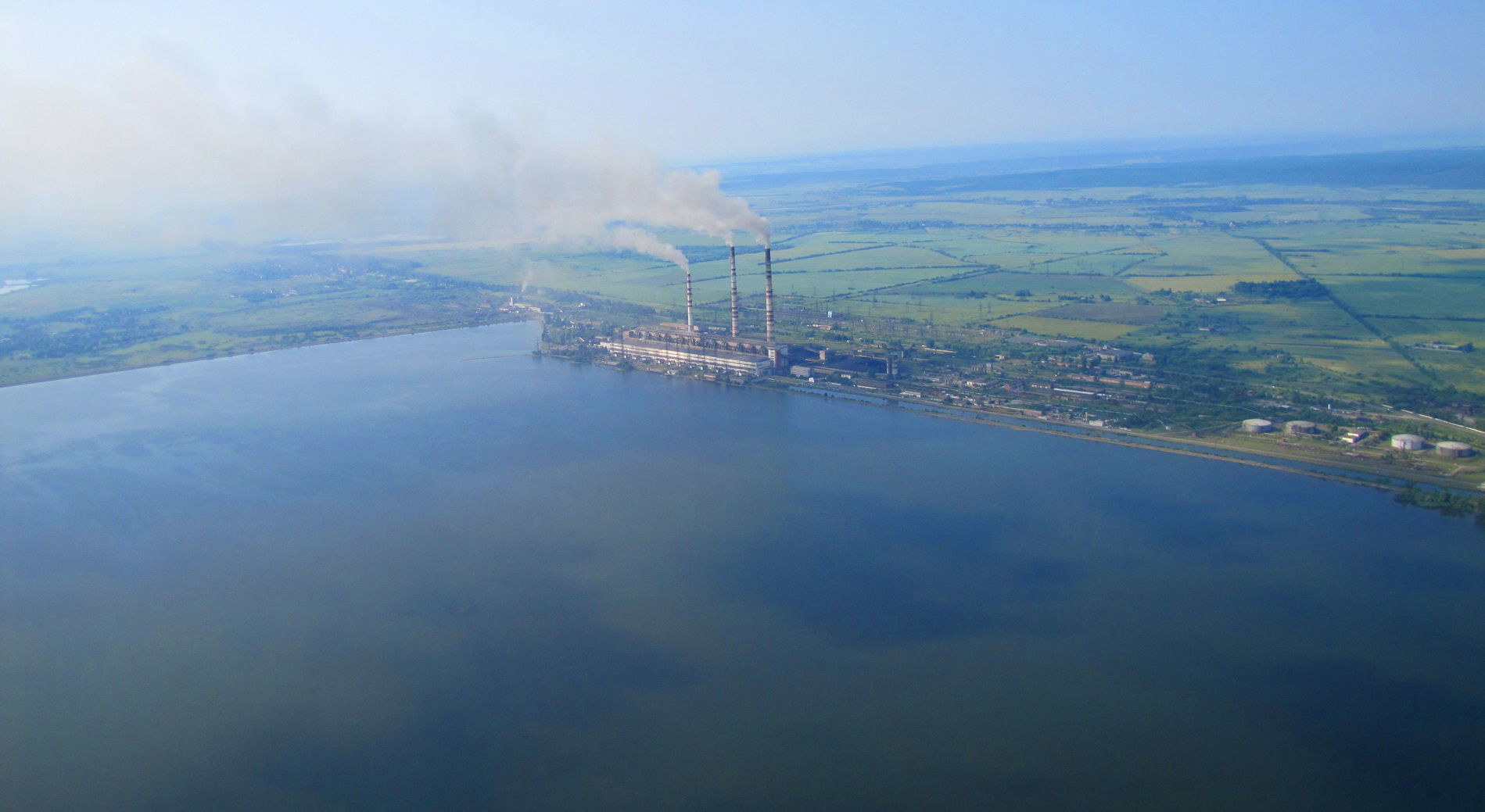
- In June 1962, the construction of a thermal power plant began in the town. In 1964, a branch of the Kyiv Energy College was opened here.
- In the 1960s, Burshtyn had two libraries, a House of Culture, and a club.
- At the end of the 20th century, the town had a state-run power plant, a large-panel house-building plant, and a bakery.
- In 1993, Burshtyn was granted the status of a city. Burshtyn was granted the status of a city.
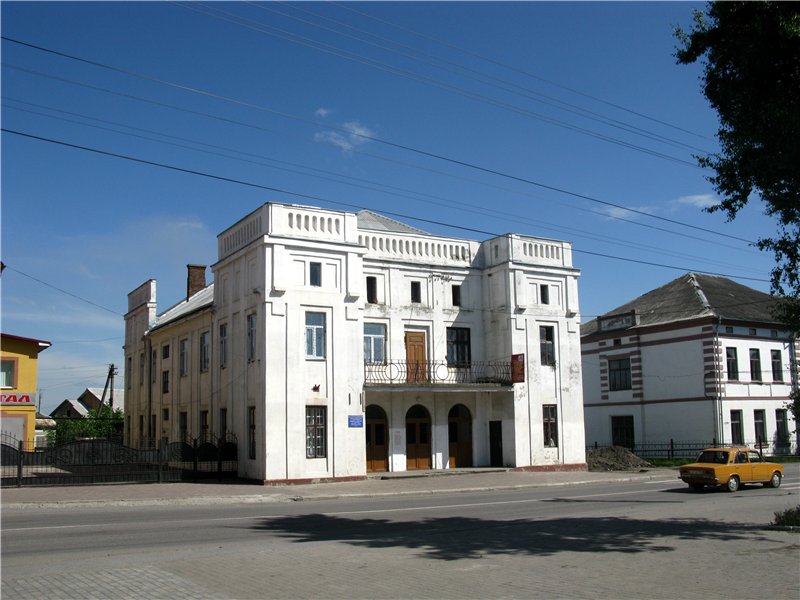
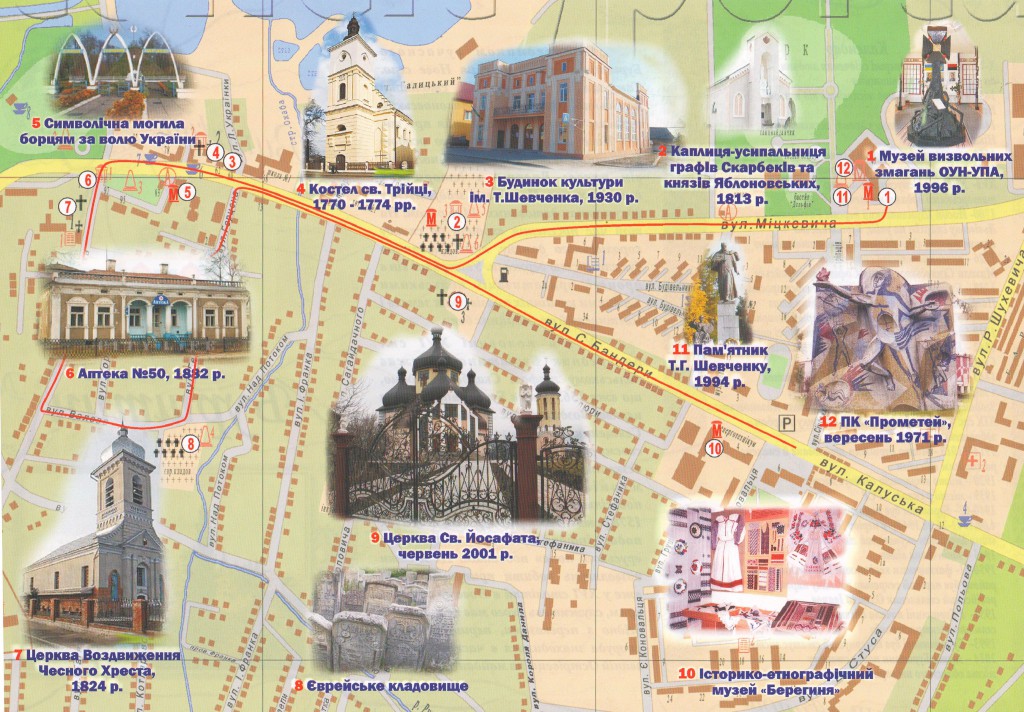
- The Shevchenko House of Culture is the first public cultural institution in the city, dating back to 1908, when the well-known Prosvita reading house was built, which has now grown into the People's House of Culture.
- ThePalace of Power Engineers "Prometheus " was founded in 1971 as a departmental and specialized cultural and leisure center for employees of Burshtyn TPP, and has always functioned as a place of recreation and development of amateur artistic activity for residents of the entire city of Burshtyn. It has a 700-seat cinema and concert hall, a 250-seat small hall, a 60-seat conference hall, a library with a reading room, and a gym;
- The OUN-UPA Museum (officially called the Museum of the Liberation Struggle of the Halych District) was founded in 1996 on the initiative of the OUN-UPA Brotherhood of the Halych District Village and the Society of Political Prisoners and Repressed of the Halych District and approved by the decision of the extraordinary Halych District Session of March 8, 1998. The exhibition, which tells the story of Ukrainian patriots, is located in the Burshtyn Palace of Culture "Prometheus";
- The Olha Basarab Museum is a museum of the unconquered Ukrainian woman, public and revolutionary figure Olha Basarab.
- Historical and Ethnographic Museum "Berehynia" (unofficially called the Opillya Museum) - the main social and public content of the Opillya Museum is to revive spirituality, spread folk customs and rituals, and preserve the best achievements of the ethnoregion's material and spiritual cultures.
- 3 libraries - children's, adult, and the trade union committee of Burshtyn TPP
- Built in 1976, the Energetik sports complex remains the main center for the development of sports, health improvement and recreation not only for residents of Burshtyn but also for the entire Galician region. As of 2018, the sports complex had weightlifting, freestyle wrestling, football, karate-do and other sports sections. Many athletes from Burshtyn are professionals. Rowers, karate fighters, and football players achieved the greatest results in the professional arena. The Energetik football club, founded in 1948, played in the first league of the Ukrainian championship.
-
The city's pride is the Dolphin swimming pool, which is visited by more than a hundred people every day. The pool has a fitness center for women and a sauna.
-
Burshtyn has a well-known children's and youth canoeing school. The location of the water canal in the town allows for regular training and rowing competitions. Young residents of Burshtyn can develop strength and endurance in the Seido martial arts club and the Typhoon karate club for children and youth. Volleyball, basketball, football, chess, and model airplane construction sections are open. For winter sports enthusiasts, there is an open ice arena in winter.
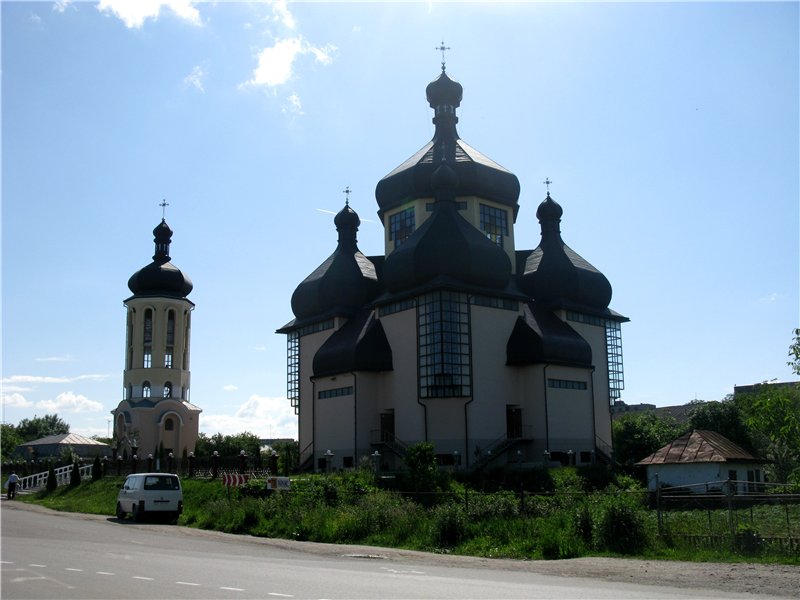
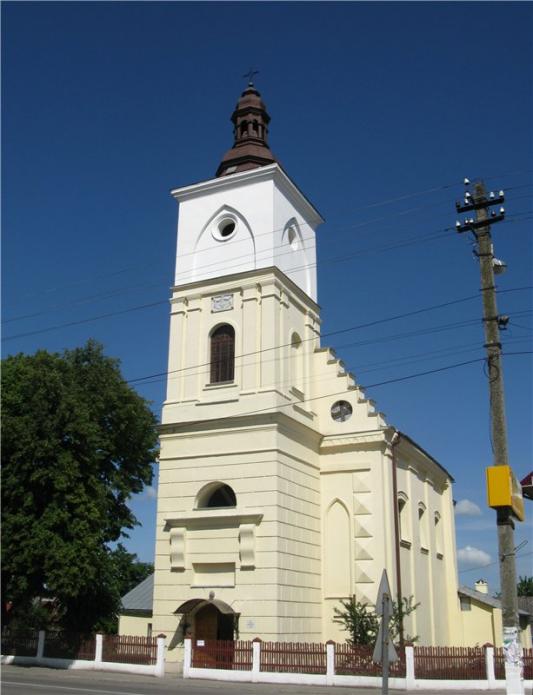
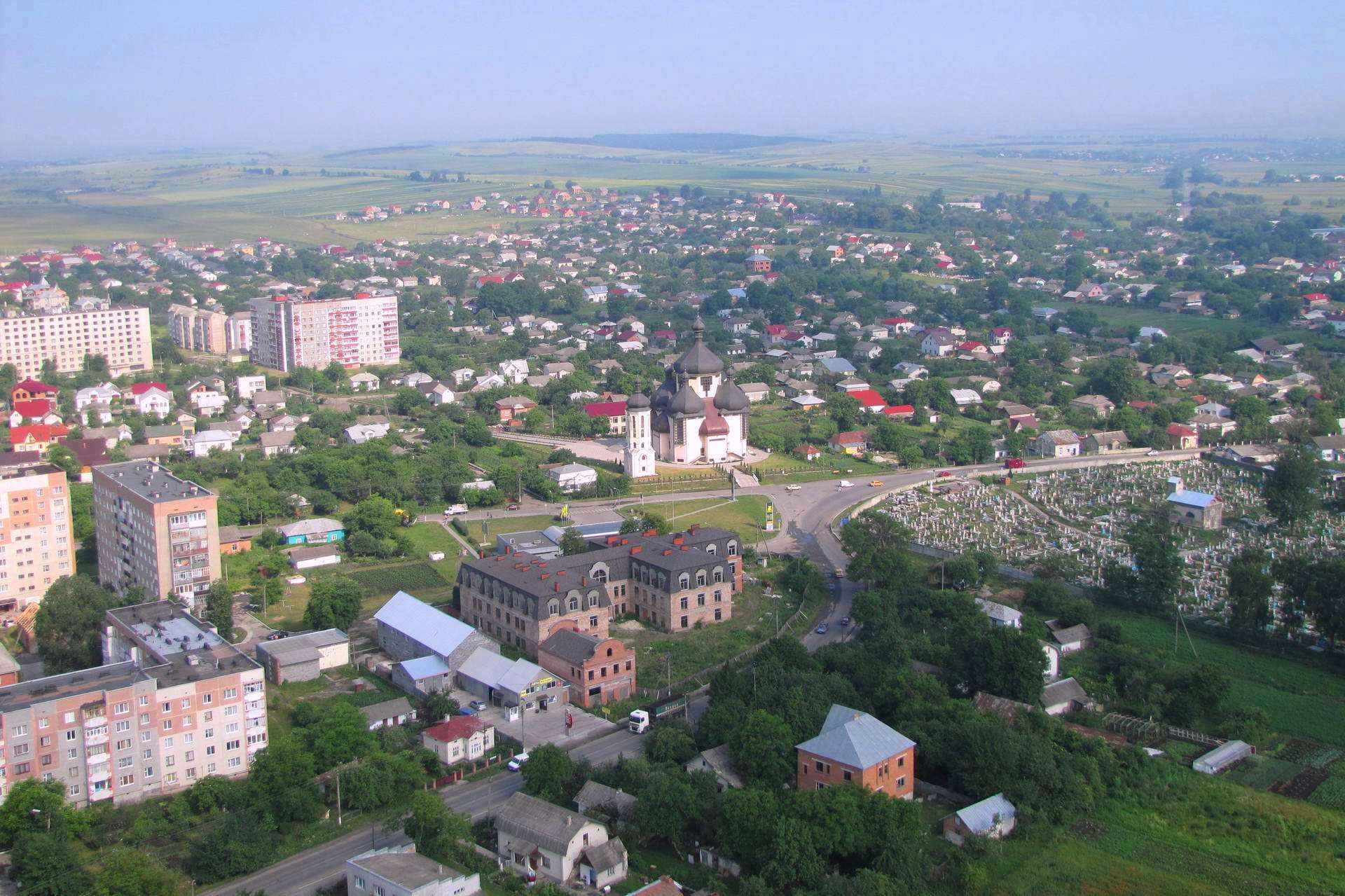
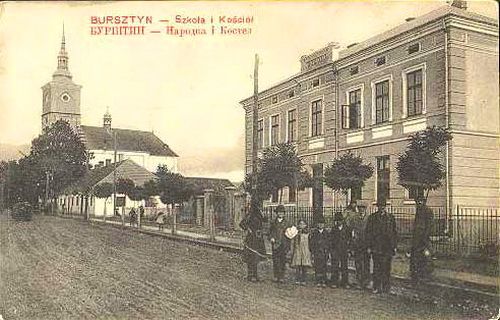
- Greek Catholic: The Church of All Saints and the Holy Martyr Josaphat is a majestic church, which was consecrated on December 2, 2001 and the historic Church of the Exaltation of the Holy Cross (XVIII century) in the old part of the city on Shevchenko Street;
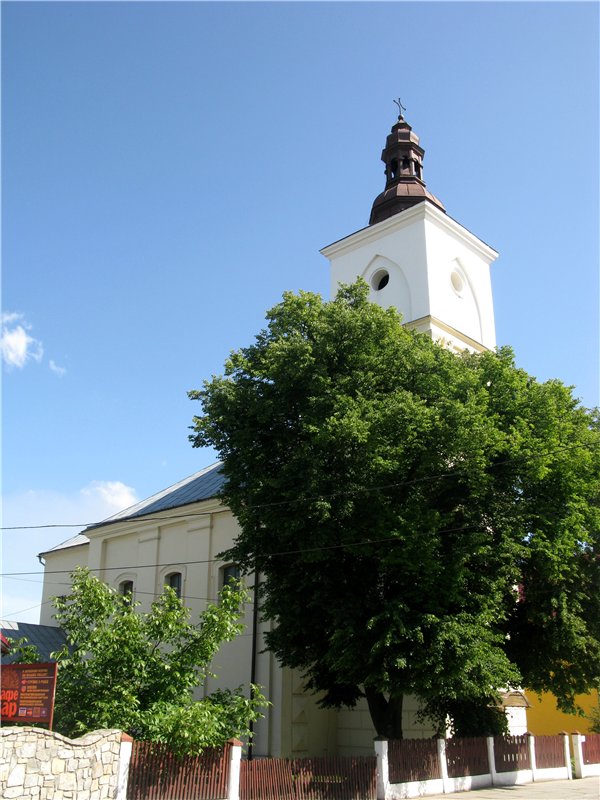
- Roman Catholic: The Church of the Holy Trinity, an old building (XVIII-XIX centuries) of religious construction was returned to the Roman Catholic community in 1991; after major repairs and renovation of the interior, the church began to be used for its original purpose;
- Orthodox: The Church of the Transfiguration of the Lord (UOC-KP), in 1999 the community was formed, in 2002 a church was built and consecrated, which was dismantled in the village of Kopanky, Kalush district (wooden church of the Holy Trinity, built by the Greek Catholic community in 1945, No. 771 in the register of monuments of the region), sold by the Orthodox community of Kopanky and transported to Burshtyn.
- A full-figure monument to Taras Shevchenko, erected on the occasion of the 180th anniversary of the poet's birth in 1994 (by sculptor Anatolii Kushch and architect Oleh Stukalov), installed near the Prometheus Palace of Culture;
- Monument to the Unknown Soldier - installed in the old part of the city;
- A sculpture in honor of the poet Marta Hai in the library of the Prometheus Palace of Culture (sculptor Bohdan Holoyad, son of Marta Hai);
- Monument to Olha Basarab, installed in the city center near the secondary school No. 2.
What to visit
Landmarks, museums and places of interest near Burshtyn.
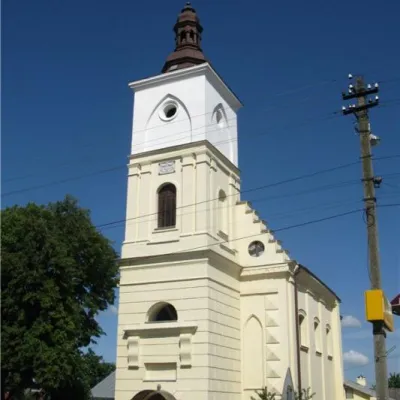 ArchitectureChurch of the Holy Trinity, BurshtynBurshtynunder 1 km from the centreThe Roman Catholic Church of the Holy Trinity is located at: the city of Burshtyn, Bandera Street, 64 in Ivano-Frankivsk Oblast.
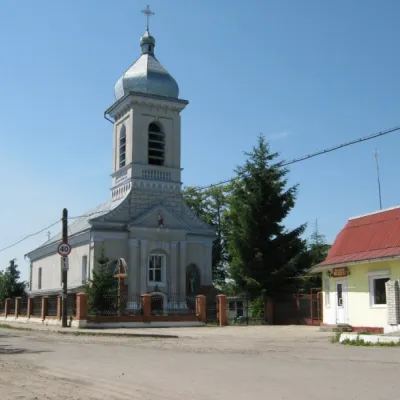 ChurchChurch of the Exaltation of the Holy Cross, BurshtynBurshtynunder 1 km from the centreGreek Catholic church in the city of Burshtyn - Church of the Exaltation of the Holy Cross. The first wooden church in Burshtyn was built in the 16th century in the...
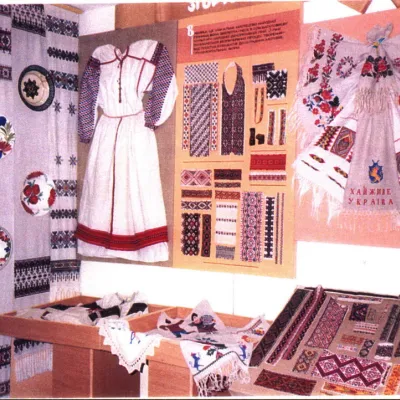 MuseumHistorical and Ethnographic Museum "Beregynya", BurshtynBurshtynunder 1 km from the centreIt may seem strange, but the impetus for creating the museum was the story by I. Nechuy-Levytsky "Kaidash's Family".
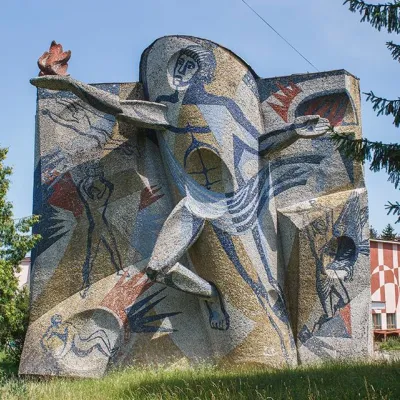 ArchitectureCultural Palace of Energy Workers "Prometheus", BurshtynBurshtyn1.3 km from the centreThe Burshtyn Cultural Palace of Energy Workers "Prometheus" is a cultural palace in the city of Burshtyn, a significant cultural and artistic center of the city and...
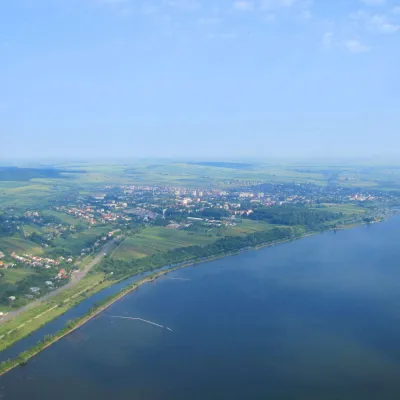 NatureBurshtyn Reservoir and Discharge CanalBurshtyn1.5 km from the centreBurshtyn Reservoir is a reservoir created in 1965 on the Hnyla Lypa River for the needs of the Burshtyn Thermal Power Plant, which was built near the city of Burshtyn ...
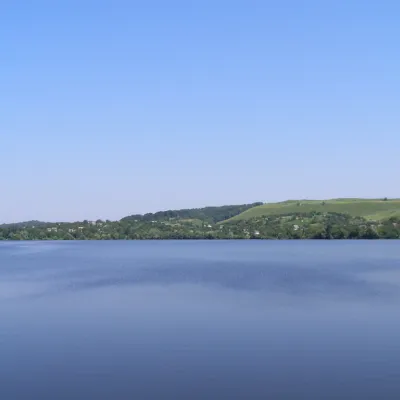 NatureKasova Hora, BovshivBovshiv6.3 km from the centreFolk tradition has preserved a number of legends and tales about Kasova Hora, shrouded in the mysteries of past centuries.
Where to stay
Hotels, guesthouses and cottages in and around Burshtyn.
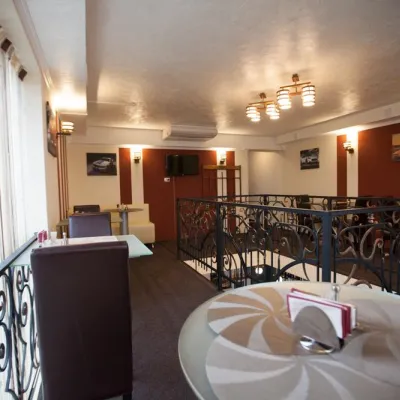 HotelMotel "Cafe-Bar Auto Drive"Uhryniv32 km from the centreMotel Auto Drive is conveniently located near the H-10 highway on the outskirts of Ivano-Frankivsk. Guests have access to a restaurant and free wireless Internet (Wi-Fi).Nearby: City Lake 6.9 kmPotocki Castle 7.0 km
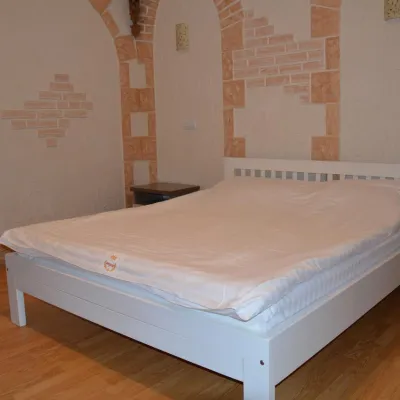 HotelHotel-Restaurant Complex "Trio"Ivano-Frankivsk33 km from the centreHotel-Restaurant Complex "Trio" is located in Ivano-Frankivsk. Free Wi-Fi is available in all areas of the hotel.Nearby: City Lake 6.7 kmPotocki Castle 6.8 km
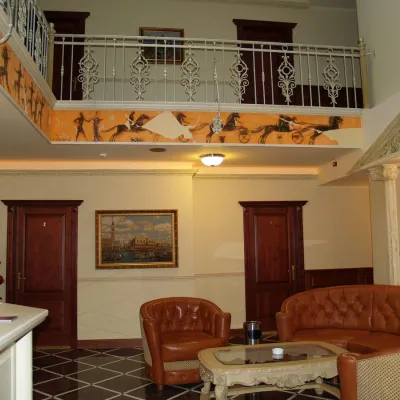 HotelHotel "Atrium" Ivano-FrankivskIvano-Frankivsk38 km from the centreBreakfastParkingWi‑FiNearby: Potocki Castle 200 mCity Lake 1.7 km
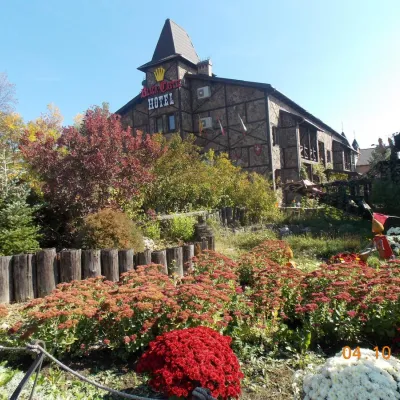 HotelHotel "Chornyi Zamok" Ivano-FrankivskIvano-Frankivsk35 km from the centreBreakfastParkingWi‑FiNearby: Potocki Castle 3.4 kmCity Lake 3.9 km
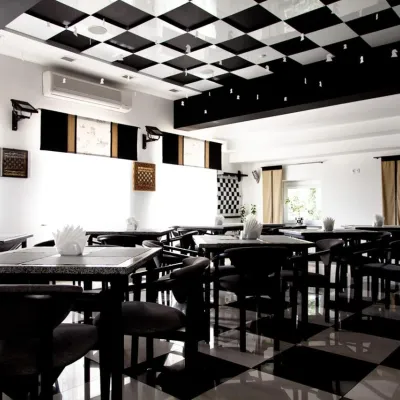 HotelMotel "Motelchik" Ivano-FrankivskIvano-Frankivsk35 km from the centreWi‑FiTransferNearby: Potocki Castle 3.3 kmCity Lake 3.8 km
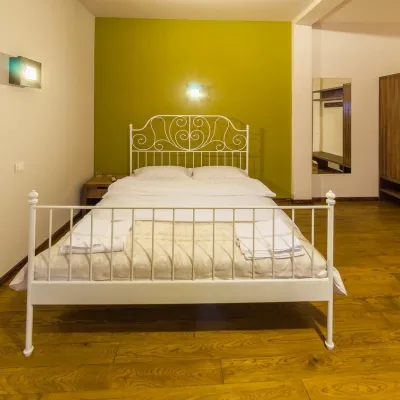 HotelHotel-Restaurant "Khmelnytskyi"Ivano-Frankivsk36 km from the centreTransferNearby: Potocki Castle 2.3 kmCity Lake 4.1 km
Peaks nearby
All peaks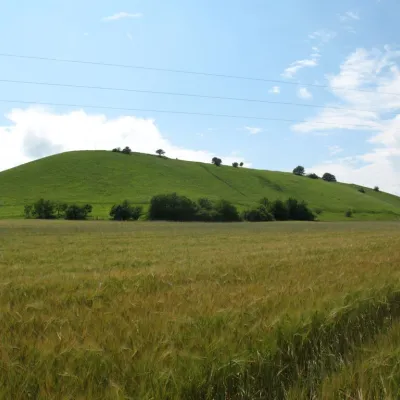 PeakChortova Hora, RohatynPukivaltitude 350 m16 km from the centreChortova Hora is a unique botanical monument of nature of national significance in Ukraine, a remnant of the glacial period.
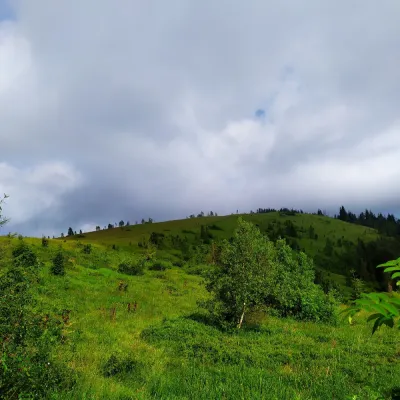 PeakMount YavorinaIvano-Frankivskaltitude 1 131 m77 km from the centreMount Yavorina is located near the village of Lypa in the Dolyna district of Ivano-Frankivsk region, with a height of 1131 meters.
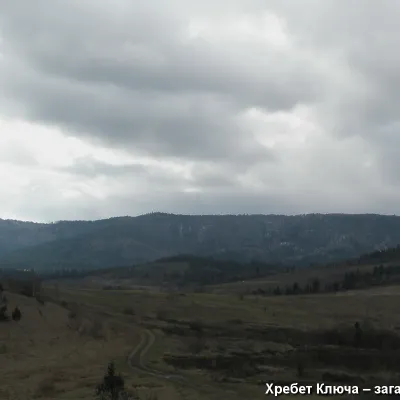 PeakMount YavorinkaTrukhanivaltitude 940 m77 km from the centre1 trail to the topThe top of Mount Yavorinka is 940 meters above sea level. Mount Yavorinka is the highest peak of the Klyucha ridge, steep from the north and completely forested.
What's nearby
Video