PTTK Regional Museum in Gorlice: Battle of Gorlice 1915 and Łukasiewicz
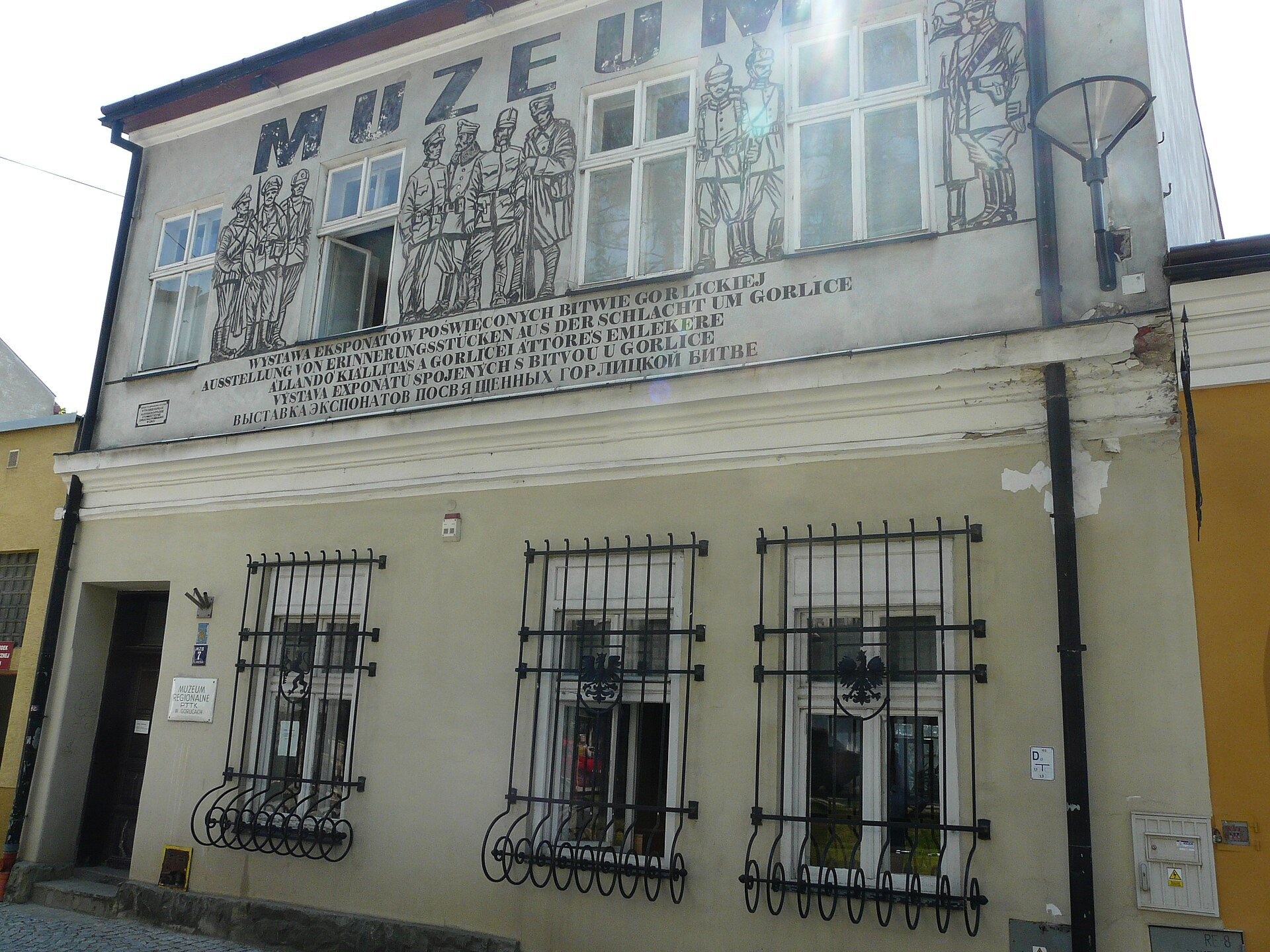
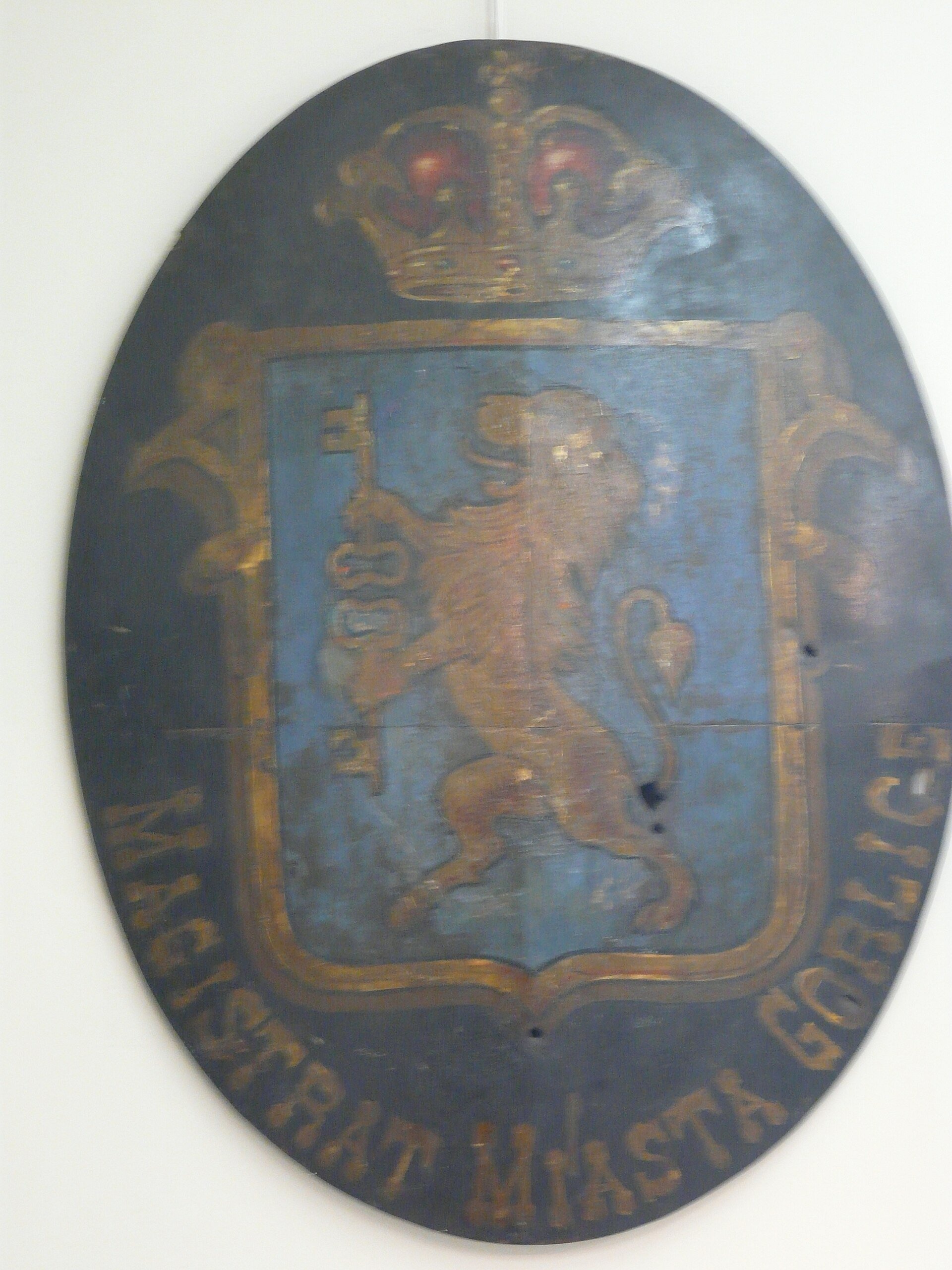
The Ignacy Łukasiewicz PTTK Regional Museum in Gorlice (Muzeum Regionalne PTTK im. Ignacego Łukasiewicza w Gorlicach) is the main place in town telling the story of the 1915 Battle of Gorlice, one of the greatest battles of the First World War on the Eastern Front. It is run by the Gorlice branch of the Polish Tourist and Sightseeing Society (PTTK) and occupies two connected buildings on Wąska Street; the main one is a single-storey townhouse from the 1780s–1790s, the oldest residential building in Gorlice.
The museum's roots go back to 1919, when local enthusiasts organised an exhibition of war relics, and the idea of a permanent display arose after an exhibition in 1935. It officially opened on 22 July 1957; its first manager was Alfred Wacławski, and members of the local PTTK helped restore the building. For the centenary of the First World War, in 2014, the military exhibition was rearranged, and in 2022 – the Year of Ignacy Łukasiewicz and the museum's 65th anniversary – a commemorative mural appeared on the building's wall.
What to see
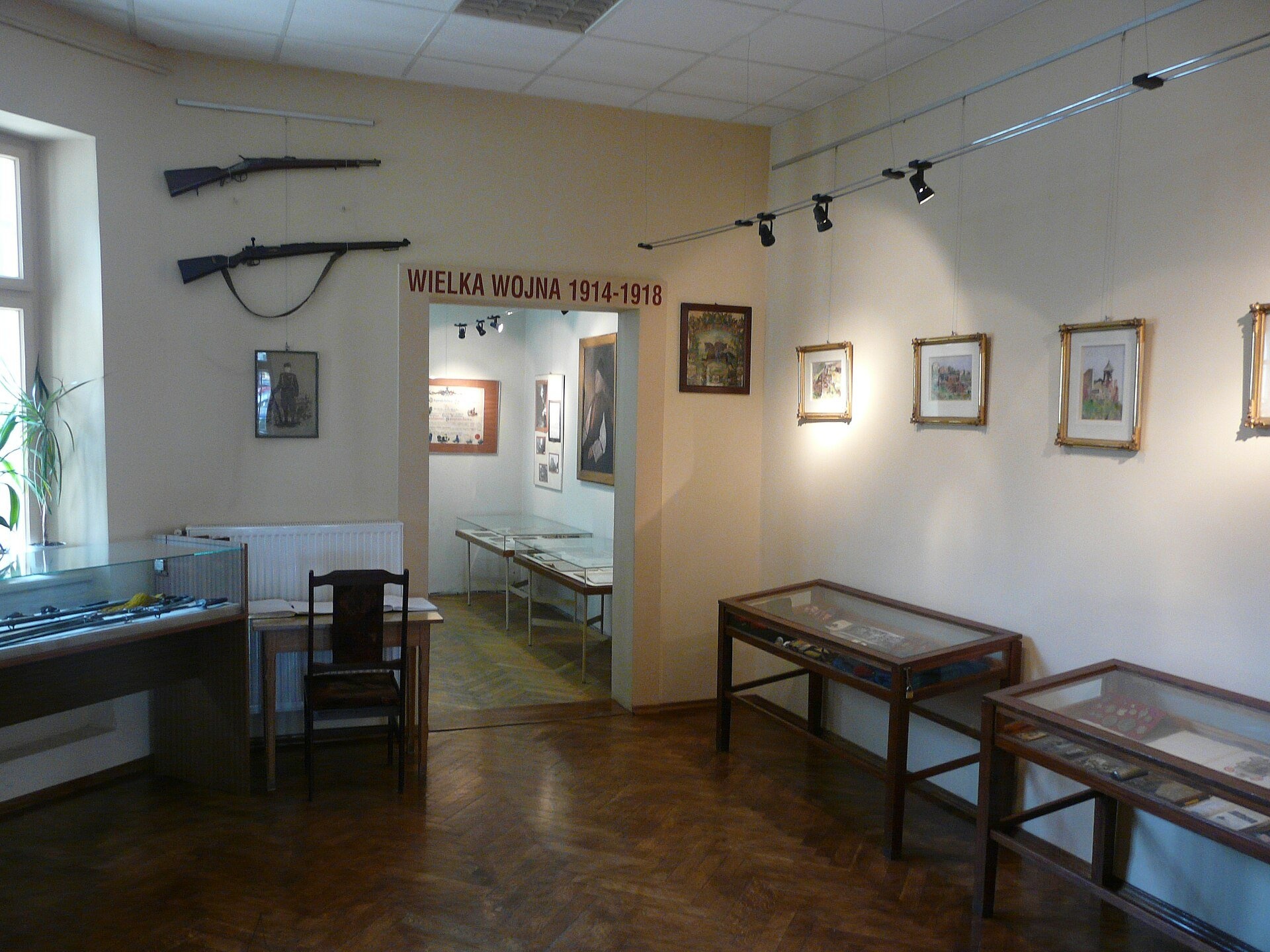
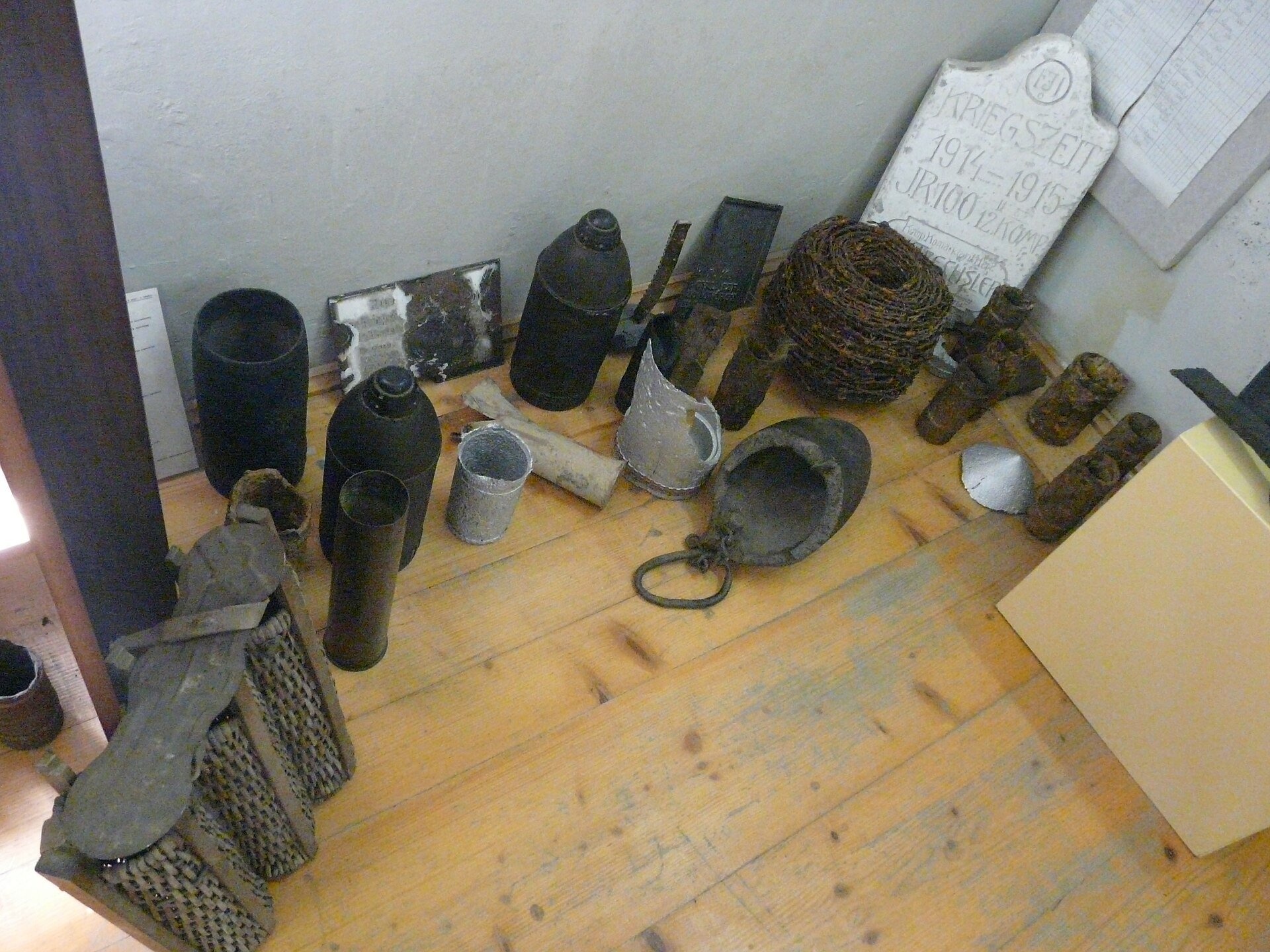
- "War Relics Exhibition. The Battle of Gorlice 1915" – six rooms on the ground floor and in restored historic cellars. Uniforms, decorations, caricatures and personal belongings of soldiers of three armies – Austro-Hungarian, German and Russian; equipment and weapons from the fighting of late 1914 and early 1915, a model of trench warfare and the equipment of a field dressing station. The highlight is a 2.5 × 5 m relief model showing the positions and movements of units on the first day of the offensive, 2 May 1915. Further rooms cover the building of war cemeteries and photographs of the ruined town, and wax figures of people connected with the region's wartime history stand in the cellars.
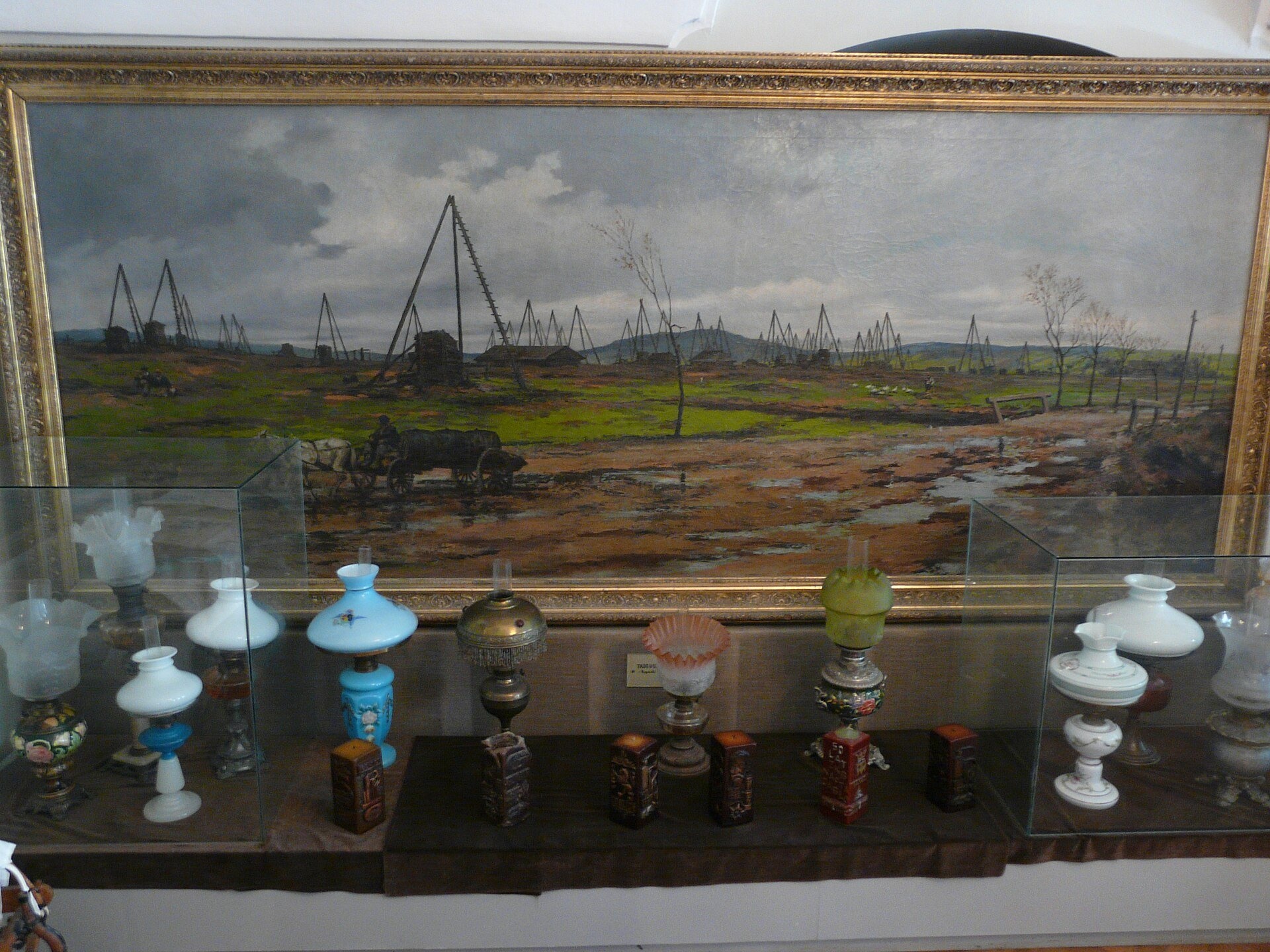
- The beginnings of the oil industry and Ignacy Łukasiewicz – Łukasiewicz came to Gorlice in the autumn of 1853, and according to the museum the world's first kerosene street lamp was lit here in 1854. The room holds a collection of oil lamps, models of drilling towers and bits, samples of oil products and an original alembic from Łukasiewicz's pharmacy.
- Ethnography of the Pogórzanie and Lemkos – two rooms on the first floor: a village cottage interior from the turn of the 19th and 20th centuries with costumes, household items and craft tools, bobbin lace from Bobowa; Lemko costumes and photographs of church interiors with iconostases. The poet Bohdan-Ihor Antonych, born in 1909 in Nowica near Gorlice, is also commemorated.
- History of the town of Gorlice and temporary exhibitions.
Practical information
The museum is right in the centre of Gorlice, a few minutes' walk from the market square; you can leave the car in the town car parks. It is open Tuesday to Friday all year, and at weekends only from April to September; a full ticket costs 13 zł (all details in the "At a glance" box). A visit takes about an hour. Captions in the military rooms are translated into English. Part of the exhibition is in the cellars and on the first floor, reached by stairs. For school pupils and anyone interested in the First World War, it is the best "introduction" to the many war cemeteries of the Low Beskids.
Nearby: trails and peaks
Mountain trails into the Low Beskids start in Gorlice: Gorlice – Jamnica and Folusz – Gorlice. A few kilometres away are the Wooden Church of Saints Philip and James in Sękowa (UNESCO) and the Pogórze Village Open-Air Museum in Szymbark with its exhibition on the Gorlice offensive headquarters. Anyone interested in the history of oil should continue to the Museum of the Oil and Gas Industry in Bóbrka.
Official website: pttkgorlice.pl
Photos: myself (User:Piotrus), CC BY-SA 3.0, Wikimedia Commons.
Getting there from Ukraine
Border crossings
- Krakovets – Korczowa — road, 24/7
- Shehyni – Medyka — road, 24/7 Pedestrian crossing is not confirmed by the Ukrainian border service — check dpsu.gov.ua before the trip.
- Smilnytsia – Krościenko — road, 24/7
- Hrushiv – Budomierz — road, 24/7
- Mostyska – Przemyśl (rail) — rail, 24/7
By car
Lviv – Krynica-Zdrój ≈338 km, ≈5 h without queues: M-10 to Krakovets → Krakovets – Korczowa checkpoint → toll-free A4 via Rzeszów to Tarnów (≈163 km) → DW977 towards Gorlice → DW981 to Krynica (≈260 km, ≈3 h 35 min from the border). Via Smilnytsia – Krościenko the distance is about the same (≈335 km) but the mountain roads are slow (≈7 h 40 min): DK84 – Sanok – DK28 via Krosno and Gorlice.
Checked 23.10.2026; border crossing hours and timetables change — check before you travel.
Location on the map
Comments
Trails nearby
All trails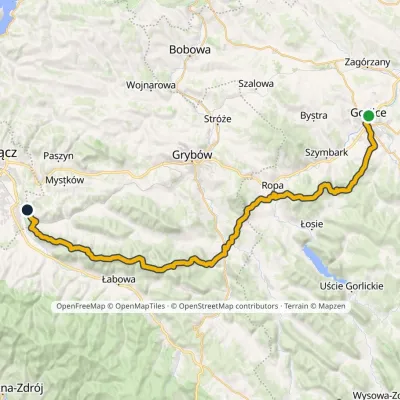 HardMulti-dayMarkedGorlice JamnicaElevation profile282–888 m48.1 kmascent 1 748 munder 1 km from PTTK Regional Museum in Gorlice: Battle of Gorlice 1915 and Łukasiewicz
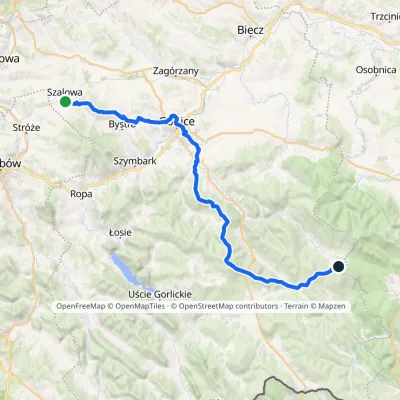 HardMulti-dayMarkedSzalowa Bacówka PTTK in BartneElevation profile279–815 m41.5 kmascent 1 178 m≈ 12.5 h walkingunder 1 km from PTTK Regional Museum in Gorlice: Battle of Gorlice 1915 and Łukasiewicz
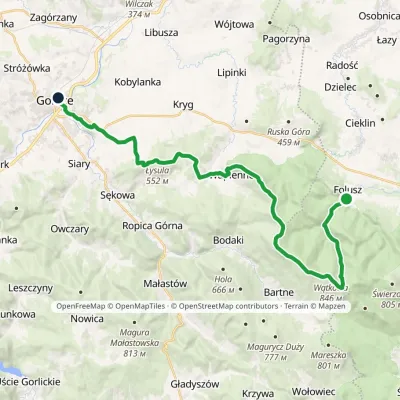 HardTwo-dayMarkedFolusz GorliceElevation profile280–846 m30.9 kmascent 729 m≈ 9 h walkingunder 1 km from PTTK Regional Museum in Gorlice: Battle of Gorlice 1915 and Łukasiewicz
Nearby attractions
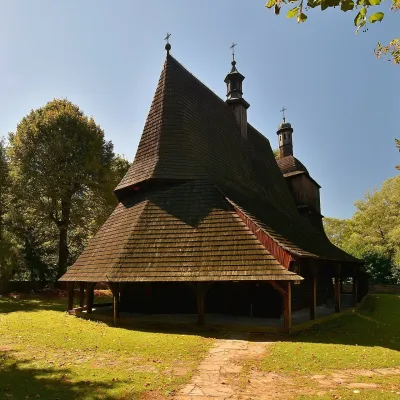 ChurchWooden Church of Saints Philip and James in Sękowa3.6 km from PTTK Regional Museum in Gorlice: Battle of Gorlice 1915 and ŁukasiewiczThe wooden Church of Saints Philip and James in Sękowa is a Gothic Roman Catholic church at the edge of the Low Beskids, near Gorlice.
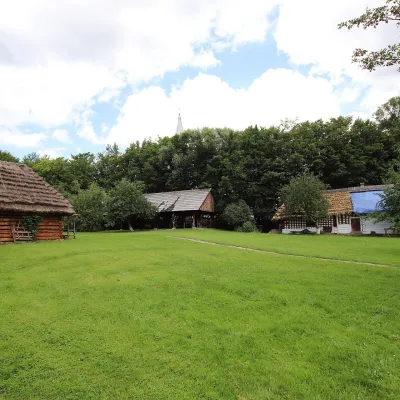 MuseumPogórze Village Open-Air Museum in Szymbark5.8 km from PTTK Regional Museum in Gorlice: Battle of Gorlice 1915 and ŁukasiewiczThe Professor Roman Reinfuss Pogórze Village Open-Air Museum in Szymbark (Skansen Wsi Pogórzańskiej im. prof.
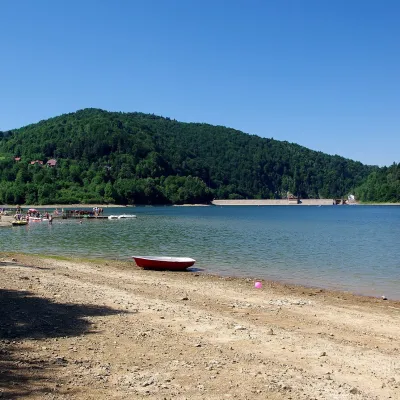 LakeKlimkówka Reservoir (Lake Klimkówka)13 km from PTTK Regional Museum in Gorlice: Battle of Gorlice 1915 and ŁukasiewiczThe Klimkówka Reservoir (Zalew Klimkówka, commonly called Lake Klimkówka) is an artificial lake on the Ropa river in the Beskid Niski, near the villages of Klimkówka,...
Craft nearby
All craft places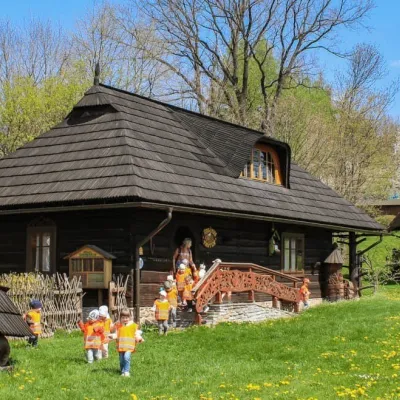 Honey & meaderiesSądecki Bartnik Beekeeping Farm, Stróże14 km from PTTK Regional Museum in Gorlice: Battle of Gorlice 1915 and ŁukasiewiczSądecki Bartnik in the village of Stróże near Grybów is one of Poland's best-known beekeeping farms. The family business was founded in 1973 by Anna and Janusz...
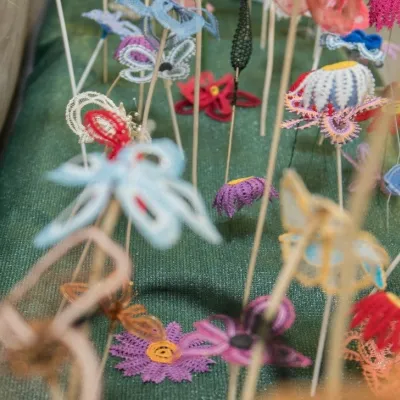 Markets & fairsBobbin Lace Festival in Bobowa: lace fair and workshops16 km from PTTK Regional Museum in Gorlice: Battle of Gorlice 1915 and ŁukasiewiczBobowa — one of the oldest settlements in the Biała river valley between Tarnów and Nowy Sącz, about 25 km north-west of Gorlice — is considered Poland's capital of...
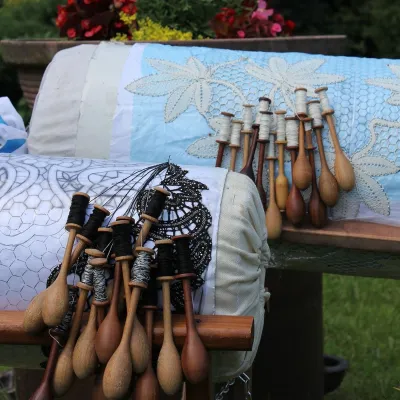 Crafts & workshopsKoronkarnia, Bobowa: bobbin lace by Ewa Szpila16 km from PTTK Regional Museum in Gorlice: Battle of Gorlice 1915 and ŁukasiewiczKoronkarnia is the workshop and small shop of Ewa Szpila, one of the town's best-known lacemakers. She is not from Bobowa and is an accountant by profession: she...
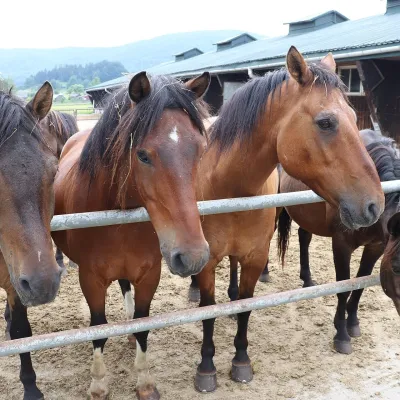 Horse ridingGładyszów Hucul Horse Stud, Regietów17 km from PTTK Regional Museum in Gorlice: Battle of Gorlice 1915 and ŁukasiewiczThe "Gładyszów" Hucul Horse Stud (Stadnina Koni Huculskich „Gładyszów”) in the Lemko village of Regietów is one of the largest places in the world where Hucul ponies...
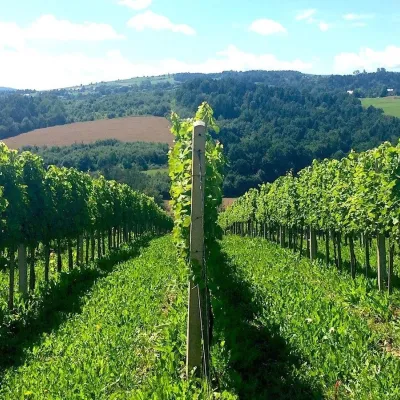 Wine & tastingsChodorowa vineyard near Grybów: tour and wine tasting17 km from PTTK Regional Museum in Gorlice: Battle of Gorlice 1915 and ŁukasiewiczThe Chodorowa vineyard (Winnica Chodorowa) lies in the hills of the Rożnów Foothills (Pogórze Rożnowskie), a few kilometres from the small town of Grybów in the...
 Wine & tastingsDwie Granice Vineyard, Przysieki near Jasło: cellar and tastings19 km from PTTK Regional Museum in Gorlice: Battle of Gorlice 1915 and ŁukasiewiczWinnica Dwie Granice (“Two Borders”) lies in the village of Przysieki a few kilometres west of Jasło, on the Jasło Wine Route.
