Deva Citadel: medieval fortress on a volcanic hill
Guardian of the Mureș valley
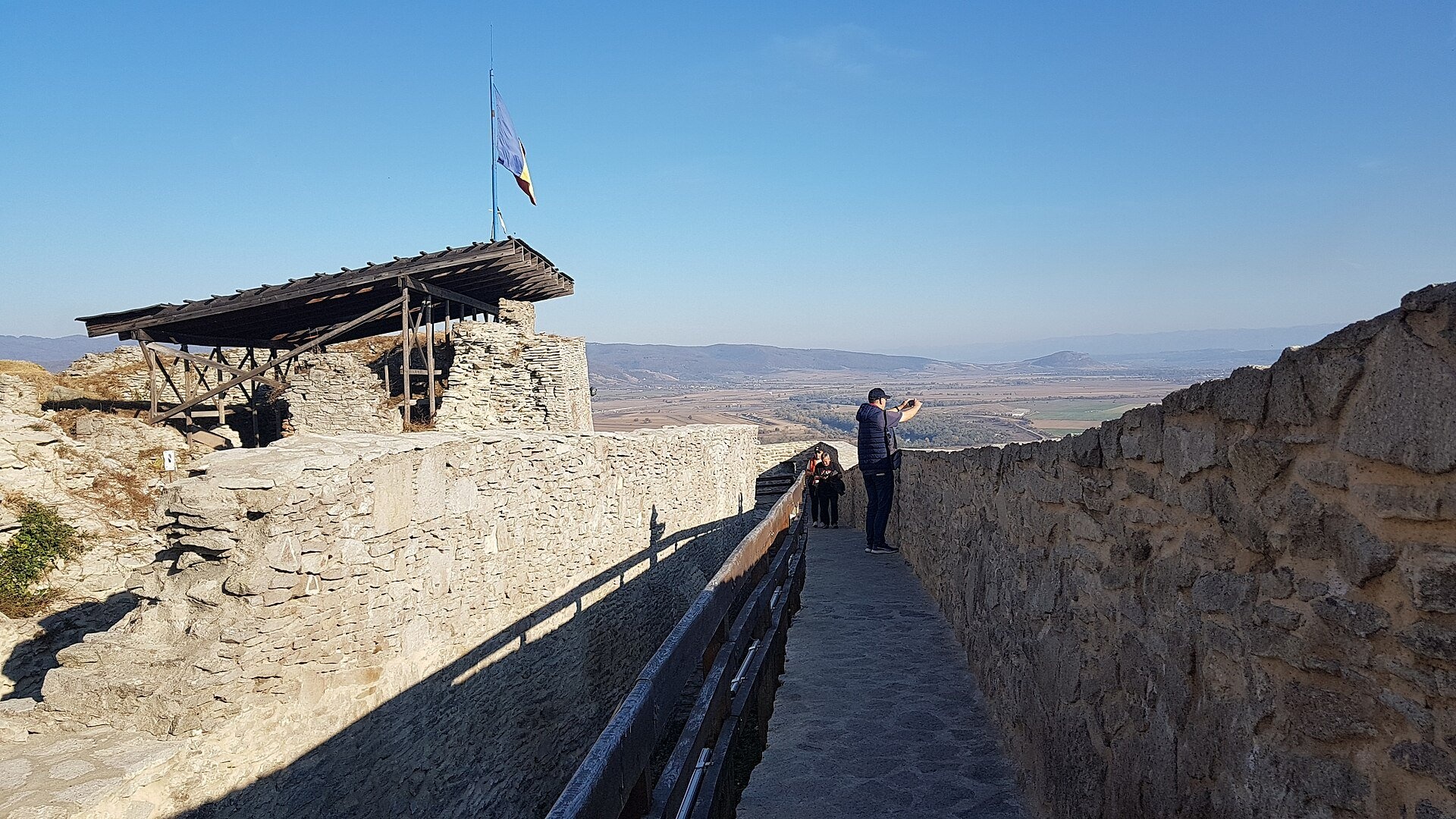
The town of Deva, seat of Hunedoara County, lies where the Mureș valley leaves Transylvania to the west. Above it rises Citadel Hill (Dealul Cetății), an ancient volcanic cone 378 m high, and a fortress has stood on its summit for more than seven centuries. Archaeologists have found traces of Neolithic and Bronze Age settlement here, and dressed stone blocks with characteristic slots suggest an earlier Dacian stronghold.
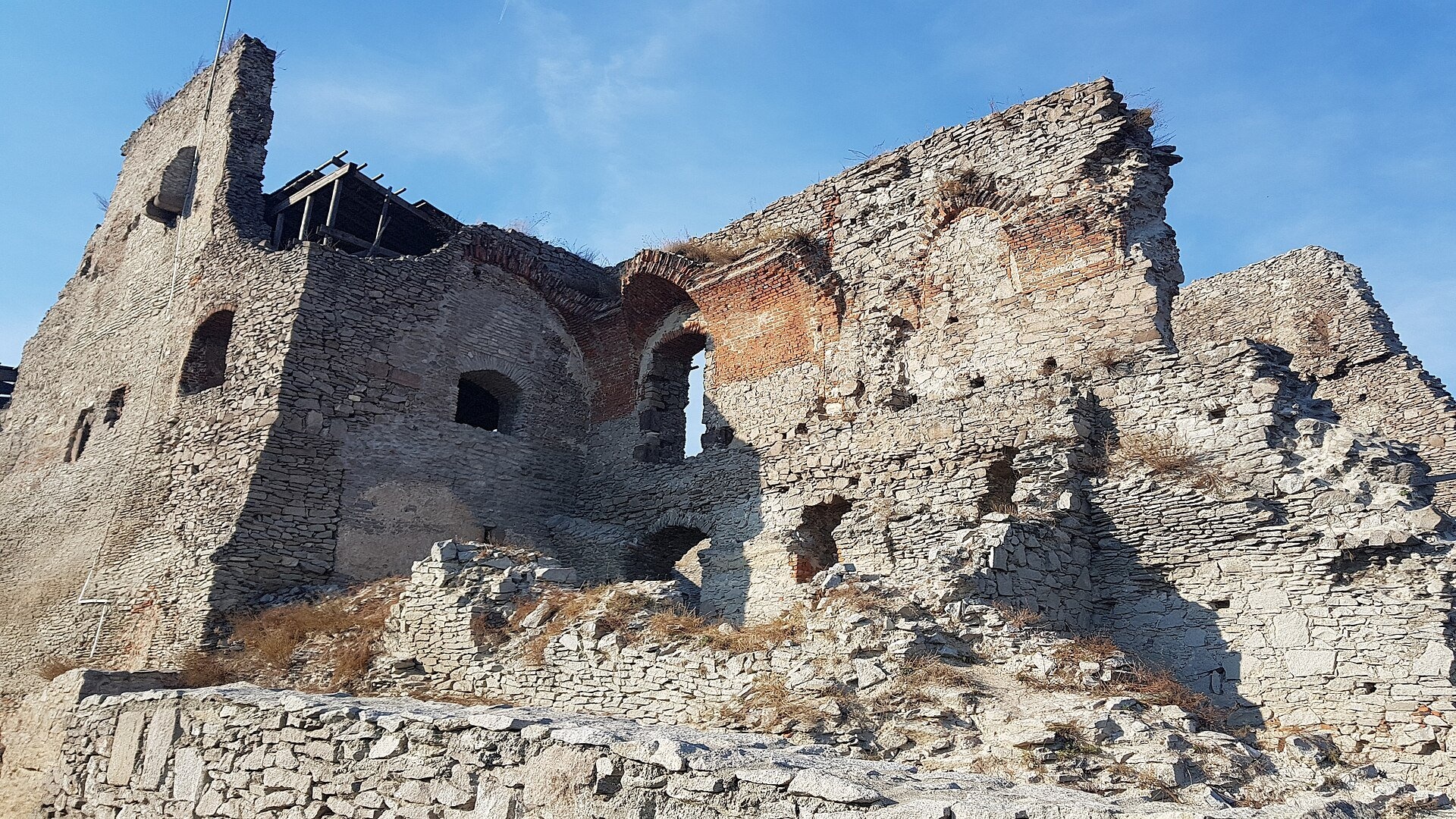
The medieval fortress was built after the Tatar invasion under King Béla IV of Hungary; it is first mentioned in documents of 1269. In the late 13th century the voivodes of Transylvania lived here, and in 1444 the fortress and its vast estate passed to John Hunyadi (Ioan de Hunedoara). In 1579 Francis David, founder of the Unitarian Church of Transylvania, died in the fortress prison. In the 18th century the defences were rebuilt as a bastion fortress, and after 1784 it lost its military role. During the revolution of 1848–1849, on 13 August 1849, the powder magazine exploded and most of the buildings were reduced to ruins. The town council carried out a project to rehabilitate Citadel Hill (2016–2023), and today the walls, walkways and viewpoints are open to visitors again.
Why go
Deva Citadel is above all about the view: from its walls you can see the town, the wide Mureș valley, the Poiana Ruscă Mountains to the south and the Apuseni Mountains to the north. The ascent is part of the fun: you can walk up through the forest of the protected hill or ride the inclined lift in a few minutes. At the top there are three rings of walls, towers, ruins of palace buildings and wooden walkways from which to look at both the fortress and its surroundings. The citadel is easy to combine with Corvin Castle in Hunedoara and the Dacian sites of the Orăștie Mountains.
What to see
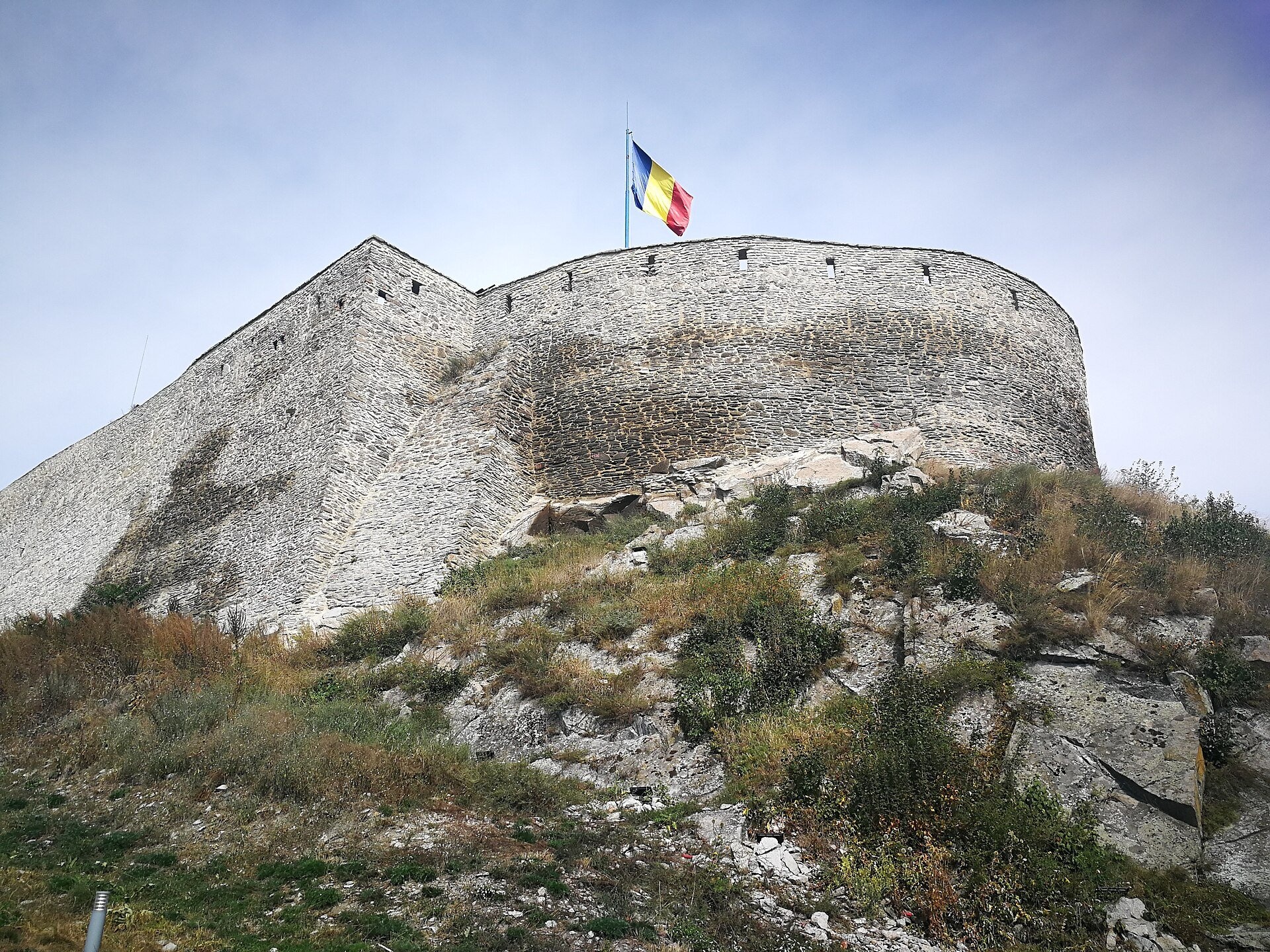
- Three rings of walls: the oval upper ward, the irregular middle ward and the semicircular lower ward on the northern slope.
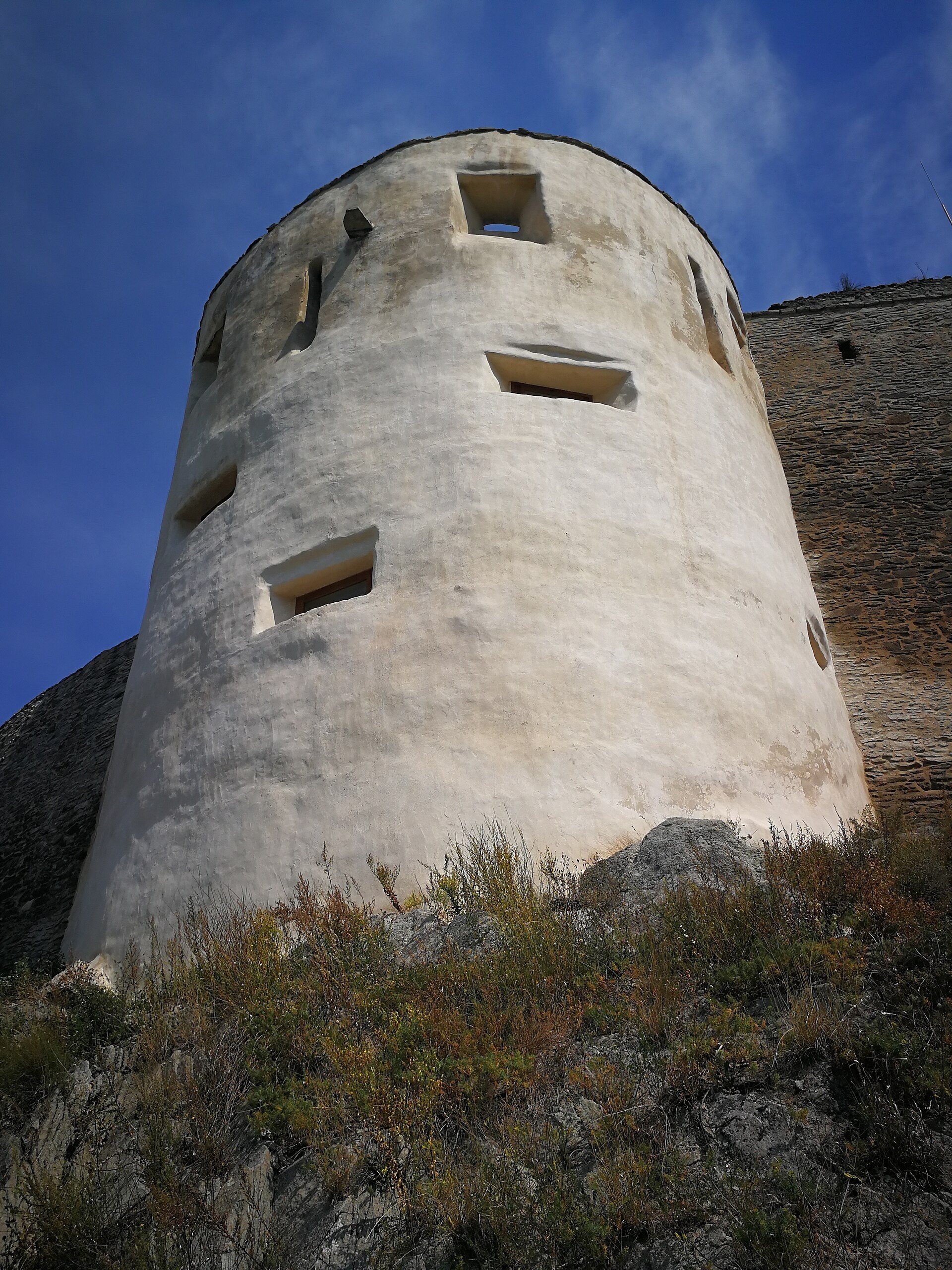
- Round towers and bastions with loopholes, partly restored during the rehabilitation.
- Ruins of the palace buildings of the upper fortress, destroyed by the 1849 explosion.
- Wooden walkways and stairs along the walls with viewing platforms.
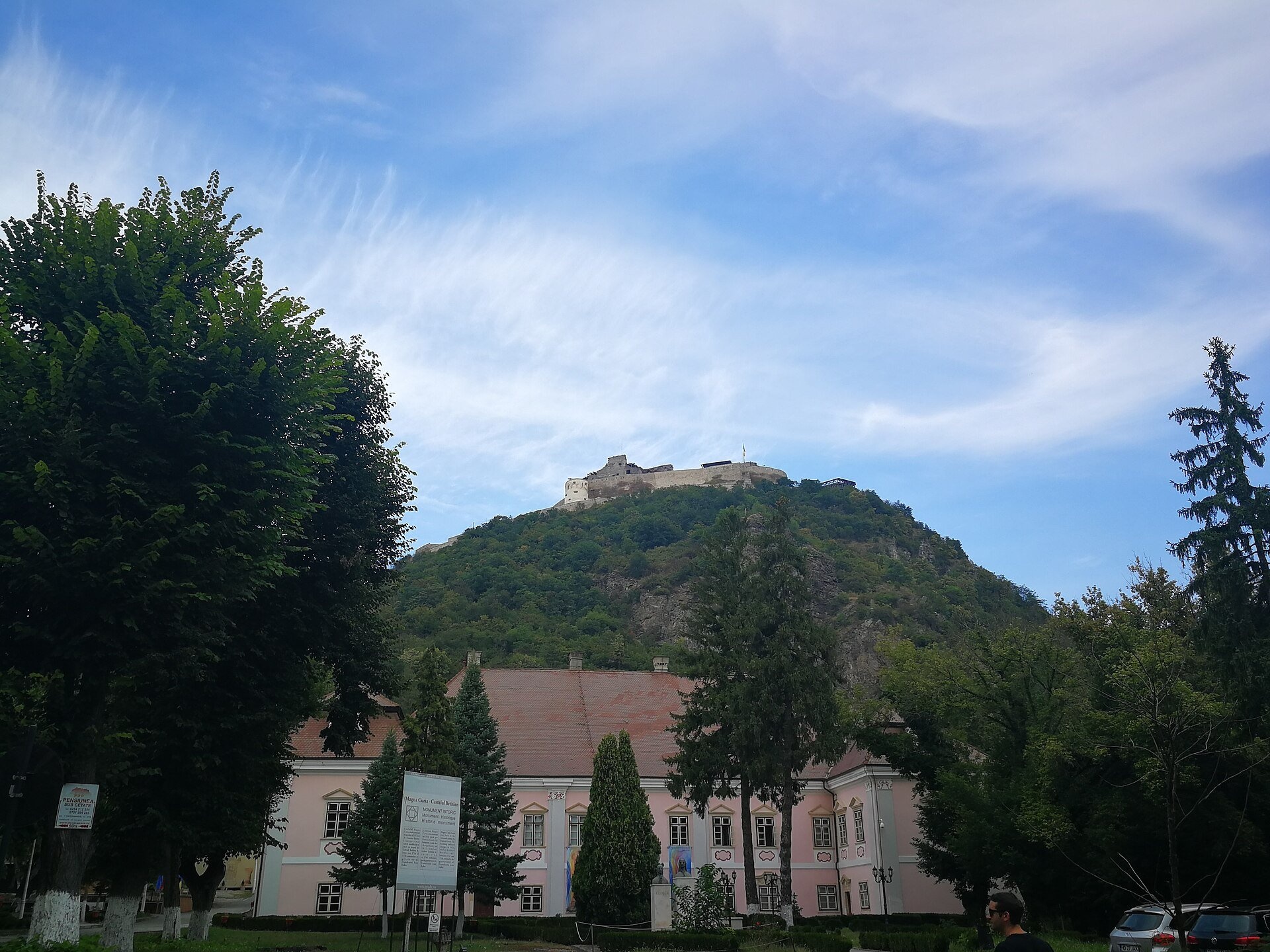
- The Magna Curia palace at the foot of the hill — the Renaissance residence of Prince Gabriel Bethlen, today the Museum of Dacian and Roman Civilisation.
- Citadel Hill itself — a protected natural area with forest and paths.
Practical information
The citadel stands right above the centre of Deva; it is about 16 km from Hunedoara and roughly 120 km from Sibiu on the A1 motorway. From the Solotvyno – Sighetu Marmației border crossing it is about 380 km via Baia Mare and Cluj-Napoca. The lower station of the inclined lift (cable car) is in the park at the foot of the hill; a new 30-person cabin was put into service in 2024, and after technical checks the lift has been running again since August 2025 (according to Agerpres). The town council does not publish official hours or fares, so check them on the spot; when the lift is stopped for inspection you can walk up on marked paths (about 30–40 minutes). Entry to the citadel grounds is free. There is no shade at the top, so take water and a hat in summer, and be careful on the stone and wooden stairs in bad weather. Allow 1.5–2 hours including the ascent.
Nearby
- Corvin Castle in Hunedoara, the Gothic castle-museum of the Hunyadi family.
- Costești-Cetățuie and Costești-Blidaru, UNESCO Dacian fortresses in the Orăștie Mountains.
- Prislop Monastery near Hațeg.
- The Gold Museum in Brad with its collection of native gold from the Apuseni.
- Densuș church, a stone church built of Roman blocks in the Hațeg land.
Official website: primariadeva.ro
Photos: FoamBubbles, CC BY-SA 4.0, Wikimedia Commons; Leontin l, CC BY-SA 4.0, Wikimedia Commons; LilianaWW, CC BY-SA 3.0 ro, Wikimedia Commons.
Getting there from Ukraine
Border crossings
- Porubne – Siret — road and pedestrian, 24/7
- Diakivtsi – Racovăț — road and pedestrian, 24/7 No freight traffic.
- Krasnoilsk – Vicovu de Sus — road and pedestrian, 08:00–20:00 Cars up to 3.5 t and pedestrians only; not 24/7.
- Solotvyno – Sighetu Marmației — road and pedestrian, 24/7 Passenger traffic only: vehicles up to 3.5 t with up to 9 seats, pedestrians.
- Diakove – Halmeu — road, 24/7 No pedestrian crossing.
By car
Rakhiv – Petroșani ≈450 km, ≈6 h 36 min (via Solotvyno – Sighetu Marmației); Ivano-Frankivsk – Petroșani ≈584 km, ≈8 h 55 min (via Solotvyno – Sighetu Marmației); Chernivtsi – Petroșani ≈539 km, ≈9 h 19 min (via Krasnoilsk – Vicovu de Sus). Times without border queues, our road routing (GraphHopper, OSM).
Checked 03.11.2026; border crossing hours and timetables change — check before you travel.
Comments
Travellers’ experience: reports, tips, questions.
No one has written here yet. Be the first — your experience helps others.
Video 2
 Istorii ascunse: Cetatea Devei (@TVR Timişoara)TVR

Location on the map
Nearby attractions
 CastleCorvin Castle in Hunedoara: Gothic castle museumHunedoara16 km from Deva Citadel: medieval fortress on a volcanic hillCorvin Castle (Castelul Corvinilor), also called Hunyadi Castle or Hunedoara Castle, stands on a limestone rock above the Zlaști stream in the town of Hunedoara in...
 ChurchPrislop Monastery: a 16th-century monastery near HațegSilvașu de Sus29 km from Deva Citadel: medieval fortress on a volcanic hillPrislop Monastery (Mănăstirea Prislop) lies in a quiet wooded valley near the village of Silvașu de Sus, which belongs to the town of Hațeg, in Hunedoara County.
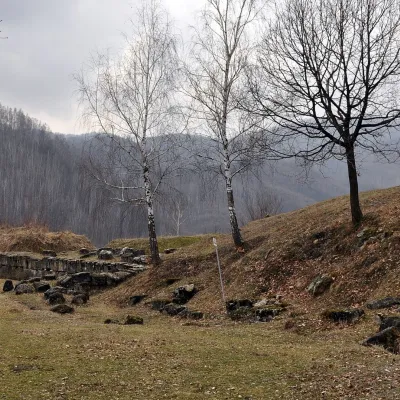 Historic siteCostești-Cetățuie: Dacian fortress, UNESCOCostești31 km from Deva Citadel: medieval fortress on a volcanic hillCostești-Cetățuie fortress stands on a steep hill above the valley of the Grădiștea river (Apa Grădiștei) near the village of Costești in Hunedoara County.