Vâlcea Village Museum in Bujoreni: Oltenia's open-air museum
A village gathered from the whole county
The Vâlcea Village Museum (Muzeul Satului Vâlcean) lies in the village of Bujoreni, on the hills above the Olt valley, just a few kilometres north of Râmnicu Vâlcea. Officially it is the ethnography department of the "Aurelian Sacerdoțeanu" County Museum. The decision to set up an ethnographic station here was taken in 1966, and the core of the future museum was the Bujoreanu kula, a fortified boyar house from the early 19th century restored in the late 1960s. The first houses were moved here in 1969 and the museum officially opened in August 1974; in 2024 it celebrated its fiftieth anniversary.
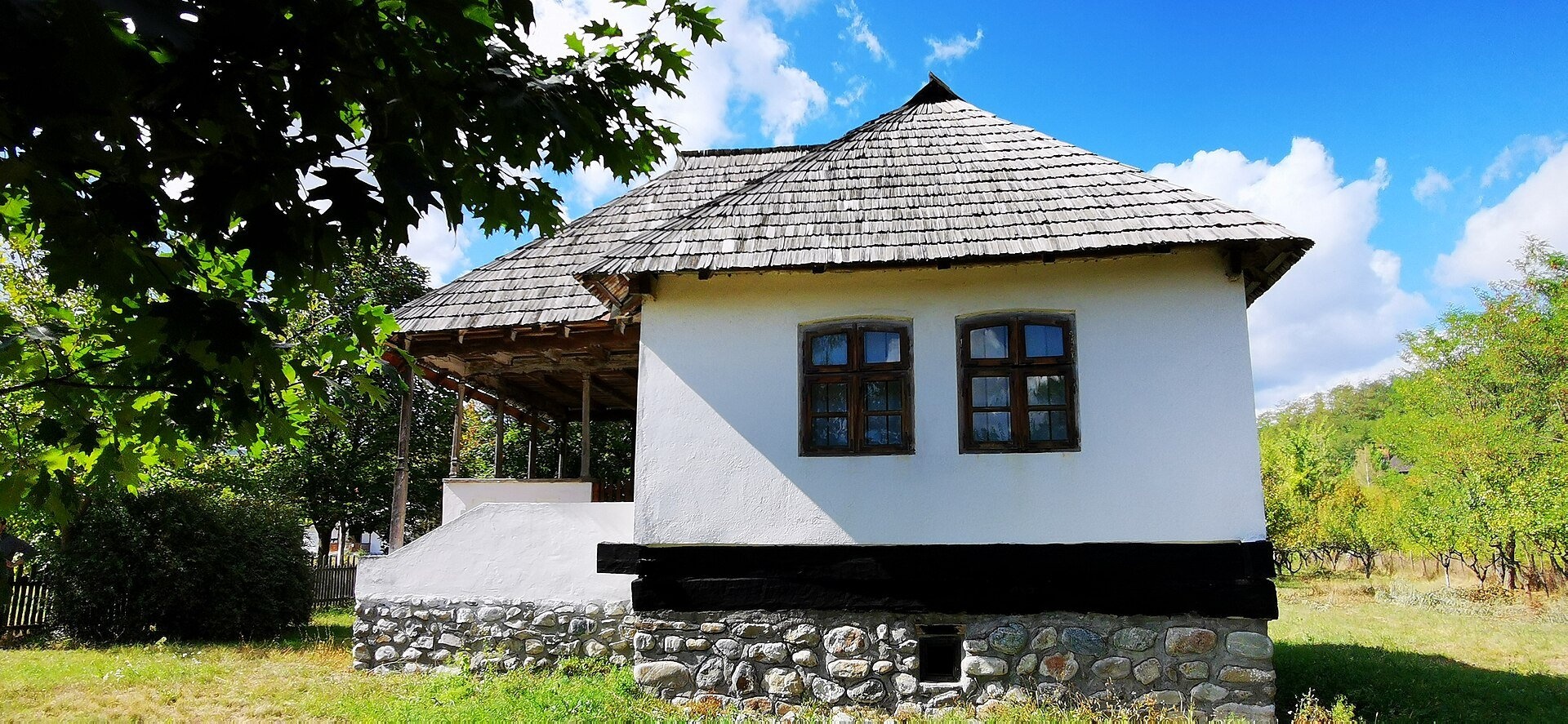
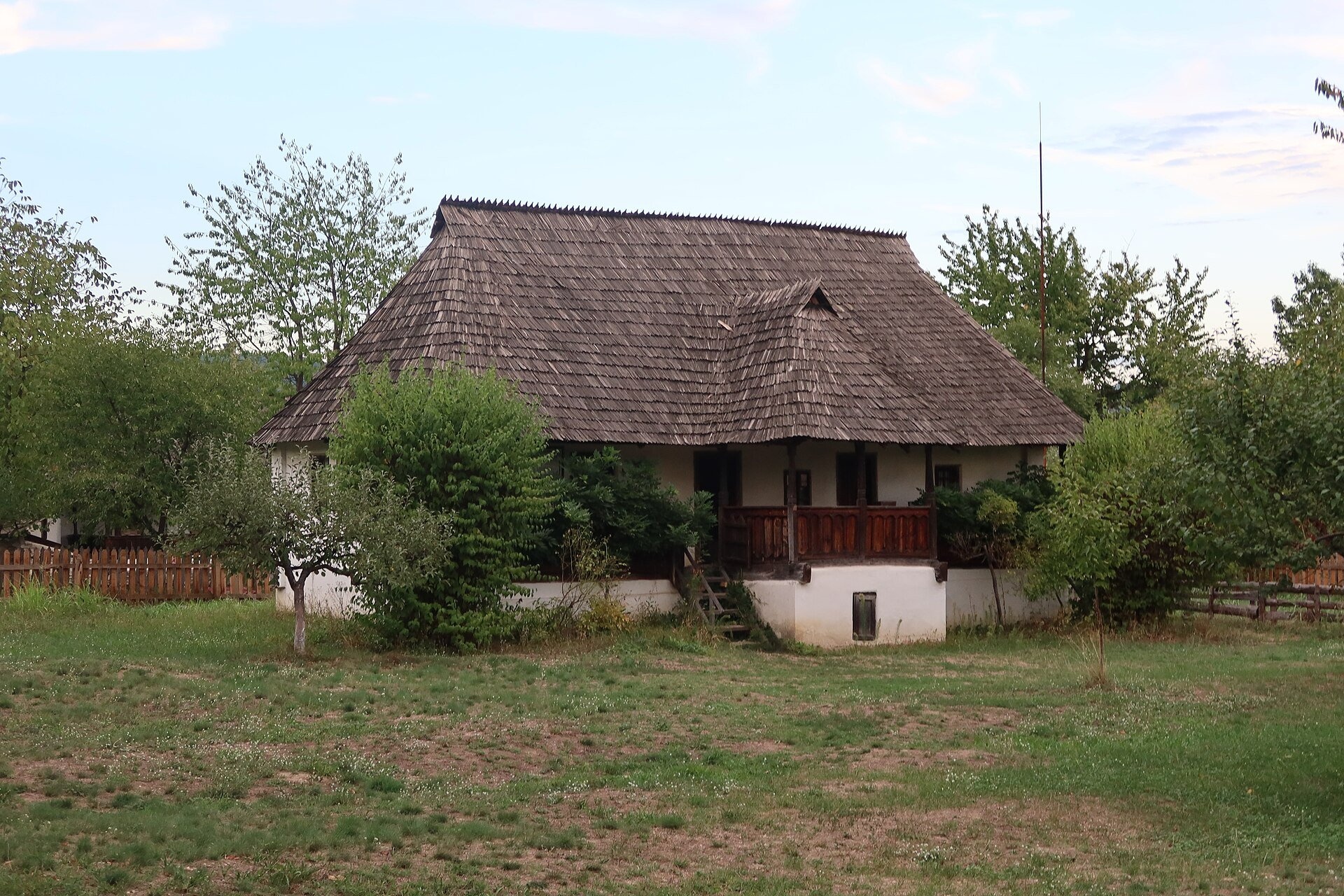
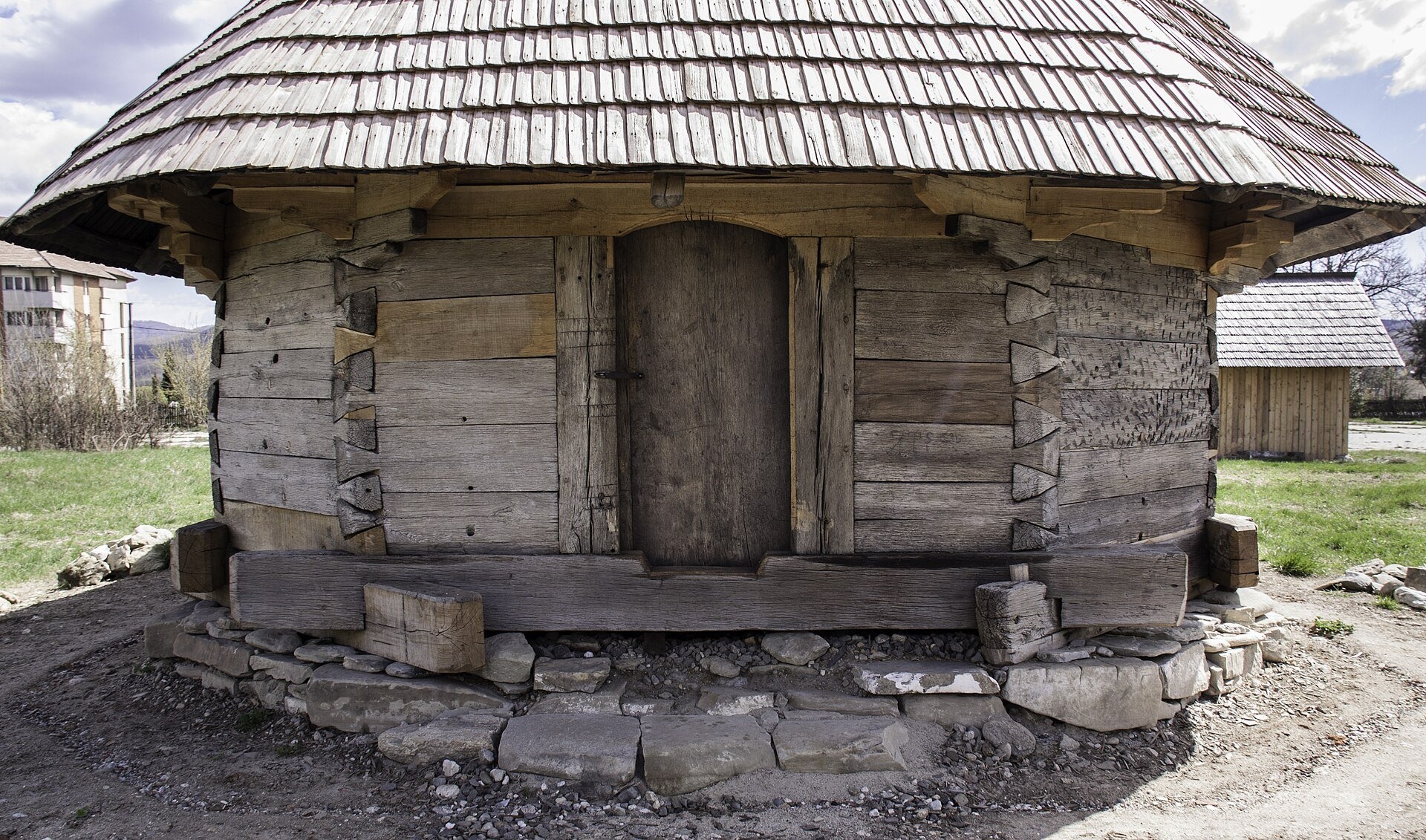
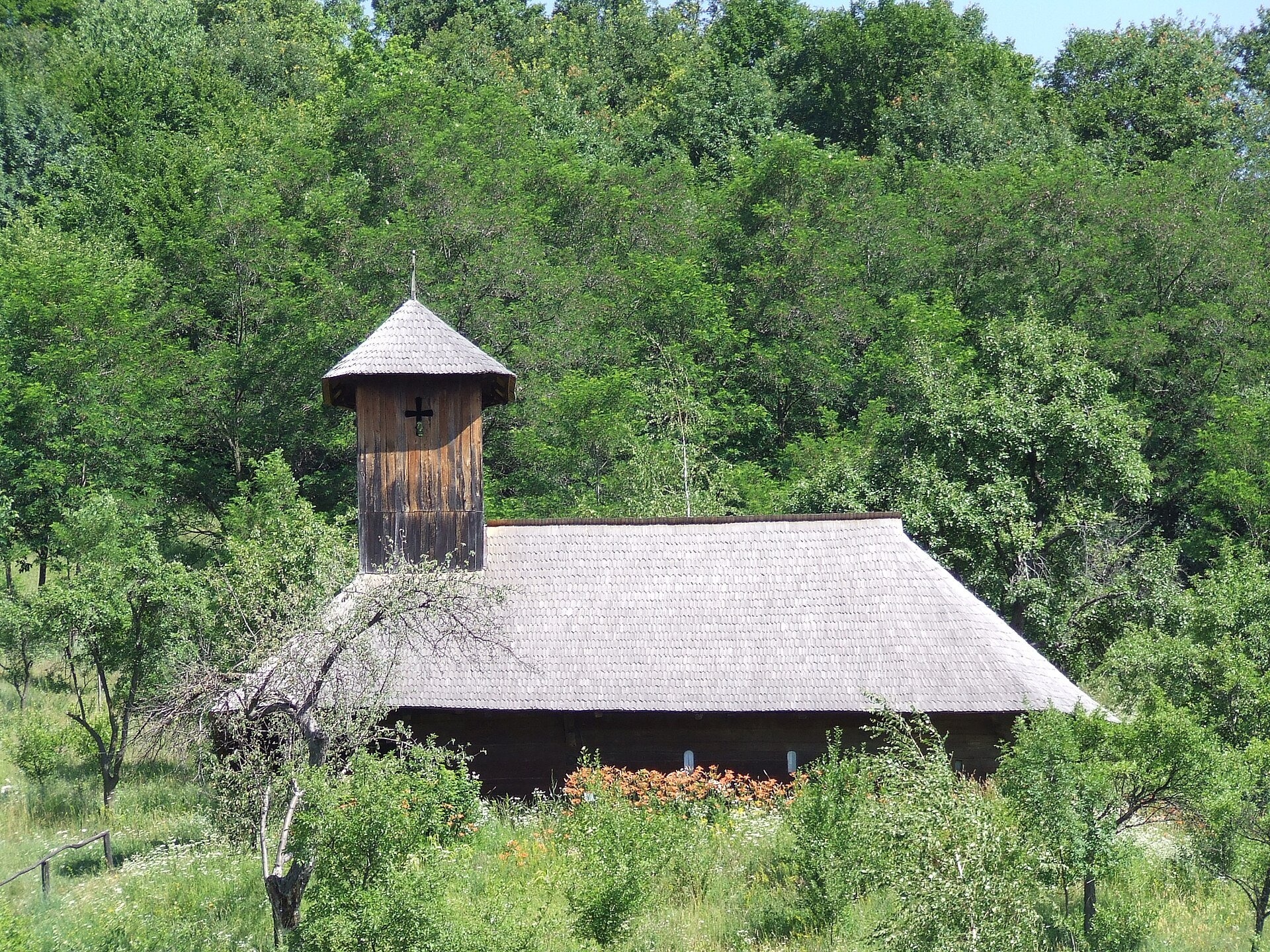
The curators planned not a display of separate buildings but a real village with all its institutions: farmsteads, a school, a church, an inn, craft workshops and farm buildings. The houses are not replicas but originals: they were taken apart log by log in different corners of Vâlcea County, including the Loviștea land (Țara Loviștei), and reassembled here. Today more than 70 monuments of folk architecture stand on 8 hectares, and the museum holds about 12,000 objects. In 2025–2026 some houses, the school and the fences are being restored with EU funds, so individual buildings may be closed.
Why go
It is the easiest way to see in two hours how the villages of Oltenia and of the mountains above the Olt lived one or two hundred years ago, from houses with a foișor veranda from the Horezu area to wine-growers' farmsteads from around Drăgășani and shepherds' buildings from the mountains. The museum sits conveniently on the road from Transylvania, and its open meadows, wooden fences and orchards make for a calm walk, even for families with children. In summer it hosts fairs and folk-dance festivals, including a festival of the căluș dancers.
What to see
- The Bujoreanu kula, a stone boyar tower house from the early 19th century, around which the museum grew.
- Houses with foișor verandas from Măldărești, Stoenești and Bărbătești in the Horezu area, and wine-growers' farmsteads from Prundeni and Olteanca.
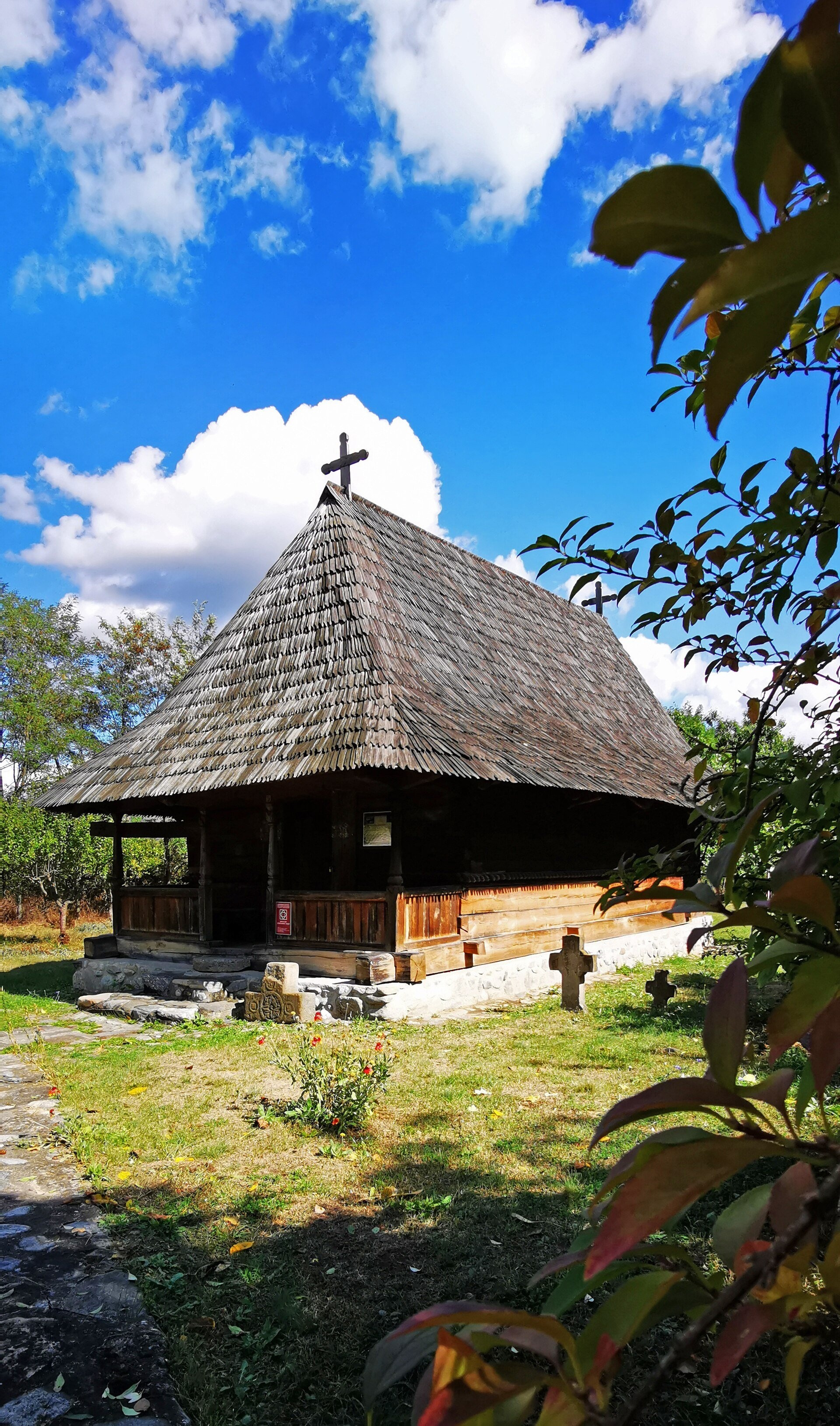
- Wooden churches, including one moved here in 2009 from Anghelești (Pietrari commune), which the curators consider the oldest wooden church in Oltenia, and a church from 1785.
- The village school from the late 19th and early 20th centuries, the first of its kind in a Romanian open-air museum, and an inn from 1889 from Malaia commune.
- Workshops and village technology: a pottery from Vlădești, a smithy, hand and water mills, a fulling mill, țuică stills and a plum-drying oven.
- A shepherd's hut from Mount Smeurat, wayside crosses, an apiary and watchtowers.
Practical information
Address: Bujoreni village, 247065, Vâlcea County. The museum is by the E81/DN7 road, about 5 km north of the centre of Râmnicu Vâlcea and about 15 km from the spa of Călimănești; from Sibiu it is about 95 km along the Olt valley. From Ukraine the most convenient route is via the Porubne – Siret or Diakivtsi – Racovăț crossing, then through Transylvania to Sibiu. You can leave the car near the entrance.
According to the museum database of the National Heritage Institute (cIMeC), the museum is open Tuesday to Sunday: 10:00–18:00 in summer and 10:00–17:00 in winter; closed on Mondays. Phone +40 250 746 869, e-mail [email protected]. We could not find an official price list online, so check the ticket price at the entrance. Information as of November 2026 — check before you go, especially because of the restoration works. The paths are earth and grass, so comfortable shoes help, and a pushchair will struggle in places. Allow 1.5–2 hours.
Nearby
- Cozia Monastery — Mircea the Elder's foundation on the Olt, about 15 km north.
- Turnu Monastery with its rock-cut cells — another 2 km up the valley.
- Horezu Monastery — a UNESCO site about 45 km west.
- Olari Street in Horezu — potters' workshops on the way to Horezu Monastery.
- The kulas of Măldărești — another museum complex of the Vâlcea County Museum.
Official website: muzee-valcea.ro
Photos: FoamBubbles, CC BY-SA 4.0, Wikimedia Commons; Roeland P., CC0, Wikimedia Commons; Alexandru Baboș Albabos, CC BY-SA 3.0 ro, Wikimedia Commons; The original uploader was Bogdan salaj at Romanian Wikipedia., CC BY 2.5, Wikimedia Commons; Bunu vio, CC0, Wikimedia Commons.
Getting there from Ukraine
Border crossings
- Porubne – Siret — road and pedestrian, 24/7
- Diakivtsi – Racovăț — road and pedestrian, 24/7 No freight traffic.
- Krasnoilsk – Vicovu de Sus — road and pedestrian, 08:00–20:00 Cars up to 3.5 t and pedestrians only; not 24/7.
- Solotvyno – Sighetu Marmației — road and pedestrian, 24/7 Passenger traffic only: vehicles up to 3.5 t with up to 9 seats, pedestrians.
- Diakove – Halmeu — road, 24/7 No pedestrian crossing.
By car
Rakhiv – Sibiu ≈390 km, ≈5 h 33 min (via Solotvyno – Sighetu Marmației); Ivano-Frankivsk – Sibiu ≈524 km, ≈7 h 52 min (via Solotvyno – Sighetu Marmației); Chernivtsi – Sibiu ≈435 km, ≈8 h 00 min (via Diakivtsi – Racovăț). Times without border queues, our road routing (GraphHopper, OSM).
Checked 03.11.2026; border crossing hours and timetables change — check before you travel.
Comments
Travellers’ experience: reports, tips, questions.
No one has written here yet. Be the first — your experience helps others.
Video 2
 Memoria locului - Muzeul Satului Vâlcean de la BujoreniTVR Craiova

Location on the map
Trails nearby
All trails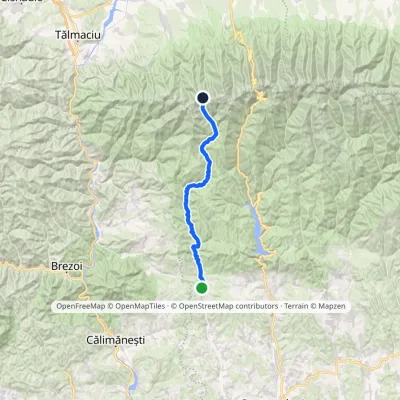
Nearby attractions
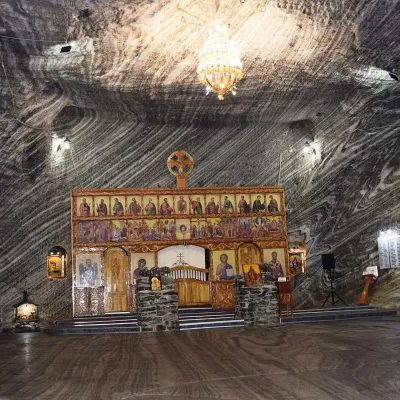 Water parks & thermal poolsOcnele Mari Salt Mine: underground microclimate near VâlceaGura Suhașului7.5 km from Vâlcea Village Museum in Bujoreni: Oltenia's open-air museumThe Ocnele Mari Salt Mine is a visitor and wellness area in one of the worked-out levels of an active salt mine in the small town of Ocnele Mari, 8 km from Râmnicu...
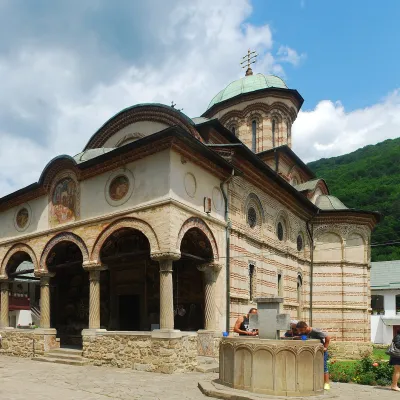 ChurchCozia Monastery: Mircea the Elder's burial church on the OltPăușa15 km from Vâlcea Village Museum in Bujoreni: Oltenia's open-air museumCozia Monastery (Mănăstirea Cozia) stands on the right bank of the Olt, where the river cuts through the Southern Carpathians, at the northern edge of the spa town of...
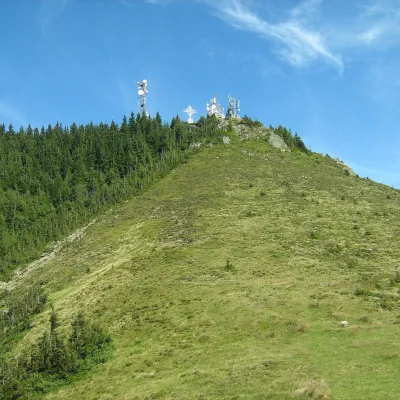 PeakCozia Peak (Ciuha Mare)Drăgăneștialtitude 1 668 m20 km from Vâlcea Village Museum in Bujoreni: Oltenia's open-air museumCozia Peak, also Ciuha Mare (Romanian Vârful Cozia), is the highest summit of the Cozia massif, at 1,668 m, in the central part of the Southern Carpathians in Romania,...
Craft nearby
All craft places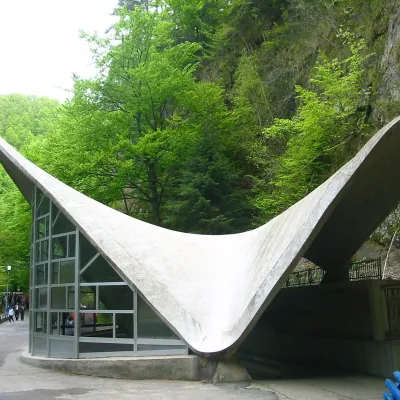 Water parks & thermal poolsBăile Olănești: sulphur and iodine springs of VâlceaBăile Olănești12 km from Vâlcea Village Museum in Bujoreni: Oltenia's open-air museumBăile Olănești is a mineral-water spa in Vâlcea County, in the valley of the Olănești river, at about 450 m and roughly 20 km north-west of the town of Râmnicu Vâlcea.
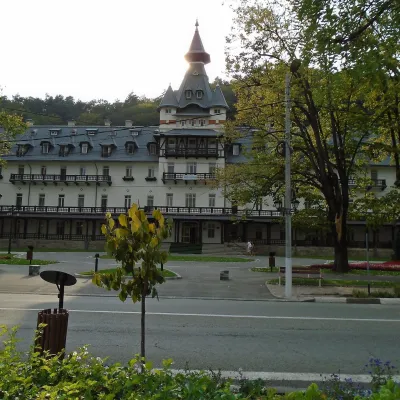 Water parks & thermal poolsCălimănești-Căciulata: thermal pools and springs in the Olt gorgePăușa14 km from Vâlcea Village Museum in Bujoreni: Oltenia's open-air museumCălimănești-Căciulata is one of Romania's best-known spas, stretching along both banks of the Olt where the river enters its gorge between the Cozia massif and the...
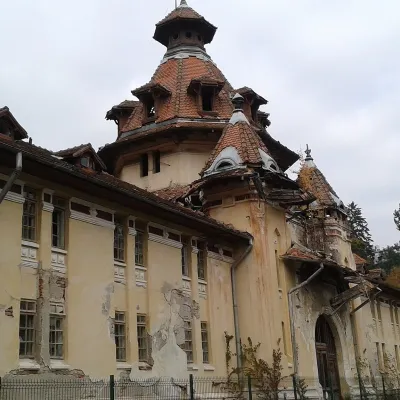 Water parks & thermal poolsBăile Govora: iodine-bromine waters and inhalationsBăile Govora16 km from Vâlcea Village Museum in Bujoreni: Oltenia's open-air museumBăile Govora is a small spa in Vâlcea County, in a sub-Carpathian depression in the valley of the Hința river, at 360–380 m, south-west of the town of Râmnicu Vâlcea.
