Historic Centre of Sighișoara: a living medieval citadel (UNESCO)
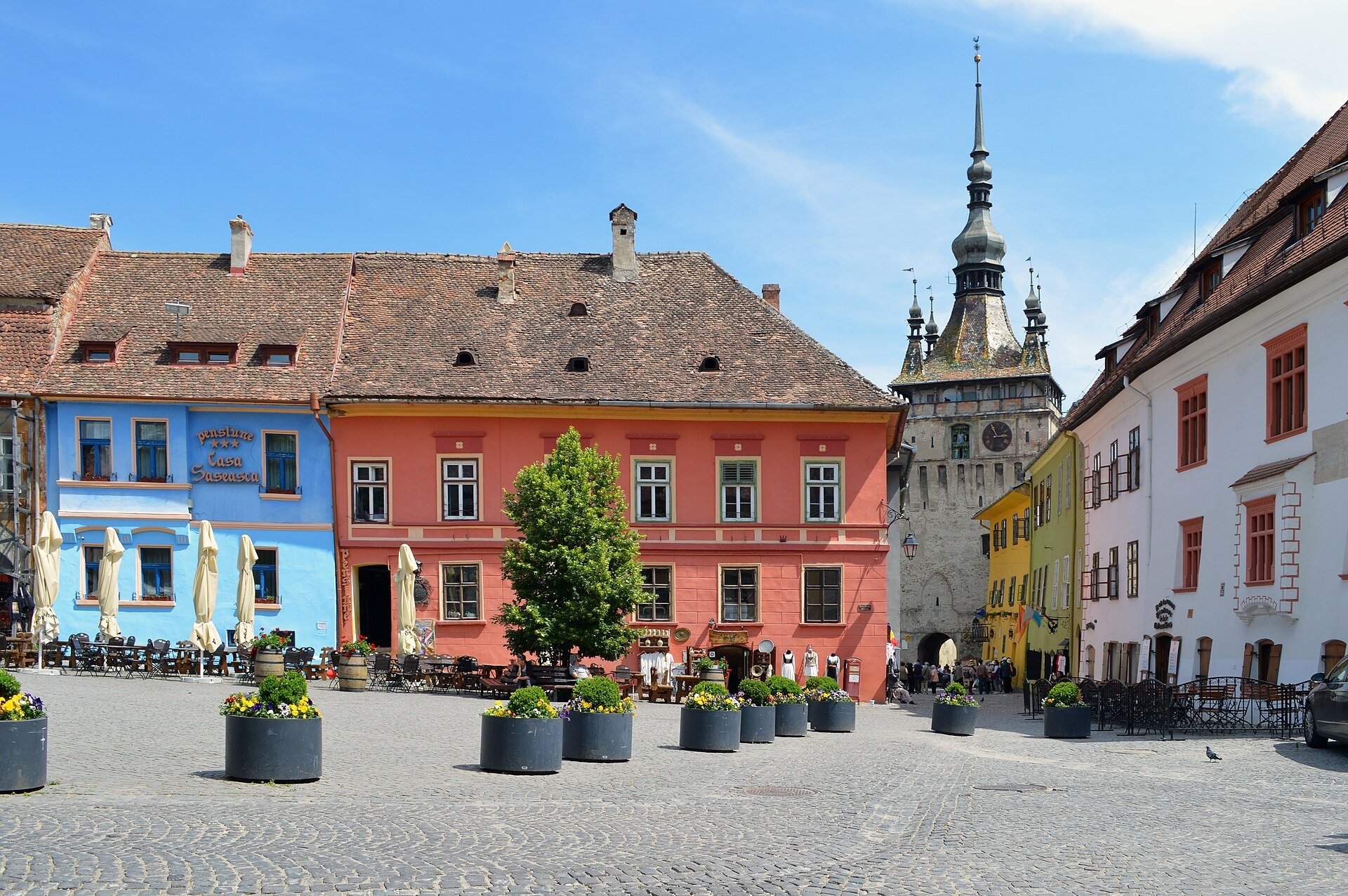
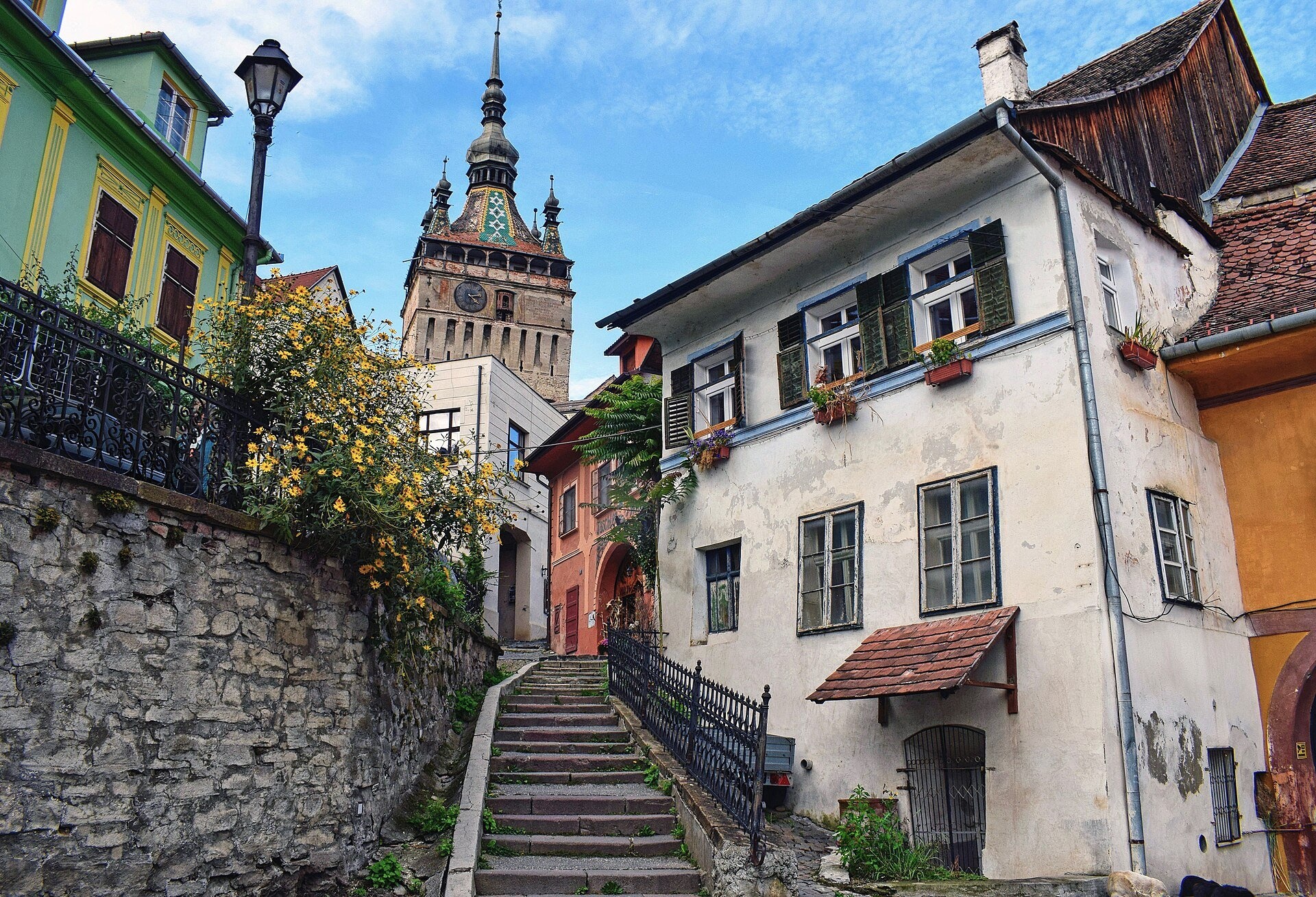
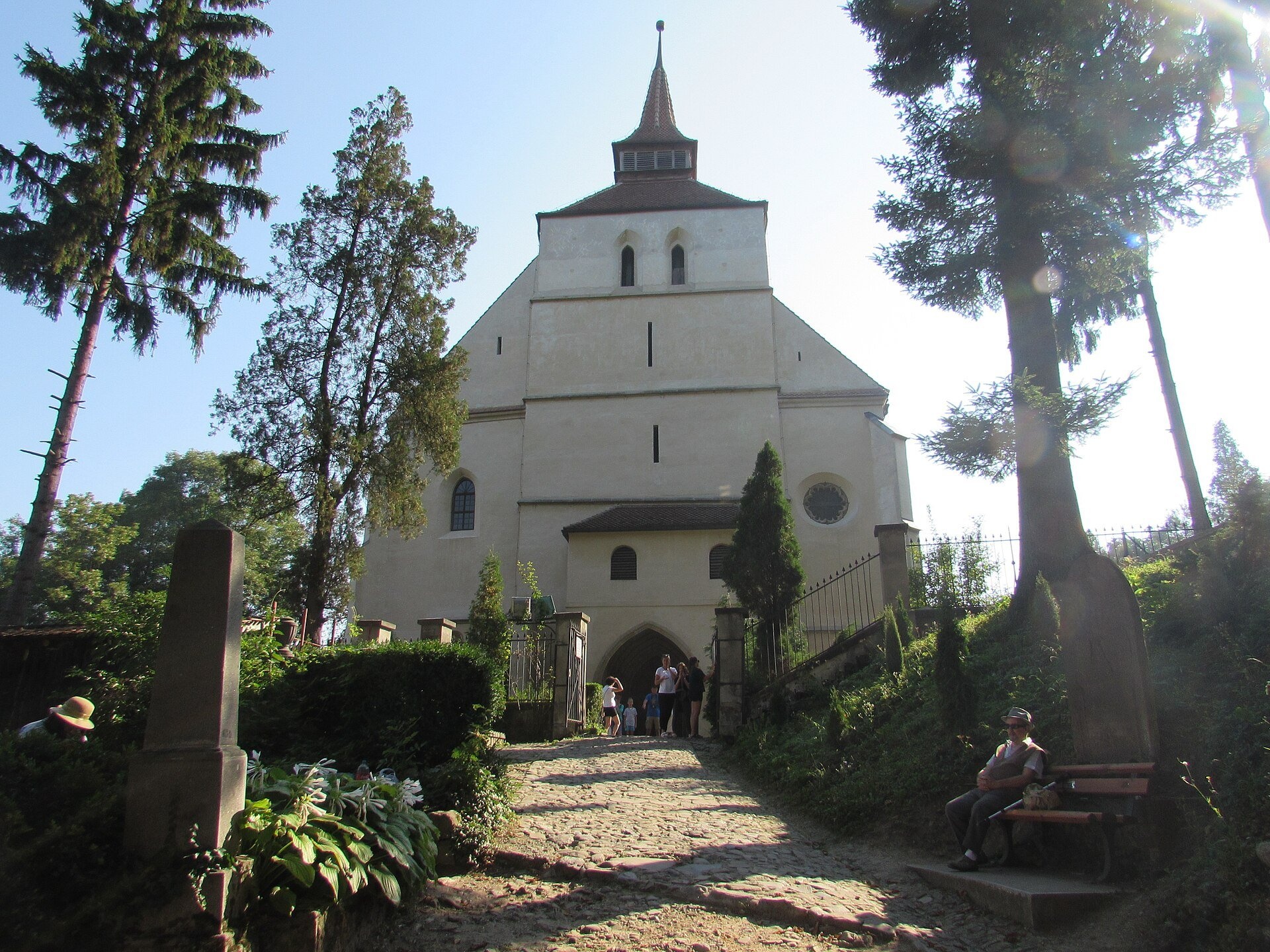
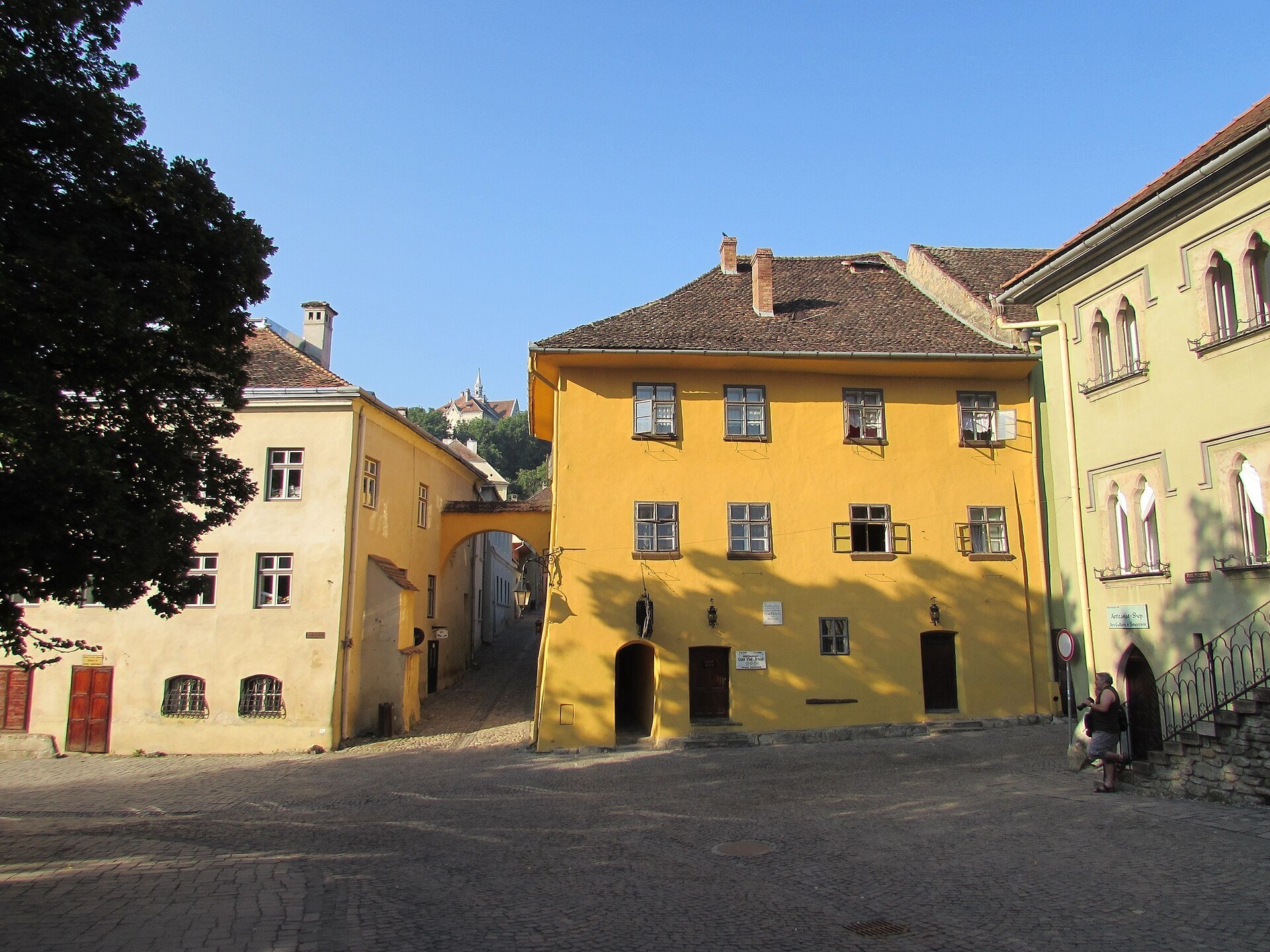
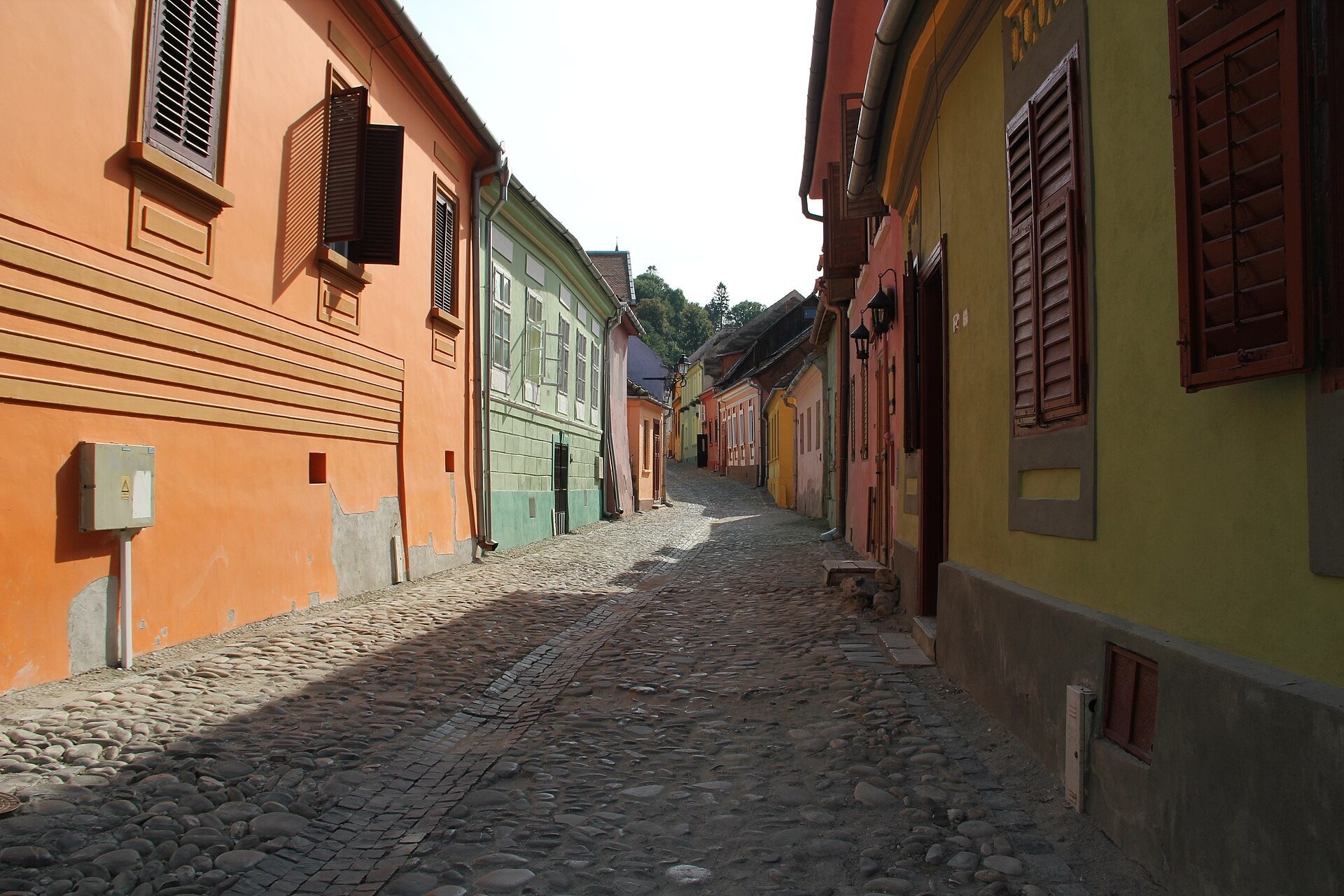
Sighișoara (German Schäßburg, Hungarian Segesvár) is a small town on the Târnava Mare river in Transylvania, and its upper town — the citadel on the hill — is one of the few medieval fortresses in Europe that are still lived in. In 1999 the Historic Centre of Sighișoara was inscribed on the UNESCO World Heritage List as a testimony to more than eight centuries of the history and culture of the Transylvanian Saxons.
A town of craftsmen and guild towers
The town was founded by German settlers — craftsmen and merchants — in the 12th century. The citadel was enclosed by a wall built between the 14th and 17th centuries against Ottoman raids: originally about 4 metres high, later up to 14 metres in places. The wall had 14 towers, of which 9 survive. Each tower was maintained and defended by a guild: tailors, shoemakers, tinsmiths, butchers, furriers, blacksmiths, ropemakers, tanners. The main gate was the 64-metre Clock Tower, which also served as the town hall until 1656.
After the great fire of 1676, master builders from Tyrol and Salzburg gave the tower a new Baroque roof with five turrets within a few months in 1677. Its clock with carved figures that change each day makes it unique in Romania. According to tradition, the Wallachian prince Vlad III the Impaler, son of Vlad Dracul, was born in the citadel around 1431 — the house linked to this story stands at the foot of the tower.
Why go
Sighișoara is a town that is a pleasure simply to walk around: cobbled lanes, colourful houses, towers and churches, and views over the valley. Everything is compact, so half a day covers the highlights, and in summer, during the medieval festival, the citadel comes alive with music and crafts.
What to see
- The Clock Tower with the History Museum on several floors and a viewing gallery under the roof.
- Citadel Square (Piața Cetății) with merchants' and craftsmen's houses.
- The Covered Stairway (Scara acoperită) of 1642, leading up to the Church on the Hill (Biserica din Deal) — a large Gothic Lutheran church with a cemetery on the slope.
- The guild towers — the Shoemakers', Tinsmiths', Tailors', Furriers', Butchers' and others.
- The Vlad Dracul house by the Clock Tower and the Monastery Church of the former Dominican friary.
Practical information
The citadel rises above the lower town; from Sighișoara railway station to the Clock Tower is about a 15-minute walk. Trains from Brașov and Cluj and the DN13 (E60) road pass through the town: Brașov is about 120 km away. From Ukraine the nearest routes are via the Solotvyno — Sighetu Marmației crossing (about 300–330 km via the Prislop Pass and Bistrița) or Porubne — Siret (about 380–400 km). Cars are not allowed into the citadel; park below.
Walking around the citadel is free. The Clock Tower with its museum, the weapons collection and the Torture Room have separate tickets; the museum opens Tuesday to Sunday, but check exact hours and prices before you go by phoning the museum. The Covered Stairway and the streets are steep and cobbled — comfortable shoes are a must. Allow 3–4 hours for the citadel.
Nearby
- Saschiz fortified church (UNESCO) — about 20 km.
- Viscri fortified church (UNESCO).
- Biertan fortified church (UNESCO) — about 30 km.
- Rupea Fortress on the way to Brașov.
Photos: DimiTalen, CC0, Wikimedia Commons; Jocelyn Erskine-Kellie from London, UK, CC BY-SA 4.0, Wikimedia Commons; Cezar Suceveanu, CC BY-SA 4.0, Wikimedia Commons; Antony Stanley from Gloucester, UK, CC BY-SA 2.0, Wikimedia Commons; Ana Grozea @ Jauntingtrips, CC BY-SA 4.0, Wikimedia Commons.
Getting there from Ukraine
Border crossings
- Porubne – Siret — road and pedestrian, 24/7
- Diakivtsi – Racovăț — road and pedestrian, 24/7 No freight traffic.
- Krasnoilsk – Vicovu de Sus — road and pedestrian, 08:00–20:00 Cars up to 3.5 t and pedestrians only; not 24/7.
- Solotvyno – Sighetu Marmației — road and pedestrian, 24/7 Passenger traffic only: vehicles up to 3.5 t with up to 9 seats, pedestrians.
- Diakove – Halmeu — road, 24/7 No pedestrian crossing.
By car
Rakhiv – Sibiu ≈390 km, ≈5 h 33 min (via Solotvyno – Sighetu Marmației); Ivano-Frankivsk – Sibiu ≈524 km, ≈7 h 52 min (via Solotvyno – Sighetu Marmației); Chernivtsi – Sibiu ≈435 km, ≈8 h 00 min (via Diakivtsi – Racovăț). Times without border queues, our road routing (GraphHopper, OSM).
Checked 03.11.2026; border crossing hours and timetables change — check before you travel.
Comments
Travellers’ experience: reports, tips, questions.
No one has written here yet. Be the first — your experience helps others.
Video 2
 Historic Centre of Sighişoara (UNESCO/NHK)UNESCO

Location on the map
Nearby attractions
 ChurchSaschiz Fortified Church: clock tower and UNESCO siteSaschiz13 km from Historic Centre of Sighișoara: a living medieval citadel (UNESCO)The fortified Evangelical Church of St Stephen in the village of Saschiz (German Keisd, Hungarian Szászkézd) stands right by the road between Brașov and Sighișoara, so...
 ChurchBiertan Fortified Church: UNESCO, TransylvaniaBiertan23 km from Historic Centre of Sighișoara: a living medieval citadel (UNESCO)The fortified church of Biertan (German: Birthälm) stands on a hill above a valley among the vineyard slopes of the Transylvanian Plateau, a few dozen kilometres from...
 ChurchViscri Fortified Church: a UNESCO Saxon villageViscri29 km from Historic Centre of Sighișoara: a living medieval citadel (UNESCO)The fortified Evangelical church in the village of Viscri (German Deutsch-Weißkirch, Hungarian Szászfehéregyháza) is perhaps the most photogenic of the Saxon...
Craft nearby
All craft places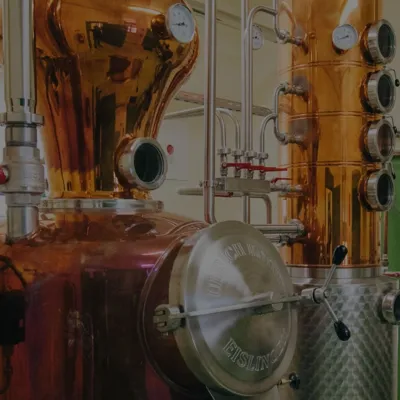 Wine & tastingsPálinka Jamy distillery: fruit pálinka in Odorheiu SecuiescOdorheiu Secuiesc39 km from Historic Centre of Sighișoara: a living medieval citadel (UNESCO)Odorheiu Secuiesc (Hungarian: Székelyudvarhely) is a historic town in the Târnava Mare valley in the west of Harghita County, long regarded by the Székelys as their ...
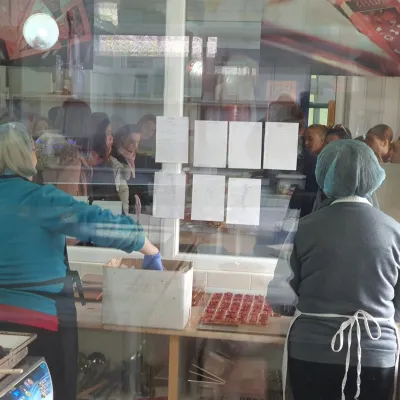 Craft producersGALFFIS chocolate manufactory in Odorheiu SecuiescOdorheiu Secuiesc40 km from Historic Centre of Sighișoara: a living medieval citadel (UNESCO)Bean-to-bar chocolate in the heart of Székely Land Odorheiu Secuiesc (Hungarian: Székelyudvarhely) is known above all for its history, schools and Székely traditions,...
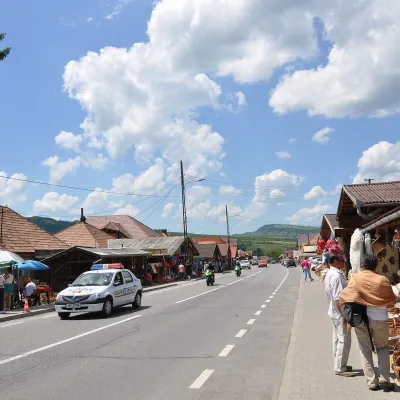 Markets & fairsCorund: pottery bazaar and Székely ceramics workshopsCorund41 km from Historic Centre of Sighișoara: a living medieval citadel (UNESCO)A village where almost everyone is a potter Corund (Hungarian: Korond) is a large Székely village in the west of Harghita County, between Odorheiu Secuiesc and the...
