Black Church in Brașov: Gothic church of the Transylvanian Saxons
The symbol of Saxon Brașov
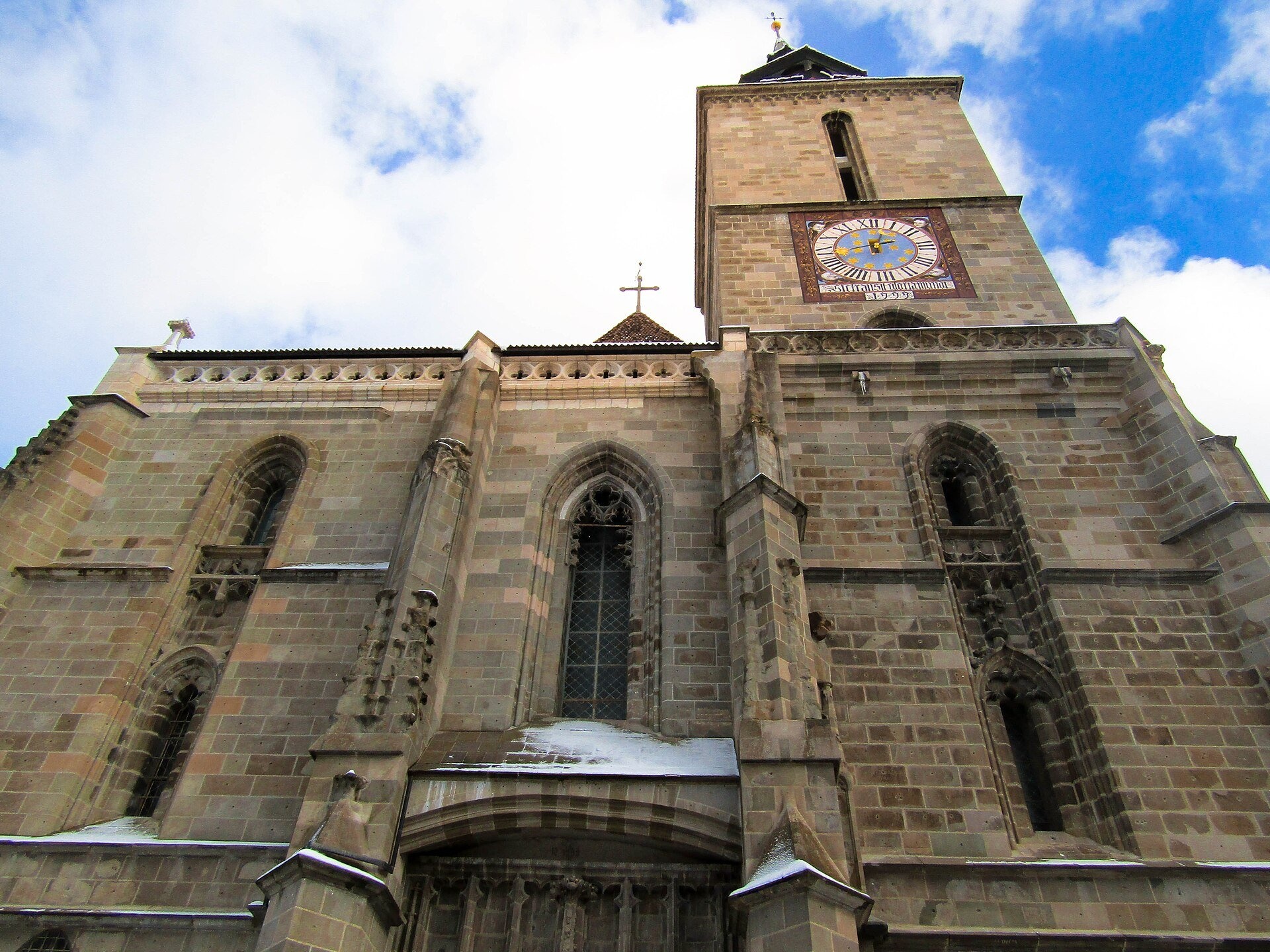
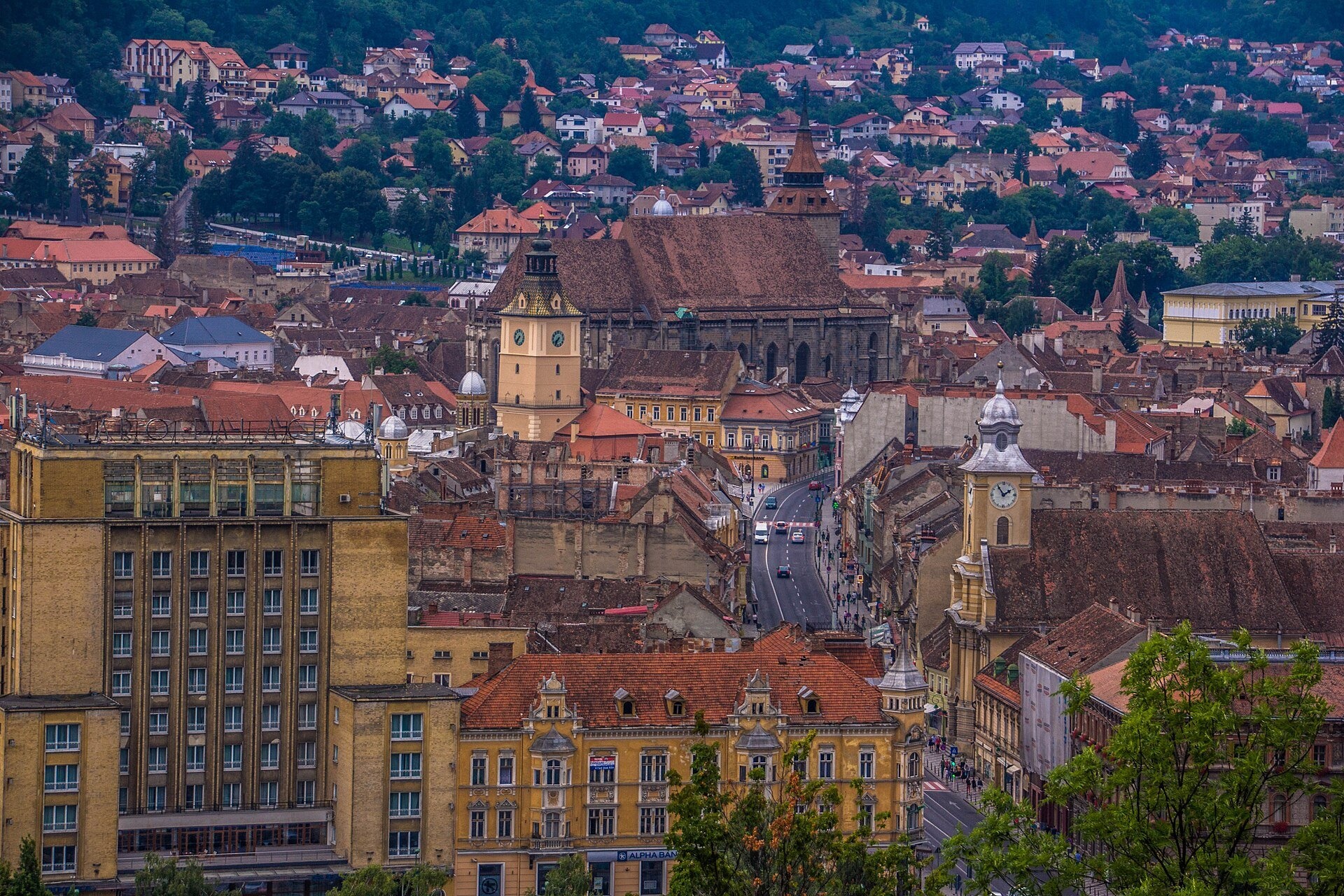
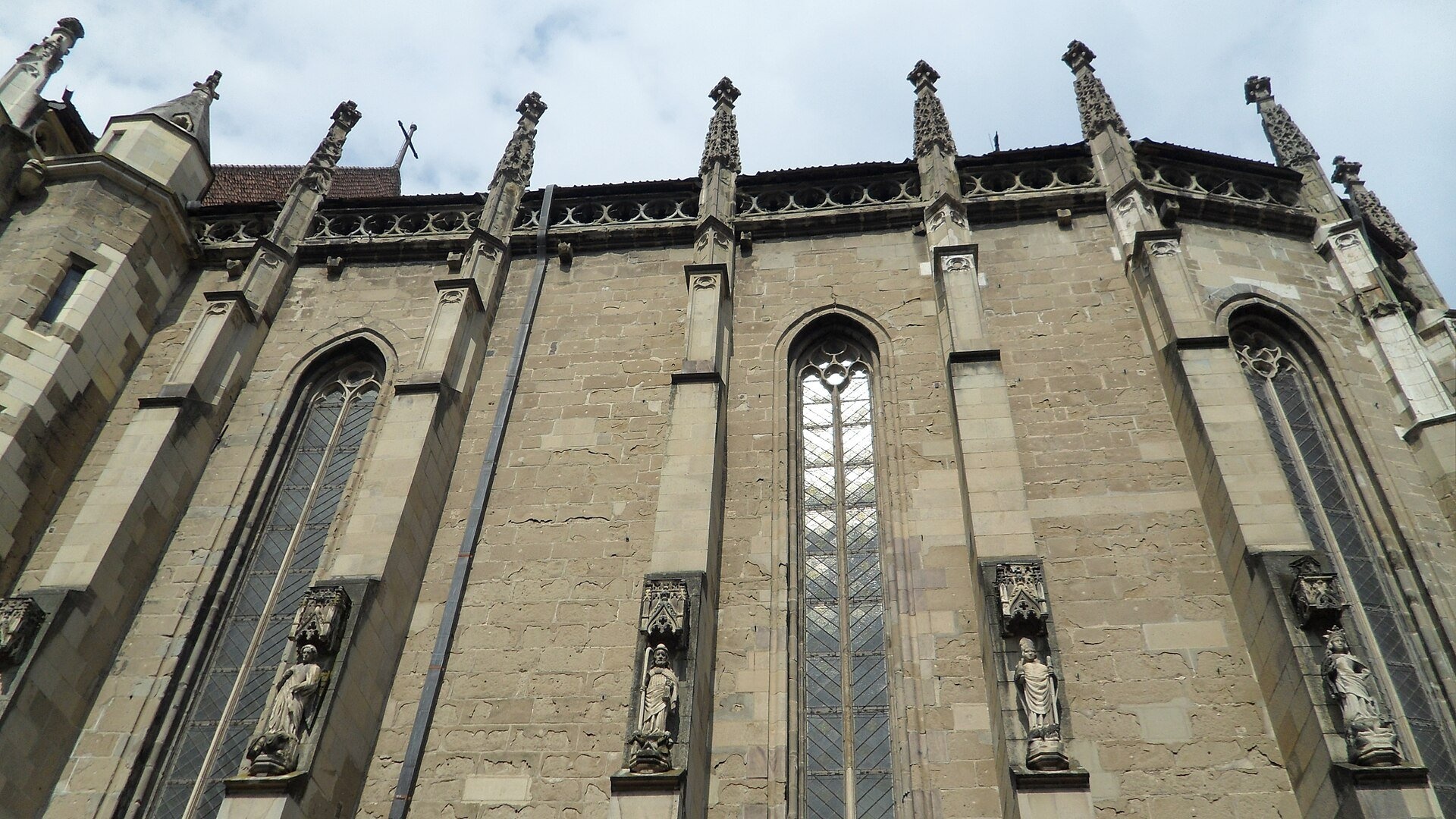
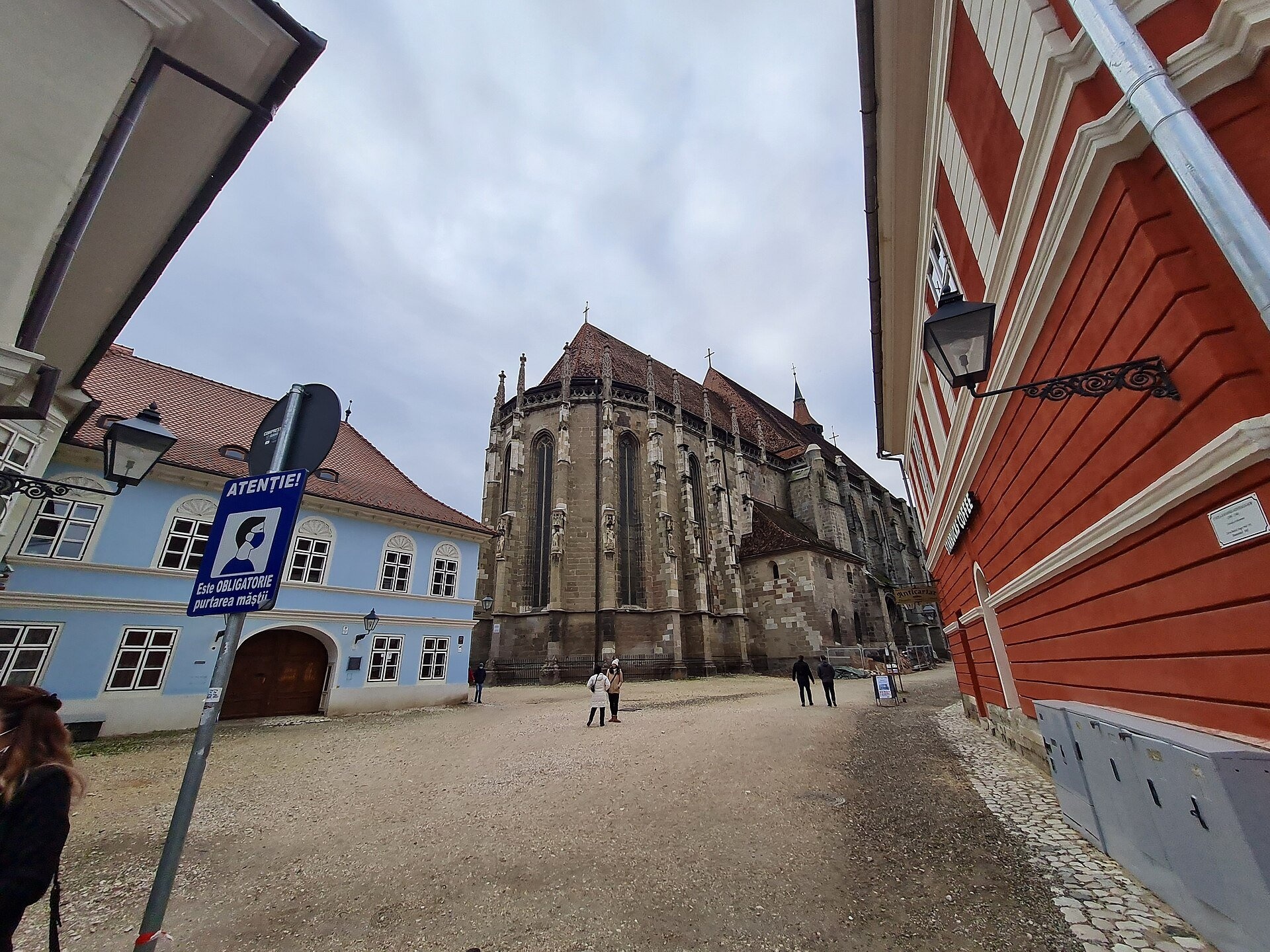
The Black Church (Biserica Neagră, German Schwarze Kirche) is the main church and symbol of Brașov, the largest town of the historic Țara Bârsei region in southern Transylvania. According to the community's account, even before the Teutonic Knights arrived a Premonstratensian convent stood on this spot, and the German settlement of Corona grew up around it. Thanks to royal privileges and the skill of its craftsmen the town grew rich quickly, and at the end of the fourteenth century the burghers began building a great new church of St Mary. They chose as their model the choir with ambulatory of St Sebald's in Nuremberg, with which Brașov had close trade links. Construction took almost a hundred years; the west portal of around 1450 was made by stonemasons who came from Košice via Cluj and Sighișoara.
At first the community was Catholic, but in the sixteenth century Brașov became one of the main centres of the Reformation in Transylvania. In October 1542 the country's first Lutheran service took place here, and the humanist Johannes Honterus compiled the "Reformation Booklet", which became the basis for all Transylvanian Saxons adopting the Evangelical faith. In April 1689 a great fire destroyed part of the town; the church roof collapsed, and flames and smoke blackened the walls so much that the church has been called Black ever since. Rebuilding took almost a century. Today it is a church of the Evangelical Church of the Augsburg Confession in Romania — Brașov parish.
Why go
It is one of the largest Gothic churches in South-Eastern Europe and the best place to understand the history of the Transylvanian Saxons. Six centuries of art from two continents are gathered here: from a Gothic font to Ottoman carpets brought by merchants from Anatolia. And in summer, every Saturday, you can hear Romania's largest mechanical church organ at the Organ Nights concerts.
What to see
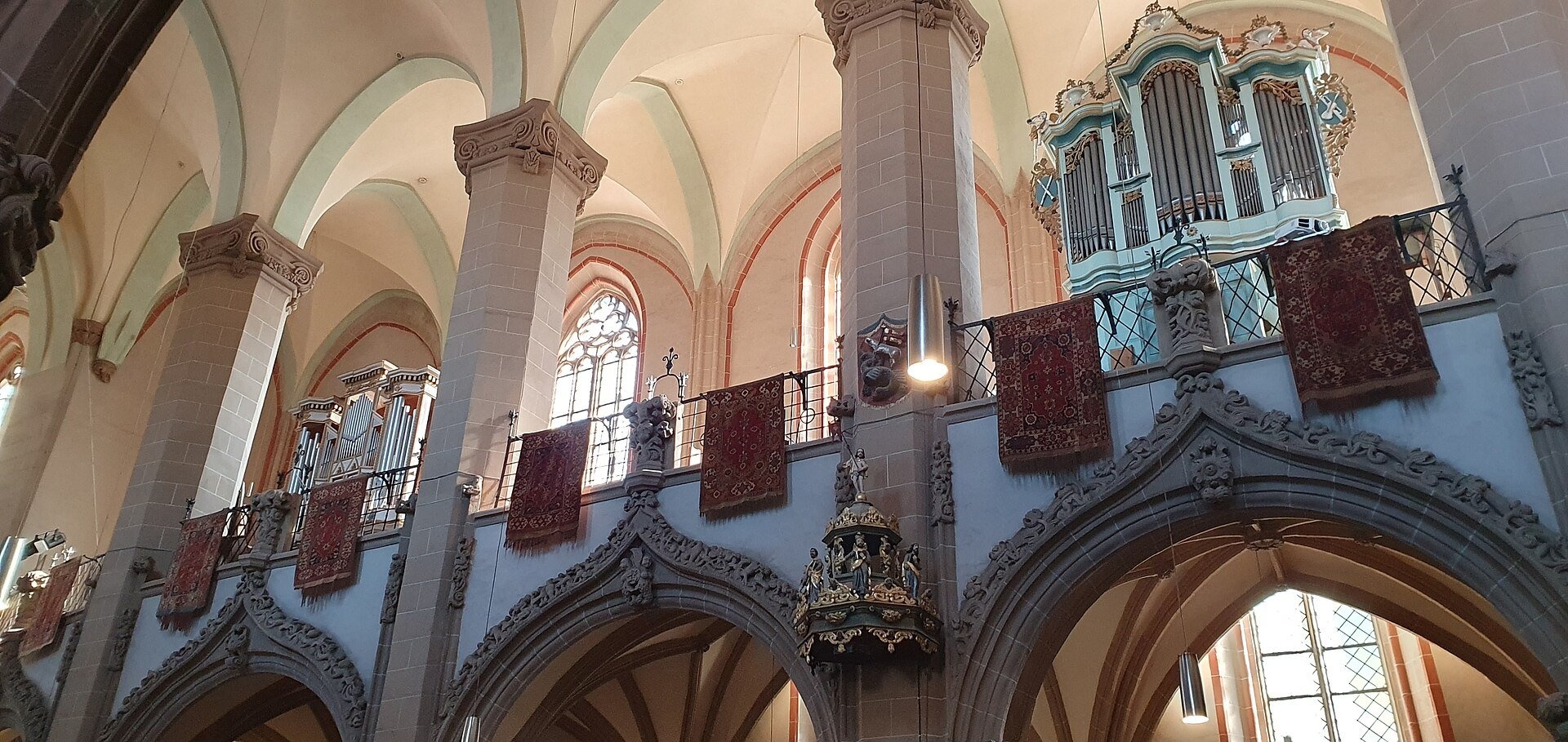
- The collection of Ottoman carpets — some two hundred Anatolian carpets donated by parishioners and guilds from the seventeenth century on; according to the parish, one of the richest in Europe.
- The Carl August Buchholz organ of 1836–1839: 3,993 pipes, four manuals and 63 stops — the largest mechanical church organ in Romania.
- The bronze font of 1472, still in use.
- The fresco of 1476–1490 above the south-east door: the enthroned Virgin with Saints Catherine and Barbara and the coats of arms of King Matthias Corvinus and Beatrice of Aragon.
- The pulpit of 1695, a gift of master butcher Lorenz Bömches, the guild pews and stone galleries.
- The 17-metre altar of 1866 and the Honterus monument of 1898 by Harro Magnussen beside the church.
Practical information
Address: Curtea Johannes Honterus 2, 500025 Brașov — in the old town, a few steps from Council Square (Piața Sfatului). From the Porubne — Siret border crossing to Brașov it is about 385 km; Brașov has rail links with Bucharest, Sighișoara and Cluj. Hours: from 16 October 2026 to April 2027 Sunday and Monday 12:00–18:00, Tuesday to Saturday 10:00–18:00; from 1 April to 15 October until 19:00; last entry 20 minutes before closing. Visits pause for 2 hours during services and concerts; closed 1 January and 25 December. Tickets: adults 30 lei, seniors and students 25 lei, pupils 20 lei, children under 7 free; tickets are sold on site and online. The church's guides offer free tours when a guide is available. Information: +40 772 253 781 (daily 10:00–19:00), [email protected]. Prices and hours as of November 2026. This is a working church: please be quiet and respectful. The visit takes 40–60 minutes.
Nearby
- Council Square and Brașov's historic centre — the Council House, merchants' houses, Rope Street.
- The First Romanian School museum in the Șchei district.
- Tâmpa — the mountain above the old town with its cable car.
- Bran Castle — 30 km to the south-west.
Official website: bisericaneagra.ro
Photos: Alexandra Roxana Pitis, CC BY-SA 4.0, Wikimedia Commons; Mihai Raducanu, CC BY-SA 4.0, Wikimedia Commons; Cosmin Stefanescu, CC BY-SA 3.0 ro, Wikimedia Commons; Yair-haklai, CC BY-SA 4.0, Wikimedia Commons; Leontin l, CC BY-SA 4.0, Wikimedia Commons; Andrei Dan Suciu, CC BY 3.0, Wikimedia Commons.
Getting there from Ukraine
Border crossings
- Porubne – Siret — road and pedestrian, 24/7
- Diakivtsi – Racovăț — road and pedestrian, 24/7 No freight traffic.
- Krasnoilsk – Vicovu de Sus — road and pedestrian, 08:00–20:00 Cars up to 3.5 t and pedestrians only; not 24/7.
- Solotvyno – Sighetu Marmației — road and pedestrian, 24/7 Passenger traffic only: vehicles up to 3.5 t with up to 9 seats, pedestrians.
- Diakove – Halmeu — road, 24/7 No pedestrian crossing.
By car
Chernivtsi – Brașov ≈395 km, ≈7 h 03 min (via Diakivtsi – Racovăț); Rakhiv – Brașov ≈419 km, ≈7 h 24 min (via Solotvyno – Sighetu Marmației); Uzhhorod – Brașov ≈522 km, ≈8 h 39 min (via Diakove – Halmeu). Times without border queues, our road routing (GraphHopper, OSM).
Checked 03.11.2026; border crossing hours and timetables change — check before you travel.
Comments
Travellers’ experience: reports, tips, questions.
No one has written here yet. Be the first — your experience helps others.
Video 2
 Biserica Neagra BrașovSchwarze Kirche - Biserica Neagră

Location on the map
Trails nearby
All trails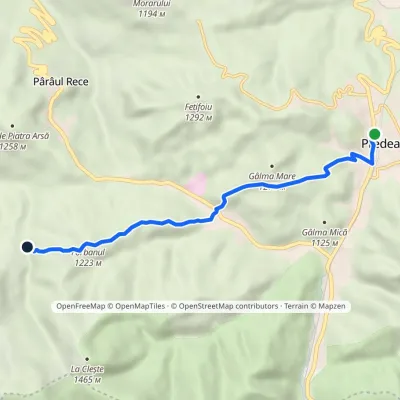 EasyOne-dayMarkedPredeal Valea FrăsinetElevation profile1 026–1 223 m7.2 kmascent 368 m≈ 2.5 h walking15 km from Black Church in Brașov: Gothic church of the Transylvanian Saxons
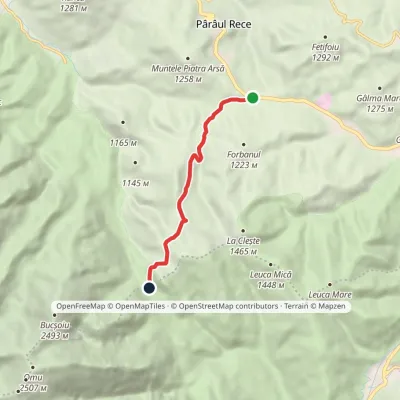 EasyOne-dayMarkedLa Șipote Poiana Pichetul RoșuElevation profile1 082–1 462 m6 kmascent 379 m≈ 2 h walking17 km from Black Church in Brașov: Gothic church of the Transylvanian Saxons
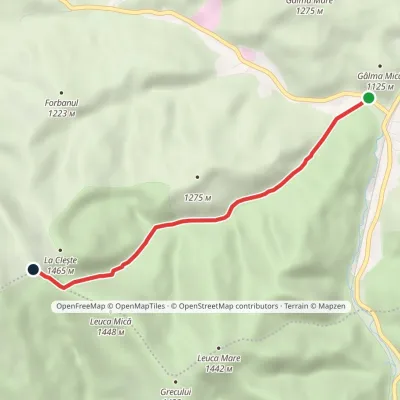 EasyOne-dayMarkedPredeal Baiului Saddlevia Valea IaduluiElevation profile998–1 356 m5 kmascent 357 m≈ 2 h walking17 km from Black Church in Brașov: Gothic church of the Transylvanian Saxons
Nearby attractions
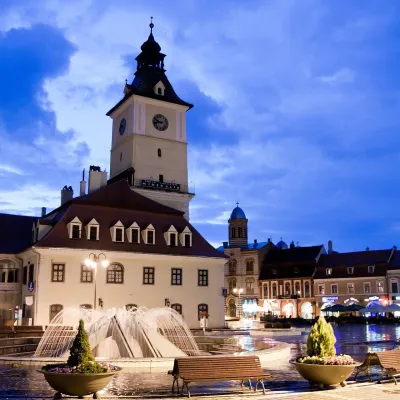 ArchitectureBrașov historic centre: Council Square and the Council HouseBrașovunder 1 km from Black Church in Brașov: Gothic church of the Transylvanian SaxonsBrașov's old town lies in a sheltered valley below Mount Tâmpa, on the south-eastern edge of Transylvania.
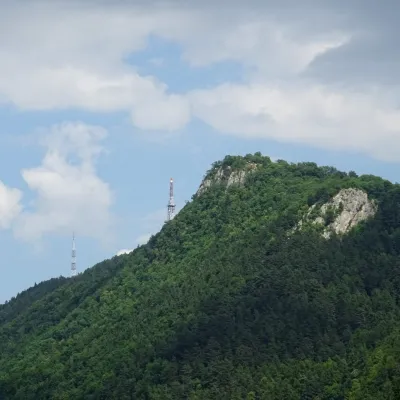 PeakTâmpaBrașovaltitude 960 munder 1 km from Black Church in Brașov: Gothic church of the Transylvanian SaxonsTâmpa (German Zinne, Hungarian Cenk) is the city mountain of Brașov, 960 m high, almost entirely surrounded by the city and rising about 400 m above it.
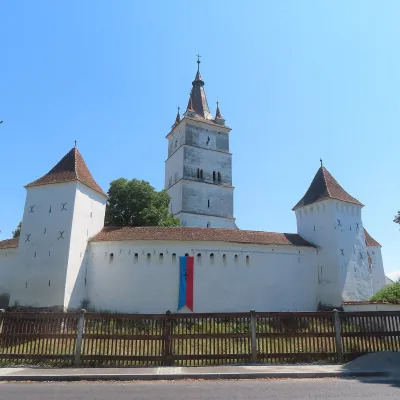 ChurchHărman Fortified Church: seven towers and 15th-century muralsHărman11 km from Black Church in Brașov: Gothic church of the Transylvanian SaxonsThe fortified Evangelical church in the village of Hărman (German Honigberg, Hungarian Szászhermány) is one of the largest and best-preserved church fortresses of the...