Horezu Monastery: Brâncovenesc masterpiece, UNESCO
Prince Brâncoveanu's monastery
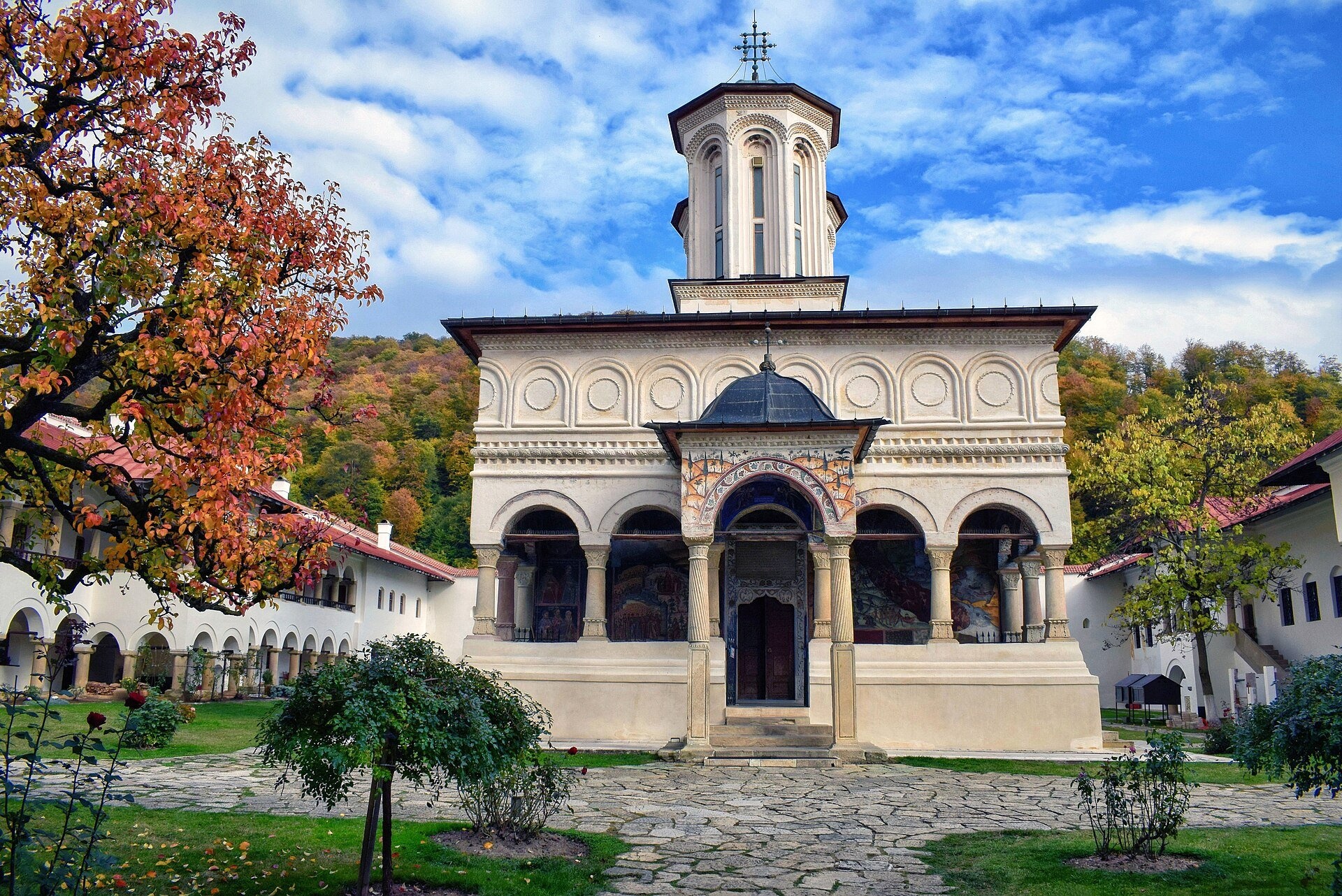
Horezu Monastery, historically Hurezi (Mănăstirea Hurezi), lies in a quiet valley at the foot of the Căpățânii Mountains, a few kilometres from the town of Horezu in Vâlcea County. It is the principal foundation of the Wallachian ruler Constantin Brâncoveanu (reigned 1688–1714), venerated by the Romanian Orthodox Church as a holy martyr. The prince laid its foundations in the second year of his reign, 1690; the main church was consecrated on 8 September 1693 and the whole complex was finished in the autumn of 1697. Works were first supervised by the prince's cousin Pârvu Cantacuzino and, after his death, by Cernica Știrbei.
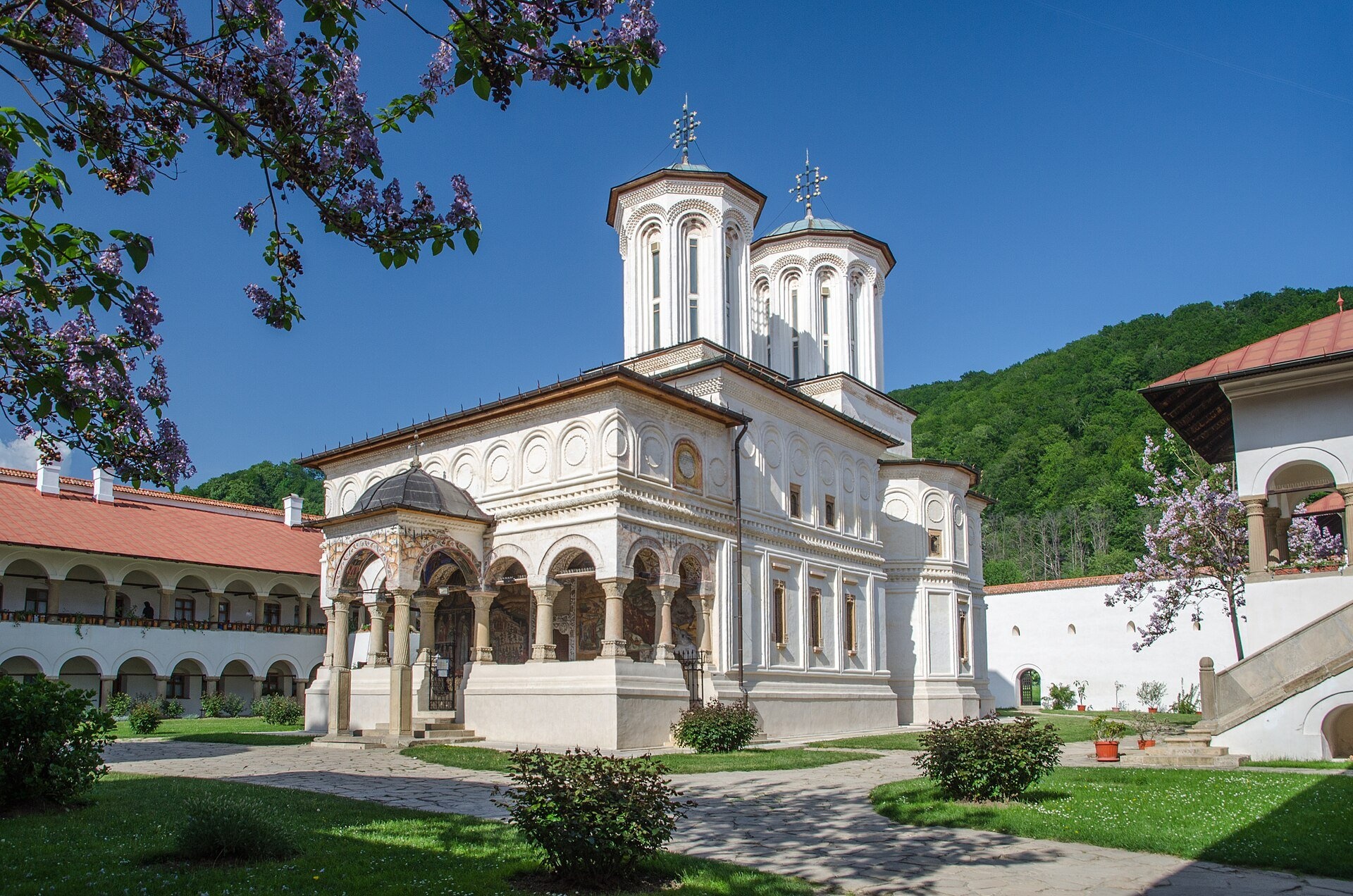
This is where the so-called Brâncovenesc style took shape: a blend of local tradition, Byzantine heritage and Renaissance and Baroque motifs, with light arcades, carved stone and plant ornament. A school of painters, carvers and builders worked here, and its pupils went on to decorate churches all over Wallachia. In 1993 UNESCO inscribed the ensemble on the World Heritage List as the "Monastery of Horezu". Today it is an active convent of nuns under the Archdiocese of Râmnic of the Romanian Orthodox Church.
Why go
Horezu is the largest and most coherent monastic ensemble in Wallachia, and from one spot you can see how carefully it was planned: four places of worship are lined up on an east–west axis, and the main church stands in the middle of a spacious courtyard framed by arcaded cells. It is a rare place where the style of an entire era survives in its original form, without later rebuilding. The monastery is also set among orchards and hills, so a visit combines easily with the potters' street of Horezu town and the mountain roads of Oltenia.
What to see
- The main Church of Saints Constantine and Helen (1690–1693), built on a trefoil plan, with a porch on ten stone columns carved with late-Renaissance ornament and a marble portal bearing the arms of Wallachia and of the Cantacuzino family.
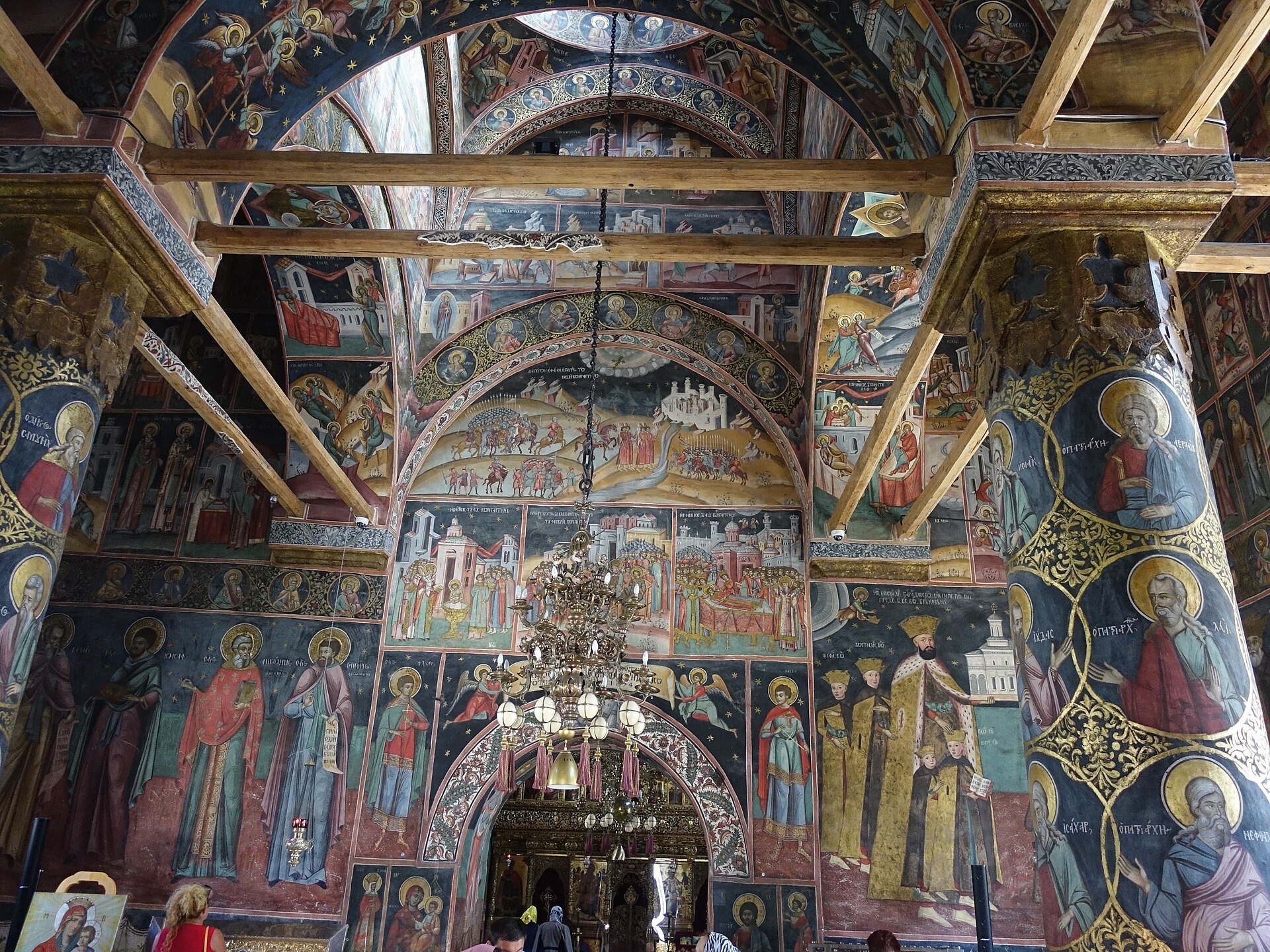
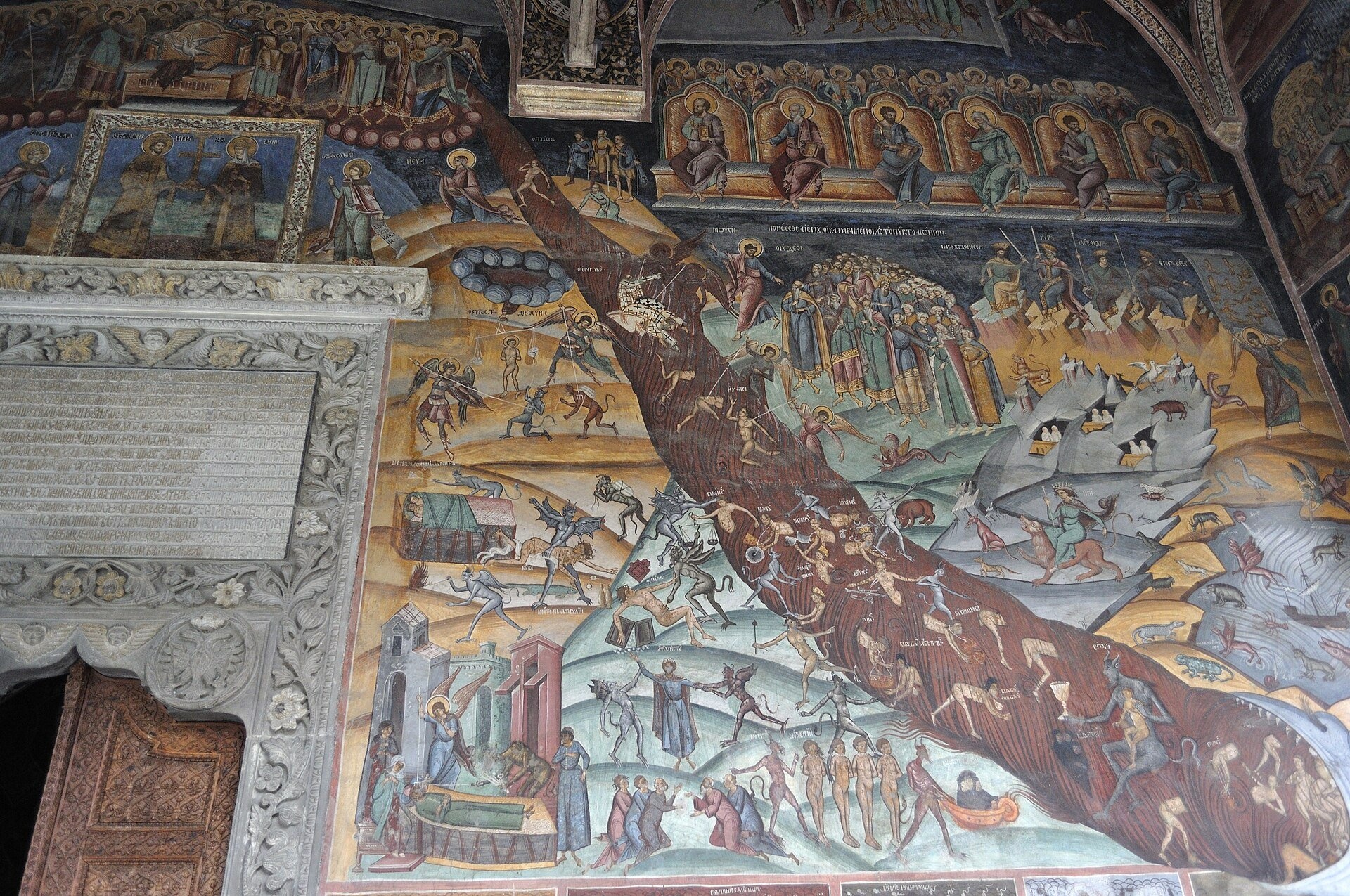
- The murals of 1692–1694 by the Greek masters Konstantinos and Ioannis and the Romanian painters Andrei, Stan, Neagoe and Ioachim. The narthex holds a gallery of portraits of the Brâncoveanu, Basarab and Cantacuzino families and a votive composition with the prince, his wife Maria and their children.
- The iconostasis of carved and gilded limewood, a gift of Princess Maria Brâncoveanu.
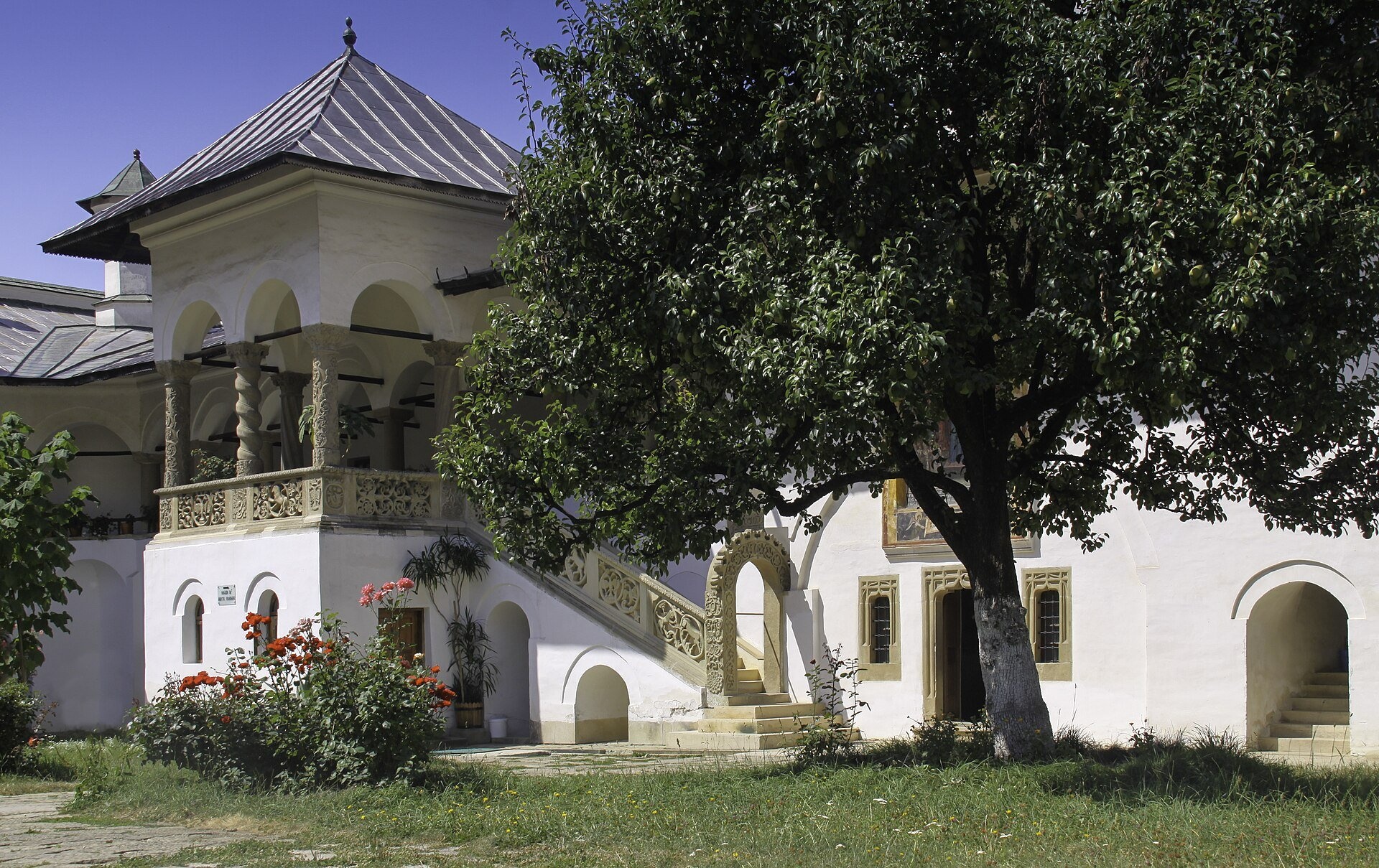
- Dionisie's gallery, an open arcaded loggia (foișor) by the cells, one of the best-known pieces of Brâncovenesc architecture.
- The princely apartments with the bell tower over the gate; the upstairs rooms house the monastery museum with icons on wood, lamps, church objects of the 16th–19th centuries and old books.
- The infirmary church, founded in 1696 by Princess Maria, and the hermitages of the Holy Apostles (1698) and of St Stephen (1703) outside the walls.
Practical information
Address: Strada Mănăstirii nr. 164, Romanii de Jos village, Horezu town. The monastery is about 4 km from the centre of Horezu and about 45 km from Râmnicu Vâlcea along the DN67 national road towards Târgu Jiu. There is a bus from Râmnicu Vâlcea to Horezu and a local service to Romanii de Jos. From Ukraine the trip takes at least a day: travellers usually cross at Porubne – Siret or Diakivtsi – Racovăț and continue through Transylvania via Sibiu and the Olt valley.
The monastery is open daily. According to the museum database of the National Heritage Institute (cIMeC), the museum collection is open 9:00–19:00; phone +40 250 860 071, e-mail [email protected]. Official sources do not state an admission fee for the museum. Information as of November 2026 — check before you go. This is an active convent: dress modestly (shoulders and knees covered; women may find a headscarf useful), speak quietly and do not disturb services; photography inside the church only with permission. Allow 1.5–2 hours for the courtyard, the church and the museum.
Nearby
- Olari Street in Horezu — potters whose ceramics are on UNESCO's intangible heritage list.
- Bistrița Monastery and Arnota Monastery — about 8 km east, in the Bistrița valley.
- Polovragi Monastery by the Oltețu gorge — about 25 km west.
- The Vâlcea Village Museum in Bujoreni — an open-air museum near Râmnicu Vâlcea.
- The kulas of Măldărești — fortified boyar houses of the 18th–19th centuries, about 10 km from the monastery.
Official website: arhiepiscopiaramnicului.ro
Photos: Jocelyn Erskine-Kellie from London, UK, CC BY-SA 4.0, Wikimedia Commons; Sebastian Mierzwa, CC BY-SA 4.0, Wikimedia Commons; Alexandru Baboș, CC BY-SA 3.0 ro, Wikimedia Commons; M. Cristian Ioan, CC0, Wikimedia Commons; Țetcu Mircea Rareș, CC BY-SA 3.0 ro, Wikimedia Commons; Fusionofhorizons, CC BY-SA 3.0, Wikimedia Commons; ChristianMancas, CC BY-SA 3.0 ro, Wikimedia Commons; Leontin l, CC BY-SA 4.0, Wikimedia Commons.
Getting there from Ukraine
Border crossings
- Porubne – Siret — road and pedestrian, 24/7
- Diakivtsi – Racovăț — road and pedestrian, 24/7 No freight traffic.
- Krasnoilsk – Vicovu de Sus — road and pedestrian, 08:00–20:00 Cars up to 3.5 t and pedestrians only; not 24/7.
- Solotvyno – Sighetu Marmației — road and pedestrian, 24/7 Passenger traffic only: vehicles up to 3.5 t with up to 9 seats, pedestrians.
- Diakove – Halmeu — road, 24/7 No pedestrian crossing.
By car
Rakhiv – Petroșani ≈450 km, ≈6 h 36 min (via Solotvyno – Sighetu Marmației); Ivano-Frankivsk – Petroșani ≈584 km, ≈8 h 55 min (via Solotvyno – Sighetu Marmației); Chernivtsi – Petroșani ≈539 km, ≈9 h 19 min (via Krasnoilsk – Vicovu de Sus). Times without border queues, our road routing (GraphHopper, OSM).
Checked 03.11.2026; border crossing hours and timetables change — check before you travel.
Comments
Travellers’ experience: reports, tips, questions.
No one has written here yet. Be the first — your experience helps others.
Video 3
 Monastery of Horezu (UNESCO/NHK)UNESCO


Location on the map
Nearby attractions
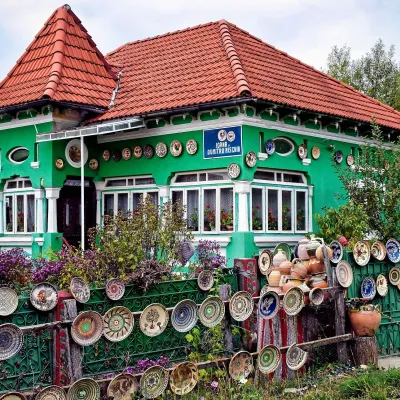 Crafts & workshopsOlari Street, Horezu: the UNESCO potters’ workshopsOlari2.2 km from Horezu Monastery: Brâncovenesc masterpiece, UNESCOThe heart of the craft is Olari Street (Strada Olari) in the part of town of the same name, about 2 km from the centre.
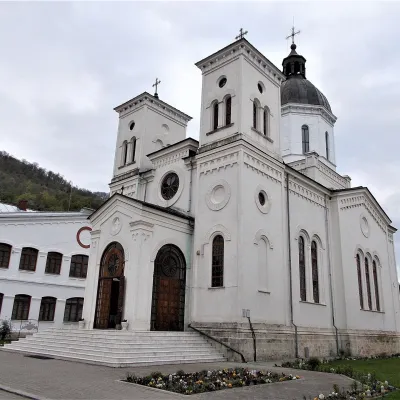 ChurchBistrița Monastery (Vâlcea): relics of St GregoryBistrița3.3 km from Horezu Monastery: Brâncovenesc masterpiece, UNESCOBistrița Monastery (Mănăstirea Bistrița) in Vâlcea County stands in the valley of the river of the same name, at the mouth of the Bistrița gorge, in Bistrița village...
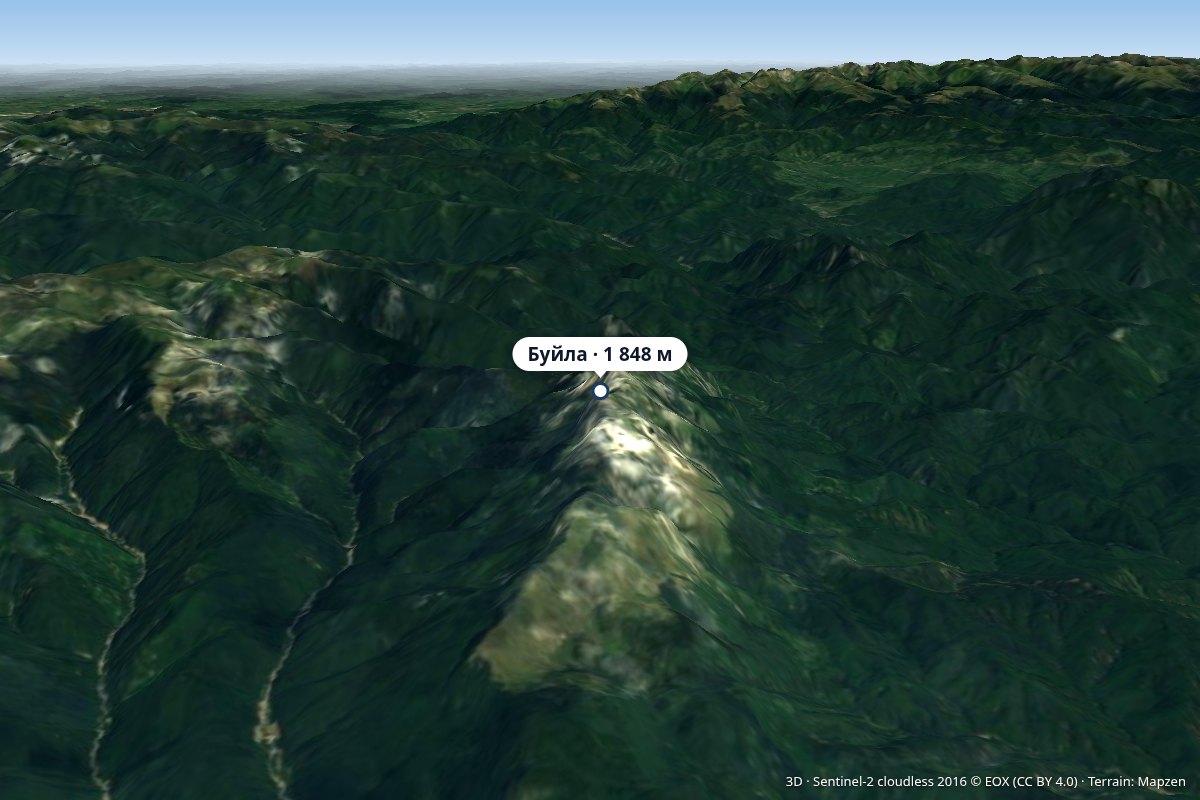 PeakBuila PeakPietrenialtitude 1 848 m11 km from Horezu Monastery: Brâncovenesc masterpiece, UNESCOVârful Buila) is a 1,848 m summit in the limestone Buila-Vânturarița massif, part of the Căpățânii Mountains (Southern Carpathians), in Vâlcea County.
Craft nearby
All craft places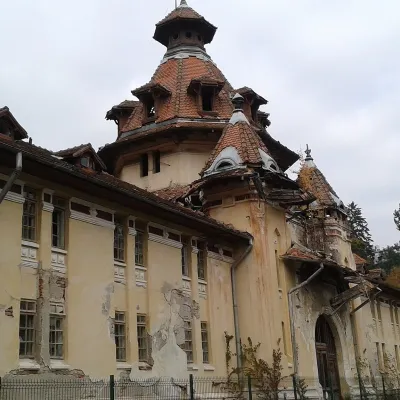 Water parks & thermal poolsBăile Govora: iodine-bromine waters and inhalationsBăile Govora16 km from Horezu Monastery: Brâncovenesc masterpiece, UNESCOBăile Govora is a small spa in Vâlcea County, in a sub-Carpathian depression in the valley of the Hința river, at 360–380 m, south-west of the town of Râmnicu Vâlcea.
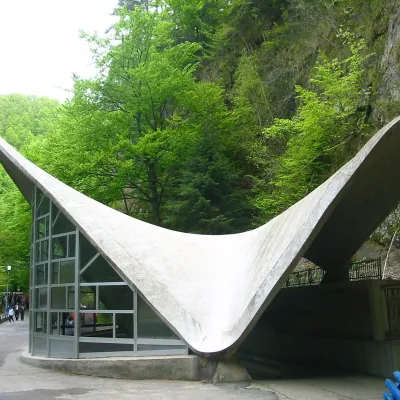 Water parks & thermal poolsBăile Olănești: sulphur and iodine springs of VâlceaBăile Olănești18 km from Horezu Monastery: Brâncovenesc masterpiece, UNESCOBăile Olănești is a mineral-water spa in Vâlcea County, in the valley of the Olănești river, at about 450 m and roughly 20 km north-west of the town of Râmnicu Vâlcea.
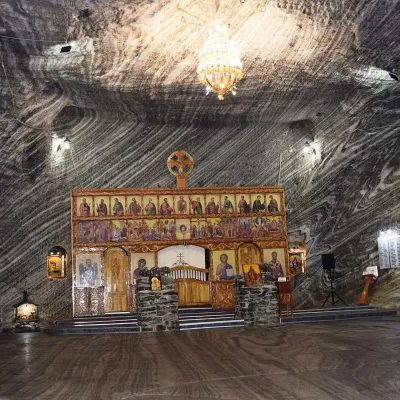 Water parks & thermal poolsOcnele Mari Salt Mine: underground microclimate near VâlceaGura Suhașului25 km from Horezu Monastery: Brâncovenesc masterpiece, UNESCOThe Ocnele Mari Salt Mine is a visitor and wellness area in one of the worked-out levels of an active salt mine in the small town of Ocnele Mari, 8 km from Râmnicu...
