Neamț Citadel: Stephen the Great's fortress
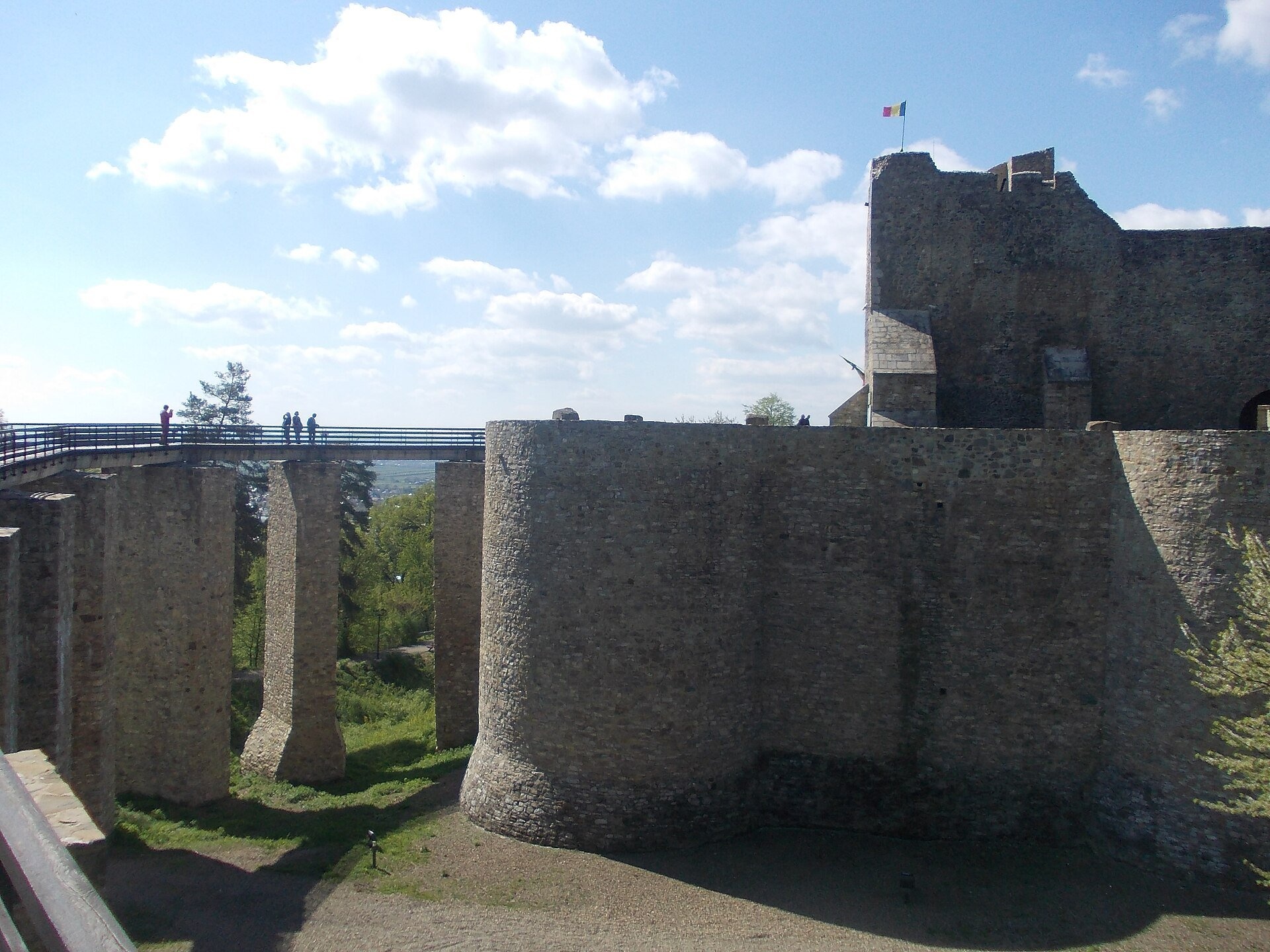
A fortress on the Timuș rock
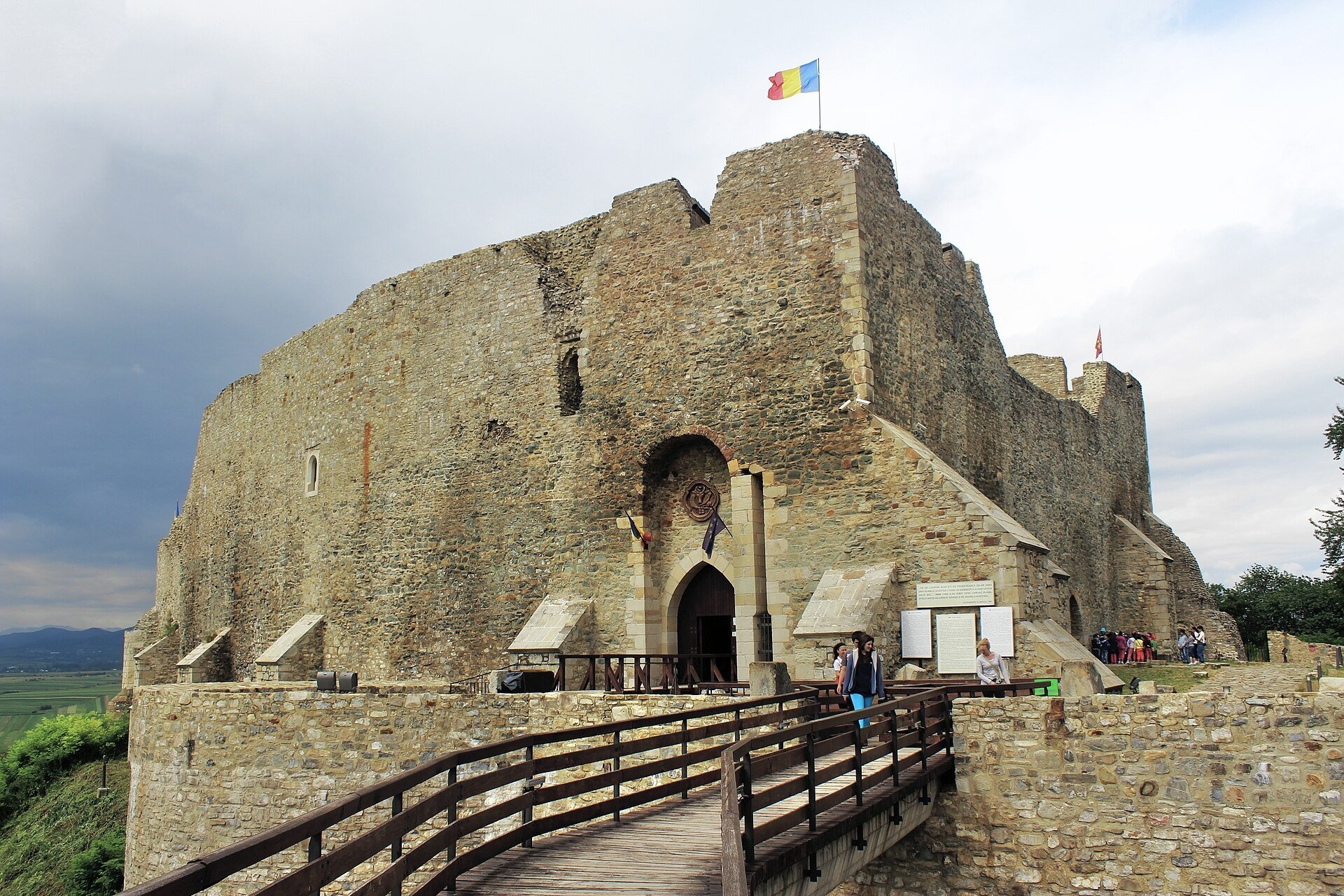
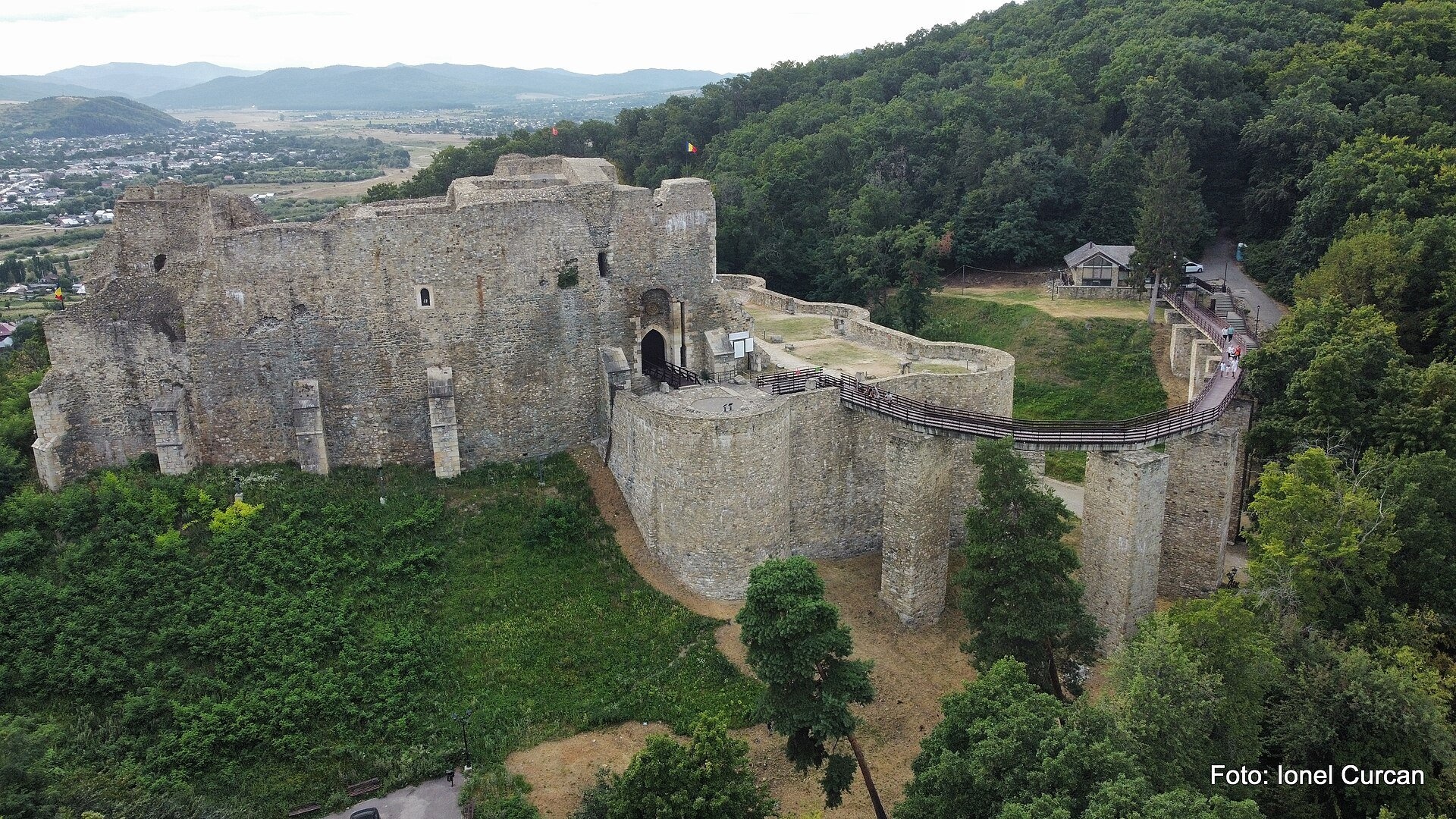
Neamț Citadel (Cetatea Neamț) is a medieval stone stronghold of the Principality of Moldavia on the north-western edge of the town of Târgu Neamț. It stands on the Timuș rock of the Pleșu ridge at an altitude of about 480 metres, some 80 metres above the Neamț river, and once guarded the valleys of the Moldova and Siret and the road to Transylvania. The fortress was built under Prince Petru I Mușat (1375–1391) as part of the young state's defensive system and is first mentioned in a document dated 2 February 1395.
Its most famous chapters are linked to Stephen III the Great (1457–1504). He raised the walls by about 6–7 metres, built an outer wall with four semicircular bastions, dug a deep moat and led an arched bridge on 11 stone piers to the gate. In July 1476, after the battle of Valea Albă, the citadel withstood the siege of Sultan Mehmed II, the conqueror of Constantinople. Later the fortress survived burnings ordered by the Porte and the 1691 siege by the Polish King John III Sobieski, celebrated in Romanian literature as the feat of a handful of defenders, and finally lost its role in 1718, when Prince Mihai Racoviță had it demolished on Ottoman orders.
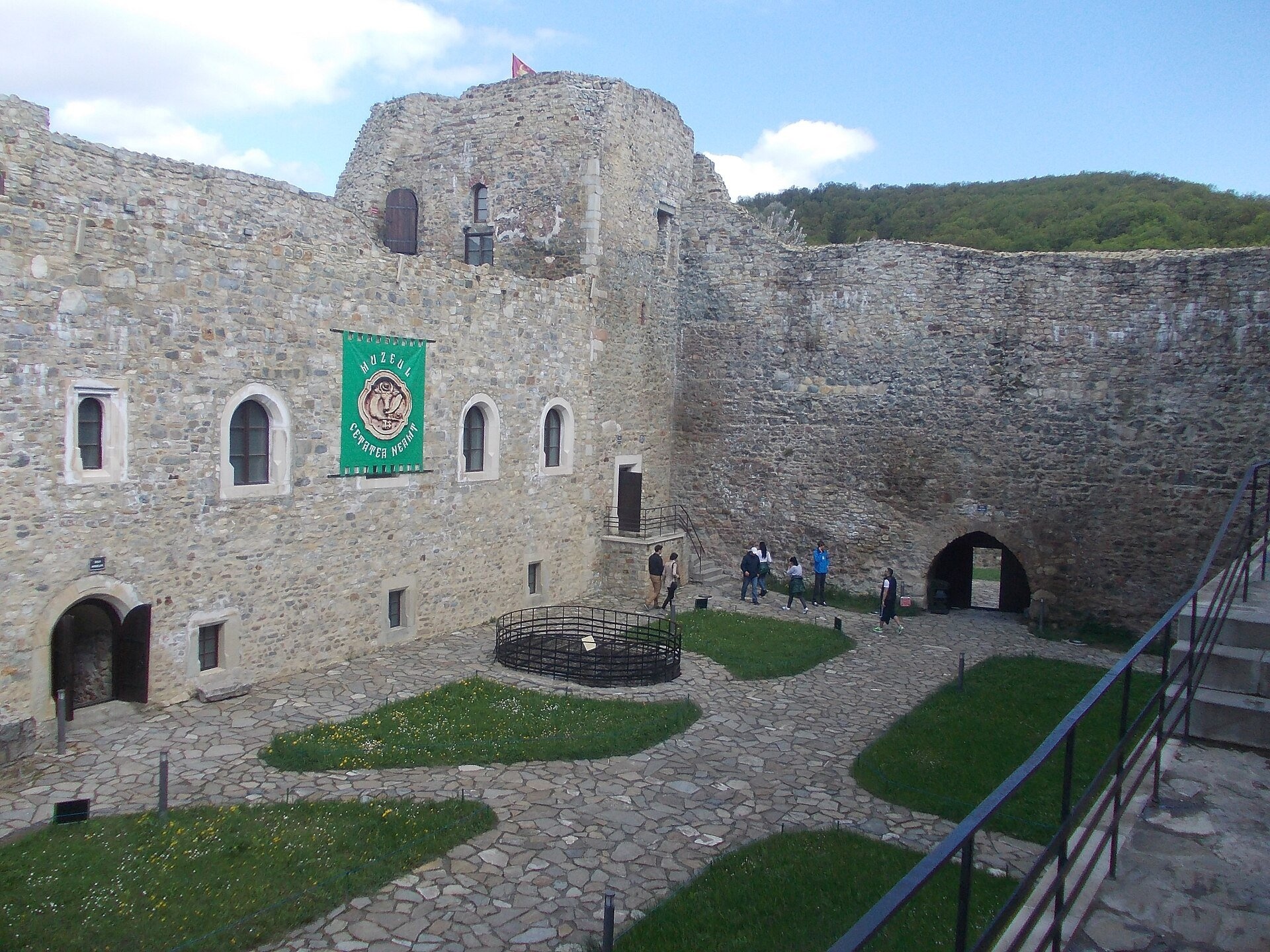
In the 19th century the ruins became a symbol of national history: Alexandru Hrisoverghi, Costache Negruzzi and Dimitrie Bolintineanu wrote about them, and Ion Creangă, who grew up in neighbouring Humulești, mentioned the "famous Neamț Citadel" in his Memories of My Boyhood. The fortress was declared a monument in 1866. In 2007–2009 it was restored with EU funds, and on 4 July 2009 a museum opened here, now run by the Neamț National Museum Complex (Complexul Muzeal Național Neamț).
Why go
This is one of the best-preserved and most engagingly presented fortresses of historical Moldavia: you can cross the same bridge used by Stephen the Great's soldiers, look at walls almost three metres thick and peer into rooms where garrison life has been recreated. The walls offer a wide view over Târgu Neamț, the Neamț depression and the forested foothills of the Eastern Carpathians. The citadel combines easily in one trip with the great monasteries of the valley — Neamț, Agapia, Văratec and Secu.
What to see
- The bridge on stone piers — the arched approach to the gate, recreated on the site of Stephen the Great's bridge with 11 piers about 8 metres high.
- The Mușat fort — the quadrangular core of the citadel with walls almost 3 metres thick and 18 buttresses supporting them from outside.
- The outer wall with bastions — four semicircular bastions and the moat with which Stephen the Great protected the north side.
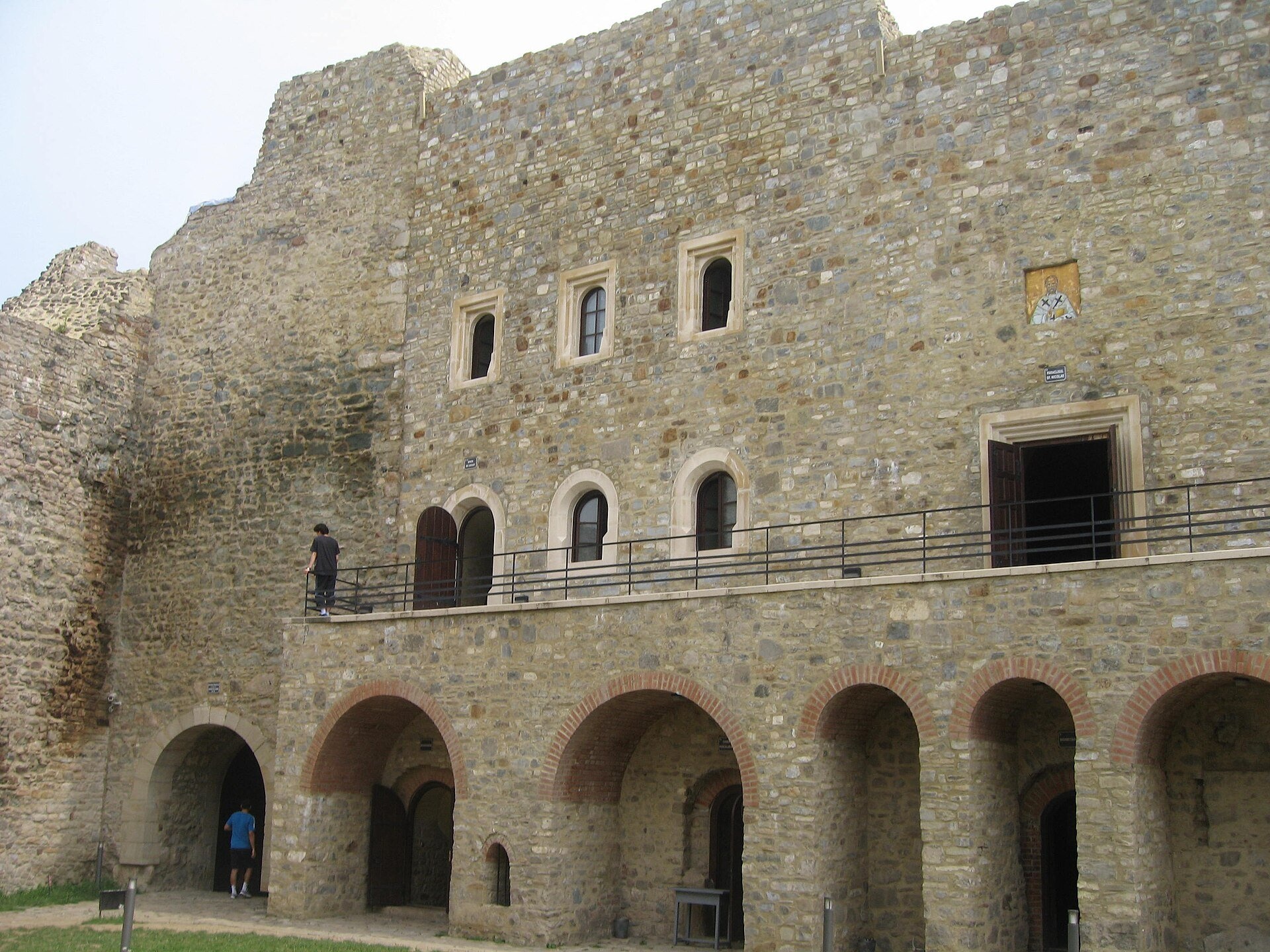
- 21 museum rooms fitted out after the restoration: the council and judgement hall, the bedchamber, the secret room, the armoury, the prison and the "black dungeon", the room of the pârcălab (commander), the princesses' chambers, the kitchen, the storeroom, the mint and a lapidarium.
- St Nicholas chapel inside the fortress.
- Temporary exhibitions: in 2026, "Neamț Citadel in the press of the time, 1890–1950".
- Neamț Citadel Days — an annual festival in July with knights' tournaments and medieval music (in 2026 on 10–12 July, the 25th edition).
Practical information
Address: Aleea Cetății nr. 1, Târgu Neamț, Neamț County. Museum phones: +40 733 981 798, +40 733 981 814; general e-mail of the museum complex: [email protected]. The citadel stands above the town of Târgu Neamț; it is about 45 km from Piatra Neamț and about 60 km from Suceava. From Ukraine the nearest route is via the Porubne – Siret border crossing: about 110 km from the border to the citadel (via Suceava); from Chernivtsi about 150 km.
Opening hours (per the museum complex website, as of November 2026): Tuesday to Sunday; October – March 9:00–17:00, April – September 10:00–18:00; closed on Mondays. Tickets: adults 24 lei, students and adult groups 12 lei, preschoolers and pupils 6 lei (as of November 2026). You have to walk up to the entrance, and inside there are many stairs, thresholds and changes of level, so a visit with a wheelchair is difficult. Allow about an hour to an hour and a half for the fortress itself.
Nearby
- Neamț Monastery — the oldest and largest monastery of Moldavia, about 12 km to the west.
- Bison safari in Vânători-Neamț — a walk with a ranger to the bison of the nature park.
- Agapia Monastery with paintings by Nicolae Grigorescu.
- Văratec Monastery — the largest convent in Romania.
- Ion Creangă Memorial House in Humulești — in Târgu Neamț, a few kilometres from the citadel.
Official website: cmnn.ro
Photos: FabianPopovici, Public domain, Wikimedia Commons; Curcan ionel, CC BY-SA 4.0, Wikimedia Commons; Bogdan Muraru, CC BY-SA 3.0 ro, Wikimedia Commons; Cezar Suceveanu, CC BY 3.0, Wikimedia Commons.
Getting there from Ukraine
Border crossings
- Porubne – Siret — road and pedestrian, 24/7
- Diakivtsi – Racovăț — road and pedestrian, 24/7 No freight traffic.
- Krasnoilsk – Vicovu de Sus — road and pedestrian, 08:00–20:00 Cars up to 3.5 t and pedestrians only; not 24/7.
- Solotvyno – Sighetu Marmației — road and pedestrian, 24/7 Passenger traffic only: vehicles up to 3.5 t with up to 9 seats, pedestrians.
- Diakove – Halmeu — road, 24/7 No pedestrian crossing.
By car
Chernivtsi – Durău ≈204 km, ≈3 h 54 min (via Diakivtsi – Racovăț); Ivano-Frankivsk – Durău ≈342 km, ≈6 h 11 min (via Diakivtsi – Racovăț); Rakhiv – Durău ≈313 km, ≈6 h 18 min (via Solotvyno – Sighetu Marmației). Times without border queues, our road routing (GraphHopper, OSM).
Checked 03.11.2026; border crossing hours and timetables change — check before you travel.
Comments
Travellers’ experience: reports, tips, questions.
No one has written here yet. Be the first — your experience helps others.
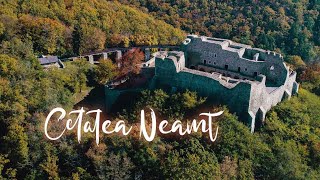
Video 3
 Cetatea Neamțului - secole de luptămircea rosu

Location on the map
Nearby attractions
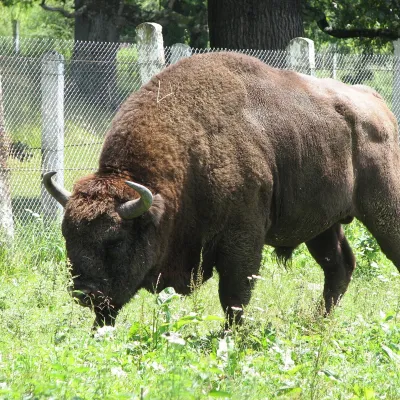 Wildlife parks & animal farmsBison Safari in Vânători-Neamț: a guided walk with a rangerMănăstirea Neamț9.1 km from Neamț Citadel: Stephen the Great's fortressThe first place in Romania where the bison came back Vânători-Neamț Natural Park lies on the eastern slopes of the Carpathians near the small town of Târgu Neamț, in a...
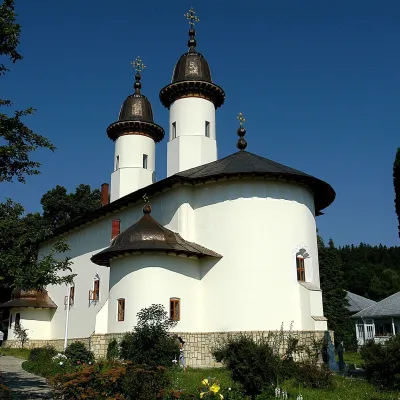 ChurchVăratec Monastery: Romania's largest conventVăratec10 km from Neamț Citadel: Stephen the Great's fortressA convent founded by disciples of Paisius Velichkovsky Văratec Monastery (Mănăstirea Văratec; spelled Văratic on its official website) is an active convent of the...
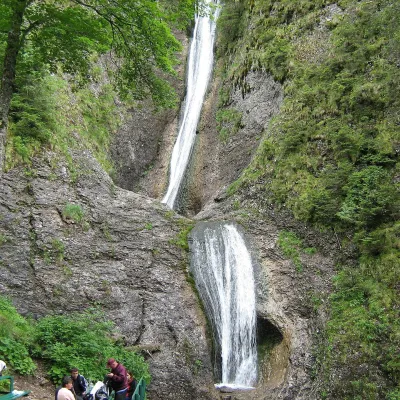 WaterfallDuruitoarea Waterfall (Cascada Duruitoarea)Ceahlău · Ceahlău41 km from Neamț Citadel: Stephen the Great's fortressheight 25 m2 cascades1 251 m above sea levelDuruitoarea Waterfall (Cascada Duruitoarea) is a natural monument of national importance in the Ceahlău massif, Neamț County.
