Mălâncrav Church: 14th-century Gothic frescoes
A noble village among the Saxons
The village of Mălâncrav (German: Malmkrog, Hungarian: Almakerék) lies in a quiet valley among the hills of the Transylvanian Plateau, in the commune of Laslea, about 25 km from Sighișoara. Unlike most Saxon villages it did not belong to the free royal land: its inhabitants were serfs of Hungarian noble families — first the Apafi, later the Bethlen, and the last great landowners before the abolition of serfdom were the Counts Haller. Serfdom here ended only in the 19th century.
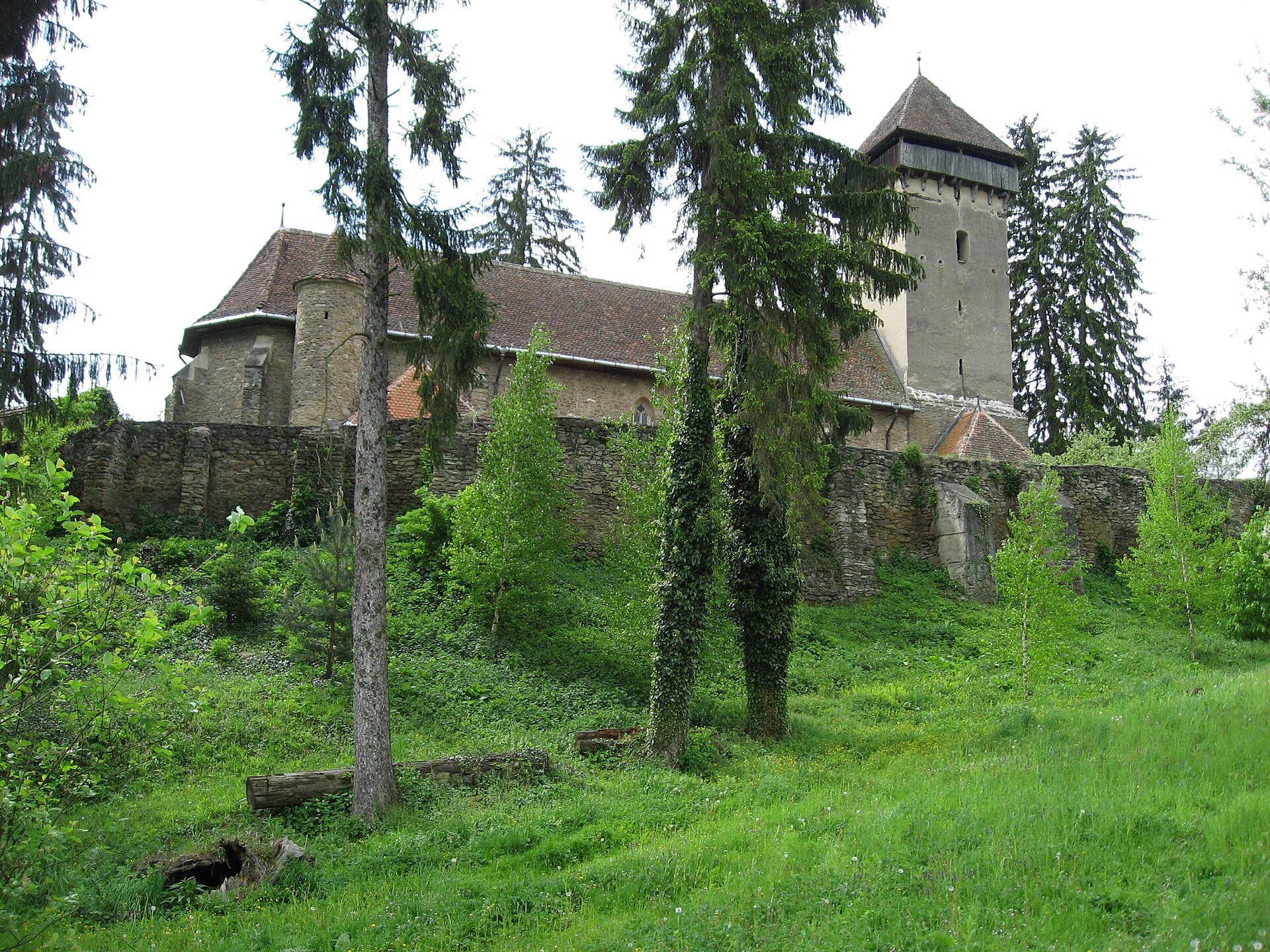
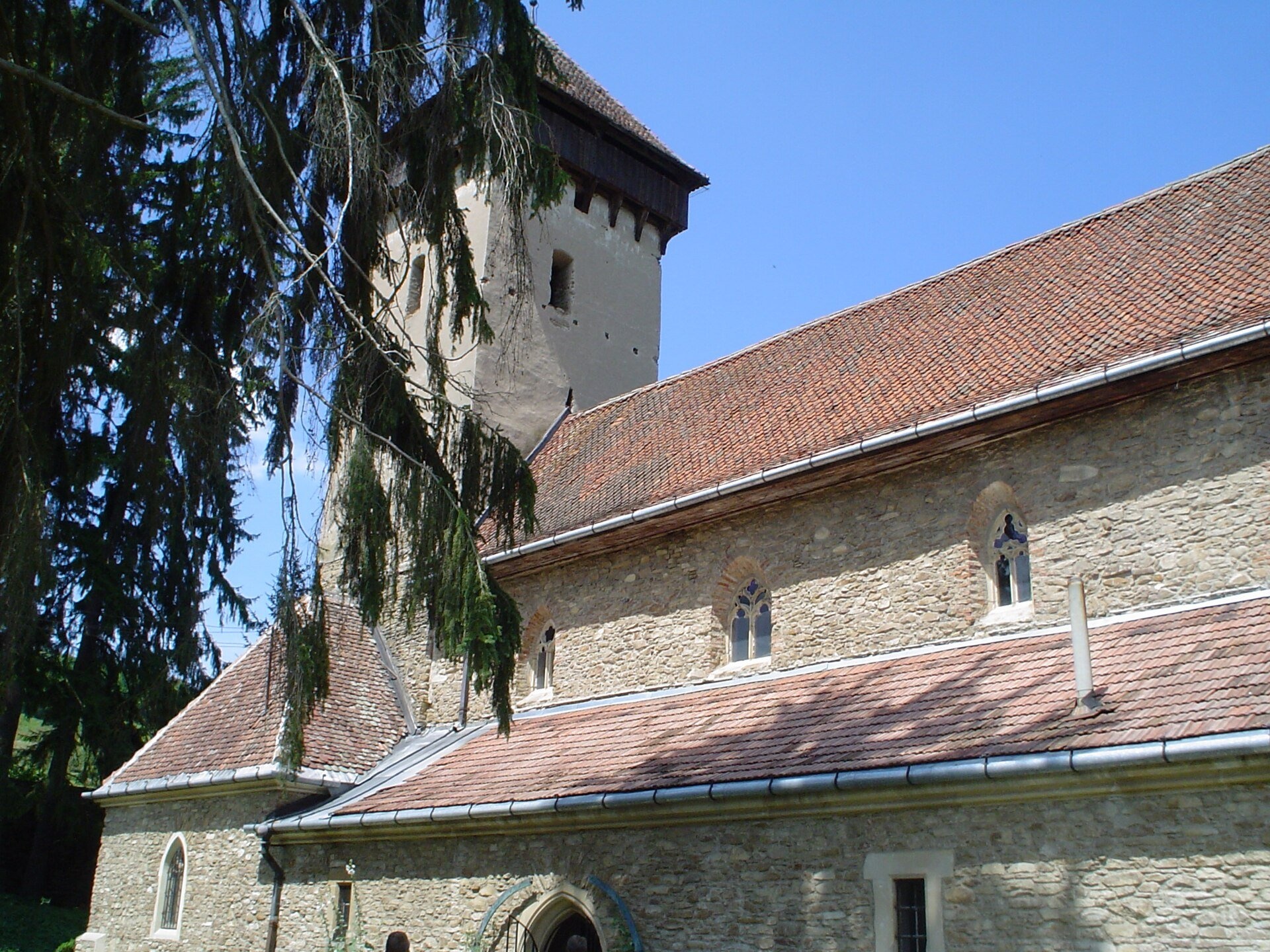
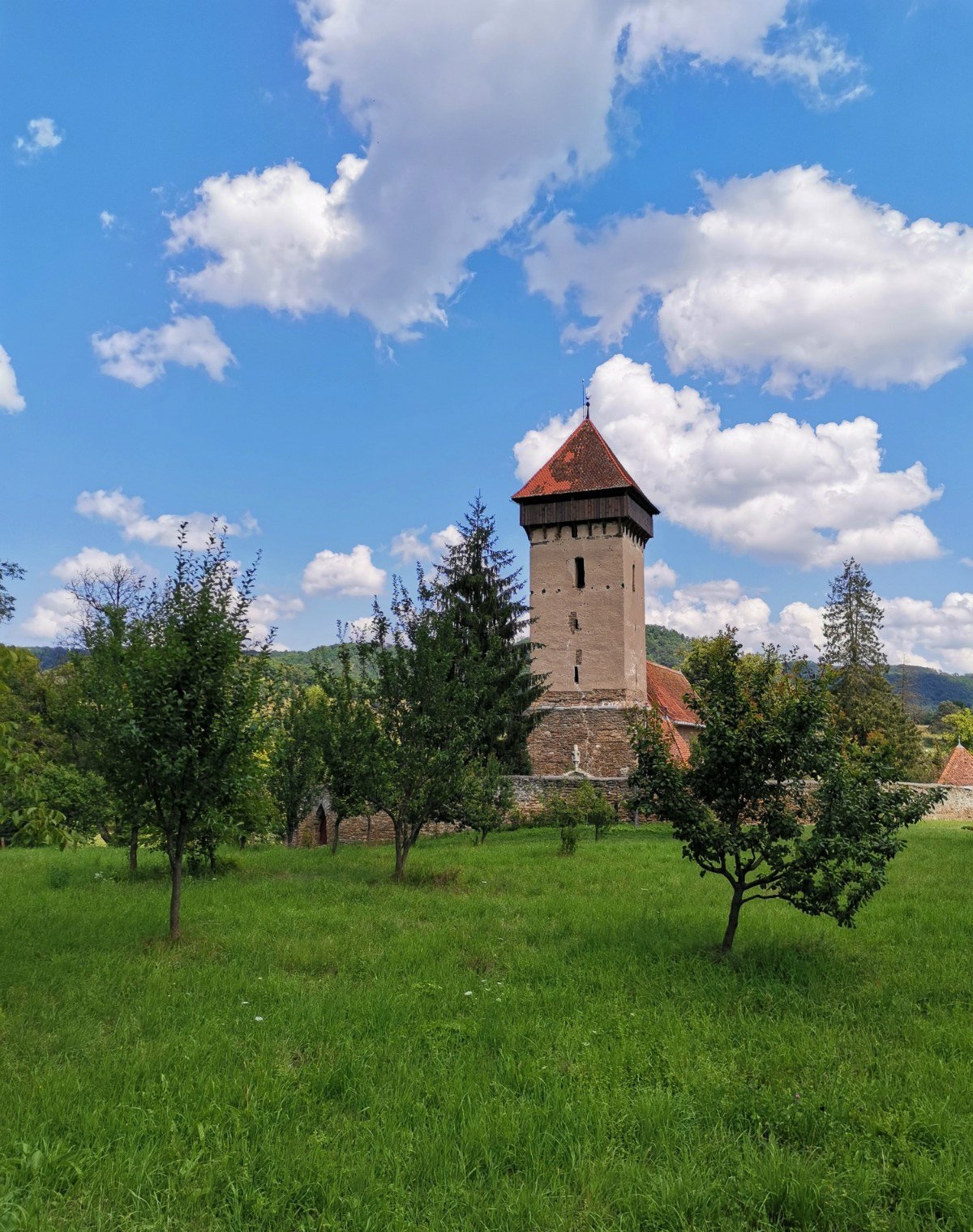
The three-nave church with its bell tower was built at the beginning of the 14th century on the site of a much older Romanesque basilica; its builder is thought to have been Gregor, son of Nikolaus Apafi. Around 1400 the chancel was rebuilt in the International Gothic style; the Apafi coat of arms can still be seen on the vault's keystone. Until the Reformation the church was dedicated to the Virgin Mary, later it became Lutheran. In the 15th–16th centuries the church was fortified: the fighting storey of the bell tower and remains of the wall survive, while the defence storeys over the nave and chancel burned and were dismantled in the 19th century. The present unplastered stone walls are the result of a 1913 restoration. In 2010–2014 the church was restored in a project financed by the European Union.
Why go
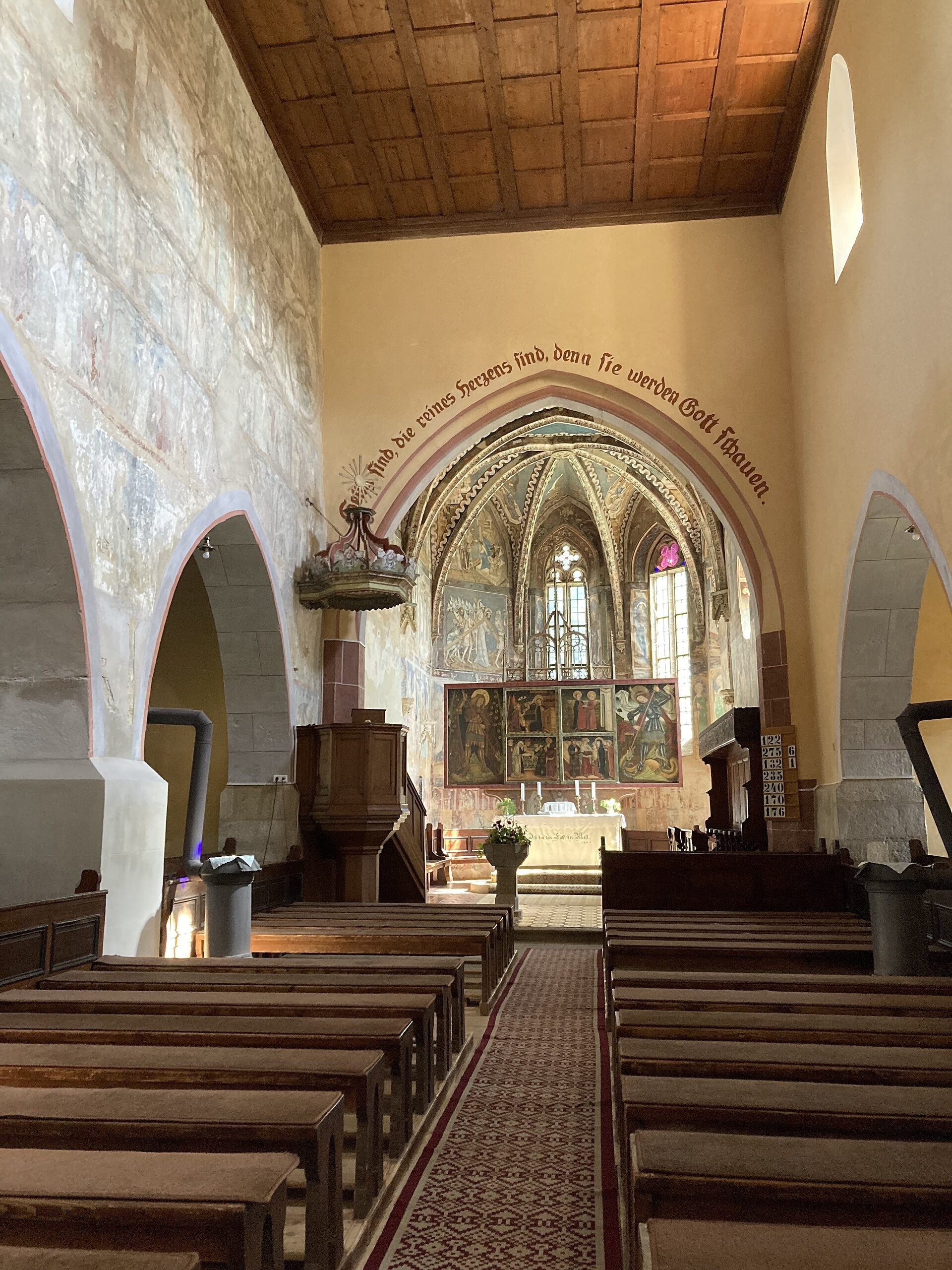
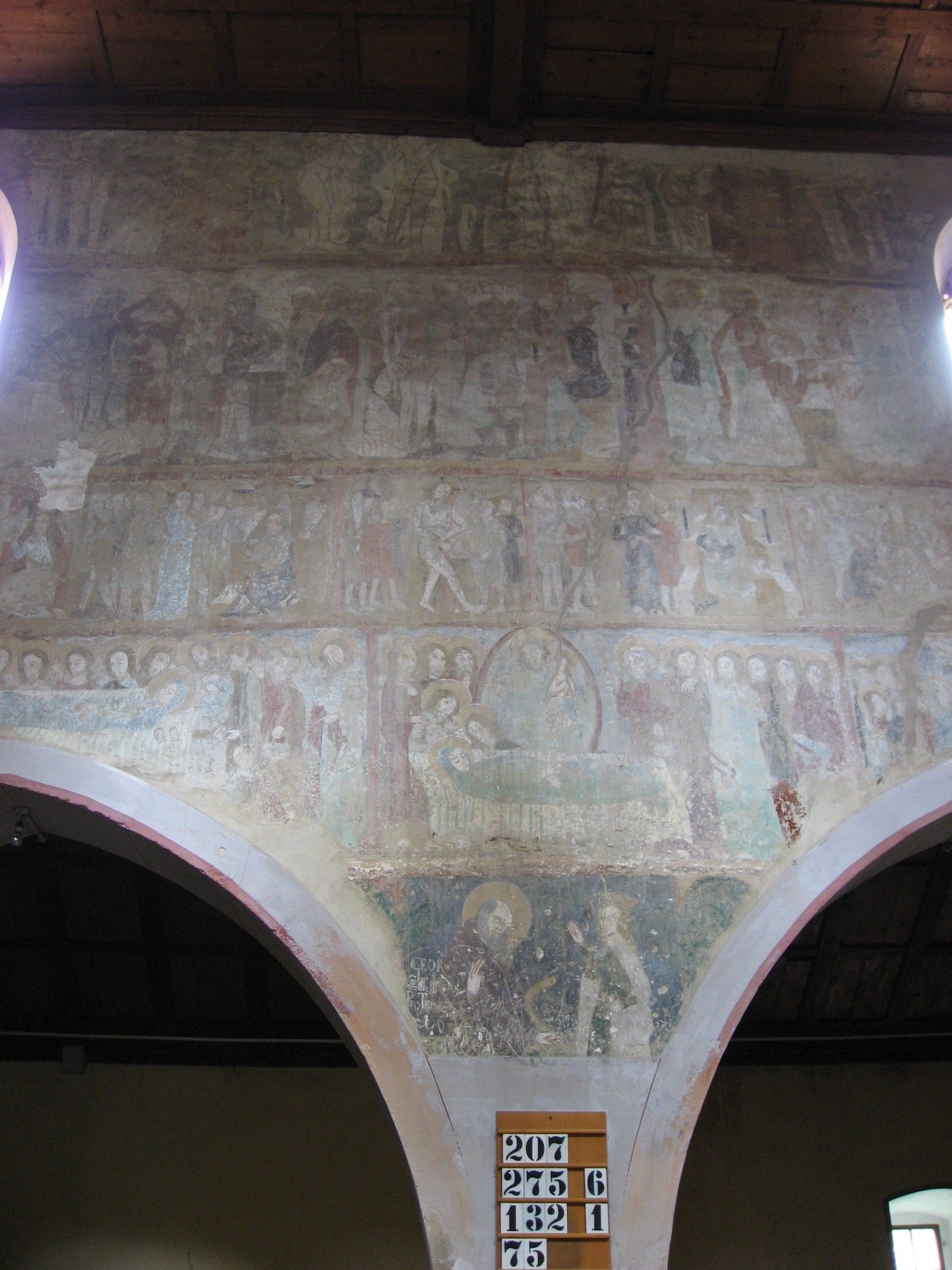
The main reason is the paintings. According to the Fortified Churches Foundation, Mălâncrav preserves the largest continuous medieval wall paintings in Transylvania: they survived the Reformation instead of being destroyed like most frescoes of that time. The north wall of the nave is a true «Bible of the Poor», where the story of salvation unfolds scene by scene. Add the silence of a Saxon village, orchards on the slopes and a church standing a little away from the main roads, and you have one of the most atmospheric places in Transylvania. Britain's King Charles III, who loves this region, has visited more than once.
What to see
- The frescoes of the nave's north wall of around 1350 — 53 scenes in five registers over almost 20 metres: the Old Testament, the life of Christ, martyr saints and the Dormition of the Virgin.
- The chancel paintings of around 1400 in the International Gothic style, devoted to the Virgin and the life of Christ, with a painted cross vault.
- The Gothic winged altarpiece — one of the oldest in Transylvania — with the Virgin at its centre.
- The tabernacle under a canopy with a Crucifixion relief on the north wall of the chancel, and the carved late Gothic pew from the workshop of Johann Reychmut.
- The carved details: tracery windows, the west portal and the Apafi arms on the keystone.
- The bell tower with five storeys and a lower fighting floor with loopholes.
Practical information
Address: 557117 Mălâncrav, Laslea commune, Sibiu County; the church stands at the edge of the village on a slight rise. It is about 25 km from Sighișoara via Daneș and Laslea, about 25 km from Biertan and about 100 km from Sibiu. Public transport to the village is infrequent, so you need a car. From Ukraine the nearest route is via the Solotvyno — Sighetu Marmației crossing, about 330 km away. There is no official timetable: the church is opened by the caretaker or the parish on request, so it is best to arrange a visit in advance. The Evangelical parish phone given by the Fortified Churches Foundation: +40 269 448 641. Admission by ticket or donation; according to the Foundation (March 2026), tickets to the fortified churches cost 10–20 lei. Check before you go. The frescoes are fragile: do not touch the walls and do not use flash. The interior takes 30–60 minutes.
Nearby
- Biertan fortified church — the former seat of the Saxon bishops, a UNESCO site.
- The historic centre of Sighișoara — a UNESCO medieval town.
- Valea Viilor fortified church near Mediaș.
- The village of Șmig in Alma commune, where another large cycle of medieval paintings has been uncovered and is being restored.
Official website: kirchenburgen.org
Photos: El bes, CC BY 3.0, Wikimedia Commons; Aleksander Dragnes from Oslo, Norway, CC BY 2.0, Wikimedia Commons; Adrian Alexandru Gheorghe, CC BY-SA 4.0, Wikimedia Commons; Zinaida Lanceray, CC BY-SA 4.0, Wikimedia Commons; NeaAlecu, CC BY-SA 4.0, Wikimedia Commons.
Getting there from Ukraine
Border crossings
- Porubne – Siret — road and pedestrian, 24/7
- Diakivtsi – Racovăț — road and pedestrian, 24/7 No freight traffic.
- Krasnoilsk – Vicovu de Sus — road and pedestrian, 08:00–20:00 Cars up to 3.5 t and pedestrians only; not 24/7.
- Solotvyno – Sighetu Marmației — road and pedestrian, 24/7 Passenger traffic only: vehicles up to 3.5 t with up to 9 seats, pedestrians.
- Diakove – Halmeu — road, 24/7 No pedestrian crossing.
By car
Rakhiv – Sibiu ≈390 km, ≈5 h 33 min (via Solotvyno – Sighetu Marmației); Ivano-Frankivsk – Sibiu ≈524 km, ≈7 h 52 min (via Solotvyno – Sighetu Marmației); Chernivtsi – Sibiu ≈435 km, ≈8 h 00 min (via Diakivtsi – Racovăț). Times without border queues, our road routing (GraphHopper, OSM).
Checked 03.11.2026; border crossing hours and timetables change — check before you travel.
Comments
Travellers’ experience: reports, tips, questions.
No one has written here yet. Be the first — your experience helps others.
Video
 Mălâncrav: Frescele Gotice Intacte (1350) | MalmkrogMy Travel Channel
Location on the map
Nearby attractions
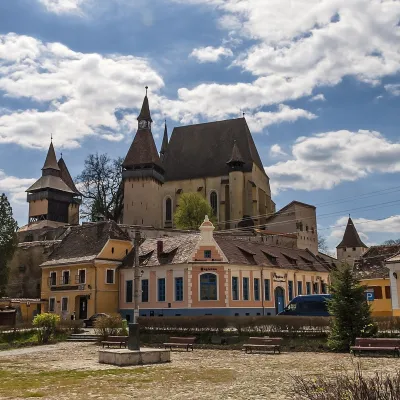 ChurchBiertan Fortified Church: UNESCO, TransylvaniaBiertan10 km from Mălâncrav Church: 14th-century Gothic frescoesThe fortified church of Biertan (German: Birthälm) stands on a hill above a valley among the vineyard slopes of the Transylvanian Plateau, a few dozen kilometres from...
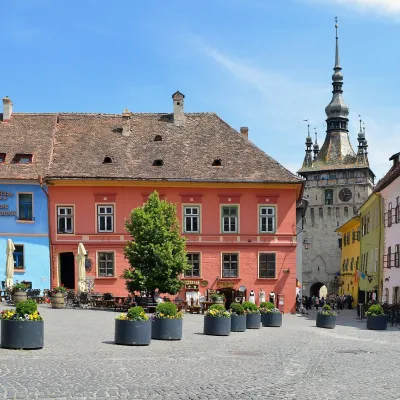 ArchitectureHistoric Centre of Sighișoara: a living medieval citadel (UNESCO)Sighișoara17 km from Mălâncrav Church: 14th-century Gothic frescoesSighișoara (German Schäßburg, Hungarian Segesvár) is a small town on the Târnava Mare river in Transylvania, and its upper town — the citadel on the hill — is one of...
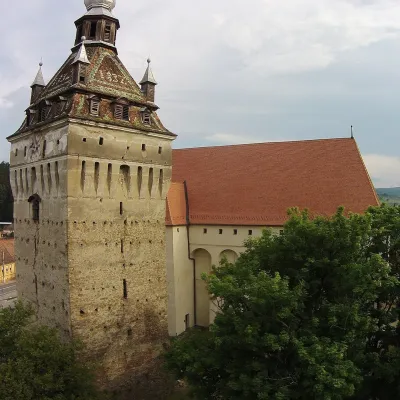 ChurchSaschiz Fortified Church: clock tower and UNESCO siteSaschiz26 km from Mălâncrav Church: 14th-century Gothic frescoesThe fortified Evangelical Church of St Stephen in the village of Saschiz (German Keisd, Hungarian Szászkézd) stands right by the road between Brașov and Sighișoara, so...
