Sarmizegetusa Regia: Dacian capital, UNESCO
The Dacian capital in the Orăștie Mountains
Sarmizegetusa Regia is the ruin of the capital of the Dacian kingdom on Grădiștea Hill (Dealul Grădiștii) at about 1,200 m in the Orăștie Mountains (Munții Orăștiei, part of the Șureanu massif) above the village of Grădiștea de Munte in Hunedoara County. Between the 1st century BC and the early 2nd century AD this was the political and religious heart of Dacia: a fortress, a sacred zone with temples and a large settlement on artificial terraces stretching along the slopes for several kilometres.
The capital flourished under King Decebalus (Decebal), who fought hard wars against Rome. After Emperor Trajan's two Dacian wars the Romans took Sarmizegetusa in 106; they stationed a garrison here and later founded the capital of the new province in the valley — Ulpia Traiana Sarmizegetusa. The fortress was enclosed by a wall in the typical murus dacicus technique: two faces of dressed limestone blocks tied with wooden beams, with stone and earth fill between them. In 1999 Sarmizegetusa Regia and other fortresses were inscribed on the UNESCO World Heritage List as part of the «Dacian Fortresses of the Orăștie Mountains».
Why go
This is perhaps the most mysterious place in the Romanian Carpathians: in the middle of a beech forest, on a mountain clearing, lie circles of posts and andesite discs whose purpose historians and astronomers still debate. There are no reconstructions — only genuine stones two thousand years old and the silence of the mountains. The forest path from the car park to the ruins is a short but real mountain walk.
What to see
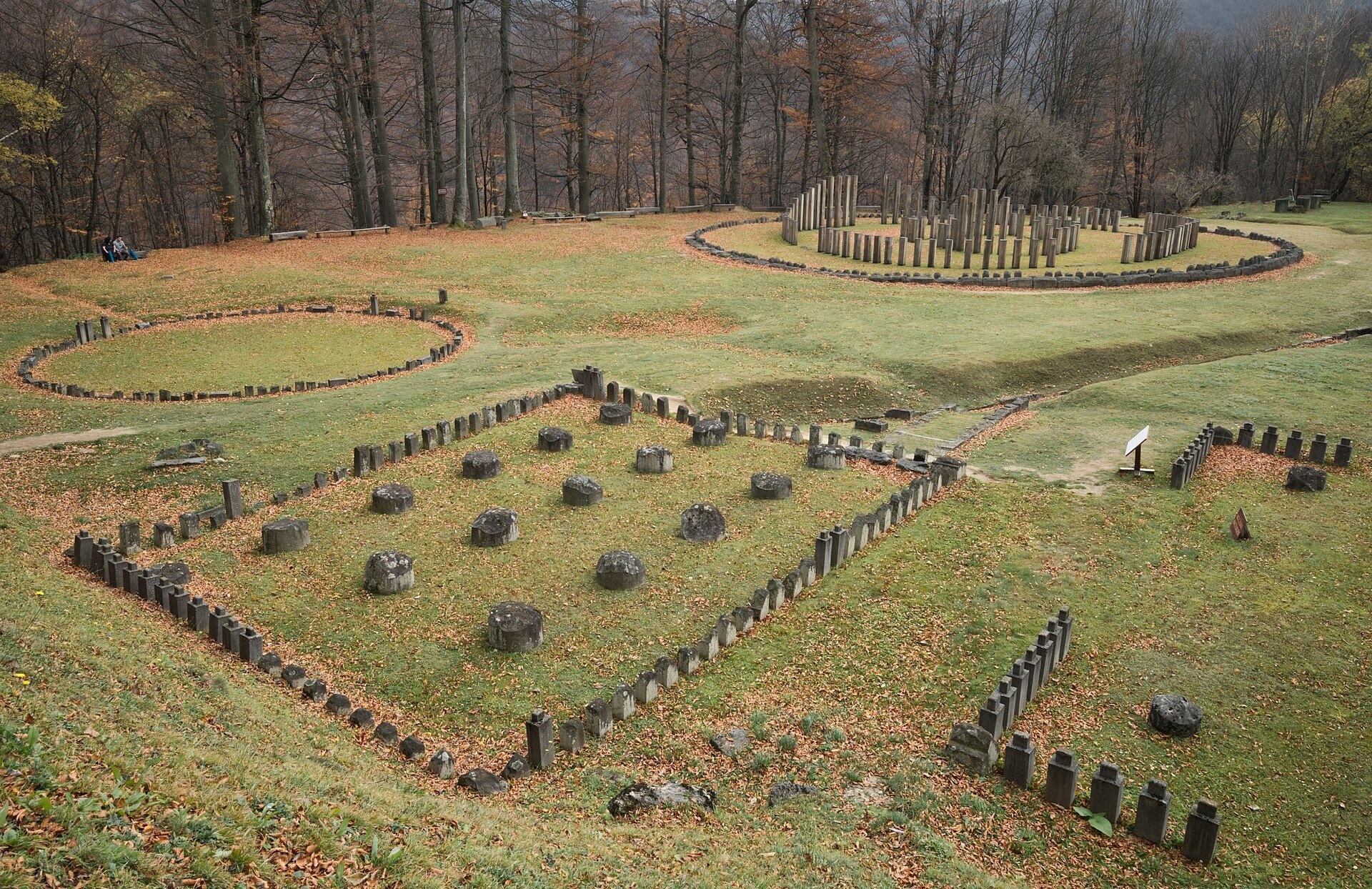
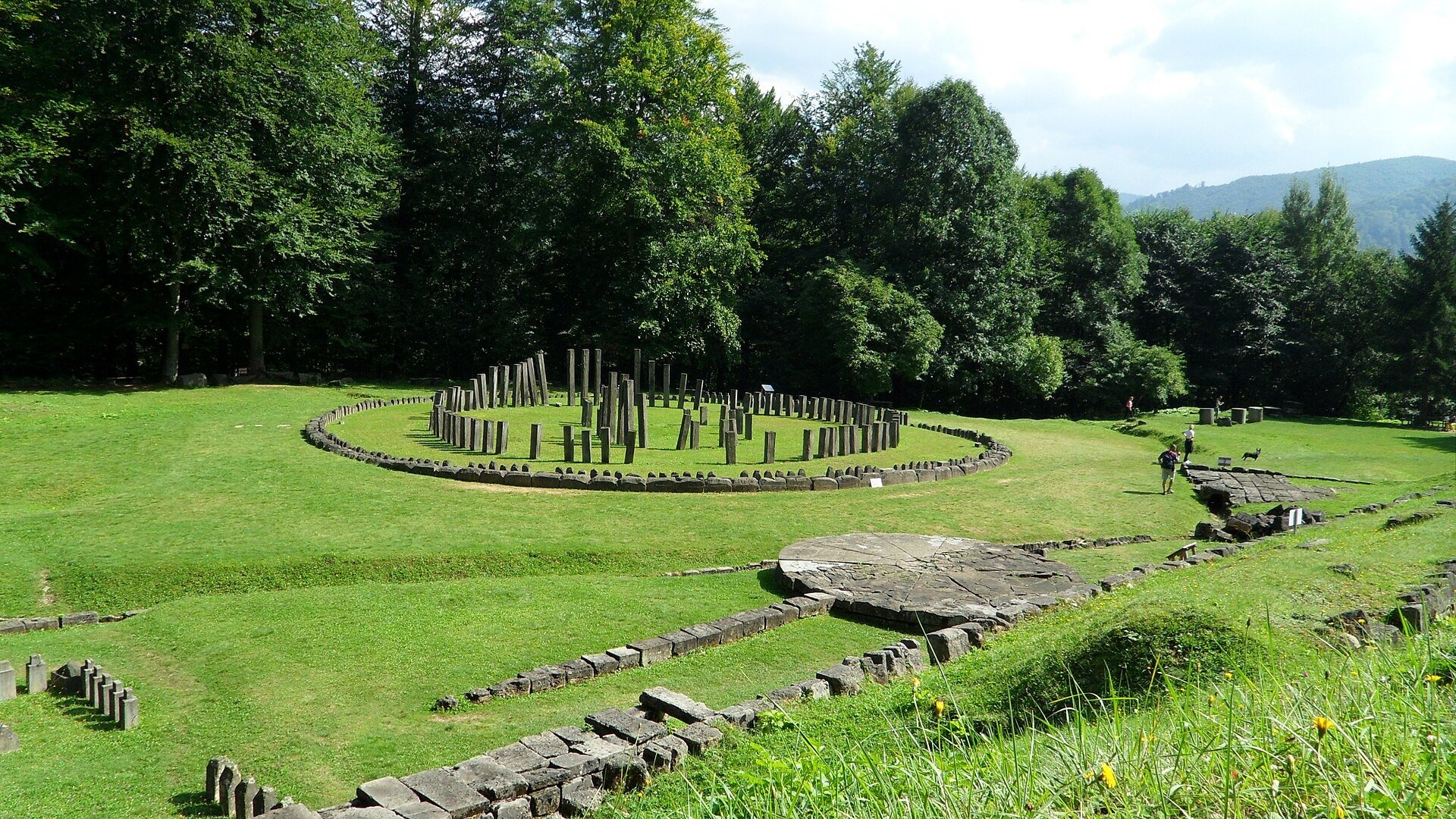
- The Great Round Sanctuary, about 30 m across, with concentric circles of andesite and (now recreated) wooden posts.
- The Small Round Sanctuary and rectangular temples of limestone and andesite with rows of stone column bases.
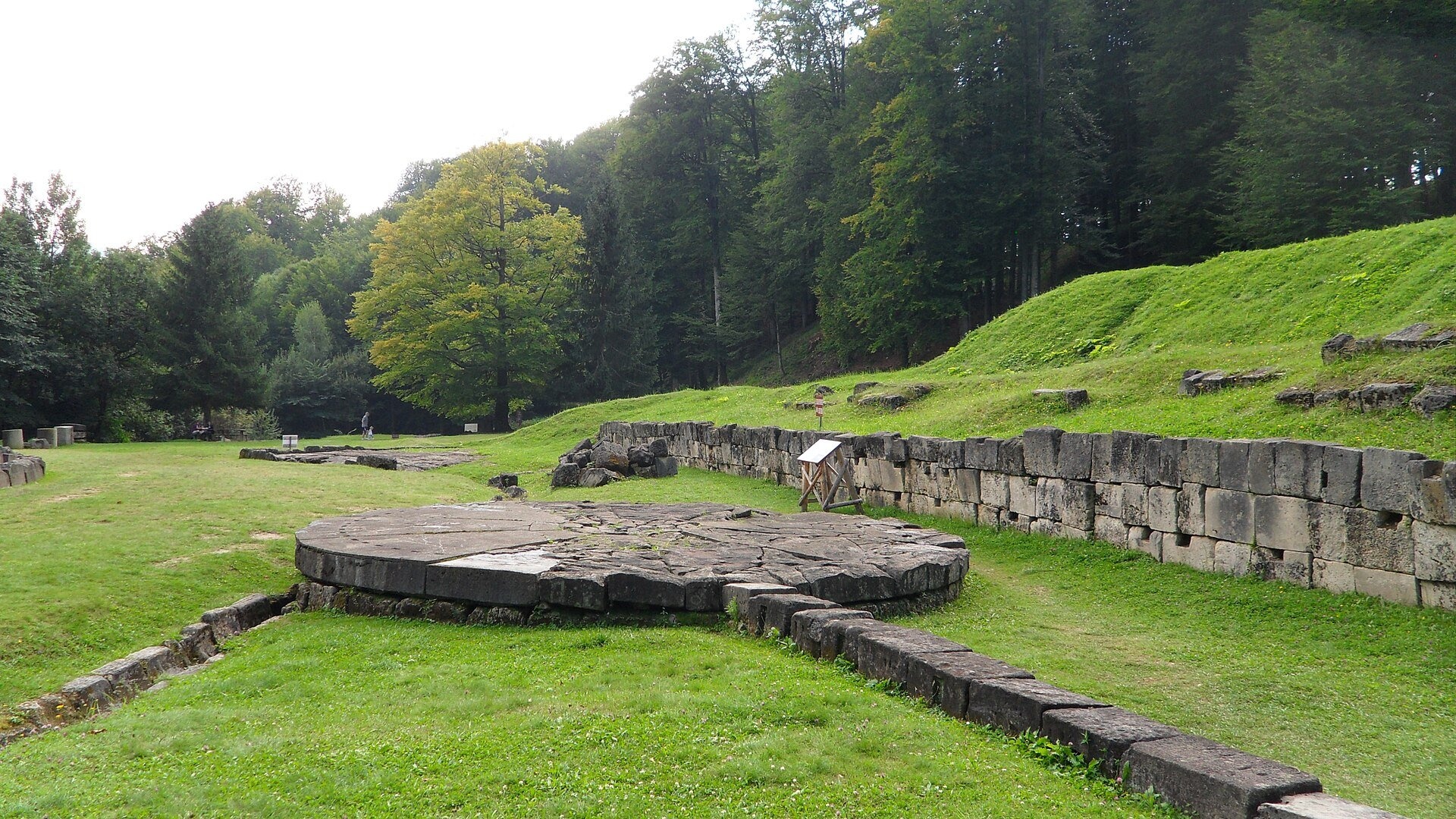
- The andesite «sun» — a large stone disc altar, one of the symbols of Sarmizegetusa.
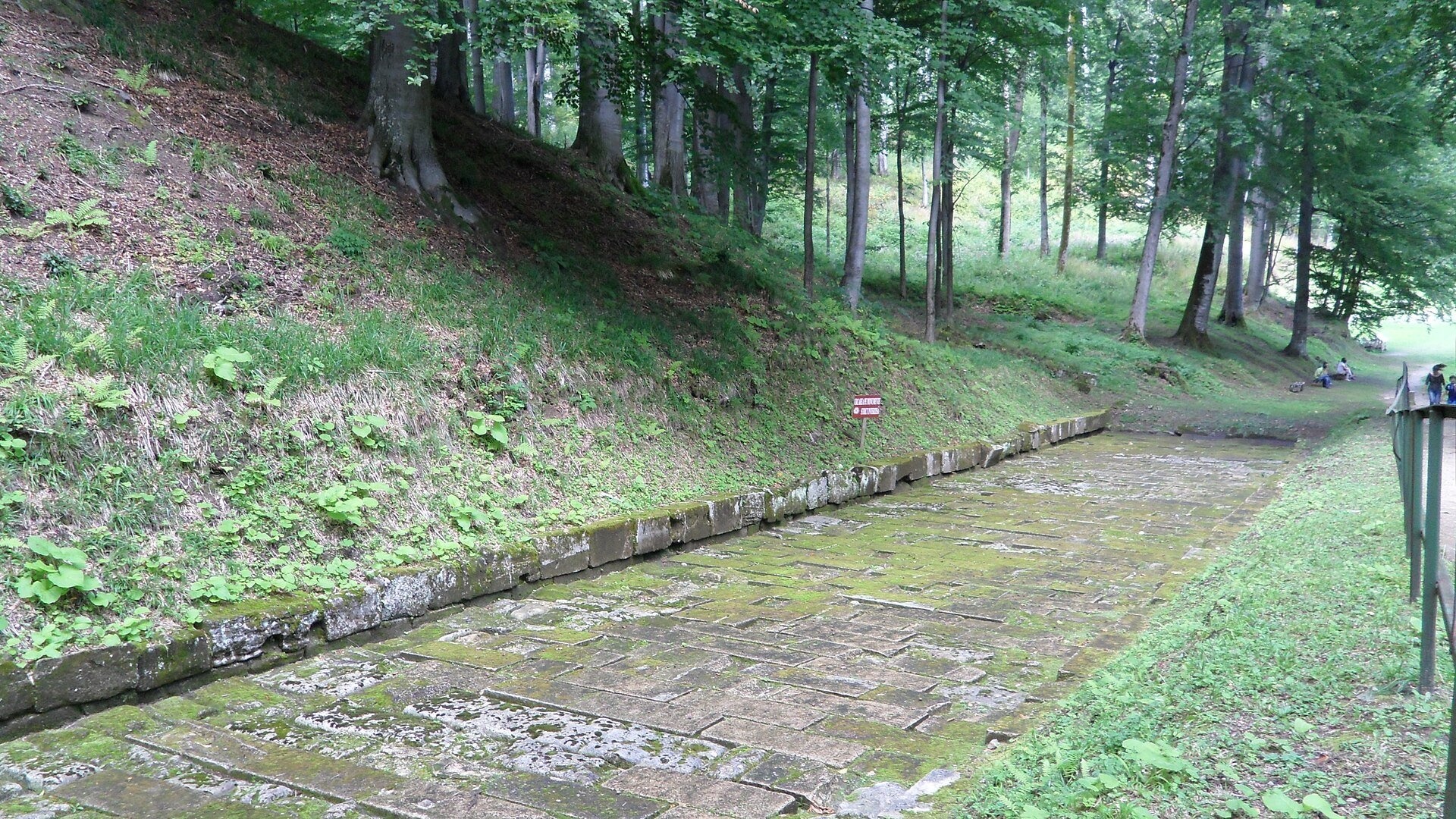
- The paved road of limestone slabs leading from the fortress to the sacred zone.
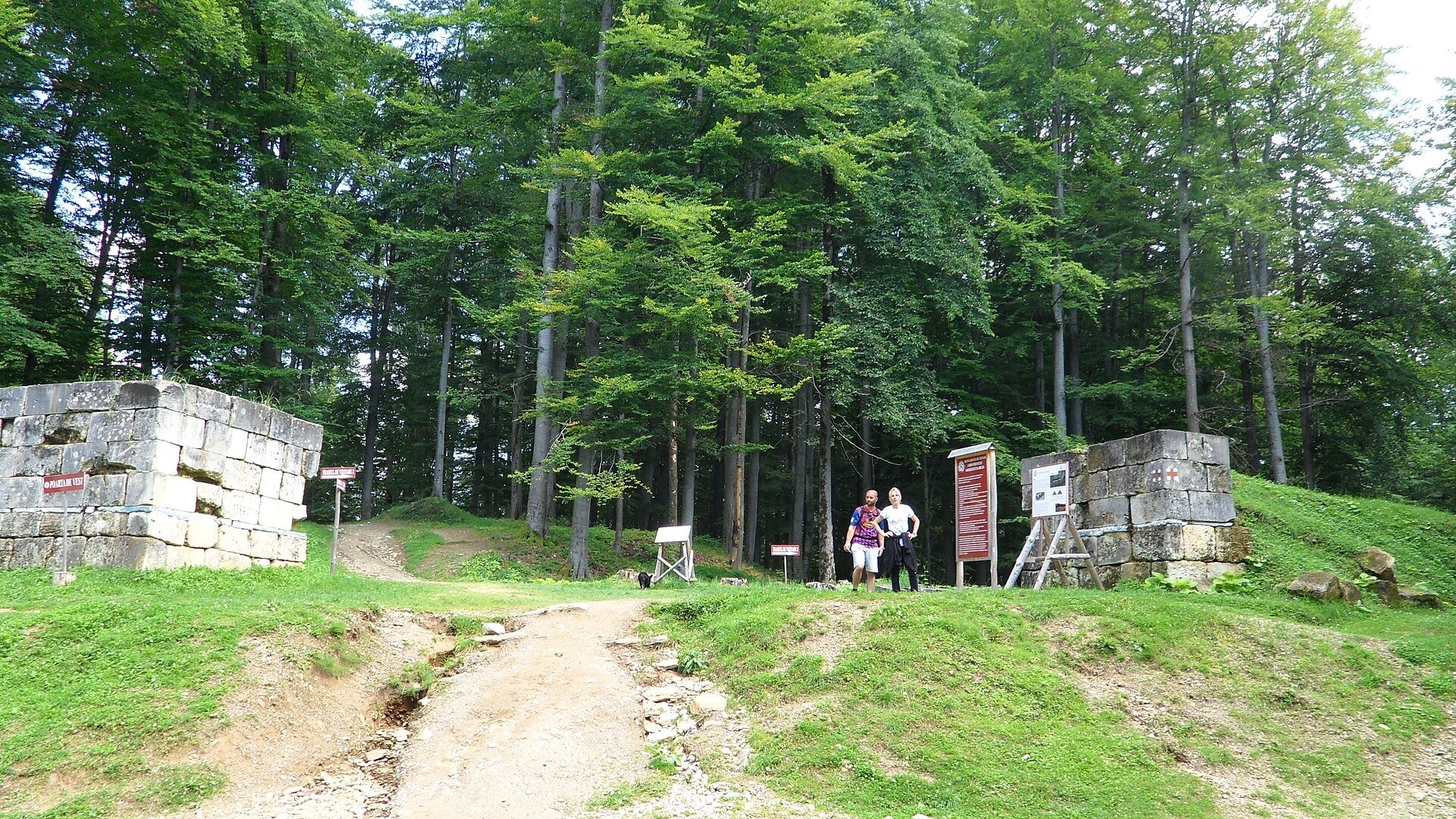
- The fortress walls in murus dacicus technique and the gates — the western one used by visitors and the eastern one.
Practical information
Access is by county road DJ705A from the town of Orăștie via the villages of Costești and Grădiștea de Munte, about 40 km; from the town of Deva it is about 75 km. The last stretch of road is suitable for cars and minibuses but restricted for coaches. From the car park you walk to the entrance along a forest path; allow 20–30 minutes each way and wear good shoes. From Ukraine: via Solotvyno — Sighetu Marmației, then via Cluj-Napoca and Orăștie, about 380 km.
The site is managed by the Museum of Dacian and Roman Civilisation in Deva (MCDR). In 2026 restoration is under way on Terrace X, so access is limited: in November 2026 the ruins are open only on Sundays, 9:00–18:00. On the regular timetable they are open 9:00–18:00 in March–April and October–November and 9:00–15:00 from December to February, closed on Mondays in the cold season. Admission in 2026 is 30 lei for adults and 10 lei for pupils, students and pensioners; photography costs 15 lei and the audio guide 30 lei. Check the timetable before you go. Allow 2–3 hours including the walk from the car park. Snow is possible in winter, and it is cooler up here than in the valley.
Nearby
- Costești-Cetățuie fortress — one of the oldest Dacian fortresses, about 18 km.
- Costești-Blidaru fortress with massive stone walls, about 17 km.
- Ulpia Traiana Sarmizegetusa — the Roman capital of Dacia with its amphitheatre, in the Hațeg valley.
- Corvin Castle in the town of Hunedoara.
Official website: mcdr.ro
Photos: MariBo99, CC BY-SA 4.0, Wikimedia Commons; Cosmin Stefanescu, CC BY-SA 3.0 ro, Wikimedia Commons.
Getting there from Ukraine
Border crossings
- Porubne – Siret — road and pedestrian, 24/7
- Diakivtsi – Racovăț — road and pedestrian, 24/7 No freight traffic.
- Krasnoilsk – Vicovu de Sus — road and pedestrian, 08:00–20:00 Cars up to 3.5 t and pedestrians only; not 24/7.
- Solotvyno – Sighetu Marmației — road and pedestrian, 24/7 Passenger traffic only: vehicles up to 3.5 t with up to 9 seats, pedestrians.
- Diakove – Halmeu — road, 24/7 No pedestrian crossing.
By car
Rakhiv – Petroșani ≈450 km, ≈6 h 36 min (via Solotvyno – Sighetu Marmației); Ivano-Frankivsk – Petroșani ≈584 km, ≈8 h 55 min (via Solotvyno – Sighetu Marmației); Chernivtsi – Petroșani ≈539 km, ≈9 h 19 min (via Krasnoilsk – Vicovu de Sus). Times without border queues, our road routing (GraphHopper, OSM).
Checked 03.11.2026; border crossing hours and timetables change — check before you travel.
Comments
Travellers’ experience: reports, tips, questions.
No one has written here yet. Be the first — your experience helps others.
Video 2
 Sarmizegetusa cea regească, Regia - pe înțelesul tuturor.Discover Hunedoara

Location on the map
Trails nearby
All trails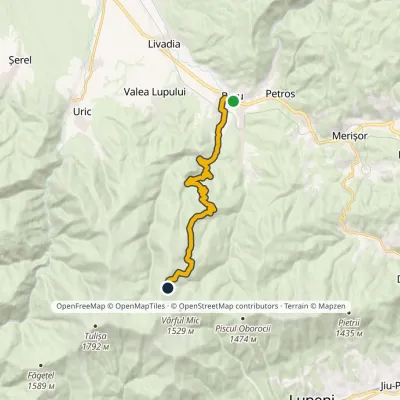 ModerateOne-dayMarkedBaru Tulișa RefugeElevation profile476–1 455 m14.7 kmascent 977 m≈ 5.5 h walking20 km from Sarmizegetusa Regia: Dacian capital, UNESCO
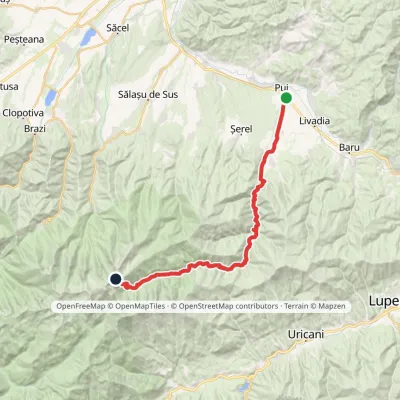 Hard1–2 daysMarkedPui Porțile ÎnchiseElevation profile427–2 263 m31.4 kmascent 1 898 m≈ 11 h walking21 km from Sarmizegetusa Regia: Dacian capital, UNESCO
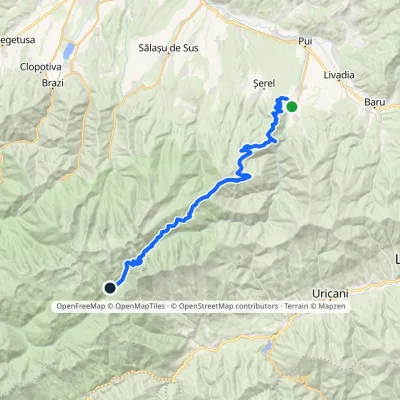 Hard1–2 daysMarkedHobița Poiana PelegiiElevation profile533–2 256 m34 kmascent 2 008 m≈ 12 h walking24 km from Sarmizegetusa Regia: Dacian capital, UNESCO
Nearby attractions
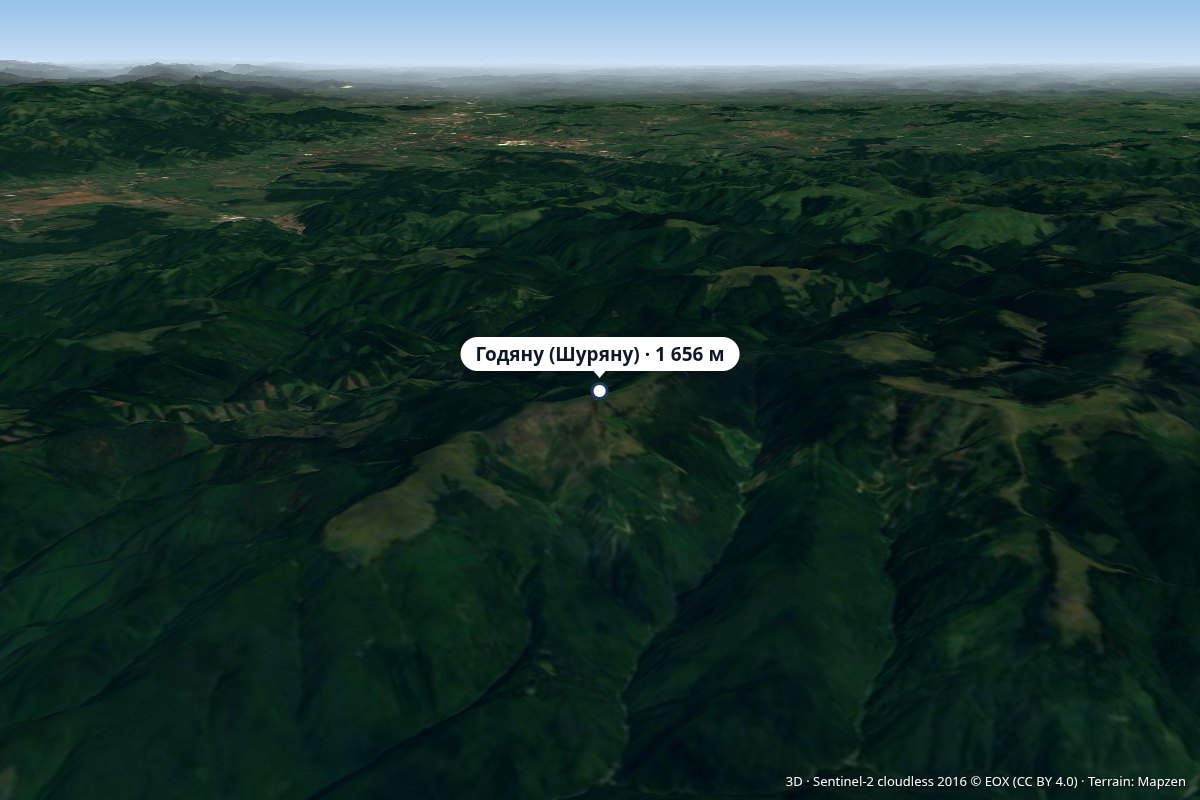 PeakGodeanu (Șureanu Mountains)Grădiștea de Muntealtitude 1 656 m3.1 km from Sarmizegetusa Regia: Dacian capital, UNESCOVârful Godeanu) is a 1,656 m peak in the Orăștie Mountains, the northern part of the Șureanu Mountains (Southern Carpathians), in Hunedoara County.
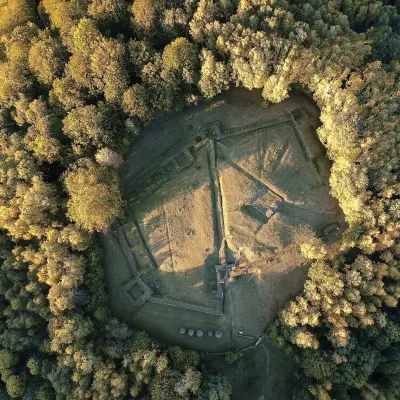 Historic siteCostești-Blidaru: Dacian fortress, UNESCOCostești13 km from Sarmizegetusa Regia: Dacian capital, UNESCOCostești-Blidaru fortress stands on the summit of Blidaru hill at about 750 m above the left bank of the Grădiștea river (Apa Grădiștei), not far from the village of...
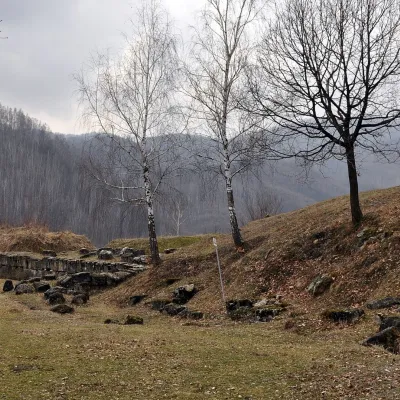 Historic siteCostești-Cetățuie: Dacian fortress, UNESCOCostești14 km from Sarmizegetusa Regia: Dacian capital, UNESCOCostești-Cetățuie fortress stands on a steep hill above the valley of the Grădiștea river (Apa Grădiștei) near the village of Costești in Hunedoara County.