Spiš Castle
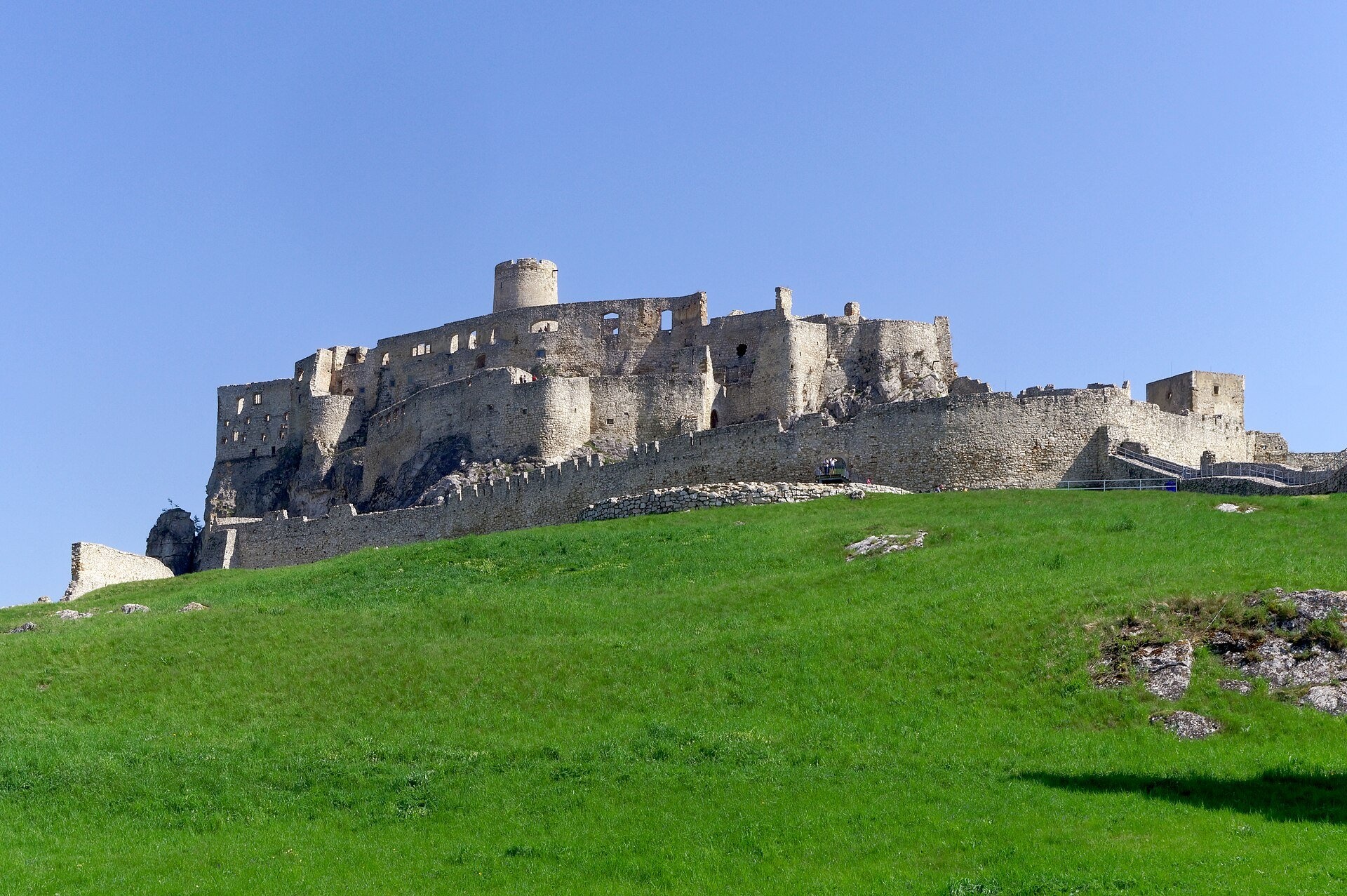
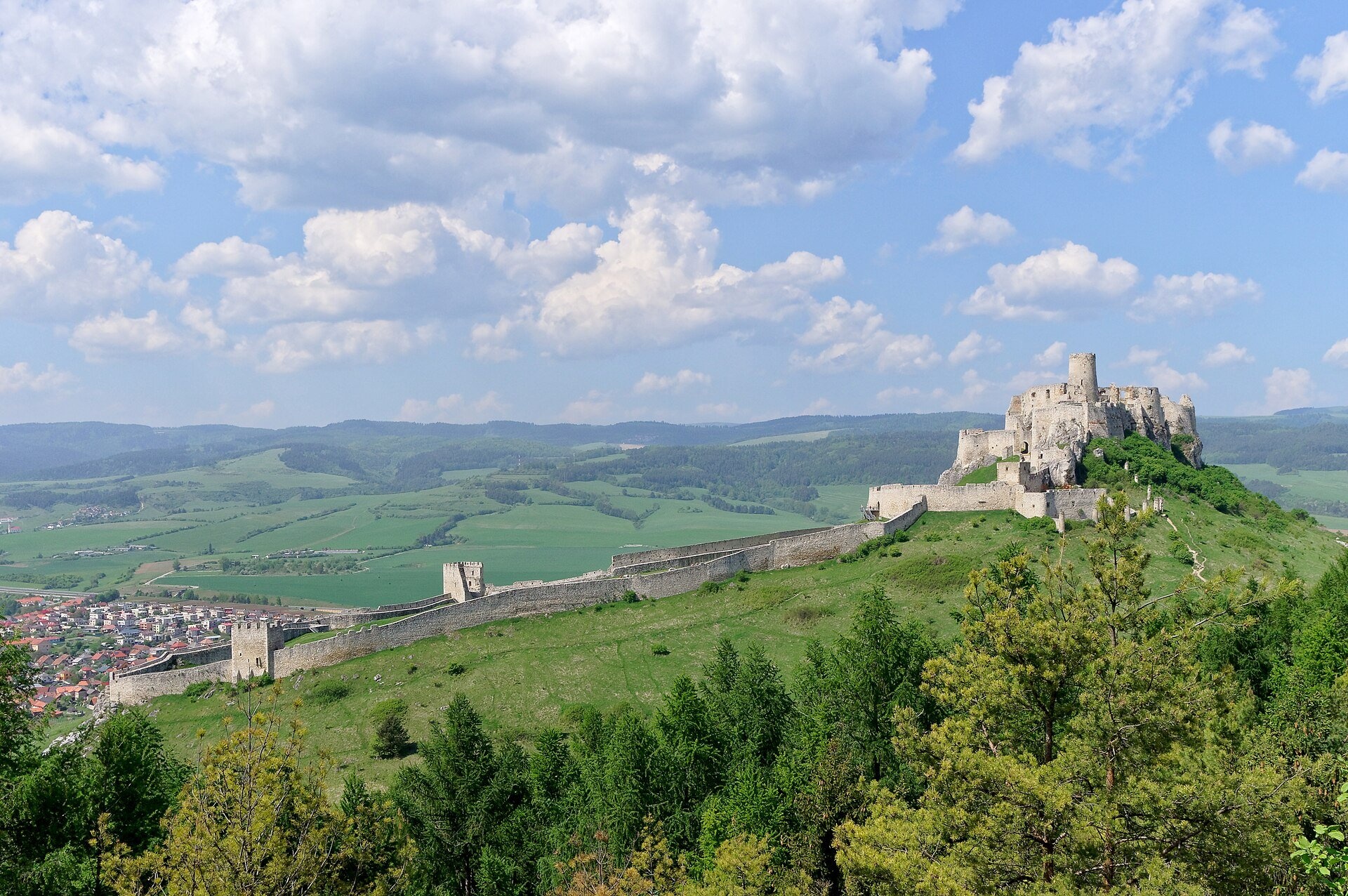
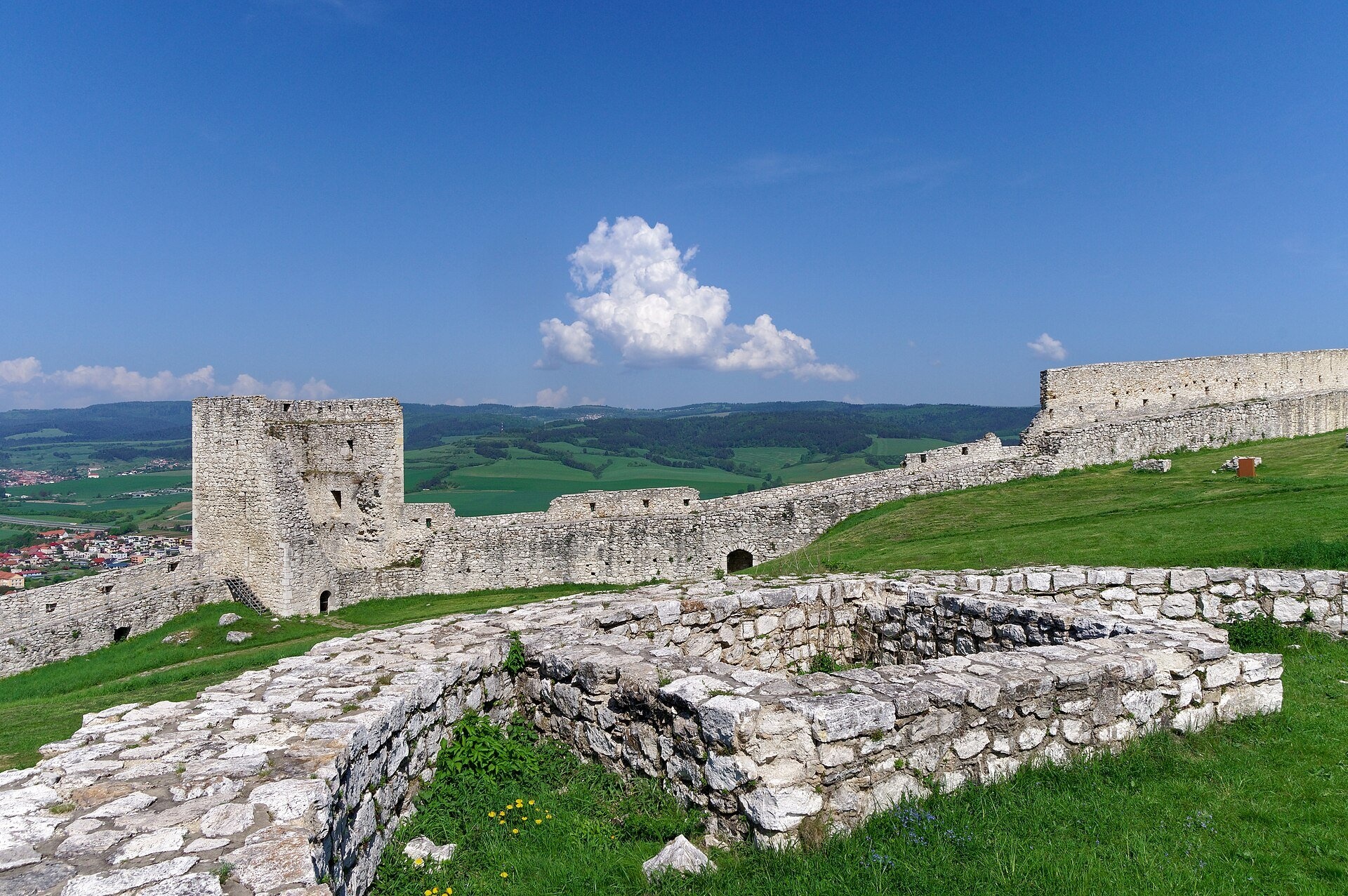
A castle visible for dozens of kilometres
Spiš Castle (Spišský hrad) is the ruin of a vast castle on top of a 634 m travertine rock that rises 200 m above the Spiš basin. The rock’s almost vertical faces, 20–40 m high, made the site impregnable even before any walls were built. The castle towers over the small town of Spišské Podhradie, although it formally stands on the land of the village of Žehra. Covering about 4 hectares, it is one of the largest castle complexes in Central Europe, and since 1993, together with Levoča, Spišská Kapitula and the surrounding monuments, it has been on the UNESCO World Heritage List.
People lived on the rock as early as the Neolithic, and around the turn of the eras a fortified hillfort of the Púchov culture stood here, associated with the Celtic Cotini tribe. The medieval castle arose in the 11th–12th centuries as the seat of Spiš County; the first written record that indirectly confirms it dates from 1209. In the first third of the 13th century a round tower and a Romanesque palace were built, and in 1241 the castle withstood the Mongol invasion. In the 15th century the Hussite commander Jan Jiskra of Brandýs ruled here, leaving a round bastion 17 m across. In 1465 King Matthias Corvinus gave the castle to the Zápolya family – on 2 February 1487 John Zápolya, later King of Hungary, was born here. The Thurzó family followed, and from 1639 to 1945 the Csáky counts. Once the owners moved into mansions below the hill, the castle declined, and a fire in 1780 turned it into a ruin.
What to see
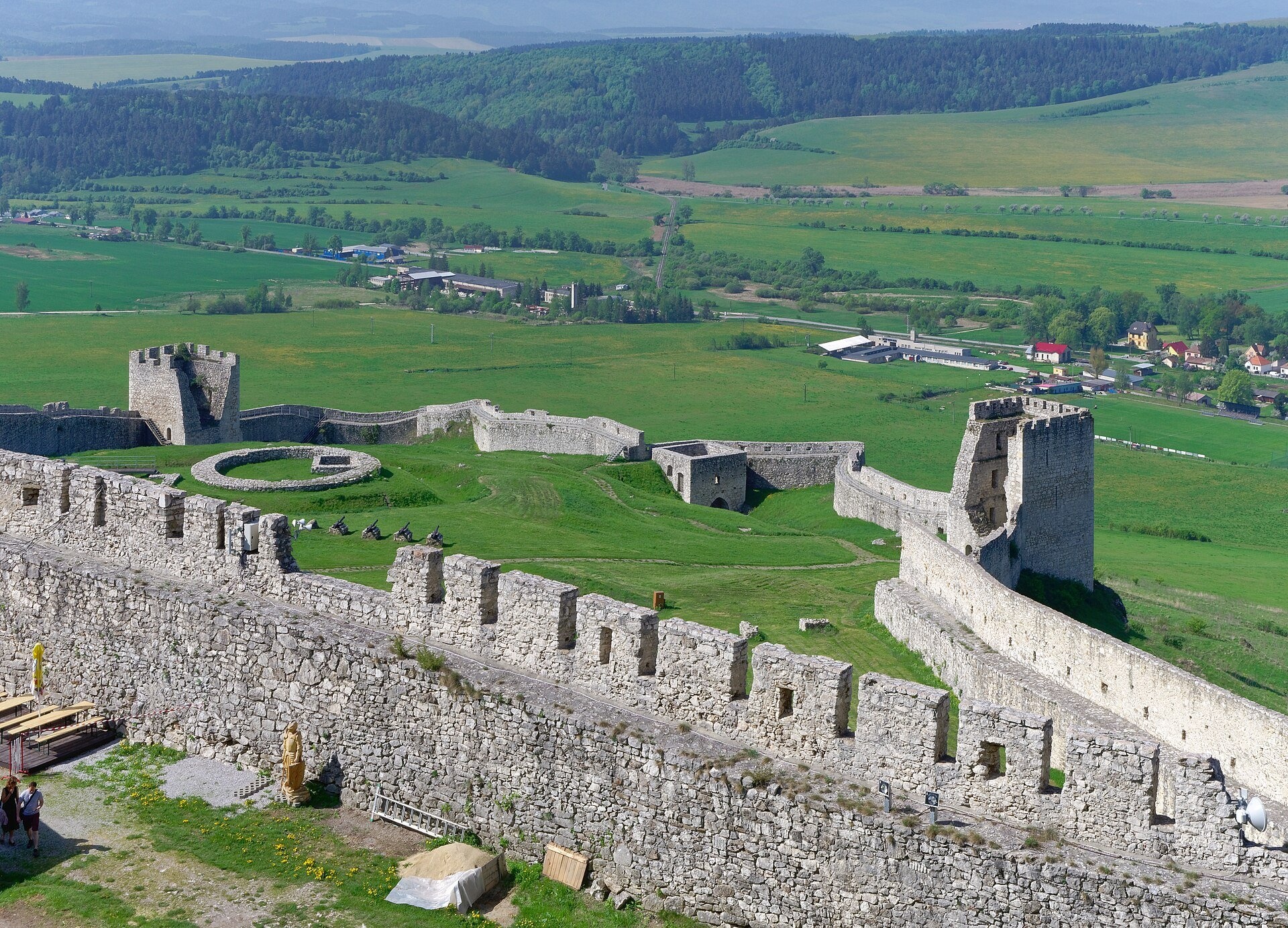
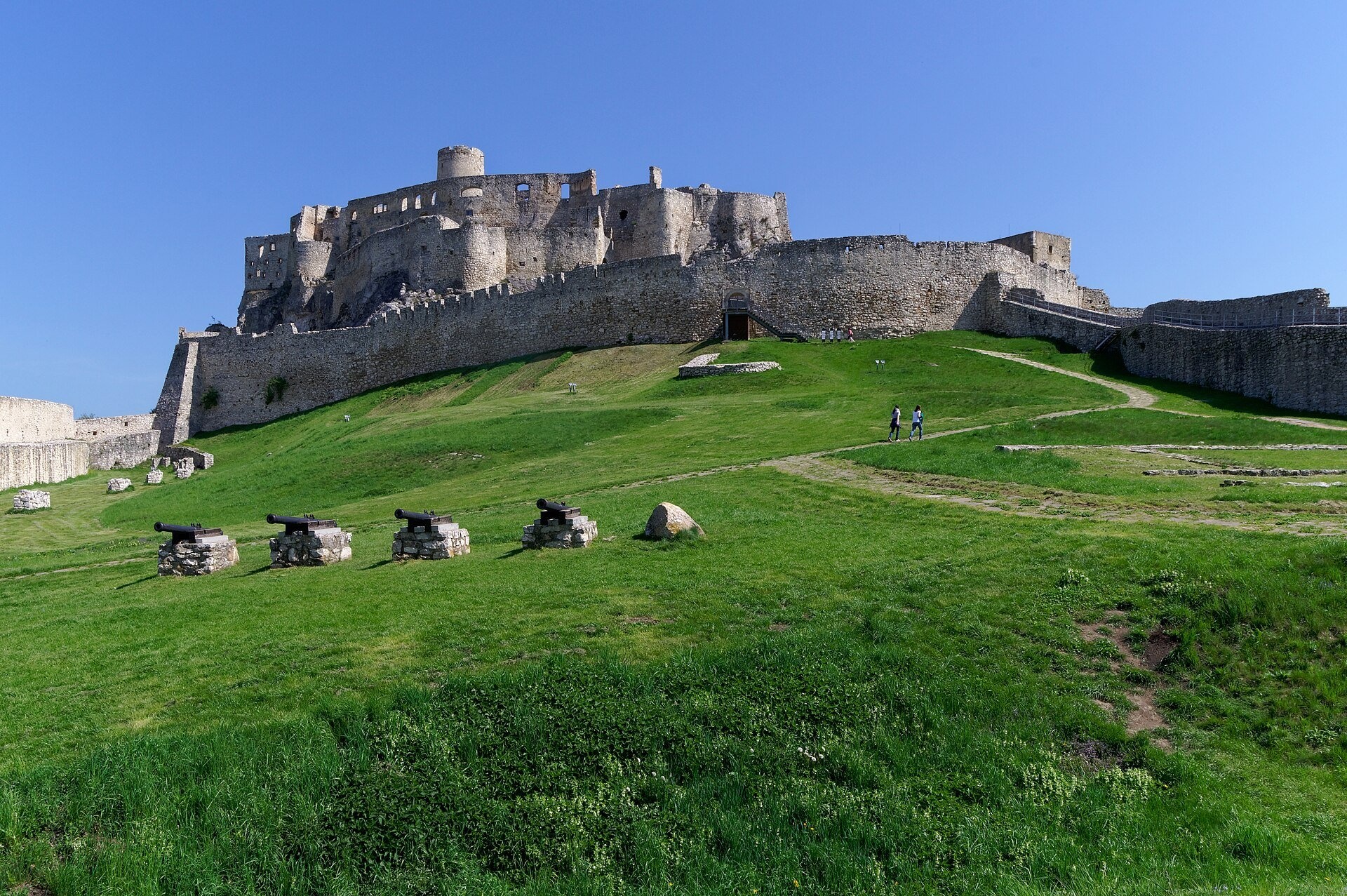
- The lower courtyard – a huge walled space with towers, where knights’ tournaments, falconry shows and concerts take place in summer.
- The Romanesque outer bailey and middle courtyard measuring 150 × 60 m, with stories of the knight Šarško and Princess Šad (an audio guide is available in several languages, including English and Polish).
- Views of Spišská Kapitula, the Levoča Hills and, on clear days, the High Tatras.
- Night tours in summer, when the castle is floodlit.
Note: the upper castle with the Romanesque palace and keep is currently closed for reconstruction, so a reduced ticket applies.
Practical information
The easiest approach is from Žehra: parking there is free and the gate is only about 5 minutes’ walk away. From the car park in Spišské Podhradie the climb takes about 35 minutes. Regional and long-distance buses serve Spišské Podhradie; by train, take the Košice – Bratislava main line and change at Spišské Vlachy. The 2026 season began on 14 March; from April to September the castle is open daily 9:00–19:00, in October 9:00–17:00, in November depending on the weather, and it is closed in winter. An adult ticket costs €12, a family ticket €25. Paths are uneven and stony, so the visit is difficult with pushchairs or for people with limited mobility; the rock is often windy – bring a jacket.
Nearby
A few kilometres to the west lies Spišská Kapitula with the Romanesque-Gothic St Martin’s Cathedral, and further on Levoča with the Basilica of St James and Master Paul’s tallest Gothic altar. To the south-west stretches the Slovak Paradise: the Hornád Gorge and the Suchá Belá ravine.
Official website: spisskemuzeum.com
Photos: Jakub Hałun, CC BY-SA 4.0, Wikimedia Commons; Bobisekmilky, CC BY-SA 4.0, Wikimedia Commons; EliziR, CC BY-SA 3.0, Wikimedia Commons.
Getting there from Ukraine
Border crossings
- Uzhhorod – Vyšné Nemecké — road, 24/7
- Malyi Bereznyi – Ubľa — road, 24/7 For cars and buses; pedestrians not confirmed by the Ukrainian border service, lorries up to 3.5 t.
- Mali Selmentsi – Veľké Slemence (pedestrian) — pedestrian, 09:00–21:00 Kyiv time Pedestrians and cyclists only; inconvenient for the Tatras without onward transport.
- Chop – Čierna nad Tisou (rail) — rail, 24/7
By car
From Uzhhorod ≈182 km, ≈2 h 45 min without queues: Uzhhorod – Vyšné Nemecké → I/19 via Sobrance and Michalovce to Košice → D1 motorway via Prešov to the exit near Levoča → road 533 to Spišská Nová Ves (≈177 km, ≈2 h 30 min from the border). From Lviv via Uzhok and Ubľa ≈407 km, ≈6 h 40 min; through Poland (Kraków – Nowy Targ) ≈496 km, ≈6 h 20 min. The D1 requires an e-vignette (eznamka.sk).
Checked 23.10.2026; border crossing hours and timetables change — check before you travel.
Location on the map
Comments
Trails nearby
All trails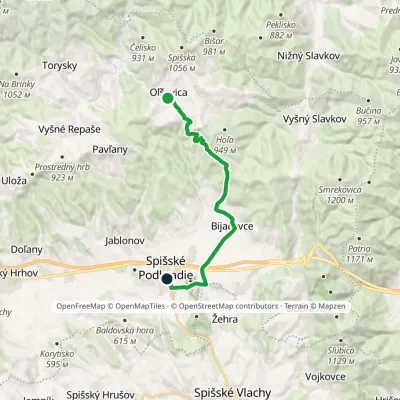 ModerateOne-dayMarkedSpišské Podhradie, square OľšavicaElevation profile432–850 m15.9 kmascent 234 m≈ 4.5 h walkingunder 1 km from Spiš Castle
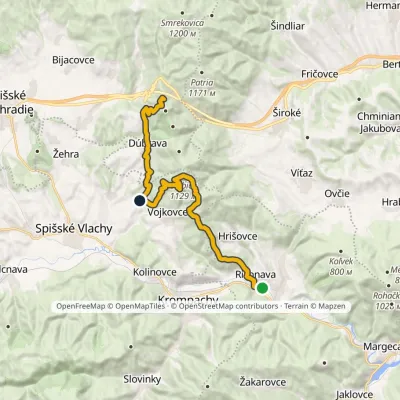 HardTwo-dayMarkedRichnava, stop SľubicaElevation profile352–1 129 m20.5 kmascent 1 420 m≈ 8 h walking5.6 km from Spiš Castle
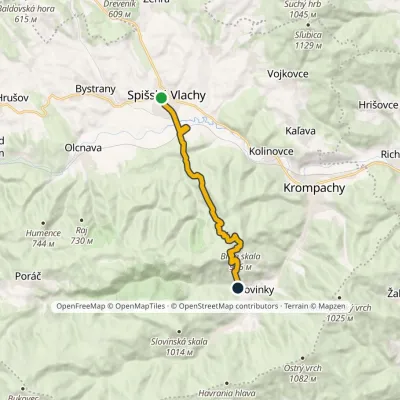 ModerateOne-dayMarkedSpišské Vlachy, square Slovinky, chapelElevation profile377–926 m11 kmascent 606 m≈ 4 h walking6.1 km from Spiš Castle
Nearby attractions
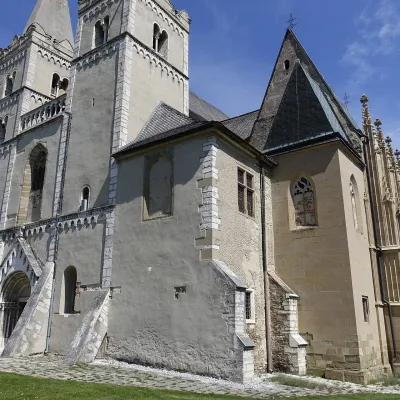 ChurchSpišská Kapitula and St Martin’s Cathedral2 km from Spiš CastleSpišská Kapitula is an ancient church town on St Martin’s Hill, directly opposite Spiš Castle. It is often called the ‘Slovak Vatican’.
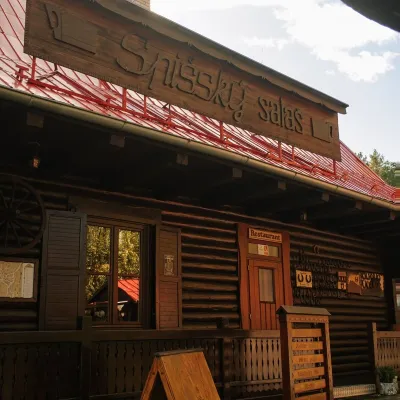 Koliby & Hutsul cuisineSpišský salaš below Spiš Castle: Spiš cooking since 19642.8 km from Spiš CastleBetween Spiš Castle and Spišská Kapitula, at the edge of the plain below the travertine mound of Sivá brada, stands the wooden Spišský salaš.
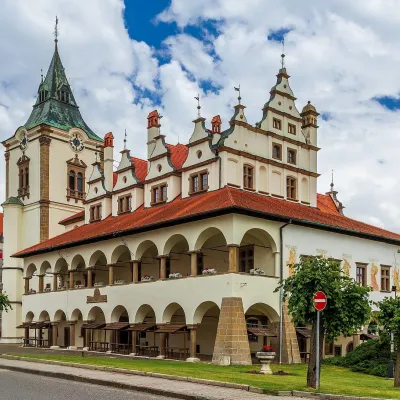 MuseumSpiš Museum in Levoča: Historic Town Hall and Minorite Monastery13 km from Spiš CastleThe Spiš Museum (SNM – Spišské múzeum) is a branch of the Slovak National Museum that cares for the heritage of historic Spiš.
Craft nearby
All craft places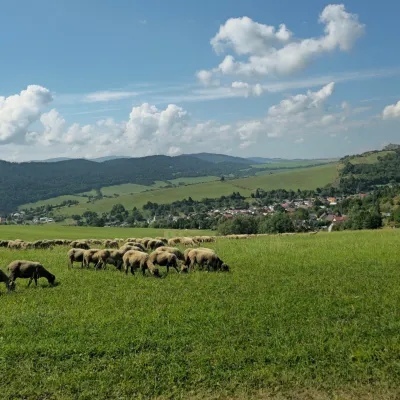 Cheese dairies & pasturesFarma Kamenica — Family Sheep Farm and Cheese Dairy in Šariš26 km from Spiš CastleKamenica is a village in northern Šariš, in the valley of the Kameničanka stream, at about 483 m above sea level.
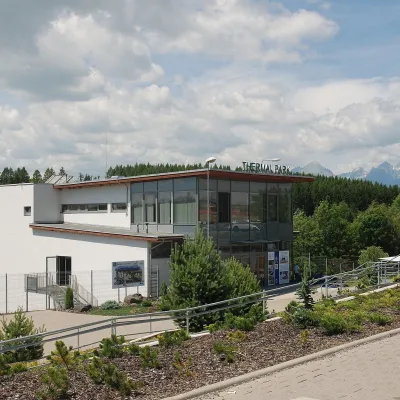 Water parks & thermal poolsThermal Park Vrbov27 km from Spiš CastleThermal Park Vrbov is one of the best-known thermal baths in the Spiš region, on the southern edge of the village of Vrbov, about 6 km (as the crow flies) from...
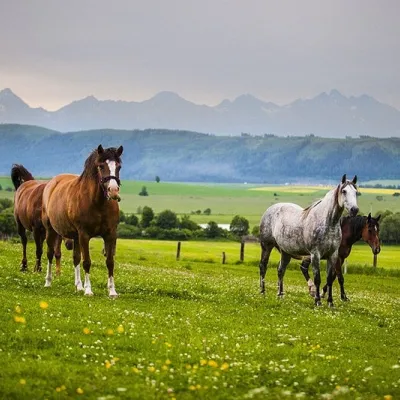 Horse ridingRanč u Trapera, Podlesok: Horse Rides in the Slovak Paradise29 km from Spiš CastleA little away from the main tourist bustle, below the forest, stands the family-run Ranč u Trapera, run by the Salaj family.
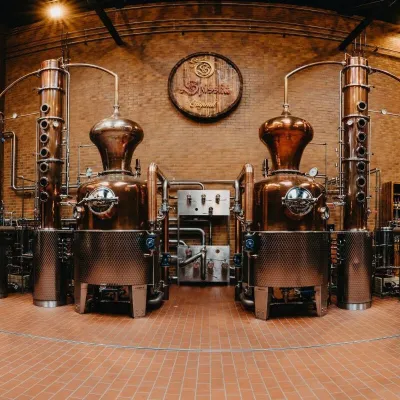 Craft producersSpišská Pálenica, Stará Ľubovňa: distillery tour and Spiš borovička34 km from Spiš CastleSpiš boasts perhaps the oldest history of distilling in Europe: at the hillfort of Myšia Hôrka near Spišský Štvrtok, part of a distillation vessel from around 1500 BC...
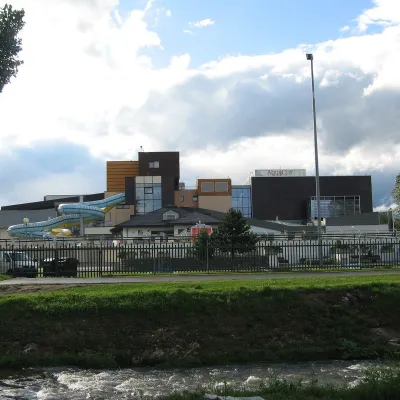 Water parks & thermal poolsAquaCity Poprad water park34 km from Spiš CastleAquaCity Poprad is a large year-round water park and wellness complex in the town of Poprad, a few minutes from the centre; according to the complex, the High Tatras...
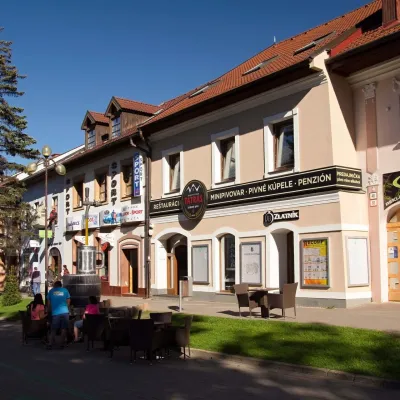 Craft beer & breweriesMinipivovar TATRAS, Poprad35 km from Spiš CastleMinipivovar TATRAS is a brewpub on Poprad’s main square, Námestie sv. Egídia, housed in a building with a long brewing history.
