Koroviia
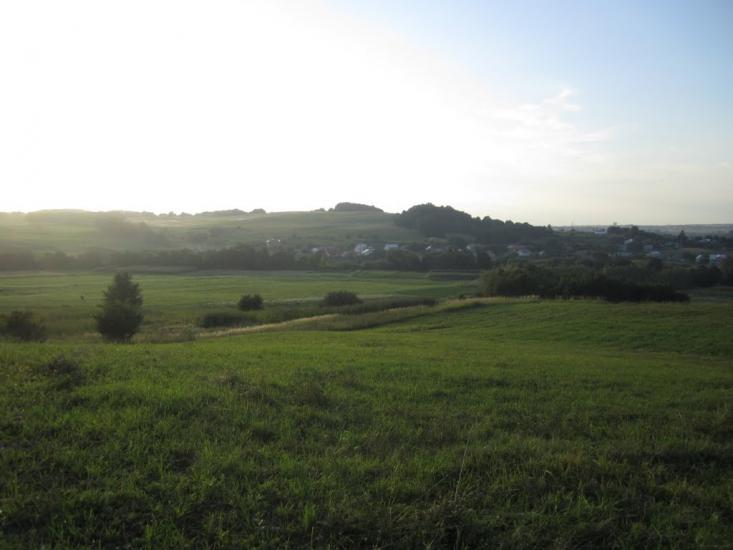
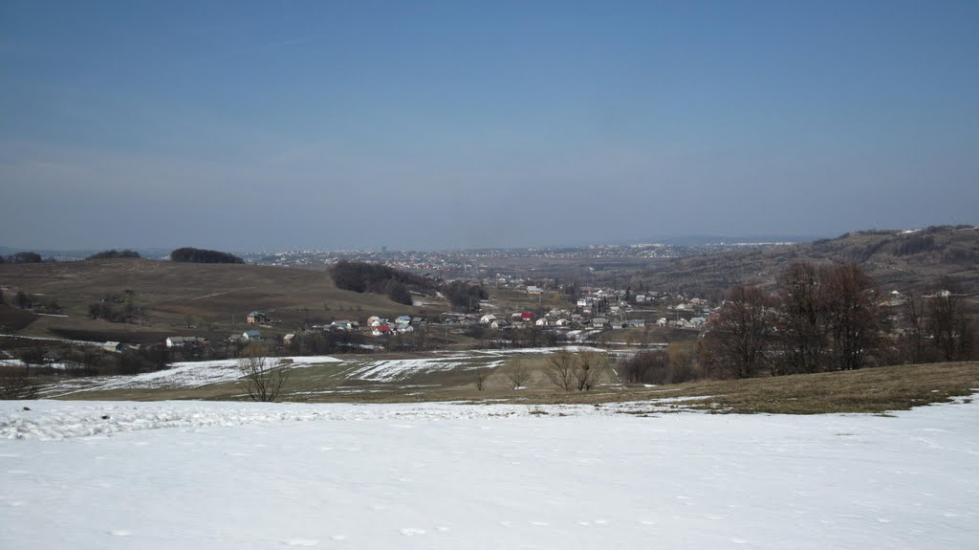
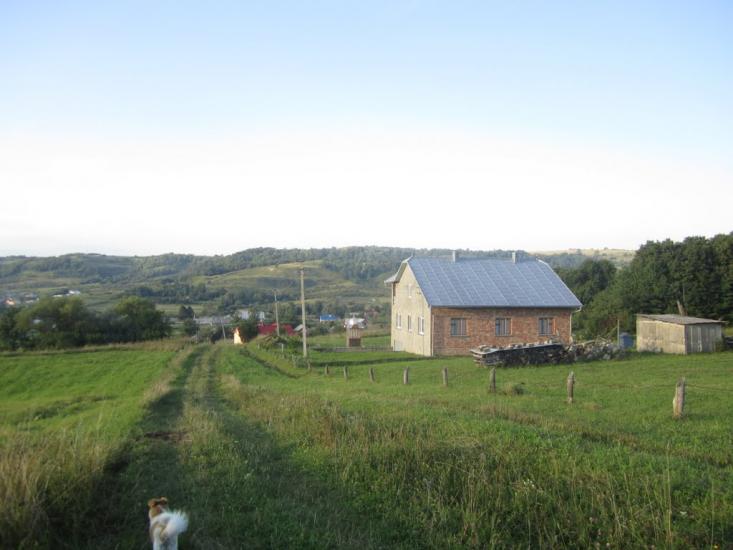
Korovia is a village, the center of the village council. It is located on the Korovia River, 26 km from the district center of Hlyboka, 2 km from the Kosmyn railway station. The village of Valia Kuzmina is subordinated to the village council.
The village is mentioned in written sources of the XVIII century. The name comes from the river Korovia. In 1497, near the village of Valia Kuzmina, the Moldavian ruler Stephan III defeated the army of the Polish king Albrecht. Settlements of Trypillian culture (III millennium BC), Bronze Age (II millennium BC) and Slavs (VIII-X centuries AD) were discovered in the vicinity of the village.
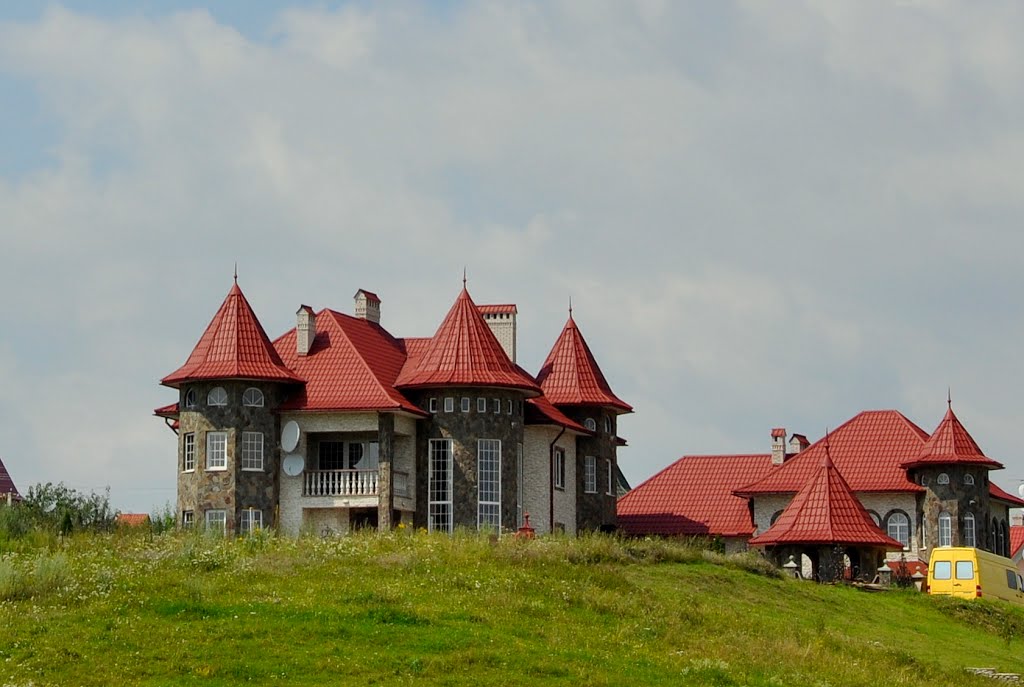
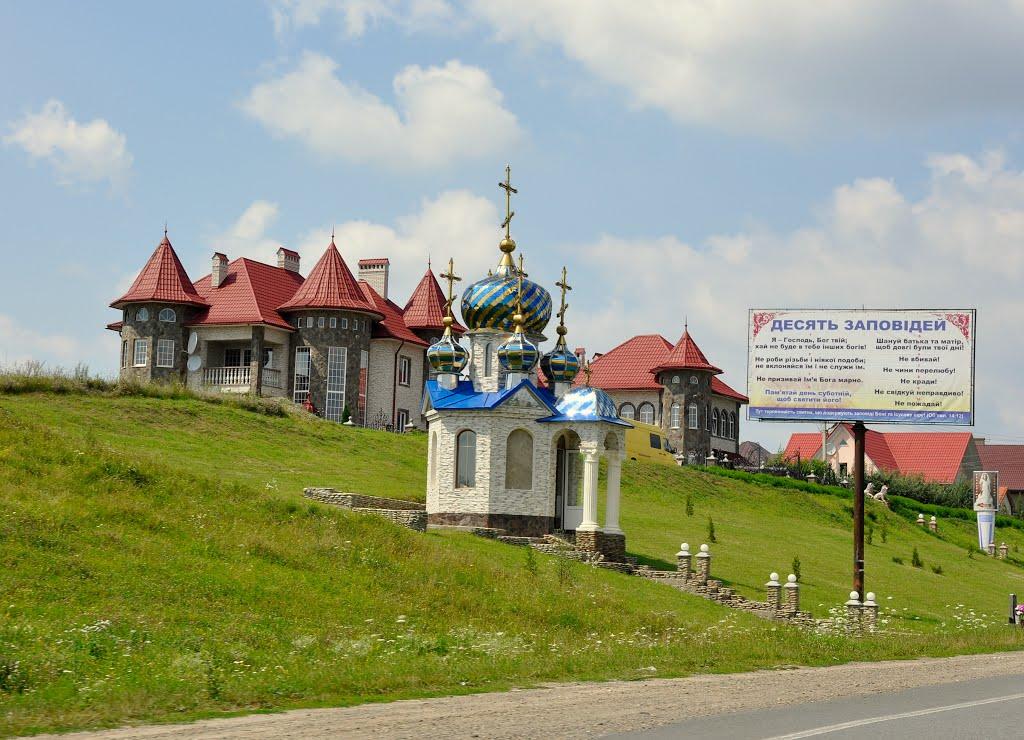
The village of Korovia in the Hlyboka district is one of the settlements that actually merges with Chernivtsi. Its suburban part is to some extent still Chernivtsi, and not so long ago a neighborhood of beautiful mansions was built here. However, these fashionable mansions are inhabited not by the indigenous people of Korovia, but by visitors - rich people from Chernivtsi and all over Bukovyna who want to live closer to the city.
Residents of the so-called old part of the village are not as wealthy, and most of them cannot afford such palaces. However, these people are the community of the village, they are involved in solving many issues, their children attend the local school. And the residents of the new part of the village are only our fellow villagers on paper, and they visit the village council, for example, only to get information. Thus, the population of Korovia is about 3,150 people. However, if we also take into account those who move, for example, who have not put their housing into operation or have not yet registered, we have 3700-3800 people.
Address of the village council: 60410, Chernivtsi region, Hlyboka district, Korovia village, tel. 03734-3-63-43.
Additional information
Axes, sickles, and other tools from the Late Bronze Age were found in an ordinary vegetable garden in the village of Korovia. This treasure is at least 3500 years old and is the oldest find of its kind in Bukovyna. The first discovery, a greened bronze battle axe with a disc-shaped butt, was made back in June, when a resident of Korovia, Heorhii Repchuk, was spraying beetles in his garden and accidentally noticed an unusual thing. However, the valuable axe arrived at the university on October 9. It was brought there by Volodymyr Yalovka, a history teacher at the Chahora school.
The very next day, employees of the Bukovyna Center for Archaeological Research at Yuriy Fedkovych Chernivtsi National University set off on the excavation. The archaeological expedition was led by Serhiy Pyvovarov, PhD in History, Head of the Department of Ethnology, Ancient and Medieval History at the University. Now they have discovered 34 more finds, which during the fieldwork were spread over the entire land plot of twenty by ten meters. Apparently, thousands of years ago, the treasure was hidden in a leather or linen bag far from settlements.
During the investigation of the land plot, a treasure trove of Bronze Age items was discovered, which scientists attribute to the Noahite archaeological culture (XIV-XII centuries BC). This is the period of the famous Trojan War. The finds include axes, bracelets, a knife, a sickle, fragments of chased axes, fragments of a bowl, bronze ingots, and much more. The find is associated with the South Thracian tribes. The discovered ingots and production waste may indicate that the treasure belonged to a bronze foundry master. Tin bronze was used to make things, which was used to produce products in the Carpathian-Transylvanian region. Among the finds, an ingot and a plate of white metal attract attention. The white ingot is likely to be made of bilon silver, which is silver with impurities of other metals, such as copper.
To establish the exact composition of the ingot, the Chemistry Department of the Chernivtsi National University will conduct a chemical examination. If necessary, the examination will be conducted in a special laboratory in Kyiv. If the result of the analysis is positive, it will be the oldest silver item found in Bukovyna. Also found were items from the First World War - buttons, shell casings, bullets. This is only the second treasure found in Bukovyna. The first one, which was found in the village of Prylypche, was not well preserved. Most of the items in the Korovian treasure were discovered for the first time. Such finds are typical for Zakarpattia and Southern Ukraine. Scientists consider this treasure to be extremely valuable for science, because the findings can be used to trace the development of metallurgy in the region, possible trade ties, and the movement of peoples in Bukovyna.
The peculiarity of this find is that it is not just a treasure trove of things, but a treasure trove of things and scrap. That is, there are also various ingots and fragments. This indicates that they belonged to a traveling bronze foundry. He always carried stone casting molds and pieces of metal with him. However, he would leave some of the materials in the forest, half a kilometer away from the nearest settlements.
The area on the border of Hodyliv and Korovia, where the treasure was found, was then overgrown with forest. There was no better place to hide it. I should note that an axe like the one found in Korovia has only been found in the village of Stetseva, Sniatyn district, in the Carpathian region. In general, such treasures are rare for us. They are much more common in Zakarpattia, Odesa Oblast, and Romania. Scholars are happy that Heorhii Repchuk, who was the first to find the battle axe, did not throw it away or sell it. He just showed this strange object to all his fellow villagers, and when historians became interested in it, he gave it to them without demanding any benefit: "I love the history of my country, so let it serve you."
Last summer was "fruitful" for such finds in the Chernivtsi region. In July, a similar treasure was found in Kitsman. However, its current owners are still considering whether to give it to scientists or sell it to collectors. According to Pyvovarov, such items have a high collector's value, but once they get to collectors, they may lose their historical value.
Video

What to visit
Landmarks, museums and places of interest near Koroviia.
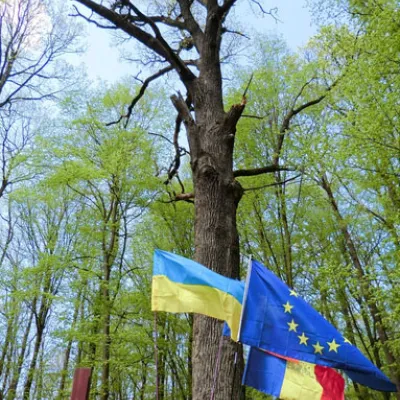 NatureOak by Stefan cel Mare, Valya KuzminaHlyboka district5.9 km from the centreThe historic oak tree, which is more than half a millennium old and is said to have been planted by Moldovan voivode Stefan the Great, grows in the Valya-Kuzmin forestry.
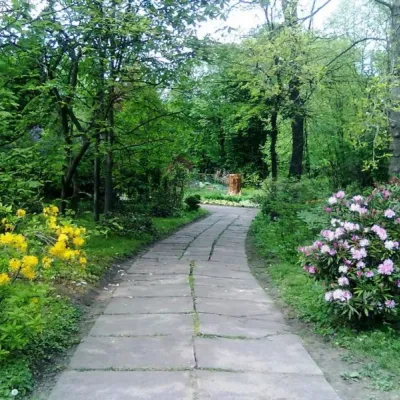 Nature"Arboretum and Botanical Garden of Chernivtsi National University" ChernivtsiChernivtsi7 km from the centreThe Botanical Garden of Chernivtsi National University is a protected area of national importance in Ukraine.
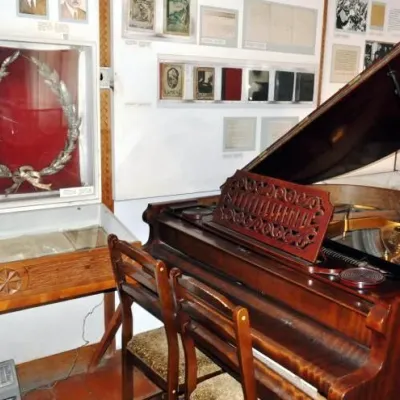 MuseumLiterary and Memorial Museum of Olha Kobylianska, ChernivtsiChernivtsi7.5 km from the centreThe opening of the museum was dedicated to the writer's birthday on November 27. She lived in this house from 1925 until her death on March 21, 1942.
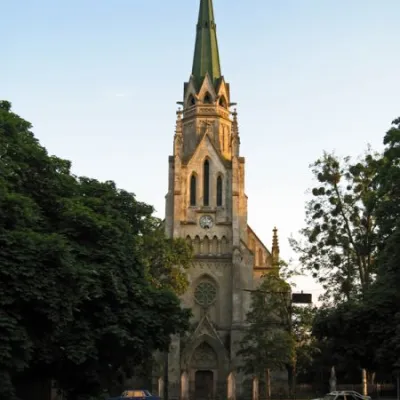 ArchitectureJesuit Church (Sacred Heart of Jesus), ChernivtsiChernivtsi7.6 km from the centreThe Church of the Sacred Heart of Jesus is a Jesuit church in Chernivtsi. It is a monument of neo-Gothic architecture of the 19th century.
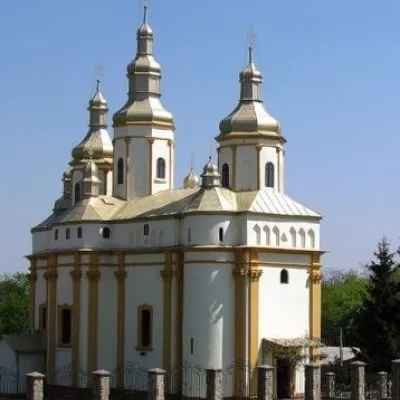 ChurchChurch of the Nativity of the Blessed Virgin Mary "Gorecha", ChernivtsiChernivtsi7.7 km from the centreWe are talking about the Church of the Nativity of the Blessed Virgin Mary, which is located in the Horech district, which used to be a small settlement.
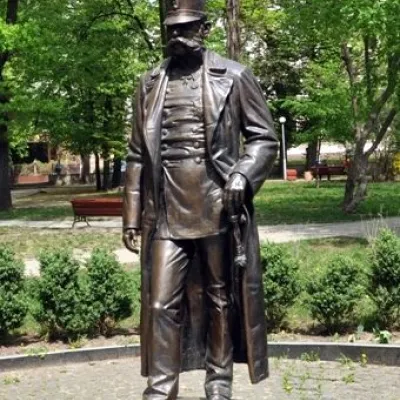 Historic siteMonument to Franz Joseph, ChernivtsiChernivtsi7.7 km from the centreThe monument to the Austrian Emperor and King of Hungary Franz Joseph I, during whose reign Chernivtsi experienced a flourishing economy, was unveiled on October 3,...
Craft nearby
All craft places Crafts & workshopsBukovynskyi Local Makers' Shop, ChernivtsiChernivtsi8 km from the centreBukovynskyi is a new craft and gift shop in the very heart of Chernivtsi, at 13 Hoholia Street, a few steps from pedestrian Olha Kobylianska Street.
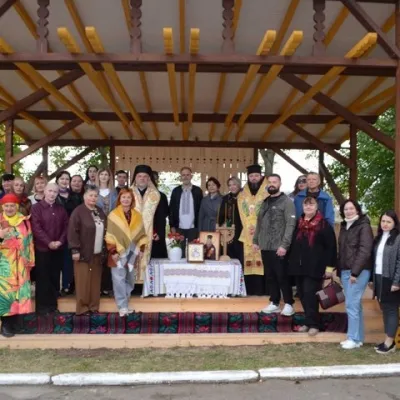 Crafts & workshopsFolk Craft Workshops at the Bukovynian Centre of Culture and Arts, ChernivtsiChernivtsi9.5 km from the centreThe Bukovynian Centre of Culture and Arts is the main hub of folk art in Chernivtsi Oblast. It stands on Dominik Hill in the Klokuchka district, at 1-A Yosyfa Hlavky...
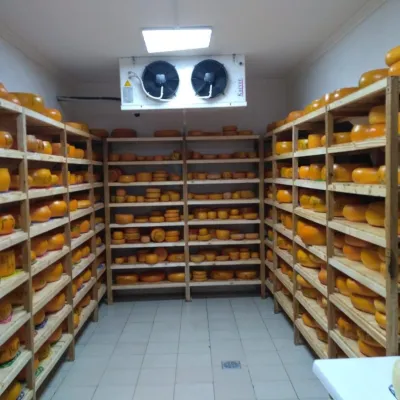 Cheese dairies & pasturesDobri Gazdy Cheese Dairy, MykhailivkaTarashany12 km from the centreDobri Gazdy cheese dairy in the village of Mykhailivka is one of the best-known food stops in Bukovyna and a fine example of how a community can breathe new life into...
Where to stay
Hotels, guesthouses and cottages in and around Koroviia.
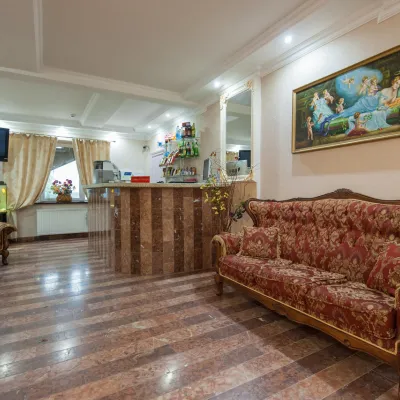 HotelHotel "LeoTon" ChernivtsiChernivtsi5.1 km from the centreParkingWi‑FiTransferNearby: Armenian Church 3.2 kmSoborna Square 3.4 km
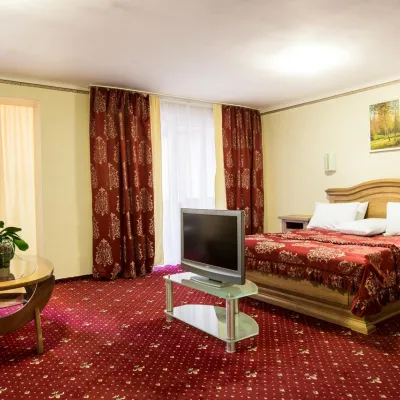 HotelHotel "Bukovyna" Chernivtsi ****Chernivtsi6.7 km from the centrePoolSaunaSPANearby: Armenian Church 1.3 kmSoborna Square 1.4 km
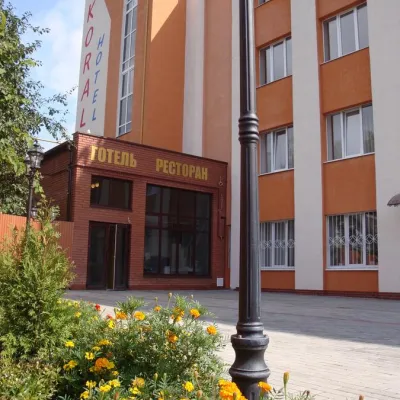 HotelHotel-Restaurant Complex "Koral" ChernivtsiChernivtsi7.6 km from the centreSaunaBBQParkingNearby: Armenian Church 2.8 kmSoborna Square 3.2 km
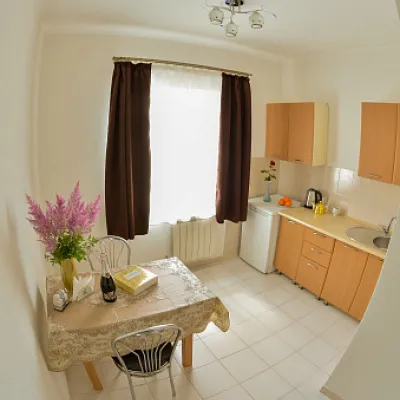 Hostel"Grand Hostel" Chernivtsi Prutska, 24Chernivtsi9.5 km from the centreParkingWi‑FiTransferNearby: House-ship 900 mArmenian Church 1.5 km
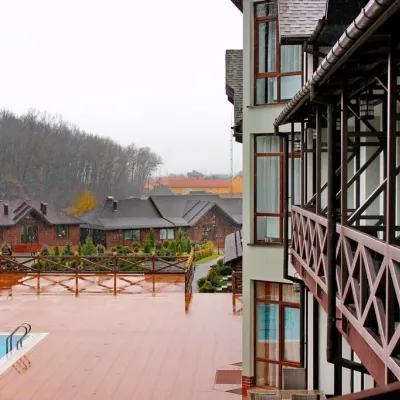 HotelHotel and Restaurant Complex "Georg Park" (Tarashany)Tarashany9.7 km from the centrePoolSaunaBBQNearby: Oak by Stefan cel Mare 4.2 kmChurch of Our Lady of Sorrows 7.5 km
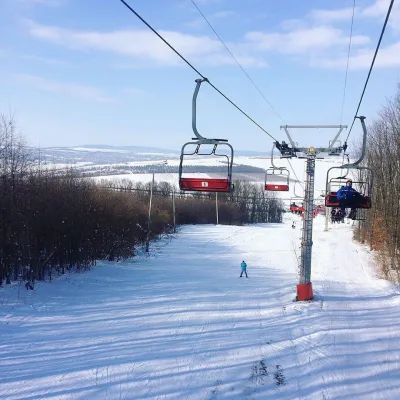 Ski resortSki Resort "Soniachna Dolyna" BoyanyBoiany12 km from the centrePoolSaunaBBQ
Peaks nearby
All peaks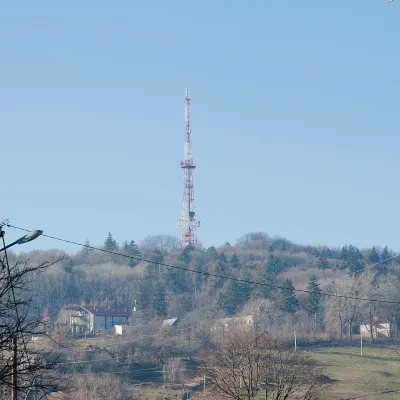 PeakMount TsetsynoChernivtsialtitude 537 m13 km from the centreTsetsyno is the highest hill of the Chernivtsi Upland, 537 m high (538 m according to other data). It rises on the western outskirts of Chernivtsi, near the Rosha...
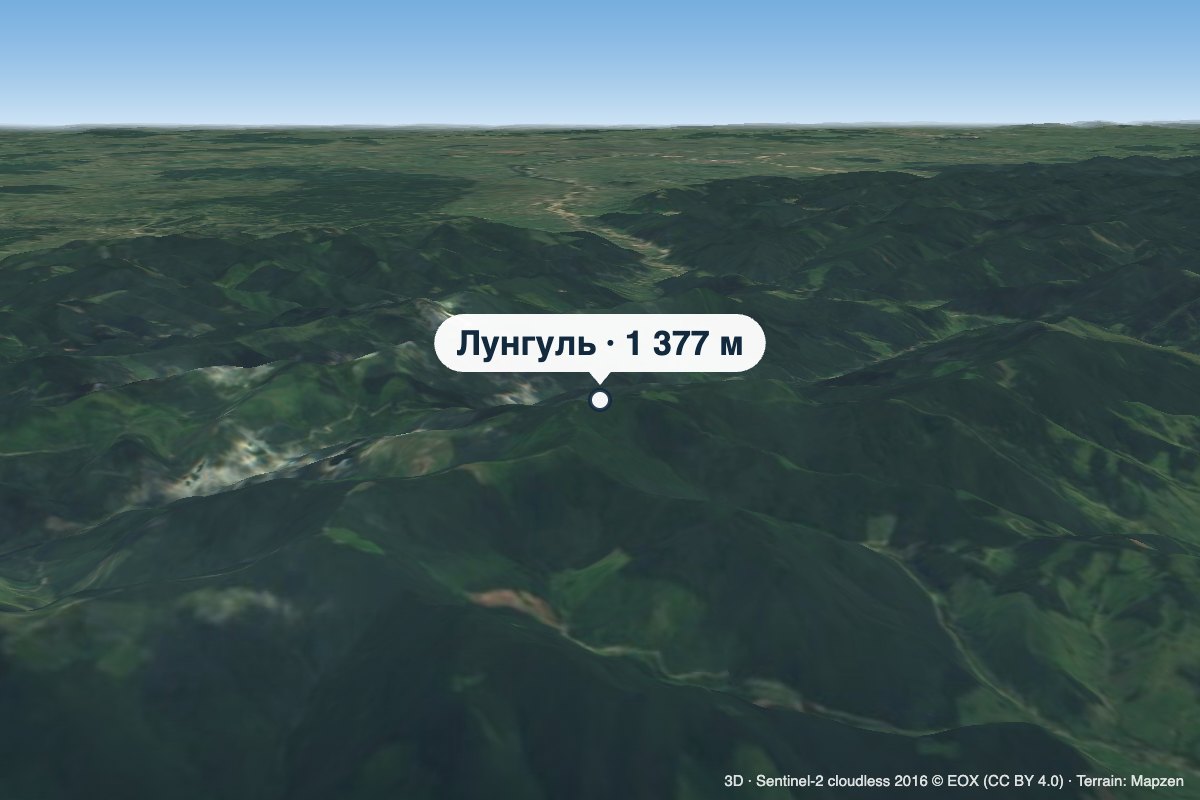 PeakMount LunhulRuskaaltitude 1 377 m59 km from the centreLunhul is a 1,377 m summit (1,377.4 m exactly) in the Pokuttia-Bukovyna Carpathians. It stands on the boundary of the former Vyzhnytsia and Putyla districts of...
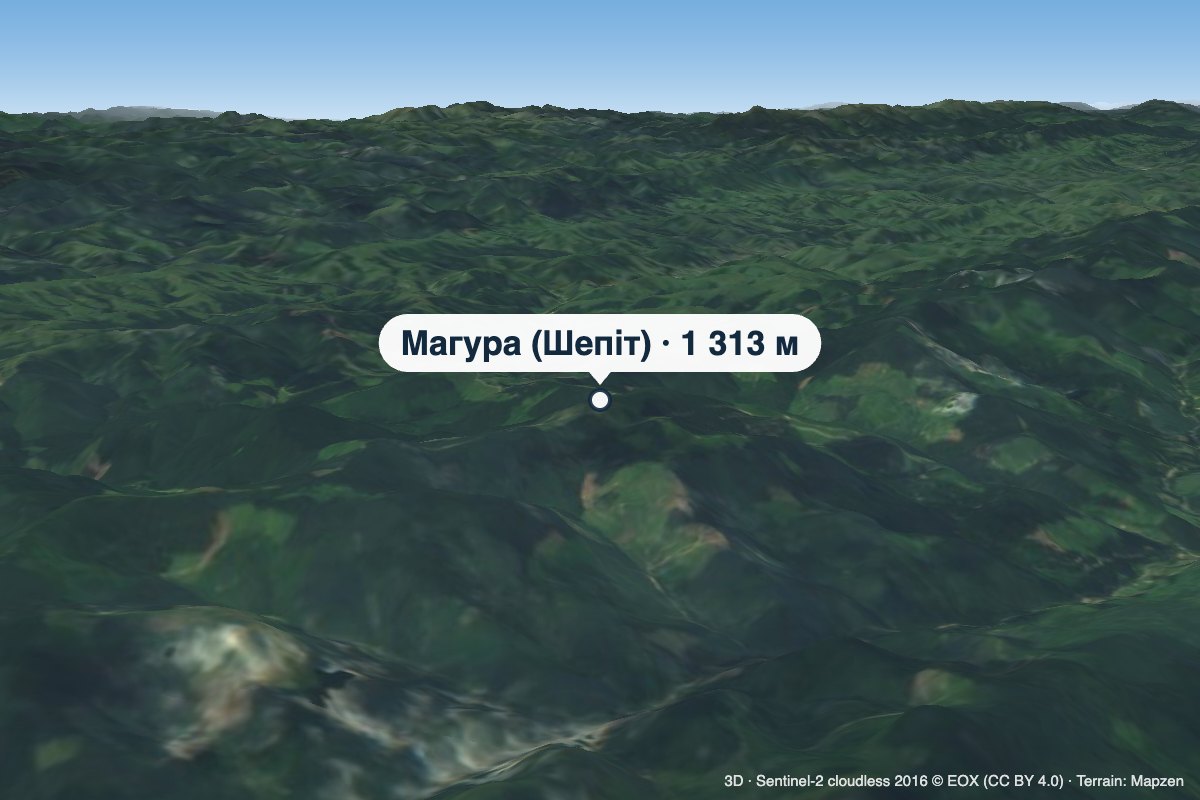 PeakMount Mahura (Shepit)Dolishnii Shepitaltitude 1 313 m · Pokuttia-Bukovyna Carpathians range60 km from the centreMahura is a 1,313 m mountain in the Pokuttia-Bukovyna Carpathians, on the Dovhyi Hrun ridge. It lies in the Vyzhnytsia district of Chernivtsi Oblast, south of the...