Budenets
Budenets is a village in the Storozhynets district of the Chernivtsi region, located 11 kilometers south of the district center. From the center of Storozhynets, we head south along Bohdan Khmelnytskyi Street, towards the Bukovyna Carpathians. The village is primarily known for its mineral waters. There is a source of Bukovynska hydro-carbonate water in Budenka, which is bottled right there. In the Moldovan chronicles, the village was first mentioned earlier than Storozhynets, namely in 1435. It was once a number of farms in the valley of the Malyi Seret River, later united under the name Budenets, which came from the name of the Budei stream, a tributary of the Malyi Seret. In Austrian times, Budenets was owned by the family of Polish feudal lords Volchynski, who left behind a magnificent palace in the center of the village.
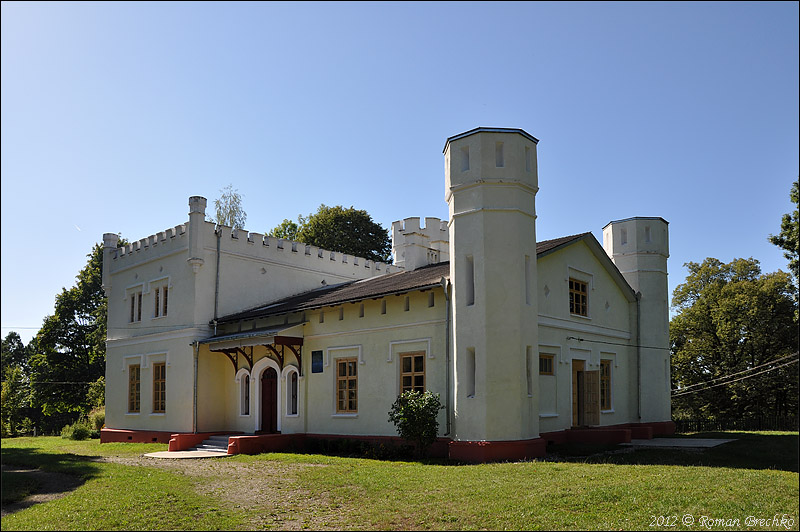
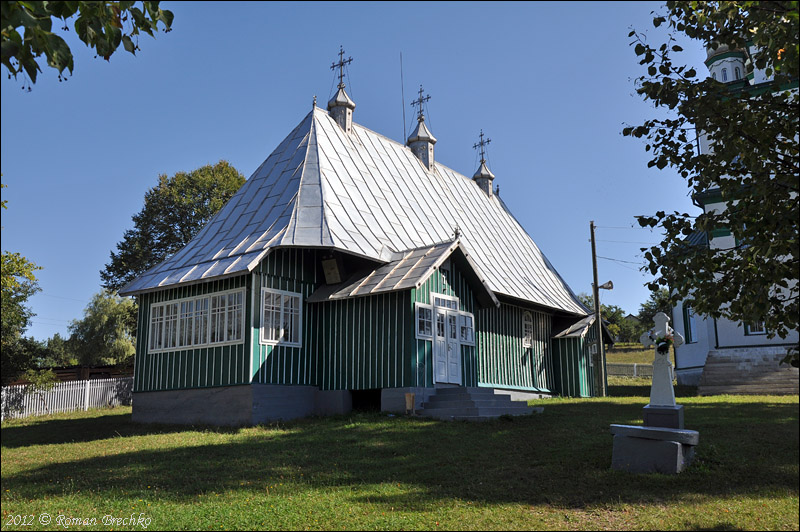
The main architectural sights of the village include the Mikuli-Wolczynski Palace, a late nineteenth-century church, and the wooden church of the holy archangels Michael and Gabriel.
The road slowly climbs up through a dense beech forest toward the Romanian border. After about 20 kilometers, the first settlement appears - the village of Budenets. It should be noted that the so-called "Romanian" part of Bukovyna begins from Budenets, as well as to the east and south of it. In Budenets, as in most villages in this region, the Romanian population predominates, so it will not be easy to hear Ukrainian or other languages on the streets. So, from Storozhynets, you have to drive 11 kilometers south along a rather picturesque road surrounded by beech forests on both sides.
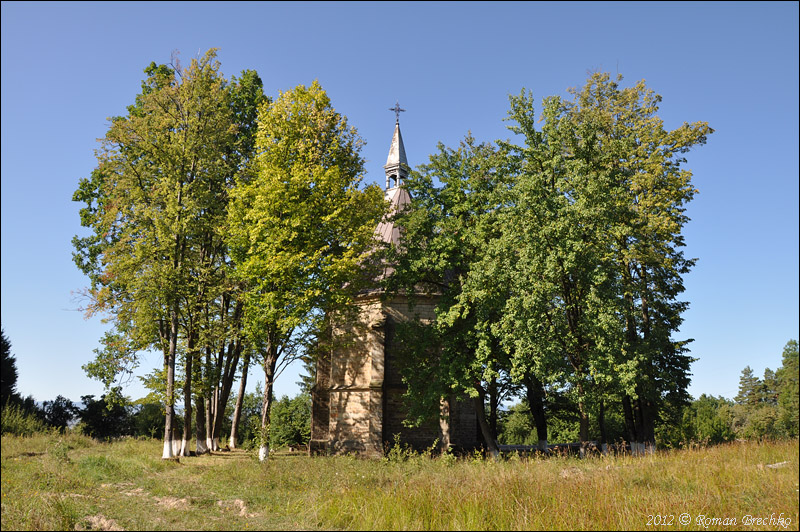
Before entering the village, on the left, on a hill, there is the first architectural attraction of Budenets - the Church of the Assumption of the Blessed Virgin Mary.
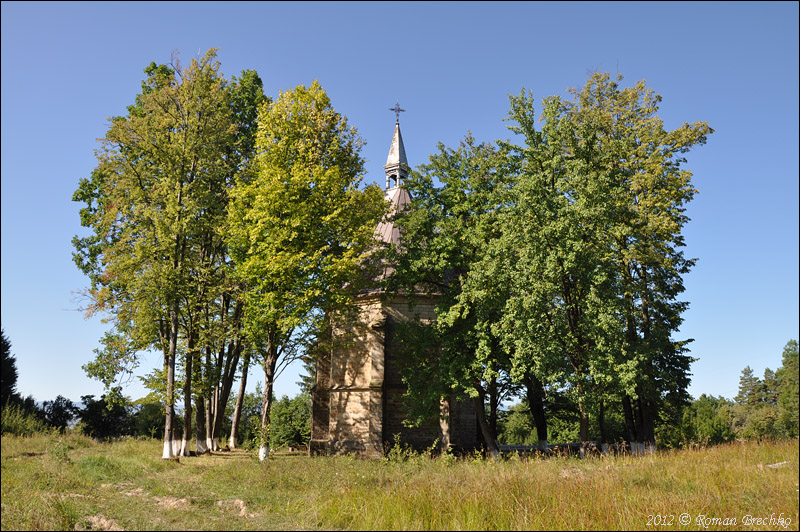
The church was built in 1891 at the expense of Maria de Petrino for the needs of local Roman Catholics, mostly Germans, who had previously been forced to attend services in Storozhynets. The building later became the de Petrino family tomb. The church was built in the Neo-Gothic style. The church is not large in area, but it is quite high. Now the church is surrounded by tall trees, among which it looks especially nice. During the interwar period, the Germans left Budenets, so the church was practically not used. After the Second World War, the church was closed, which caused it to fall into decay. In 1994, the church was returned to the small community of local Roman Catholics.
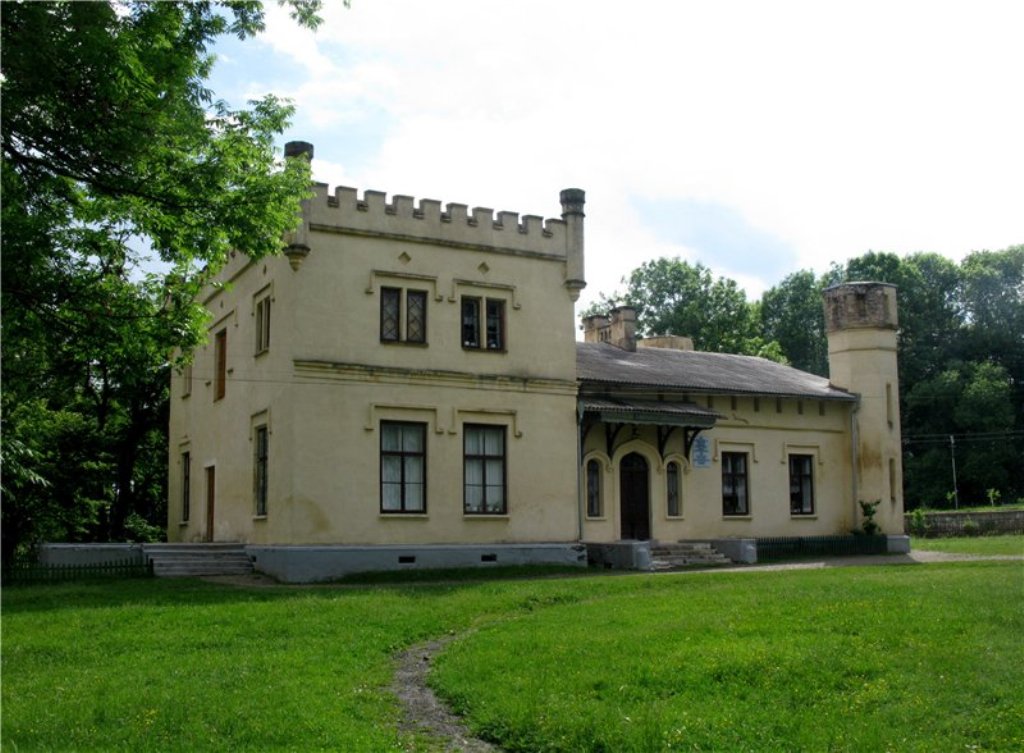
Almost in the center of the village, to the left of the main road, a yellow building with two pseudo-Gothic decorative turrets on the pediment will attract the traveler's attention. This palace of the late nineteenth century reminds us of the former greatness of the Polish landowners - the masters of Budenets. Here you will see the next architectural attraction of the village - the Mikuli-Wolczynski Palace.
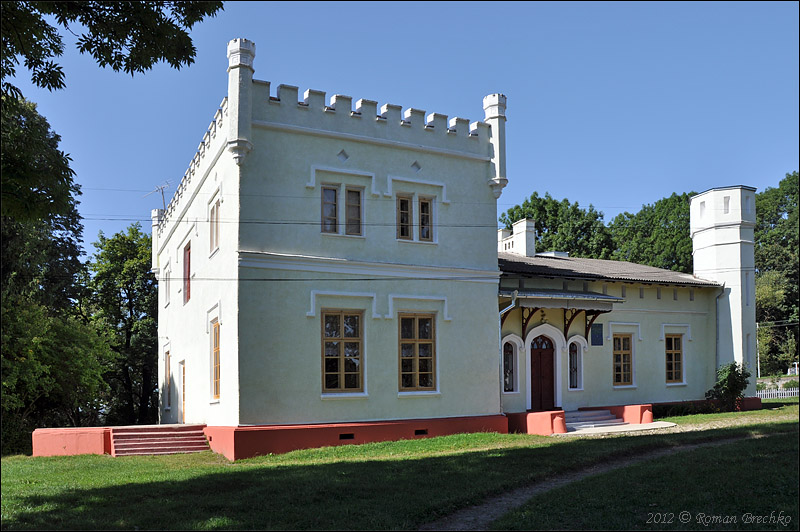
In the nineteenth century, the Polish family of Volchynski owned a large amount of the surrounding land. When the daughter of the landowner Volchynskyi married Mr. Mikulia, he decided to build a palace that would show the greatness of the family. It is said that in the late nineteenth century French architects were invited to build the romantic palace.
Once upon a time, the palace was surrounded by a small but picturesque arboretum, of which only a 300-year-old oak tree has survived to this day. There is an outbuilding next to the palace. Mikulia's palace has survived to the present day in almost perfect condition and is one of the most original monuments of palace art in Bukovyna.
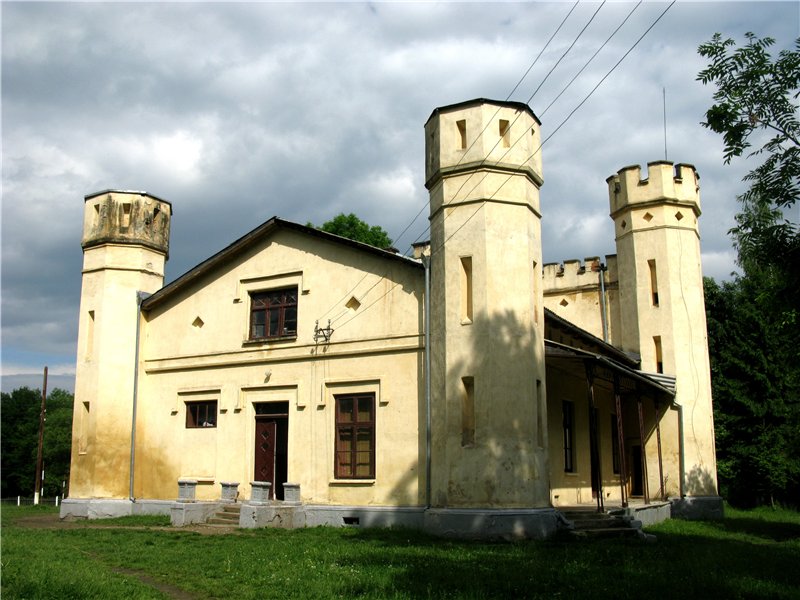
Nowadays, the palace building houses a village school with Romanian as the language of instruction, which is not surprising, since this is where ethnically Romanian Bukovyna begins, and the majority of the population of Budenci is Romanian.
Opposite the palace, to the left of the main road, a mineral water pump room and a modern tourist complex are being built on the basis of the Bukovynska-2 sodium hydrogen carbonate mineral water source, which will be called the "Panskyi Maiatok" (Manor House).
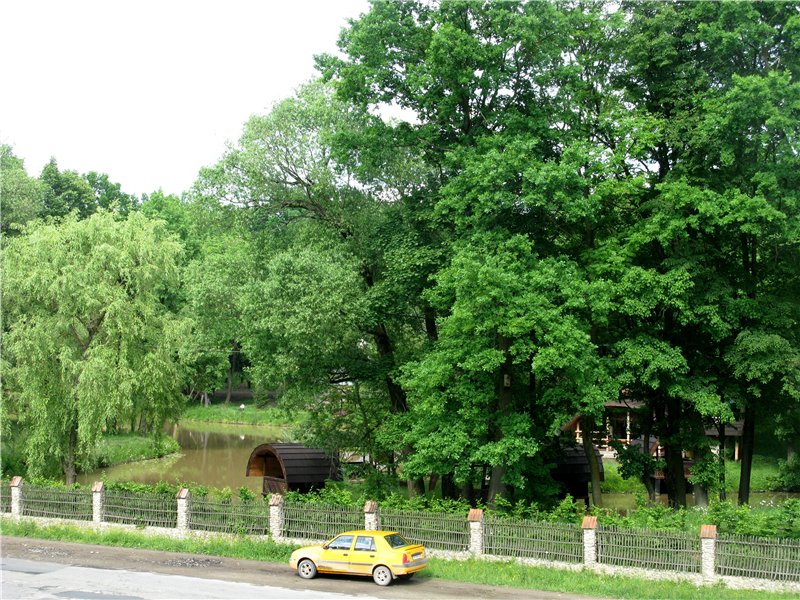
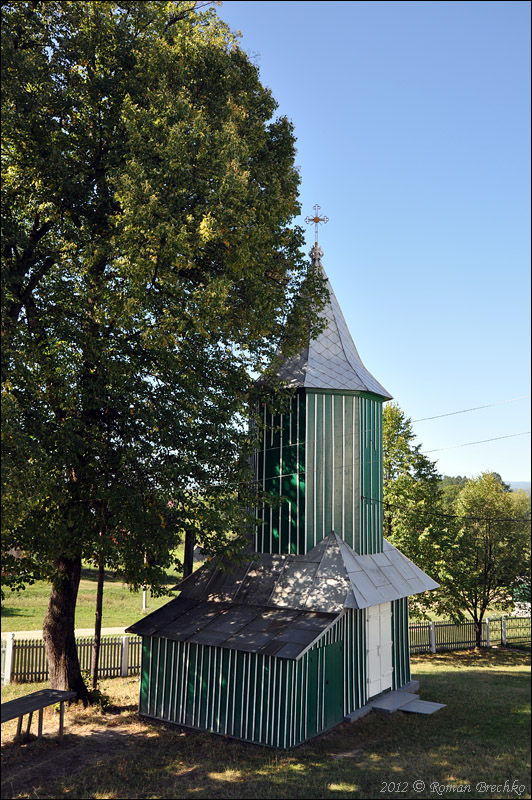
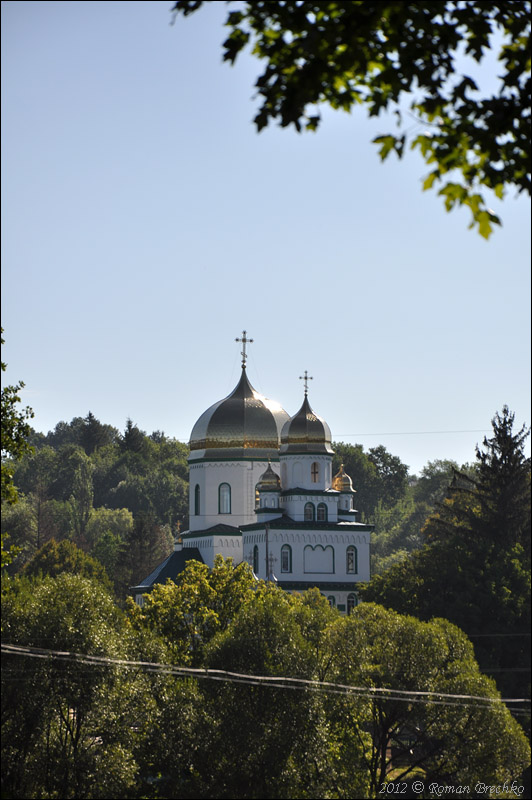
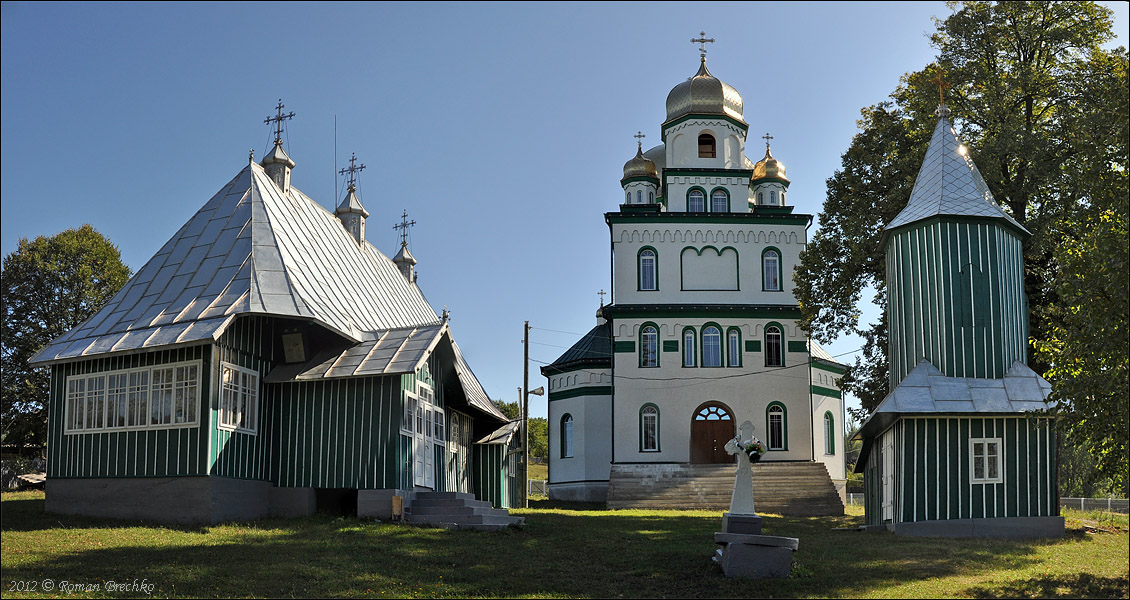
If you look across the street from the palace, you will see a newly built stone church. We need to go there, because next to it is the last architectural attraction of Budenets, the wooden church of the holy archangels Michael and Gabriel. The new church was built in recent years and it literally sparkles with its novelty.
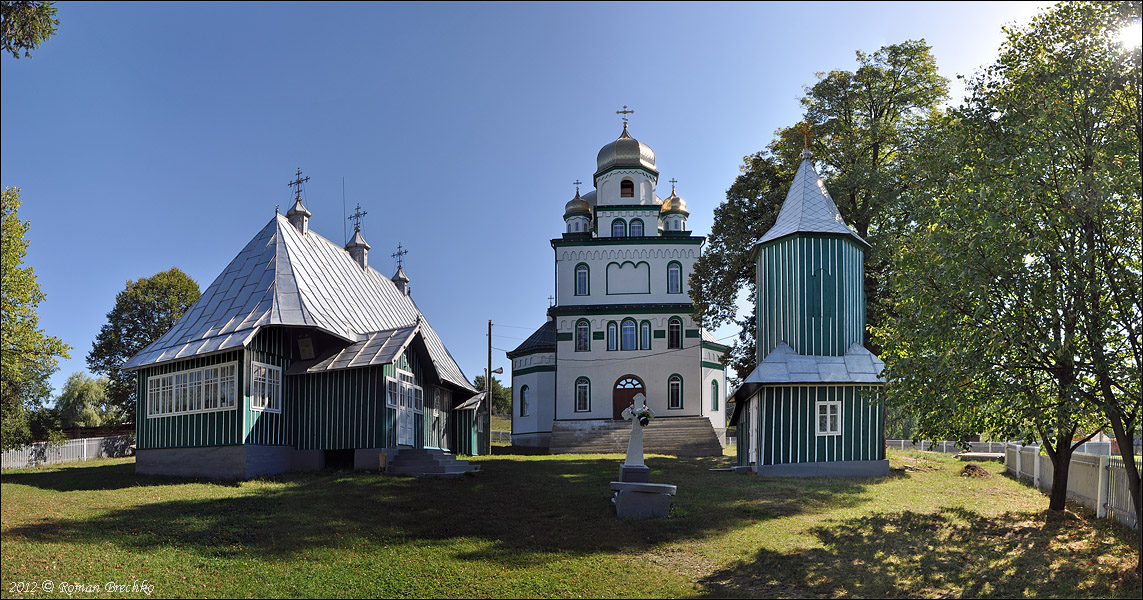
The wooden church of the holy archangels Michael and Gabriel was built in 1799-1803 in the typical Bukovinian village hut style. The church is a three-dimensional structure with a high, steep roof, on which there are three almost identical signatures. A wooden bell tower stands next to the church. I have never seen such an unusual shape of a bell tower before. That's why it was memorable for a long time.
Video 2


What to visit
Landmarks, museums and places of interest near Budenets.
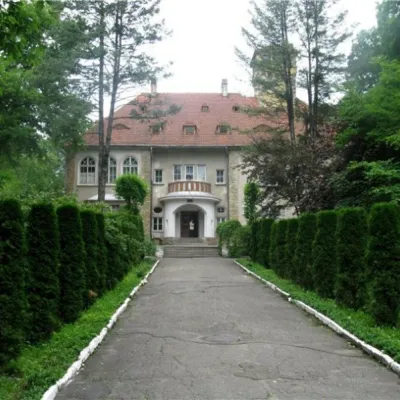 SightStorozhynets Arboretum and Orenstein EstateStorozhynets8.7 km from the centreThe Storozhynets Arboretum is the largest park in the Chernivtsi region, included in the list of natural monuments of national importance.
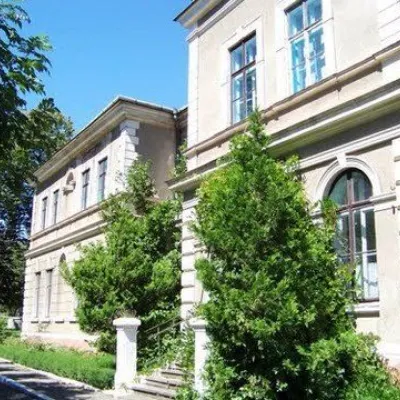 ArchitecturePalace of the Skibinetsky familyHlyboka20 km from the centreOne of the coziest Bukovyna palaces, the Skibinetsky estate, has been preserved in the village of Hlyboka in the Chernivtsi region.
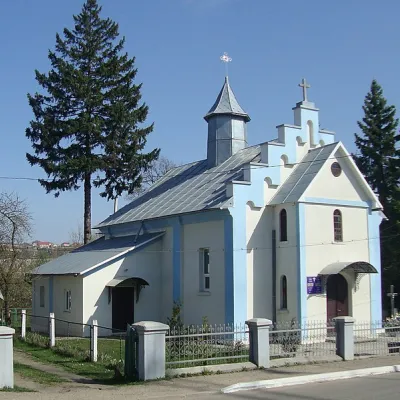 Historic site"Church of Our Lady of Sorrows" HlybokaHlyboka20 km from the centreThe first written mention of the village of Hlyboka dates back to 1438, in 1919-1940 it was called Adynkata, since 1940 it has been the center of the Hlyboka district,...
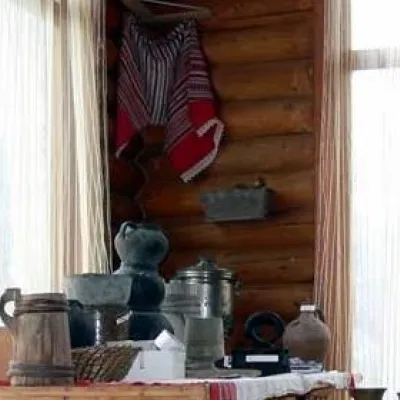 MuseumMuseum of World Old BeliefsBila Krynytsia21 km from the centreIt is home to a community of Old Believers who moved there back in the days of Peter the Great. These people have preserved their customs and traditions to this day.
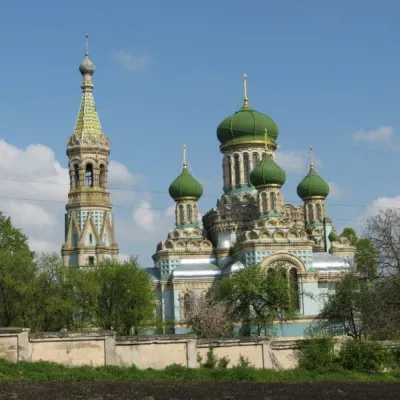 ChurchAssumption CathedralBila Krynytsia21 km from the centreA true and unsurpassed masterpiece of religious architecture in all of Bukovyna is the Old Believer Assumption Cathedral, built in 1900-1908 as the main church of a...
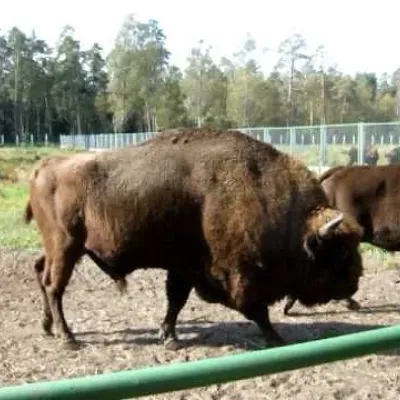 NatureBison reproduction center, BeregometBerehomet25 km from the centreThe bison population is being restored in Bukovyna. An environmental education and research center for the restoration of the bison population operates in the village...
Craft nearby
All craft places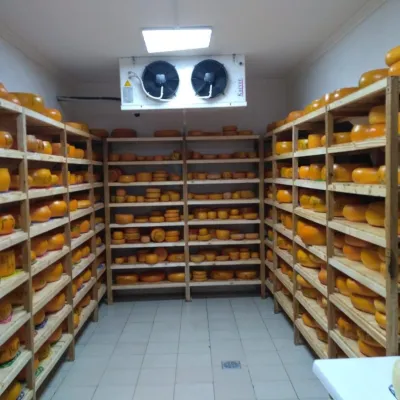 Cheese dairies & pasturesDobri Gazdy Cheese Dairy, MykhailivkaTarashany24 km from the centreDobri Gazdy cheese dairy in the village of Mykhailivka is one of the best-known food stops in Bukovyna and a fine example of how a community can breathe new life into...
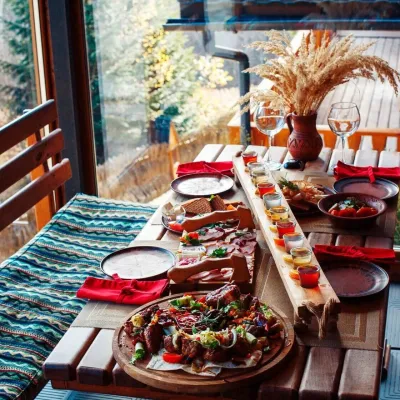 Koliby & Hutsul cuisineKolyba of the Karpaty complex, MyhoveMyhove24 km from the centreThe Kolyba in Myhove is the restaurant of the Karpaty cottage complex on the main street of Myhove, Bukovyna’s ski resort in the Vyzhnytsia district.
 Crafts & workshopsBukovynskyi Local Makers' Shop, ChernivtsiChernivtsi31 km from the centreBukovynskyi is a new craft and gift shop in the very heart of Chernivtsi, at 13 Hoholia Street, a few steps from pedestrian Olha Kobylianska Street.
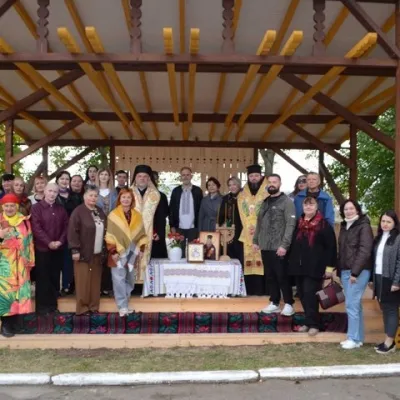 Crafts & workshopsFolk Craft Workshops at the Bukovynian Centre of Culture and Arts, ChernivtsiChernivtsi31 km from the centreThe Bukovynian Centre of Culture and Arts is the main hub of folk art in Chernivtsi Oblast. It stands on Dominik Hill in the Klokuchka district, at 1-A Yosyfa Hlavky...
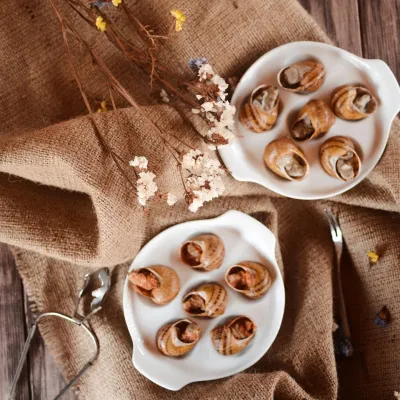 Eco farmsBukovynskyi Ravlyk Snail Farm, Striletskyi KutMamaivtsi32 km from the centreBukovynskyi Ravlyk is a family snail farm in the village of Striletskyi Kut, just 10 km from central Chernivtsi.
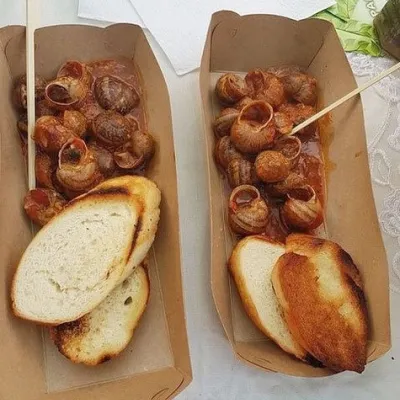 Eco farmsPrykarpatskyi Ravlyk Snail Farm, BahnaBahna39 km from the centrePrykarpatskyi Ravlyk snail farm is one of the few food farms in the Vyzhnytsia area that welcomes visitors not just to buy produce but for a proper farm visit.
Where to stay
Hotels, guesthouses and cottages in and around Budenets.
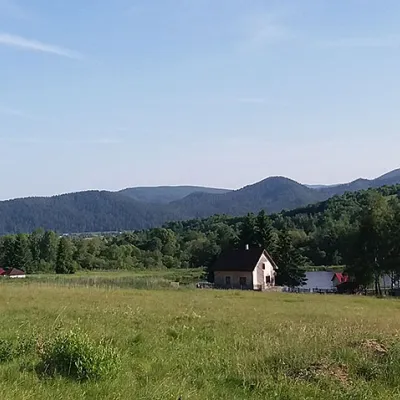 HomesteadHomestead "Mriya" MykulychynKrasnoyilsk10 km from the centrePoolBBQKitchen
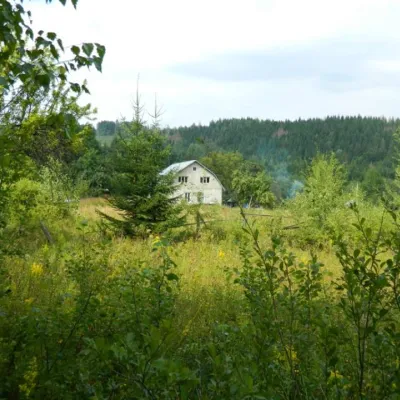 HomesteadEcofarm BukovaBanyliv-Pidhirnyi17 km from the centreBudget vacation in the Bukovinian Carpathians with respect for Nature. Ecofarm Bukova offers a cozy stay in the hamlet of Koshuy, Chernivtsi region in an agro...
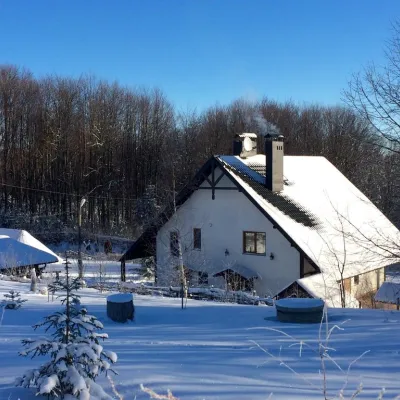 CottageCottages "Dolina Mykolaya" Myhove (pool, sauna, fishing)Myhove19 km from the centrePoolSaunaFireplaceNearby: Church of St. John of Suceava 5.7 kmBison reproduction center 6.7 km
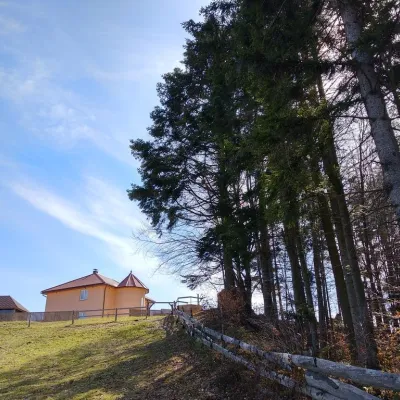 HomesteadHomestead "Valeriya" VovchynetsVovchynets20 km from the centreHot tubPoolSaunaNearby: Bison reproduction center 5.8 kmHistorical Museum 5.8 km
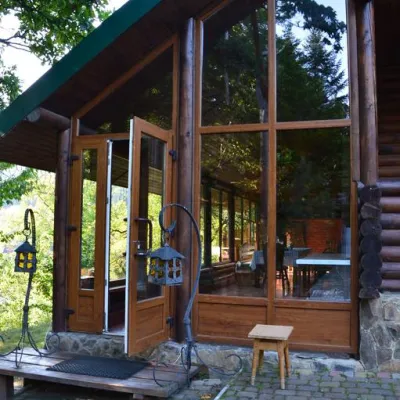 CottageChalet "Mlyn" Myhove (pool, sauna, massage, Hutsul bath)Myhove24 km from the centrePoolSaunaSPANearby: Church of St. John of Suceava 300 mHistorical Museum 4.7 km
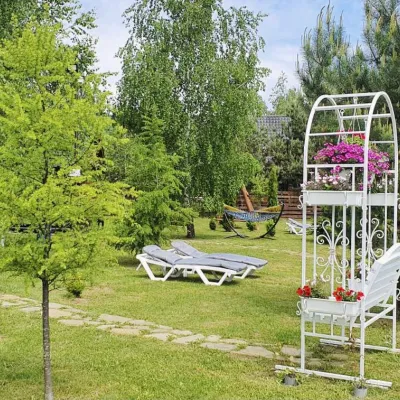 HomesteadPearl of BukovinaMyhove24 km from the centreBBQKitchenParking
Peaks nearby
All peaks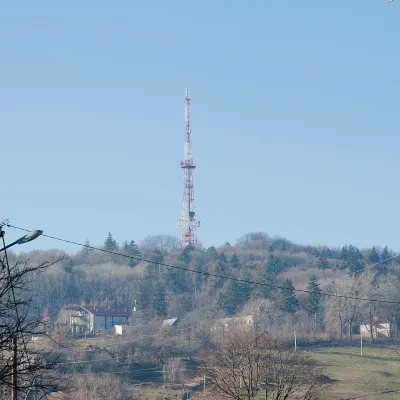 PeakMount TsetsynoChernivtsialtitude 537 m27 km from the centreTsetsyno is the highest hill of the Chernivtsi Upland, 537 m high (538 m according to other data). It rises on the western outskirts of Chernivtsi, near the Rosha...
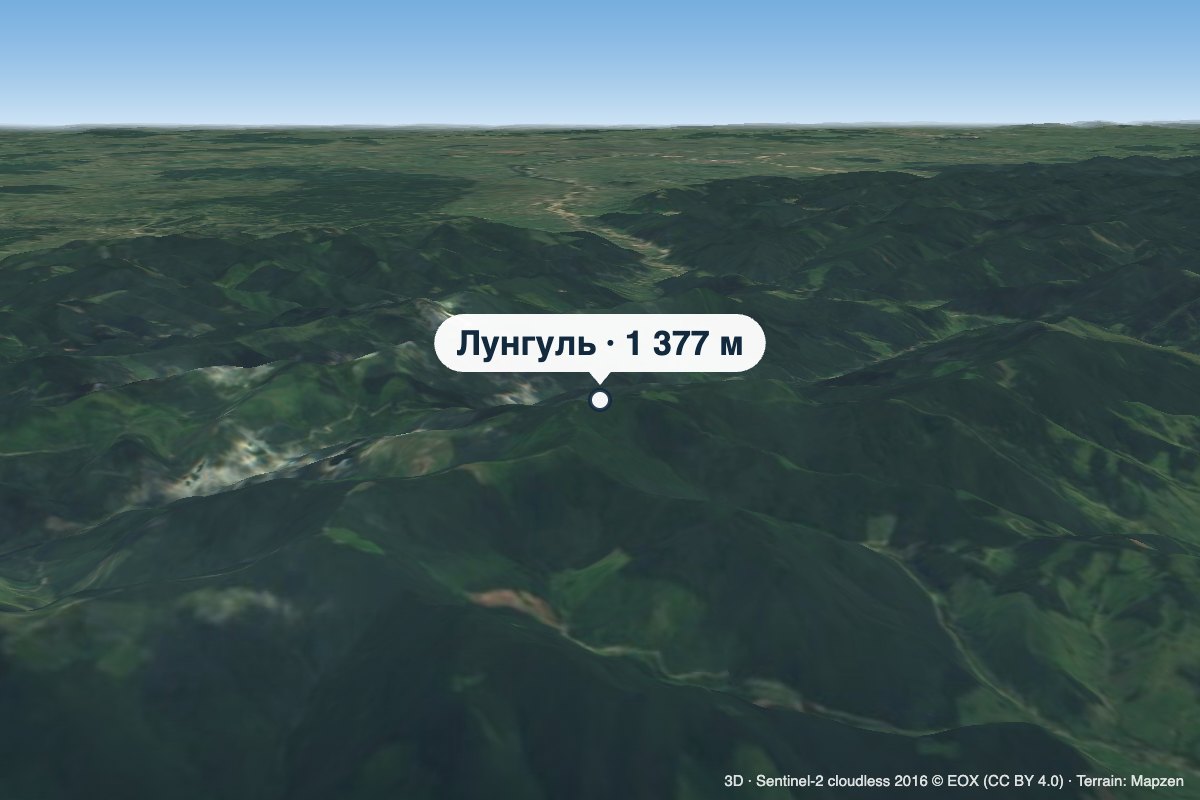 PeakMount LunhulRuskaaltitude 1 377 m31 km from the centreLunhul is a 1,377 m summit (1,377.4 m exactly) in the Pokuttia-Bukovyna Carpathians. It stands on the boundary of the former Vyzhnytsia and Putyla districts of...
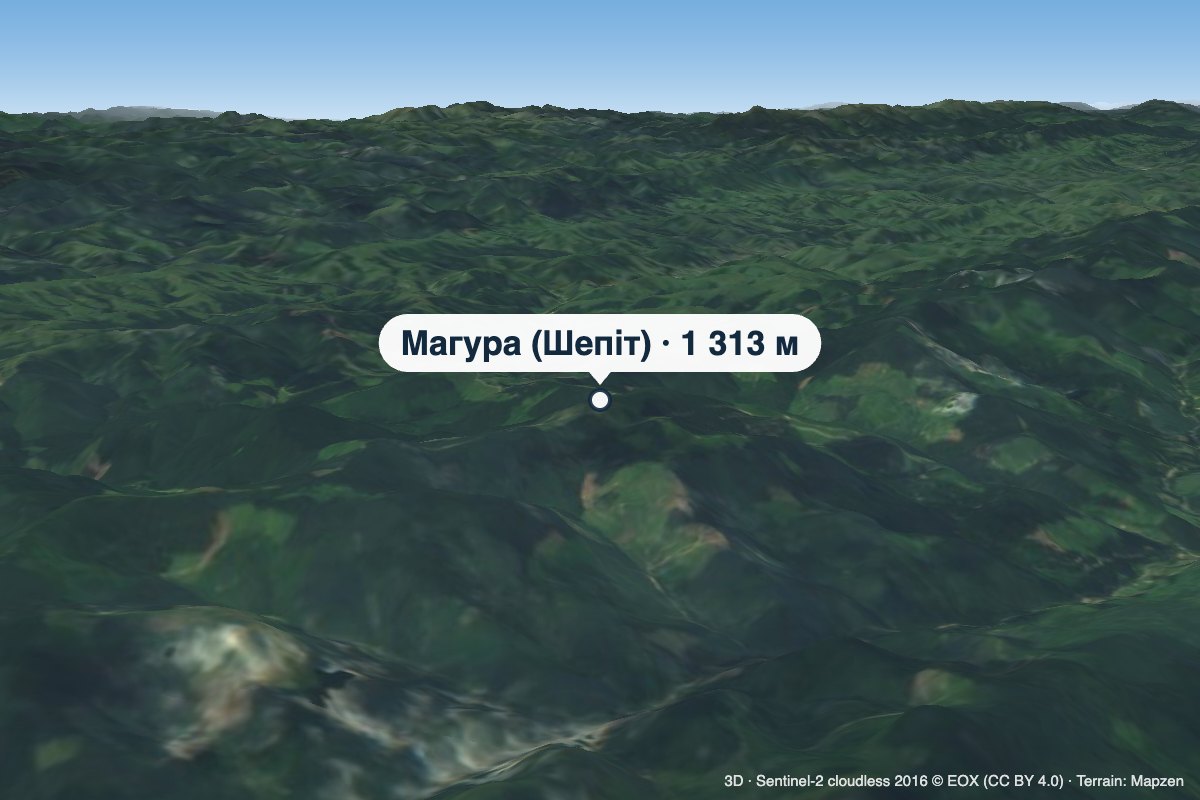 PeakMount Mahura (Shepit)Dolishnii Shepitaltitude 1 313 m · Pokuttia-Bukovyna Carpathians range32 km from the centreMahura is a 1,313 m mountain in the Pokuttia-Bukovyna Carpathians, on the Dovhyi Hrun ridge. It lies in the Vyzhnytsia district of Chernivtsi Oblast, south of the...