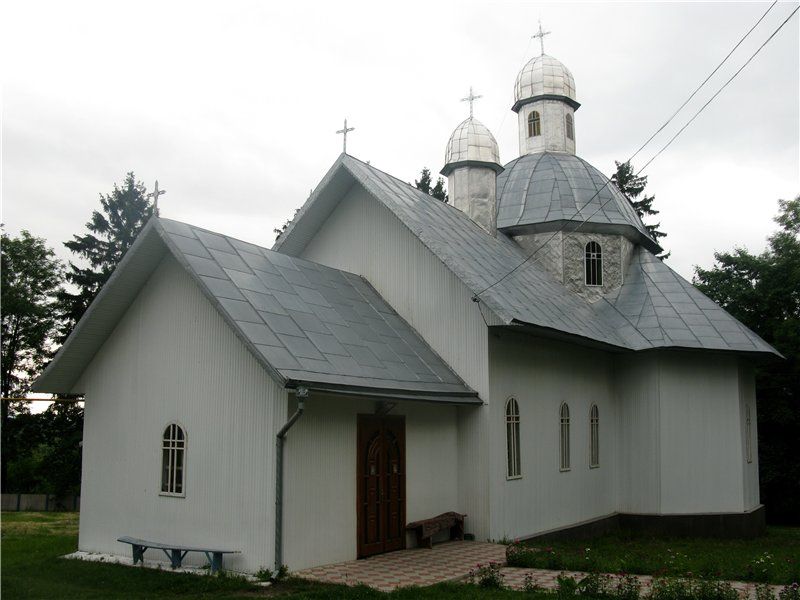
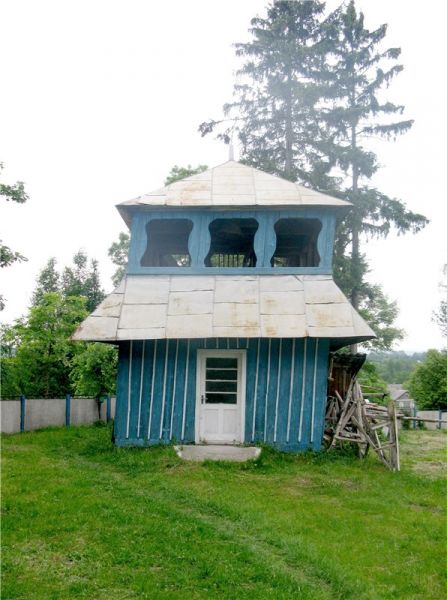
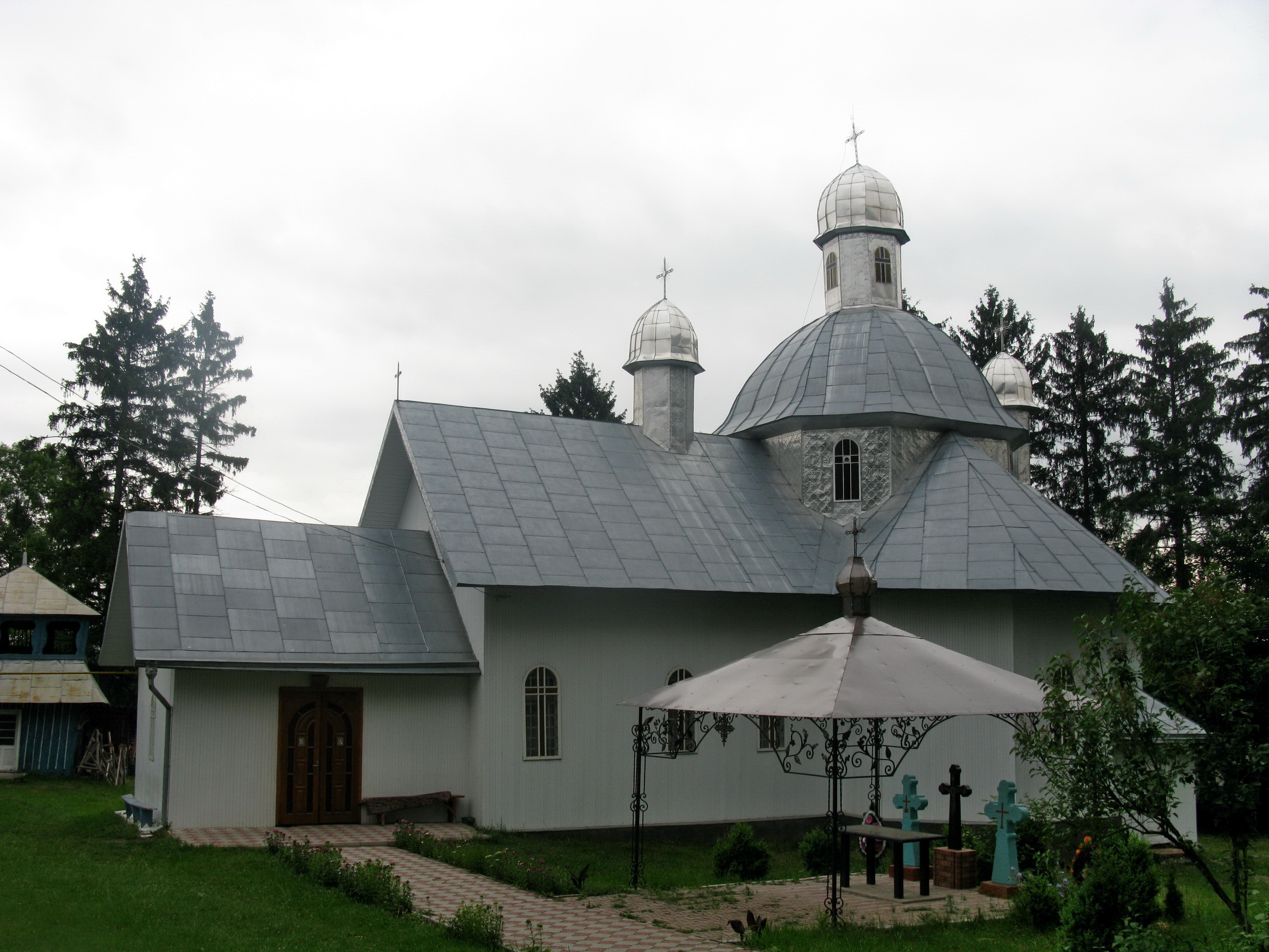
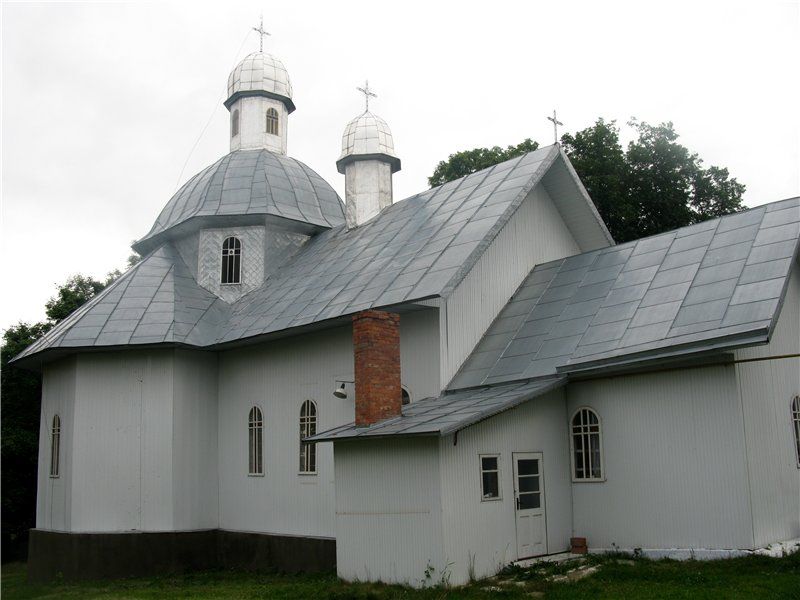
Church of the Assumption of the Blessed Virgin Mary, Brusnitsa
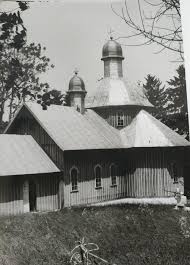
Brusnytsia is a village in Ukraine, in the Chernivtsi region, Kitsman district. The administrative center is the Brusnytsia village council, which is subordinated to the villages of Dibrova, Zeleniv, Kalnivtsi, Ostra, and Chortorya. The population is 2088 inhabitants. The distance to the regional center is 39 km. Brusnytsia is located near the Brusnytsia river, next to the Chernivtsi - Vashkivtsi road and the local Chernivtsi - Vyzhnytsia railway. The village has clay deposits (a quarry for a brick and tile factory) and mineral waters.
The Brusnytsia mineral water deposit is represented by hydrogen sulfide waters of the Matsesta type with a total hydrogen sulfide concentration of 50 to 300 mg/l and therapeutic drinking soda water of the Essentuki-4 type with a mineralization of 2.4-6.6 mg/l. The reserves of healing waters of the deposit are large: 195 m per 1 day. The deposit is used to produce Brusnitskaya mineral table water.
The name Brusnytsia (Barbivtsi) comes from the Latin word barbus, which means a mustachioed fish. The local population, contrary to this, says that the name was formed from the surname Barbir. The first written mention of the village of Barbivtsi dates back to 1558.
TheBrusnytsia Village History Museum was opened on June 26, 1983. The creation of the museum was preceded by a difficult search, research work, and a public council headed by a history teacher, Honored Worker of Culture of the Ukrainian SSR, a native of Brusnytsia, Zakhariy Mykhailiuk. In total, more than 1100 museum items were collected.
Since 1967, the Brusnytsia health resort has been operating in the village. It is based on the Brusnytsia mineral water deposit. The sanatorium treats the musculoskeletal system (arthrosis, osteochondrosis, hernia, polyarthritis, rheumatism), gastrointestinal tract (peptic ulcer, gastritis, pancreatitis), diseases of the nervous system, diseases of the female genital organs (especially infertility and inflammation) and diseases of the cardiovascular system.
The founder and head of the sanatorium is the Honored Doctor of Ukraine, Dmytro Ilyich Boyko.
The Regional Council is constantly looking for ways to develop the sanatorium complex.
In the XIX century, a park was laid out, which is now a monument of landscape art called Brusnitsky Park. The park is home to trees of different ages and composition, arranged in individual specimens, small groups and in the form of alleys. The relief of the park is flat, and there is a small pond on its territory. The exotic trees include Weymouth pine, common spruce, western thuja, small-leaved linden, horse chestnut, and others. The park is of sanitary, hygienic, health, and aesthetic importance as a balneological factor of the Brusnitsky Water Treatment Center.
Location on the map
Comments
Places to stay nearby
All stays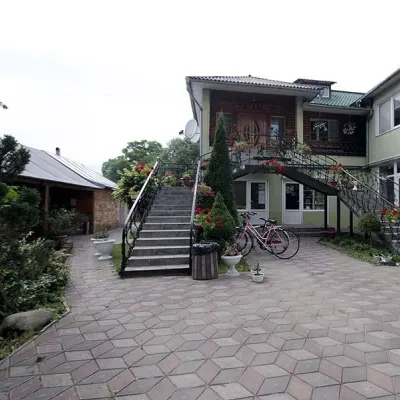 HotelHotel and Tourist Complex "Ratusha" BerehometBerehomet7.1 km from Church of the Assumption of the Blessed Virgin Mary, BrusnitsaSaunaBBQKitchenNearby: St. Nicholas Church 500 mShimonovych Palace 1.6 km
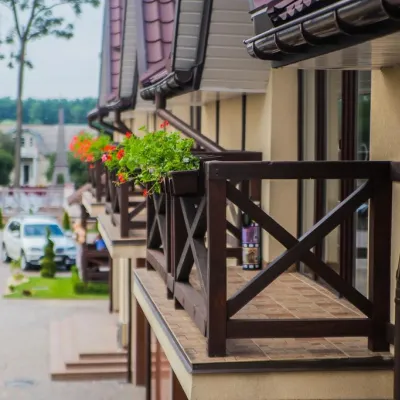 HotelHotel-Restaurant Complex "Shale" ShypintsiShypyntsi10 km from Church of the Assumption of the Blessed Virgin Mary, BrusnitsaPoolParkingKidsNearby: Catholic chapel 2.0 kmShimonovych Palace 2.2 km
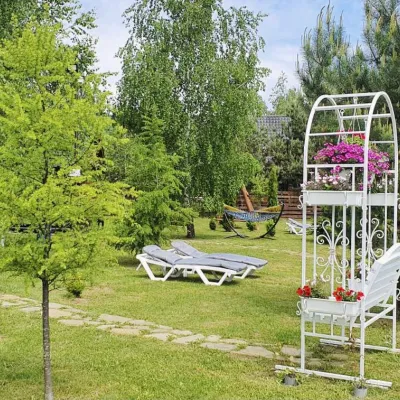 HomesteadPearl of BukovinaMyhove16 km from Church of the Assumption of the Blessed Virgin Mary, BrusnitsaBBQKitchenParking
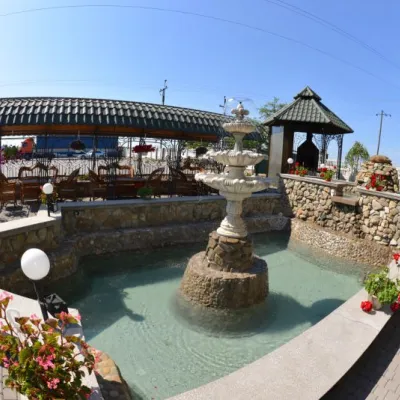 HotelHotel "Kolvik" MamaivtsiMamaivtsi15 km from Church of the Assumption of the Blessed Virgin Mary, BrusnitsaBBQKidsNearby: Assumption Church 2.2 kmChurch of St. John of Dukla 2.2 km
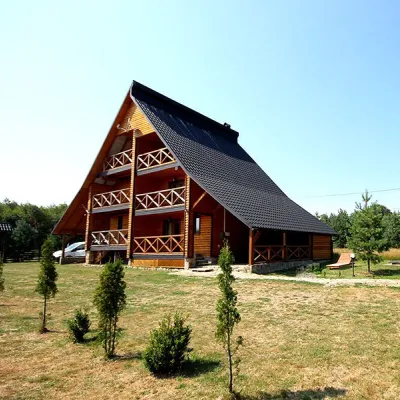 HomesteadHomestead "Hostynny Dim" LukavtsiLukavtsi15 km from Church of the Assumption of the Blessed Virgin Mary, BrusnitsaHot tubSaunaBBQNearby: St. Nicholas Church 9.9 km
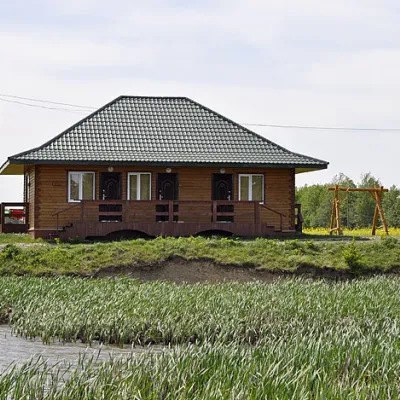 HomesteadHomestead "Rybachok" VahnivtsiVakhnivtsi16 km from Church of the Assumption of the Blessed Virgin Mary, BrusnitsaSaunaBBQKitchen
Trails nearby
All trails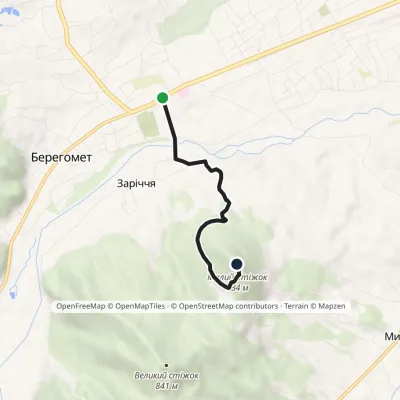 EasyOne-dayMarkedNature trail «Stizhok»Elevation profile464–793 m3.5 kmascent 329 m≈ 1.5 h walking29 km from Church of the Assumption of the Blessed Virgin Mary, Brusnitsa
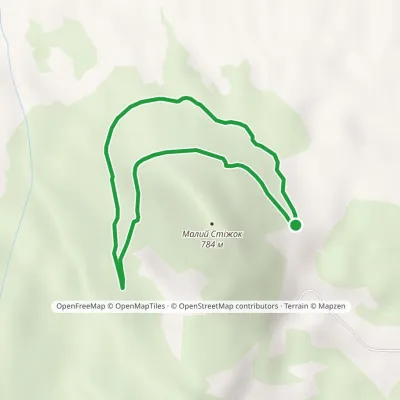 EasyOne-dayMarkedTrail «In the Footsteps of Count Wassilko»Elevation profile557–672 m3.3 kmascent 112 m≈ 1 h walking29 km from Church of the Assumption of the Blessed Virgin Mary, Brusnitsa
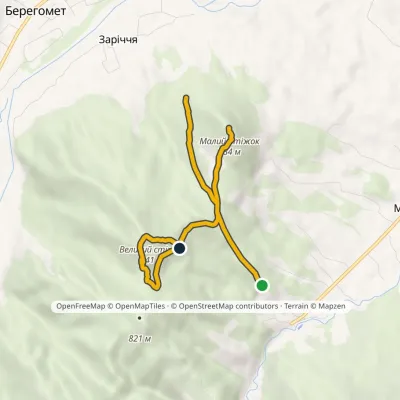 EasyOne-dayMarkedNature trail «To the Guardians of Nedeia»Elevation profile576–841 m5.4 kmascent 436 m≈ 2 h walking30 km from Church of the Assumption of the Blessed Virgin Mary, Brusnitsa
Nearby attractions
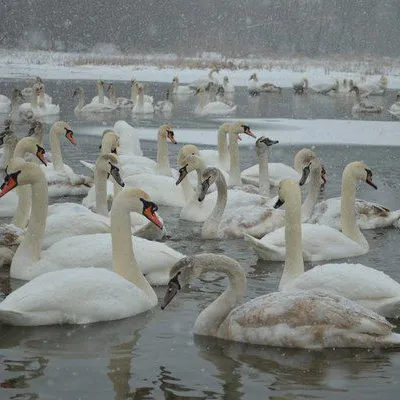 LakeSwan Lake, ChortoryaChortoria2.8 km from Church of the Assumption of the Blessed Virgin Mary, BrusnitsaHe is associated with a story about swans on the lake that come here with the onset of cold weather. In the winter of 1987, the famous actor died, and the villagers...
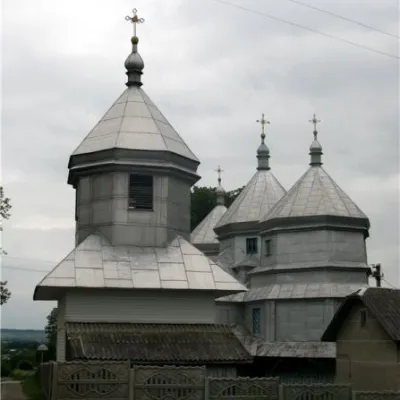 ArchitectureSt. Michael's Church, ZelenivZeleniv3.2 km from Church of the Assumption of the Blessed Virgin Mary, BrusnitsaMichael's Church of the Hutsul type, ungodly covered with tin. The church was built in 1901 by craftsman Petro Kopelchuk according to the design of architect Fadei...
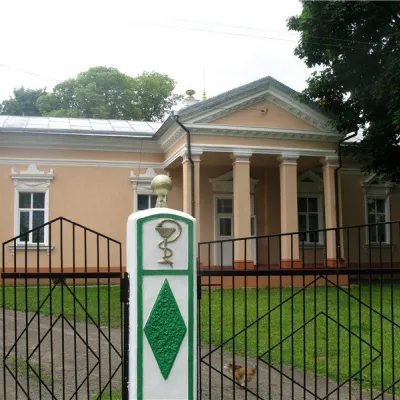 ArchitectureManescu Palace, ChortoriaChortoria3.3 km from Church of the Assumption of the Blessed Virgin Mary, BrusnitsaThe Manesku Palace is one of the oldest and most mysterious monuments in Bukovyna. The castle is located in the village of Chortorya, Kitsman district.
Craft nearby
All craft places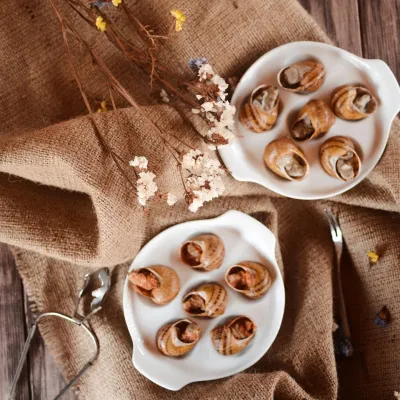 Eco farmsBukovynskyi Ravlyk Snail Farm, Striletskyi KutMamaivtsi19 km from Church of the Assumption of the Blessed Virgin Mary, BrusnitsaBukovynskyi Ravlyk is a family snail farm in the village of Striletskyi Kut, just 10 km from central Chernivtsi.
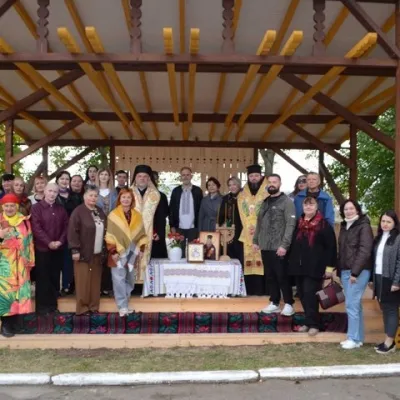 Crafts & workshopsFolk Craft Workshops at the Bukovynian Centre of Culture and Arts, ChernivtsiChernivtsi25 km from Church of the Assumption of the Blessed Virgin Mary, BrusnitsaThe Bukovynian Centre of Culture and Arts is the main hub of folk art in Chernivtsi Oblast. It stands on Dominik Hill in the Klokuchka district, at 1-A Yosyfa Hlavky...
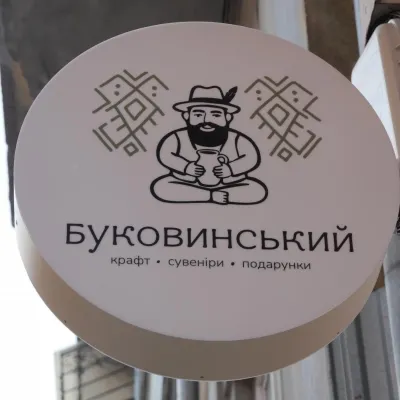 Crafts & workshopsBukovynskyi Local Makers' Shop, ChernivtsiChernivtsi26 km from Church of the Assumption of the Blessed Virgin Mary, BrusnitsaBukovynskyi is a new craft and gift shop in the very heart of Chernivtsi, at 13 Hoholia Street, a few steps from pedestrian Olha Kobylianska Street.
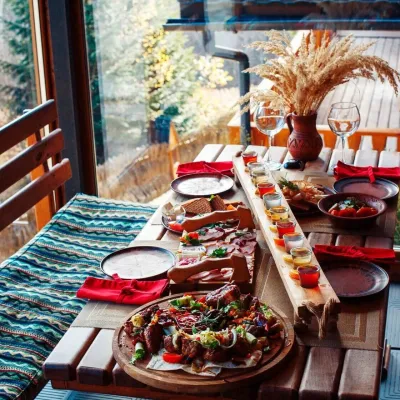 Koliby & Hutsul cuisineKolyba of the Karpaty complex, MyhoveMyhove31 km from Church of the Assumption of the Blessed Virgin Mary, BrusnitsaThe Kolyba in Myhove is the restaurant of the Karpaty cottage complex on the main street of Myhove, Bukovyna’s ski resort in the Vyzhnytsia district.
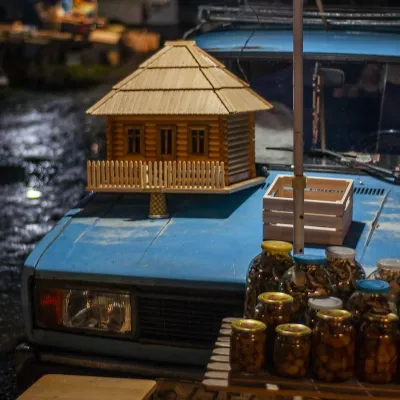 Markets & fairsNight Wood Market, KutyKuty31 km from Church of the Assumption of the Blessed Virgin Mary, BrusnitsaThe night bazaar in Kuty is the most colourful woodwork market in the Hutsul region, and it vanishes at dawn.
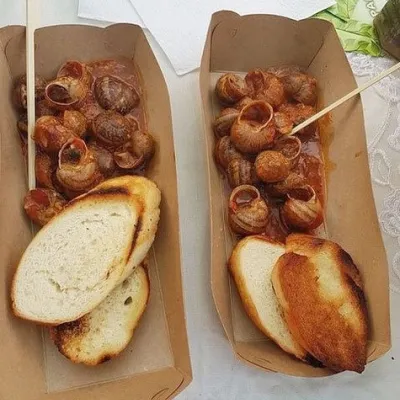 Eco farmsPrykarpatskyi Ravlyk Snail Farm, BahnaBahna32 km from Church of the Assumption of the Blessed Virgin Mary, BrusnitsaPrykarpatskyi Ravlyk snail farm is one of the few food farms in the Vyzhnytsia area that welcomes visitors not just to buy produce but for a proper farm visit.