Hlybochok
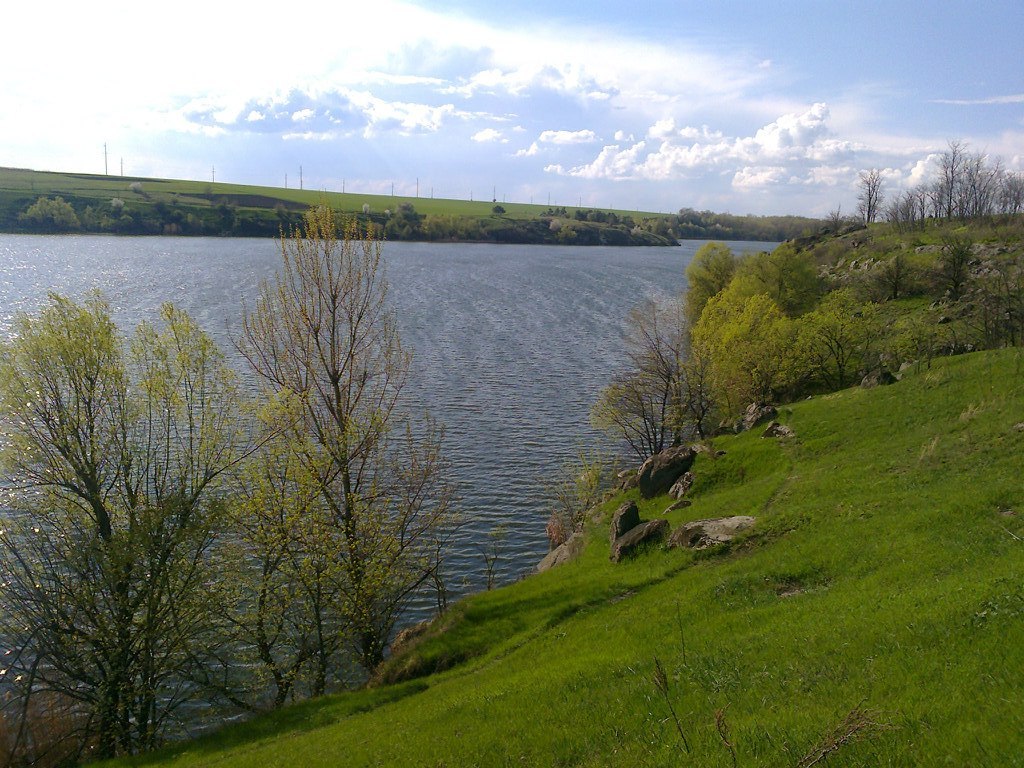
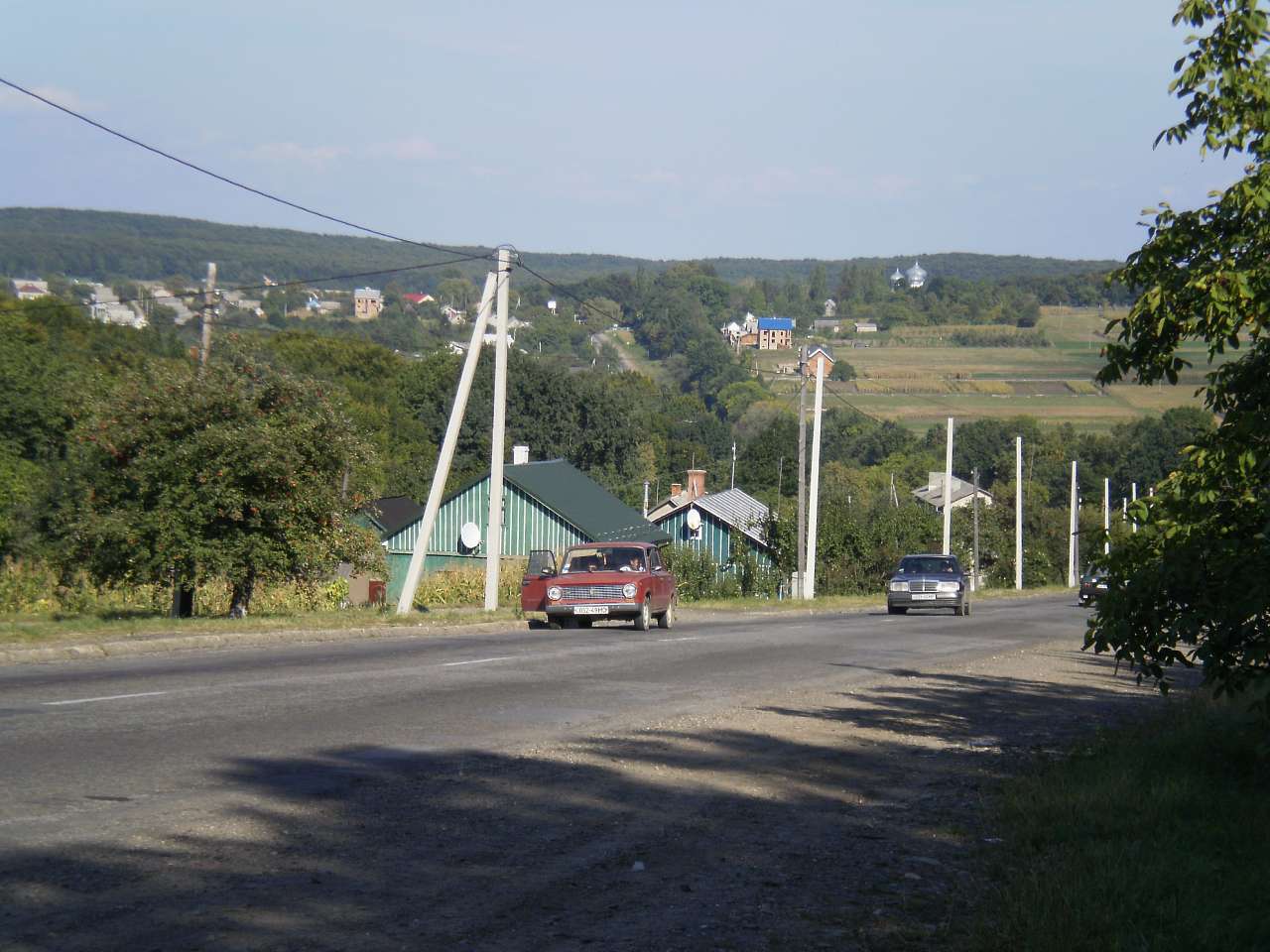
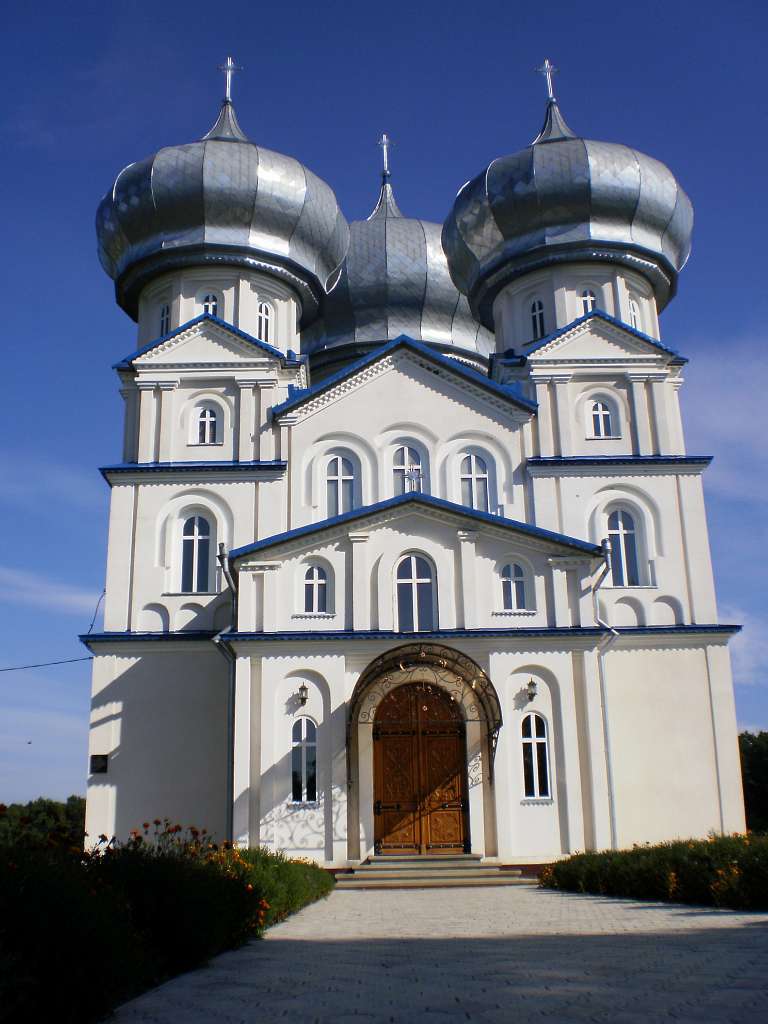
Hlybochok is a village in Ukraine, in the Velykokuchurivska rural territorial community of the Storozhynets district , Chernivtsi region. The village is located on the Hirskyi Tikych river. Its population is almost 1200 people. The district center of Storozhynets is 4 km away, and the regional center of Chernivtsi is 20 km away.
The first mention of the village dates back to 1718. There are two main versions of the village's name: from the deep part of the river, where Hlybochok is located, or from the crossroads in the center, which divides it into 4 parts, each belonging to neighboring villages. In the times of Kyivan Rus, the main line of military fortifications - snake ramparts 10-20 meters high - passed through the settlement to protect against attacks by the steppe people.
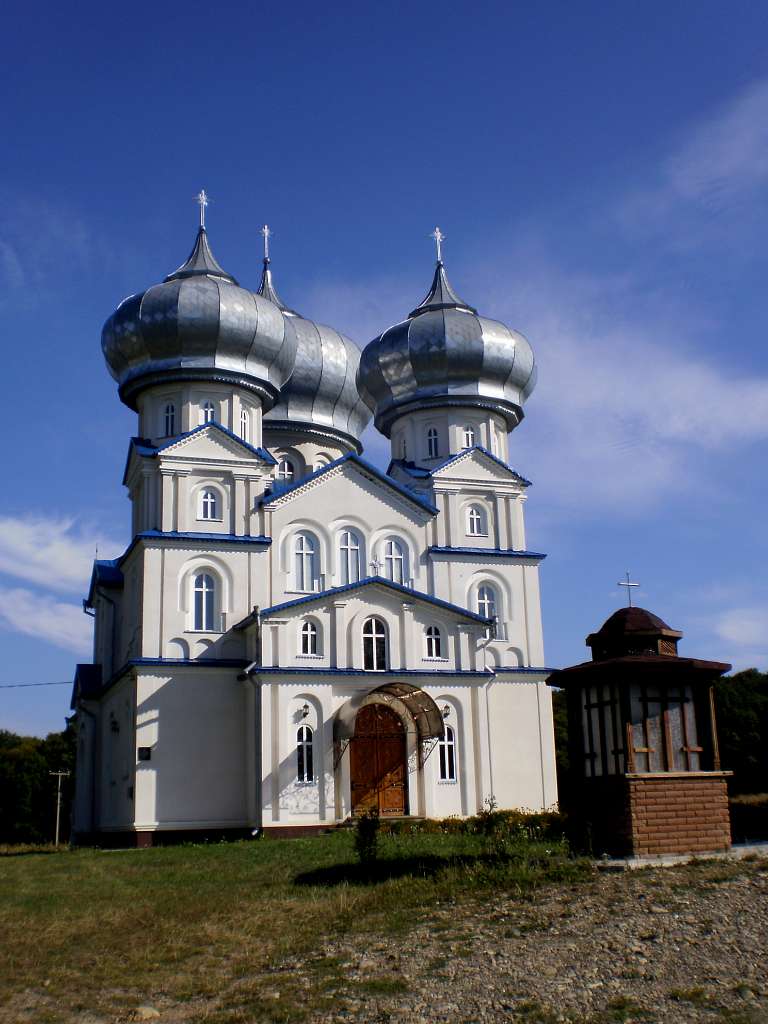
The village's most interesting feature is a two-meter-high beehive church located on both sides of the Chernivtsi-Storozhynets road.
Hlybochok is a beautiful village in the Pidhirna Mountains that fascinates with its amazing beauty, hardworking people, and good hosts. Hlybochok has its own history, which reflects the main events of social life that took place over the centuries in Bukovyna. There are many legends, poems, and stories about the sorrows and joys of village life that are still alive among its inhabitants today. The village is located in a hilly and wooded area, dissected by ravines and gullies. The village got its name from a small stream that originates in the forests near the village of Ropcha and later turns into a small river called Hlybochok.
Historically, there is a crossroads in the center of the village. It divides the area into four parts, each of which belongs to a neighboring village. One street goes to Kamianka, another to Sniachiv, another to Storozhynets, and the biggest one to Stari Broskivtsi.
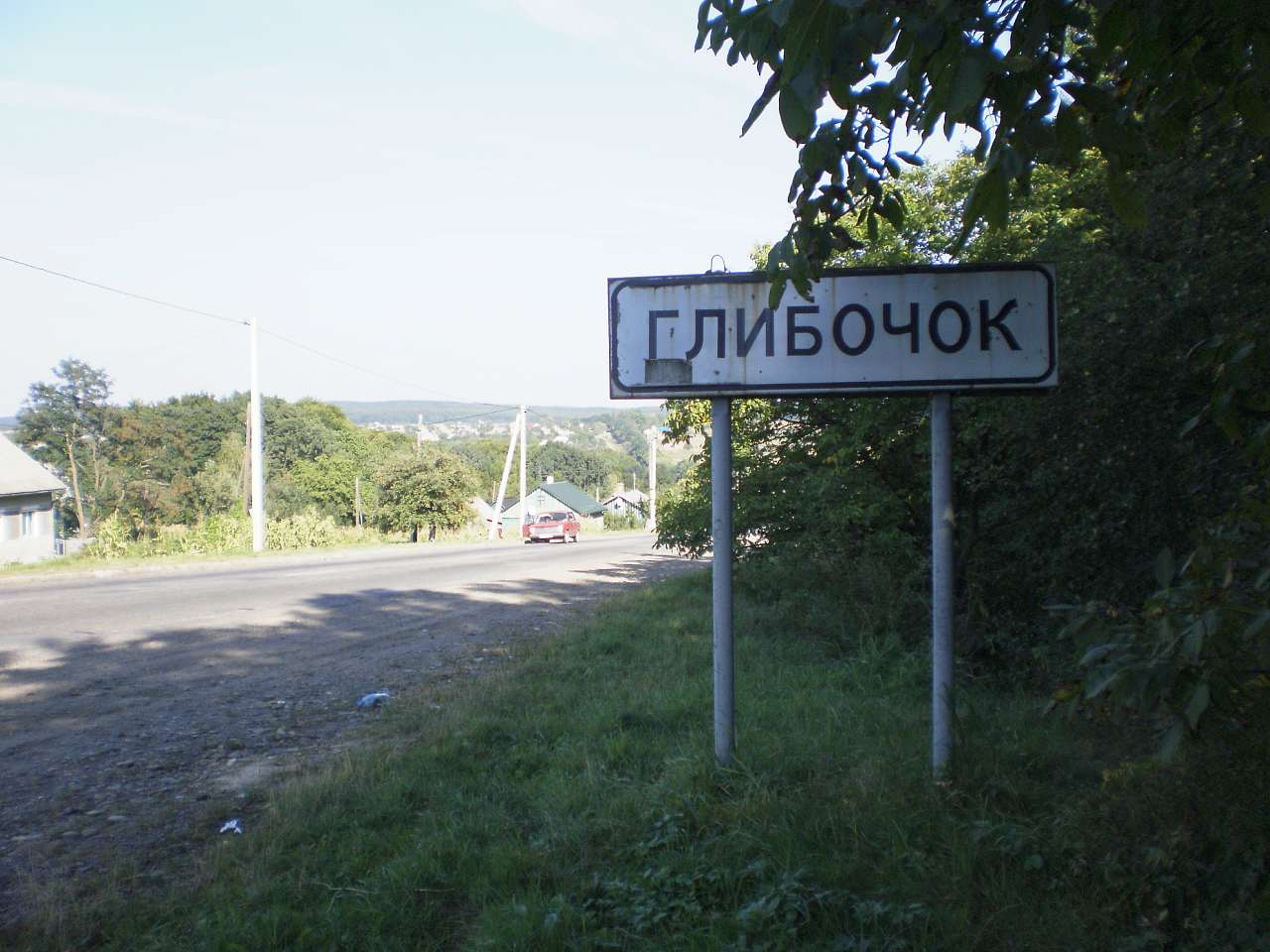
And although the neighbors often actually belong to different communities, local resident Mykola Adamovych says: "This intersection has become a kind of crossroads of unity, which, at first glance, is only a name, but in fact unites us all in many ways."
However, the village does exist on the map of the district. There is even a sign with this name at the entrance to it. Therefore, in order not to confuse the readers, we will call this beautiful place in Bukovyna Hlybochok. This village certainly looks different from its wealthy "neighbors" - Kamianka and Mykhalcha. It is too simple and poor. It is not developed in a modern way. More than 1200 people live in the village, which is 500 yards. Several families have many children. There is a small share of those who go abroad to work. But there is a large proportion of young people who are in no hurry to return to Hlybochok after graduation. The village is small, but it has its own school, church, club, shops, a paramedic and obstetric center, and a library.
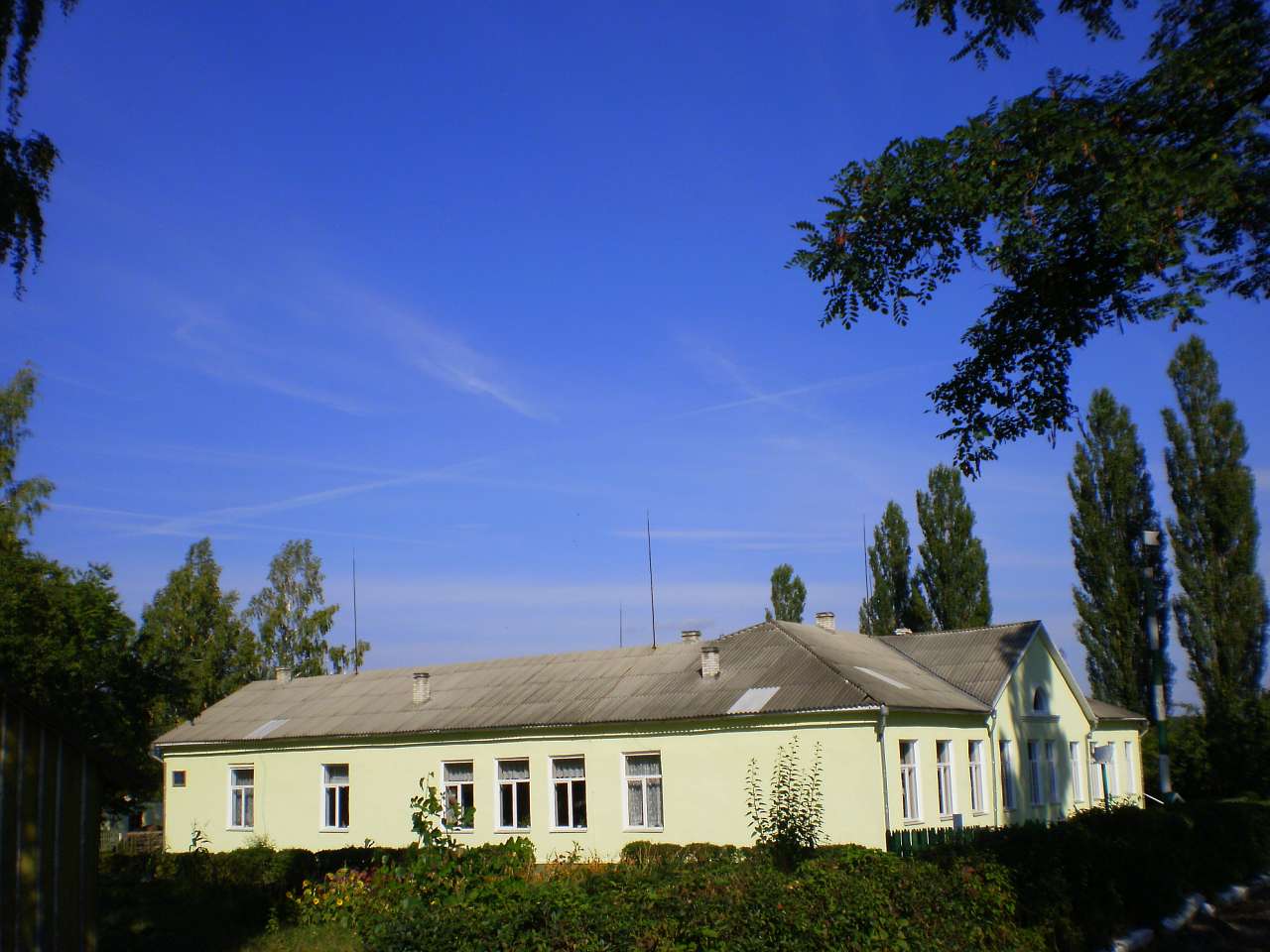
The current school building was originally a kindergarten. Later, it was reorganized into Starobroske kindergarten school, then into Starobroske primary school. More recently, in 1999, Hlybochky school of I-II levels was opened here. The school has 105 pupils. There are classes with 8 pupils, and there are classes with 16 pupils. Students in grades 10-11 have to continue their education in schools in Storozhynets. There is no kindergarten at all, although parents would be happy to send their children to childcare facilities. "It would be ideal to create an educational complex, but the problem is that there are not enough premises. Think about it, 9 classes - 9 rooms, a teacher's room and that's it. There is no gym. Physical education is held in the corridor, and in clear weather - outside.
So, there are enough inconveniences, but no prospects. Despite the fact that the village was gasified more than five years ago, the school still uses stove heating. And the school management sees only advantages in this. "Even in severe frosts, the classrooms are warm. We burn as much as we need, we don't save, we heat the stoves from the corridor, so there is no dust or smoke in the classrooms. If we find a sponsor for the gasification of the school, we certainly won't mind, but we are not complaining about what we have," says Valeria Ilyka, the school's head teacher.
St. George's Church
More recently, a magnificent church was built at the crossroads of four territorial communities and three streets - Nazariy Yaremchuk, Volodymyr Ivasyuk, and Ivan Mykolaychuk - as the embodiment of the dreams of all Hlybochok residents. It was on St. George's Day, May 6, 1999, that the foundation stone for this magnificent building was laid. It was only 12 years later that parishioners and guests gathered to consecrate the finally completed and decorated church according to all the canons. It was Mykola Adamovych Adamovych, along with the late Mircea Adamovych and Vasyl Nyahul, who first voiced the dream of building a church and then began to realize this idea. It is unnecessary to explain how many bureaucratic obstacles and various conventions were encountered.
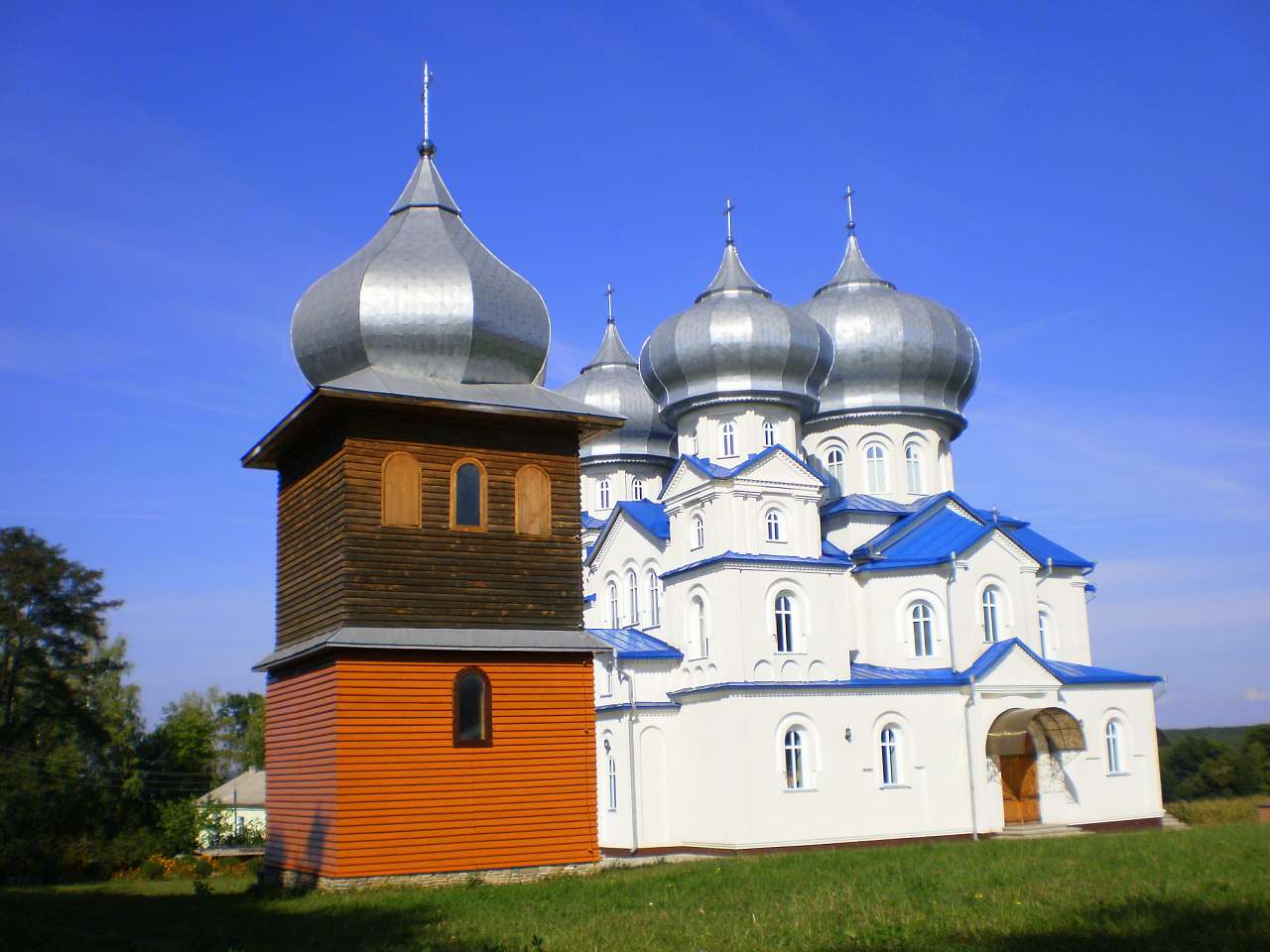
The service has been going on since the first day the first stone was laid in the foundation. Snow, rain, heat, and the faithful came to hear the sermon and bow their heads in prayer. Talking to the parishioners, one can hear about how they took turns working on the construction site, preparing lunches for the craftsmen hired from as far away as Galicia. The most active in the construction were H. M. Svereda and the Horokhivskyi family, the family of Mykola Adamovych, Maria Antoniak, and many others.
The village does not have its own village council, because the village belongs to different territorial communities in pieces. For more than 10 years, Hlybochok residents have been asking the authorities to secede and create their own infrastructure, from the village council to the kindergarten. "The villagers are suffering from the consolidation and optimization that the authorities are actively implementing across the country. This year, the post office was closed, and people have to go to the district to pay for utilities. We have never had a pharmacy at all. Pensioners, who often get sick, have to go to the district center to get medicine. And our village is not so sparsely populated to take away the most necessary goods for people's existence," says a resident of the village, MP M.I. Soltych.
Our village is small, but it is famous for its many folk craftsmen: woodworkers, embroiderers, and pysankaras. The famous Easter egg maker of our village is Stefaniia Kovaliuk.
She was born in the village of Stari Broskivtsi, in an ordinary peasant family that cherished and observed folk customs, traditions, and rituals. Every year, in the spring, on Maundy Thursday, before Easter, Grandma Frozina would bathe, put on a white linen shirt, cover her head with a white scarf, say a prayer, and sit down at the crib to "write" Easter eggs. The house was silent, only little Stefa watched her grandmother with interest and asked her about the secrets of pysanky making. Frozina's old grandmother was happy to answer her granddaughter's questions, instilling in her a love of folk traditions. At work, the grandmother told her granddaughter legends about pysankas and Easter eggs. Here is one of them.
"When evil people were leading Christ to be crucified on Mount Calvary, they threw stones at him. And little children who loved him very much ran ahead of them and gathered those stones in their bosom so that there would be fewer of them. So they would throw them out of his bosom, and they would turn them into Easter eggs! This is how the Mother of God thanked the little children for their good hearts. And every Christian has been painting Easter eggs since then to remind themselves and their neighbors that the Lord's Scripture is coming true and will come true to the end..."
Already at the age of 8, Stefa began to master the simplest elements of painting, because her grandmother was in a hurry to pass on her skills and talent to her only granddaughter. How happy her grandmother was that her granddaughter turned out to be capable.
Another well-known person, a woodworker, a man with golden hands, familiar with various woodworking techniques, is Mr. Dmytro Spinzak. He was born in 1952, in the mountain village of Zelene, Verkhovyna district, Ivano-Frankivsk region. Mr. Spinzak says that there are many craftsmen like him in the Hutsul region. His father, grandfather, and great-grandfather were engaged in carpentry. His grandfather and father built a house out of wood, and little Dmytro and his brothers helped them: they hewed, sawed, and cut wood. Their grandfather taught them how to make household utensils. Dmytro Mykhailovych says that his parents in the mountains still use wooden spoons, pancake pans, makogon, maglevnitsy (wooden washing boards), rockers, barrels, tubs, troughs, and they have a bowl, benches, and chairs.
When you visit Mr. Dmytro, you can see a wooden house made by the master's own hands in his yard. The owner is engaged in carpentry. He makes windows, doors, benches, and benches to order. To do this, he uses ancient tools: a teslo, a chisel, a chisel, a plane, a jointer. Spoonmaking is an integral craft in his work. He makes spoons, spatulas, ladles, wheelbarrows, forks, pounders, makohones, and table tops. For wooden utensils, the master harvests birch, linden, and sometimes pear wood. First, he makes blanks from the sawn wood, which he then processes with special spoonmaking tools: cutters, grinders, and knives. He makes more products in the winter and harvests wood in the summer. The wooden products are environmentally friendly, simple, not varnished, not painted, and slightly burnt. Mr. Dmytro earns the raw materials for his products in the forest, doing various jobs. He regrets that he does not have a son to whom he could pass on his skills. He said that if anyone wants to learn how to make woodwork, he will teach them. It is a sin to bury talent in the ground.
How we wish there were more people like him who cherish the traditions of our people and pass them on to the next generations. There are so few people who create such beauty, who pass on the spiritual world of the Ukrainian nation. It's scary to think that this art may disappear. Who else but us can revive it? We have to make a lot of effort to create an atmosphere where young people do not shy away from the national heritage. Only by comprehending the past, by knowing the origins of one's culture and history, can one clearly understand the present and imagine the future. "The one who does not know his past," M. Rylsky was fond of repeating, "is not worthy of the future.
A bright Ukrainian flavor,
The village is proud of its bright Ukrainian color,
Simply dressed with thyme flowers,
From which the sun has risen to heaven.
It is impossible to cover it all and not to sleep
The soul of that rural honey flower,
And the golden rye is sprouting,
Peering at the world with cornflowers.
Warmed by Slavic love
My village is from my ancestors and grandfathers,
Blessed by human labor
And God's Spirit from time immemorial.
I feel my roots here,
From which I live, breathe and grow,
For I am of the land of sacred creation,
And therefore I have a holy mission
To do good, to believe, to love
On this ancient sunny land,
And to protect it with all my heart,
What was born here, in my native village.
She puts on a viburnum necklace
And puts the sun's bread on a towel...
My village is my holy cradle,
My native thyme Hlybochok...Halyna Tkachenko
What to visit
Landmarks, museums and places of interest near Hlybochok.
 SightStorozhynets Arboretum and Orenstein EstateStorozhynets6.3 km from the centreThe Storozhynets Arboretum is the largest park in the Chernivtsi region, included in the list of natural monuments of national importance.
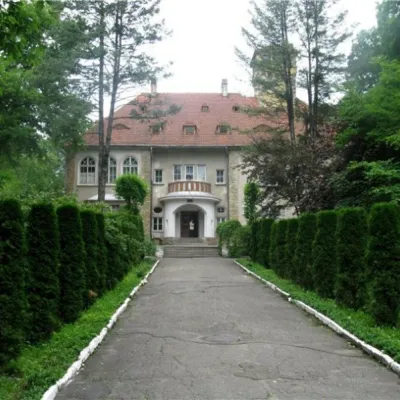
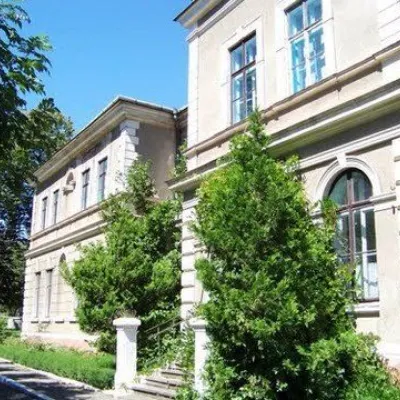 ArchitecturePalace of the Skibinetsky familyHlyboka13 km from the centreOne of the coziest Bukovyna palaces, the Skibinetsky estate, has been preserved in the village of Hlyboka in the Chernivtsi region.
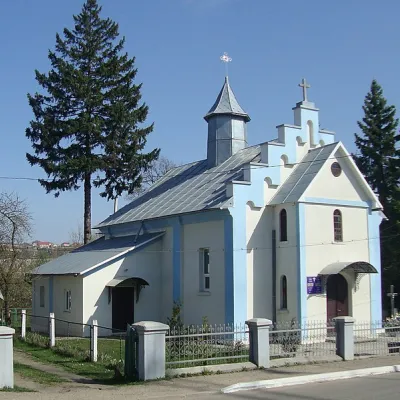 Historic site"Church of Our Lady of Sorrows" HlybokaHlyboka13 km from the centreThe first written mention of the village of Hlyboka dates back to 1438, in 1919-1940 it was called Adynkata, since 1940 it has been the center of the Hlyboka district,...
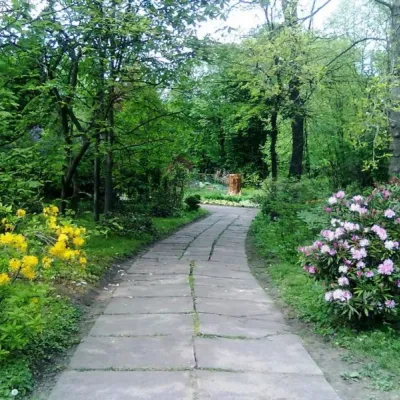 Nature"Arboretum and Botanical Garden of Chernivtsi National University" ChernivtsiChernivtsi16 km from the centreThe Botanical Garden of Chernivtsi National University is a protected area of national importance in Ukraine.
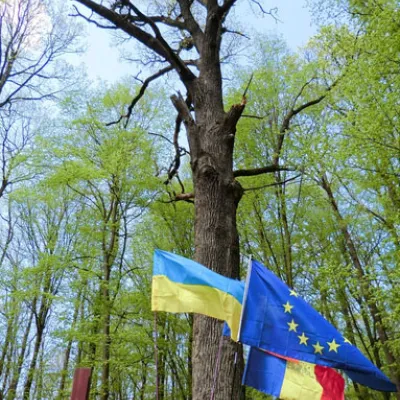 NatureOak by Stefan cel Mare, Valya KuzminaHlyboka district16 km from the centreThe historic oak tree, which is more than half a millennium old and is said to have been planted by Moldovan voivode Stefan the Great, grows in the Valya-Kuzmin forestry.
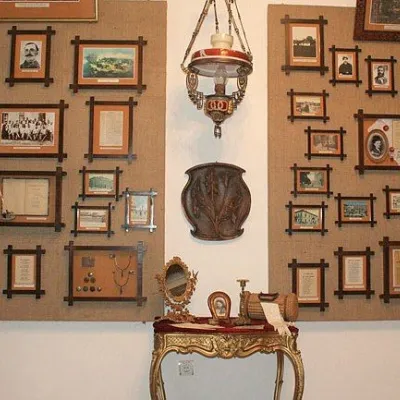 MuseumLiterary and Memorial Museum of Yuriy Fedkovych, ChernivtsiChernivtsi17 km from the centreYuriy Fedkovych – the most prominent writer of Bukovina, an educator of the region and an active public figure, whose name is borne by the famous Chernivtsi University.
Craft nearby
All craft places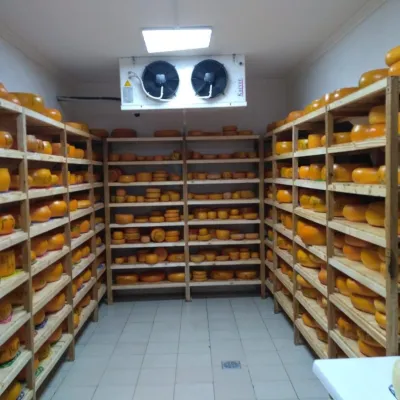 Cheese dairies & pasturesDobri Gazdy Cheese Dairy, MykhailivkaTarashany15 km from the centreDobri Gazdy cheese dairy in the village of Mykhailivka is one of the best-known food stops in Bukovyna and a fine example of how a community can breathe new life into...
 Crafts & workshopsBukovynskyi Local Makers' Shop, ChernivtsiChernivtsi17 km from the centreBukovynskyi is a new craft and gift shop in the very heart of Chernivtsi, at 13 Hoholia Street, a few steps from pedestrian Olha Kobylianska Street.
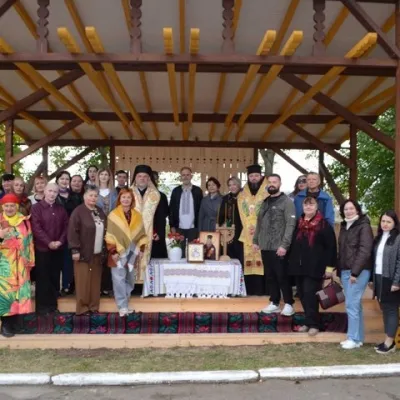 Crafts & workshopsFolk Craft Workshops at the Bukovynian Centre of Culture and Arts, ChernivtsiChernivtsi17 km from the centreThe Bukovynian Centre of Culture and Arts is the main hub of folk art in Chernivtsi Oblast. It stands on Dominik Hill in the Klokuchka district, at 1-A Yosyfa Hlavky...
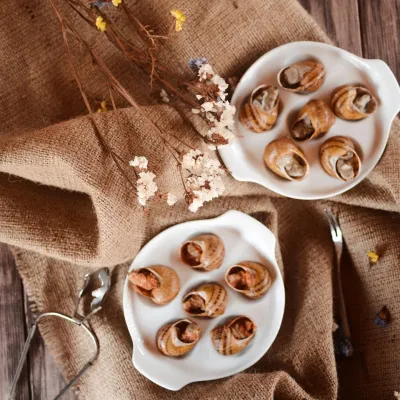 Eco farmsBukovynskyi Ravlyk Snail Farm, Striletskyi KutMamaivtsi20 km from the centreBukovynskyi Ravlyk is a family snail farm in the village of Striletskyi Kut, just 10 km from central Chernivtsi.
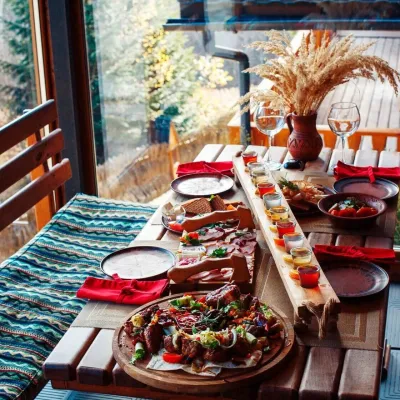 Koliby & Hutsul cuisineKolyba of the Karpaty complex, MyhoveMyhove34 km from the centreThe Kolyba in Myhove is the restaurant of the Karpaty cottage complex on the main street of Myhove, Bukovyna’s ski resort in the Vyzhnytsia district.
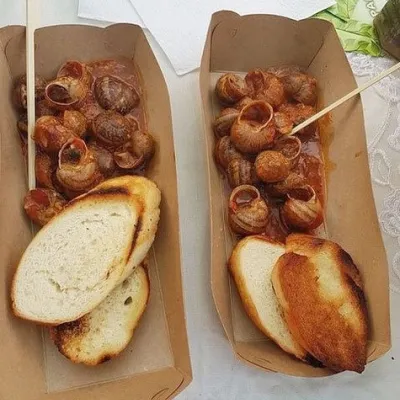 Eco farmsPrykarpatskyi Ravlyk Snail Farm, BahnaBahna45 km from the centrePrykarpatskyi Ravlyk snail farm is one of the few food farms in the Vyzhnytsia area that welcomes visitors not just to buy produce but for a proper farm visit.
Where to stay
Hotels, guesthouses and cottages in and around Hlybochok.
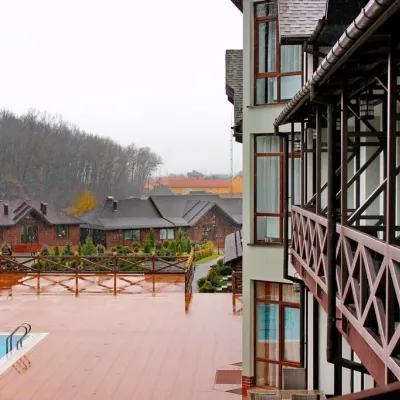 HotelHotel and Restaurant Complex "Georg Park" (Tarashany)Tarashany16 km from the centrePoolSaunaBBQNearby: Oak by Stefan cel Mare 4.2 kmChurch of Our Lady of Sorrows 7.5 km
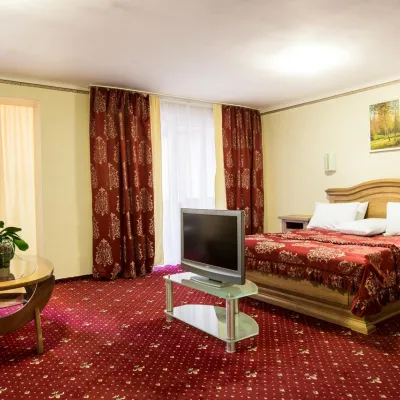 HotelHotel "Bukovyna" Chernivtsi ****Chernivtsi16 km from the centrePoolSaunaSPANearby: Armenian Church 1.3 kmSoborna Square 1.4 km
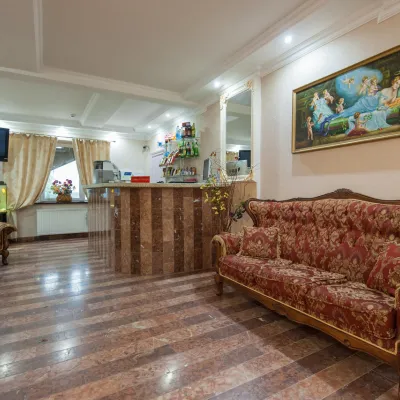 HotelHotel "LeoTon" ChernivtsiChernivtsi17 km from the centreParkingWi‑FiTransferNearby: Armenian Church 3.2 kmSoborna Square 3.4 km
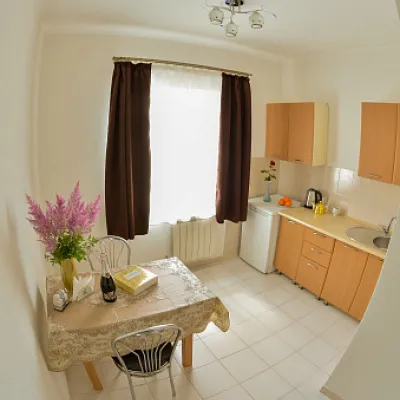 Hostel"Grand Hostel" Chernivtsi Prutska, 24Chernivtsi18 km from the centreParkingWi‑FiTransferNearby: House-ship 900 mArmenian Church 1.5 km
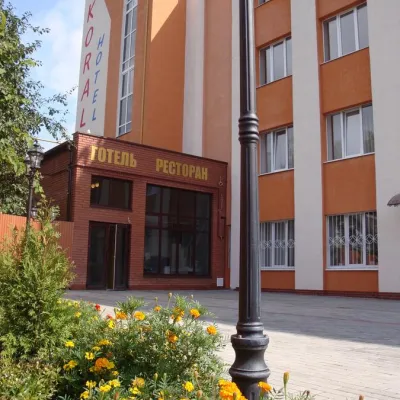 HotelHotel-Restaurant Complex "Koral" ChernivtsiChernivtsi19 km from the centreSaunaBBQParkingNearby: Armenian Church 2.8 kmSoborna Square 3.2 km
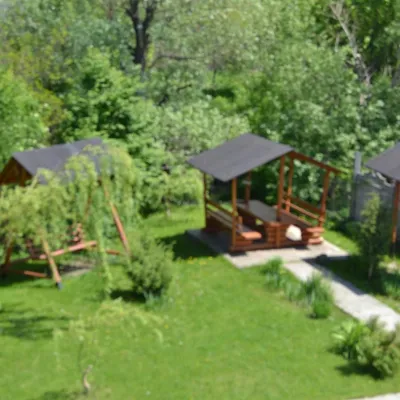 HotelHotel "Pride" MykulychynMamaivtsi20 km from the centreHotel "Pride" is located in the village of Mykulychyn, 9 km from Chernivtsi and 41 km from the "Myhovo" resort.Nearby: St. John's Church 1000 mChurch of St. John of Dukla 5.4 km
Peaks nearby
All peaks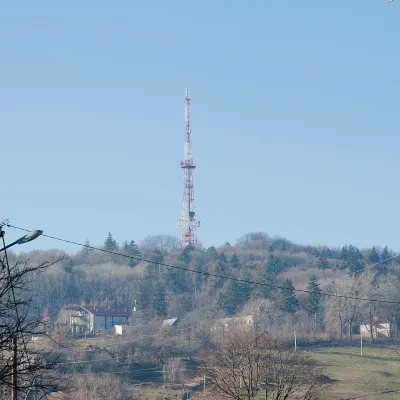 PeakMount TsetsynoChernivtsialtitude 537 m14 km from the centreTsetsyno is the highest hill of the Chernivtsi Upland, 537 m high (538 m according to other data). It rises on the western outskirts of Chernivtsi, near the Rosha...
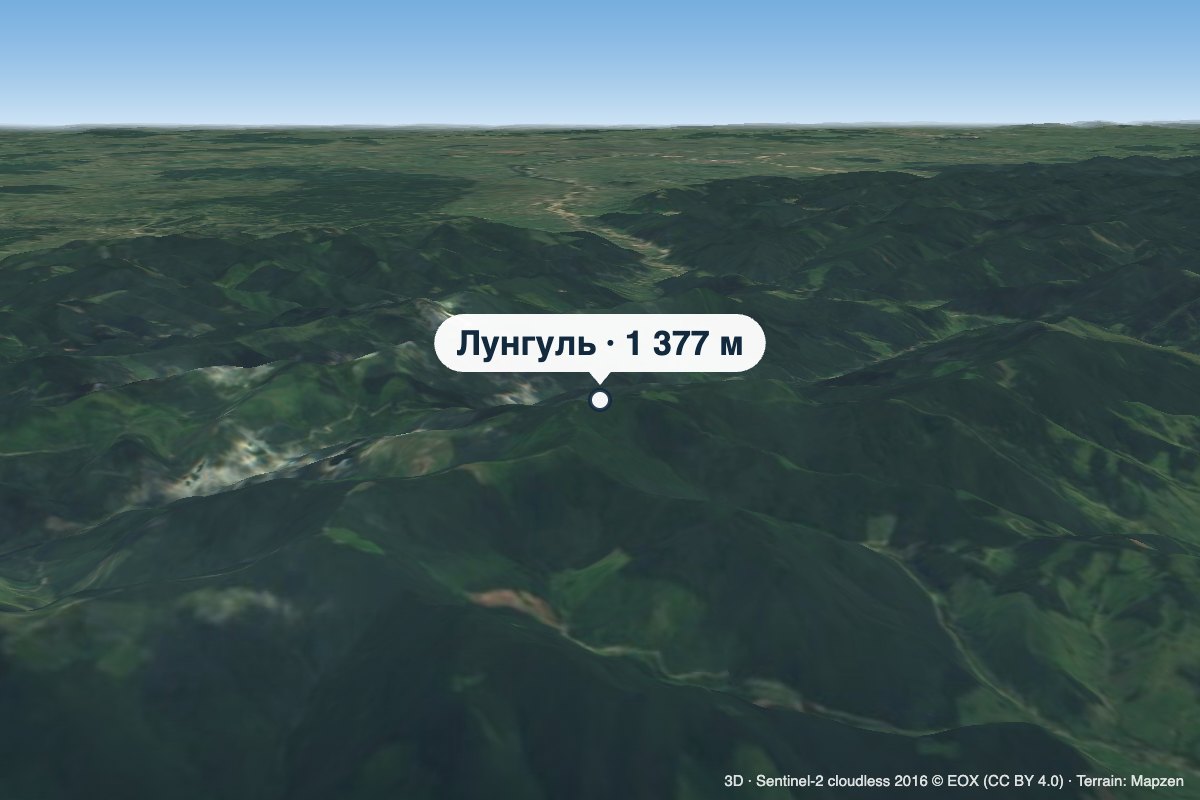 PeakMount LunhulRuskaaltitude 1 377 m45 km from the centreLunhul is a 1,377 m summit (1,377.4 m exactly) in the Pokuttia-Bukovyna Carpathians. It stands on the boundary of the former Vyzhnytsia and Putyla districts of...
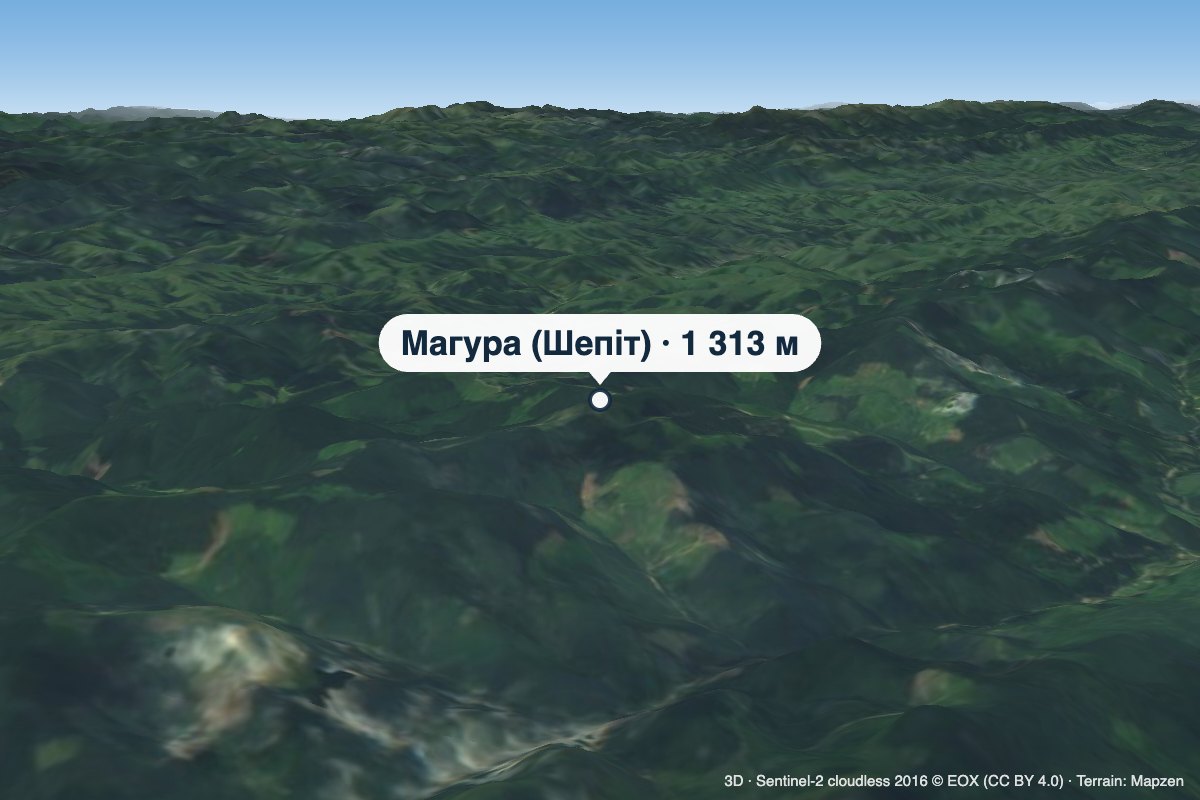 PeakMount Mahura (Shepit)Dolishnii Shepitaltitude 1 313 m · Pokuttia-Bukovyna Carpathians range45 km from the centreMahura is a 1,313 m mountain in the Pokuttia-Bukovyna Carpathians, on the Dovhyi Hrun ridge. It lies in the Vyzhnytsia district of Chernivtsi Oblast, south of the...