Church of the Assumption of the Blessed Virgin Mary, Dubivtsi
The Church of the Assumption of the Blessed Virgin Mary in Dubivtsi is a striking example of churches in Bukovyna, a building made exclusively of wood, included in the list of the best temple buildings in the Hutsul region. It is located in the central part of the village and is the main architectural dominant of Dubivtsi. The Church of the Assumption of the Blessed Virgin Mary is a functioning wooden church with a bell tower on the left bank of the Prut River.
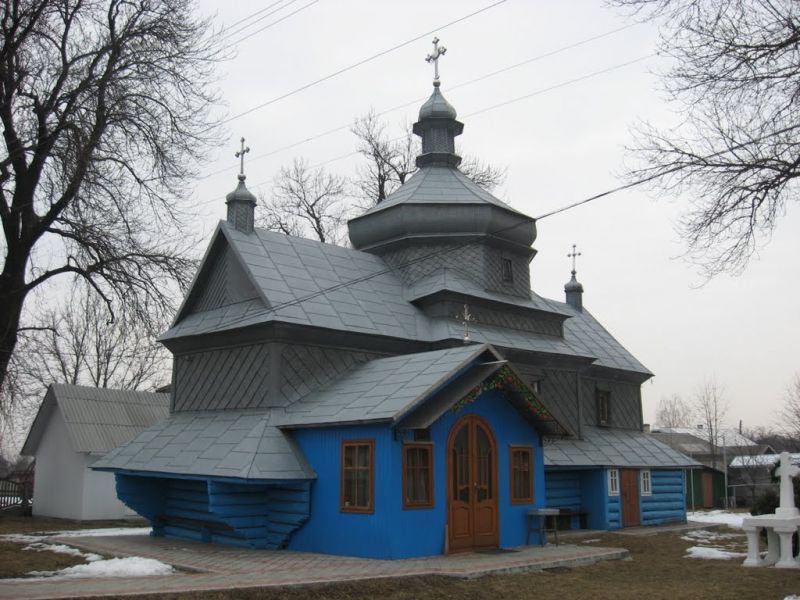
According to a local legend, the church was moved to Dubivtsi from the neighboring village of Hlynytsia. The temple was built in 1775 and 7 years later, in 1782, it was reconstructed, as evidenced by a plaque on one of the walls of the church. The main decoration of the church is an octagonal dome. However, the Church of the Assumption in Dubivtsi failed to preserve its original appearance. Several years ago, in order to avoid the loss of the church and the threat of fire hazard, it was decided to cover its roof with galvanized iron, which greatly affected the architectural and historical attractiveness of the cathedral.
The Church of the Assumption of the Blessed Virgin Mary is one of the earliest examples of the Bukovinian version of a three-tiered one-story church, the construction of which some authors even associate with the seventeenth century. This church is three-story, but unlike the "hut" type of churches, they have a dome over the central log house. The Assumption Church in Dubivtsi is a typical example of this type of church. The only difference between the log ceiling of the Assumption Church and similar structures in Bukovynian hut-type churches is a noticeable increase in its height and an increase in the vertical proportions of all elements without exception. The nave is wider than the altar and the chancel, and is lit on both sides by two double rectangular windows. The upper part of the nave has two folds: the lower one is tetrahedral, and the upper one is octagonal with a decorative dome. The walls of the church are surrounded by a wide fence, which rests on tall figured consoles that form the logs from the first lower crown.
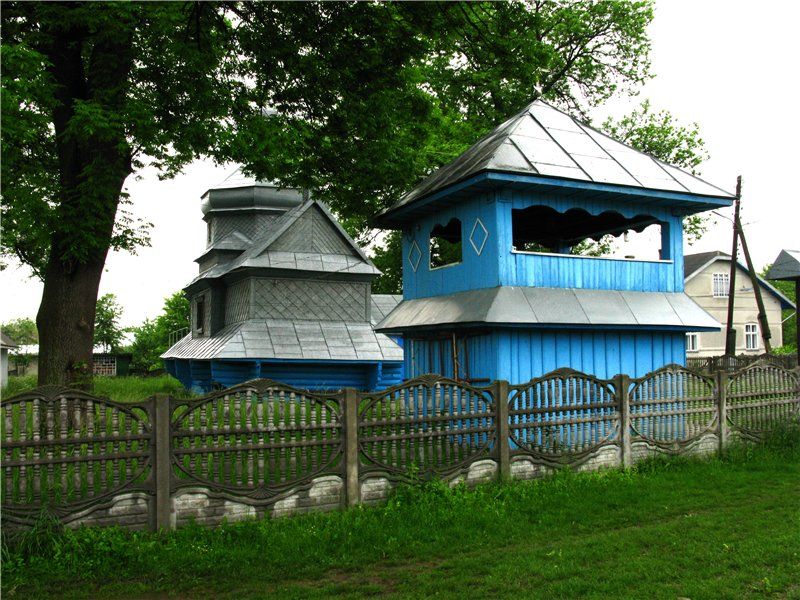
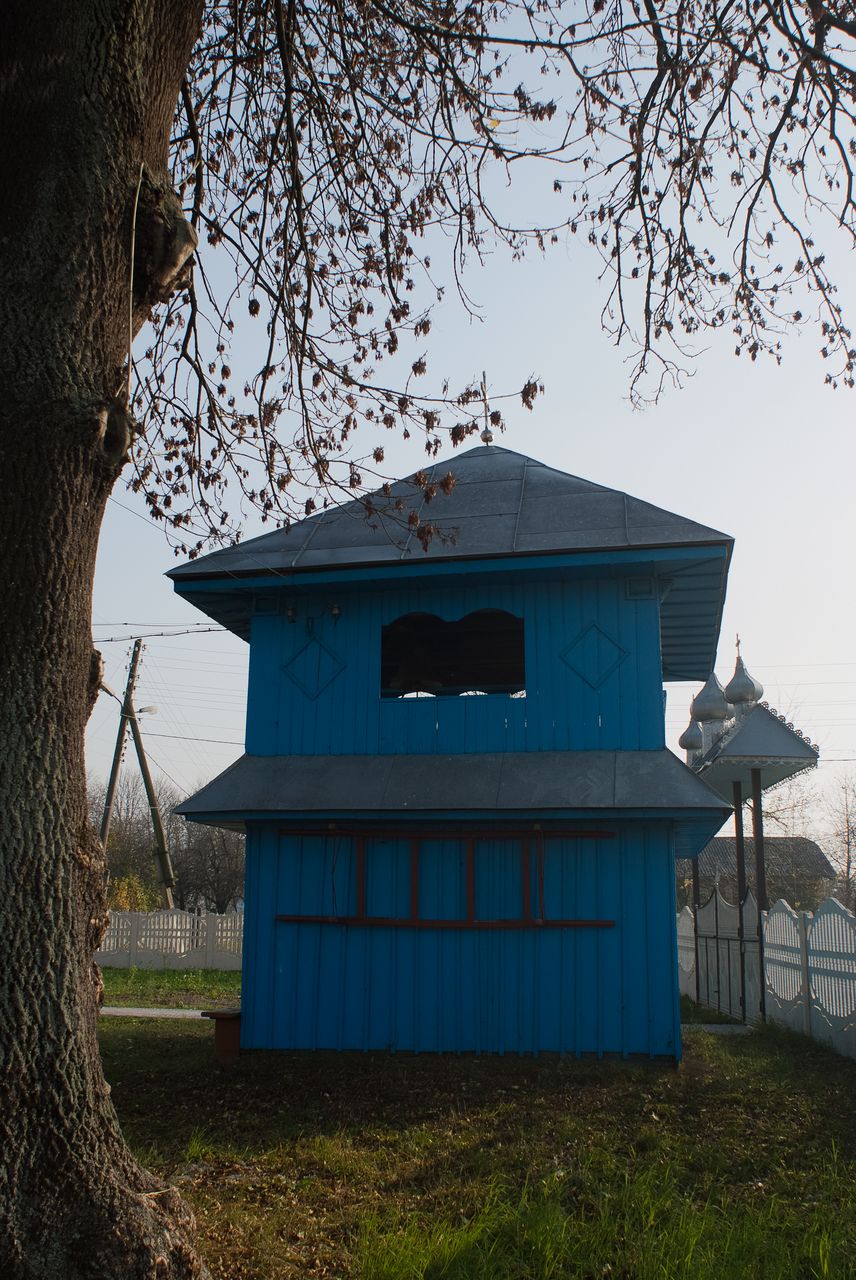
The complex of the Church of the Assumption of the Blessed Virgin Mary includes a wooden two-tiered square bell tower located to the west of the church. The exact date of its construction is not specified in the sources, but an analysis of its architectural, artistic, proportional, and structural features suggests that it was built at the same time as the church. The building belongs to the traditional Ukrainian type of two-tiered wooden bell tower, the 1st tier of which is a square log house, and the 2nd tier is an openwork arcade-gallery with a low four-pitched tent at the end.
The church dates back to 1775, and in 1782 it was rebuilt, as evidenced by the inscription above the door in the narthex. It is located in the center of the village and is its dominant feature. According to a local legend, the church was moved to Dubivka from the neighboring right-bank village of Hlynytsia.
The interior decoration easily compensates for the external modification of the temple. The main pearl of the cathedral is a five-tiered iconostasis decorated with carvings. Particular attention is drawn to the carving of the royal gate, which includes the icons "Annunciation" and "Four Apostles", as well as a faint relief of grape leaves.
The church icon "The Mother of God with Child" attracts attention. The Virgin's face type is absolutely Ukrainian: small lips with rather plump lips, large brown eyes and strongly bent black eyebrows. She tenderly bends her head toward Christ, who is painted in an unusual pose for him, "Oranta," with both hands raised in prayer. It seems that the temple, the iconostasis, and the painting were conceived and executed in close collaboration by talented carpenters-architects, carvers, and painters. Apparently, they were brought up on the traditions of high art of the seventeenth and eighteenth centuries.
It is worth noting that the Assumption Church in Dubivtsi is associated with the names of two famous Ukrainian singers, Orest and Denys Rusnakov, both of whom were members of the local church choir.
The village of Dubivtsi is located just 22 kilometers northeast of Chernivtsi, a small but historically valuable place. You can get here both by private and public transport: suburban buses, trains, and taxis. The Church of the Assumption is located in the central part of the village, and its octagonal dome will be a landmark for tourists.
The first written mention of the village of Dubivtsi and the first settlements, according to archaeological data obtained from excavations in 1966, appeared in the "Yeshkiv" tract - ancient Slavic settlements of the Cherniakhivska culture of the II - V centuries AD and in the "Hora" tract - an ancient Rusyn settlement of the 12-13th century. For the first time, in 1464, the village of Dubivtsi was mentioned in the chronicles found. The name of the village comes from the oak forest. Initially, the name was used in the singular form - Dubovets, and from the end of the 18th century (1782) it was called Dubivtsi. There is also a legend about the origin of the village. Two brothers named Tsyhanchuk, fleeing from Basarabia from the Turkish enslavers, wandered into the forest near the Prut. They were handsome, statuesque, tall and strong, like two oaks. The brothers built their homes in the forest. They started farms and families. And their children were strong, tall and beautiful, like oaks. Hence the name of the village. There is something to see in this small village for an architecture lover. Almost at the beginning of the village, to the right of the road, a two-story light green house from the Austrian times, similar to a small palace, will attract attention. This house, built in 1914 by Baron Shymonovych, served as his family estate for several years. Nowadays, the village council is located here. Further, on the left, there is a church-chapel built by the Shymonovych (although there is evidence that the church dates back to the eighteenth century), which, unfortunately, stands empty with its doors boarded up right in the center of the village. The complex of buildings in Dubivtsi is included in the list of monuments of national importance. It is a wooden Assumption Church with a bell tower. It dates back to the late seventeenth century. The church was rebuilt in 1782, as evidenced by the inscription on the door of the Babynets. Local legend says that the shrine was moved to the village from the neighboring Hlynica, which lies on the opposite bank of the Prut River. The old church fence, also made of wood, has been preserved. Although the word "also" now refers more to the square two-tiered bell tower. The temple itself is now, as is common in Bukovyna, clad in tin.Dubivtsi is a village located in the Kitsman district, Chernivtsi region. The distance to the regional center is 19 km. The population is 1318 inhabitants. The village has the following institutions: post office, police, medical institution, banking institution, educational institution, club, library, local history museum. The main population is Ukrainians. The villagers are engaged in farming and animal husbandry, entrepreneurial activity and work in various institutions.
Accommodation around Church of the Assumption of the Blessed Virgin Mary, Dubivtsi:


Which trails pass by Church of the Assumption of the Blessed Virgin Mary, Dubivtsi?
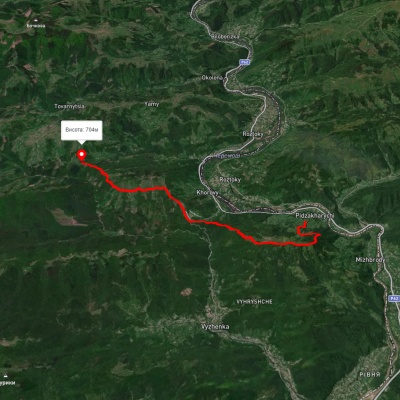
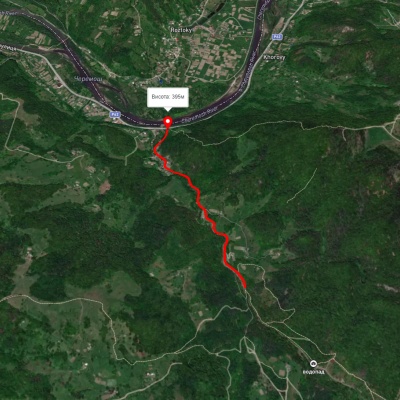
We suggest these hiking trails through or near Church of the Assumption of the Blessed Virgin Mary, Dubivtsi: Nimchych Pass – Protiate Kaminnia, Smuharski Waterfalls