Tanyava
Kalush district · Ivano-Frankivsk region
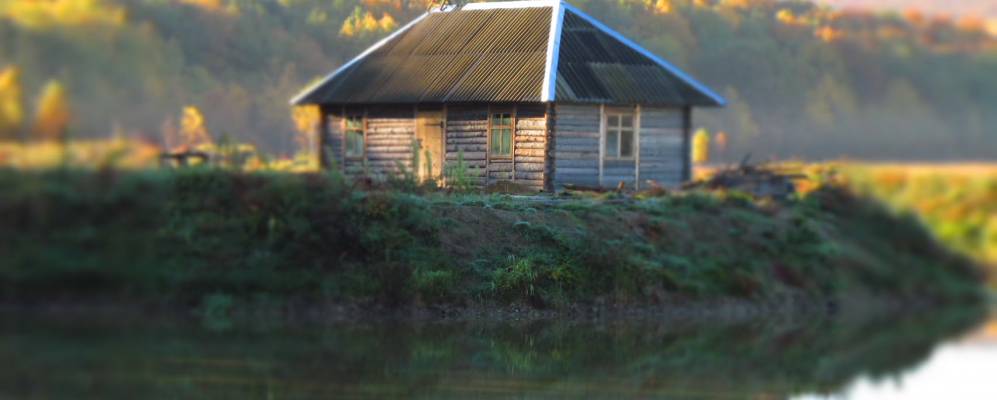
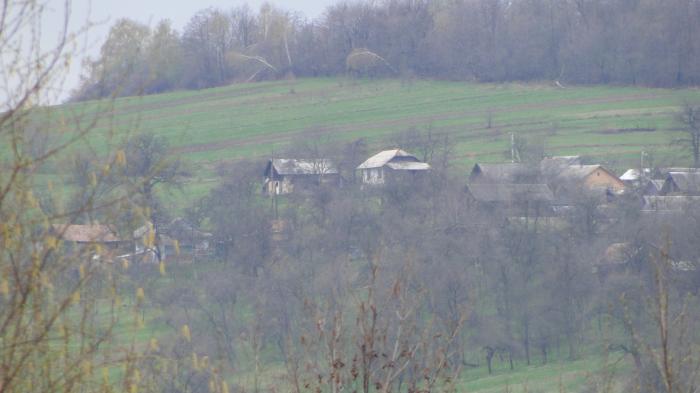
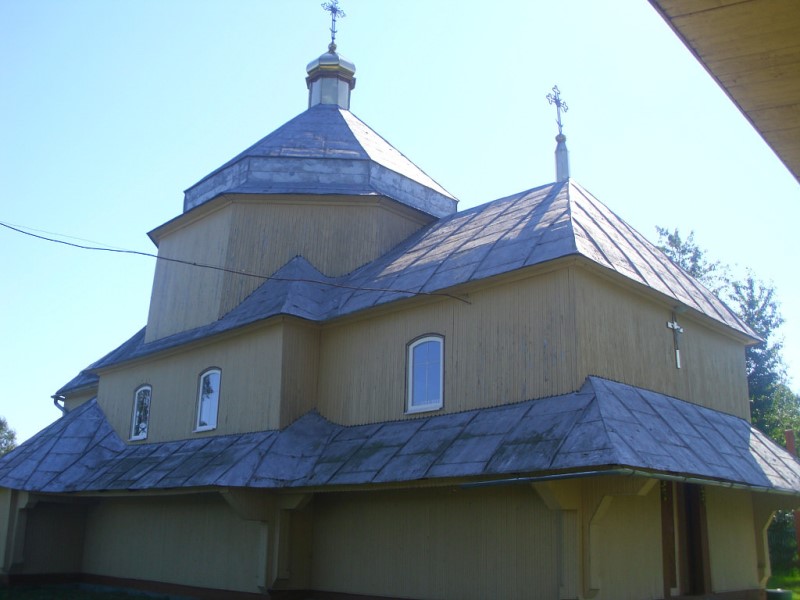
Taniava is a village in the Bolekhiv City Council of Ivano-Frankivsk Oblast. It is located in the very east of Ivano-Frankivsk region within the Carpathian region and in the lower reaches of the river stream Zhyzhava. The village was known for its firewood harvesting for the cities of Stryi and Bolekhiv. Since the beginning of the 20th century, the village has become known throughout Galicia for the discovered oil deposits, which were pumped out here (later, an entire oil and gas field of hundreds of kilometers was named after the village). During World War II and years later, the village became notorious: first, in the forest near the village, the German invaders killed the Hebrews, residents of the cities of Bolekhiv and Stryi, and after the war, soon after, most of the villagers of Taniava were deported to Siberia by Soviet party members (for their cooperation with the UPA).
The village of Taniava is located on the border of Lviv and Ivano-Frankivsk regions, in the foothills of the Carpathian Beskydy near the Hrabnyk mountain range (662 m). The village lies in the lower reaches of the Zhyzhava stream, which originates 4 kilometers up the mountain ridge. Taniava is located not far from the town of Bolekhiv (5 kilometers northeast of the town center), and borders on villages in Lviv oblast: Verkhnia Lukovytsia and Horishne (to the north), Rozgirche (to the west), Smolyany (to the east), and Tysove, in Ivano-Frankivsk Oblast, across the mountain range (to the southeast). Living in a foothill area, most of the villagers work on their farms and in the forestry, and also have the opportunity to work at the enterprises of Bolekhiv.
Throughout its long existence, the village of Taniava has left a defining mark on the history of the region. Years, decades, and centuries pass, and Mrs. History continues to pull out forgotten and unknown events of the past from her kufryk. One of these events for the villagers of Taniava (and the whole region) was the airborne reconnaissance operation of 1950, when 4 fighters for a free Ukraine sacrificed themselves for the sake of future generations. And despite the fact that the airborne raid near Taniava was exposed, its echo was reflected in the subsequent historical events of the village of Taniava and was imprinted in the memory of its inhabitants with its sacrifice and historical foresight.
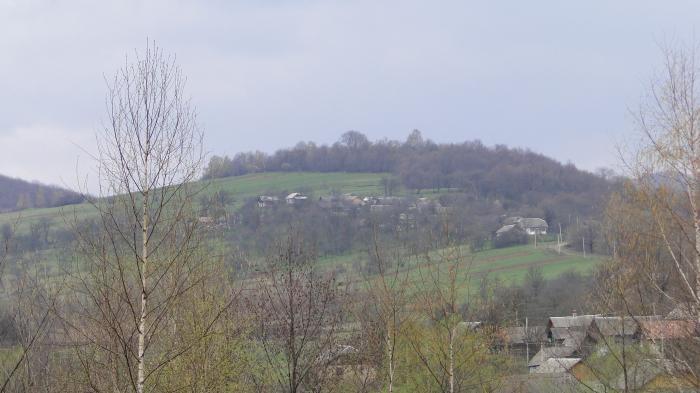
Taniava is a village that had, and still has, a significant economic and resource potential. For the first centuries after the village was founded, its inhabitants were engaged only in agriculture, having reclaimed their patches of fields from the forest - they grew wheat, rye, and vegetables. The wealthier villagers were also engaged in animal husbandry (keeping cows, oxen, pigs, and sheep).
From the middle of the 19th century, Taniv residents had a new source of income, which was associated with the first economic sprouts of that time. There was a great demand in the region for wood, which was plentiful around the village: a considerable amount of timber was used in the sweatshops near Stryi, in the saltworks of Bolekhiv, and in the homes of the residents of Stryi and Bolekhiv. Thus, local peasants were able to earn extra money by harvesting timber for the lords and delivering it to different parts of the region, and partially improved their situation. Thus, before the First World War, the small-land peasantry, where the richest owner had only 12 morgues of field, was well developed and began to revive: the basis of this wealth was income from the formed artels, from work at Bolekhiv industrial enterprises, and from the transportation of fuel from Taniava to Stryi (the average earnings from the transportation of one wagonload of fuel from Taniava to Stryi was 15 crowns).
The 20th century was marked by greater economic growth in Taniava. Due to its geographical location and the availability of certain natural resources, the village received a boost in its economic development. Unfortunately, the villagers were not able to fully benefit from the dividends of the wealth of the environment and mineral resources: first, the ruling Poles and the Hebrew moneylenders exploited them and left them with almost nothing in the early 20th century, and then the Soviet commissars exploited the villagers and mineral resources of Taniava even more, leaving future generations with oil slicks, deforested forests, and depleted meadows and fields.
Before the 2nd World War, people started talking about Tanyava again, and the reason was the discovery of "black gold" - oil. However, the exploitation of Tanyava's subsoil began years later and the village became known throughout Galicia, and the name of an entire oil and gas field with an area of hundreds of kilometers was given to the village (Tanyava oil and gas field). And after almost half a century of ruthless exploitation of the earth's subsoil, the people of Tanyava are left with dilapidated pumping wells and contaminated areas of forest and fields.
- Tanyava-1 is a protected tract in Ukraine. It is located within the Bolekhiv City Council of Ivano-Frankivsk Oblast, southwest of the village of Taniava. The area is 29 hectares. The status was granted according to the decision of the regional executive committee dated 19.07.1988 No. 128. It is managed by the State Enterprise "Bolekhivskyi State Forestry" (Bolekhivske forestry, block 5, view 12). The status was granted in order to preserve a part of the forest with a highly productive beech plantation aged about 110 years. The protected tract is located in the lower mountain belt of the Carpathians, on the northeastern outskirts of the Skole Beskydy massif;
- Tanyava-2 is aprotected tract in Ukraine. It is located within the Bolekhiv City Council of Ivano-Frankivsk Oblast, southwest of the village of Tanyava. The area is 7 hectares. The status was granted according to the decision of the regional executive committee of 19.07.1988 № 128. It is managed by the State Enterprise "Bolekhivskyi State Forestry" (Bolekhivske forestry, block 15, view 4). The status was granted in order to preserve a part of the forest with a highly productive beech plantation aged about 120 years. The protected tract is located on the northeastern outskirts of the Skole Beskydy massif.
What to visit
Landmarks, museums and places of interest near Tanyava.
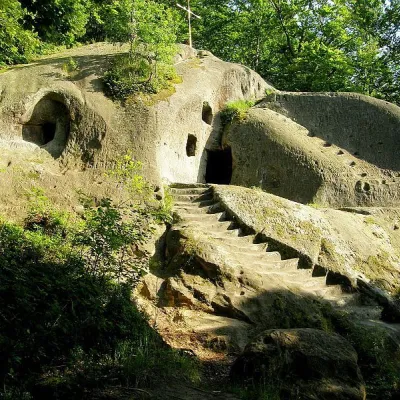 SightRock and Cave Monastery in RozgircheRozghirche4.8 km from the centreWhen traveling in western Ukraine, don't forget to check out the small village of Rozgirche in the Lviv region.
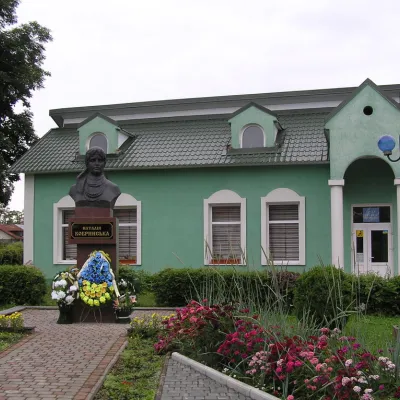 MuseumNatalia Kobrynska Museum (a branch of the Roman Skvoriy Museum), BolekhivBolekhiv5.9 km from the centreThe city of Bolekhiv has a museum of the famous Ukrainian writer Natalia Kobrynska, founded in 2005. The museum is a branch of the Bolekhiv Historical Museum.
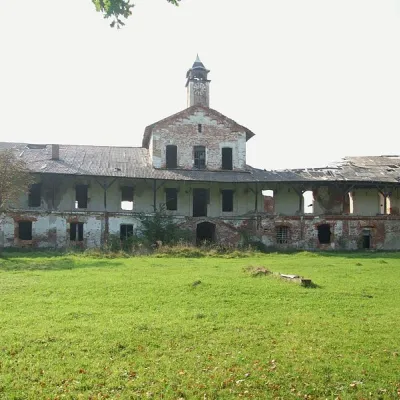 Historic siteSaltworks, BolekhivBolekhiv7.4 km from the centreAnd the development of the town itself was partly due to the presence of rock salt deposits.The first saltworks in Bolekhiv appeared in 1546.
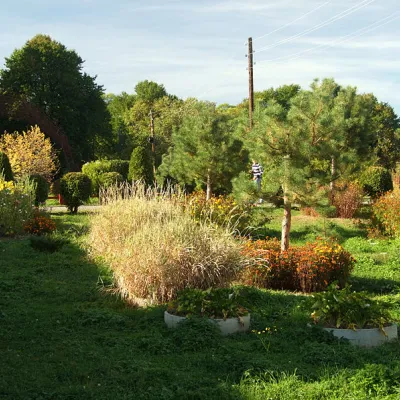 NatureArboretum Park - a monument of landscape art, BolekhivBolekhiv7.9 km from the centreArboretum Park is one of the oldest parks in Ivano-Frankivsk region. It is located in the Ivano-Frankivsk region, in the city of Bolekhiv, at 14 Zamkova Street ...
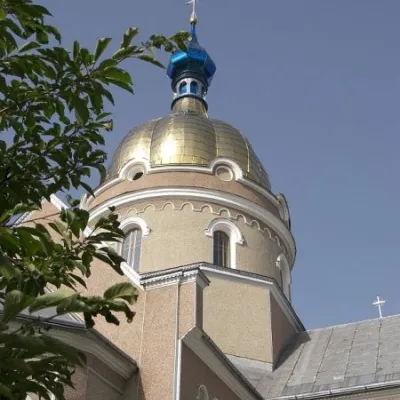 ChurchChurch of the Holy Myrrh-Bearing Women, BolekhivBolekhiv8.5 km from the centreIn the town of Bolekhiv, there is the Church of the Holy Myrrh-Bearing Wives, built in 1906. Originally, a wooden church of the same name stood on this site.
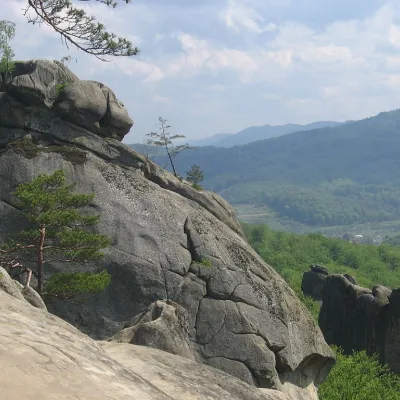 NatureDovbush Rocks in the Village of BubnysheBubnyshche9.5 km from the centreThe complex "Dovbush Rocks" is a natural monument of national significance, a unique monument of history and architecture from the early Middle Ages.
Craft nearby
All craft places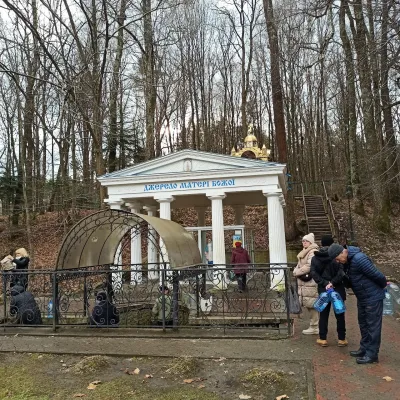 Theme parksSpring No. 4 of the Mother of God, MorshynMorshyn8.8 km from the centreSpring No. 4, also known as the Spring of the Mother of God, is Morshyn’s most famous mineral spring and probably the resort’s best-loved spot.
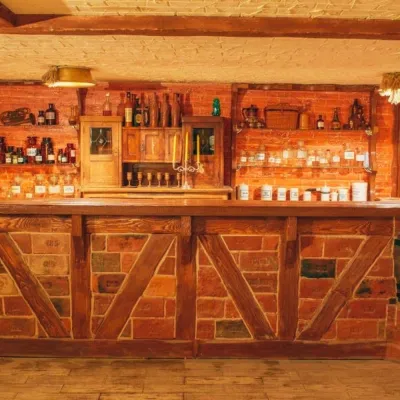 Honey & meaderiesChorna Bdzhola Meadery, VyhodaVyhoda22 km from the centreChorna Bdzhola (“Black Bee”) in Vyhoda is a small, cosy meadery in the Kalush district of the Ivano-Frankivsk region, where you can learn how drinking mead was...
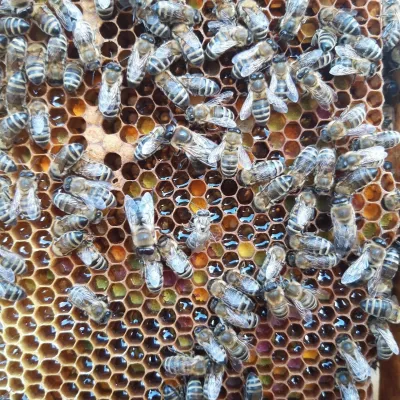 Honey & meaderiesBdzholyna Khata Apiary, DobrohostivStebnyk23 km from the centreBdzholyna Khata (Bee House) apiary is a family apiary in the village of Dobrohostiv, which adjoins Truskavets on the east along the continuation of Stebnytska Street.
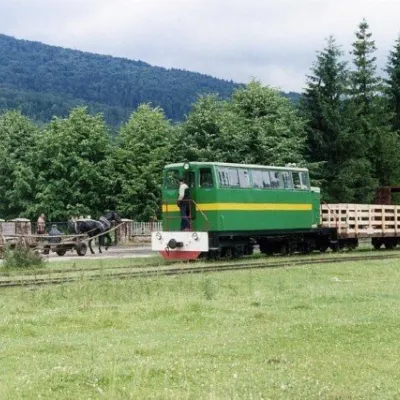 Heritage transportCarpathian TramVyhoda23 km from the centreIn 1873, Austrian entrepreneur Baron Leopold Popper von Podgari moved the headquarters of his company from Hungary to Galicia.
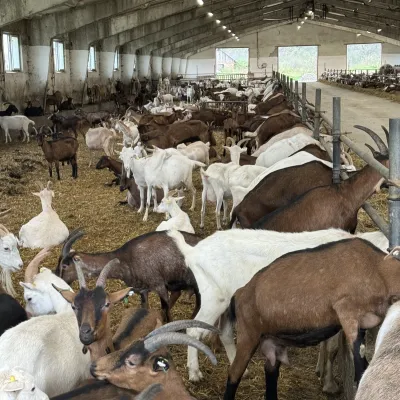 Eco farmsMukko Dairy Farm, UherskoLviv region25 km from the centreMukko (Prykarpattia Dairy Farm) is one of the best-known cheese addresses in the Lviv region, located in the village of Uhersko near Stryi, about 20 km from the...
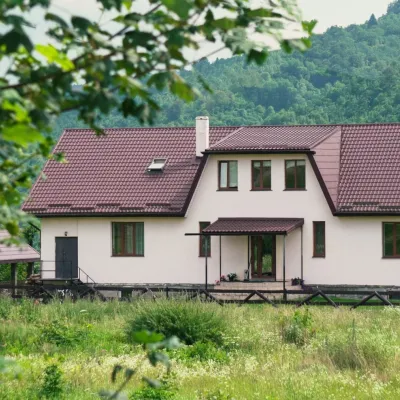 Ethno parks & homesteadsU Dvori Ethno Complex, PidhorodtsiPidhorodtsi25 km from the centreU Dvori ethno complex is a family homestead in the village of Pidhorodtsi near Skole, set on a hill above the Stryi river valley a few kilometres from the Tustan rock...
Where to stay
Hotels, guesthouses and cottages in and around Tanyava.
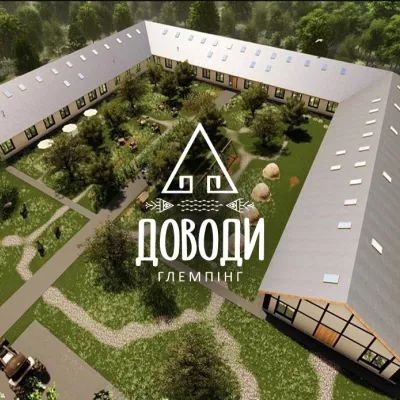 CottageGlamping "DOVODY"Tukholka2.8 km from the centreGlamping "DOVODY" is the best place for a family vacation. Our glamping is a space of harmony, tranquility, and family relaxation.Nearby: Natalia Kobrynska Museum 6.4 kmCentral pump room 6.5 km
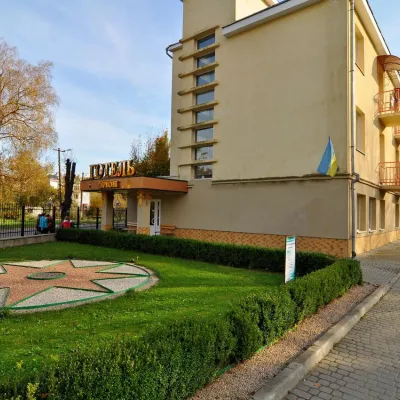 HotelHotel "Orion" MorshynMorshyn8.9 km from the centreSaunaSPAKidsNearby: Central pump room 200 mNatalia Kobrynska Museum 7.6 km
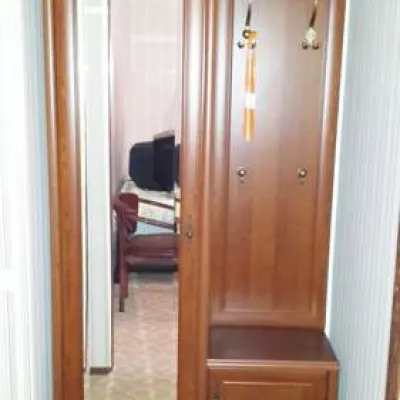 HotelHotel "Villa Anna"Morshyn9 km from the centreParkingNearby: Central pump room 100 mNatalia Kobrynska Museum 7.7 km
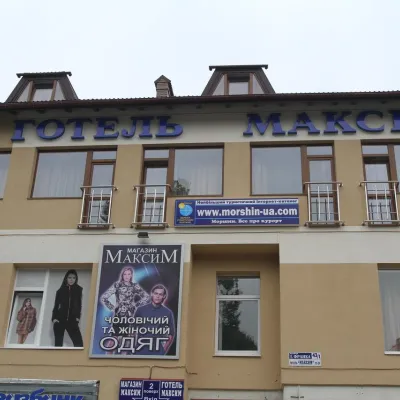 HotelHotel "Maksym"Morshyn9 km from the centreParkingNearby: Central pump room 100 mNatalia Kobrynska Museum 7.8 km
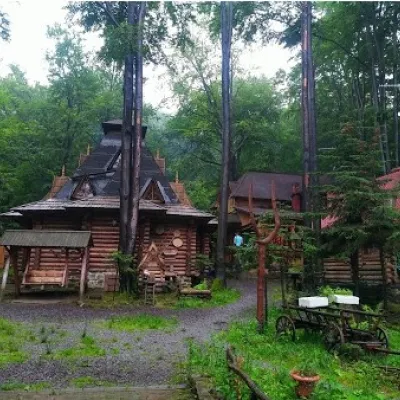 CottageTourist Complex "SKELYA" BubnyshcheBubnyshche9 km from the centreSaunaBBQKitchenNearby: Mountain Polyanytske Lake 5.0 kmMt Klyuch 5.9 km1 trail
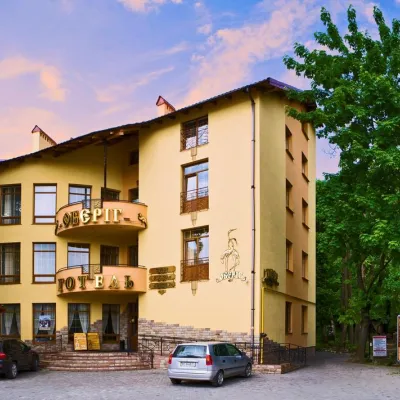 HotelHotel "Oberih" in MorshynMorshyn9.1 km from the centreTransferNearby: Central pump room 500 mNatalia Kobrynska Museum 8.1 km
Trails nearby
All trails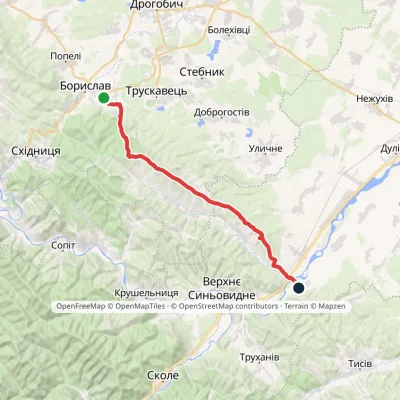 HardTwo-dayMarkedNo. 506 Boryslav RozghircheElevation profile347–808 m30.2 kmascent 536 m≈ 8.5 h walking5.6 km from the centre
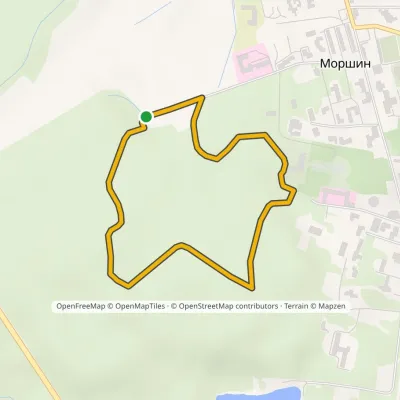 EasyOne-dayMarkedNo. 5007 Morshyn: Nordic walkingElevation profile347–381 m3.2 kmascent 31 m≈ 45 min walking7.7 km from the centre
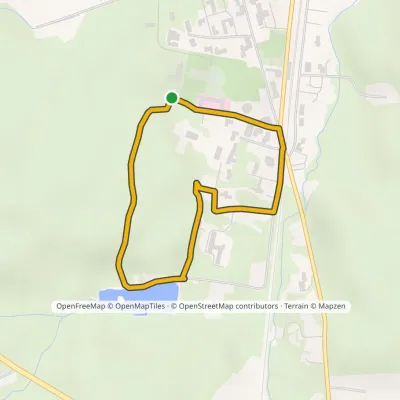 EasyOne-dayMarkedNo. 5006 Morshyn: Nordic walkingElevation profile333–370 m3.1 kmascent 25 m≈ 45 min walking8 km from the centre
Peaks nearby
All peaks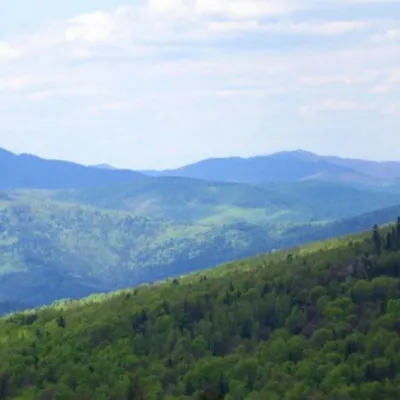 PeakMount KlyuchKamiankaaltitude 927 m · Skole Beskids range13 km from the centre1 trail to the topMount Klyuch is one of the peaks of the ridge in the Skole Beskydy, which starts from the Sukel River (Bukivets village of Bolekhiv City Council) and closes the valley...
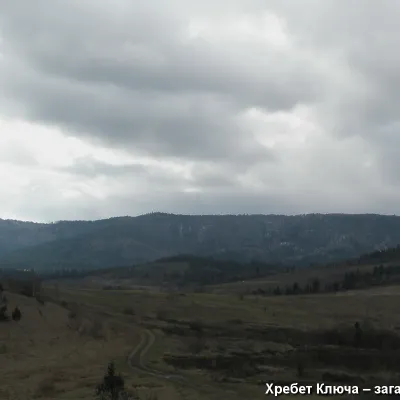 PeakMount YavorinkaTrukhanivaltitude 940 m14 km from the centre1 trail to the topThe top of Mount Yavorinka is 940 meters above sea level. Mount Yavorinka is the highest peak of the Klyucha ridge, steep from the north and completely forested.
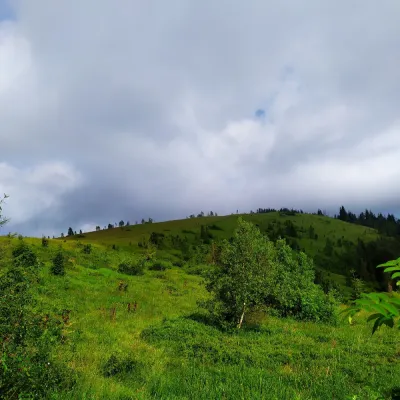 PeakMount YavorinaIvano-Frankivskaltitude 1 131 m21 km from the centreMount Yavorina is located near the village of Lypa in the Dolyna district of Ivano-Frankivsk region, with a height of 1131 meters.