Velyka Turia
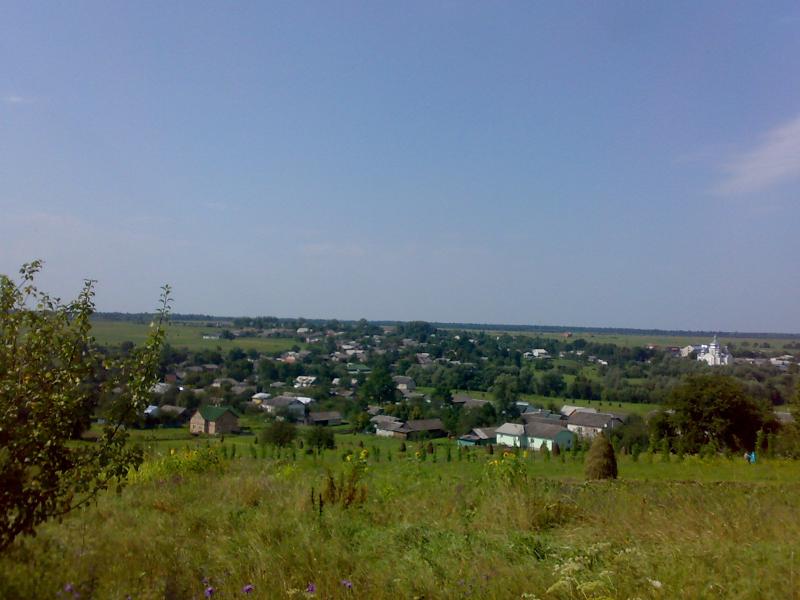
Velyka Turya is a village in the Dolyna district of Ivano-Frankivsk region. Velyka Turya is one of the largest villages in Dolyna district. It is located 27 kilometers from the town of Dolyna and stretches for 7 kilometers along the Turyanka River. In the village, the Dryzhyn stream flows into the Turyanka.
According to legend, there used to be turs here, which is where the name of the village came from. Another version is that the village inherited its name from the Turyanka River, which flows from the Mala Turya mountainous area.
The first mention in written sources is on April 24, 1498. However, a stone hammer from the Bronze Age found here shows that people began to settle here much earlier.
The village was formed through the unification of the hamlets of Banya, Danylivka, Kamianka, Selyshche, Pryima, and Balany. According to legend, there was a "princely road" from Bolekhiv to Turya, the closest way to the mountains from Halych. It was allegedly used by princes to go hunting. There used to be a 30-meter-deep well in the forest near the village of Banya, from which peasants drew brine (liquid salt). The salt mine with the tower was called "banya", which is where the name of the village came from. There was also a clay quarry in Banya (clay was used to lubricate houses and stoves).
In 1648, the villagers took an active part in the popular uprising, for which they were massacred after Bohdan Khmelnytskyi's troops left. In the late eighteenth and early nineteenth centuries, the village was owned by Ivan Horodianskyi, then by the Belinski family. In 1939, there were 3050 inhabitants in the village (2715 Ukrainians, 35 Poles, 30 Latin, 270 Jews), and 310 inhabitants in the Shyroke Pole village (20 Ukrainians, 10 Poles, 10 Jews, and 270 Germans).
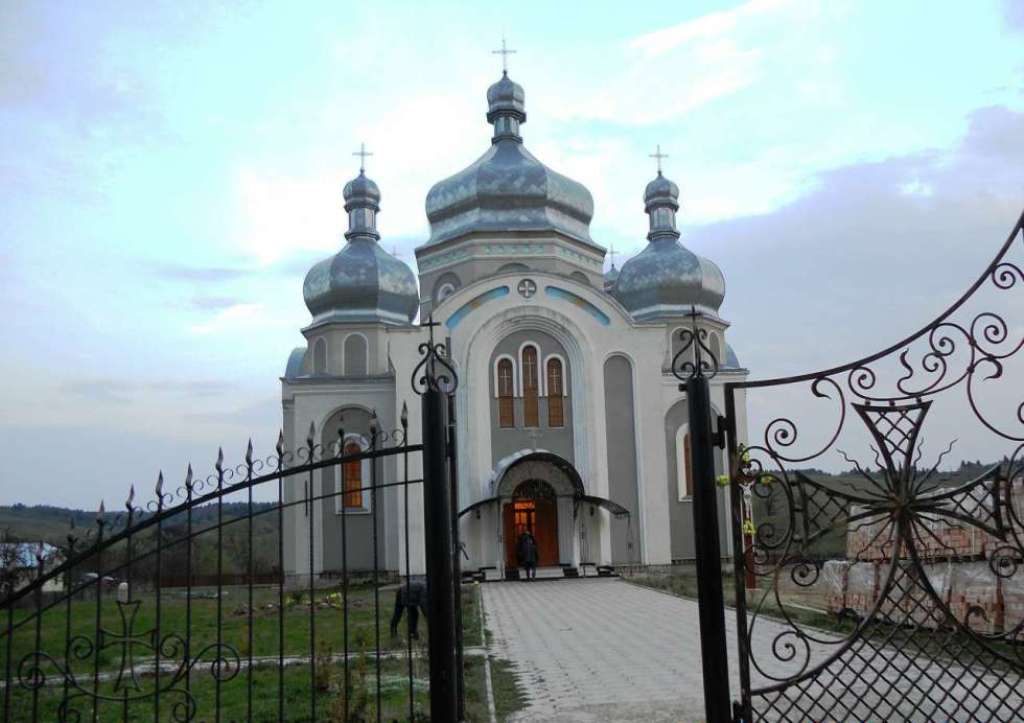
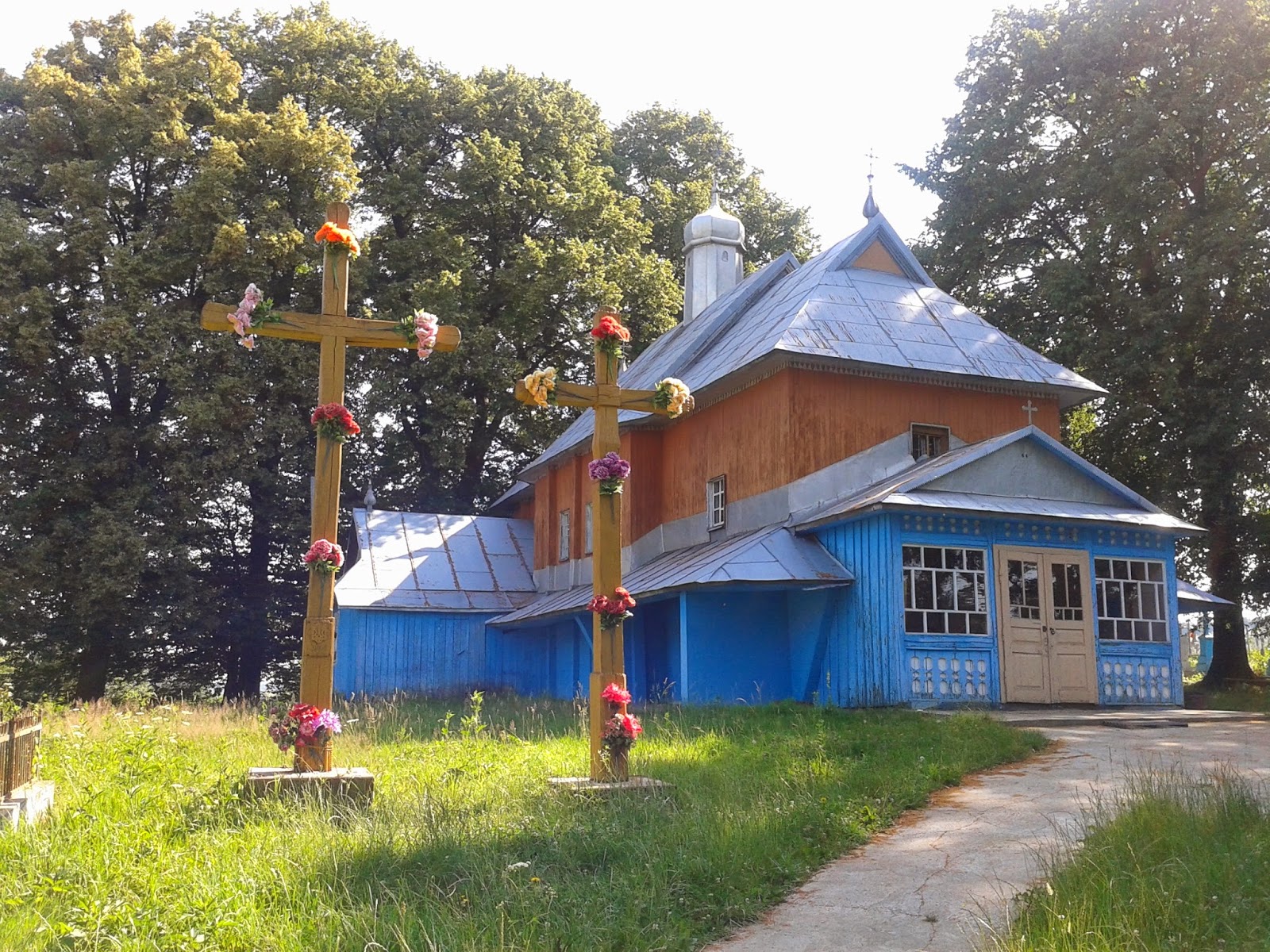
Due to the fact that the church in the village is old, the community started building a new church three times, but various circumstances prevented it. It was only in 1995 that a large temple of God went up - the Church of the Intercession of the Blessed Virgin Mary.
The first mention of a one-class school is found in documents from 1873. Yurko Nakonechnyi taught the children. On May 12, 1898, the Regional School Board issued an order to establish a two-grade school. In 1932, the village had a four-grade bilingual school with 293 children. In 1986, a new three-story school with 624 seats was built. In the post-war period, a paramedic and obstetric station was opened in the village, and in 1952, a district hospital was opened. In 1972, a new hospital building with 25 beds was built, which now houses a general practice outpatient clinic.
In 1988, the House of Culture with a library was built. Rykhiv Potik is a protected tract.
The village has a parish of the Holy Virgin of the Ukrainian Greek Catholic Church.


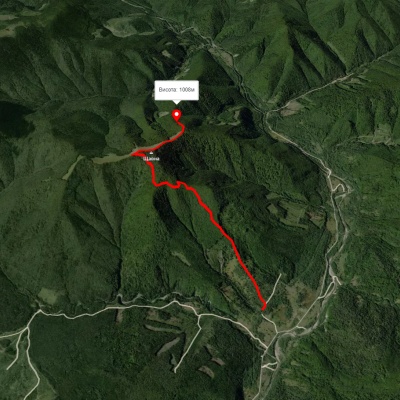
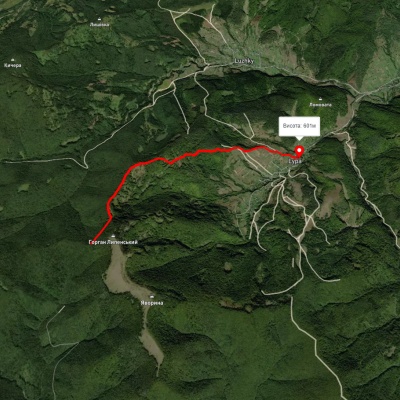
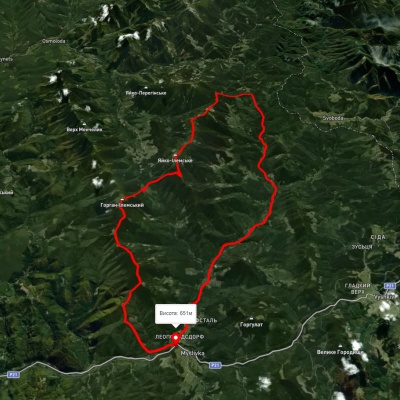
Which hiking trails pass through or near Velyka Turia?
We suggest these hiking trails through or near Velyka Turia: Route to Mount Shchavna, Lypa village – Yavoryna – Robert's Bunker, Myslivka village, via Mount Yayko-Ilemske and Mount Horhan-Ilemskyi to Myslivka village, Myslivka village, via Mount Velykyi Pustushak, Nimetska polonyna and Mount Horhan Ilemskyi to Osmoloda village, To Mount Horhan Ilemskyi, Myslivka village – Mount Horhan-Ilemskyi – Myslivka village