У сьогоднішній статті мова піде про таке досягнення цивілізації, як скотч, важливість якого важко переоцінити. Детально на тому, де цей матеріал використовується, не варто, адже всі ми знаємо, для чого воно в першу чергу. Правда у даному випадку мова піде про використання цієї клейкої стрічки не вдома чи на роботі, а в поході, де ми залишаємося віч-на-віч з природою, яка може нам спеціально, а може і випадково підкинути форс-мажору.
Friends, hello everyone! Today, your advisor, friend, consultant, and just a good guy, who is always ready to share all kinds of useful tips, life hacks, and secrets that will make your hiking trip or outdoor vacation as pleasant, convenient, comfortable, and safe as possible, is back with you!
So, if you have landed on the Tourist Tips page, I assume you want to learn something new and interesting, something that might come in handy on your next hike and be useful in all future ones. You haven't made a mistake with the address because it is right here that I and my colleagues from Karpaty.Rocks, valuing your time and health, gather, test on ourselves or on friends (and they sometimes don’t even know that interesting experiments are being conducted on them J), and only then share with you information about various tricks and utilities.
In today’s article, we will talk about such a civilization achievement as scotch tape, the importance of which is hard to overestimate. There’s no need to go into detail about where this material is used, as we all know what it is primarily for. However, in this case, we will discuss the use of this adhesive tape not at home or at work, but on a hike, where we are left face to face with nature, which can intentionally or accidentally throw us into a force majeure situation.
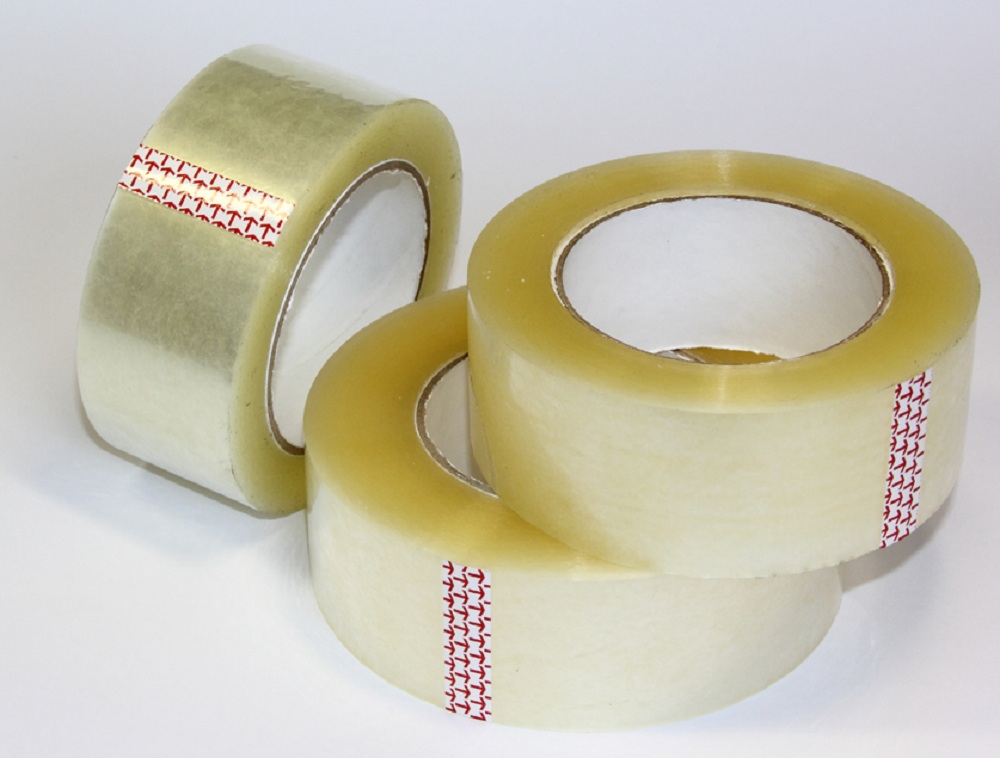
As we know, scotch tape comes in various types – narrow, wide, transparent, matte, reinforced, etc. Let’s focus on the most common and widely used, so to speak, standard type – packing tape, 48 mm wide. So, to what am I leading? This material has long been an essential part of my hiking gear – it’s a true treasure, my delight ))
We all remember well from childhood that "any item can be considered broken only when it cannot be repaired with duct tape," or "if something cannot be repaired with duct tape, then you need to use more duct tape." Today, a full-fledged substitute for the well-known blue duct tape has become scotch tape, which has a much higher efficiency than its predecessor.
I won’t lie if I say that there are countless options and life situations where it can be used. But today we are interested in scotch tape as a companion for a tourist on a hiking trip. So, friends, here are the most common uses of adhesive tape while traveling through forests/fields and mountains/lowlands.
Waterproofing
From my own experience, I know and confidently state that scotch tape is worth taking at least for this purpose. The first time I took it with me on a hike, my friends nicknamed me the Scotch Man, all because every bag (the legendary black Boss bags, as they were the largest at that time), containing clothes, food, and a sleeping bag, which were in my backpack (and it was an old Yermak that did not hold water at all), was packed as if preparing for a sea expedition. In short, there were no options in the rain. This was because the previous hike (it was the ascent to Syvulia from Osmoloda) ended with a soaked sleeping bag (while crossing the Limnytsia River in the rain, I fell on one side, and the dry bag became completely unsuitable for sleeping – it got wet where the bag was not closed). That was a lesson for life.
Thus, having scotch tape and a polyethylene bag (if possible, a thicker one to last the entire hike) perfectly replaces the trendy expensive dry bags and duffels in a multi-day hike. The main thing is to carefully unpack the bag when needed and then repack everything as it was. Let’s use more scotch tape and don’t skimp on it! And you won’t know any problems or discomfort with wet things. As for how to pack, I think you’ll figure it out yourself. And if not, let me know, I’ll make a photo report )).
Scotch Tape and Footwear
In this regard, scotch tape can be used in several cases:
First: if you went on a hike and you have (God forbid, of course, no one wants this, even on a one-day hike!) unbroken shoes, there’s no need to worry if you have it. Who? Well, scotch tape, of course. So, to avoid blisters on your heels and toes, it’s enough to wrap the potentially dangerous areas two or three times with scotch tape, and then you have nothing to fear. By the way, you can also break in new shoes this way without worrying about unpleasant consequences.
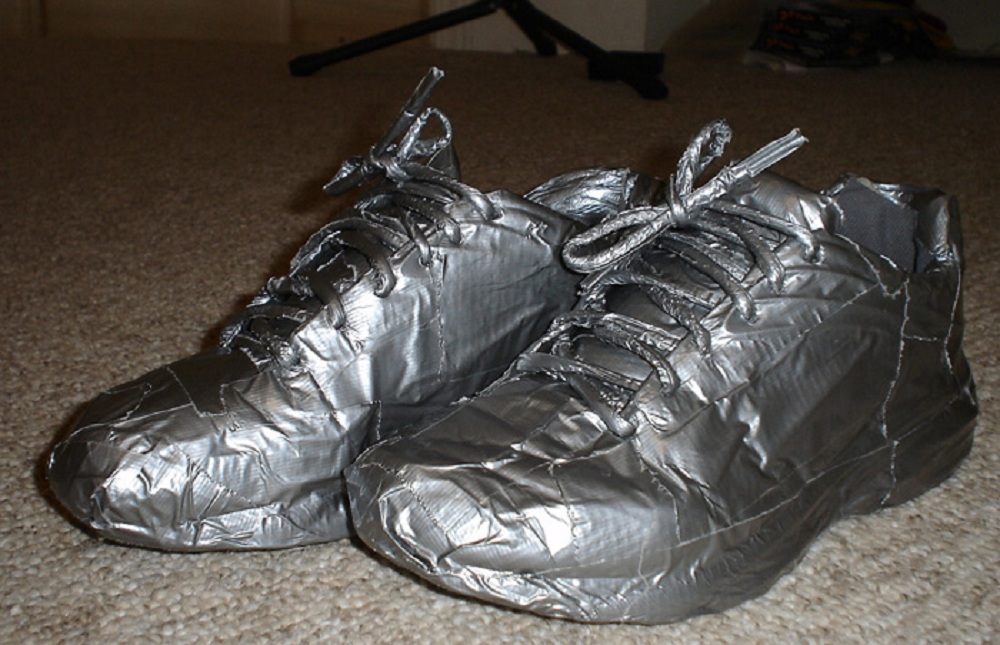
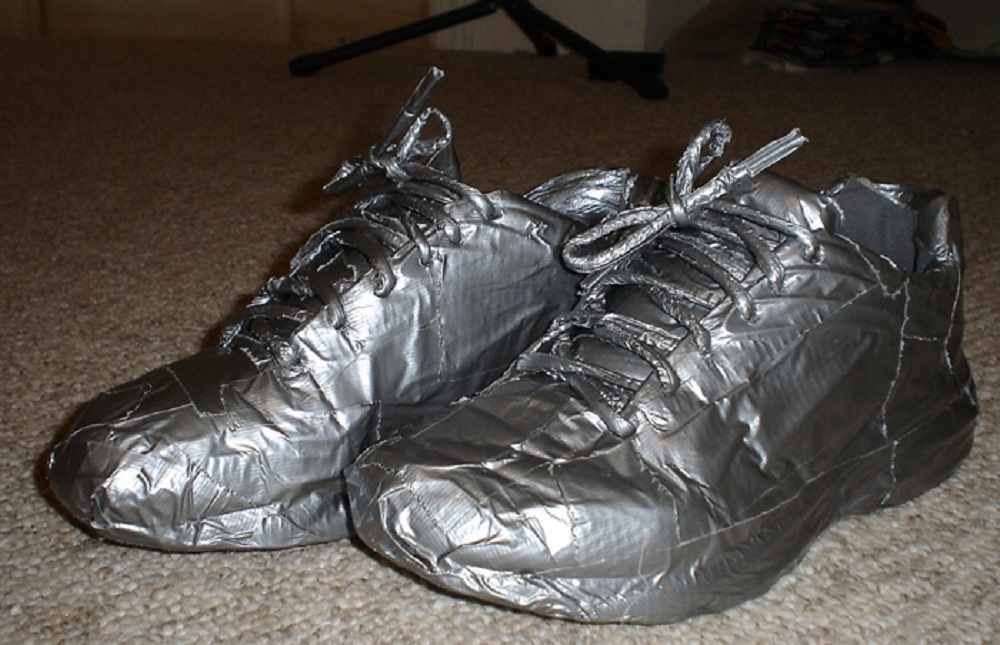
Secondly, repairs. If something happens to your sneakers or boots, they tear, the sole comes off, the insole wears out, etc., and you still have to trek several kilometers to civilization (as long as it’s not a Hutsul one)), then it’s enough to give your shoes first aid with scotch tape – if it’s dry, then less tape is needed, if it’s wet, then you’ll have to use more. But in any case, a more or less normal comfort will be ensured.
Thirdly, shoelaces. If such a misfortune occurs, and your shoelaces break, and no one has spare ones, and no one brought paracord on this hike, then scotch tape comes to the rescue again )) Unroll the necessary piece, twist it into a spiral, and voilà, a brand new shoelace is ready for use.
First Aid
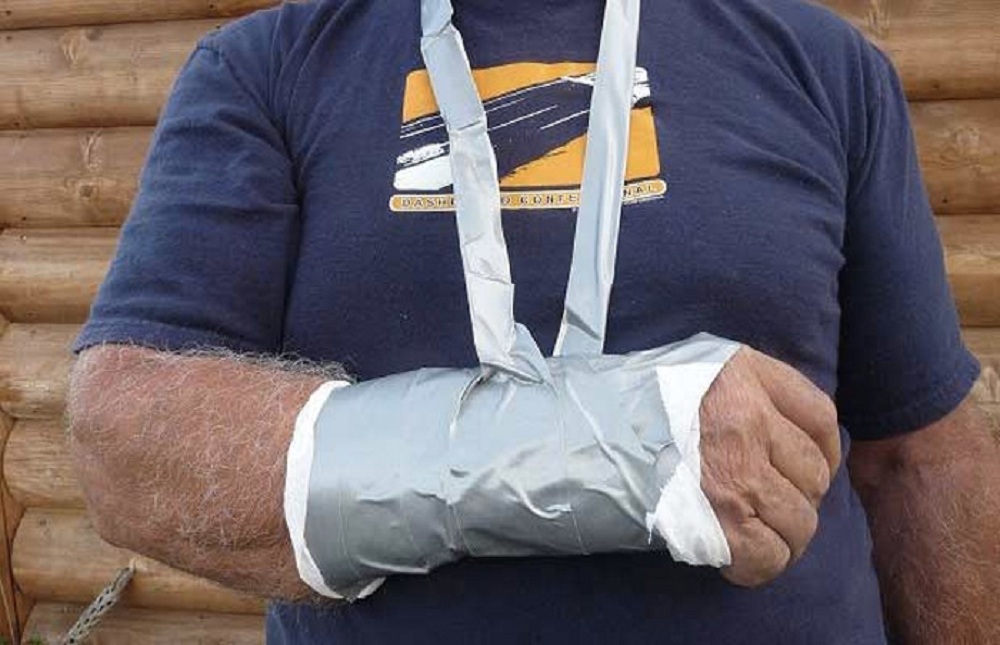
In case of fractures of limbs or fingers, scotch tape can be used for their fixation. For this, it is necessary to apply a splint to the injury site and secure it with our helpful adhesive tape.
Another option for using this material is when making primitive stretchers for evacuating the injured: here scotch tape can be used both for fixing the frame and for setting up the base, and I think, if necessary, it can also be used to secure the injured person.
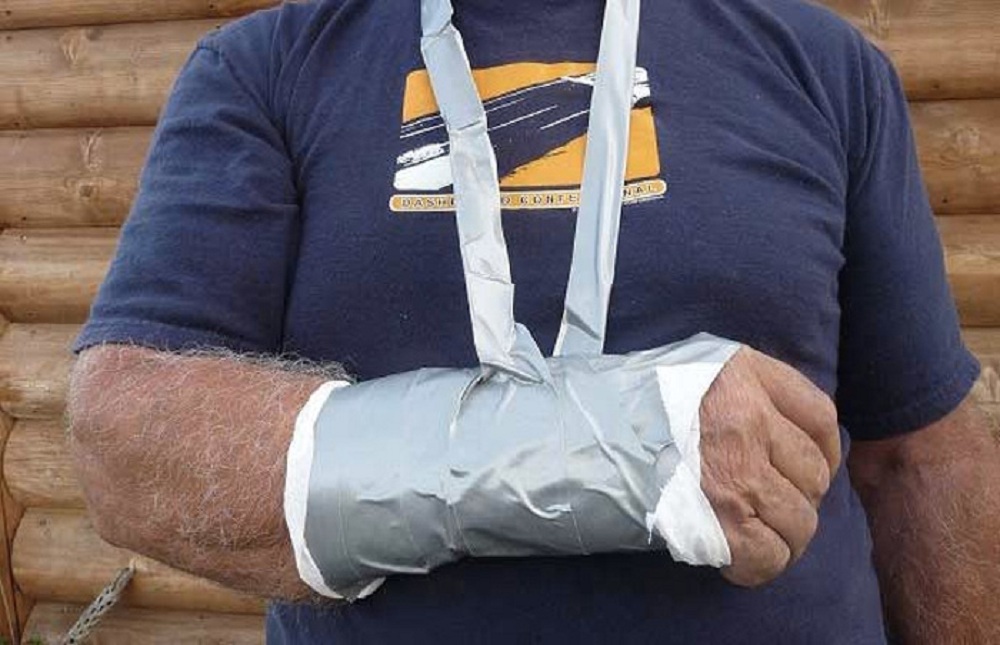
Also, I think it’s possible to use the tape to wrap a cut (after applying a bandage, cotton, or gauze, of course), so that no infection gets into the wound.
In the Camp
Scotch tape is a great material for starting a fire. It burns very well, does not get wet, and ignites quickly. After gathering some twigs and preparing a place for the fire, unwind 0.5 m of tape (at your discretion, shorter) and crumple it like paper. Then the rest is easy.

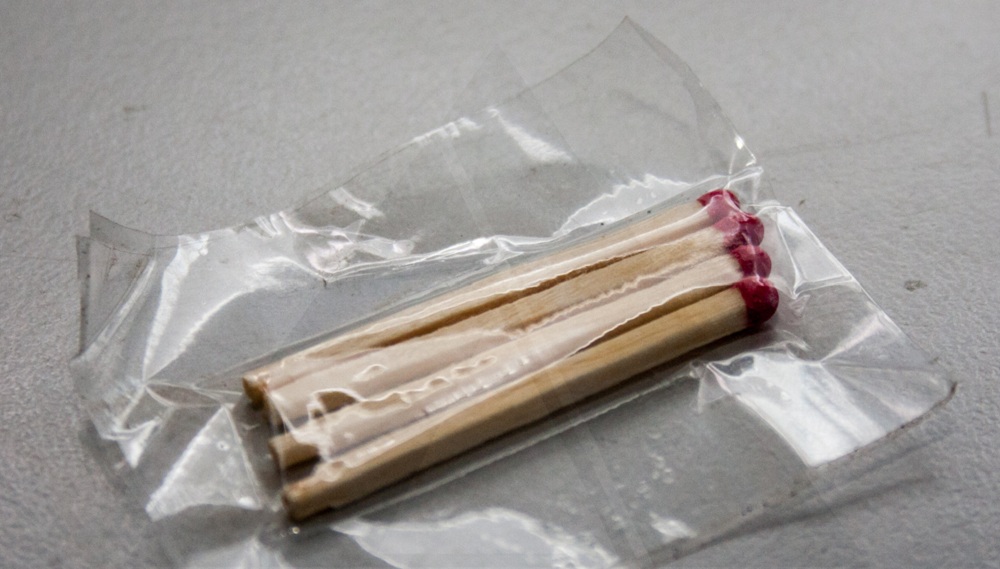
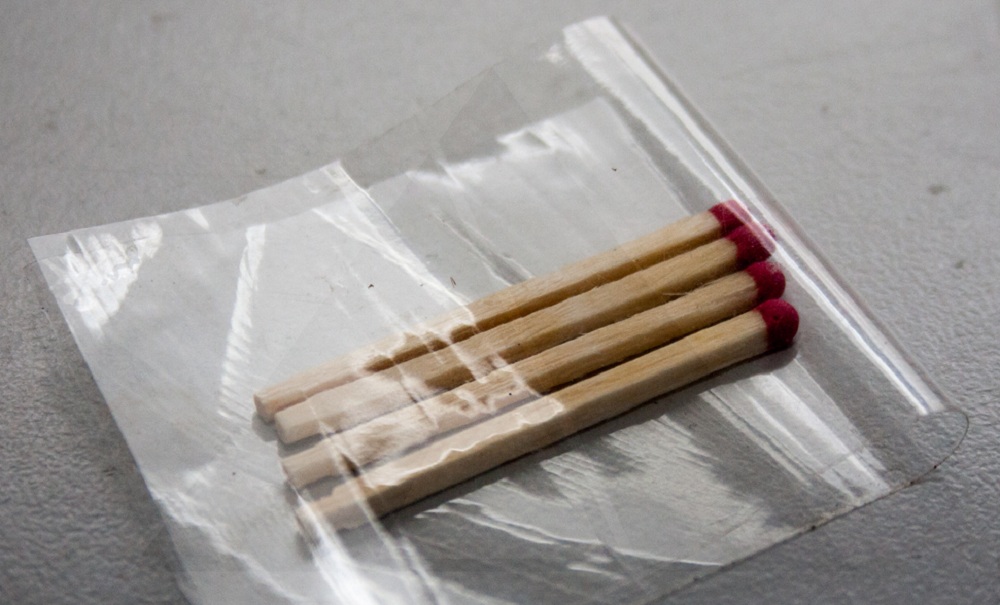
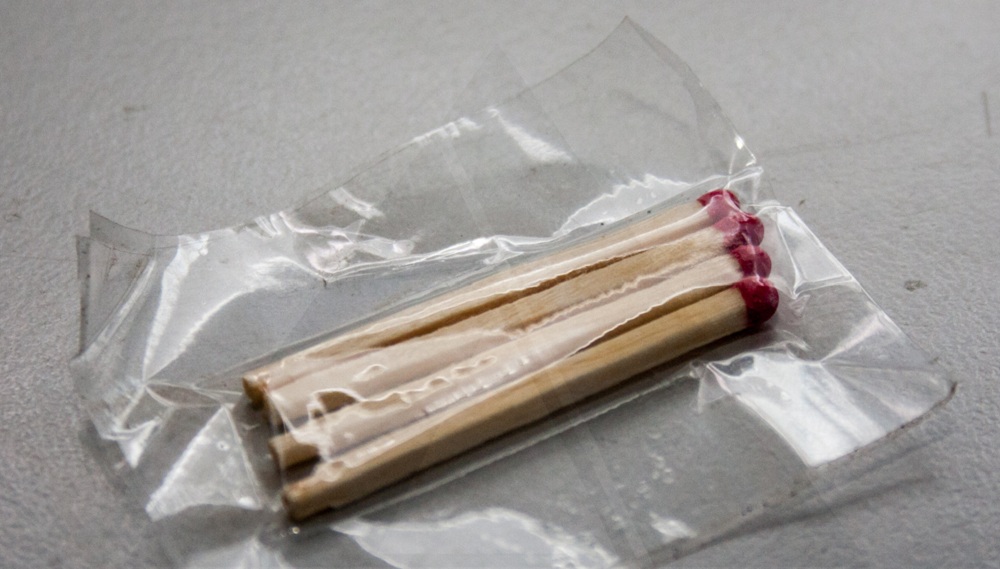
Also, scotch tape can be used to protect matches from getting wet. I think it’s not hard to guess how to do this ))
If you forgot or didn’t bring a ladle and can’t cook porridge with canned meat or pasta with canned meat or soup with canned meat J, then a regular tablespoon fixed with scotch tape to a branch of the necessary length will help.
99 out of 100 tourists take metal mugs on hikes, into which hot drinks are then poured, and, as practice shows, they (the mugs) are set aside somewhere to cool the handle because it’s just impossible to hold it, it burns! Well, here socks, hats, towels, and so on can come into play. But! You can take scotch tape and wrap it around the mug’s handle and enjoy a HOT drink.
For All Cases of Hiking Life
Despite everything else, scotch tape is irreplaceable in other situations as well. For example, adhesive tape can be indispensable for repairing glasses, raincoats, tent tarps, containers for carrying water…
In addition, scotch tape can also be used to make a rope (if not very strong – it’s enough to twist one layer of tape into a spiral, if stronger, then, accordingly, more layers of material will be needed), to close window openings (if, for example, you are lucky enough to spend the night or wait out bad weather in a building), to fix a knife to a stick for hunting or fishing, to make a belt, bag, cup, and much more.
As we can see, scotch tape is truly an irreplaceable, even unique material, the importance of which in a hike is hard to overestimate. One roll, weighing about 100 g, can provide you with the necessary comfort throughout the hike. So, in my opinion, it’s worth taking such adhesive tape for the whole group. And anyone who tries to take scotch tape on a hike at least once will be able to appreciate its usefulness!