The Gorgany.com team is convinced that the more people travel, the happier they are :) And to make more happy people, Gorgany tourist club has launched the project "For the first time in the mountains" - a series of trips for beginners led by experienced travelers. Each member of the Gorgany.com team is an excellent expert in modern tourist equipment.They will help you get ready for a seaside vacation or a hike in the Carpathians, as well as in the selection of equipment for climbing Mount Everest. The store's consultants inspire a good mood and confidence for any travel. Therefore, if you are hesitating in choosing equipment, it is better to visit or call the store for a detailed consultation.
On the store's blog, we have collected information about what equipment and clothing you need for a hike.
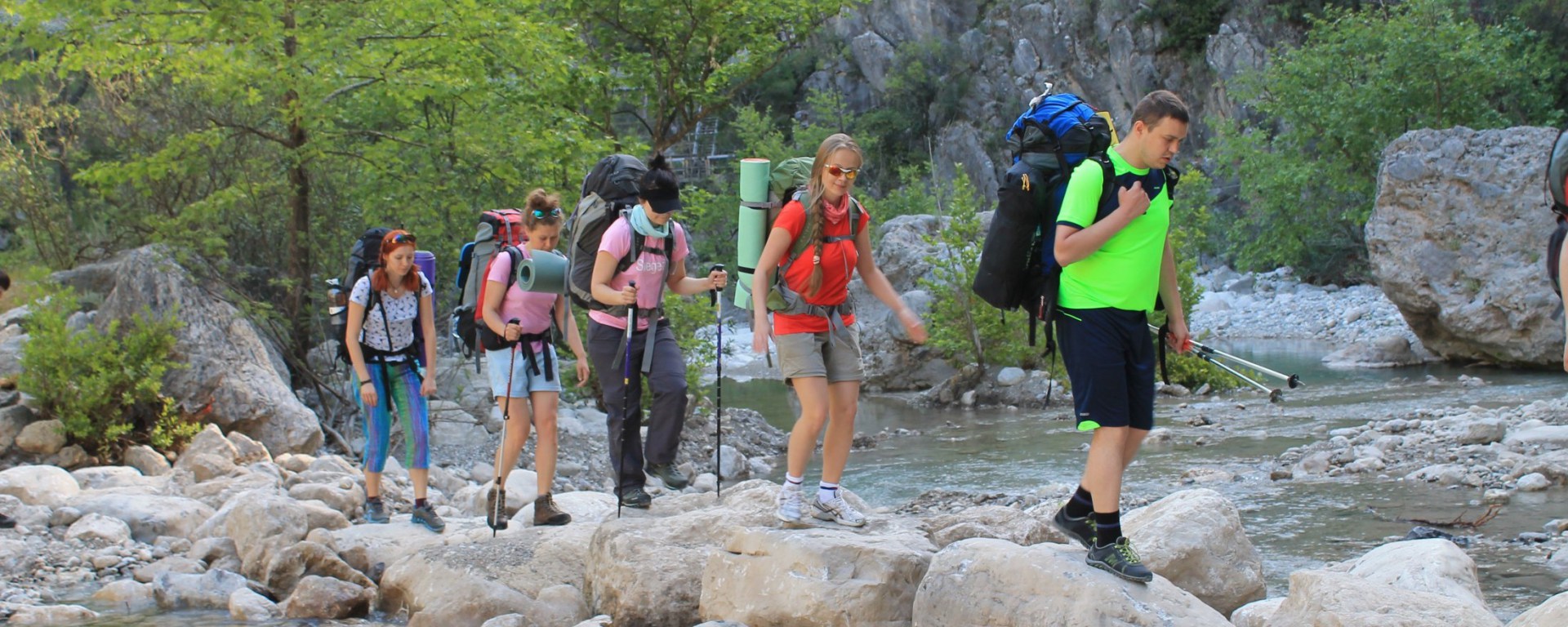
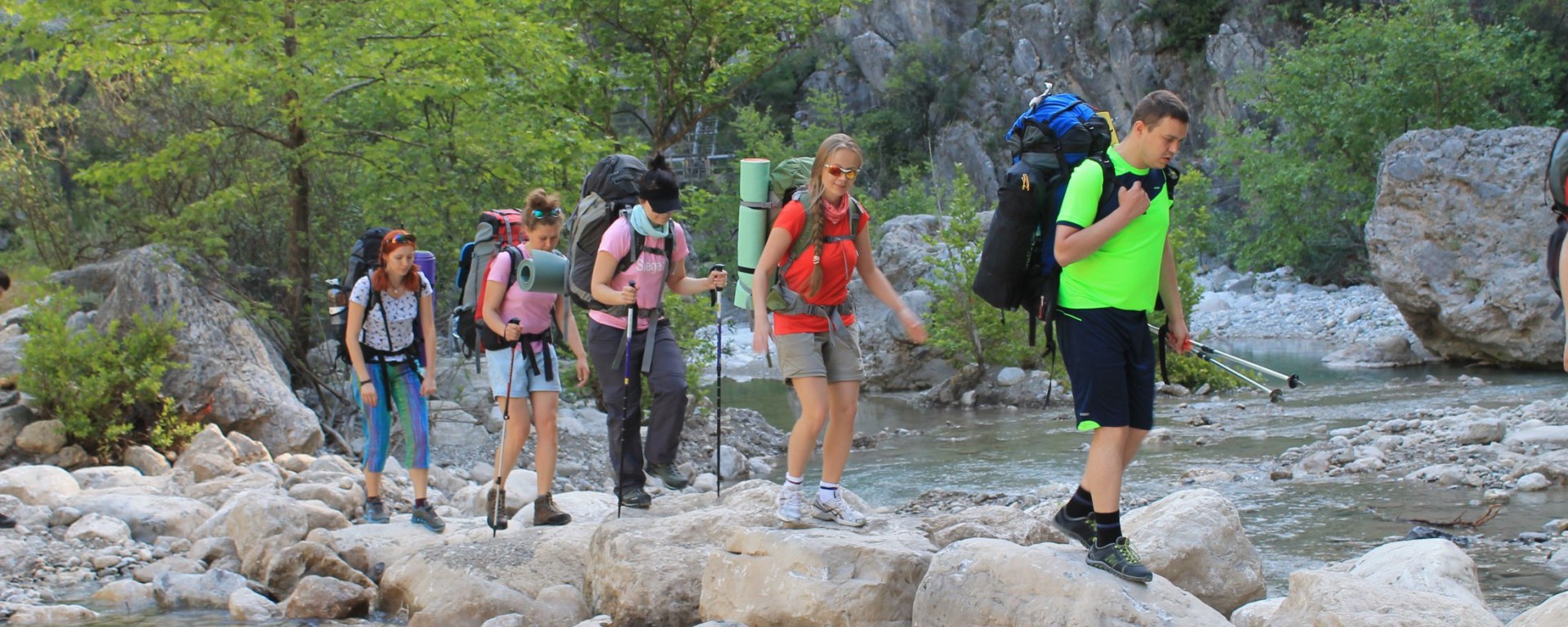
And the first on the list will be, of course, a backpack: for one-day hikes - up to 30 liters, for 2-3 day hikes - up to 50 liters and for winter and long hikes - from 70 liters (for men) and from 50 liters (for women). Choose backpacks with an anatomical back, such as a "pipe" with an inner body in the form of two plates. Be sure to check for durability, lightness, and waterproofness of the backpack, as well as the presence of a waist belt, side straps, side and front pockets.
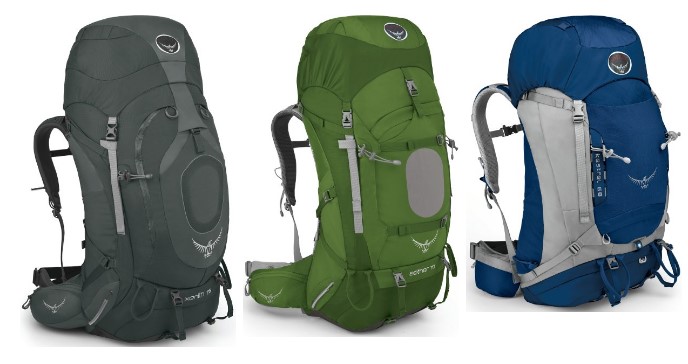
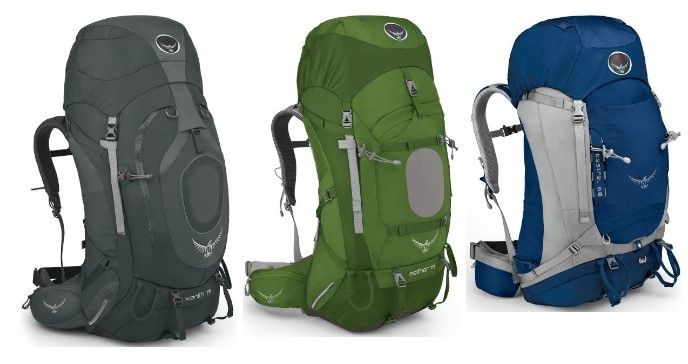
70-liter hiking backpacks - see the review on the forum
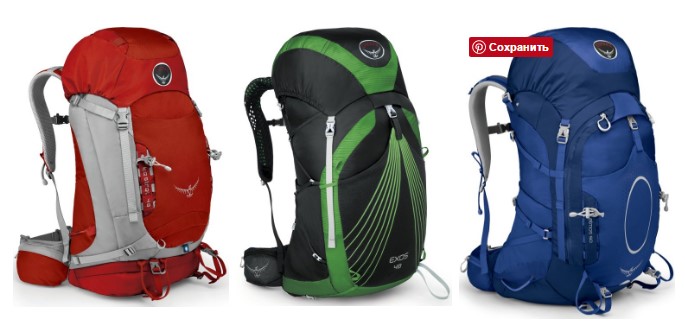
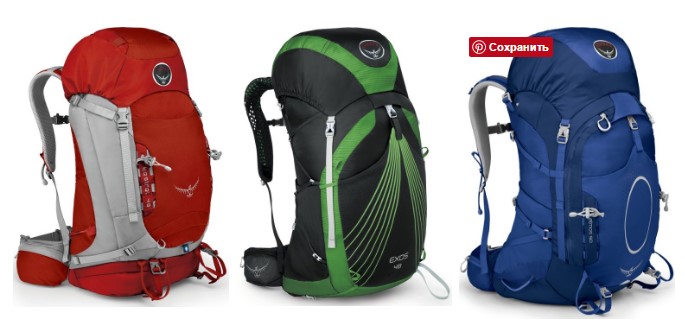
50-liter hiking backpacks - see the review on the forum
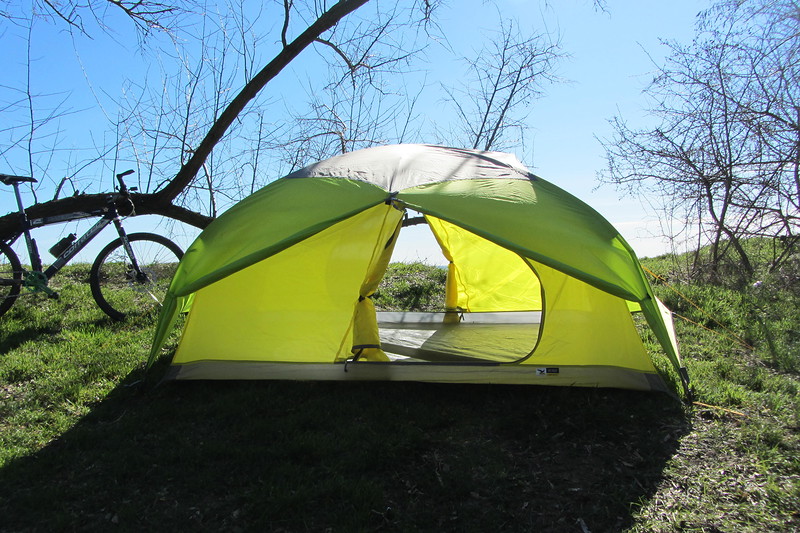
Next, you need to decide on the tent and its capacity. Choose only a modern (nylon or polyester), lightweight and compact tent, with an arched frame made of fiberglass or duralumin. We recommend a 2-tent tent with a vestibule with a waterproof rating of at least 1500 mm of precipitation. Here is another review of the tent.
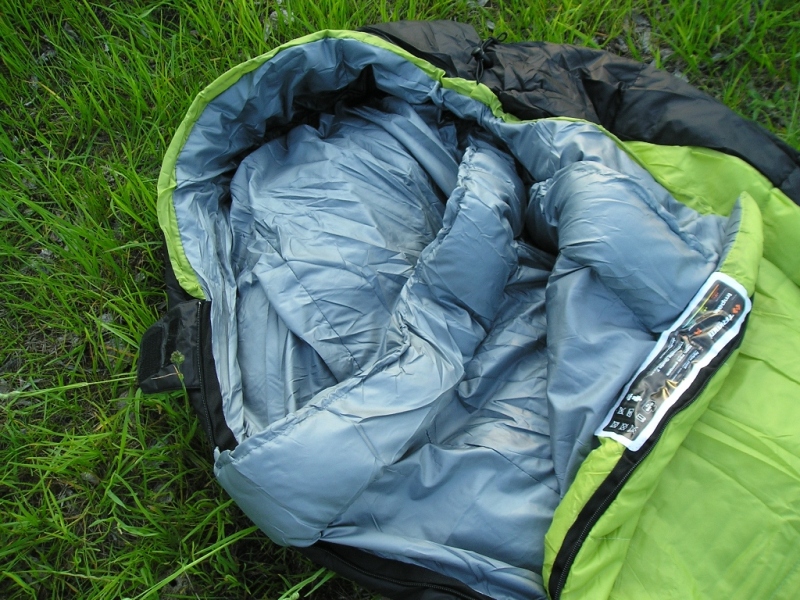
For summer hiking and off-season, a sleeping bag with a comfort temperature of +5°C to -3°C, preferably with synthetic filling, is suitable. Synthetics are lighter, more compact, and dry faster when wet. For winter, synthetics are also suitable, although a down sleeping bag with a comfort temperature of -10°C or lower is preferable.
Choose a rug (carimat) that reliably protects against moisture and provides a comfortable rest on hard and uneven surfaces. In practice, polyethylene foam mats are more common. They are lightweight, easy to use, inexpensive, and have a long service life. Others - inflatable mats - are more compact, but much more expensive, require careful handling, and sometimes repair.
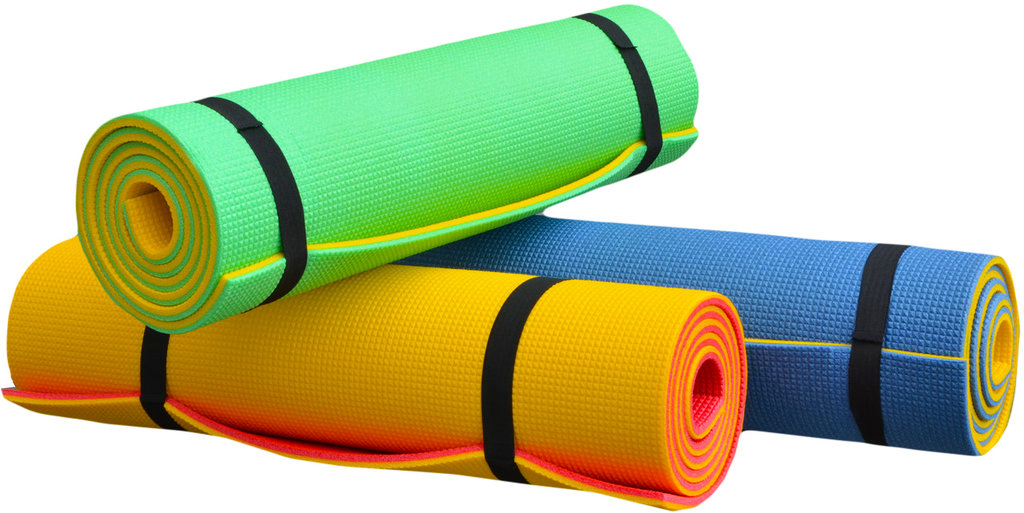
A seat in a hike replaces a chair. This is a very useful item in a hike, which is not afraid of cold and wet soil, stones or wooden logs.
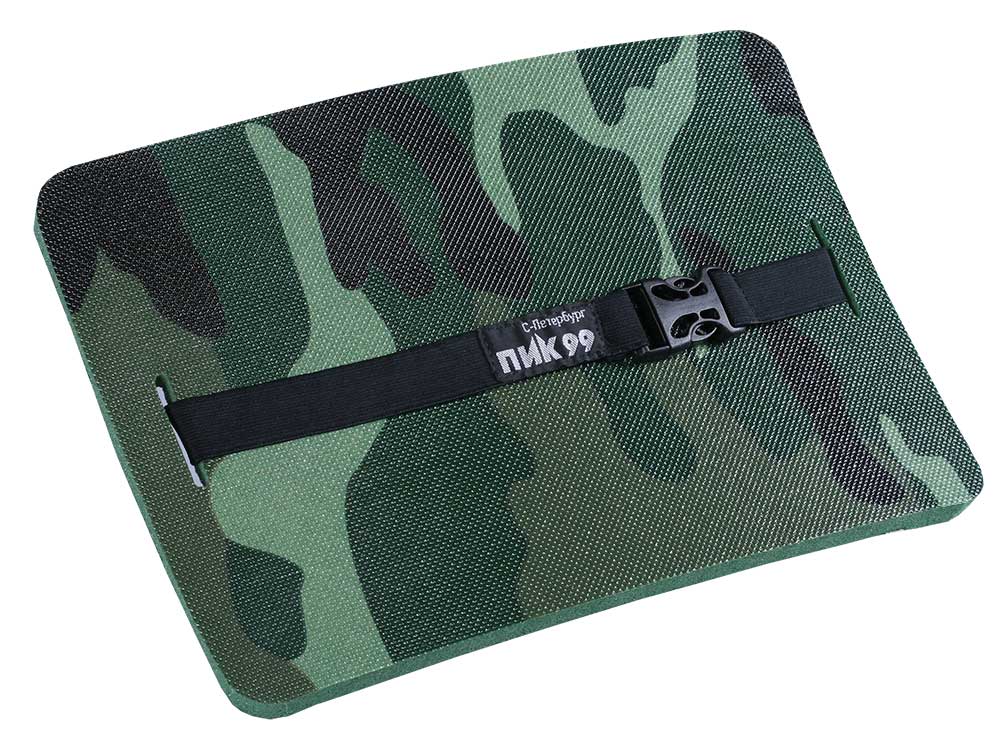
Your kitchen set (bowl, mug, and spoon) should be lightweight and durable. No glass or porcelain dishes. Choose metal or heat-resistant plastic utensils. And for water, you need a plastic or aluminum flask with a volume of up to 1 liter. If you go hiking in cold weather, take a thermos.
Don't forget to buy a camping knife and a headlamp. Ideally, it is better to have a one-piece knife with a handle and a folding multifunctional knife.
Buy hygiene products for the whole group (soap, toothpaste, wet wipes, creams), etc. to optimize the weight of your backpack. But everyone should have their own toothbrush and hygienic lipstick.
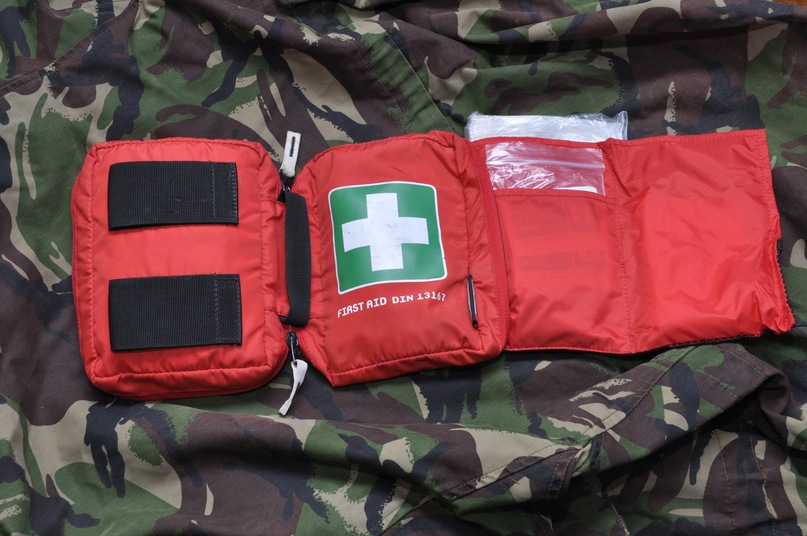
The recommended minimum of necessary medicines:
- Bandages.
- Cotton swabs.
- Bactericidal and antibacterial adhesive plasters.
- Any disinfectant (iodine).
- Painkillers (spasmolgon or tempalgene).
- Antipyretics (paracitamol).
- Validol (for heart pain, nausea, dizziness).
- Drugs to improve digestion (festal or mesim).
- Activated carbon (for food poisoning, diarrhea).
- For heartburn (renna).
- For cold symptoms (fervex or coldrex).
- For a runny nose (sanorin, nasolin).
- For sore throat (trisils, pharyngosept).
- Sedative (valerian).
- Antiallergic agent (diazolin).
- Ointment for sprains, muscle or joint pain (fastumgel, sustavit).
If a hiker needs inpatient medication due to health reasons, don't forget to supplement your hiking first aid kit with the necessary medications with a supply for the entire hike!
Fire is invaluable in a hike: you can cook food, keep warm in cold weather, dry wet clothes, or just chat around the campfire with a cup of hot tea. Bring a pack of matches or a lighter, but keep them in a dry place.
In bad weather, it is very important to keep things like a sleeping bag, extra clothes and shoes, documents, and electronics dry. A sealed bag made of dense and waterproof fabric reliably protects the contents from moisture, but its only drawback is its high price. As an analog, you can use ordinary plastic bags; they are cheaper, but they tear quickly, so you need to take them with a margin.
Now you can stay in touch with family and friends even in the mountains. Don't forget to charge your cell phone before you leave.
In the mountains, it is important not only to navigate the terrain, but also to keep track of time. The choice is yours: a wristwatch, a clock on your cell phone, or the sun.
A photo is the best souvenir from your trip. So don't forget your camera, and if you have a video camera, bring it too. It is advisable to stock up on extra batteries, a memory card (for a digital camera) or film (for a film camera).
When traveling, it is advisable to have at least some kind of identification document with you: a passport, service ID, birth certificate (under 16), or student ID card.
Before you leave, make a good estimate of the possible expenses you may incur while traveling. You should have enough money for: transportation costs (home - Ivano-Frankivsk, Ivano-Frankivsk - home), tour fees, and consider possible additional expenses: equipment rental, souvenirs, visits to cultural and entertainment venues, etc.
A notebook and a pen (pencil) are useful for keeping a field diary. You will be able to record interesting moments of your adventure, take contact information of new friends, or simply write down the names and heights of the mountains you have conquered.
For some, it's an unnecessary luxury, but for others, it's a basic necessity in a hike. The main function of trekking poles is to evenly distribute the load between your back, legs and arms, and they also help you maintain your balance, especially on a steep slope. For winter hiking, trekking poles are a must. In their absence, ordinary ski poles will do.
The intensity of the sun's rays increases with altitude, so we recommend taking sunglasses with you. In winter or early spring, when there is still snow in the mountains, such protection is mandatory, as there is a risk of snow blindness.
During the daytime, a lightweight hat or panama hat with a wide brim is ideal as sun protection. In the evening, in the morning or on a cool day, you will need a warm hat. For winter hiking, a warm hat and scarf are a must. It is good to have a mask (balaclava) that perfectly protects your head and face from the cold wind.
An assault jacket should provide good protection from wind and light rain, preferably with a hood. It is good if the jacket is made of waterproof and breathable material (such as Gore-Tex). In winter, it is advisable to bring an extra warm jacket or down jacket to keep you warm on cold evenings.
You will need a raincoat as additional protection from heavy rain. Here the choice is yours: some people prefer a waterproof jacket with pants, some prefer a poncho that simultaneously covers a tourist with a backpack, and some people just need a regular plastic cape.
Carpathian mornings are quite cool, so it's good to have at least one warm sweater (fleece or wool) and one lightweight change of clothes. For winter hiking, take several warm fleece or woolen sweaters.
You should have at least two T-shirts. One to wear on the route, the other to change for the night. A T-shirt made of synthetic materials is better suited for daytime hiking. Unlike cotton, it releases moisture (sweat) and dries quickly when wet. In cold weather, an extra golf jacket will also not be superfluous.
Take at least two pants with you. One will be used as an assault pants during the day, and the other will be used for camp and during the night. Synthetic sports pants or lightweight cotton pants are ideal for assault pants, while for camp and overnight it is good to have slightly warmer pants like fleece. Forget about jeans, they are heavy, uncomfortable and will take the whole hike to dry when wet. For a winter hike, insulated pants like ski pants are ideal as assault pants. You can wear thermal underwear or woolen underpants as an inner layer.
Additional protection of the legs from moisture (dew) and snow. In winter, shoe covers (gaiters) are mandatory. If you don't have them, you can make improvised ones with a plastic bag and tape.
Take shorts and a change of underwear, and preferably thermal underwear.
Choosing the right shoes is the key to a successful trip. For mountain hiking, trekking boots with strong walls and hard soles (such as Vibram) are better suited; they provide good stability and foot fixation on any terrain. It's great if the boots are made of durable and waterproof leather, or even better, Gore-Tex material. Sneakers are also suitable for hiking, as long as they are durable and have a solid sole. It's good to take a pair of changeable shoes, mainly for camping (sandals, rubber flip-flops or lightweight sneakers).
Attention: Hiking shoes should be comfortable and well cushioned under your feet, otherwise blisters are waiting for you. If these are new boots or sneakers, be sure to walk in them several times before the trip in a park or around the city so that your foot gets used to the new shoes. For winter hiking, you should choose shoes that are one size larger (for a warm sock). In winter, high boots are better suited to be stiffer and warmer. If possible, take snowshoes. You will need them for deep snow.
It is advisable to have at least 2 pairs of ordinary walking socks and one pair of woolen socks for cold weather or for overnight.
Usually, you will not need mittens in the summer season, but in the fall, winter or spring it is advisable to take a pair of warm gloves. In winter hiking, it is better to wear a warm pair of fleece or woolen mittens on the route and thick ski mittens on top as a protective layer. Also, don't forget an extra pair for the camp.
Group equipment.
For multi-day and high-mountain hikes, you should take a gas or multi-fuel burner that will provide you with warm food and hot drinks regardless of the circumstances.
Take two boilers: one for cooking main dishes and one for tea, coffee and other drinks. You will need a small hatchet and a file, and a repair kit will come in handy if you need to repair your camping equipment.
An awning is optional, but it can significantly improve your life in rainy weather. Bring 5-10 meters of rope with a diameter of up to 6 mm, which you can find many uses for. Compass and map.