Peter and Paul Church, Vyzhnytsia
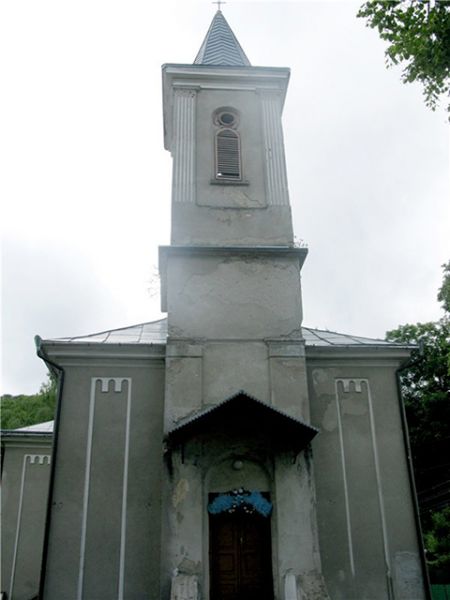
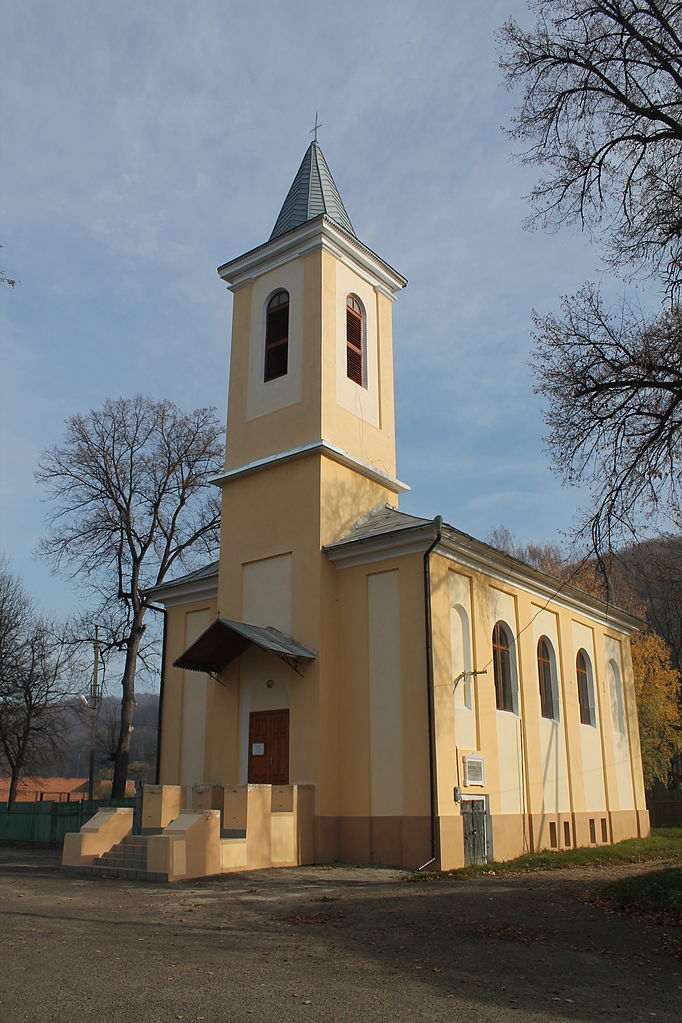
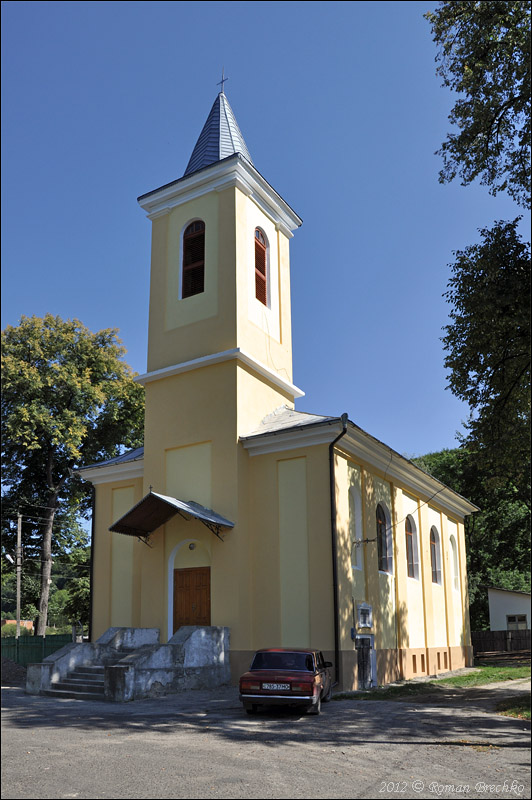
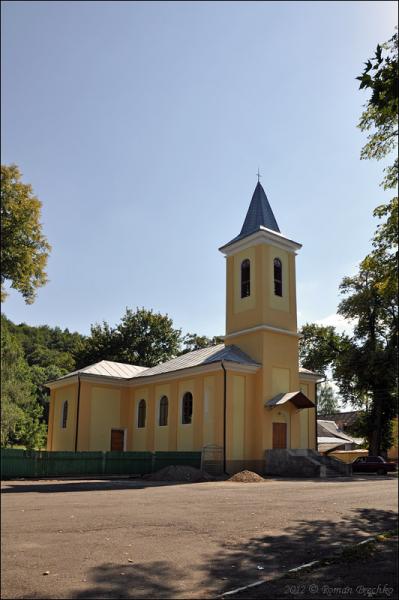
TheChurch of the Holy Apostles Peter and Paul in the town of Vyzhnytsia, Chernivtsi Oblast, was built in 1876 in the Neo-Gothic style at the expense of the then local tycoon of Armenian origin Hryhorii Hayvas and is located in the central part of the town. According to historical data, it was built on the site of an old wooden church that was built in 1812 by Polish immigrants on the land granted to them by the Austro-Hungarian Empire for the colonization and polonization of the Carpathian region. The building stands on a hill near the historic city center, near the stadium. The main sights of the city are within walking distance: St. Nicholas Church, the Main Synagogue, the Museum of Local Lore...
In its architectural design, the Church of the Apostles Peter and Paul is a basilica with no protrusions; a quadrangular bell tower rises above the narthex, topped by a pointed octagonal roof with a cross. In the rear there is a faceted apse with an altar. The central facade of the building is decorated with a small staircase. The side facades of the church are decorated with high arched windows and pseudo-columns. The Roman Catholic church was built in such a way that its tall tower is visible from almost every corner of the city.
After World War II, by order of the Soviet authorities, the church was closed in 1946 and its premises were converted into industrial warehouses. Only in the early 90s of the last century, with the proclamation of Ukraine's independence, the church was returned to the Roman Catholic community of the city, and later restoration work was carried out.
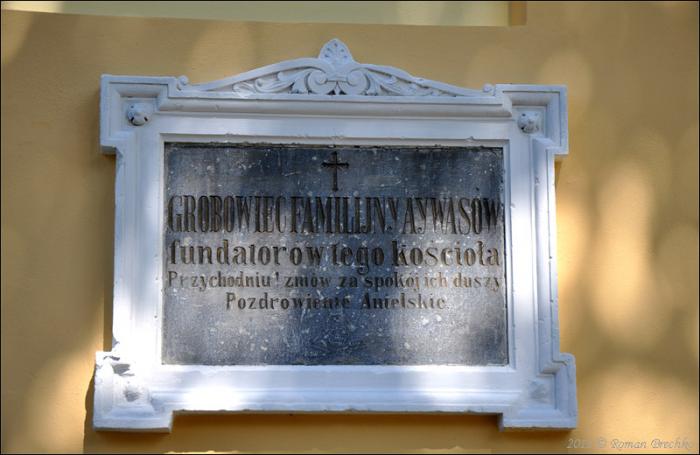
The crypt contains the grave of the founder of this shrine, Hryhorii Ivas. It is also known that the parents of the famous Ukrainian writer Yurii Fedkovych were married here.
Today, the Peter and Paul Church in Vyzhnytsia is a functioning church, considered a typical sacred building of the Austro-Hungarian era, belongs to the diocese of the Roman Catholic Church, and is an architectural monument of local significance. While in Vyzhnytsia, it is also worth visiting the nearby village of Vyzhenka with its many attractions.
Vyzhnytsia is a small Carpathian town with a population of only about 5 thousand people. However, the amazing beauty of the surrounding mountains and forests, the steep Cheremosh, combined with the original architecture of the Austrian times, makes it a real gem of the Carpathian part of Bukovyna. Vyzhnytsia is located at the foot of the Carpathians, on the right bank of the stormy Cheremosh, 70 km from the regional center of Chernivtsi.
The first mention of the town is found in the Moldovan chronicle of 1501. In 1514-1574 the town was under the rule of the Turks. Until 1774, Vyzhnytsia was subordinated to the Principality of Moldova, and later to Austria-Hungary. At the end of the eighteenth century, with the beginning of the development of the timber industry, Vyzhnytsia became an important point of trade in wood. After the Cheremosh riverbed was regulated (1790-1812), construction timber and firewood were floated to Chernivtsi, and from there, along a dirt road through the Boyany, to Bessarabia and Podillia.
Vyzhnytsia suffered terrible devastation during the First World War. The town changed hands several times, leaving most of the buildings in ruins and the number of inhabitants down to 500.
In 905, a regional school of carving, turning, and metal ornamentation was organized in Vyzhnytsia. It was attended by 20 children. Its founders and teachers were the famous Hutsul carvers Vasyl Shkribliak, Vasyl Devdiuk, Marko Megedeniuk, and Fedir Hnatiuk. The school's products soon became known far beyond the region.
During 1869-1872, the writer Yurii Fedkovych worked as an inspector of schools in the Vyzhnytsia district. Ukrainian artist, writer, and public figure Kornylo Ustianovych (1839-1903) lived and died in Vyzhnytsia for some time. The famous Polish artist Juliusz Kosak (1824-1899) was born here; the Polish artist Anna Czartoryska spent her childhood and adolescence here.
Ukrainian writers have visited the city: Ivan Franko, Lesya Ukrainka, Vasyl Stefanyk, artist Ivan Trush, and other cultural figures. The city's community always welcomed their favorite artists with hospitality and joy. On 23 July 1901, in honor of Lesia Ukrainka's arrival, a large concert was organized in the largest venue of the time.
Vyzhnytsia is the birthplace of the People's Artist of Ukraine Nazar Yaremchuk, the Smerichka vocal and instrumental ensemble and the Smerechyna folk dance ensemble were born here, and Vasyl Zinkevych and many other famous artists began their careers here.
Tourist attractions of Vyzhnytsia include the wooden St. Demetrius Church (nineteenth century); St . Nicholas Church (late nineteenth - early twentieth century); St . Peter and Paul Church (nineteenth century); synagogue (eighteenth century, now the Palace of Culture); the old railway station (Austrian times), Vyzhnytsia Town Hall (early twentieth century); Anna Moskva-Golota's house-hotel (Lesya Ukrainka, Ivan Franko, Mykhailo Kotsiubynskyi, Olha Kobylianska visited it in their time), Nazariy Yaremchuk's museum-estate, M. Marfiyovych's museum. Marfiyevych, the museum of the V. Shkriblyak College of Applied Arts (its collections contain more than 600 exhibits of diploma and best semester works: women's blouses, men's shirts, napkins, towels, carpets, tablecloths). You can learn about the history of the city and the region by visiting the Vyzhnytsia Folk Museum. Vyzhnytsia is rightfully considered a center of folk crafts (embroidery, carpet making, woodworking, Easter eggs, inlaid products).
Video 5
 Про Вижницьку ратушу | Буковинські загадкиСуспільне Чернівці



Location on the map
Comments
Places to stay nearby
All stays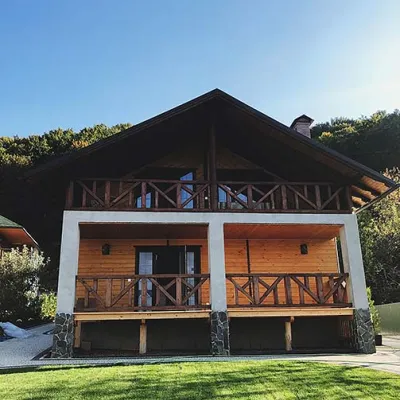 HomesteadHomestead "Panska Hospoda" MykulychynVyzhnytsiaunder 1 km from Peter and Paul Church, VyzhnytsiaSaunaBBQKitchenNearby: Peter and Paul Church 100 mMuseum of Applied Arts 900 m
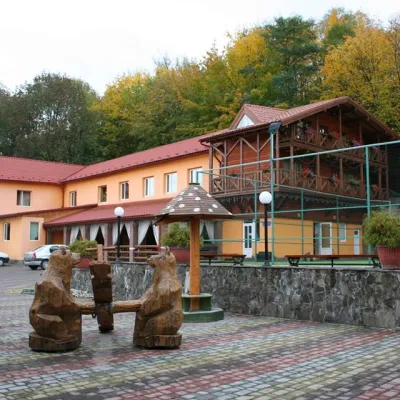 HotelSports and Wellness Complex "Bohatyr" MykulychynVyzhnytsia1.9 km from Peter and Paul Church, VyzhnytsiaSaunaBBQParkingNearby: Town Hall 1.4 kmSt. Nicholas Church 1.4 km
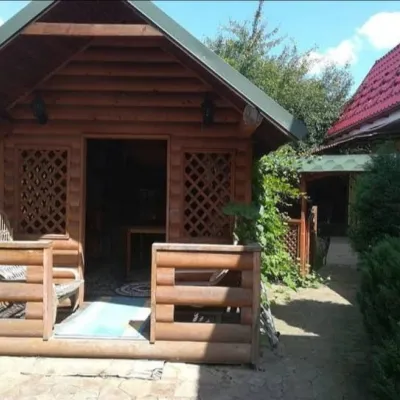 HomesteadHomestead "4 SEZONY"Kuty2.3 km from Peter and Paul Church, VyzhnytsiaPoolSaunaFireplaceNearby: Town Hall 2.0 kmMuseum of Applied Arts 2.2 km
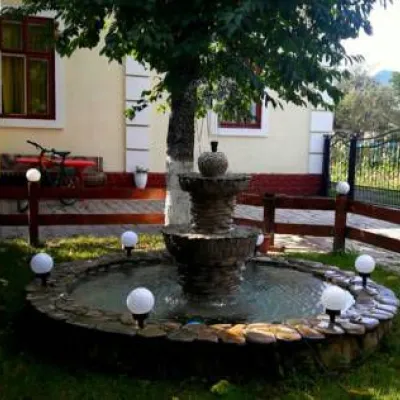 HotelCottage "Elka" MykulychynVyzhnytsia2.3 km from Peter and Paul Church, VyzhnytsiaBBQKitchenParkingNearby: Town Hall 1.8 kmDovbush's cave 4.5 km
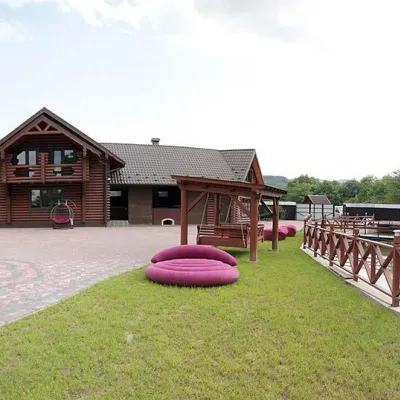 CottageCottage "Na Stavku" ChornohuzyChornohuzy2.3 km from Peter and Paul Church, VyzhnytsiaHot tubPoolSaunaNearby: Museum of Applied Arts 1.4 kmTown Hall 2.7 km
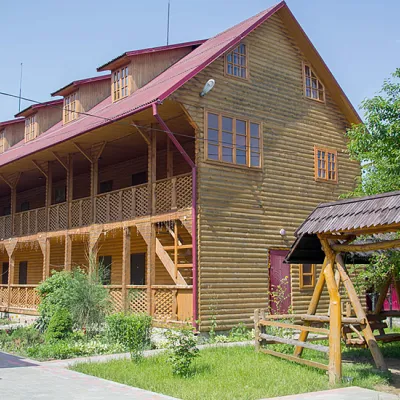 HomesteadRecreation Base "Nad Cheremoshem" MykulychynVyzhnytsia3 km from Peter and Paul Church, VyzhnytsiaPoolSaunaBBQNearby: Dovbush's cave 4.1 kmMikva waterfall 4.2 km1 trail
Trails nearby
All trails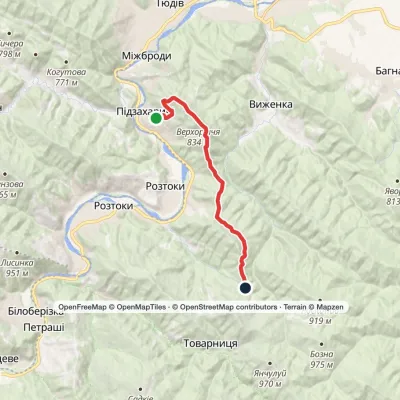 ModerateTwo-dayMarkedNimchych Pass Protiate KaminniaElevation profile477–828 m20.9 kmascent 550 m≈ 6.5 h walking6.5 km from Peter and Paul Church, Vyzhnytsia
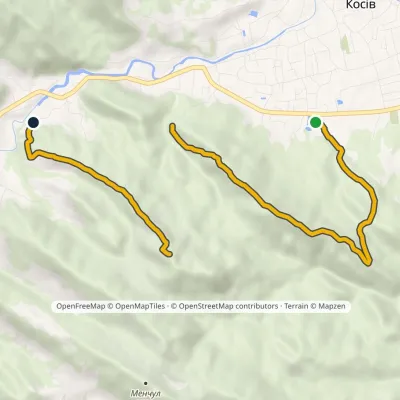 ModerateOne-dayMarkedMount Ostryi Mount Mykhalkiv (yellow trail)Elevation profile382–809 m7.7 kmascent 627 m≈ 3 h walking9 km from Peter and Paul Church, Vyzhnytsia
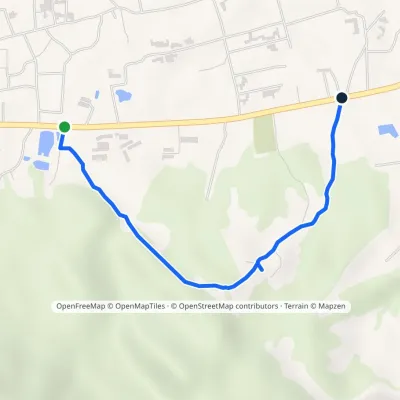 EasyOne-dayMarkedSpring KosivElevation profile369–474 m2.3 kmascent 89 m≈ 45 min walking9.3 km from Peter and Paul Church, Vyzhnytsia
Nearby attractions
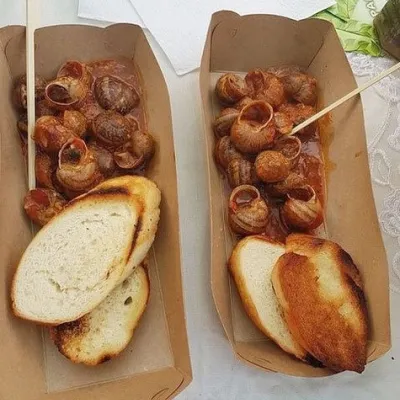 Eco farmsPrykarpatskyi Ravlyk Snail Farm, BahnaBahnaunder 1 km from Peter and Paul Church, VyzhnytsiaPrykarpatskyi Ravlyk snail farm is one of the few food farms in the Vyzhnytsia area that welcomes visitors not just to buy produce but for a proper farm visit.
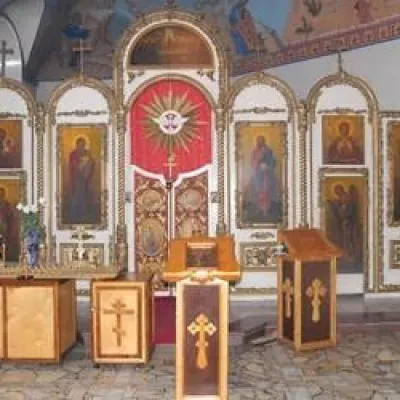 ChurchChurch of St. Demetrius, VyzhnytsiaVyzhnytsiaunder 1 km from Peter and Paul Church, VyzhnytsiaDmytro of Thessalonica in Vyzhnytsia in the Chernivtsi Oblast is a wooden church located on the western outskirts of the city.
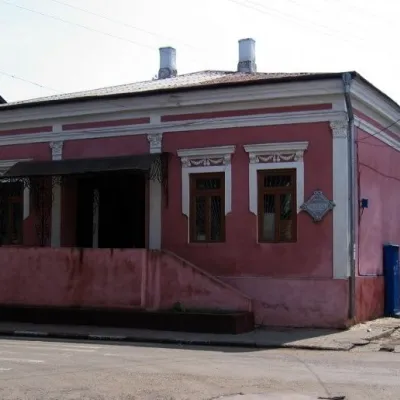 MuseumMuseum of Applied Arts, VyzhnytsiaVyzhnytsiaunder 1 km from Peter and Paul Church, VyzhnytsiaIn the small town of Vyzhnytsia, there is a Museum of Applied Arts, which exhibits the best diploma and course work of students of the local College of Arts.
Craft nearby
All craft places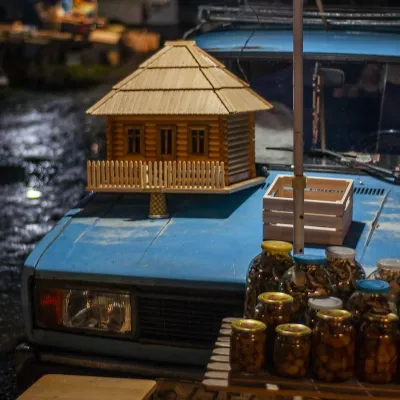 Markets & fairsNight Wood Market, KutyKuty2.3 km from Peter and Paul Church, VyzhnytsiaThe night bazaar in Kuty is the most colourful woodwork market in the Hutsul region, and it vanishes at dawn.
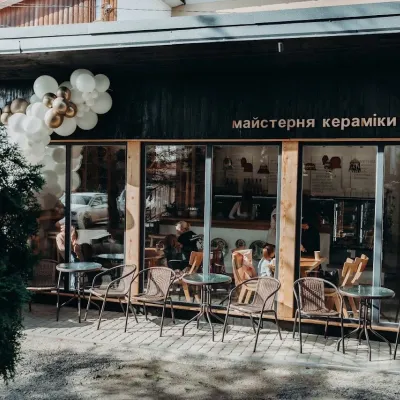 Crafts & workshopsGonchar Ceramics & Coffee Workshop, KosivKosiv11 km from Peter and Paul Church, VyzhnytsiaA pottery where you drink coffee from cups made on site Gonchar is a small ceramics and coffee workshop in central Kosiv run by the Chornyi family of potters.
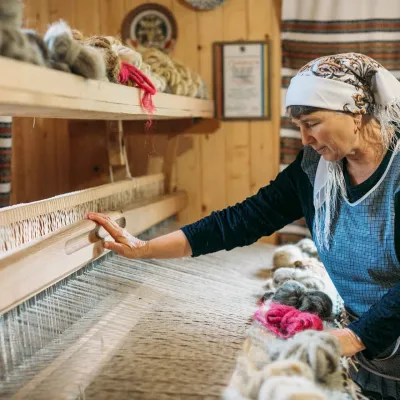 Crafts & workshopsLizhnyk Weaving Masterclass, KosivKosiv11 km from Peter and Paul Church, VyzhnytsiaA lizhnyk of your own: what the masterclass is The Kosiv area is one of the main centres of Hutsul lizhnyk weaving, and the best way to understand the craft is to sit...
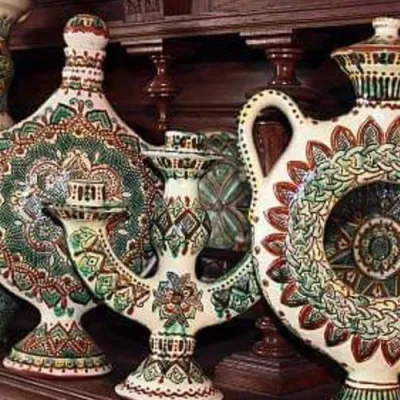 Crafts & workshopsKosiv Painted Ceramics Masterclass, KosivKosiv11 km from Peter and Paul Church, VyzhnytsiaYellow deer, green birds, riders and flowers on a warm white background — Kosiv painted ceramics are recognisable at a glance.
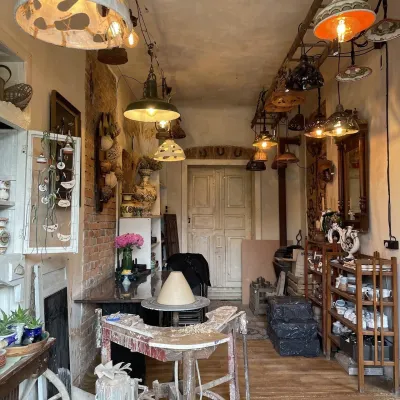 Craft shopsFiraworkshop author ceramics studio-shop, KosivKosiv12 km from Peter and Paul Church, VyzhnytsiaFiraworkshop is a creative studio of author ceramics in Kosiv, at 213 Nezalezhnosti Street, where you can both buy finished pieces and try working with clay yourself.
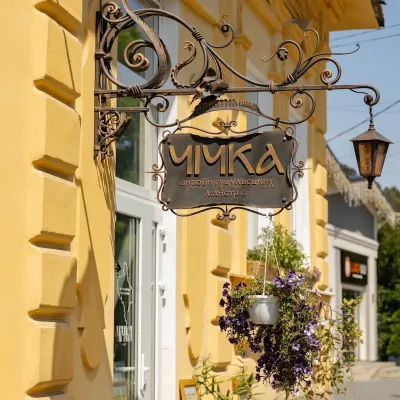 Craft shopsChichka shop of Hutsul handicrafts, KosivKosiv12 km from Peter and Paul Church, VyzhnytsiaChichka is a shop of contemporary handmade Hutsul goods in the very centre of Kosiv, at 76 Nezalezhnosti Street.