What you need to know for a winter hike

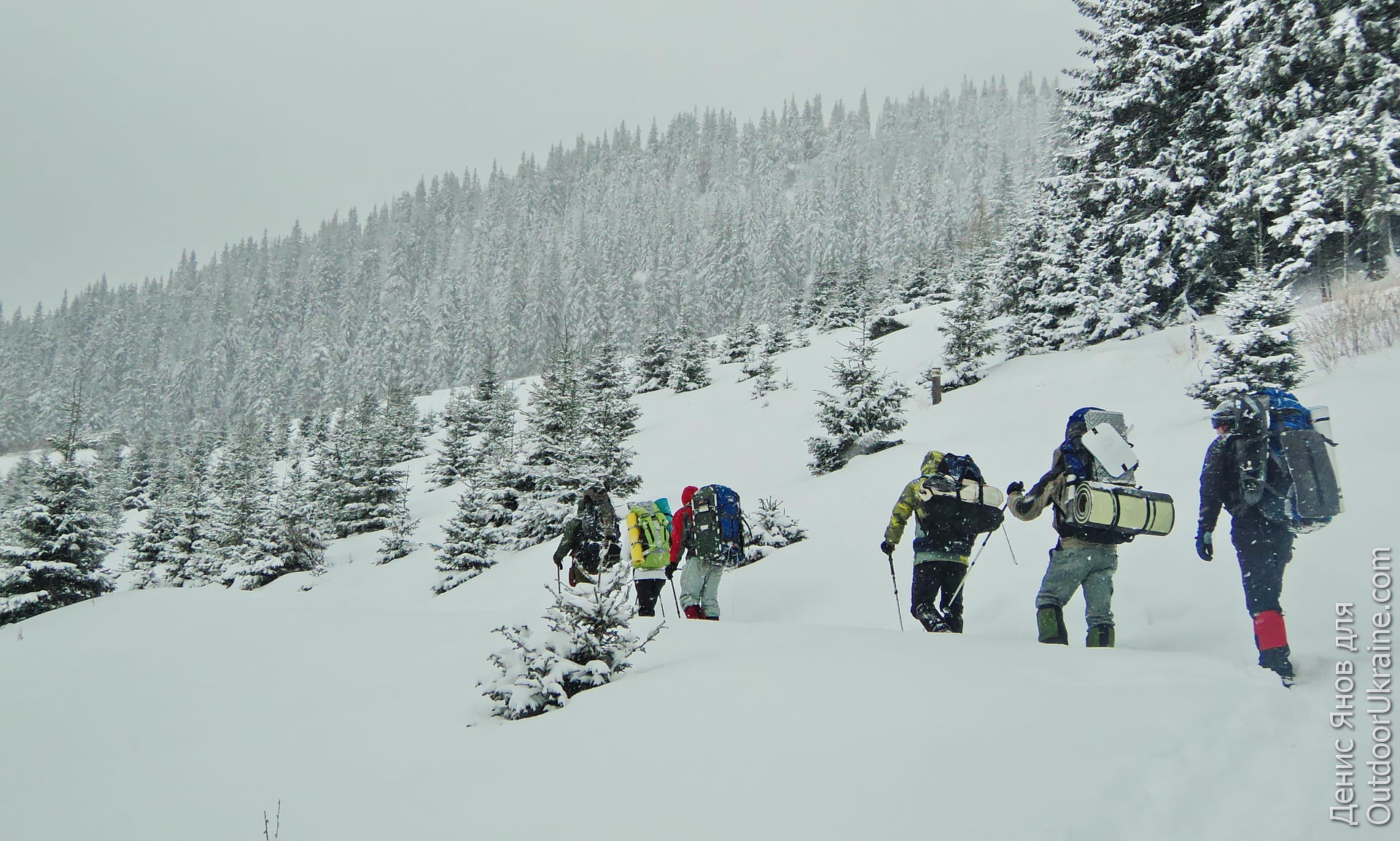
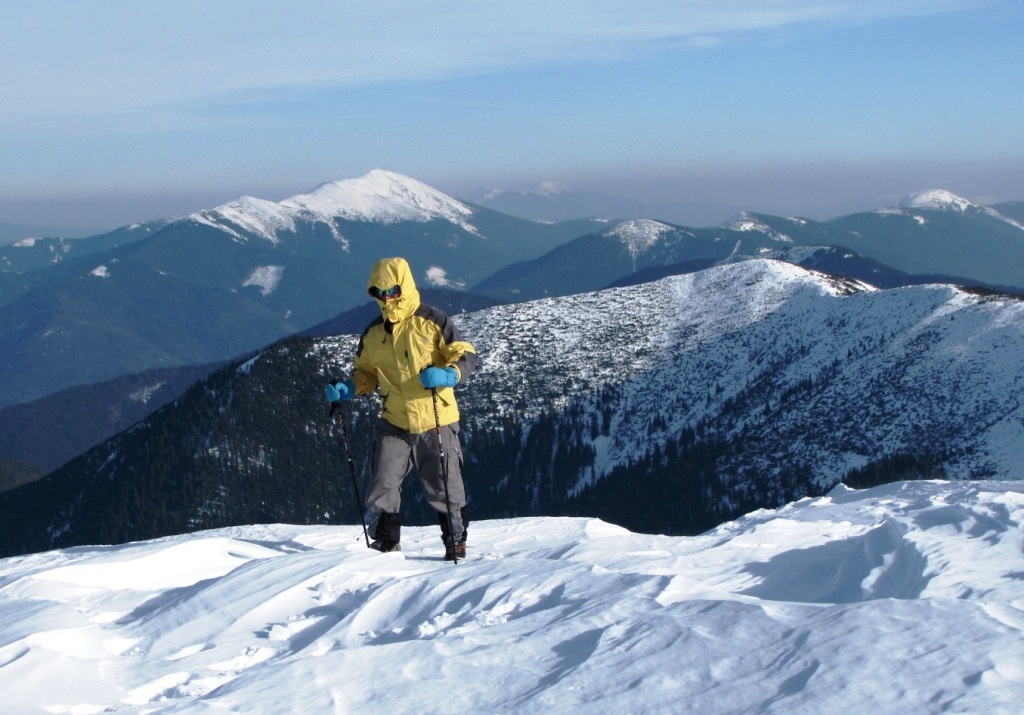
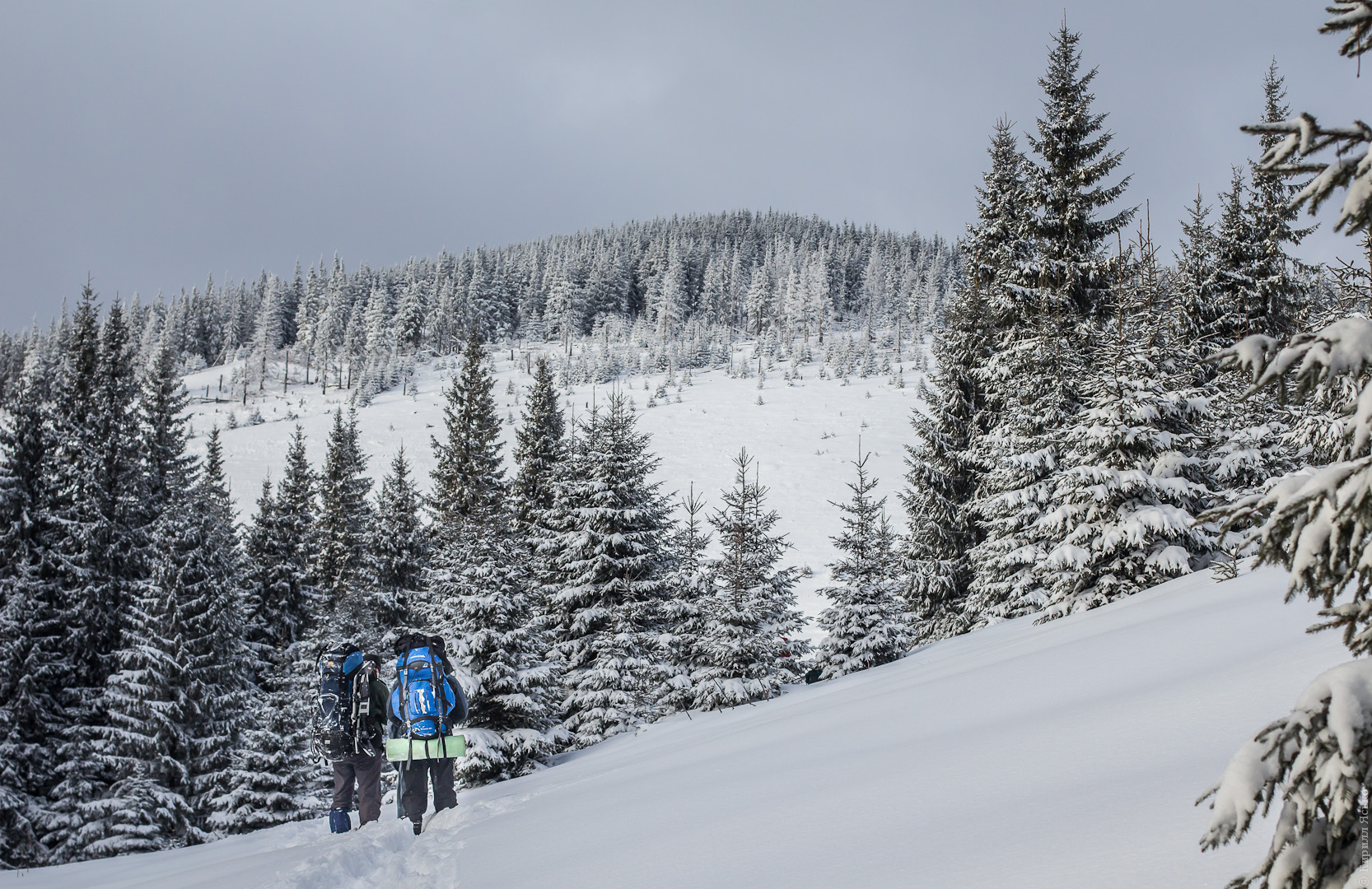
A winter hike in the Carpathians always fascinates with the beauty of nature and the purity of the cold air. However, tourists, especially beginners, should not forget about the increased danger posed by snow-capped mountains and cold winds. The most common mistakes and problems include hypothermia, disorientation, and avalanche hazards. All these problems can be easily avoided if the group leader during a winter hike is an experienced mountaineering instructor.
Hypothermia is the most common ailment observed during winter hiking in the Carpathians. There can be many reasons for this problem, but in general they are related to the equipment. Thus, low-quality shoes that allow moisture to pass through can lead to at least discomfort with blisters and frostbite. The basic rule for choosing shoes is trekking boots that have already been tested by autumn hikes or even just worn out a few days before the hike in the city.
It is forbidden to take completely new shoes on a hike: at the most inconvenient moment during the ascent, they can start rubbing your foot.
Also, you should not lace your shoes too tightly, as blood circulation is hampered in a compressed foot, which also increases the risk of frostbite. Next, it is worth reminding once again about the strict prohibition of jeans and denim in hiking, which collects all the disadvantages of hiking clothes: jeans are heavy, cold, get wet quickly and dry extremely slowly. Rafting Center experts recommend wearing a ski suit that is comfortable to walk in and dries quickly. Shoe covers and gaiters are worn on top of your shoes and prevent snow from getting into your boots. Two pairs of mittens, a hat and a trekking or ski pole are also mandatory attributes of winter hiking in the mountains. Hypothermia is also hard to get if there are more than seven to ten participants in the group.
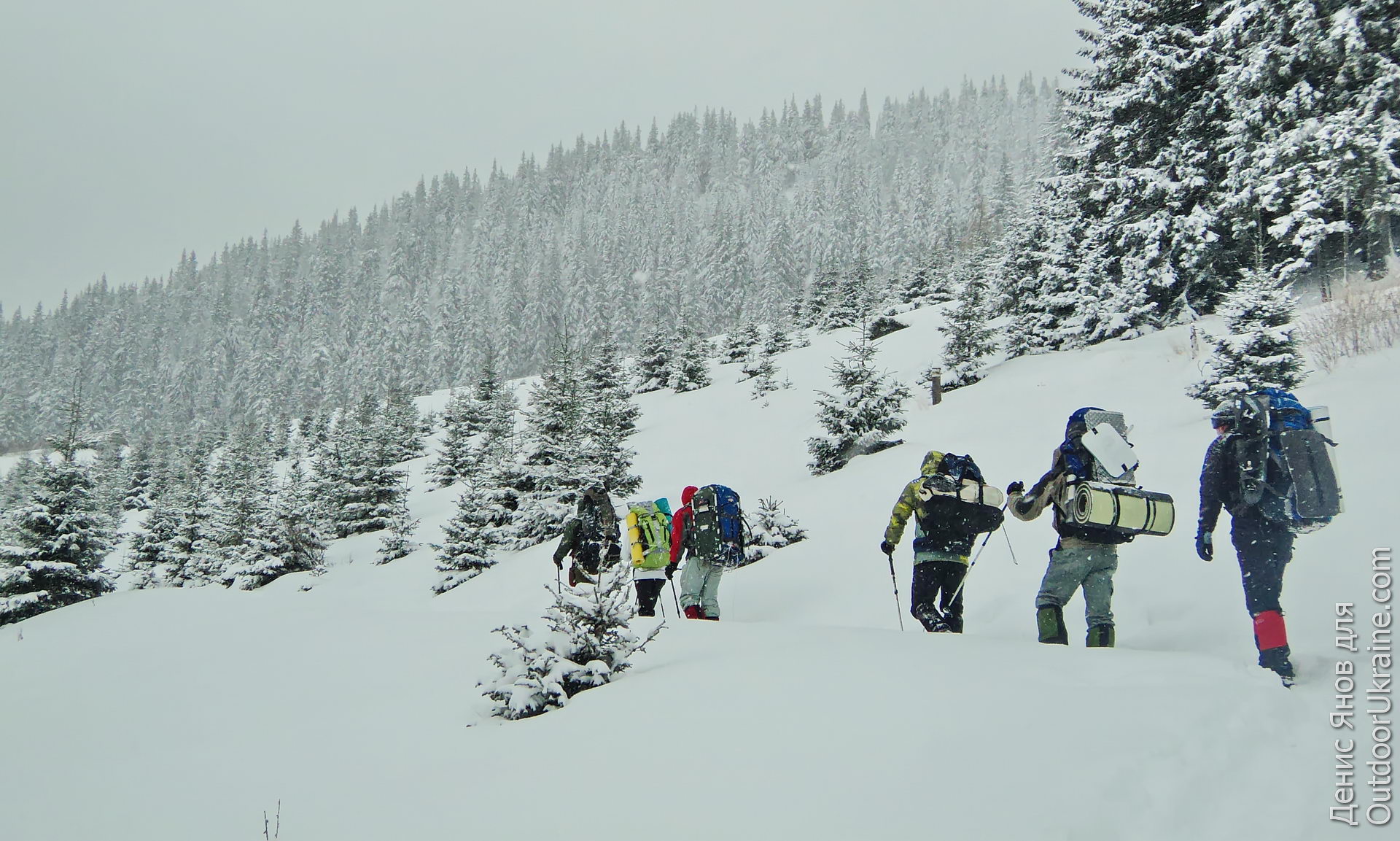
Disorientation is another popular winter problem faced by tourists. The reason is that, firstly, daylight hours in winter are half as long as in summer. Secondly, the weather in winter is much more likely to bring surprises in the form of blizzards or even ordinary snow, which makes visibility close to zero. Thirdly, in winter, the wind blows snow unevenly on the peaks and bridges, which often leads even experienced hikers off the right path.
The oldest navigation device - a compass and a route map - will help you avoid such troubles. Also, along the entire route along the Montenegrin ridge, group leaders should have portable radios to communicate with rescue teams in Lazeshchyna, Verkhovyna and Vorokhta. It is also recommended to have a pocket GPS as a navigation device, but before leaving, be sure to check the availability of maps appropriate to the route.
The main advice for tourists who get lost is to immediately return to their own footsteps at the first sign of disorientation.
Every year, avalanches in the Carpathians claim the lives of ten tourists, skiers, and even rescuers. To inform tourists as much as possible, the Rafting Center's instructors conduct special seminar-type classes before each climb and hike, regardless of the participants' training and individual skills.
In general, we can say for sure that due to the dominance of the southern wind in winter, it is worth passing the crossings from the southernmost side, as there are always snow cornices and blowouts on the northern side. Experienced instructors of the Rafting Center strongly recommend to refuse from ties, because 90% of those who go on winter hiking in the Carpathians do not know how to properly cut a bay in the snow and simply do not have a special ice axe. Only because of this mistake last year a group of tourists died while climbing Hoverla, when one of them collapsed a snow cornice.
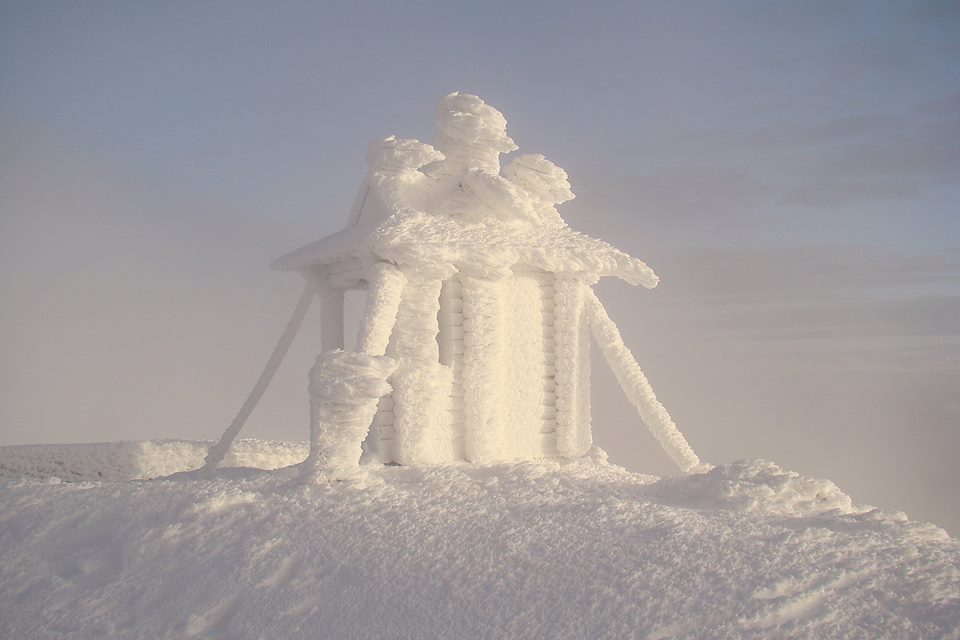
The most important factor of survival in an extreme situation in the Carpathians in winter is the adequacy, experience and skills of the instructor or group leader. The Rafting Center advises to always demand from the person who calls himself an instructor, an instructor's certificate or a book of a sportsman - climber. If the guide refuses to show at least one document, you should refuse from his services, because it is unnecessary risks for the whole group.
Be sure to remember: winter hiking in the Carpathians can not be compared with the summer, and every year from the advice of inexperienced and simply incompetent instructors in the mountains tourists die.
In any case, it is always better to refuse to participate in a winter hike than to solve problems in the mountains later. You can find the phone numbers of rescue teams on the website of the Rafting Center.
If you do decide to go on a winter hike, then you should take a responsible approach to the selection of equipment. Winter tourism is a serious test for both tourists and equipment. Basically, the list of equipment is the same as for summer travel, but has some significant differences.
Group equipment:
1. Tent (tent) - for winter, you should use only "extreme series" tents or replace the tent arches with duralumin ones.
2. Tent bedding (polyethylene, Tyvek) - bedding is not mandatory equipment, but even a thin layer of polyethylene will protect your tent from damage by stones, branches and other objects.
3. Burner (burner) - in winter, a burner is indispensable and fuel (gas / gasoline).
4. Boilers - for convenience, you should take two boilers: for cooking main dishes and for tea, coffee and other drinks.
5. Tools - axes and saws.
6. First aid kit - the recommended minimum of necessary medicines for a group first aid kit can be found here.
7. Repair kit - in the conditions of the campaign, things are often used at the limit of their capabilities and you should be prepared to carry out repair work of any complexity.
8. Snow shovel - for building snow walls / digging a tent and other snow manipulations.
10. Ripcord - 5-10 meters of rope with a diameter of up to 6 mm, which you can find many uses for.
11. Compass and map.
Individual equipment:
1. Backpack - for a winter hike, backpacks with a capacity of 45-100 liters are suitable. You need to take more things on winter trips, and therefore the backpack should be of the appropriate size.
2. Sleeping bag - a sleeping bag with a comfort temperature of at least -5 °C.
3. Mattress - special mattresses and self-inflating mats can be used as a "carpet".
4. A saddlebag - for winter, a saddlebag is a must-have piece of equipment. After all, you can not only sit anywhere, but also fan the fire with it, use it as a board, tray, and find many other uses for it.
5. The most necessary things: a mug (metal/thermal/thermoplastic), a spoon (usually only a spoon is taken on hikes, a fork is an unjustified luxury), a bowl (metal/thermoplastic), a knife.
6. An individual first aid kit (if you need special medicines that are not included in the group pharmacy, you must complete them individually. Also, you need to put a minimum supply of medicines (bandages, plasters, painkillers, nosepacks, validol) in your individual first aid kit.
7. Flashlight - the best choice for traveling is a headlamp, it will give you maximum freedom of movement in the dark.
8. Hygiene kit - a set of hygiene products is collected individually. Toothpaste and soap should be taken for the group. For a winter hike, be sure to add cream and hygienic lipstick to your individual hygiene kit.
9. Trekking poles - in winter you will fully appreciate all their advantages!
10. Snowshoes - own or rented, they will save a lot of time and effort.
11. Special equipment (crampons, ice axes, ice axes, systems, rope, carabiners). Be sure to have climbing equipment with you if the route includes technically difficult ascents/descents.
Personal belongings:
1. Walking pants - for a winter hike it is best to take pants made of raincoat fabric with impregnation or membrane. It will be very convenient to wear dumping pants.
2. Bivouac pants (warm) - in a winter hike you need to take warm pants for moving in extreme cold, as well as on bivouacs. Insulated (padded) or fleece pants are suitable. If you have ski or burgundy pants, take them without hesitation.
3. Jacket - the best for winter travel is a jacket made of raincoat (preferably membrane) fabric without insulation or with a thin insulating layer. The jacket should have a hood.
4. Down jacket - a lightweight down jacket or vest will protect you from the cold in the most severe frosts.
5. Boots and changeable shoes (sandals/slippers) - useful on the train.
7. Shoe covers - keep your feet warm and dry.
8. Gumboots (fanariki) - gumboots will protect your feet from snow getting into your boots.
9. Polar fleece - for winter hiking you need to take at least two warm jackets. Polartec/fleece items are best suited because these materials retain heat even when wet and also dry perfectly.
10. Buff/bandana.
11. A hat.
12. Mittens - preferably fleece, insulated, woolen. You should also have a spare pair.
13. Tops - protect your hands from wind and cold.
14. Socks - you can take woolen socks on a hike, but it is better to use special ones. Be sure to take a change of socks and socks for bivouac (warm / grandmother's).
15. Thermal underwear.
16. T-shirts - two pieces are enough for both long and short hikes. It is best to take thermal T-shirts or T-shirts made of synthetic materials.
17. Civilian kit - it is not necessary to have a ceremonial set of clothes (for civilization), but it is recommended:)
Comments
You may also be interested in
All articles Parashka – one of the highest mountains in Lviv regionЗ Парашкою у багатьох із нас особливі спогади. Будучи найближчою до Львова горою, вона не для одного майбутнього туриста стала однією з...
 How to Prepare and Safely Go Hiking in the CarpathiansУ цій статті ми інформуємо про найголовніші і незаперечні заходи безпеки, яких необхідно дотримуватися для того, щоб ваш туристичний...
 Solo Hiking in the Carpathians. What You Need to KnowЯкщо ви остаточно утвердилися в своєму бажанні сходити в самостійний похід в гори, то непогано б знати, які знання і навички для цього...