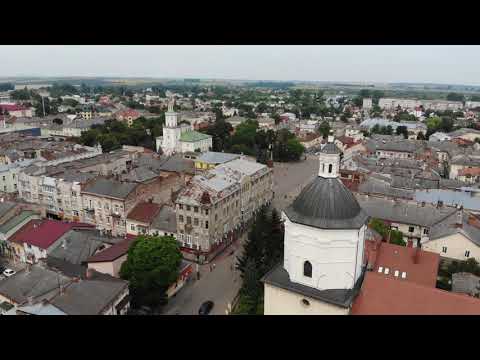
Church of St. Stanislav, Sambir
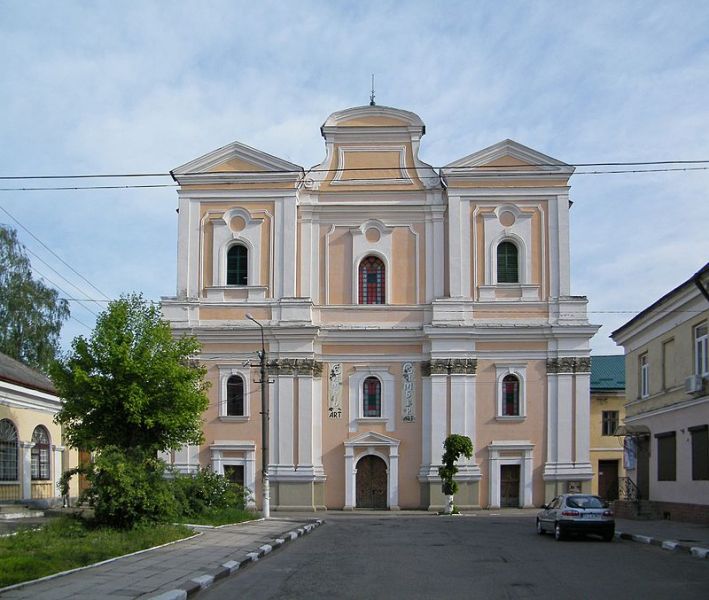
The town of Sambir is located 75 km from Lviv and is interesting for its churches. There is the Church of St. Stanislav, which was part of the Jesuit monastery complex. It was built until the middle of the 18th century. The authors of the project are the architects Delamaris and Hyzhytskyi.
St. Stanislav's Church and Bernardine Mon astery is a religious building and monastery in Ukraine. The foundation of the complex dates back to 1698. The monastery includes the Church of St. Stanislav, a bell tower, and monastic cells. The Bernardine Monastery was built in 1471-1476. These buildings have not survived to this day. Construction of the stone monastery began in 1698.
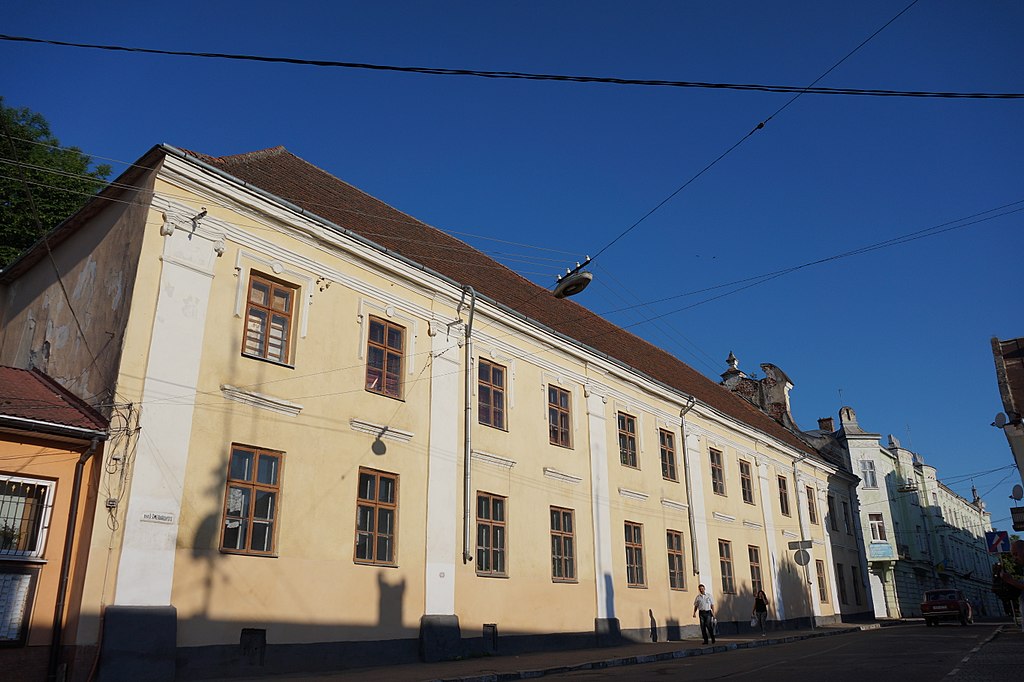
The three-nave Basilican church has Baroque features. Nearby is a building of a later construction, it was a Jesuit college. Later, when the Jesuit order was liquidated, the monastery was taken over by the Bernardines.
Initially, a cemetery was laid out (on the site where the juvenile labor colony is now located). A chapel was built in the center of the cemetery. It was used for worship until 1474, when the Church of the Assumption of the Blessed Virgin Mary was built.
In 1498 the monastery was burned by the Tatars. In 1514, the Bernardines began construction of a stone defensive shrine. The monastery was surrounded by strong and high walls made of brick and stone. On the western side of the monastery was a gate, and on the southern side was a quadrangular tower with a gate.
Emperor Joseph II abolished the Bernardine Order on February 5, 1786, and all property became state property. The buildings housed the county government, then the county police, and a gymnasium. In 1905, however, all the monastery buildings were demolished, and construction began on the county court and prison.
The monastery existed in the new premises until 1939. In 1987, the church was restored and adapted into a concert hall for organ music. The building is unique for its acoustic qualities. The echo lasts 6.5 seconds. After the abolition of the Jesuit order, the authorities transferred the college and the former Jesuit church to the Bernardines in 1847.
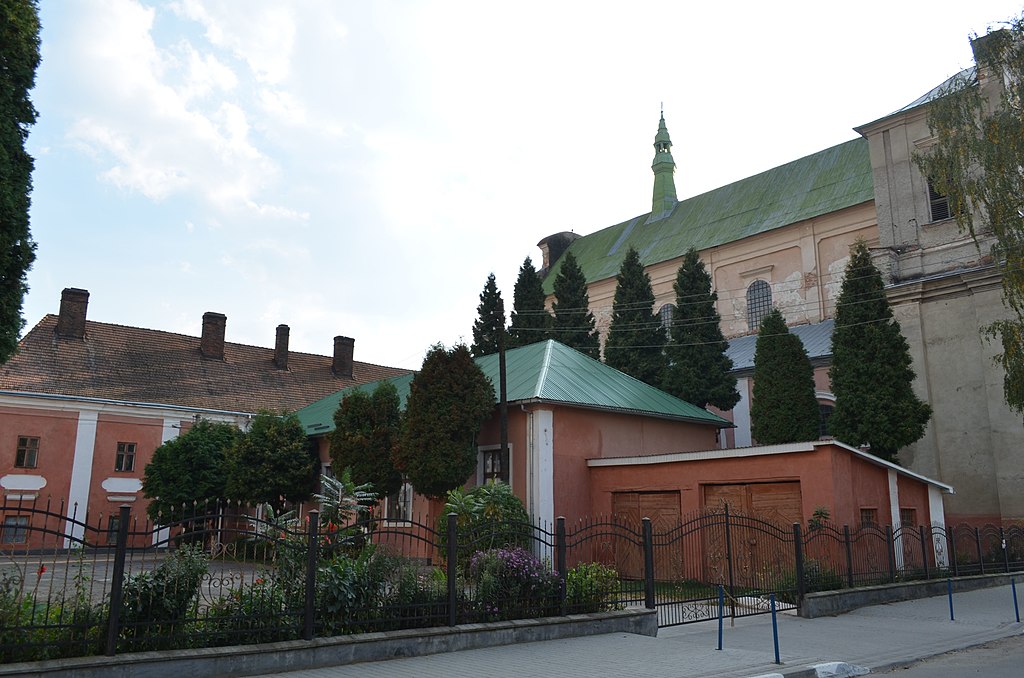
The church is a baroque, rectangular, three-nave, basilica-type building. The main façade has low two-tiered towers crowned with triangular pediments. The church is made of brick, consists of a rectangular nave with 4 arches and a narrower presbytery with three arches.
A two-story cell building adjoins the southern façade of the church. The building is made of stone and has a corridor system with cross vaults on the ground floor. The southwestern corner of the monastery building includes a three-tiered, square bell tower under a hipped roof.
The pride of the church is the Czech organ, created by the craftsmen of the Czech-Austrian company Gebruder Rieger in 1935. After restoration, its majestic sound delights visitors. Now the former church houses an organ hall. Organ music lovers note the excellent acoustics of the building. Concerts are usually held on Saturdays.
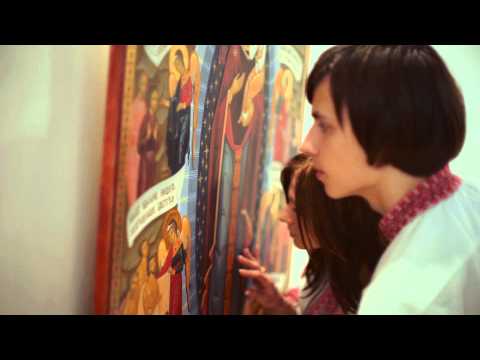
The cell building houses the Sambir School of Culture.
The Church of the Nativity of the Blessed Virgin Mary, where the relics of St. Valentine are kept, is the most visited by tourists.
Nearby hiking trails near Church of St. Stanislav, Sambir:
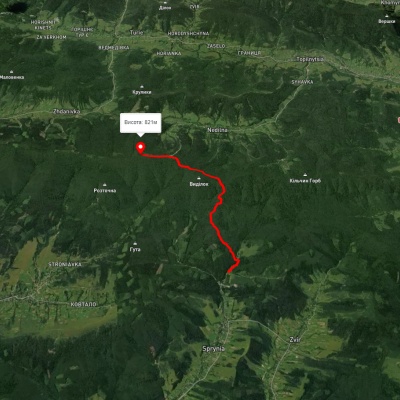
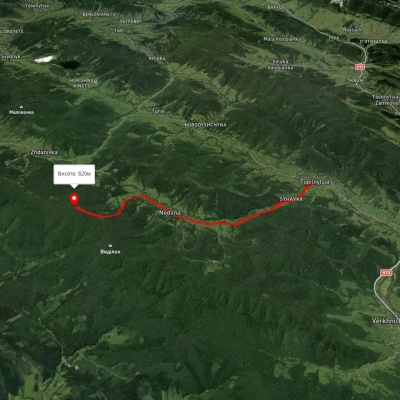
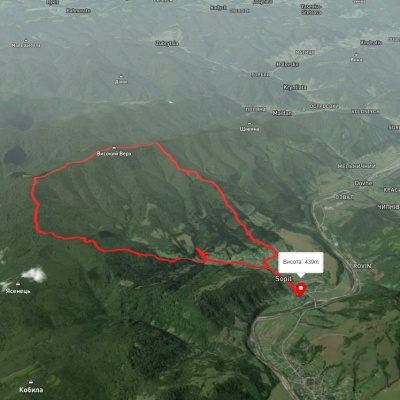
Which trails pass by Church of St. Stanislav, Sambir?
We suggest these hiking trails through or near Church of St. Stanislav, Sambir: Sprynia – Chapel – Tower of Memory, Nedilna – Tower of Memory, Sopit village, via the Sopit polonynas to Sopit village, Kamianka village, via Mount Lopata, Skole and Mount Parashka to Krushelnytsia village, Korchyn village, via Hurkalo Waterfall and Mount Parashka to Krushelnytsia village, Skole, via Mount Parashka, Hurkalo Waterfall and Korchyn village to Verkhnie Synovydne village