10 most common myths about mountain hiking

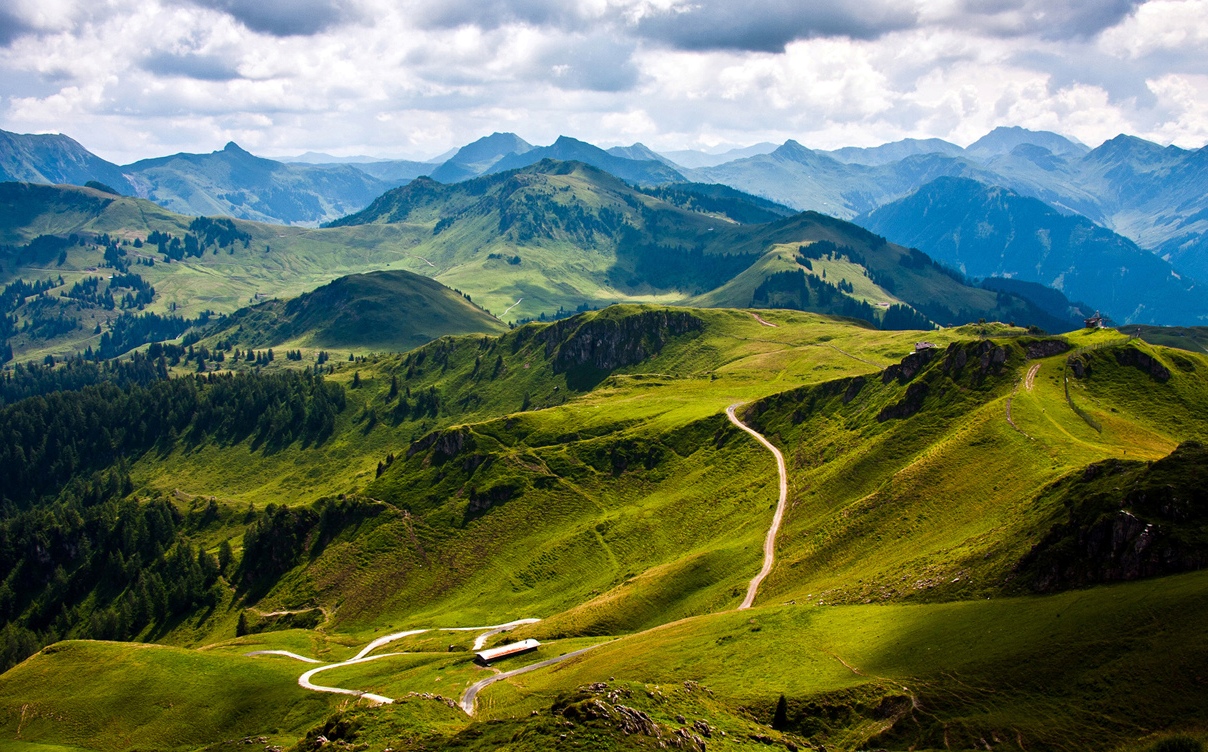
The article aims to dispel people's fears of hiking in the Carpathian Mountains. All these myths are dispelled after the first hike.
Despite the fact that mountain tourism in the Carpathians is now very popular among outdoor enthusiasts of different ages, occupations and fitness levels, there are still many people who believe that hiking is not for them. They explain their position based on stereotypes that emerged several decades ago. But thanks to modern equipment, clothing, and footwear designed for hiking, much has changed. Therefore, it's time to dispel those myths that are no longer relevant and only stop many people from uniting with nature. So, let's take a closer look at each of them.
Myth 1: It's hard to walk all day in the mountains, you get very tired
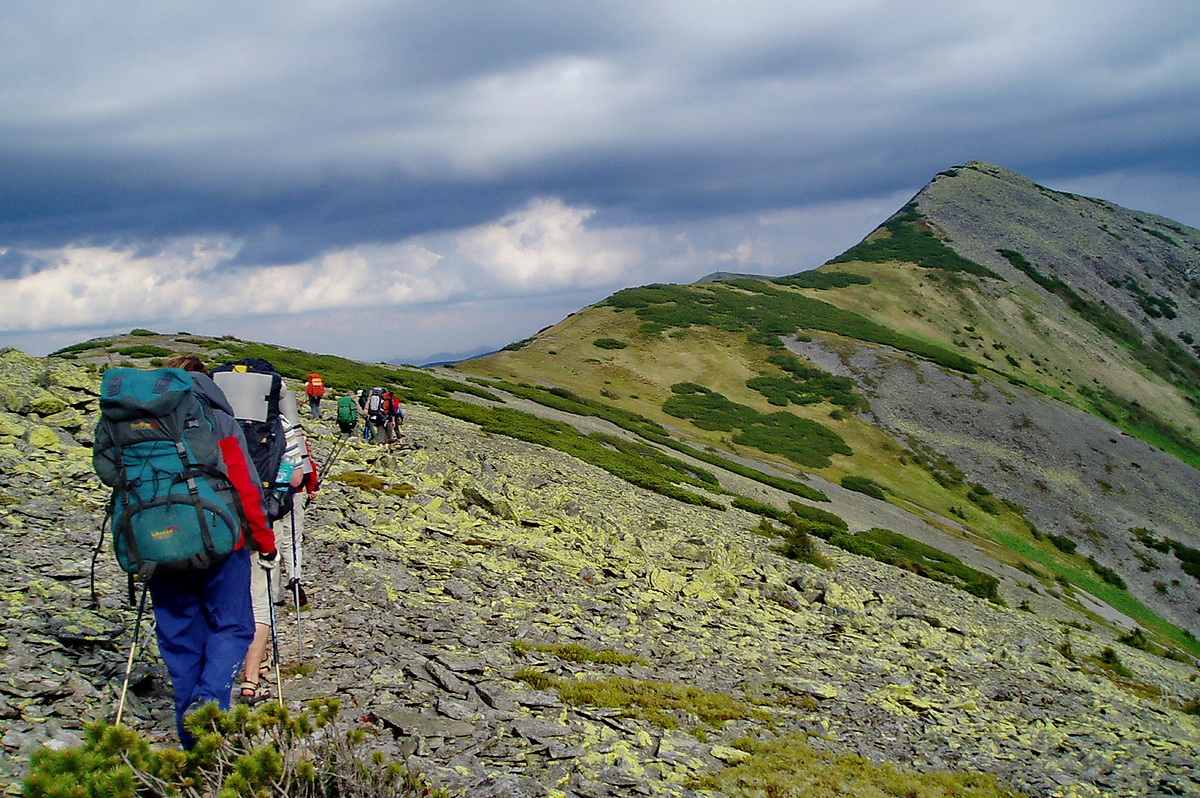
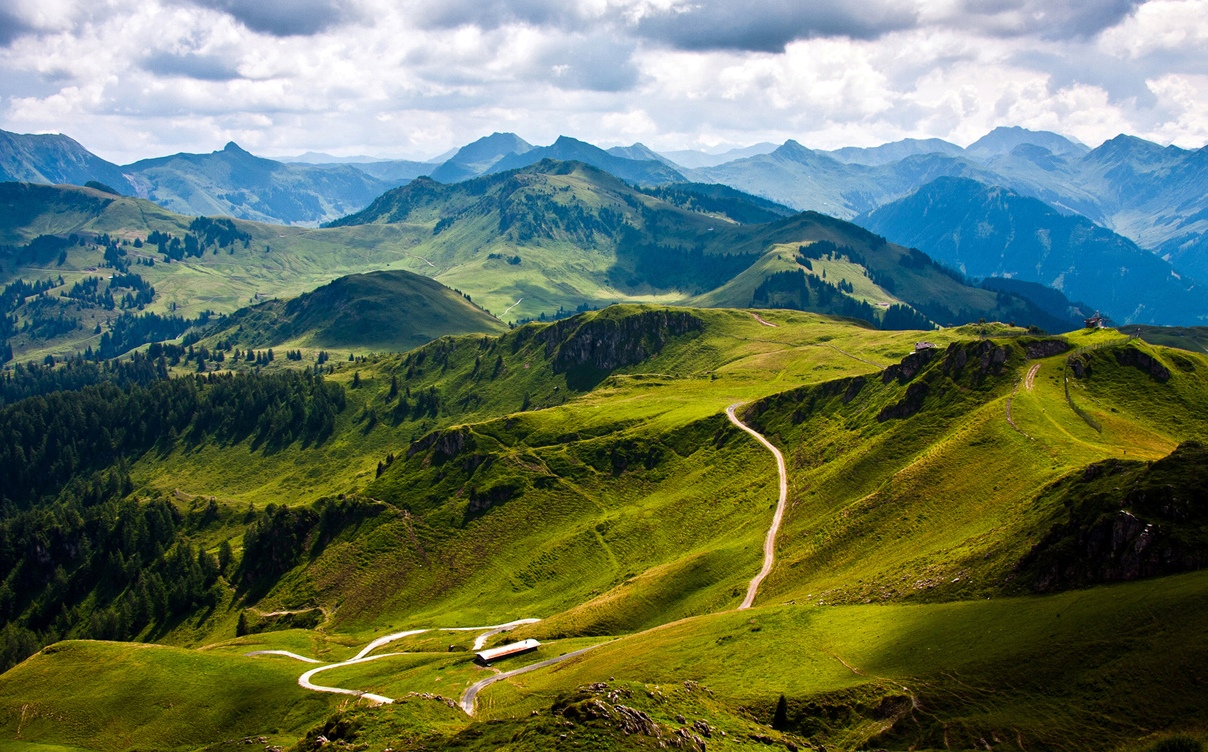
Yes, you have to walk, sometimes a lot. But no one forces you to be in constant motion. At any time, you can sit down and relax, admire the magnificent Carpathian views of forests and mountains, have a snack of dried fruit or chocolate, stretch out on a grass carpet and enjoy the clouds floating in the sky.
In addition, you cannot compare walking on city asphalt in narrow, foot-cramping shoes with walking along mountain trails in comfortable boots. First of all, the surfaces that people are used to walking on every day are very hard, which provokes rapid foot fatigue. As strange as it may sound, the trails used by hikers are much softer due to their natural surface. And secondly, shoes designed for mountain hiking are much more comfortable than city shoes - they soften your every step and reliably protect your ankle from all kinds of damage.
It all depends on the leader. Find a good one or become a leader yourself. Study the area, plan to walk no more than 10-15 km every day (or even less if you don't want to strain at all). Periodically organize days off - days when you camp in one place and don't go anywhere.
Myth 2. Only profiteers can carry a full backpack
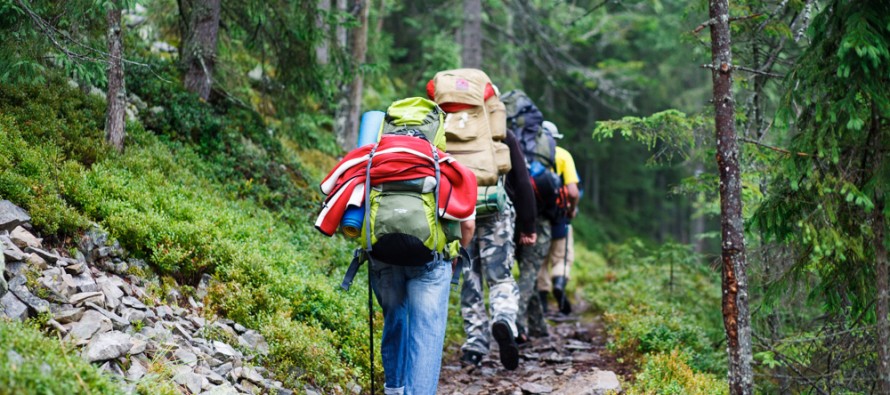
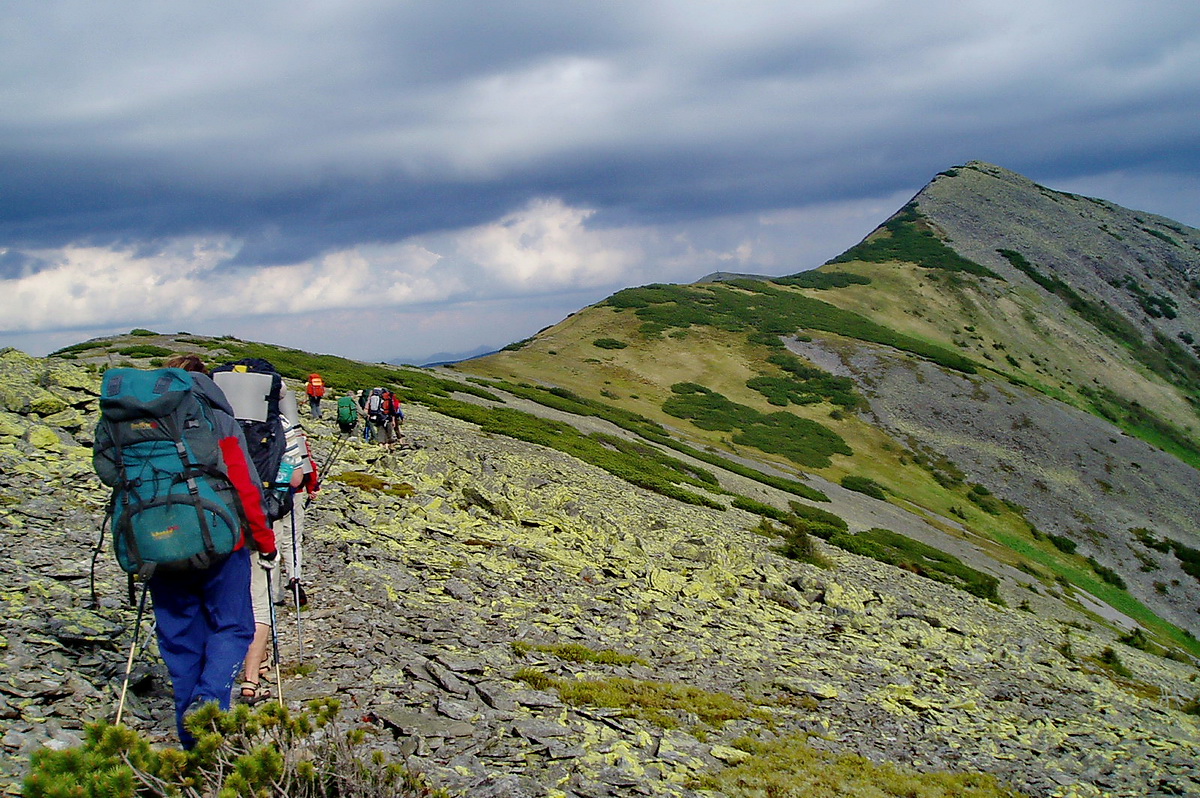
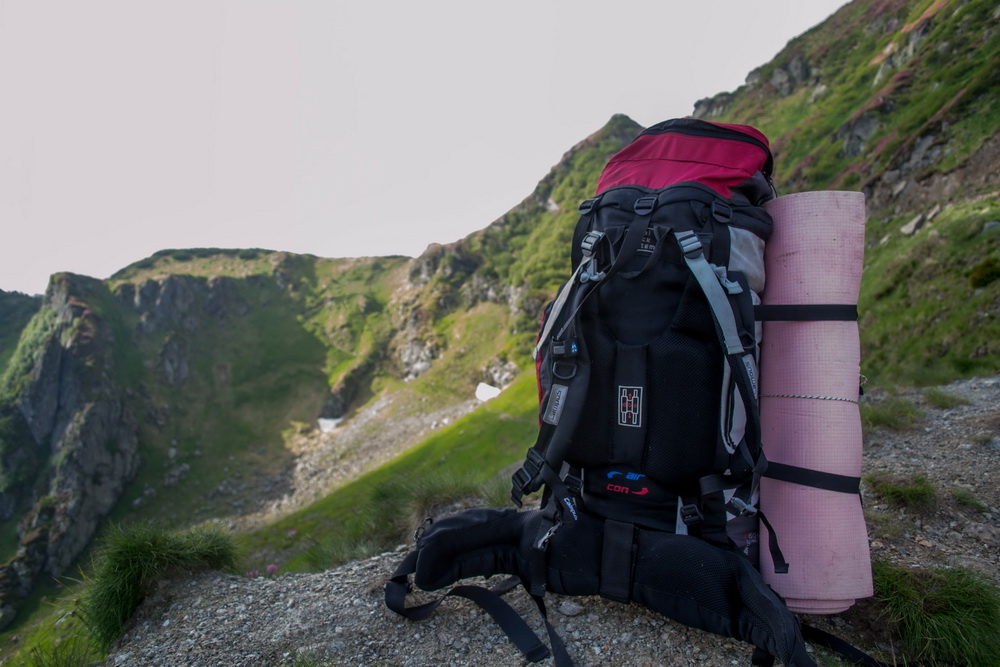
This misconception appeared back when no one could even imagine the modern anatomical backpacks that can be bought in any tourist shop today. And beginners are often frightened by the size of this very backpack. But they don't know that the entire useful volume is filled not with "bricks" but with numerous lightweight items, including a sleeping bag, clothes, and a travel mat. Of course, you also have to carry heavier things, but any adult can do it.
In addition, if you are a beginner, you don't have to go on a week-long hike right away, you can plan a route through the Carpathians for one day (for example, a one-day hike to Hoverla). Fortunately, the level of development of modern transportation, both personal and public, allows this. In this case, a small backpack will be enough, in which you will need to put only a windbreaker, water and food.
A hiking backpack is not that heavy if you choose the right equipment. Let's do the math: the backpack itself - 2 kg, sleeping bag - 1.5 kg, mat - about 600 g, tent - 2-4 kg, stormproof - 500-600 g, spare sweater - 300-400 g, dishes - about 0.5 kg , food - 0.5-1 kg per day depending on your voracity. Total: 10-12 kg if you go for 2-3 days. This is not much. We often carry the same or even more weight home from the store, but not in a backpack, but in bags and packages, which is much less convenient.
Myth 3. You can't wash and keep clean while hiking
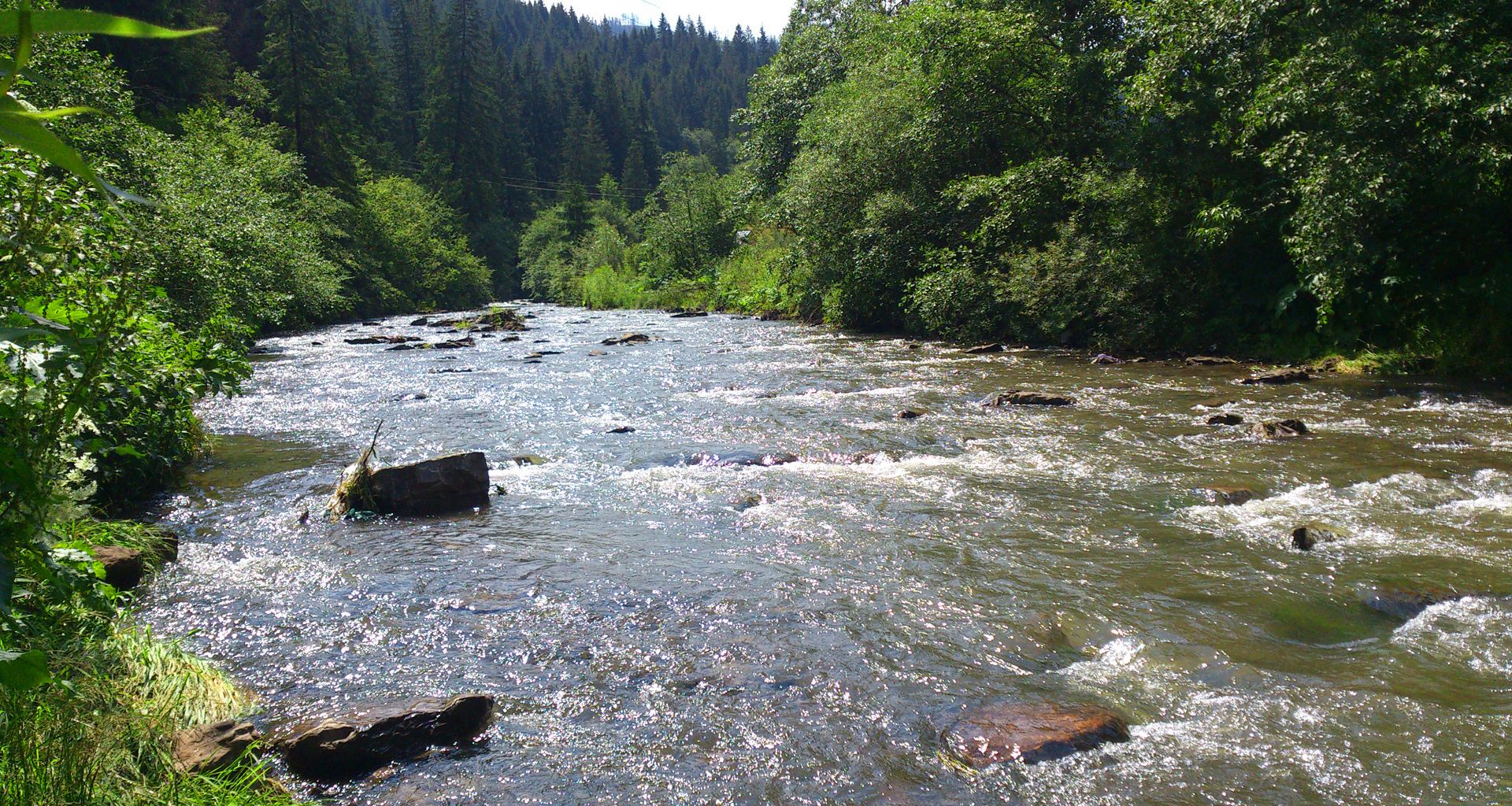
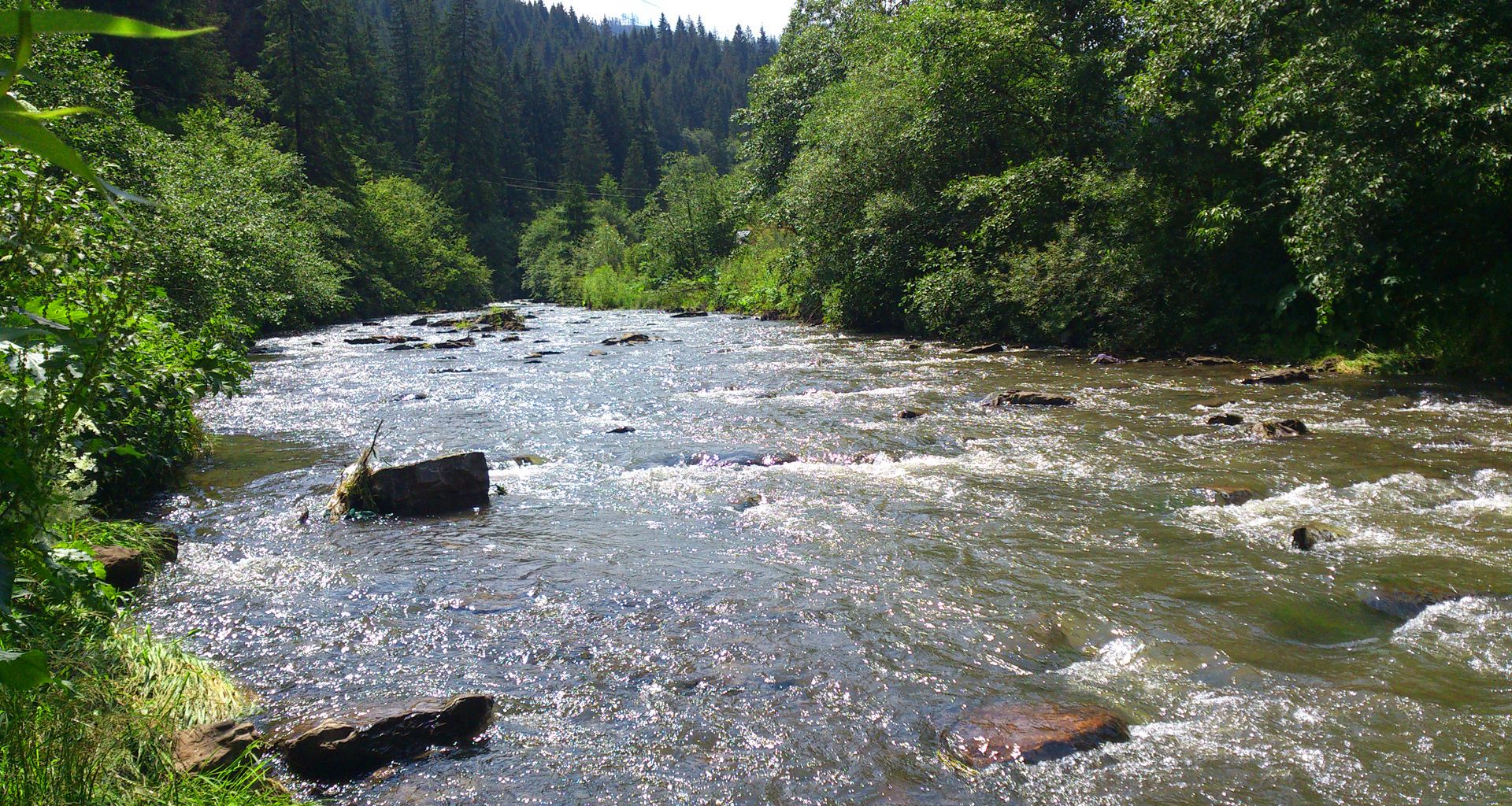
Yes, there are no showers in the mountains as imagined by city dwellers, but this does not mean that you have to walk around dirty. Just take a towel from home and your natural need for cleanliness will be fully satisfied. After all, there are many springs, rivers and lakes in the mountains. And if you're lucky, there may be a whole waterfall on the route, which is a real natural jacuzzi and even better! In addition, you can buy and take a portable shower with you in tourist shops.
Tourists usually spend the night near the water (which, by the way, can be heated, and cold water will do for washing your feet). Wet wipes that can be used to wipe yourself from head to toe are extremely handy. The plate can be washed even without water - first (immediately after eating, until the remains are dry), wipe it thoroughly with toilet paper, and then with a damp napkin. In the summer, it is enough to put water in a plastic bottle in the sun, and in a few hours it will be hot. Take shampoo (for example, in sachets) and wash your hair.
Myth 4. Sleeping in a tent is uncomfortable, uncomfortable and cold
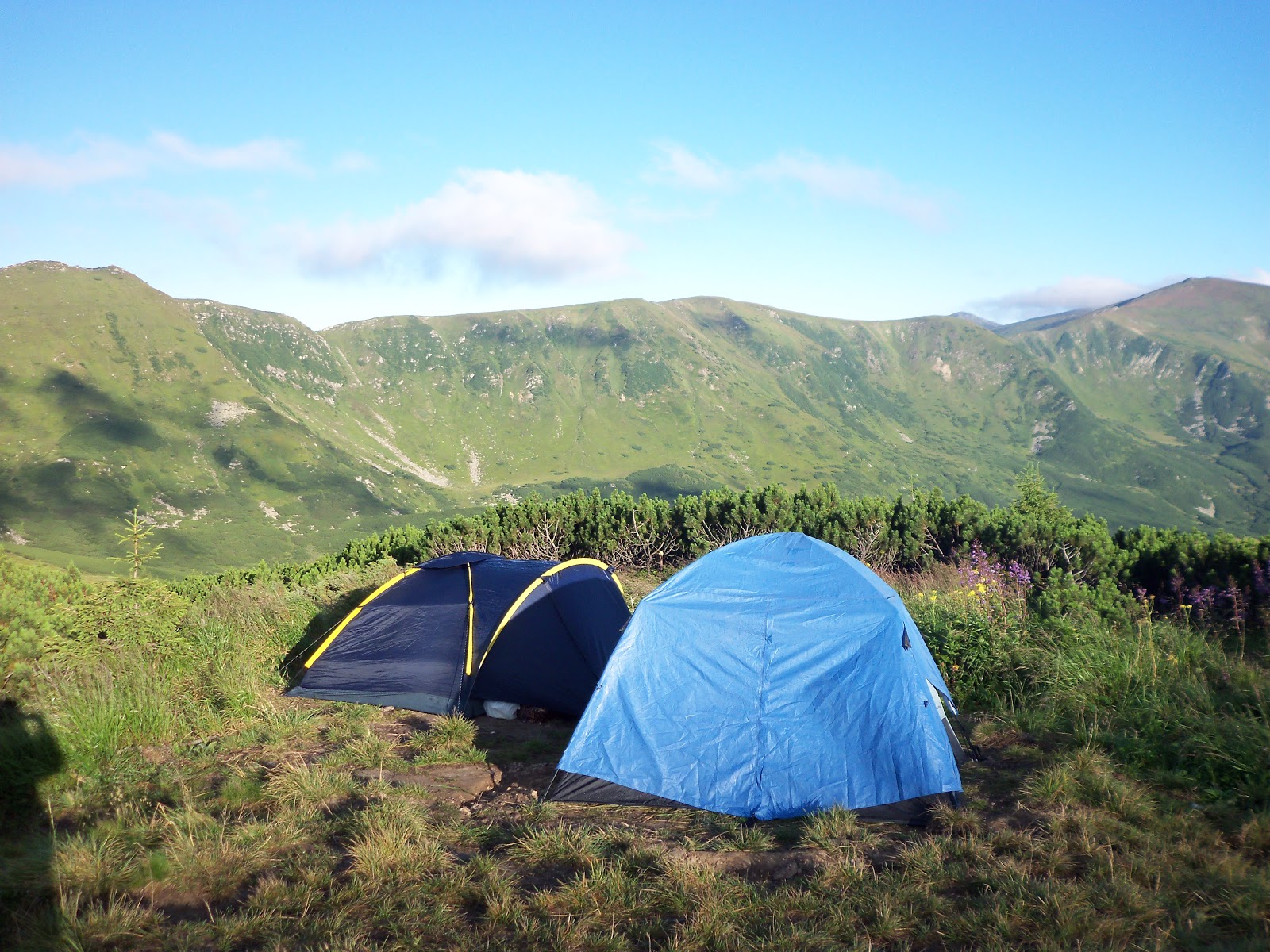
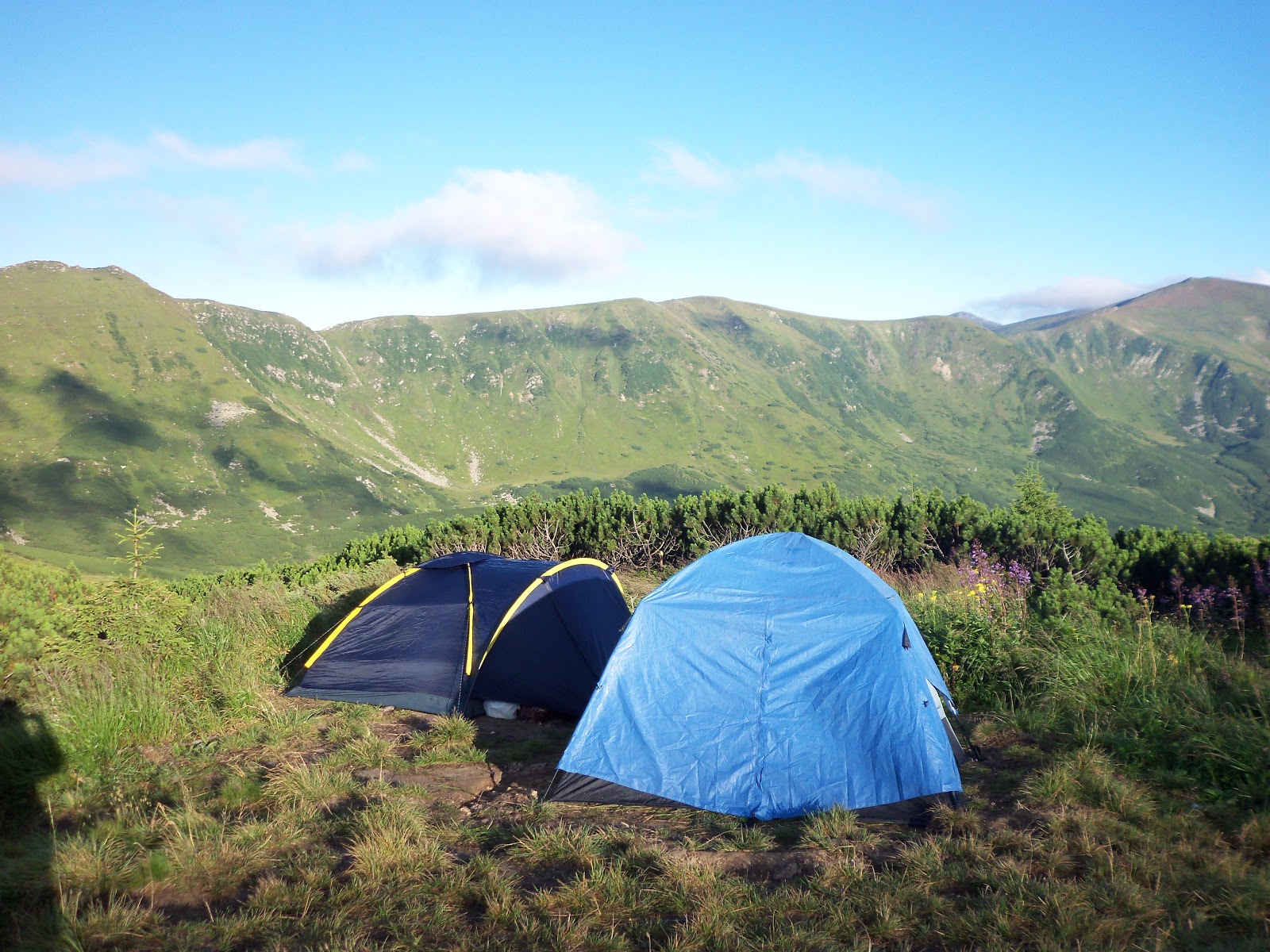
This can only be said by those who have never slept in a tent. The fact is that modern tents, sleeping bags and travel mats can provide everyone with one hundred percent comfort. Travel mats, which are laid on the bottom of the tent, do not let in either cold or moisture, and a sleeping bag, thanks to the modern materials used for its manufacture, is able to warm a tourist even on the coldest night. If you set up a tent on a grass carpet, the quality of your sleep will not be compared to that which you get at home. After all, fresh air and an active day also have a positive effect on sleep.
Myth 5. It is difficult to make a fire.
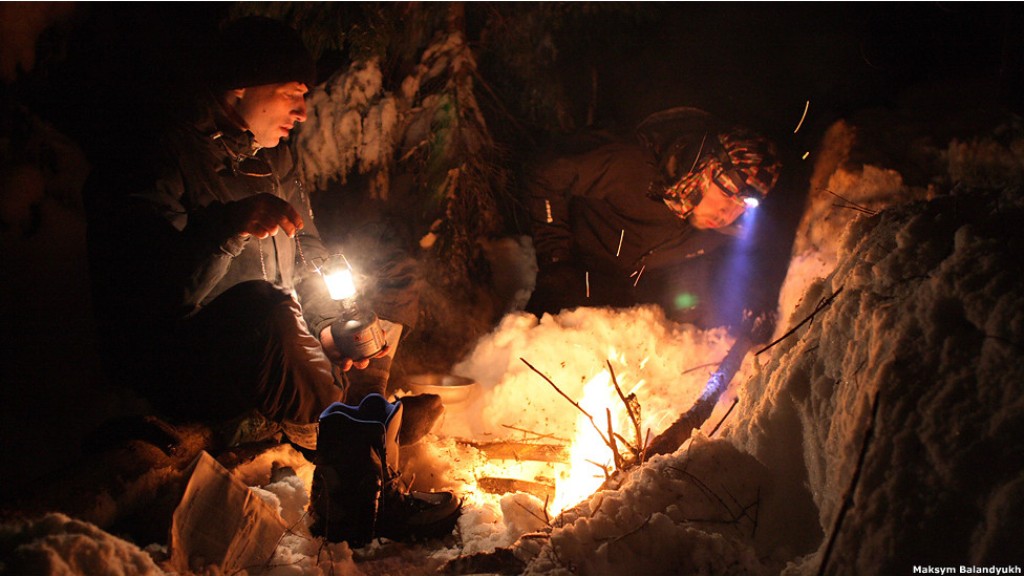
In fact, it depends on the weather. It's really hard after the rain. Then a tablet of dry alcohol will help you out. If you want, you can take a sufficient amount of it and use it always, including in good weather.
Myth 6. It is impossible to cook food on fire
To debunk this myth, first of all, it is worth saying that many modern tourists have already forgotten about cooking over a fire. After all, now there is a new benefit for tourists - gas cylinders weighing no more than 1000 grams. One such cylinder can be enough for one person to cook for 5-7 days. At the same time, this process looks almost the same as at home in the kitchen. As for burning fires, it simply creates a special atmosphere in the campaign, which should not be abandoned either. As for where to cook, modern tourists can already choose.
If you have long dreamed of admiring the magnificent views that open from the peaks of the Carpathian Mountains, but you were stopped by one or all of the above myths, now you can finally put aside all your fears and enjoy life to the fullest!
Myth 7. The high cost of equipment.
When going hiking for the first time, the easiest way is to ask your friends for equipment. Later, with some experience, you will buy your own. The basic things (backpack, sleeping bag, tent, mat) can cost less than $100 in total, if you take the cheapest one. A set of fairly high-quality items will cost you about $200. In addition, if your friends invite you along, they will probably have extra space in the tent, so you shouldn't buy a tent in the first place. Start with a backpack and a sleeping bag.
Myth 8. There is no money for a hike
The main thing is to have equipment (your own or borrowed) and money for transportation. But if you are not going to go on a hike to the other side of the globe, but are going to the nearest forest, then transportation costs will be a pittance. And many penniless travelers hitchhike across the country (i.e., in passing cars). Food costs will not make a hole in the budget: you need to eat (and buy food) anyway, regardless of whether you go hiking or not. You might even save money by eating frugally while hiking, since they don't sell beer or ice cream in the forest.
Myth 9. I can't live a day without electricity.
You will be able to do just fine. Charge your phone, camera, take spare batteries. Don't talk too much, don't keep your phone on for a long time, and you'll make it through the week. Take a charger. If you pass through a village, plug your device into someone's outlet. Let it recharge and have a snack in the meantime. Buy an LED headlamp. Your hands remain free, and it's completely unrealistic to plant it in two weeks. You don't need an iron in a hike, and you need to take a break from the computer and TV from time to time. Buy a portable charger and you'll have enough for several charges in a hike.

Myth 10. You can get sick or injured while hiking.
Practice shows that people get sick in nature less often than in everyday life, because the body's defenses are mobilized. Injuries also happen more often in the city (apartment, public transport) than in a hike. Even if you are walking in the mountains, on rough terrain, if you have a good head on your shoulders and common sense, the likelihood of injury will be very low.
We are convinced that we can collect another dozen of these myths, especially from sofa tourists. They will definitely come up with a whole bag of myths. We recommend that you gather as a group according to the list, choose an interesting route and go hiking without delay. Enjoy planning, packing and hiking!
Comments
You may also be interested in
All articles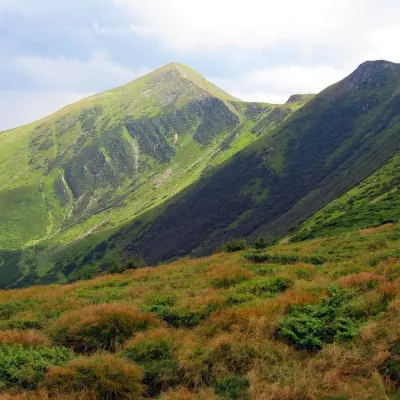 Carpathian trip planner: how to plan your route, overnights and a PDF plan
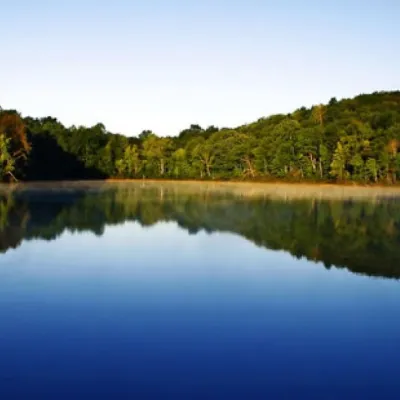 Fishing in Western Ukraine: 7 Water Bodies Worth Visiting
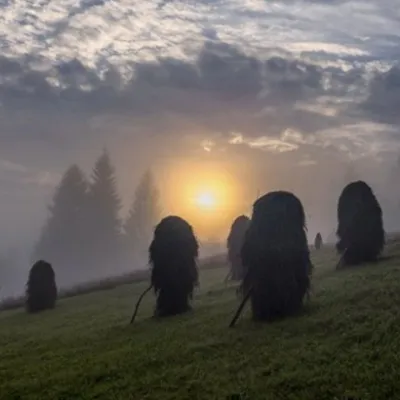 It's worth starting your acquaintance with the Carpathians from these ten authentic Carpathian villagesЯкщо бажаєте відвідати Карпати, але ще не вирішили, куди поїхати - ось десять гірських поселень, які не зможете забути.