Burshtyn
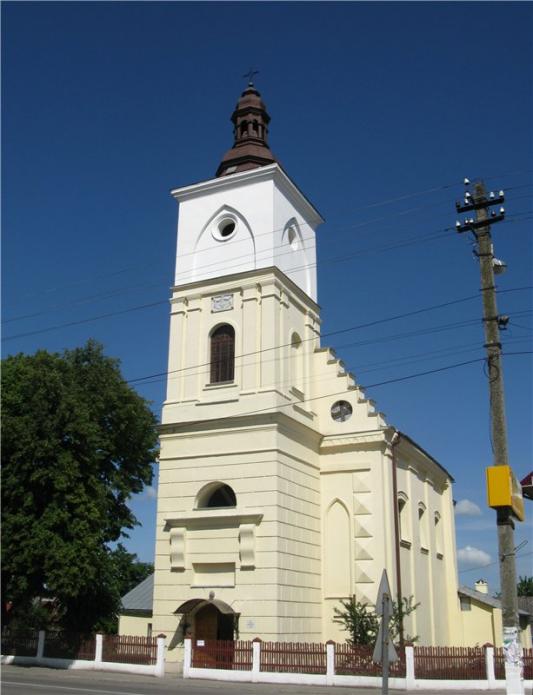
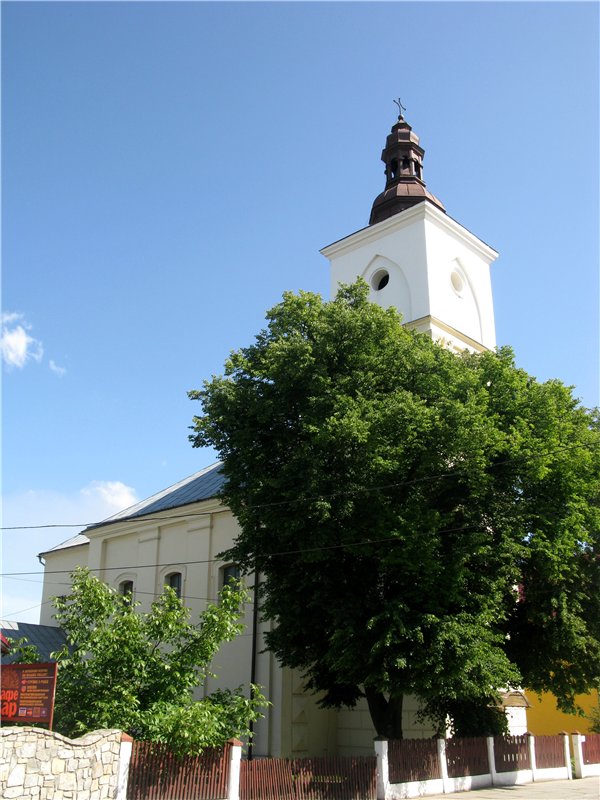
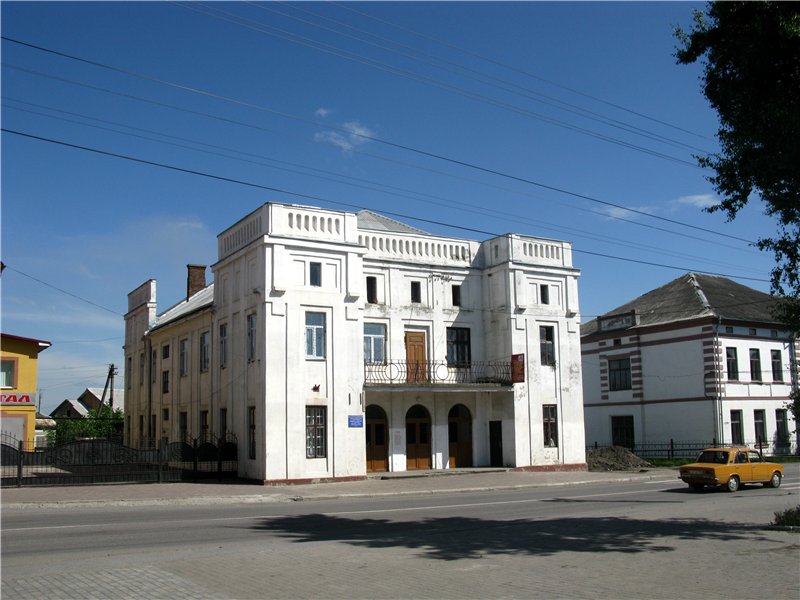
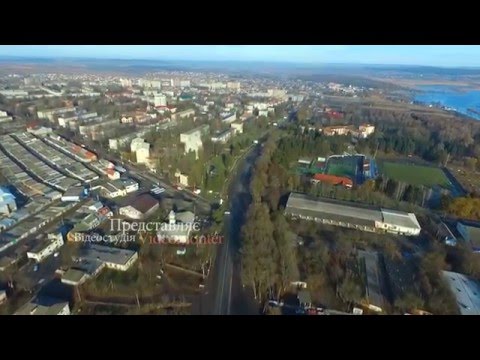
Burshtyn is a city of regional significance in Ivano-Frankivsk Oblast, located in the floodplain valley of the Hnyla Lypa, 20 km from Halych and 16 km from Rohatyn. The city's population in 2001 was 15,298. In 1940-1962 Burshtyn was a district center. The town has a 500-year history. In the 1940s, Burshtyn lost its city status, and in the early 1960s, it lost its status as a district center. A new round in the development of Burshtyn is associated with the start of construction of a powerful power plant in the floodplain valley of the Hnyla Lypa, the last unit of which was launched in 1969.
Burshtynis primarily an industrial center, with the Burshtyn Thermal Power Plant, the largest thermal power plant in the Carpathian region, operating nearby. It is connected to the European power grid and supplies electricity to part of Europe.
Nowadays, there are 5 versions of explaining the name of the city of Burshtyn:
- Folkloristic and microtoponymic - there are several poetic legends, but they are always related to amber itself - throwing stones, breaking the necklace of a princess, etc. They are purely the work of folk imagination and fantasy;
- theological - the town's toponym is derived directly from the name of the amber gemstone, as the town could have been an exchange or trading post for products made from this oleoresin in ancient times (according to I. Voichyshyn) or a place where amber was processed and jewelry made from it (according to S. Babyshyn and Y. Kruhliak), or even the place where it was actually found (according to the "Chronicle of the City of Burshtyn"). However, there is no documentary mention in historical sources of the existence of an amber hut or a place of sale of amber products in the vicinity of Burshtyn. In addition, Burshtyn became Burshtyn only in the 2nd half of the 16th century (before that, the town was called Nove Selo);
- anthroponymic - there is reason to believe that the place name Burshtyn was formed, as in many other cases, from an anthroponym, and several references to people with such surnames have been preserved in historical sources from the Middle Ages. For example, according to Galician court records, in 1648 the Kalush starosta Samuel Poniatowski filed a lawsuit against the townspeople and peasants for their participation in the autumn riots, and among others, the list of rebels included Ivan and Hryts Burshtyn from the village of Sivka. Therefore, it is possible that the town was named after a new settler named Burshtyn. However, there is no direct evidence that people named Burshtyn were involved in the renaming of Nove Selo;
- soil science - Lviv scholar O. Kupchynskyi includes Burshtyn in the group of settlements whose names were formed from the color of water and soil, though without a thorough argumentation;
- linguistic - its author, a local teacher V. Matiyiv, suggested that the town got its name from a stone castle, which German builders and colonialists called burgstein (burg - "castle", stein - "stone") in their native language.
In one of the most recent thorough studies, local historian Zenoviy Fedunkiv concluded that modern Burshtyn received its current name in the 2nd half of the 16th century after the settlement of Nove Selo, destroyed by Tatars or a flood, was rebuilt on a new site. At that time, it was common practice to name newly founded settlements either by the names of their owners or by microtoponymic features, such as the names of tracts, rivers, and terrain features, but since there is no direct evidence that the town received its name from people named Burshtyn, it is likely that the settlement was named after a geographical object, most likely a tract.
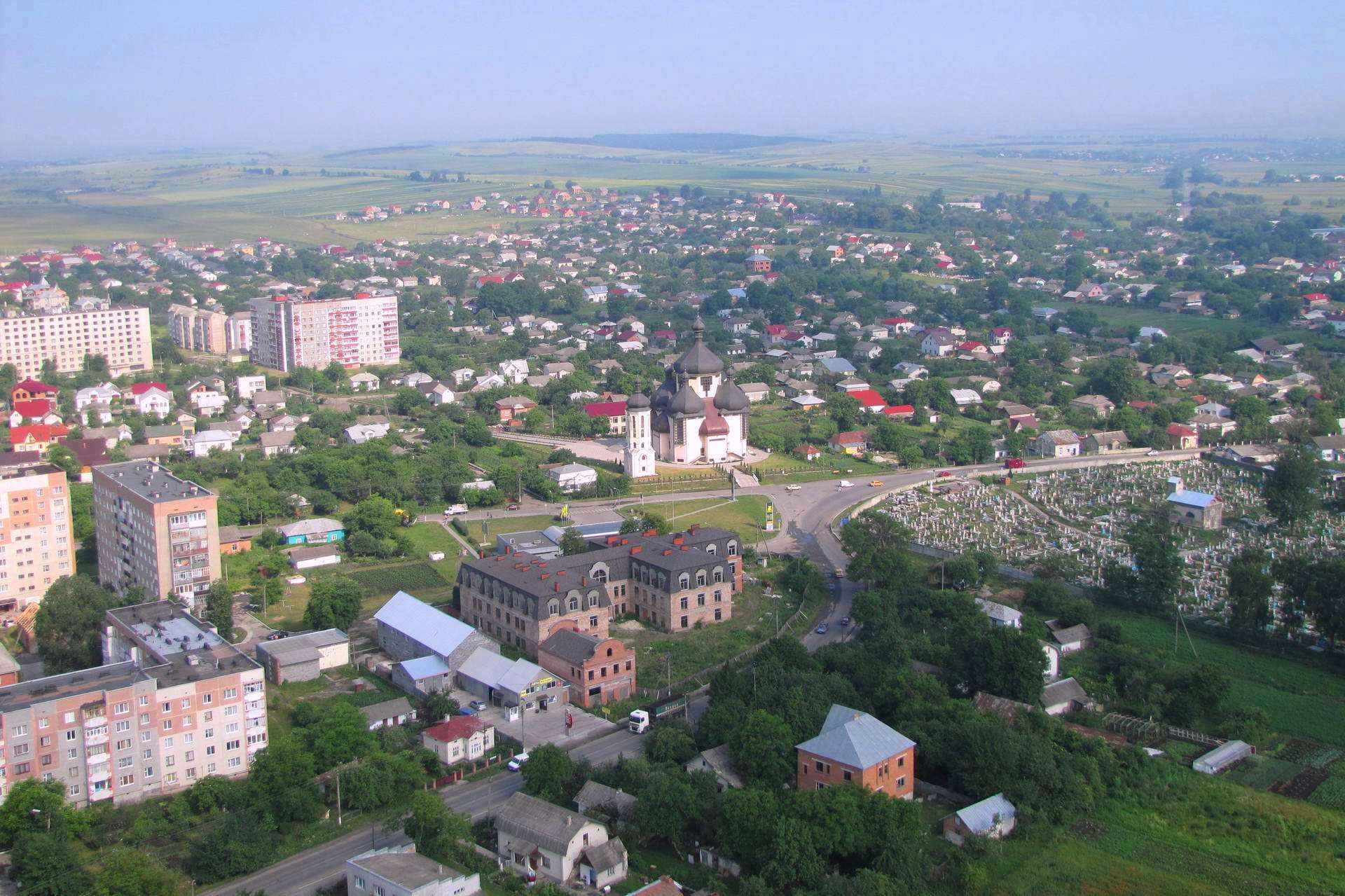
In the 15th century, the village of Nove (New Village) was located on the territory of modern Burshtyn, which was first mentioned in 1436. By the middle of the 16th century, the town grew due to the craft and trade part of the population and began to be called the town of Burshtyn (since 1628). For a long time the town belonged to the Syniavsky family.
The first written mention of Burshtyn dates back to 1554. Back then there were 100 households in the town. The population was engaged in agriculture and crafts (shoemaking, tailoring, blacksmithing, furrier, baking).
- In the 16th century, the town had a mill, a brewery, a malt house, etc.
- In the second half of the 16th century, the Polish magnate Count Skarbek became the owner of the town. A castle-fortress was built here.
- In 1629, a Polish-Tatar battle took place near Burshtyn, as a result of which the town was looted and destroyed.
- In 1630 Burshtyn became the property of Count Jablonowski.
- During the National Liberation War of 1648-1654, the town's residents took part in the hostilities.
- In the 1730s and 1750s, residents took part in the opryshky movement.
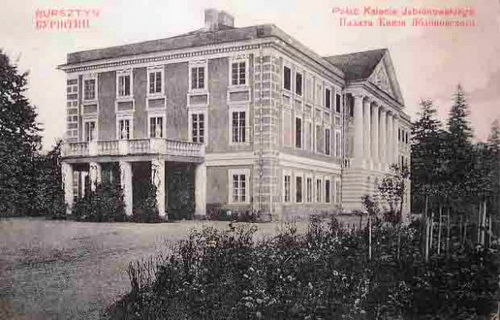
- In the early 20th century, Burshtyn belonged to Count I. Skarbek, who built a large palace here, erected a Uniate church (1802), and founded a Catholic monastery of the Sisters of Mercy (existed in 1842-1945).
- In 1829, alabaster deposits were discovered in Burshtyn. However, only artisanal quarrying took place here.
- In 1849, a one-class public school was opened. In 1882, a private pharmacy and two medical centers were built here.
- In 1857, the town was home to 3470 people.
- In the 1860s, a railroad was laid near Burshtyn and a railway station of the same name was built.
- In 1898, a four-grade school was opened in the town, which was reorganized into a five-grade school in 1909.
- During the First World War, Russian, Austro-Hungarian, Polish, and Soviet troops were stationed in the town at various times. In September 1920, Burshtyn came under Polish rule. As a result of the hostilities, the city suffered significant destruction.
- In the 1920s and 1930s, the town had a distillery, a brickyard, a water mill, and three bakeries.
- In 1930, the first power plant was opened here.
- In September 1939, Burshtyn became part of the Ukrainian SSR.
- In October 1939, the power plant resumed its work. The town had a House of Culture, a secondary school, a reading house, and a district hospital.
- In 1940, Burshtyn was granted the status of an urban-type settlement. During 1940-1962 it was a district center.
- During the Second World War, the town was occupied by the Nazi invaders from July 4, 1941, to July 26, 1944. During the occupation, underground groups operated on the territory of Burshtyn.
- In June 1962, the construction of a thermal power plant began in the town. In 1964, a branch of the Kyiv Energy College was opened here.
- In the 1960s, Burshtyn had two libraries, a House of Culture, and a club.
- At the end of the 20th century, the town had a state-run power plant, a large-panel house-building plant, and a bakery.
- In 1993, Burshtyn was granted the status of a city. Burshtyn was granted the status of a city.
The city is divided into 2 parts: Staryi Burshtyn (the old town) and Novyi Burshtyn (the village of power engineers). At the beginning of the 21st century, the Burshtyn Thermal Power Plant, a precast concrete plant, a bakery, etc. operated in the city. To the south of the town is the Burshtyn Reservoir. Stone tools from the Bronze Age were discovered near the town and 6 ancient mounds have been preserved.
From 1809 to 1811, Franz Xaver Wolfgang Mozart, the son of the world-famous composer W. A. Mozart, lived and worked in Burshtyn. Franz Xaver Mozart was born on July 26, 1791 in Vienna. Here he mastered piano and violin theory. At the age of seventeen, in order to earn some money, he moved to Lviv, where he received a lucrative offer to teach music lectures to the two daughters of Count Bavorovsky in Pidkamin, not far from Rohatyn. Although the pay was quite high, the musician felt very isolated in this village, so a year later, in 1809, he accepted the offer of the imperial chambellan (representative of the Austrian emperor in the town) von Janiszewski to teach music to his children in Burshtyn. He lived here for two years. During this time, he organized the first secular choral group, staged plays, and often gave concerts for guests of the Burshtyn landowner, where he performed his father's and his first musical compositions. The composer traveled extensively throughout Ukraine, where his concerts were often encored. In 1838, the composer returned to Vienna and was elected honorary Kapellmeister of the Mozartum in Salzburg. He died on July 29, 1844 in the spa town of Karlsbad, where he was buried.
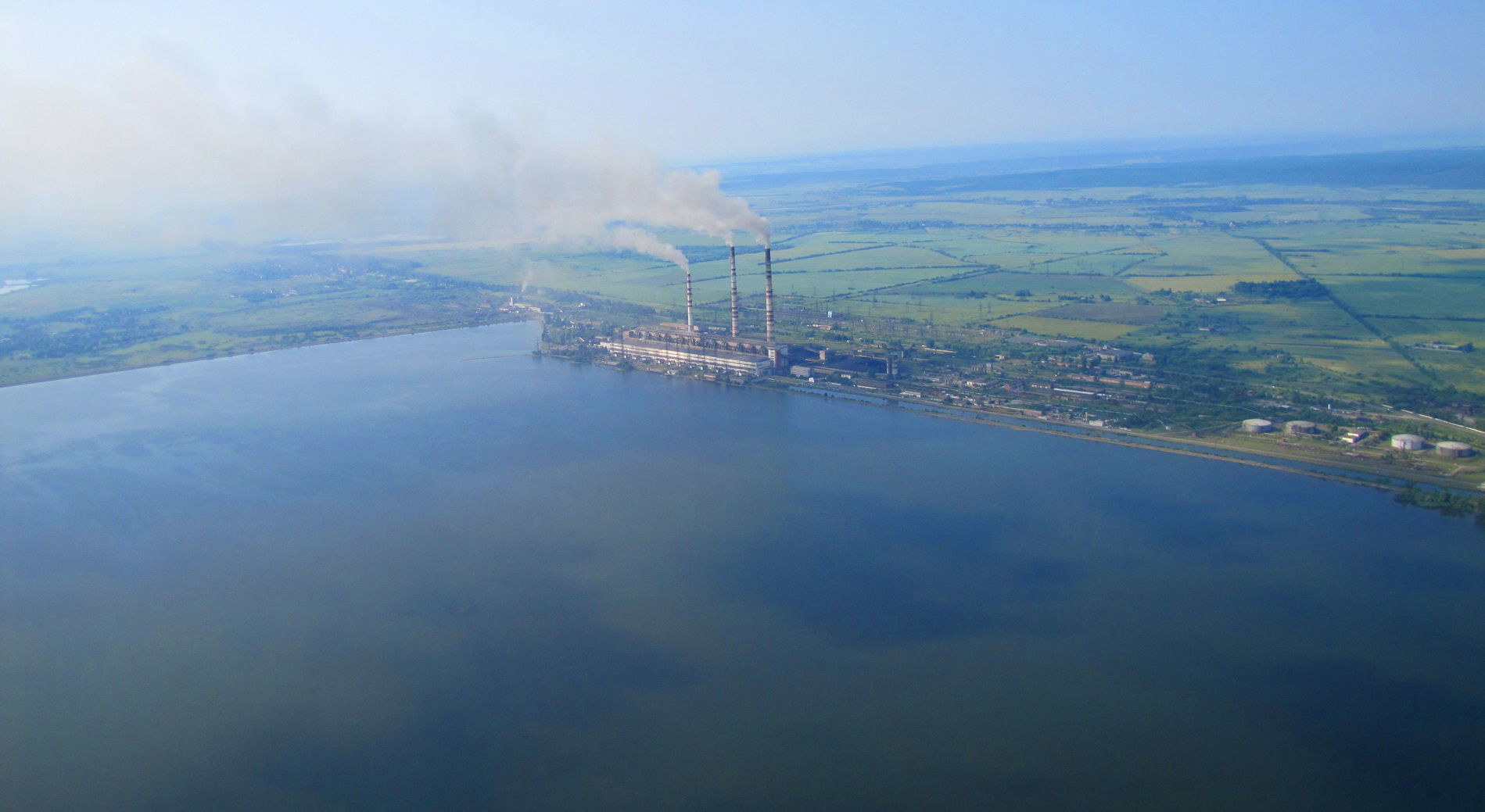
According to a 2010 rating by the Correspondent magazine based on data from the State Statistics Committee of Ukraine, Burshtyn ranked third among the most polluted cities in Ukraine, after Kryvyi Rih and Mariupol, in terms of the amount of hazardous substances emitted by enterprises and transport in Ukraine.
The largest polluter in the city is Burshtyn TPP, which as of February 22, 2011 was among the 10 largest polluters in Ukraine.
In 2017, emissions from Burshtyn TPP's production activities amounted to 158.5 thousand tons, which is almost 80% of all emissions from stationary sources of pollution in the Carpathian region.
The most recent Regional Report on the State of the Environment in Ivano-Frankivsk Oblast by the Oblast State Administration's Department of Ecology states that the annual emissions per square kilometer of the oblast's territory were more than 14 tons, and 142.4 kg per person. According to the Main Department of Statistics in Ivano-Frankivsk Oblast, the structure of pollutant emissions is dominated by: sulfur dioxide and other sulfur compounds - 137.7 thousand tons (including 127 thousand tons from Burshtyn TPP); nitrogen compounds - 14.2 thousand tons (and 108.7 thousand tons, respectively); substances in the form of suspension and particulate matter - 31.5 thousand tons (27.9 thousand tons, respectively).
The emissions do not meet European standards and significantly harm human health, according to a study by researchers at Ivano-Frankivsk National University of Oil and Gas, Environmental Problems of Energy, published three years ago. The researchers focused on the environmental features of the area around Burshtyn TPP and analyzed the impact of emissions. In addition to IFNTUOG specialists, scientists from the M.G. Kholodny Institute of Botany of the National Academy of Sciences of Ukraine were involved in the study. The study used data from the eco-passports of Burshtyn TPP for 2010, 2013, 2015 and their own research. "Lack of quality fuel and obsolete equipment lead to excessive emissions of chemical gaseous compounds and particulate matter into the air. The emissions are the main sources of chemical non-carcinogenic, carcinogenic and radioactive air pollution that affect the quality of life and health of the population," the scientists said.
Burshtyn TPP is included in the list of the Top 100 enterprises in Ukraine that cause the greatest harm to the environment and health of the residents of the Carpathian region, the study says. Emissions from the plant's three chimneys, 180 and 250 meters high, are spread over a distance of up to 100 km. More than 20% of harmful substances, including fly ash, particles of unburnt pulverized coal, sulfur dioxide, nitrogen oxides, and heavy metal compounds, are dispersed under certain weather conditions during inversion processes beyond the borders of not only the Carpathian region but even our country. Ash and coal dust are deposited mainly within a 30-kilometer radius around the plant. The ash and slag waste contains heavy metals and radionuclides, which also enter the biosphere by air through wind erosion of the dumps, scientists say.
A significant level of pollution is associated with the use of low-grade coal and the increase in the capacity of thermal power plants, the researchers believe. Emissions worsen the health of the population living in the surrounding areas. Exposure to coal ash and dust emissions alone increases the level of respiratory, digestive, circulatory, endocrine, nutritional and metabolic diseases, and provokes congenital anomalies.
The scientists' conclusion is that reducing emissions, open monitoring and forecasting of the environmental situation around the TPP will change the quality of life of residents of Burshtyn, Ivano-Frankivsk Oblast and Ukraine as a whole.
Burshtyn TPP's 12 power units were commissioned in 1964-1968. Due to its favorable geographical location at the intersection of power lines connecting Ukraine with Hungary, Slovakia and Romania, since 2002, the TPP has been separated from the integrated power system of Ukraine and operates as part of the so-called Burshtyn Island, in parallel with the United Power System of European countries (UCTE). Today, 36% of the energy it produces is exported to the EU and Moldova.
Cultural institutions of Burshtyn:
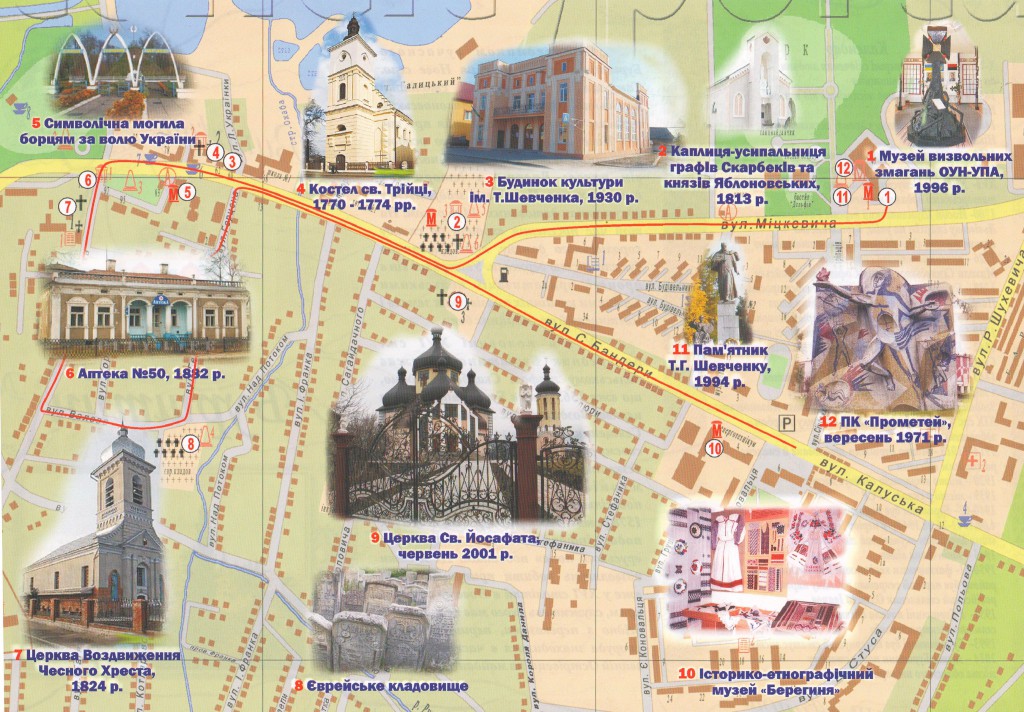
- The Shevchenko House of Culture is the first public cultural institution in the city, dating back to 1908, when the well-known Prosvita reading house was built, which has now grown into the People's House of Culture.
- ThePalace of Power Engineers "Prometheus " was founded in 1971 as a departmental and specialized cultural and leisure center for employees of Burshtyn TPP, and has always functioned as a place of recreation and development of amateur artistic activity for residents of the entire city of Burshtyn. It has a 700-seat cinema and concert hall, a 250-seat small hall, a 60-seat conference hall, a library with a reading room, and a gym;
- The OUN-UPA Museum (officially called the Museum of the Liberation Struggle of the Halych District) was founded in 1996 on the initiative of the OUN-UPA Brotherhood of the Halych District Village and the Society of Political Prisoners and Repressed of the Halych District and approved by the decision of the extraordinary Halych District Session of March 8, 1998. The exhibition, which tells the story of Ukrainian patriots, is located in the Burshtyn Palace of Culture "Prometheus";
- The Olha Basarab Museum is a museum of the unconquered Ukrainian woman, public and revolutionary figure Olha Basarab.
- Historical and Ethnographic Museum "Berehynia" (unofficially called the Opillya Museum) - the main social and public content of the Opillya Museum is to revive spirituality, spread folk customs and rituals, and preserve the best achievements of the ethnoregion's material and spiritual cultures.
- 3 libraries - children's, adult, and the trade union committee of Burshtyn TPP
- Built in 1976, the Energetik sports complex remains the main center for the development of sports, health improvement and recreation not only for residents of Burshtyn but also for the entire Galician region. As of 2018, the sports complex had weightlifting, freestyle wrestling, football, karate-do and other sports sections. Many athletes from Burshtyn are professionals. Rowers, karate fighters, and football players achieved the greatest results in the professional arena. The Energetik football club, founded in 1948, played in the first league of the Ukrainian championship.
-
The city's pride is the Dolphin swimming pool, which is visited by more than a hundred people every day. The pool has a fitness center for women and a sauna.
-
Burshtyn has a well-known children's and youth canoeing school. The location of the water canal in the town allows for regular training and rowing competitions. Young residents of Burshtyn can develop strength and endurance in the Seido martial arts club and the Typhoon karate club for children and youth. Volleyball, basketball, football, chess, and model airplane construction sections are open. For winter sports enthusiasts, there is an open ice arena in winter.
The following religious communities operate in modern Burshtyn:
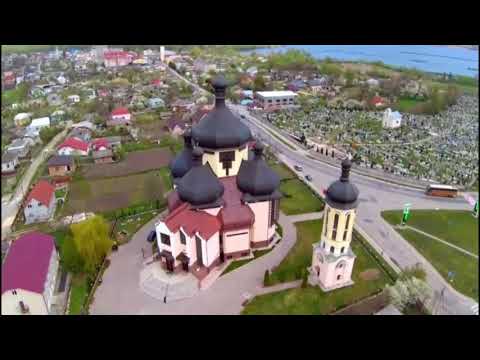
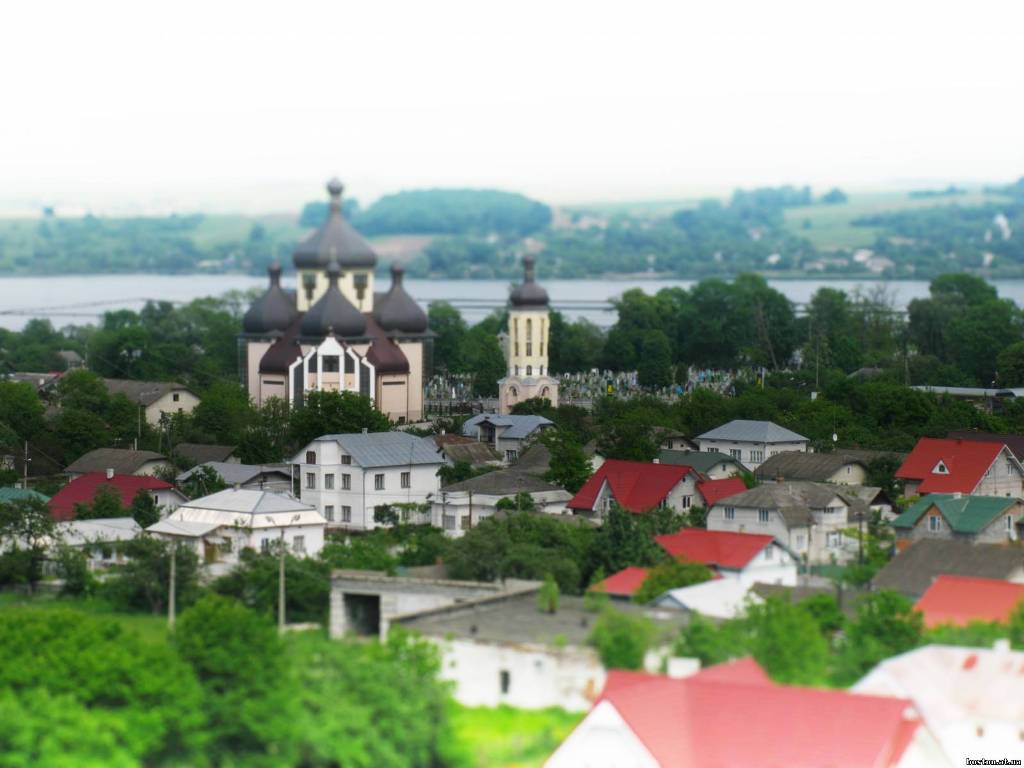
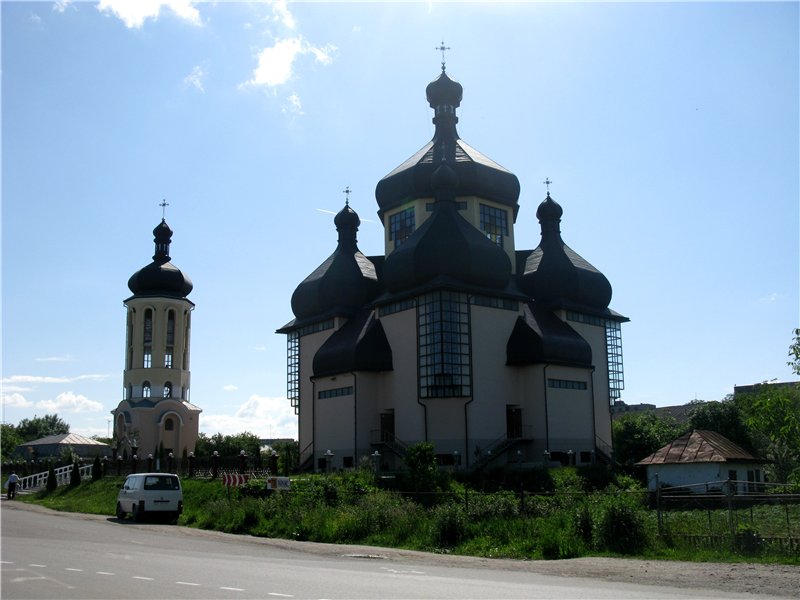
- Greek Catholic: The Church of All Saints and the Holy Martyr Josaphat is a majestic church, which was consecrated on December 2, 2001 and the historic Church of the Exaltation of the Holy Cross (XVIII century) in the old part of the city on Shevchenko Street;
- Roman Catholic: The Church of the Holy Trinity, an old building (XVIII-XIX centuries) of religious construction was returned to the Roman Catholic community in 1991; after major repairs and renovation of the interior, the church began to be used for its original purpose;
- Orthodox: The Church of the Transfiguration of the Lord (UOC-KP), in 1999 the community was formed, in 2002 a church was built and consecrated, which was dismantled in the village of Kopanky, Kalush district (wooden church of the Holy Trinity, built by the Greek Catholic community in 1945, No. 771 in the register of monuments of the region), sold by the Orthodox community of Kopanky and transported to Burshtyn.
In Burshtyn, there are traces of the ramparts of the city castle from the 16th century. Once upon a time, Burshtyn was also home to a magnificent palace of the town's owners, the Yablonovskys, whose facade was decorated with columns and capitals, and an arboretum was laid out around the building. Today, all that remains of the Jablonowski family in Burshtyn is the Skarbek-Jablonowski chapel-tomb, built in 1813 in the central part of the cemetery, a rectangular building with a gable top and a bell tower higher than it. We also provide photos of the city center and a school with a church in the early 20th century.
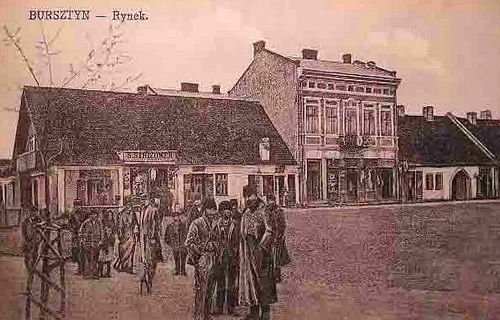
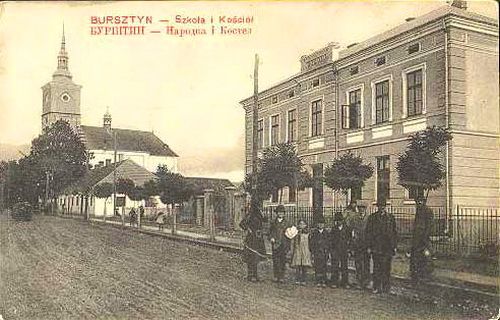
The modern architectural face of the city was formed mainly in the 1st half of the 1970s, when a number of residential buildings, cultural buildings, industrial facilities, etc. were built in Burshtyn.
The city sculpture of Burshtyn:
- A full-figure monument to Taras Shevchenko, erected on the occasion of the 180th anniversary of the poet's birth in 1994 (by sculptor Anatolii Kushch and architect Oleh Stukalov), installed near the Prometheus Palace of Culture;
- Monument to the Unknown Soldier - installed in the old part of the city;
- A sculpture in honor of the poet Marta Hai in the library of the Prometheus Palace of Culture (sculptor Bohdan Holoyad, son of Marta Hai);
- Monument to Olha Basarab, installed in the city center near the secondary school No. 2.
Що відвідати
Пам’ятки, музеї та цікаві місця поруч з Burshtyn.
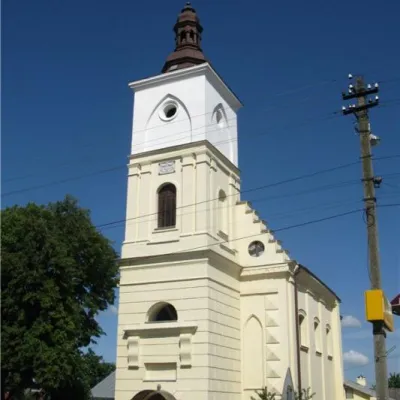 АрхітектураКостел Пресвятої Трійці, БурштинБурштинменше 1 км від центруРимо-католицький костел Пресвятої Трійці розташований за адресою: місто Бурштин, вулиця Бандери, 64 Івано-Франківської області.
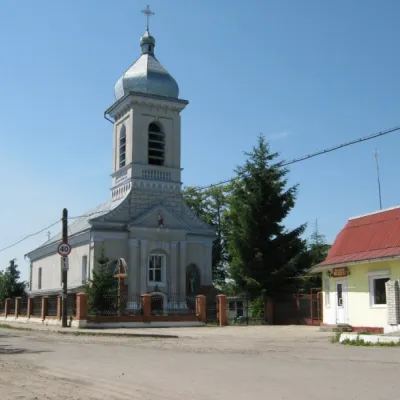 ЦеркваЦерква Воздвиження Чесного Хреста, БурштинБурштинменше 1 км від центруГреко-католицький храм у місті Бурштин - Церква Воздвиження Чесного Хреста. Перша деревяна церква в Бурштині була споруджена ще в XVI столітті у східній частині...
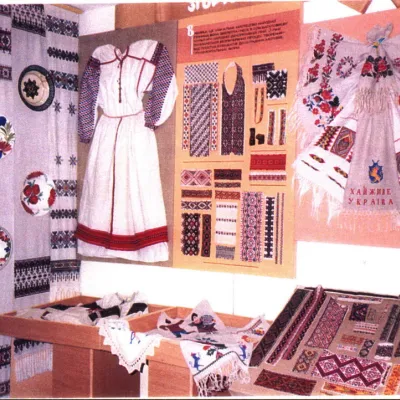 МузейІсторико-етнографічний музей "Берегиня", БурштинБурштинменше 1 км від центруМоже здатися дивним, але поштовхом до створення музею послужила повість І.Нечуя-Левицького "Кайдашева сім'я".
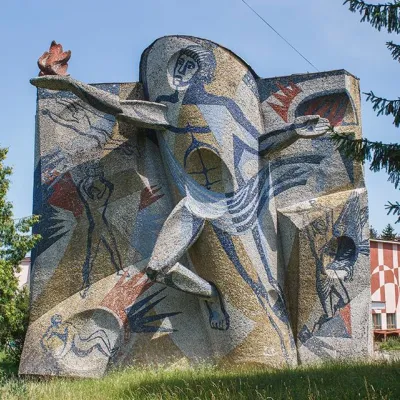 АрхітектураПалац культури енергетиків "Прометей", БурштинБурштин1,3 км від центруБурштинський палац культури енергетиків "Прометей" - Палац культури в місті Бурштин, є значним культурним і мистецьким осередком міста та Галицького району, в якому...
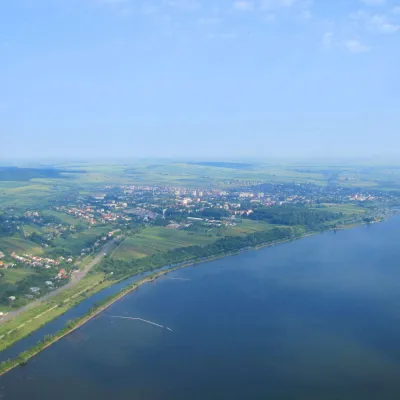 ПриродаБурштинське водосховище і скидний каналБурштин1,5 км від центруБурштинське водосховище - водосховище, створене у 1965 році на ріці Гнила Липа для потреб Бурштинської теплової електростанції, яку спорудили поблизу міста Бурштина ...
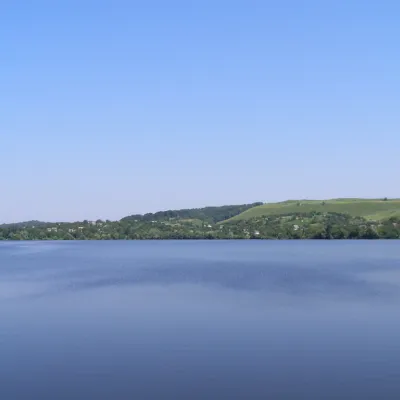 ПриродаКасова гора, БовшівБовшів6,3 км від центруНародна традиція зберегла про Касову Гору ряд легенд і переказів, оповитих таємницями минулих віків. За однією з них князь Данило Галицький, у природних схованках гори...
Де зупинитися
Готелі, садиби й котеджі в Burshtyn та околицях.
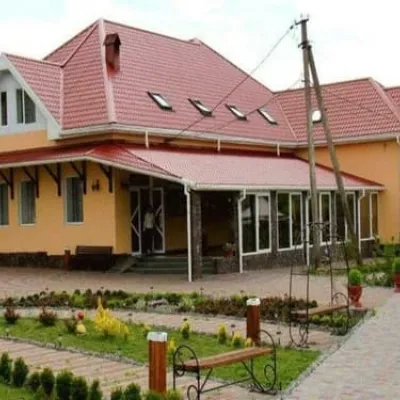 ГотельСадиба мрійРогатин8,6 км від центруСаунаПоруч: Площа і пам'ятник Роксолани 8,2 кмг. Чортова гора 8,7 кмвід 800 грн за ніч
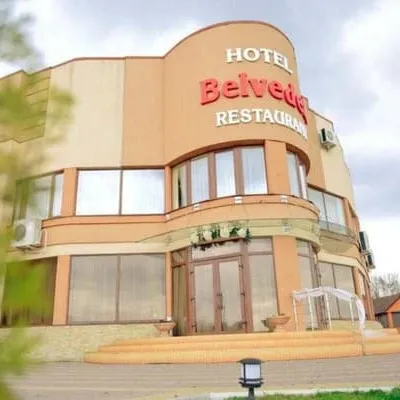 ГотельBelvedeRРогатин18 км від центруГотель "BelvedeR" розташований у селі Потік, за 3,3 км від центру міста Рогатин. Комфортні номери, обладнані усім необхідним для гарного відпочинку: зручними ліжками з...Поруч: Площа і пам'ятник Роксолани 2,6 кмг. Чортова гора 6,6 кмвід 1 300 грн за ніч
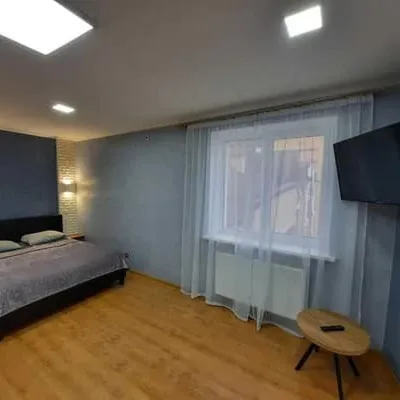 −15%ГотельNew Apartments DeluxІвано-Франківськ38 км від центруАпартаменти "New Apartments Delux" розташовані в місті Івано-Франківськ, в 5 хвилинах ходьби від залізничного вокзалу.Поруч: замок Потоцьких 500 мМіське озеро 2,4 кмвід 2 253 грн за ніч
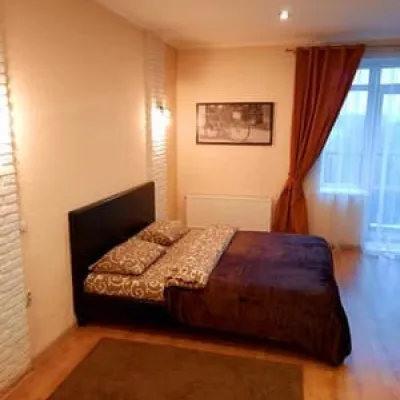 −10%ГотельNEW premium class apartmentsІвано-Франківськ38 км від центруАпартаменти "NEW premium class apartments" з видом на сквер знаходяться в 10 хв пішки від центру міста Івано-Франківськ.Поруч: замок Потоцьких 800 мМіське озеро 2,6 кмвід 1 800 грн за ніч
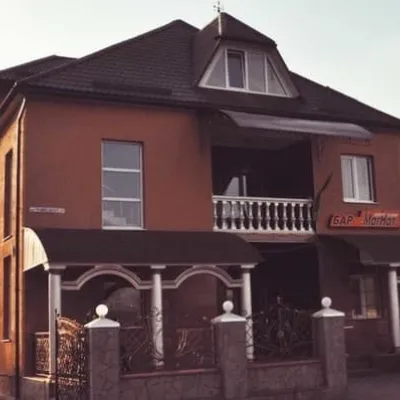 ГотельМагнатСтрий28 км від центруГотель "Магнат" розташований у місті Ходорів. Номерний фонд готелю складає 11 номерів, категорії "Економ", "Стандарт", "Покращений".від 650 грн за ніч
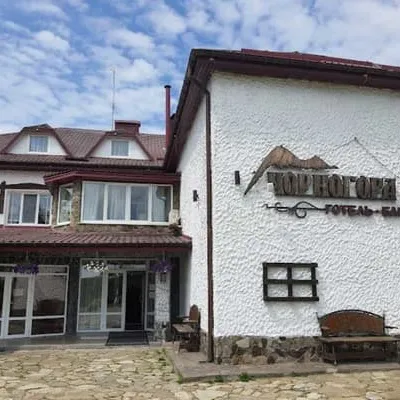 ГотельЧорногораКалуш31 км від центруГотельно-ресторанний комплекс "Чорногора" розташований в селищі Мостище, в 7,6 км до міста Калуш. Номерний фонд готелю складає 10 номерів, категорії стандарт,...Поруч: церква Архистратига Михаїла 5,4 кмКраєзнавчий музей Калущини 5,5 кмвід 1 200 грн за ніч
Вершини поруч
Всі вершини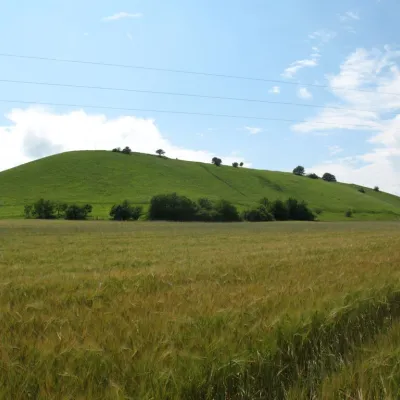 ВершинаЧортова гора, РогатинПуківвисота 350 м16 км від центруЧортова Гора - унікальна ботанічна пам'ятка природи загальнодержавного значення в Україні, залишок льодовикового періоду.
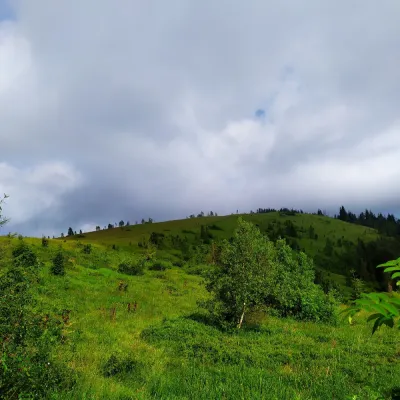 ВершинаГора ЯворинаІвано-Франківськвисота 1 131 м77 км від центруГора Яворина знаходиться біля села Липа Долинського району Івано-Франківської області, її висота 1131 м.
 ВершинаГора ЯворинкаТруханіввисота 940 м77 км від центру1 маршрут на вершинуВершина гори Яворинка - висота над рівнем моря 940 метрів. Гора Яворинка - найвища вершина хребта Ключа, стрімка з півночі й цілковито залісена.
Що поблизу
Відео