Hlynytsia
Chernivtsi district · Chernivtsi region
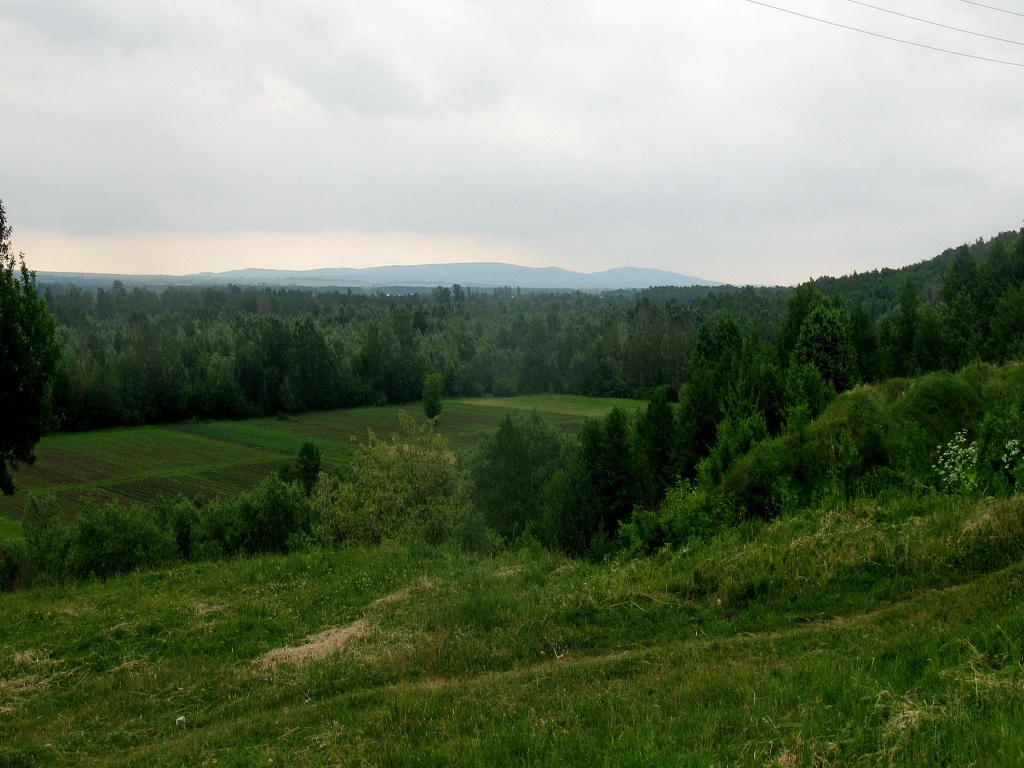
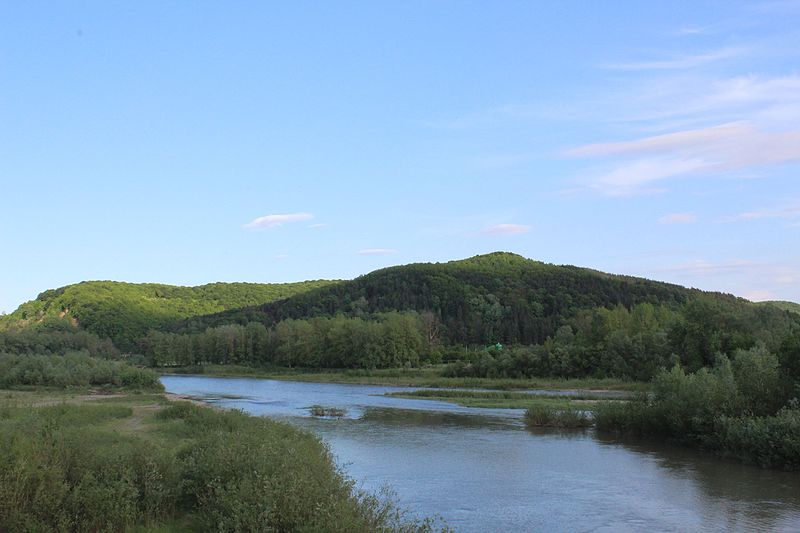
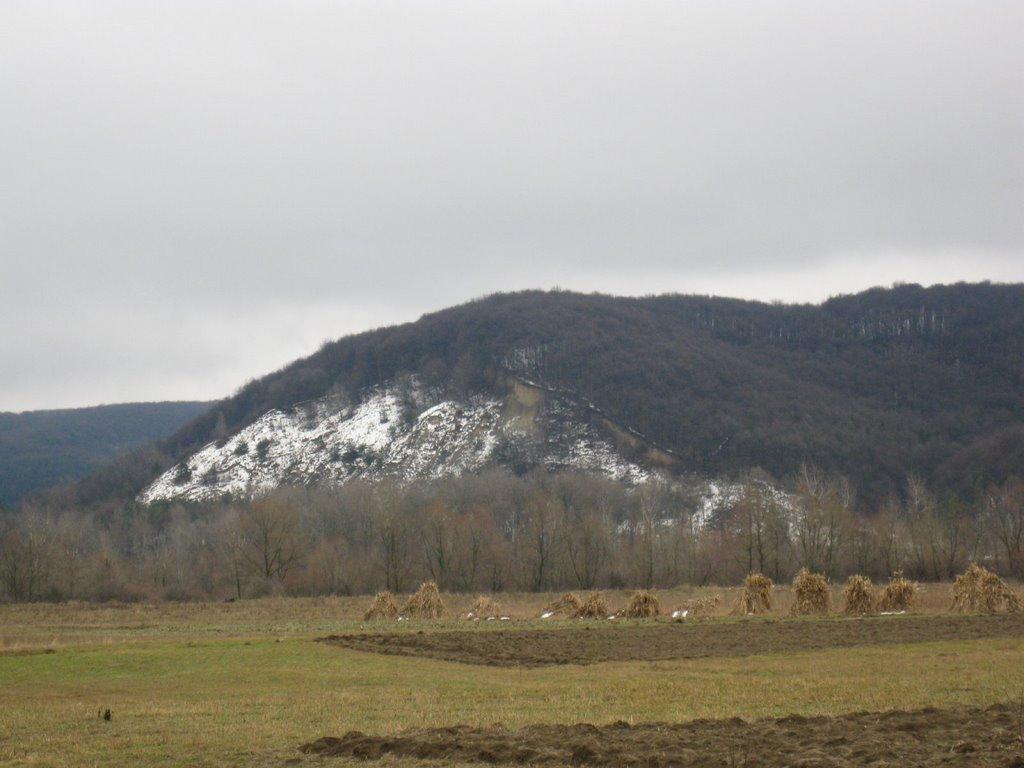
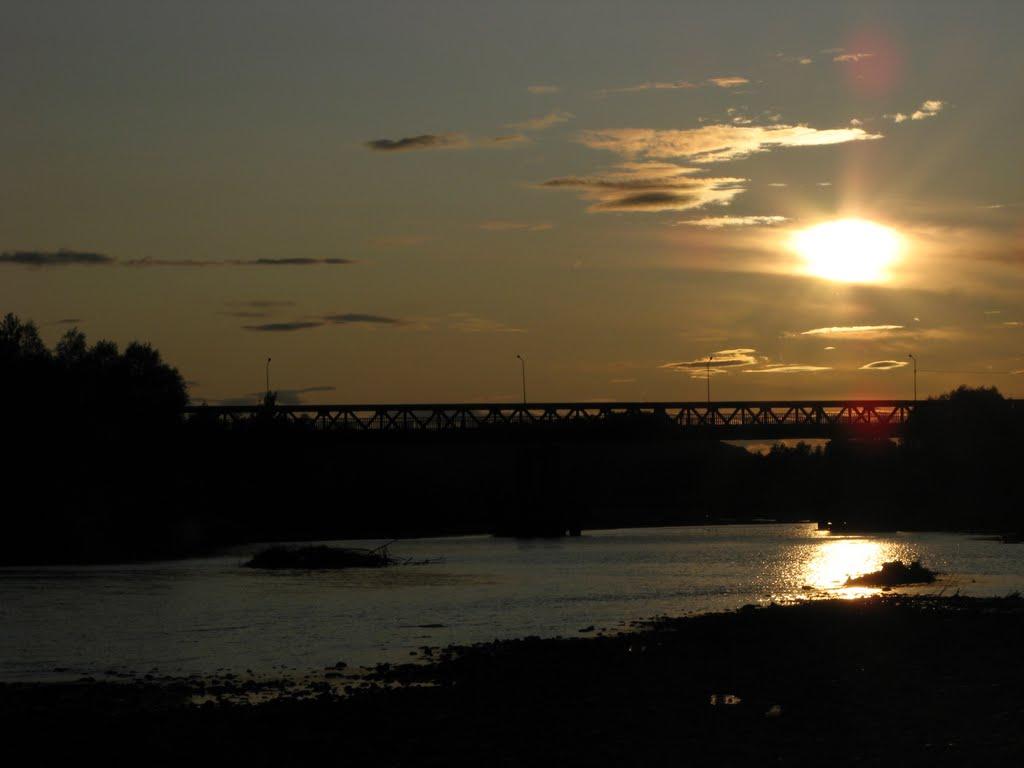
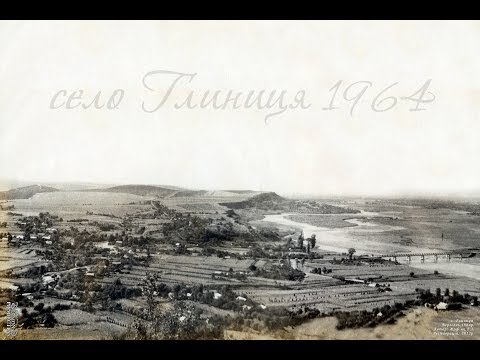
The village of Hlynytsia, from the word clay; hlynytsia is a clay quarry. The village is located in the Kitsman district, Chernivtsi region, on the right bank of the Prut River, and has a bridge. The distance to Chernivtsi is 25 km. The population is 1,641 inhabitants. No other village in the region has as many legends as Hlynytsia.
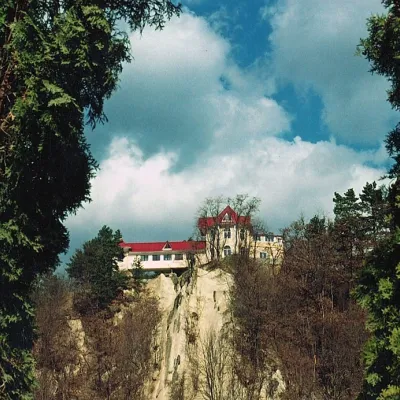
The first one says that during the occupation, the Turks built a castle on top of the mountain that rises above the village, where they constantly held feasts and brought the goods they had looted from the locals. At that time, a beautiful witch girl named Florika lived in Hlynica, who was well versed in herbs and even knew how to communicate with trees and flowers. The girl decided to liberate her village from the Turks, and for this purpose she prepared a pleasant-tasting drink that had a soporific effect and was supposed to disarm the Turks. However, when Florika brought her potion to the enemies on the top of the mountain, the Turkish leader suspected something was wrong and ordered the girl to be captured. But this did not prevent the beautiful girl from realizing her plan to destroy the janissaries: Florika stretched out her arms to the sky and asked God to let the fortress, along with the Turks and the looted property, fall into the ground. And so it happened. In the morning, the inhabitants of Hlynica saw that instead of a fortress, huge hornbeams were standing on top of the mountain, which the Turks had allegedly turned into, and a spring with pure healing water was gushing out of the mountain.
Local archaeologists became interested in the legend and tried to conduct archaeological excavations on the mountain top. However, they were prevented by a severe storm that lasted for several days. Who knows, perhaps there is something mystical and something real in this legend...
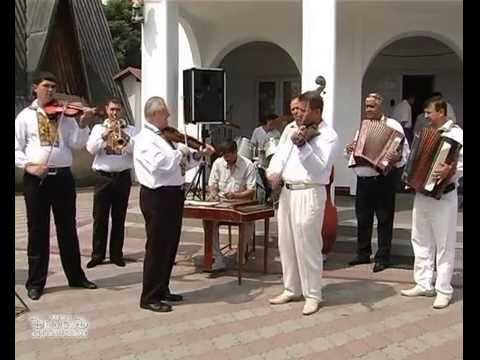
The second legend says that there was a watchpost on the top of the mountain, from which one could see the towers of the Kamianets and Khotyn fortresses in good weather. If enemies approached, a fire was lit on the top. The third legend borders on reality. It is a fact that in the early nineteenth century, the local feudal lord Flondor moved several families of gifted Gypsy musicians from the Carpathians to Hlynica. They settled in the village of Fundoi, which was named after their leader. Gypsy boys willingly married local blond Ukrainian women, and the fruits of their marriages were virtuoso musicians who became famous not only in Bukovyna.
So, according to this legend, a beautiful and unapproachable girl lived in the village. The boys of Hlynica could not even dream of such a beauty. But she gave birth to a son from a gypsy whom she named Aleko. The young mother tried to do everything to make the child happy: she watched over the cradle day and night, appealed to otherworldly forces, and even went to the Carpathians to visit the wise sorcerer Taratut. Asking the fortune-teller to make the boy honored among people, the beauty tried to give him valuable gifts. But the sorcerer did not take anything, saying that he would do everything the mother asked for the child. He just threw a painted handkerchief off the beautiful girl's head and conjured over her for a long time. Years passed, and the boy became a famous violinist named Aleko Tsurtsuman. The richest people of Chernivtsi and the most expensive restaurants in Chernivtsi invited the talented musician to listen to him play. And the famous Austrian composer Franz Liszt, after hearing Tsurtsuman play, fell in love with his talent. When Aleko died, ten-row orchestras played at his funeral, and so many people followed his coffin that the funeral procession stretched for several kilometers. Aleko Tsurtsuman was the first of a galaxy of outstanding Hlynica Gypsy musicians. His successor, Dodko Kerstenyuk, was fascinated by the playing of the Romanian King Charles. Another Gypsy musician from Hlynica, Alika Parashchuk, played with a whole chapel of lautars at the celebrations in honor of the anniversary of Mykola Lysenko's creative activity, organized in the Ukrainian Folk House in Chernivtsi.
The Hlynica Gypsy musicians made their mark on the history of Ukrainian culture when they took part in the filming of the movie "White Bird with a Black Mark", a classic of Ukrainian cinema based on the novels of the famous Ukrainian cultural and political figure Yuriy Illienko, starring the talented actor Ivan Mykolaychuk. We will get to know Mykolaychuk better when we visit his native village of Chortorya, which will be on our way.
The village has the following institutions: a post office, a medical facility, an educational institution, a club, and a library. The main population is Ukrainian.
Not far from the village there are large earthen ramparts - Mezhyrdzhy castles, which may have originated from the post-Roman period. The Flondor Palace in Hlynica (not preserved to this day). The villagers are engaged in farming and animal husbandry, business activities and work in various institutions.
What to visit
Landmarks, museums and places of interest near Hlynytsia.
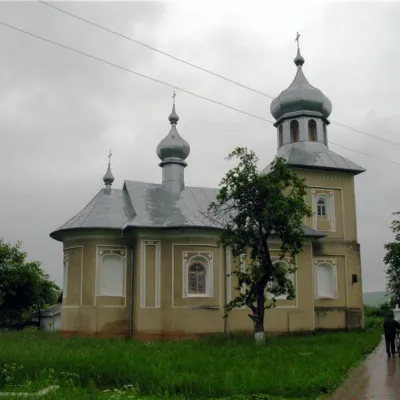 ChurchAssumption Church, HlynicaHlynytsiaunder 1 km from the centreThe peculiarity of the Kitsman region is that almost every village has preserved old churches that are of interest to both historians and tourists.
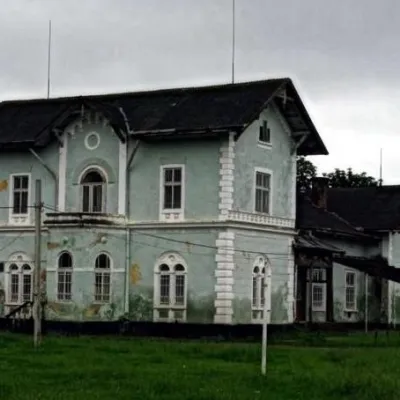 SightShimonovych Palace, DubivtsiDubivtsi2.1 km from the centreOn the road from Chernivtsi to Ivano-Frankivsk, near the turn to Vyzhnytsia, there is a village called Dubivtsi, which can serve as a great stop for you along with a...
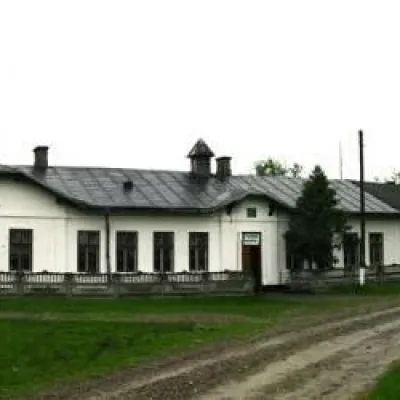 MuseumRusnak Museum, DubivtsiDubivtsi2.1 km from the centreThe small village of Dubivtsi, located in the Kitsmanivsky district of Chernivtsi region, became famous all over the world because one of the best voices of Ukraine,...
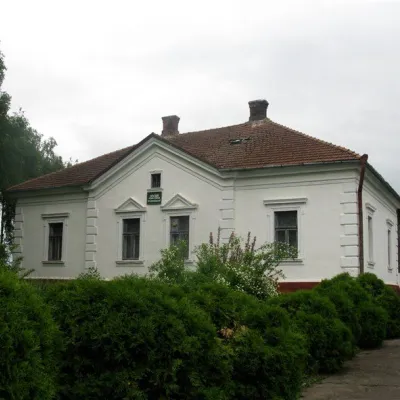 MuseumMuseum of the native nature of the Carpathians, ZelenivDubivtsi2.1 km from the centreIn a picturesque corner of Bukovyna, where the path to the Carpathians lies and the turbulent Cheremosh flows into the fast-moving Prut, there is an ancient village of...
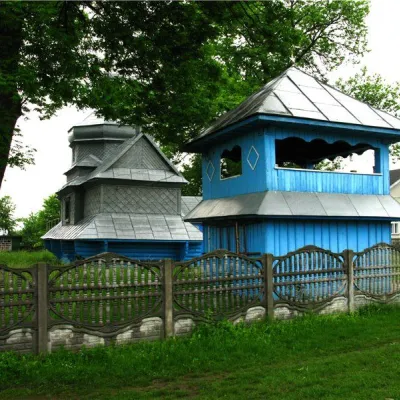 ChurchChurch of the Assumption of the Blessed Virgin Mary, DubivtsiDubivtsi2.1 km from the centreThe Church of the Assumption of the Blessed Virgin Mary in Dubivtsi is a striking example of churches in Bukovyna, a building made exclusively of wood, included in the...
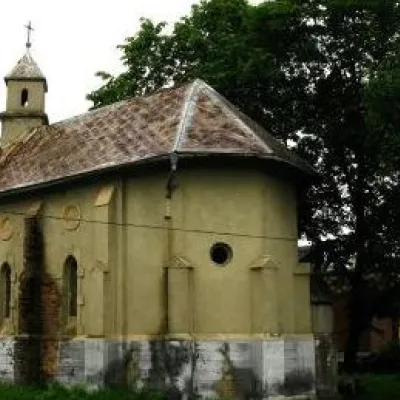 ArchitectureCatholic chapel, DubivtsiDubivtsi2.4 km from the centreOne of them is a Catholic chapel, which, despite the destruction and decline in the past, has survived to the present.
Where to stay
Hotels, guesthouses and cottages in and around Hlynytsia.
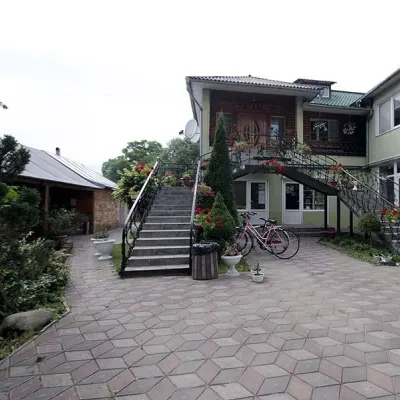 HotelHotel and Tourist Complex "Ratusha" BerehometBerehomet3.3 km from the centreSaunaBBQKitchenNearby: St. Nicholas Church 500 mShimonovych Palace 1.6 km
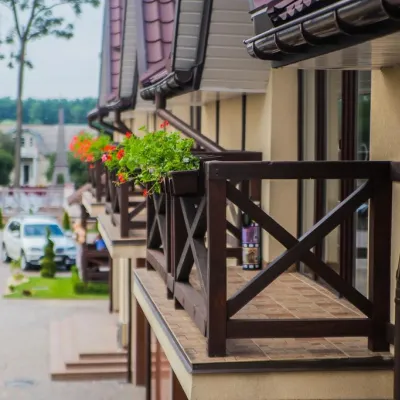 HotelHotel-Restaurant Complex "Shale" ShypintsiShypyntsi3.8 km from the centrePoolParkingKidsNearby: Catholic chapel 2.0 kmShimonovych Palace 2.2 km
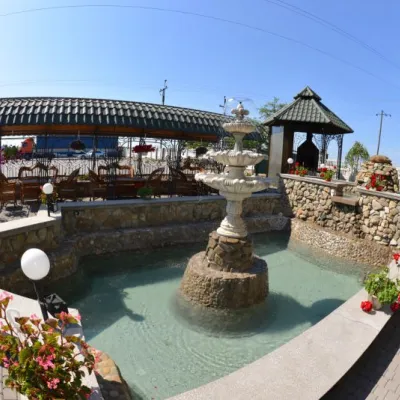 HotelHotel "Kolvik" MamaivtsiMamaivtsi7.5 km from the centreBBQKidsNearby: Assumption Church 2.2 kmChurch of St. John of Dukla 2.2 km
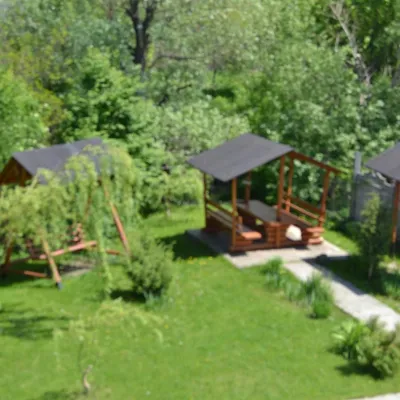 HotelHotel "Pride" MykulychynMamaivtsi10 km from the centreHotel "Pride" is located in the village of Mykulychyn, 9 km from Chernivtsi and 41 km from the "Myhovo" resort.Nearby: St. John's Church 1000 mChurch of St. John of Dukla 5.4 km
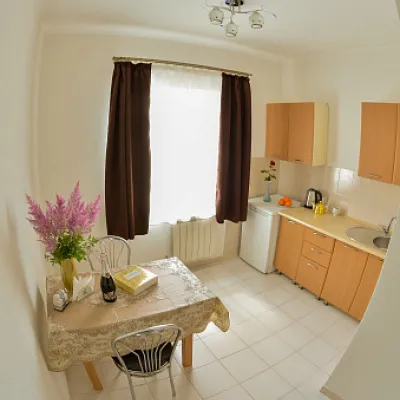 Hostel"Grand Hostel" Chernivtsi Prutska, 24Chernivtsi17 km from the centreParkingWi‑FiTransferNearby: House-ship 900 mArmenian Church 1.5 km
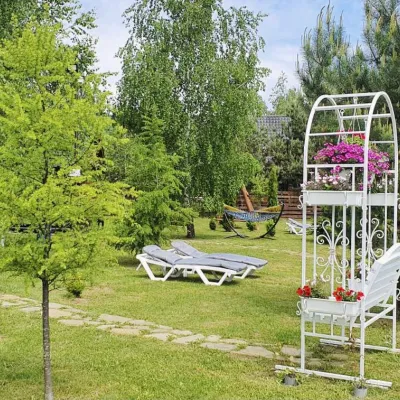 HomesteadPearl of BukovinaMyhove21 km from the centreBBQKitchenParking
Peaks nearby
All peaks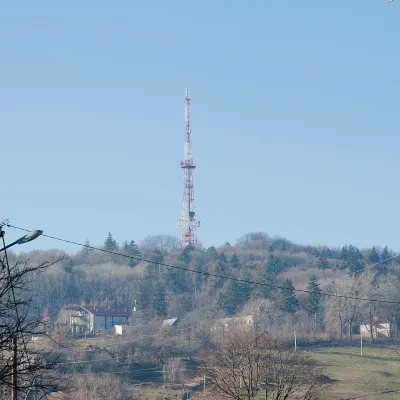 PeakMount TsetsynoChernivtsialtitude 537 m11 km from the centreTsetsyno is the highest hill of the Chernivtsi Upland, 537 m high (538 m according to other data). It rises on the western outskirts of Chernivtsi, near the Rosha...
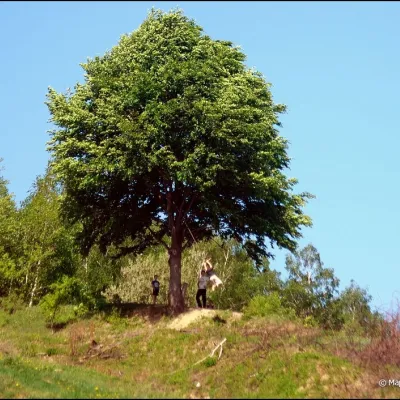 PeakMount KicheraKosivaltitude 567 m43 km from the centreThe march to Kichera is an easy walk that all tourists can do. The small length of the march allows you to take your time and just enjoy nature, eat berries, listen to...
 PeakCastle Hill (City)Kosivaltitude 450 m46 km from the centreThe top offers a panoramic view of the city. The mountain is home to unique black alpine pines, as well as deciduous and coniferous plantations, and white acacia...
What's nearby
Video