Beleyev
Beleiiv is a village of Dolyna district of Ivano-Frankivsk region. The population is 879 people. The local self-government body is the Beleyiv village council. The village is located at a distance of 18 kilometers from Dolyna in the northern direction. The Turyanka river flows through the settlement. On the southeastern side of the village, the Velyka stream originates.
The first mention of Beleiiv dates back to the nineteenth century, but a stone hammer found on the outskirts of the village shows that people settled here in the Stone Age. Since the village was founded during the period of the Mongol-Tatar yoke, there is a version that the name Beleiiv comes from the name of a Tatar warlord. There is a legend among the villagers that allegedly during the Tatar horde's attack, one of the invaders' units passed through the area. And it was on the site of the current settlement, in the shade of centuries-old trees, that it stopped for a halt, during which the Tatars had lunch or dinner. And since their leader was Khan Bela, and he also ate, later, when some of the peasants who settled here would say: "Where Bela ate." Since then, the village was called Belai, which later changed to Belei.
The name of the village is a possessive form of the adjective and is similar to the names of half of all villages in Galicia, which are derived from the surname "Beley" (the feudal owner of the village), and this surname is still present in Prykarpattia.
In the early twentieth century, the village founded the Prosvita Society, whose active members were Prokip Matiiitsiv and Ivan Yarych. Subsequently, seven members of the society joined the village branch of the OUN, led by Tymofii Haliv.
In 1939, the village had 1180 inhabitants, including 1145 Ukrainians, 5 Poles, 10 Latin and 20 Jews.
In memory of the fighters for the freedom of Ukraine, a two-stage grave was built near the church in the village, which was destroyed in 1956. In April 1990, the NRU branch restored the grave. A memorial cross commemorating the abolition of serfdom was also restored in the village, and a cross commemorating the Holodomor in Ukraine of 1932-1933 was installed. The monument honors the Beleiivka residents and fellow villagers who died during World War II.
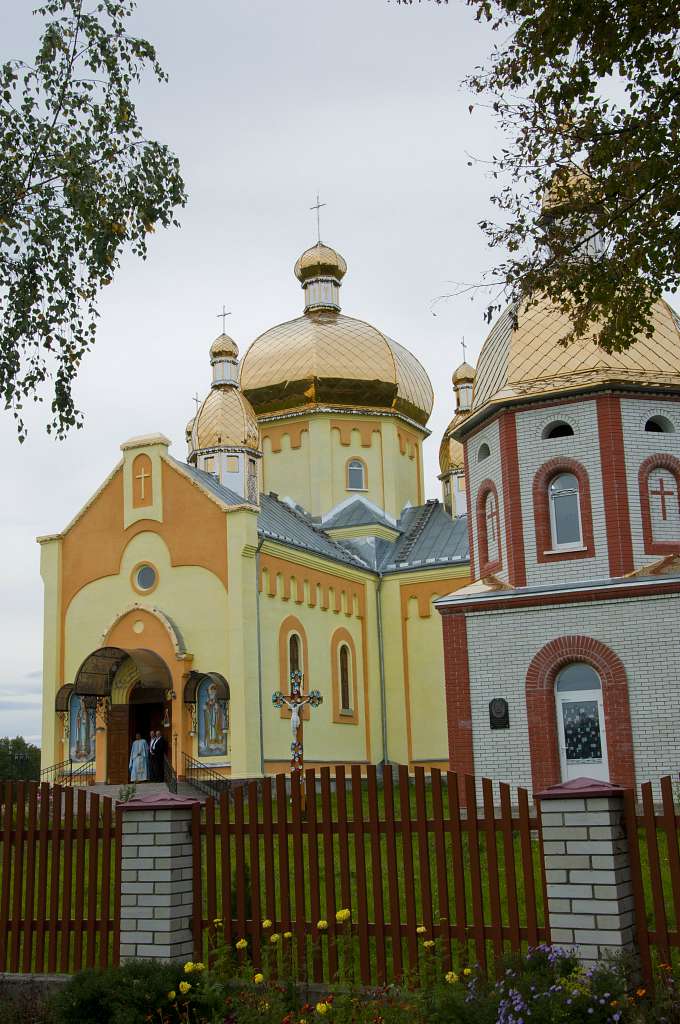
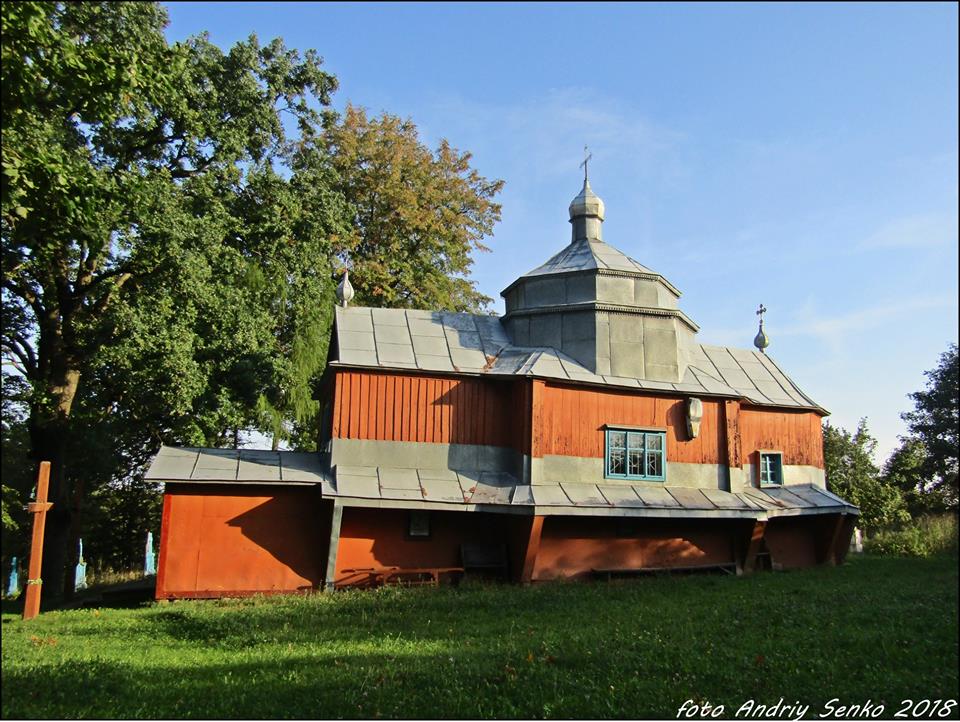
The village has a church of St. Basil the Great, built in 1864. Religious community: UGCC (Fr Yaroslav Savka).
The Church of St. Basil the Great is a religious building, an architectural monument of local importance, which is not a permanent wooden church of the UGCC parish of the same name. The Church of St. Basil the Great was built in 1864 to replace the previous wooden church of St. Basil, which had existed since 1759. At the end of the nineteenth century, it was a subsidiary of the mother church in Velyka Turia. As of 2015, regular services are held in a new stone church in the center of the village. The old church is a local architectural monument. The church is used by the UGCC community.


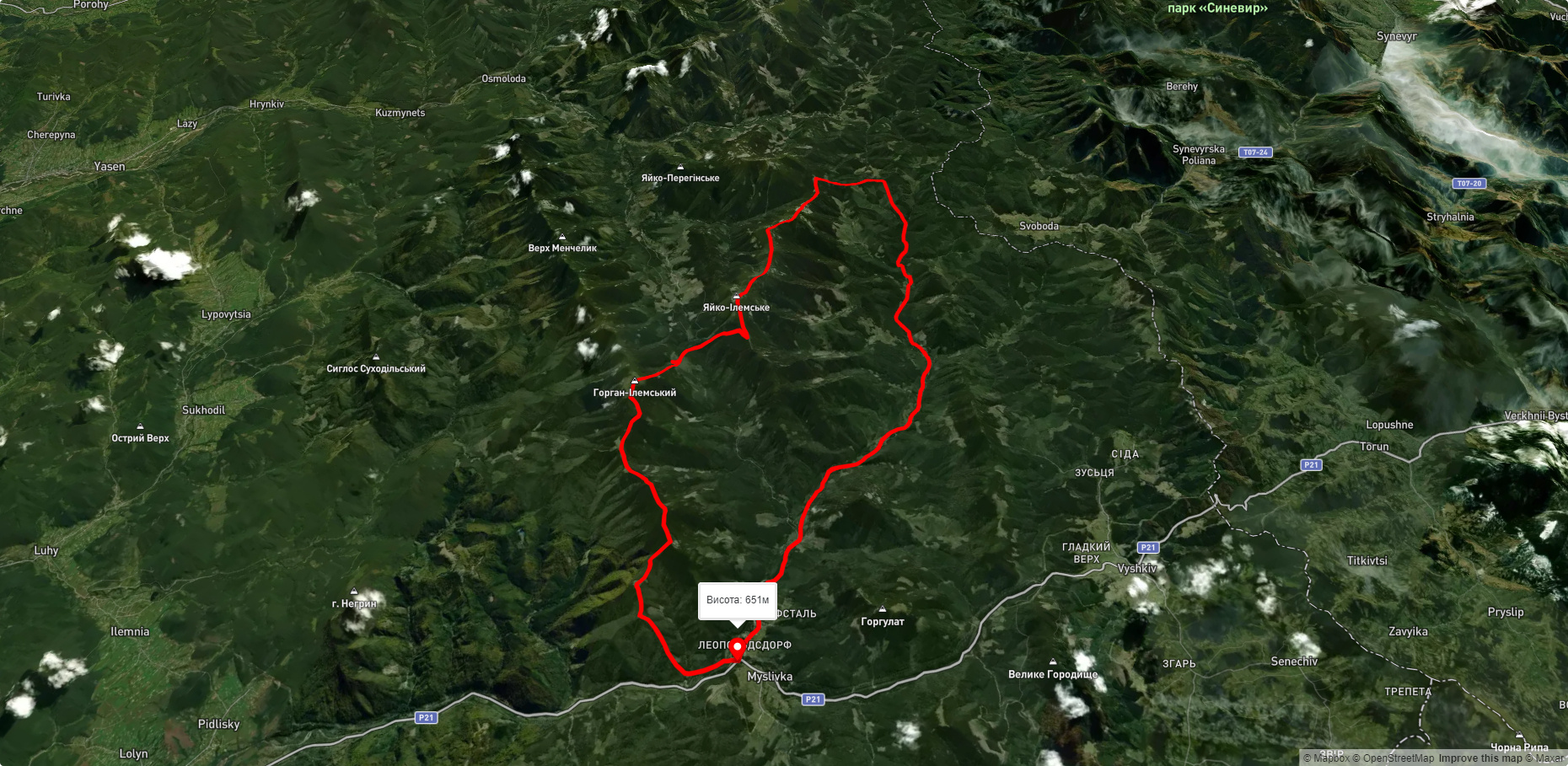
Які туристичні (пішохідні) маршрути проходять через/біля Beleyev?
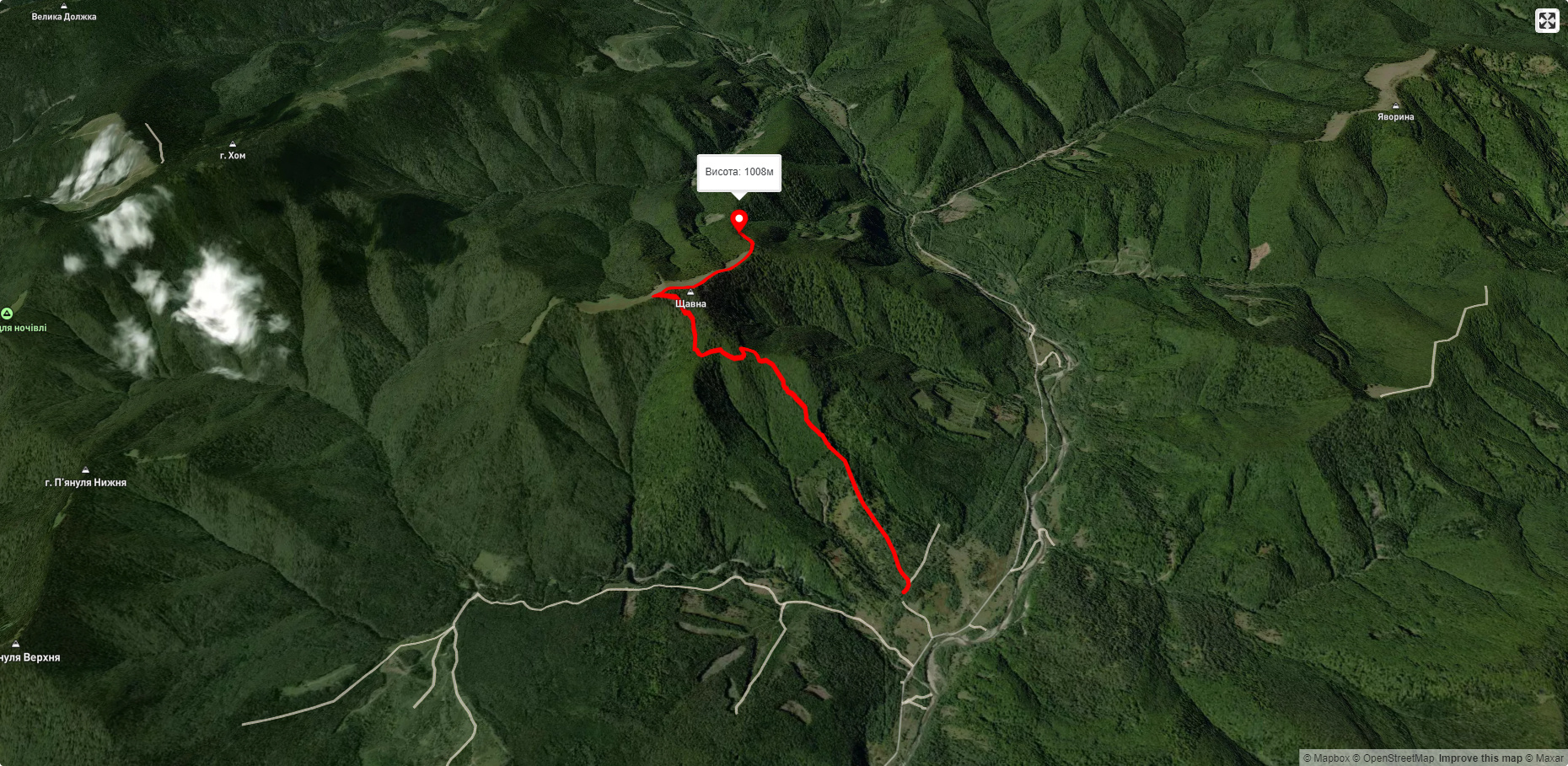
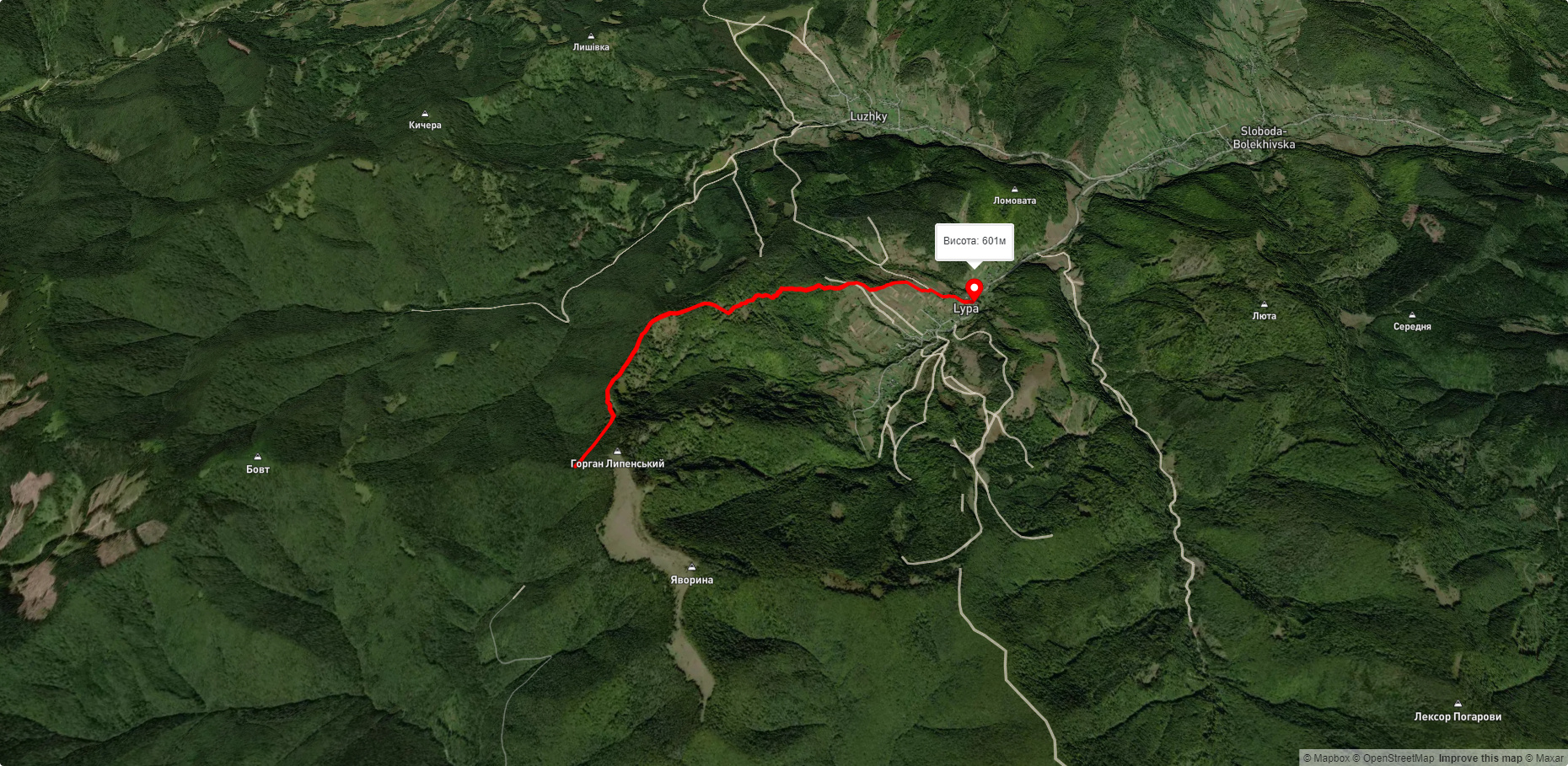
Пропонуємо пройти такі туристичні (пішохідні) маршрути через/біля Beleyev: Маршрут на г. Щавна, c. Липа - Яворина - Бункер Роберта, с. Мислівка, через г. Яйко-Ілемське, г. Горган-Ілемський до с. Мислівка, с. Мислівка, через г. Вел. Пустушак, пол. Німецька, г. Горган Ілемcький до с. Осмолода, На Горган Ілемський, с. Мислівка – г. Горган-Ілемський – с. Мислівка