Church of Paraskeva Friday, Stara Sil
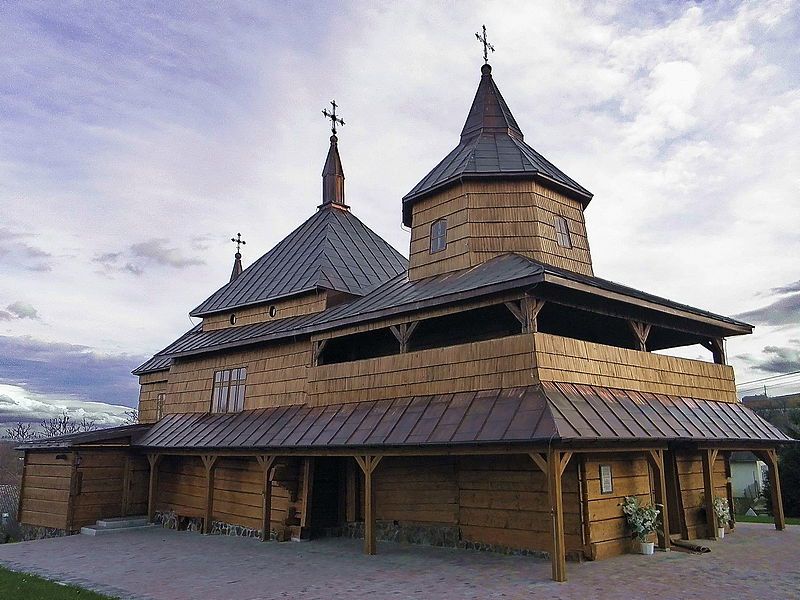
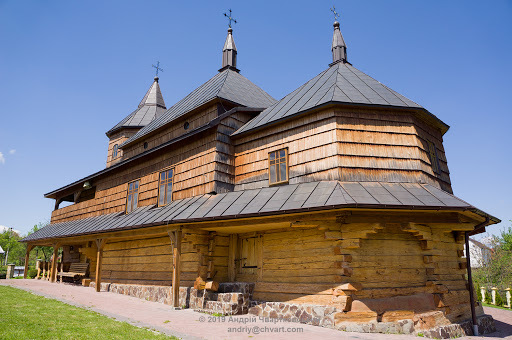
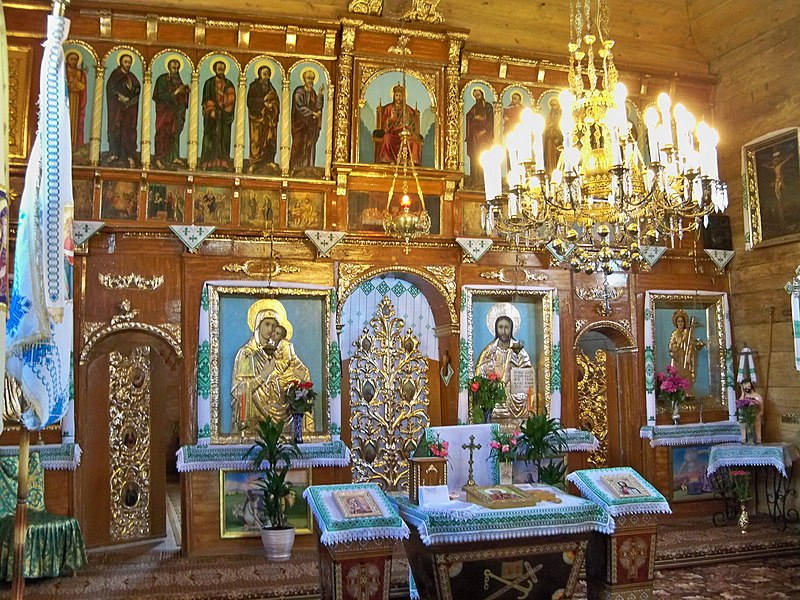
TheChurch of Paraskeva P iatnytsia is the oldest wooden church in the Starosambir region. According to tradition, during the time of Prince Lev Danilovich, monks settled here (in the town of Soli) and founded a monastery. The monastery church is probably dedicated to St. Paraskeva. The Orthodox Monastery of St. Paraskeva in Stara Solia existed until the first half of the 16th century. In 1543, Sigmund I the Old turned the monastery church into a parish church by a separate privilege, granting it certain lands for use.
The Lower Suburb of Stara Sola mentioned in the lustration of the Ruthenian Voivodeship in 1565-1566 and the church there probably included the area south of the Market Square with the Church of the Resurrection. An unnamed suburb, called the Higher Suburb, is north of Rynok Square, and the church there is St. Paraskeva. Two suburban old village churches are also mentioned in the tax register of 1589.
It is worth noting that in all the tax registers of the sixteenth century the town is mentioned under the name of Sil, and the adjective Stara appears only in the second half of the seventeenth century. Historian Mykhailo Dragan dates the present church to the seventeenth century. However, in historical and local history literature, the date of 1440 is used, which probably refers to the time of the construction of the previous church. In 1600, a brotherhood was founded at the churches of St. Paraskeva and the Resurrection of the Lord. There was also a center for book writing at the churches in Stara Sola. Unfortunately, there are no surviving descriptions of the church from the sixteenth to eighteenth centuries.
In the eighteenth century, an emporium with an arcade gallery was built over the Babynets, and the top of the nave and altar were remodeled. At the same time, the side altar of St. Nicholas was installed. The earliest surviving description of the church comes from an inventory of 1833. In the 1830s, the building was restored: a stone foundation with a crypt was built, the baptistery was completed, and the shingle roof was restored. This is described in the inventory of 1848. During the repairs of 1915, 1950, and 1980, the shingle covering of the walls of the aisles and the upper floors was replaced with galvanized sheet metal. During the Soviet period, the church was active.
In 1990, during the renovation, the walls were covered with wood-fiber boards and cardboard inside, and the nave and altar were covered in the middle of the hall with flat ceilings. In 2004, the northern sacristy was dismantled, the overhangs were cut off, and a new foundation was laid under the sacristy and bricked up.
On November 10, 2010, the restored church was consecrated by Bishop Yulian Voronovsky. The idea of restoring the church belonged to Andrii Basarab, a native of Stara Sola, who provided the funds, and the work was supervised by the parish priest, Fr. During the restoration, the walls of the church were cleaned and polished from the inside and covered with wax using an ancient technology. The rotten parts of the church's structures were removed and replaced with new ones.
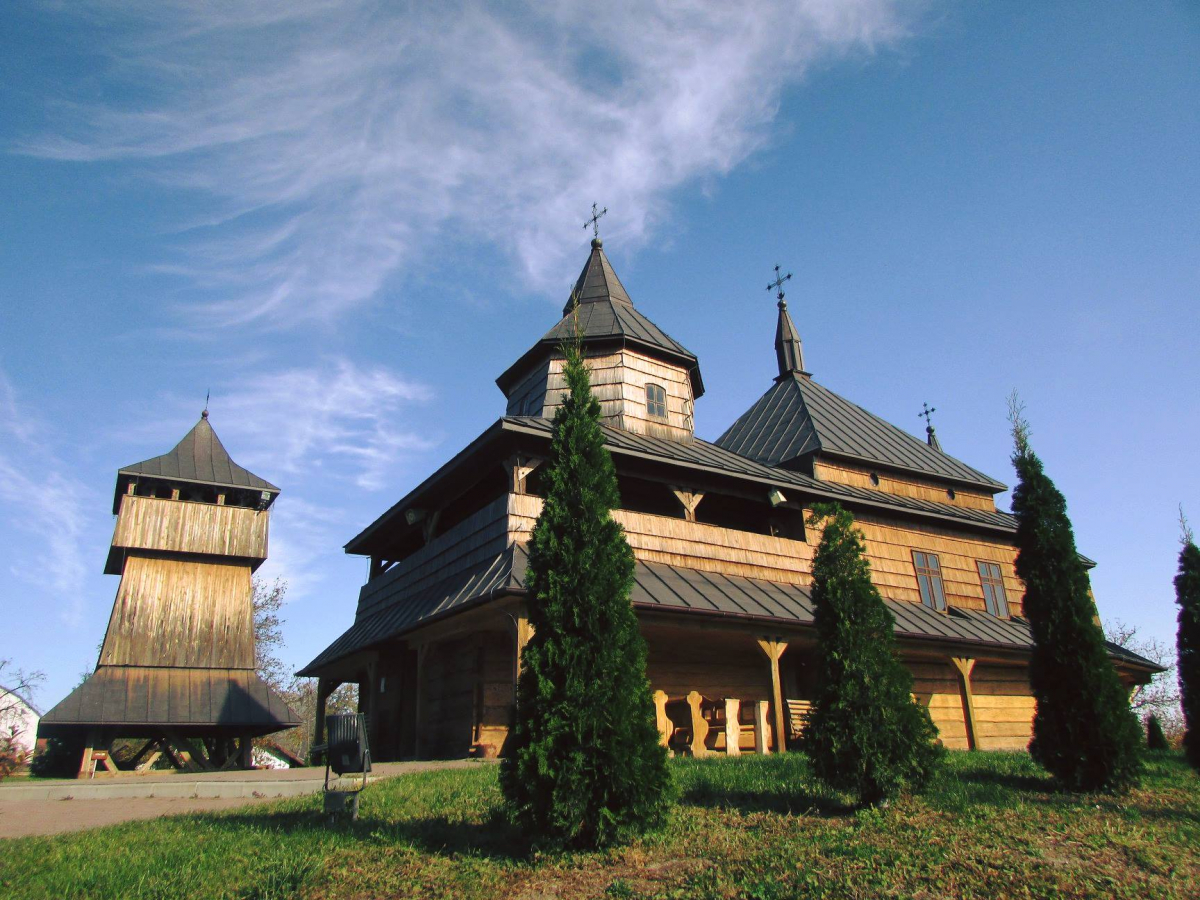
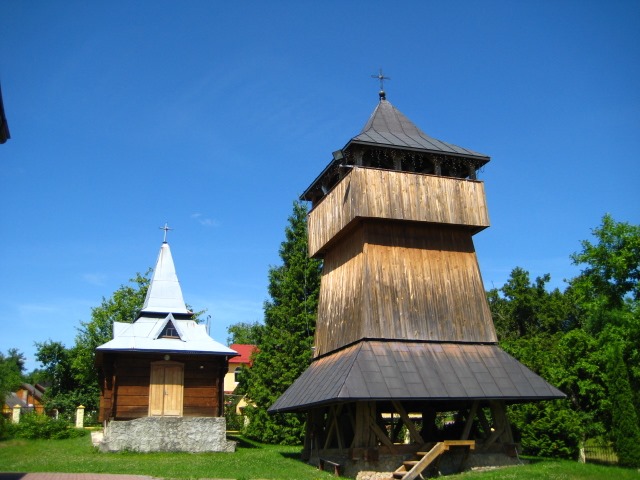
Next to the church is a picturesque wooden bell tower of the XVII century. It is advisable not to be too lazy to climb it to see the massive bells up close and admire the magnificent panorama of Stara Sil, its mighty church, and the Church of the Holy Cross.
Location on the map
Comments
Trails nearby
All trails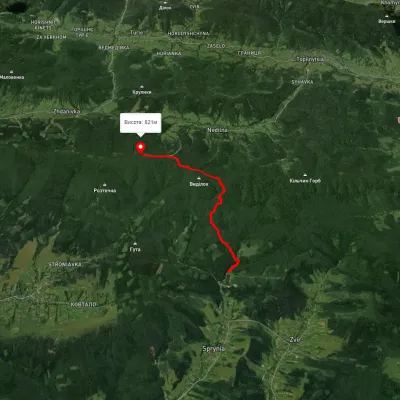 EasyOne-dayMarkedSprynia Tower of Memoryvia ChapelElevation profile460–823 m6.1 kmascent 617 m≈ 3 h walking18 km from Church of Paraskeva Friday, Stara Sil
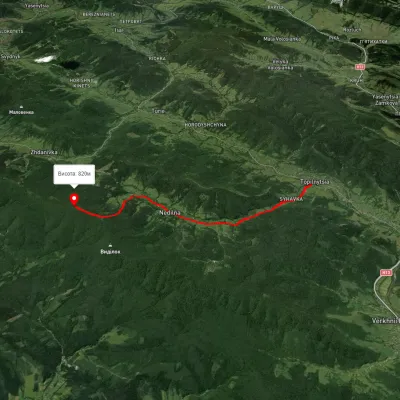 ModerateOne-dayMarkedNedilna Tower of MemoryElevation profile440–823 m9 kmascent 598 m≈ 3.5 h walking19 km from Church of Paraskeva Friday, Stara Sil
Nearby attractions
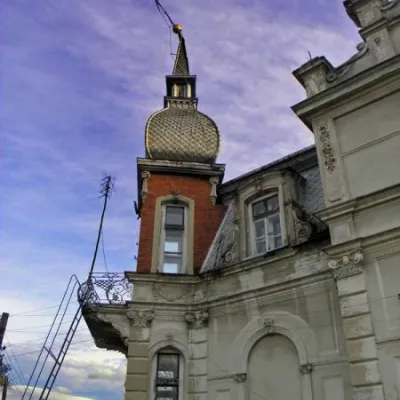 ArchitectureVilla Anna, Old SaltStara Silunder 1 km from Church of Paraskeva Friday, Stara SilVilla Anna is a striking example of a Secessionist private house. The building impresses with its slenderness, colorful stucco moldings on the walls, and an overly...
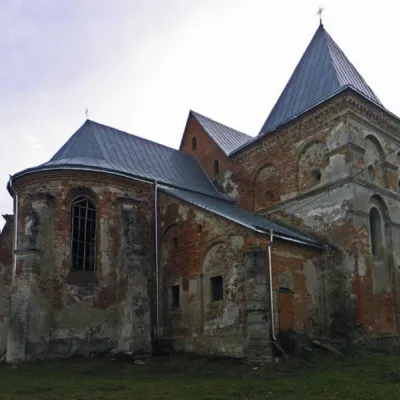 Historic siteSt. Michael's Church, Stara SilStara Silunder 1 km from Church of Paraskeva Friday, Stara SilMichael the Archangel is an outstanding 17th-century Baroque architectural monument in the village of Stara Sil, Lviv Oblast, not far from Staryi Sambir.
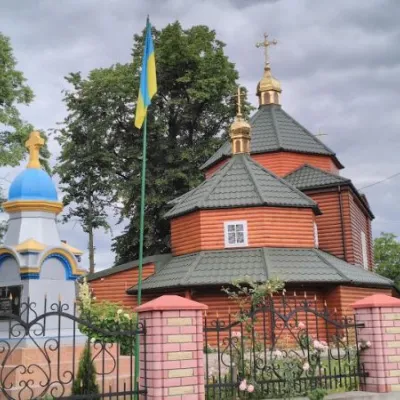 ChurchChurch of the Resurrection, Stara SilStara Silunder 1 km from Church of Paraskeva Friday, Stara SilTheChurch of the Resurrection in Stara Sola was probably built in the fifteenth century. It is located a little further along the Staryi Sambir-Khyriv road in the...