Stanislavivsky Brewery, Ivano-Frankivsk
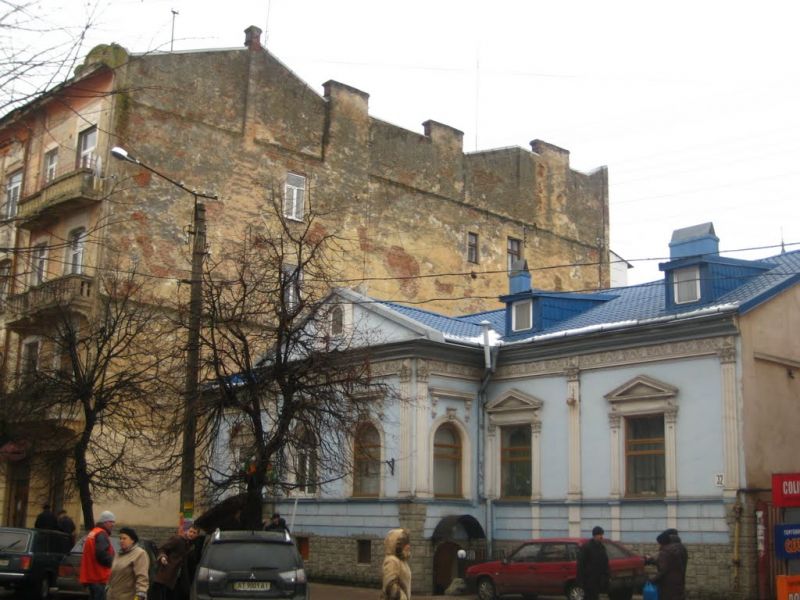
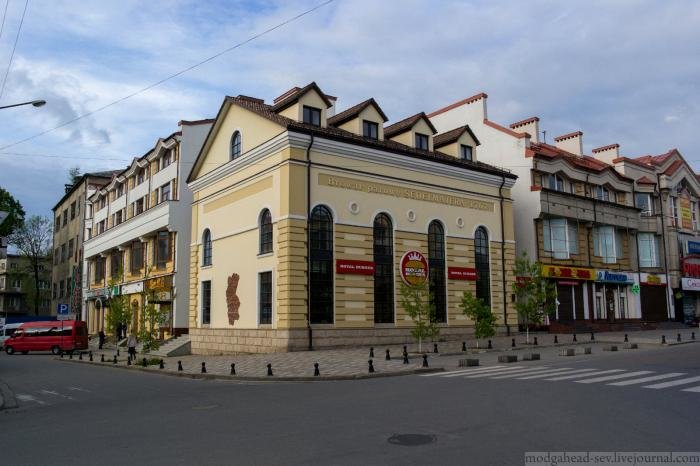
Ivano-Frankivsk Brewery or Brewery is an architectural monument of national importance in the city of Ivano-Frankivsk. It consists of two buildings - a malt shop and a brewhouse - built in 1767. The monument is a rare example of Ukrainian industrial architecture of the second half of the eighteenth century.
Andriy Potocki's privilege of May 7, 1662, granting Stanislav the Magdeburg Law contains the following lines: "In the suburbs, I grant permission to build breweries, malt houses, distilleries, and estates, for which each person will be allocated plots." The citizens of Stanislaviv received the privilege to brew beer even earlier than the Magdeburg Law.
After 105 years (1767), a brewery was built in Stanislav. Two buildings (a brewhouse and a malt shop) were built to produce beer. It should be noted that at that time, the center of brewing in Galicia was ancient Lviv.
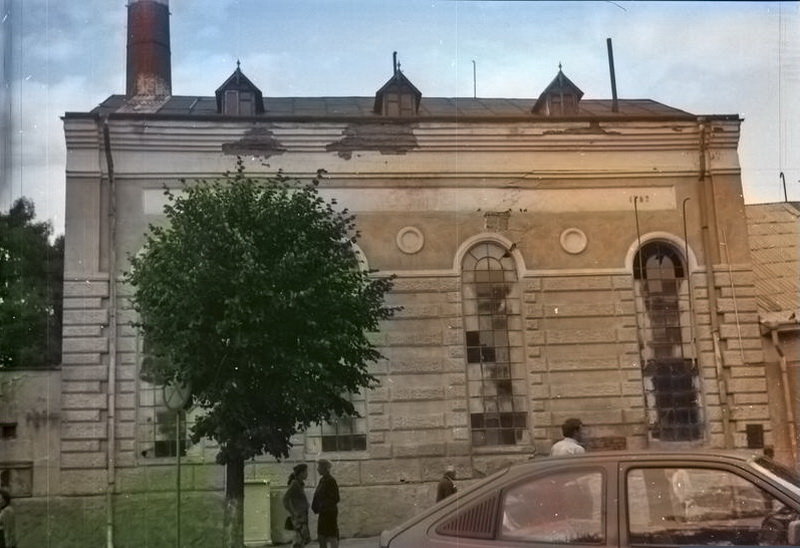
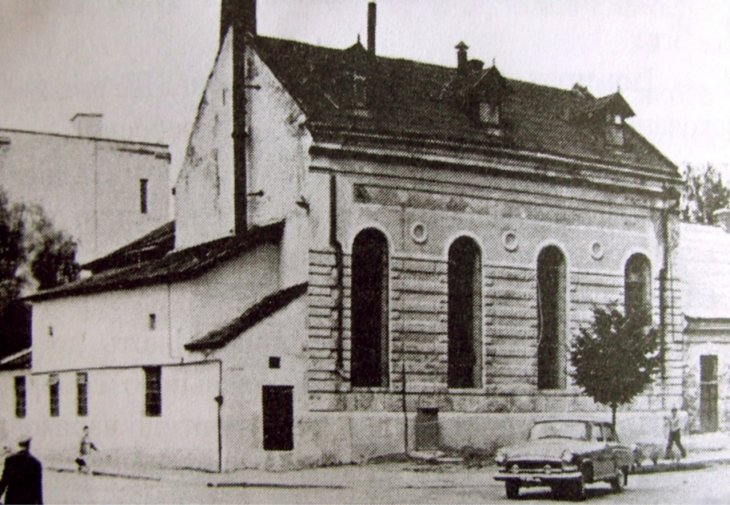
The building of the brewhouse was built in the Baroque style, brick, rectangular in plan, one-story, with basements, covered with a gable roof with a vaulted ceiling. The malt shop building is also in the Baroque style, brick, rectangular in plan, two-story, on a high plinth, with an attic, and covered with a semi-hipped roof. The facades are divided by pilasters and small windows. The floors are flat and supported by oak pillars.
The exact date of the factory's construction is still in dispute. Since time immemorial, wooden numbers "1767" have been hanging on the facade of the brewhouse. Historians and local historians believed in this date. Even the 1983 edition of Monuments of Urban Planning and Architecture of the Ukrainian SSR provided information about the building with the security number 1137: "The brewery consists of several buildings, two of which (the brewhouse and the malt house) were built in 1767. The baroque building of the brewhouse is brick, rectangular in plan, one-story, with basements, and covered with a gable roof. The monument is a rare example of industrial architecture of Ukraine in the second half of the eighteenth century, which is used for its original purpose."
However, this date has not been confirmed. Local historian Mykhailo Holovaty proved that the building of the other, malt shop, was constructed much later, between 1848 and 1857.
What about the brewhouse? It is not marked on Stanislav maps of 1768, 1792, 1800, and 1804. The malt shop was located on the site of a fortress bastion, and small wooden houses stood where the brewhouse is now. Most likely, the brewhouse was built after the liquidation of the Stanislaviv fortress, i.e. after 1812.
Perhaps 1767 is the date of the factory's foundation, not the construction of a specific building? This is indeed possible, since Andrii Potocki allowed the residents to brew beer as a privilege in 1662, and in the next century, Stanislaviv already had several breweries.
In 1787, the brewery was owned by Count Petro Potocki, but in 1801 the brewery became the property of the Austro-Hungarian state for debts. In those years, there were five breweries in the city, but Potocki's was the largest. Later (in 1888), the brewery became the property of the Lindner brothers (Browar Mojżesz Lindner; Browar Braci Lindner).
In the mid-nineteenth century, the brewery employed 40 people. Together with a brewery on the western outskirts of the city, in the village of Kniahynyn, the brewery produced 12 thousand buckets of beer and brewer's yeast annually.
In 1905, Peter Zedelmeyer bought the business. The brewery became a family business of the German Zedelmajer, and then his family until the arrival of the first Soviets in 1939 (Browar Piotr Sedelmajer).
In 1912, Browar Parowy Sedelmajera Sp.z.o.o. employed 57 workers. By the way, the street where the brewery was located was called Zedelmajerowa.
In 1936, the company's capital was 300 thousand zlotys, and the brewery produced about 300 thousand dal of beer annually (1 dal = 10 liters), which was sold to more than 20 wholesale warehouses in Stanisławów and Kalush.
And then the Soviets came and the entire beer business of the Zedelmaier family was shut down. It is unlikely that the Soviets shut down the brewery, because during the German occupation it continued to successfully produce beer and was called Dampfbrauerei GmbH (Dampfbrauerei Limited Liability Company).
The second Soviets established themselves in Stanislav for 47 years and named the brewery the Stanislav Brewery. However, later, "at the request of the workers," the historical name was taken away from our city and given a pseudonym. The company was renamed Ivano-Frankivsk Brewery accordingly.
There were also two beer stalls in front of the morphological building of the medical institute on the present-day Sheptytsky Square (then it was named after some Moscow executioner Uritsky, or Moisei, or Semen). In 1980, the first full-fledged beer bar in Ivano-Frankivsk, Vatra, was opened on Nyzova Street (then Kamo Street). At that time, the bar was so cool that it was even written about in the all-Union magazine Public Catering: "A beer bar in Ivano-Frankivsk is not just a bar, it's a beer restaurant," a Moscow journalist wrote enthusiastically. Beer cost 22 kopecks for a half-liter in the kiosks, and 45 kopecks in Vatra. Therefore, the regulars of the stalls looked very surprised at those who proudly passed by them on their way to Vatra.
We can also recall beer establishments that were popular in the 70s and early 80s, such as the beer pavilion "Gratky" (popular name), on the site of the new part of the dental building of the medical university opposite the cinema "Lumiere" (then the Ivan Franko cinema), "Ouniv". Franko Cinema), "Onivka" (also a popular name) on the first floor of the building (now demolished) that housed the Bristol Hotel (Lesi Ukrainky Street) during the Polish occupation, and the beer bar "Try Penky" (also a popular name) in the building on the corner of the present-day Bachynskoho Street (formerly Engels Street) and Vicheva Square (Peremohy Square). There were also numerous dumpling shops and canteens where beer was available both in bottles and on tap (usually diluted).
All of these establishments were supplied with beer mainly by the Ivano-Frankivsk Brewery. Only occasionally was Czech lager brought to Vatra, and Kalush beer to the stores. It is not surprising that in 1983 the Ivano-Frankivsk brewery brewed 909 thousand dal of beer (9 million 90 thousand liters). A really impressive figure, isn't it?
The years after the collapse of the USSR had a negative impact on the company. Ivano-Frankivsk Brewery struggled for a few more years, trying to produce new beers, but someone decided to deliberately bankrupt the company in order to grab both the buildings and the territory.
The buildings of the Frankivsk brewery were a rare example of industrial architecture in Ukraine in the second half of the eighteenth century, which was also used for its original purpose. The brewery's building complex was listed in the State Register of Architectural Monuments of National Importance in 1979.
The Ivano-Frankivsk brewery stopped brewing beer in the early 2000s, and finally stopped production in 2002 (although Wikipedia lists the year of bankruptcy as 1997). At the initiative of the city authorities of the time (the mayor was Zinoviy Shkutyak), the monument was put up for privatization auction. The architectural monument, the brewhouse, was simply demolished, and a modernized copy was built in its place, where the Royal Burger fast food restaurant now operates.
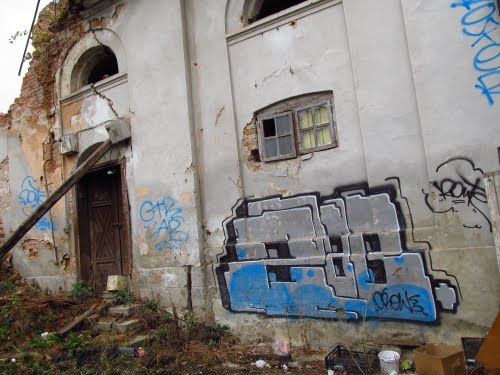
The building of the malt shop is slowly deteriorating.
Video
 Врятуймо старий пивзавод Івано-ФранківськаСуспільне Івано-Франківськ
Location on the map
Comments
Places to stay nearby
All stays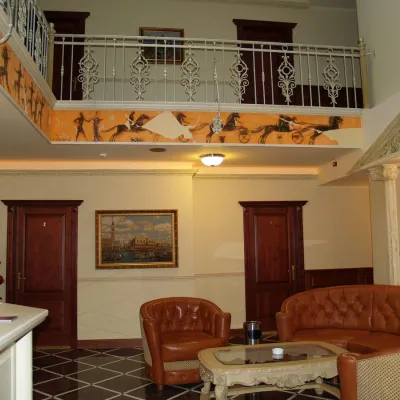 HotelHotel "Atrium" Ivano-FrankivskIvano-Frankivskunder 1 km from Stanislavivsky Brewery, Ivano-FrankivskBreakfastParkingWi‑FiNearby: Potocki Castle 200 mCity Lake 1.7 km
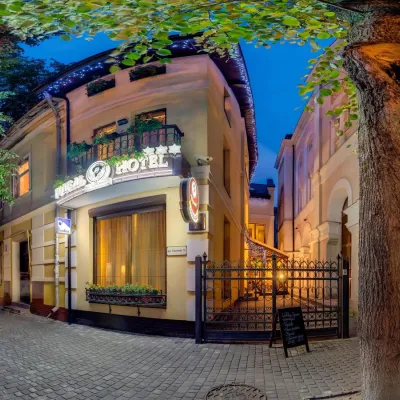 HotelHotel "Pid Templ'em" Ivano-FrankivskIvano-Frankivskunder 1 km from Stanislavivsky Brewery, Ivano-FrankivskWi‑FiNearby: Potocki Castle 300 mCity Lake 1.7 km
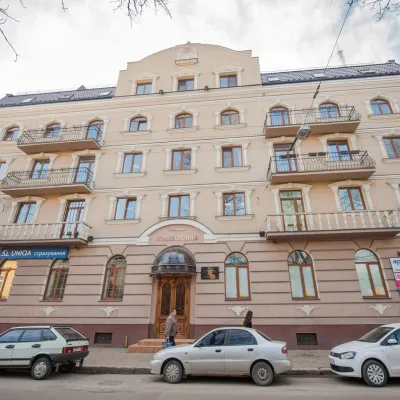 HotelHotel "Stanisławów" Ivano-FrankivskIvano-Frankivskunder 1 km from Stanislavivsky Brewery, Ivano-FrankivskBreakfastWi‑FiNearby: Potocki Castle 700 mCity Lake 1.3 km
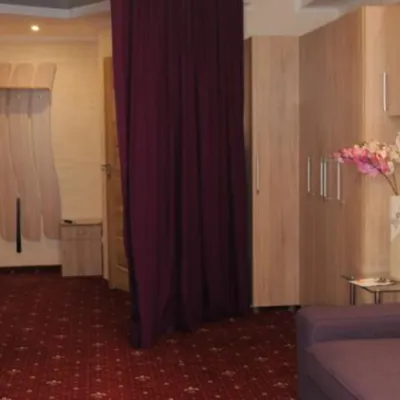 Hotel"Deluxe" Apartments Ivano-FrankivskIvano-Frankivskunder 1 km from Stanislavivsky Brewery, Ivano-FrankivskKitchenParkingWi‑FiNearby: Potocki Castle 1.2 kmCity Lake 2.2 km
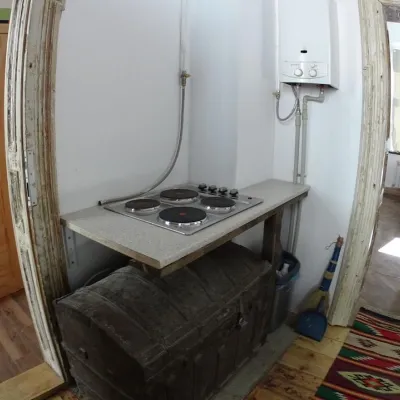 HotelHostel "MIF" Ivano-FrankivskIvano-Frankivskunder 1 km from Stanislavivsky Brewery, Ivano-FrankivskKitchenParkingWi‑FiNearby: Potocki Castle 700 mCity Lake 2.6 km
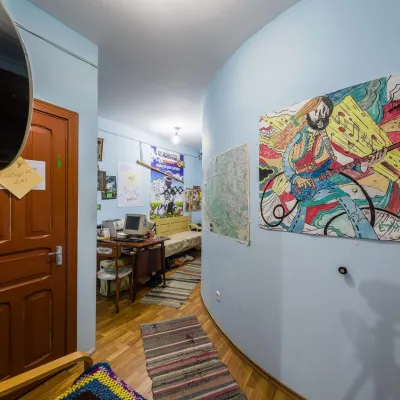 HotelHostel "Fenomen" Ivano-FrankivskIvano-Frankivskunder 1 km from Stanislavivsky Brewery, Ivano-FrankivskKitchenNearby: City Lake 800 mPotocki Castle 1.2 km
Nearby attractions
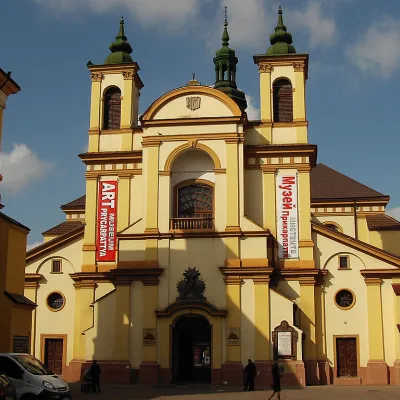 MuseumIvano-Frankivsk Regional Art MuseumIvano-Frankivskunder 1 km from Stanislavivsky Brewery, Ivano-FrankivskTheMuseum of Arts of Prykarpattia (from 1980 to 2012 - Ivano-Frankivsk Regional Art Museum) is a regional art museum in Ivano-Frankivsk; a treasure trove of sacred,...
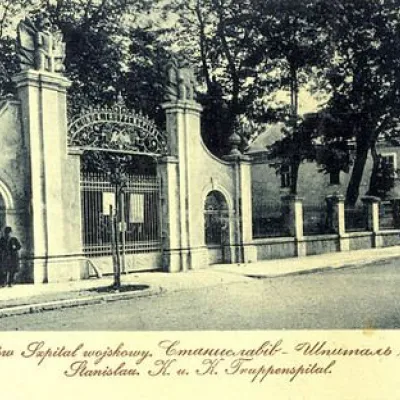 CastlePotocki Castle, Ivano-FrankivskIvano-Frankivskunder 1 km from Stanislavivsky Brewery, Ivano-FrankivskThePotocki Palace is an architectural and urban planning monument of historical significance in the city of Ivano-Frankivsk.
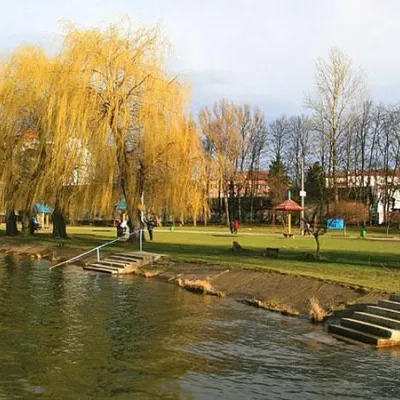 LakeCity Lake, Ivano-FrankivskIvano-Frankivsk1.7 km from Stanislavivsky Brewery, Ivano-FrankivskThe City Lake(also known as the StanislavskeSea ) is the largest artificial lake (pond) in the city of Ivano-Frankivsk.
Craft nearby
All craft places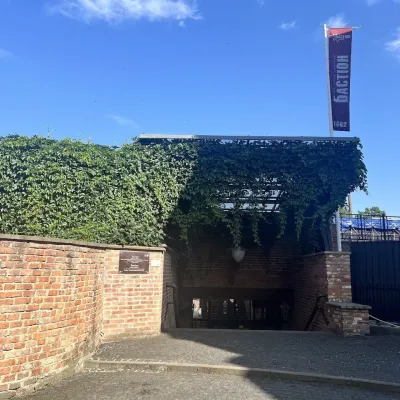 Craft shopsBastion Fortress Gallery – Ukrainian makers’ shops, Ivano-FrankivskIvano-Frankivskunder 1 km from Stanislavivsky Brewery, Ivano-FrankivskThe Bastion Fortress Gallery is one of the most atmospheric places in Ivano-Frankivsk for an unhurried walk and for finding gifts made in Ukraine.
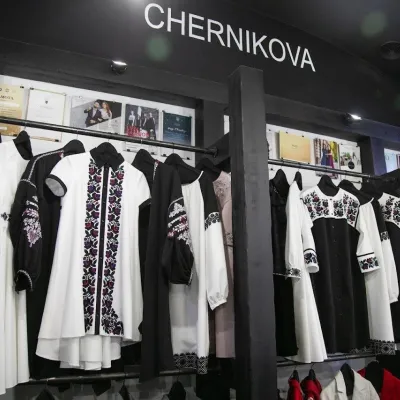 Craft shopsCHERNIKOVA designer ethno-fashion shop, Ivano-FrankivskIvano-Frankivskunder 1 km from Stanislavivsky Brewery, Ivano-FrankivskCHERNIKOVA is the shop of Ukrainian designer clothing by Ivano-Frankivsk designer Liubov (Liubtsia) Chernikova, located in the Bastion fortress gallery in the very...
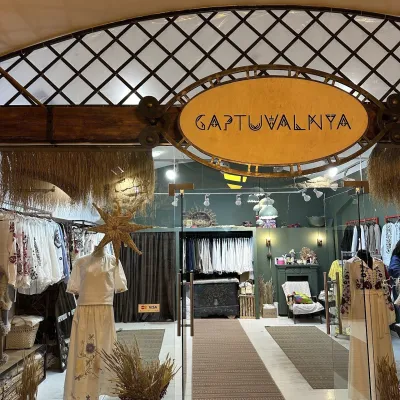 Craft shopsGaptuvalnya embroidered-fashion store, Ivano-FrankivskIvano-Frankivskunder 1 km from Stanislavivsky Brewery, Ivano-FrankivskGaptuvalnya is a Ukrainian brand of embroidered clothing whose flagship store is in the Bastion gallery in Ivano-Frankivsk.
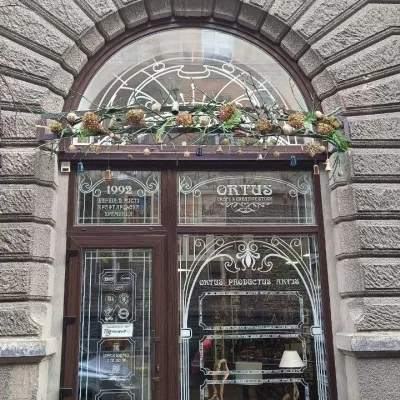 Craft shopsOrtus craft and souvenir shop, Ivano-FrankivskIvano-Frankivskunder 1 km from Stanislavivsky Brewery, Ivano-FrankivskOrtus is a small but densely packed shop of craft products and souvenirs in the very heart of Ivano-Frankivsk, at 9 Mykhaila Hrushevskoho Street.
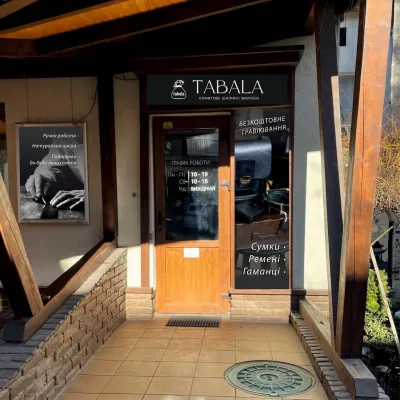 Craft shopsTABALA handmade leather workshop-shop, Ivano-FrankivskIvano-Frankivskunder 1 km from Stanislavivsky Brewery, Ivano-FrankivskTABALA is a tiny workshop-shop of craft leather goods in central Ivano-Frankivsk, at 37 Nezalezhnosti Street.
 Theme parksUnderhill Earth History Park, PidhiriaPidhiria21 km from Stanislavivsky Brewery, Ivano-FrankivskUnderhill Earth History Park is a large open-air theme park in the village of Pidhiria near Bohorodchany, about 25 km from Ivano-Frankivsk, right at the foot of the...