Gredl Palace, Skole
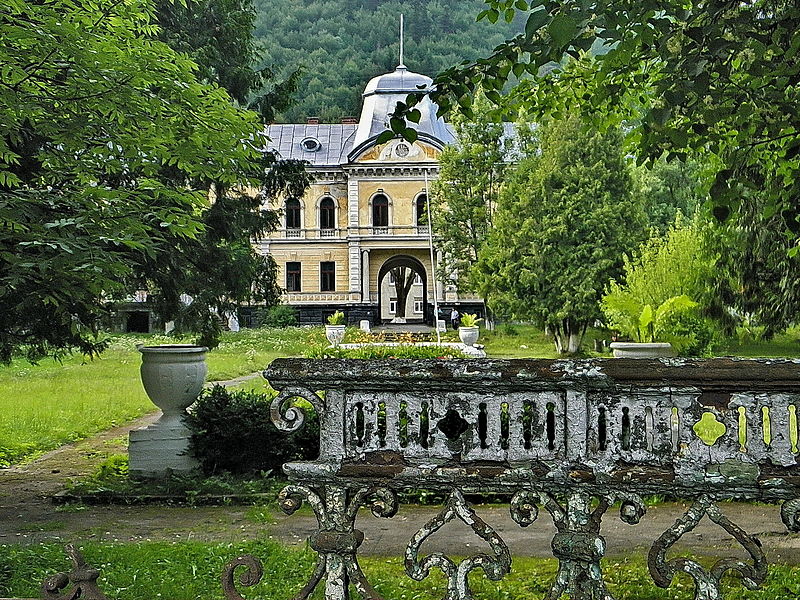
More and more tourists come every year to see the beauty of the western lands of Ukraine. The city of Skole is beautiful and rich in attractions. In terms of architectural diversity, it is not inferior to European cities. Only here you can enjoy the beauty of the preserved church of St. Panteleimon. Captivates with its sacred architecture Gredl Palace. The park is now home to rare species of trees that are under special protection, including: double-lobed gingo, berry yew, tulip tree and 5 species of century-old oaks.
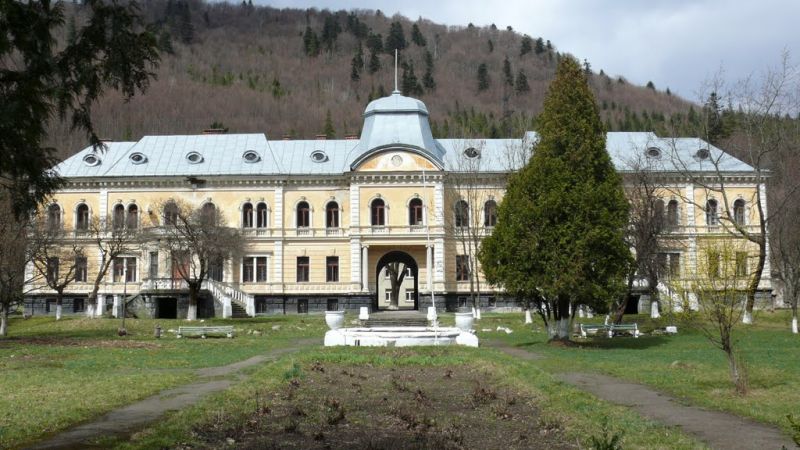
Hredl's Palace (or Gredl's Palace) is an architectural monument of local importance in the city of Skole, in the historic district of Demnia. It was built in the Neo-Baroque style. It has two floors. The palace and the park in Skole were founded by Count Eugeniusz Kaminski in the middle of the nineteenth century after he acquired the Skole lands from Count Potocki. Later, in 1886, Baron Albert Gredel purchased the local forests and this estate from Count Eugeniusz Kaminski. The brick palace of the Gredel barons is located on the right side of the Lviv - Chop highway, if you drive south from Skole to Chop.
The brothers of Hebrew descent, Herman, Bernard, and Albert, were born in the mid-nineteenth century in the family of entrepreneur Tsadik Gredl in the German city of Friedberg near Hesse, but built their own industrial empire in the Carpathian forests. The world's largest woodworking corporation created by the family was called the Transylvanian Forestry Industrial Company, but its headquarters was far from the birthplace of Count Dracula. The capital was Demnia, a village of Skole. In the end, the barons had lands, forests, and estates in Transylvania itself, as well as in Hungary, Slovakia, and Poland. The barons' possessions around Demnya, Slavske, and other villages amounted to about 50 thousand hectares. The barons themselves proudly called their territory the "State of Skole". And the main residence of the "state" was the palace in Demna.
In order to transport their timber around the world, in 1903 the family founded the Hredl Shipping Company. Its four ships, worth a quarter of a million pounds, were registered to English ports but were actually Hungarian. Three of the ships were named after the wives of three brothers: "Melanie, Gisella, and Margit. During the First World War, the British Admiralty requisitioned the Hredl's fleet.
The Boyko oligarchs received Austro-Hungarian citizenship only after 15 years of immigration to the empire, in 1890. By that time, they had already settled in Skole for several years and were very active. Three lines of narrow-gauge railroad were laid across the Beskydy, the first in the Stanisławów Voivodeship, to transport timber from the mountains to the tartars. In 1892, their length was only 13.6 km. By 1907, the length had increased fivefold, and the lines were transporting 70-80 thousand cubic meters of wood per year. Three locomotives, about a hundred cars, and countless platforms served the narrow-gauge.
On the 18.7 km long section from the sawmill in Demna through Svydnyk to the village of Tysovtsia, the tracks climbed the highest mountain of the Skole Beskydy - Parashka (1270 m). In some areas, the slope of the track was 25%. In addition to timber, narrow-gauge railways transported tourists: at the turn of the nineteenth and twentieth centuries, the Carpathians were in great fashion, and in the interwar period their popularity only increased. Skole and the surrounding area became a popular destination. Thanks to the Hredl's, the first tourist narrow-gauge railway appeared along the 41-kilometer-long Demnia-Korostiv line.
The barons also created a museum of nature in Demnya. In Hrebeniv, there was a "pstruharnya" - a nursery where trout were bred. And one of the springs in the Skole Beskydy National Nature Park is still called "Alberto" to this day. There is a legend that Gredl Jr. cured his stomach ulcer with water from this spring.
There were several tartars, a quarry, a smithy, a brickyard, mechanical workshops, and a hydroelectric power plant near Demni. Waste steam from the tartak was used to heat the office premises. A water catchment area was arranged at the top of the mountain, and water was supplied down through ceramic pipes. By the way, the water supply system is still in good working order today.
It was believed that the Gredl's fortune doubled every year due to the ruthless logging in the Carpathians. The barons employed several thousand loggers, about a hundred officials, and several dozen entrepreneurs.
As oligarchs should, the Gradleys not only provided bread for their workers, but also organized spectacles on major holidays. Moreover, they sponsored a brass band and a soccer team.
The palace in Demna was a kind of business card of the barons. Having somewhat rebuilt it after buying it from Kinski, they often and hospitably invited their noble and influential guests here. Already in the time of the descendants of the first Skole Hredls, in September 1937, Prince Windisch-Gratz, grandson of Emperor Franz Joseph I, stayed and hunted at the estate. The following year, Count Limburg and the barons Königswarter and Ullmann were entertained here. The barons also knew Metropolitan Andrey Sheptytsky well, who for obvious reasons did not hunt in their forests.
Interestingly, the oligarch brothers bought their baronial title in 1903. At that time, it was a common practice that pleased the ambition of the nouveau riche.
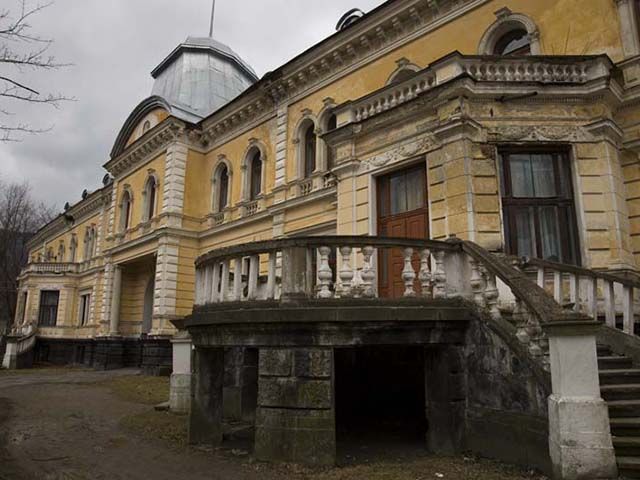
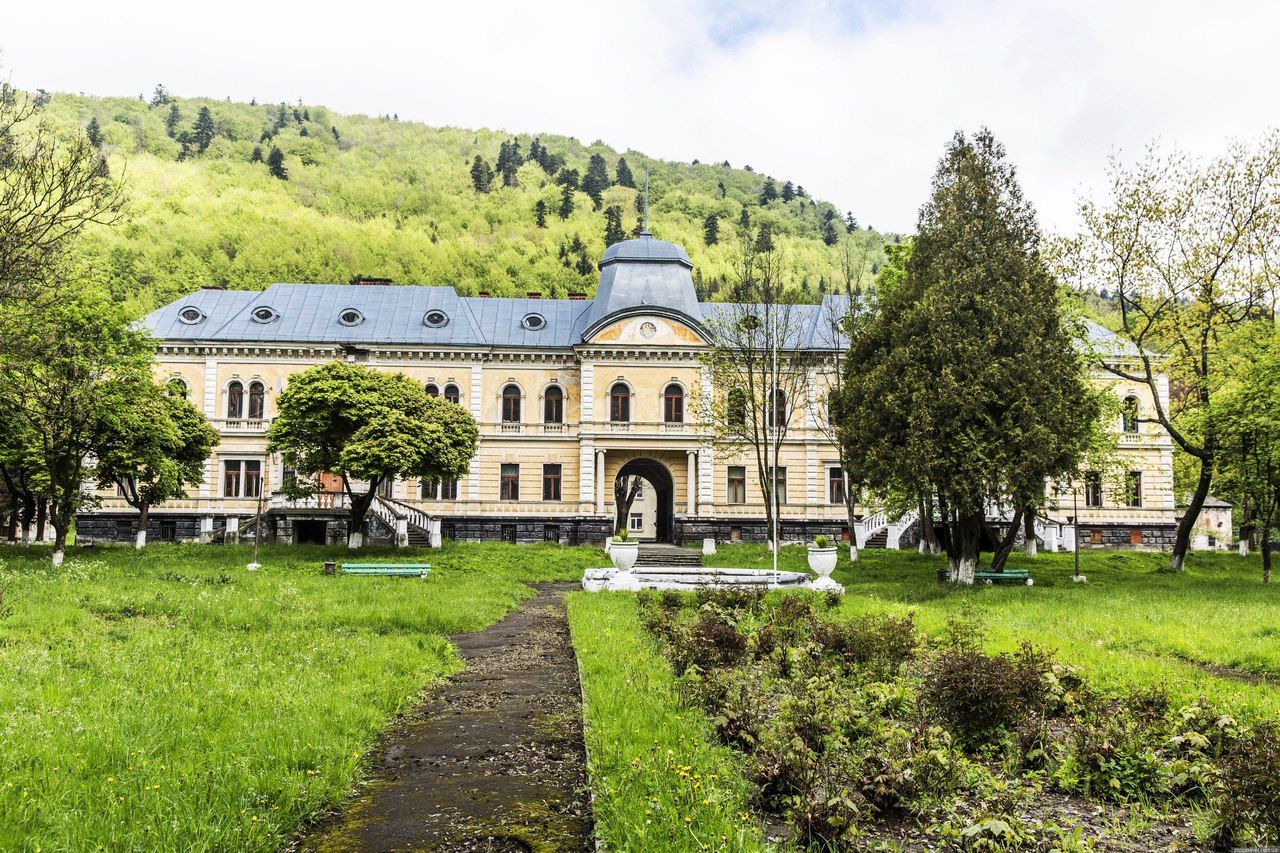
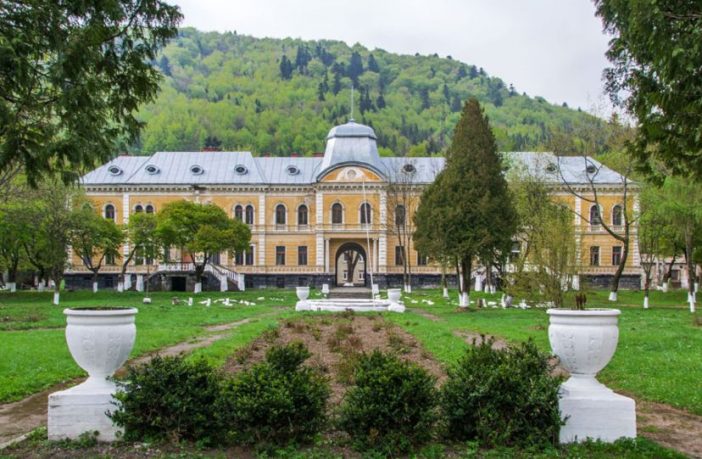
From an architectural point of view, this building is a two-story building with a staircase that testifies to the former luxury of the owners; in its courtyard we also come across a wrought-iron fence and a fountain that are well preserved, and in general, the palace fascinates with its architectural design at any time of the year. After the end of World War II, the NKVD district office functioned in the palace until 1955. Since 1956, the Skole boarding school has been housed in its premises, with a library and elementary classes on the ground floor. The last restoration and renovation works were carried out in the 90s of the XX century.
Created according to the personal project of the Austrian baron, the palace does not belong to any architectural style. But this does not spoil it, as if it were a snow-white palace painted against the backdrop of the Carpathian Mountains. Cozy and comfortable, it is designed for a large family and servants. Two half-towers adorn the palace. They resemble Turkish minarets. A clock is installed in the facade of the tower. Pseudo-balconies at the base of the roof and on the mezzanine give the building a special grace.
Around the palace is a stunning park and amazing greenhouses with many valuable plants brought from Europe. Some specimens managed to survive the Soviet occupation.
In September 1937, Prince Windisch-Gratz, the grandson of Emperor Franz Joseph I, visited the estate and hunted. After the hunt, the aristocrat proudly posed in front of the palace with a deer skull with magnificent antlers. In October 1938, Count Limburg and Barons Viktor Königswarter and Ullmann posed with deer heads.
After the occupation of Skole by Soviet troops in late September 1939, the palace housed a department of the NKVD, which returned in August 1944 and operated until 1948. There is a beautiful fountain in front of the palace. The wrought iron gates and fences are well preserved.
Since 1956, the palace has been used as a boarding school for 260 children. The second floor of the palace is used as a bedroom, the first floor is occupied by primary classes and a library, as well as a food unit.
Connoisseurs of history, unusual and original architectural, should definitely visit this amazing place and enjoy the beauty.
Nowadays, the palace of the Gredl barons in Skole is quite well preserved, although without interior decoration, it is considered a decoration of the town and belongs to the architectural monuments of local importance. While in Skole, don't forget to visit the pearl of Boyko wooden architecture - the Church of St. Paraskeva (Panteleimon). And after that, you can go to the mountains, for example, to Mount Lopata or Klyuch.
The past luxury of the Skole oligarchs' residence is evidenced only by the timeless facade of the palace, wrought-iron fences, and the presence of a fountain. The interiors have hardly been preserved. Only the bravely spiraled staircase refers to the baroque aesthetics of the palace's builders.
Today, one can only guess why, having owned real estate in Lviv and Stryi, the Gradleys chose the palace near Skole as their residence. Maybe it was because of the building's imposing appearance. Maybe they just couldn't live without mountains.
The palace, favored by the Beskydy oligarchs and their guests, survived the fires of the two world wars relatively easily. It survived to become the main "office" of the local NKVD for a while. The old owners were already far away by then. Without them, the once exotic plant-filled park gradually began to go wild, the last gardener of which, Karol Sidlecki, left the estate with its last owner at the beginning of World War II. The USSR destroyed the entire Gredl empire. All their businesses were nationalized. More than two hundred Hredl employees and workers were forcibly removed from their homes to the interior of the Soviet Union.
On July 21, 2020, an agreement was signed between the Skole District Council, the owner of the Skole General Secondary Education Institution No. 3 (former palace of the Hredl barons), and the Skole Beskydy National Nature Park on a 49-year lease.
The park administration is counting on the financial support of international projects, in particular, the Carpathian Primeval Forest Conservation Project and our regular partners, namely the Frankfurt Zoological Society (Germany), the Ukrainian Society for the Protection of Birds, the Association of Local Governments "Euroregion Carpathians - Ukraine" and government agencies. The authorities of Lviv and Skole regions and the Austrians, the countrymen of the Gredl barons, are interested in restoring the building and the historical glory of the palace.
It is planned to create a visit center of the national park, a museum, scientific laboratories, and office space in the palace. The geographical location (Kyiv-Chop international highway; proximity to the resorts of Morshyn, Truskavets, Skhidnytsia; being on the way to the tourist ski resorts of Slavske, Volosyanka, Plyai, Tysovets) will facilitate travelers and tourists to visit this unique historical site. Over the past two years, two International Hunting Festivals "Hunting Campfire" have been held in the palace park.
By train: Go from the suburban station by trains Lviv-Lavochne, Lviv-Mukachevo and Lviv-Chop (find the schedule here), or by trains of Uzhhorod direction from the main station.
By bus: Buses from Lviv to Skole depart from the central bus station.
By car: Take the Kyiv-Chop highway. The distance from Lviv is 110 km.
Video 3
 Маєток Гредлів - Гостинний двір у карпатському передгір'ї | Україна вражаєТуризм и путешествия

Location on the map
Comments
Places to stay nearby
All stays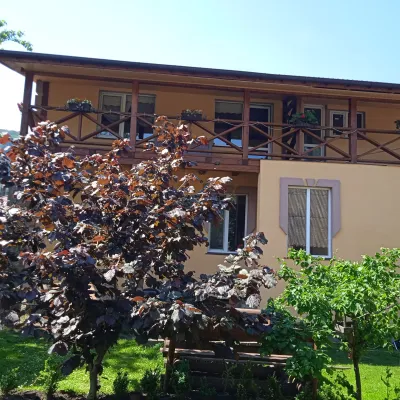 HomesteadFainy HazdySkole1.8 km from Gredl Palace, SkoleFireplaceKitchenParkingNearby: Gredl Palace 1.8 kmKamianka waterfall 4.2 km25 trails
 HotelHotel-Restaurant "Vyvcharyk" MykulychynSkole1.6 km from Gredl Palace, SkoleSaunaWi‑FiTransferNearby: Gredl Palace 1.6 kmKamianka waterfall 4.0 km25 trails
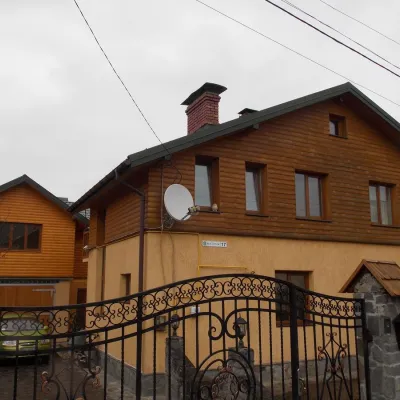 HomesteadHomestead "Skolivska Skelya" SkoleSkole1.8 km from Gredl Palace, SkoleSaunaBBQKitchenNearby: Gredl Palace 1.8 kmKamianka waterfall 3.7 km26 trails
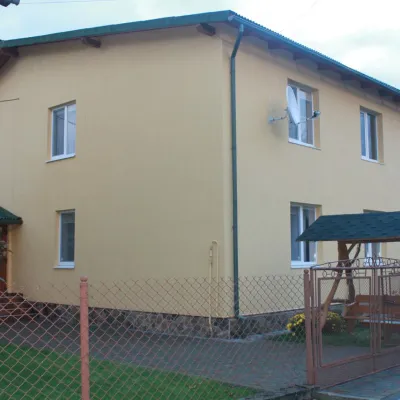 HomesteadHomestead "Zelena Khata" SkoleSkole2.5 km from Gredl Palace, SkoleKitchenParkingWi‑FiNearby: Gredl Palace 2.5 kmKamianka waterfall 3.5 km26 trails
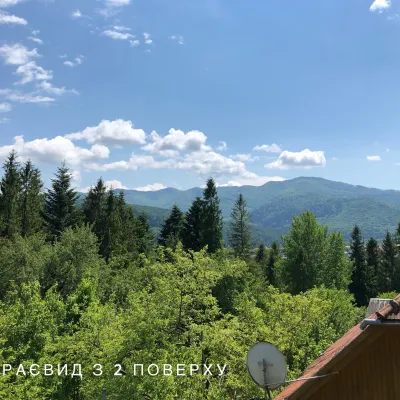 CottageCottage / Rooms in the Forest Area of SkoleSkole3.5 km from Gredl Palace, SkoleBBQKitchenPetsNearby: Kamianka waterfall 3.5 kmLake Zhuravlyne 4.0 km25 trails
 HotelMotel "Okay"Korostiv3.9 km from Gredl Palace, SkoleSaunaParkingTransferNearby: Tomb of Prince Sviatoslav 2.3 kmGredl Palace 3.9 km7 trails
Trails nearby
All trails ModerateTwo-daySkole loopvia Mount Lopata, Mount Kudriavets +1Elevation profile437–1 242 m20.9 kmascent 894 m≈ 7 h walkingunder 1 km from Gredl Palace, Skole
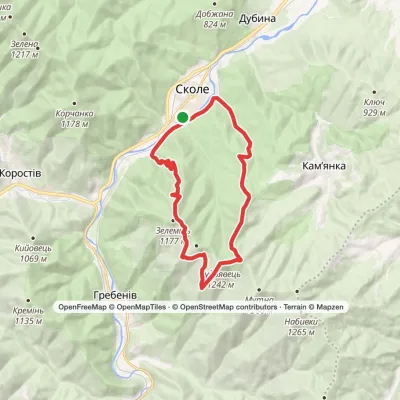 HardTwo-daySkole loopvia Mount Kudriavets, Mount LopataElevation profile437–1 242 m21.2 kmascent 986 m≈ 7.5 h walkingunder 1 km from Gredl Palace, Skole
 HardMulti-dayKamianka village to Krushelnytsia villagevia Mount Lopata, Skole +1Elevation profile396–1 268 m51.1 kmascent 1 877 munder 1 km from Gredl Palace, Skole
Nearby attractions
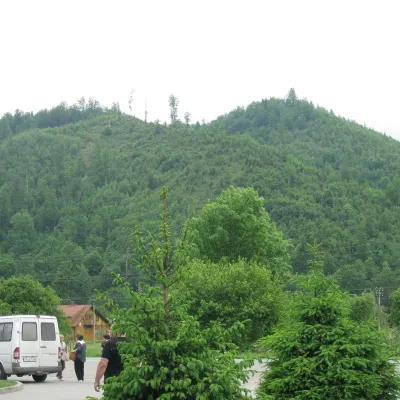 PeakMount ZeleminHrebenivaltitude 1 177 m · Skole Beskids range3.1 km from Gredl Palace, SkoleZelemin is a 1,177 m summit in the north-western part of the Zelemianka ridge in the Skole Beskids (Lviv Oblast).
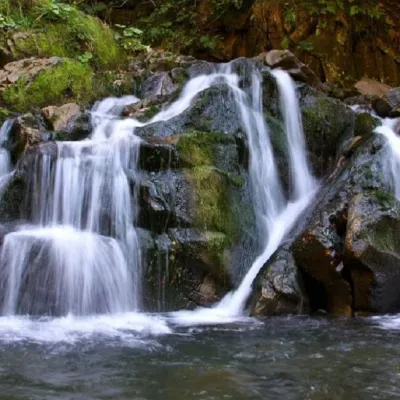 WaterfallKamianka waterfallDubyna5.3 km from Gredl Palace, Skole"Kamianka Waterfall or Kamianka Waterfall is the most famous waterfall located on the mountain river of the same name near the village of Dubyna, Skole district, Lviv...
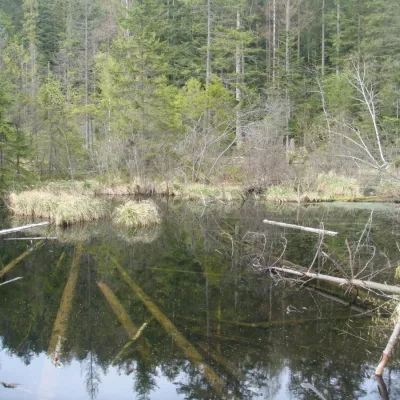 LakeLake Zhuravlyne (Dead Lake)Kamianka5.9 km from Gredl Palace, SkoleThere is one mysterious place in the Skole Beskydy National Nature Park - Zhuravlyne Lake, also called Dead Lake.
Craft nearby
All craft places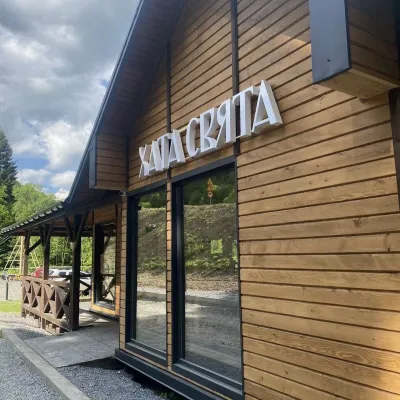 Koliby & Hutsul cuisineKhata Sviata Restaurant, HrebenivHrebeniv4.2 km from Gredl Palace, SkoleKhata Sviata restaurant is a small timber restaurant in the village of Hrebeniv between Skole and Slavske, serving Boyko cooking in a modern way but with respect for...
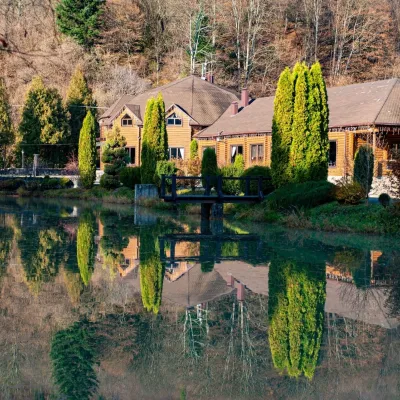 Koliby & Hutsul cuisineZolota Forel restaurant, KorostivKorostiv5.1 km from Gredl Palace, SkoleZolota Forel (“Golden Trout”) is a restaurant and hotel complex in the village of Korostiv near Skole, right beside the Kyiv–Chop highway.
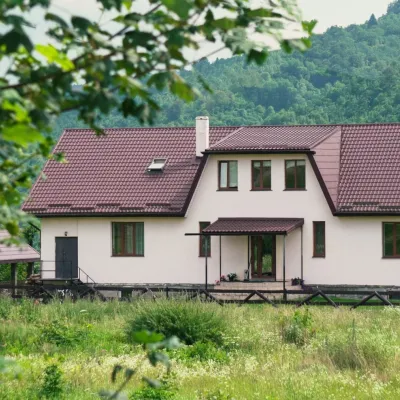 Ethno parks & homesteadsU Dvori Ethno Complex, PidhorodtsiPidhorodtsi15 km from Gredl Palace, SkoleU Dvori ethno complex is a family homestead in the village of Pidhorodtsi near Skole, set on a hill above the Stryi river valley a few kilometres from the Tustan rock...
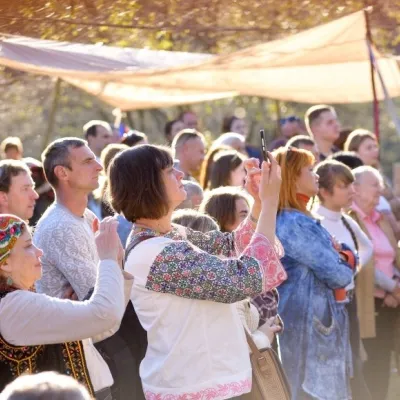 Ethno tours & guidesBoyYe Boyko Culture Festival, UrychUrych18 km from Gredl Palace, SkoleBoyYe is a festival of Boyko culture launched by the Tustan State Historical and Cultural Reserve in the village of Urych.
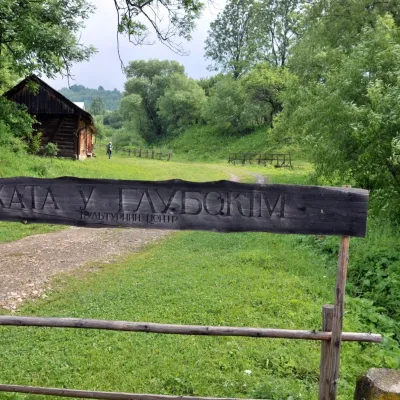 Crafts & workshopsKhata u Hlubokim Local History Centre, UrychUrych18 km from Gredl Palace, SkoleKhata u Hlubokim (“the House in Hlyboke”) is an old Boyko house in Urych that the Tustan State Historical and Cultural Reserve has turned into a local history centre.
 Koliby & Hutsul cuisineKolyba “Smerekova Khata”, SlavskeSlavske18 km from Gredl Palace, SkoleKolyba “Smerekova Khata” is the ethno-restaurant of the hotel complex of the same name at the entrance to Slavske, one of the best-known mountain resorts of the Boyko...