Ispas
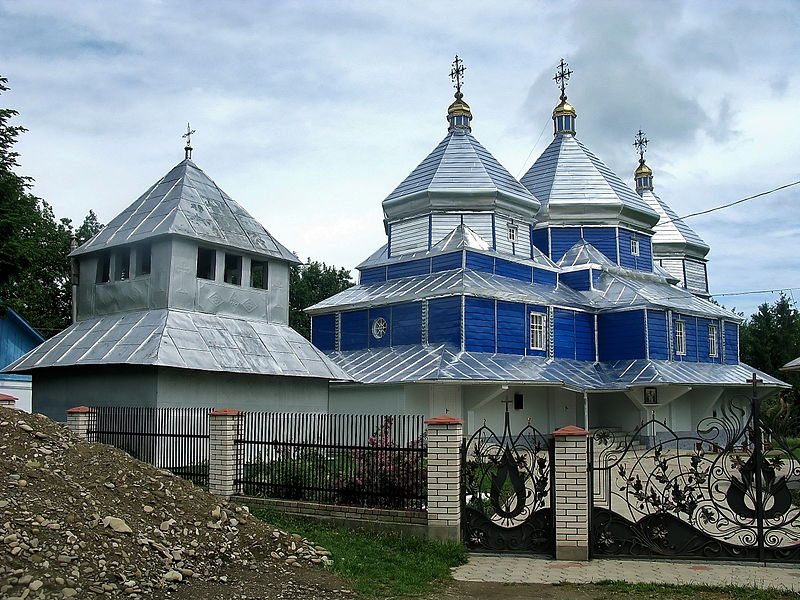
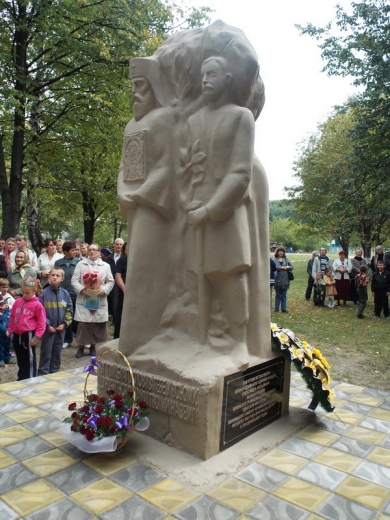
The village of Ispas is very large and is located on the banks of the Cheremosh River. The population of the village reaches about 5 thousand people. Distance to the city of Chernivtsi: 65 km. The code for long-distance communication is 03730. The village council is 2-45-31. Worth visiting: Ascension Church with a bell tower (1856). The convenient location of the settlement on the road between the regional center of Chernivtsi and the district center of Vyzhnytsia makes it possible for good economic development of the village, in particular, trade is actively developing. This also explains the fact that different nationalities lived in Ispasa - Romanians, Poles, Jews, and Armenians.
The Jewish part of the village's population has a history dating back to 1941: when about twenty members of the local pro-Nazi organization Kuzi came to Ispas after massacring Jews from neighboring villages, the Ispas residents hid 15 families (100 people) of the minority, risking their own lives. Based on these events, the village was included in the list of the Righteous Among the Nations.
The village also has interesting legends related to the site of the modern monastery. It is said that there was once a monastery here, which disappeared together with the villagers into the depths of the earth with the arrival of the Tatars. Later, they say, a church stood on this site, which was struck by righteous thunder when a brother and sister were married there. The wooden cross was placed here by a father to heal his seriously ill son.
In Ispasa, Vyzhnytsia district, people have jobs, but only a little more than a percentage of the villagers are abroad
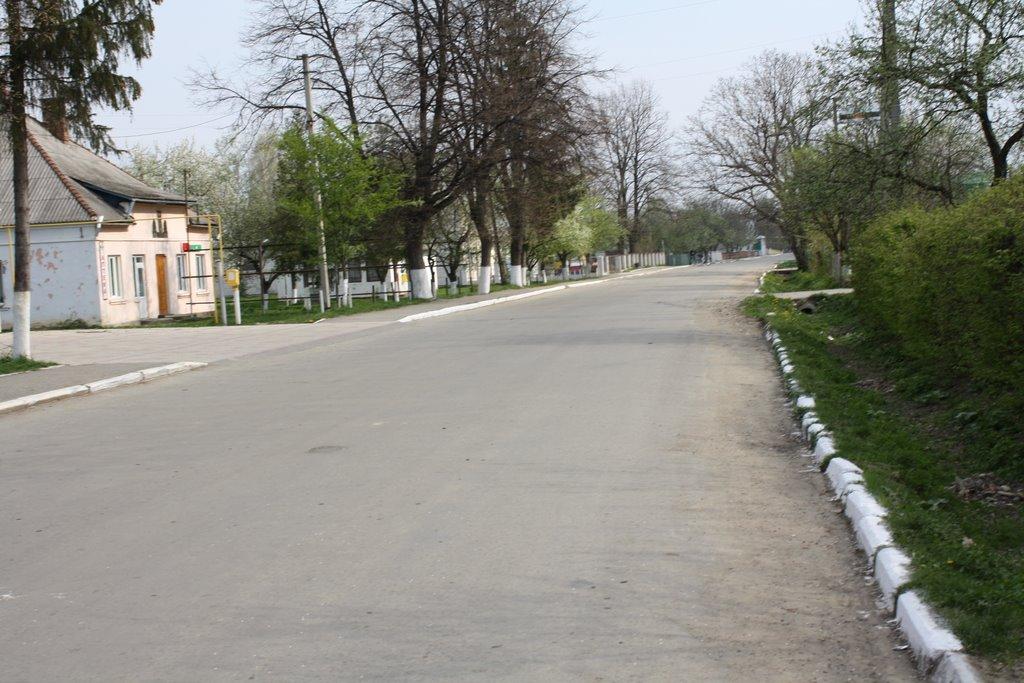
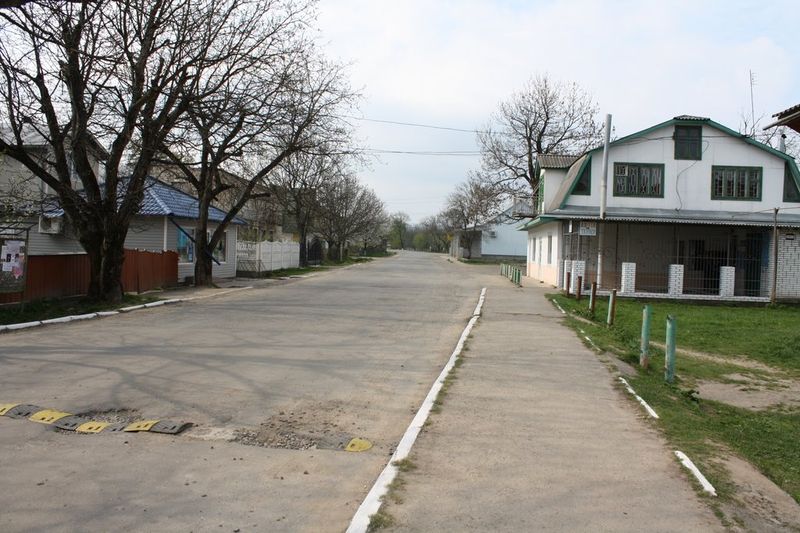
Well-kept houses with bright facades, wide asphalt roads, and many, many shops and cafes. This is the picture visitors see when they come to the village of Ispas in the Vyzhnytsia district.
The village actually looks more like a developed district center. It is both large, covering an area of almost 5,000 hectares, and densely populated, with more than 5,000 residents. Interestingly, contrary to the all-Ukrainian trend, the birth rate in the village is much higher than the death rate. For every 90 newborns (per year), only 50 residents died. There are no problems with work in the village. This is also evidenced by the fact that only a little more than a percentage of the villagers are employed (100 people per 5,000 people). In general, it is worth coming here not only for the mountain views, but also to listen to local legends and visit places with unusual stories.
Ispas is still being developed
The village is self-sufficient. There are many trade and catering establishments here. In addition, the village budget is supplemented by income from renting premises and land. There is a plant for the production of building materials in Ispas. It was opened by an investor from France.
- "Previously, there were 7 enterprises in the village that provided jobs for the residents of Ispas and neighboring villages," says Mykhailo Andriuk, village head of Ispas, "but now only one is working. In order not to be unemployed, the villagers registered as private entrepreneurs and started their own businesses. There are currently 400 of them in the village. They not only earn their living and contribute to the local budget, but also create jobs for their fellow villagers.
The village has two schools (for 500 and 100 students) and one kindergarten for 130 children. It is overcrowded, so next year they will start building an additional building. The design and estimate documentation has already been prepared. Since the village is very large, two school buses take children to school. There is no public transportation in Ispas, but due to its close proximity to the district center (less than 10 kilometers), it is possible to call a taxi from Vyzhnytsia.
The village is developing rapidly. This is evidenced by the fact that a plan has been developed to build a new residential area. About 70 new houses are planned to be built on 11 hectares of land. The land will be allocated for construction to those villagers who are most in need of better living conditions. Part of it will be distributed now, and the rest will be saved for later.
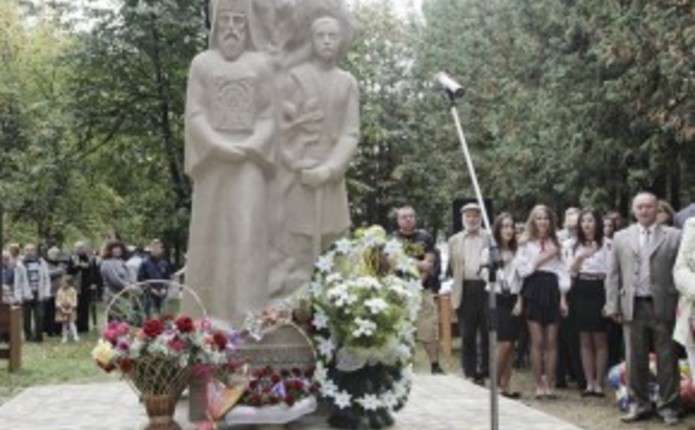
The village has its own fire brigade of 4 people. This is rare for settlements in rural areas. They have repeatedly saved lives and property of Ispas residents from fire. Recently, a monument was erected in the village to the community that saved 15 Jewish families during World War II.
A mystical story about a monastery
A new monastery of St. Seraphim of Sarov is being built in the village. In addition, there are churches of two warring denominations (3 churches and a monastery) - the Ukrainian Orthodox Church of Kyiv and Moscow Patriarchate. However, contrary to tradition, there is no enmity between the churches and their parishioners, they are tolerant of each other. Residents say there is no point in quarreling, they say, they will sort it out in heaven.
Speaking of the monastery. Locals tell many mystical stories about it and the place where it stands. They say that once upon a time there was a village in the forest, and among the thickets you could barely see the monastery. People hid in it when the village was attacked by the Tatars. The monastery, along with the villagers, went underground, and the Tatars returned with nothing. Then a church was built in its place. Once a brother and sister got married there. The heavenly powers were angry, and thunder burned down the church. Many years later, during the Romanian rule, Mr. Fisher lived in the village. He had a son who was shackled by a serious illness. The medicine of the time was powerless against the disease. So he went to the village healer, Domka. The woman advised him to put an oak cross in place of the former church and monastery. After that, the child recovered.(Author Yulia Khoroshun)
Interesting places in Ispas
- Parcelations are (in Romanian) uprooted lands (cleared of trees).
- Ograd is the lord's garden in the center of the village. A strong fence that was around the lord's yards and garden, and gave the name to several hundred square meters of land. Now this area is decorated with new buildings of the villagers.
- Zgari is the first settlement of the village. In ancient times, the Turks burned it down and since then the eastern part of the village has been called Zgari.
- Dykunky - trenches on Bzovyi, made during the First World War, where the defense was built. There are many deep trenches in the forests around Ispas and neighboring villages that were once dug by our people. These trenches are called savage trenches.
- The lord's road was the road that led from Hostynets to the lord's estates, lined with linden trees, along which the lord would drive a cart. In summer, the linden trees provided coolness and shelter from the scorching sun.
- The lord's yard (economy), which later housed the office of "Sihosptekhnika". There were several buildings in the yard: a manor house and outbuildings such as stables for horses, cows, poultry, etc.
- The Three Pines is a place near the lord's road where the peasants dug a huge hole and dumped their tools in it, covered it with earth, and planted three pines on top. Such a legend about the abolition of serfdom in Bukovyna exists in the village of Ispas, and three pine trees witnessed it.
- The Turkish road is one of the oldest roads built in the village of Ispas during the Turkish invasion for horse-drawn transport. Now it has been widened and connects the village center with Gorkut and Dolkut.
- The German road is a road that was built by the Germans in the First World War. It runs through Horkut, Kusiaky, Spanish Maidan, and ends in the village of Lukavtsi. German houses and a cemetery that remain from those times testify to the presence of Germans on the territory between the Maidan and Lukavtsi.
Traditional folk crafts: making paint brushes, plastic products, wickerwork, and artistic embroidery.
Spanish village council: 83 Shevchenka St., Ispas village, 59222 Phone/fax: tel. (03730) 2-45-31, fax: (03730) 2-45-42 E-mail: [email protected]
Video 2

What to visit
Landmarks, museums and places of interest near Ispas.
 MuseumMuseum of Applied Arts, VyzhnytsiaVyzhnytsia6.5 km from the centreIn the small town of Vyzhnytsia, there is a Museum of Applied Arts, which exhibits the best diploma and course work of students of the local College of Arts.
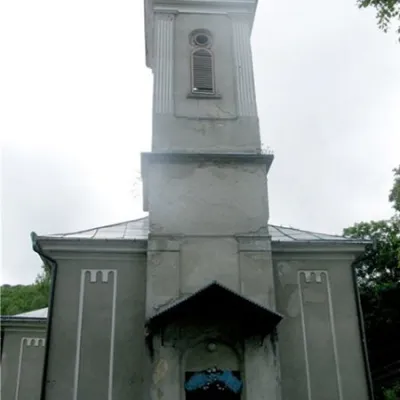 ArchitecturePeter and Paul Church, VyzhnytsiaVyzhnytsia7.4 km from the centreTheChurch of the Holy Apostles Peter and Paul in the town of Vyzhnytsia, Chernivtsi Oblast, was built in 1876 in the Neo-Gothic style at the expense of the then local...
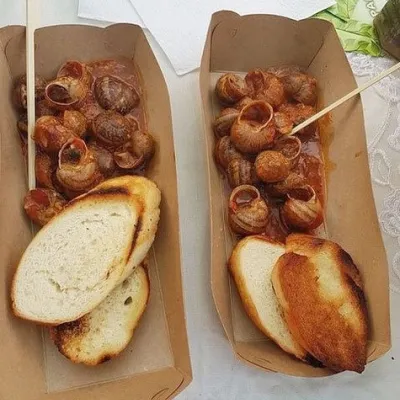 Eco farmsPrykarpatskyi Ravlyk Snail Farm, BahnaBahna7.8 km from the centrePrykarpatskyi Ravlyk snail farm is one of the few food farms in the Vyzhnytsia area that welcomes visitors not just to buy produce but for a proper farm visit.
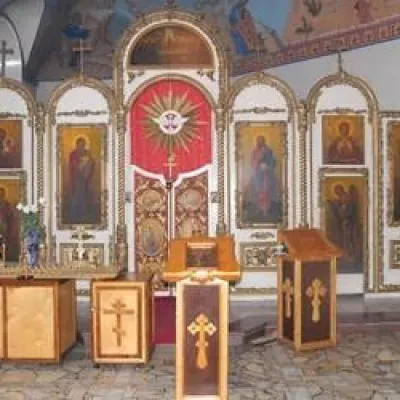 ChurchChurch of St. Demetrius, VyzhnytsiaVyzhnytsia7.8 km from the centreDmytro of Thessalonica in Vyzhnytsia in the Chernivtsi Oblast is a wooden church located on the western outskirts of the city.
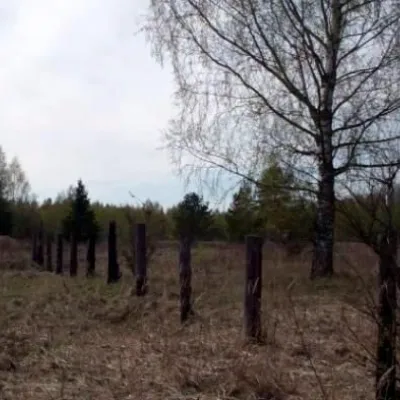 NatureUrochyshe LuzhkyVyzhenka12 km from the centreLuzhky is a landscape reserve of national significance in Ukraine. It is located in the Vyzhnytsia district of Chernivtsi region, east of the village of Tovarnytsia,...
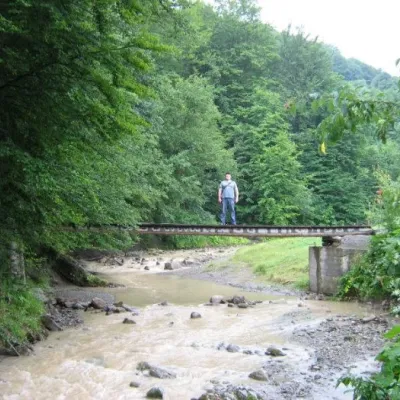 WaterfallMikva waterfallVyzhenka13 km from the centreThe Mykva Waterfall is a small but very picturesque waterfall located in the village of Vyzhenka, Chernivtsi region.
Craft nearby
All craft places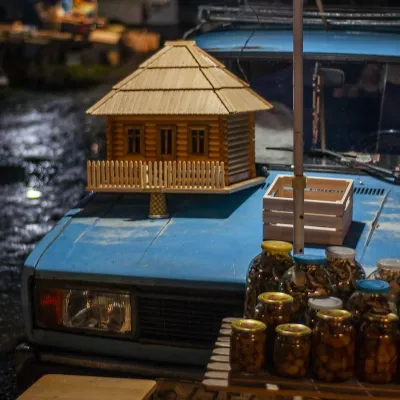 Markets & fairsNight Wood Market, KutyKuty6.2 km from the centreThe night bazaar in Kuty is the most colourful woodwork market in the Hutsul region, and it vanishes at dawn.
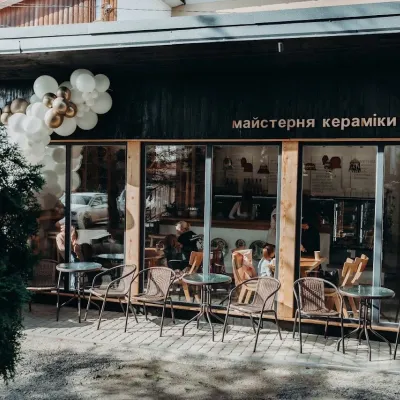 Crafts & workshopsGonchar Ceramics & Coffee Workshop, KosivKosiv14 km from the centreA pottery where you drink coffee from cups made on site Gonchar is a small ceramics and coffee workshop in central Kosiv run by the Chornyi family of potters.
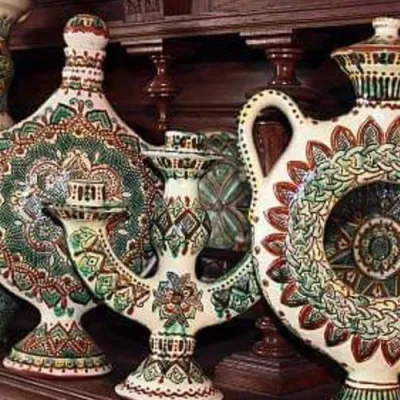 Crafts & workshopsKosiv Painted Ceramics Masterclass, KosivKosiv14 km from the centreYellow deer, green birds, riders and flowers on a warm white background — Kosiv painted ceramics are recognisable at a glance.
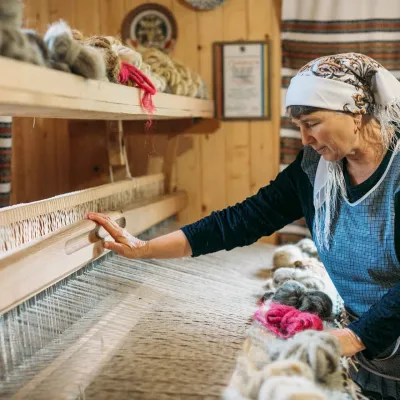 Crafts & workshopsLizhnyk Weaving Masterclass, KosivKosiv14 km from the centreA lizhnyk of your own: what the masterclass is The Kosiv area is one of the main centres of Hutsul lizhnyk weaving, and the best way to understand the craft is to sit...
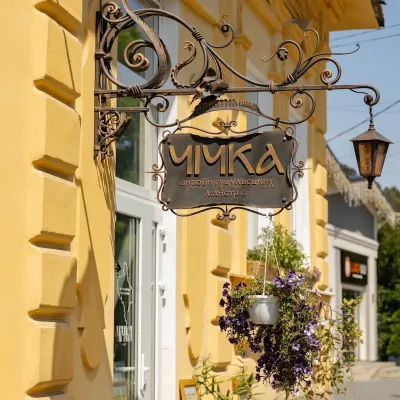 Craft shopsChichka shop of Hutsul handicrafts, KosivKosiv14 km from the centreChichka is a shop of contemporary handmade Hutsul goods in the very centre of Kosiv, at 76 Nezalezhnosti Street.
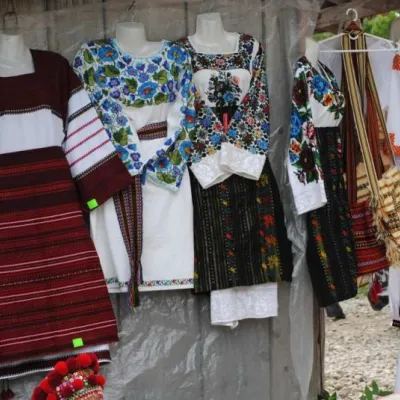 Markets & fairsKosiv Market (Smodnyansky Market), KosivKosiv14 km from the centreKosiv (Smodnyansky) Market in Ivano-Frankivsk region is a treasure trove of folk traditions, a corner of Hutsulshchyna that tourists and guests should definitely visit...
Where to stay
Hotels, guesthouses and cottages in and around Ispas.
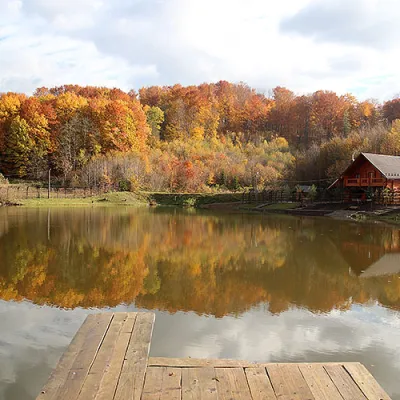 HomesteadHomestead "Dacha u Ivana" IspasIspasunder 1 km from the centreSaunaBBQKitchenNearby: Museum of Applied Arts 6.5 kmTown Hall 7.8 km
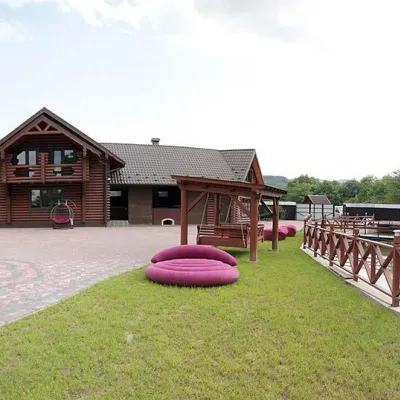 CottageCottage "Na Stavku" ChornohuzyChornohuzy5.1 km from the centreHot tubPoolSaunaNearby: Museum of Applied Arts 1.4 kmTown Hall 2.7 km
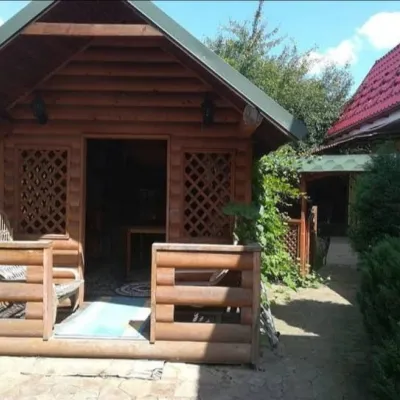 HomesteadHomestead "4 SEZONY"Kuty6.9 km from the centrePoolSaunaFireplaceNearby: Town Hall 2.0 kmMuseum of Applied Arts 2.2 km
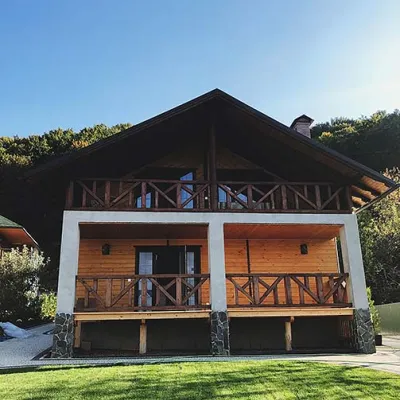 HomesteadHomestead "Panska Hospoda" MykulychynVyzhnytsia7.4 km from the centreSaunaBBQKitchenNearby: Peter and Paul Church 100 mMuseum of Applied Arts 900 m
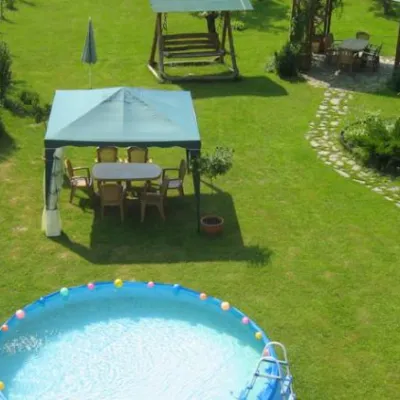 HotelVilla "Veselka"Stari Kuty8.1 km from the centrePoolNearby: Kuta Museum of Local Lore 2.7 kmTown Hall 4.5 km
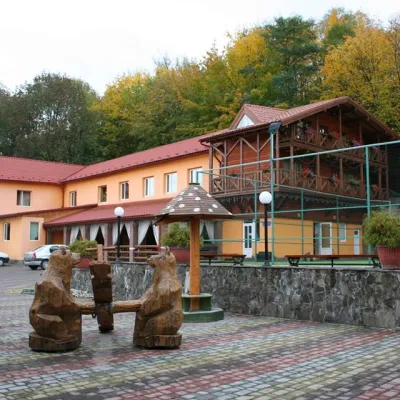 HotelSports and Wellness Complex "Bohatyr" MykulychynVyzhnytsia9.1 km from the centreSaunaBBQParkingNearby: Town Hall 1.4 kmSt. Nicholas Church 1.4 km
Trails nearby
All trails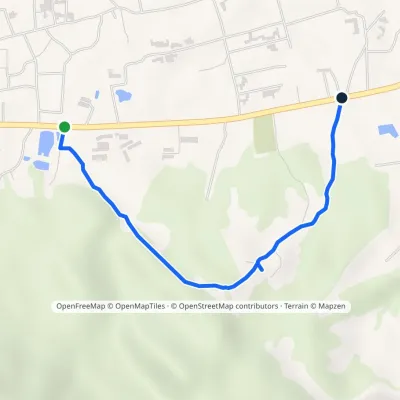 EasyOne-dayMarkedSpring KosivElevation profile369–474 m2.3 kmascent 89 m≈ 45 min walking12 km from the centre
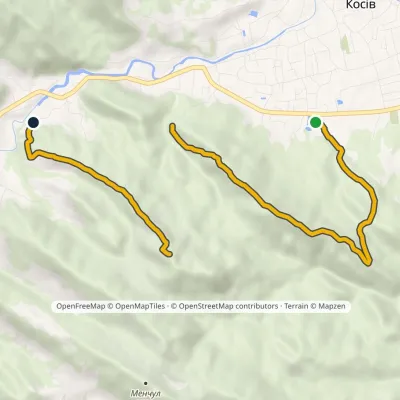 ModerateOne-dayMarkedMount Ostryi Mount Mykhalkiv (yellow trail)Elevation profile382–809 m7.7 kmascent 627 m≈ 3 h walking13 km from the centre
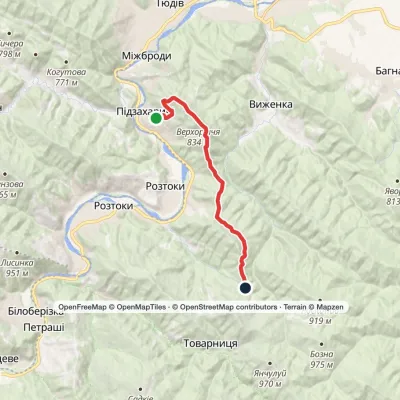 ModerateTwo-dayMarkedNimchych Pass Protiate KaminniaElevation profile477–828 m20.9 kmascent 550 m≈ 6.5 h walking14 km from the centre
Peaks nearby
All peaks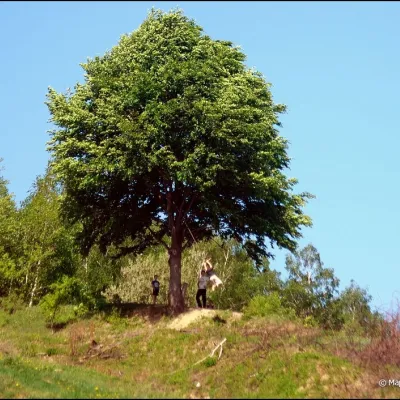 PeakMount KicheraKosivaltitude 567 m12 km from the centreThe march to Kichera is an easy walk that all tourists can do. The small length of the march allows you to take your time and just enjoy nature, eat berries, listen to...
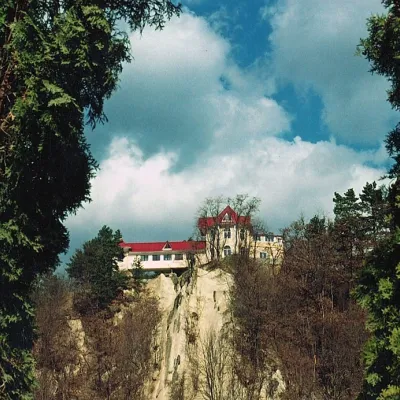 PeakCastle Hill (City)Kosivaltitude 450 m14 km from the centreThe top offers a panoramic view of the city. The mountain is home to unique black alpine pines, as well as deciduous and coniferous plantations, and white acacia...
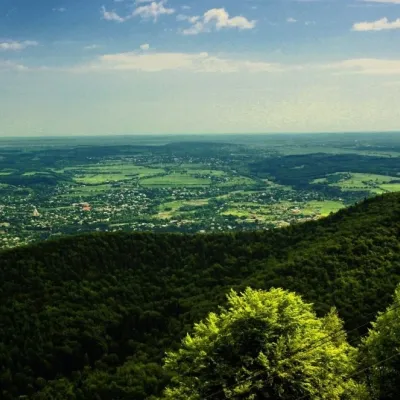 PeakMount Mykhalkova (Kosiv)Kosivaltitude 812 m15 km from the centre2 trails to the topMount Mykhalkova (Mykhalkiv), with a height of 812 meters, is part of the Pokuttya Carpathians. The highest point of the city of Kosiv and the village of Horod.