Shypyntsi
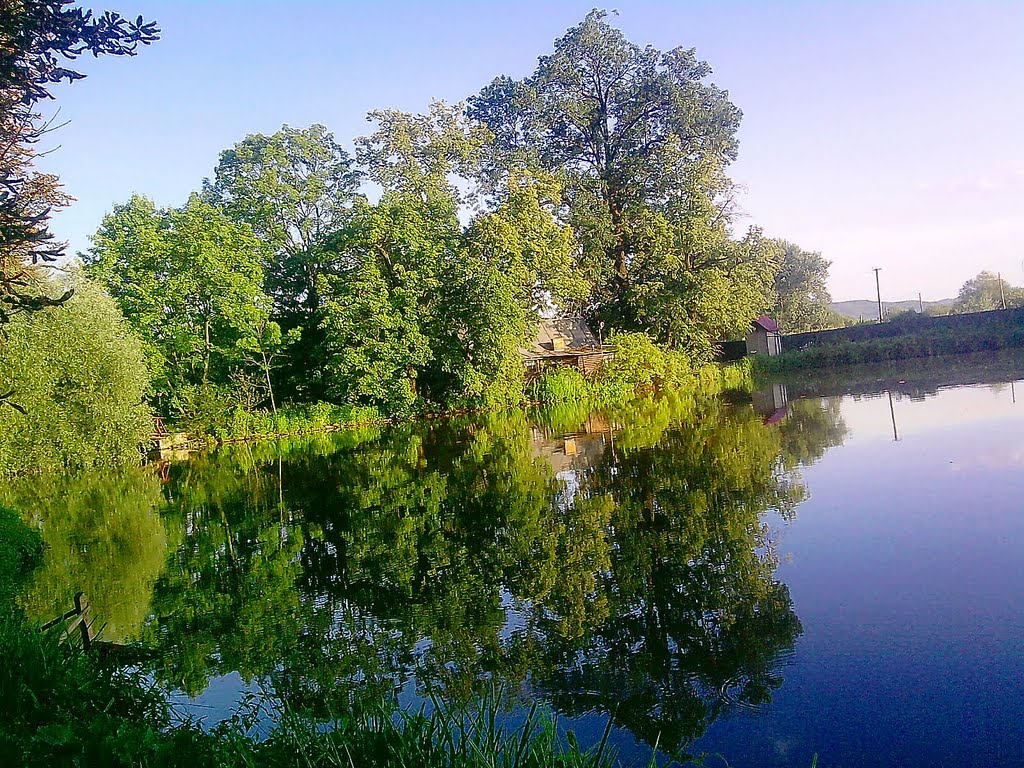
The legend about the origin of the name of the village of Shypyntsi tells of mocharai and small lakes that were formed as a result of snowmelt and heavy rains. These reservoirs did not dry out even in the heat of summer, and the water was heated so that the lakes hissed. One of these bogs is called the Round Swamp. It is said that it has no bottom, and in ancient times there was a settlement on its site, whose dissolute inhabitants had fun and drank wine even during the Easter Lent. For this, the village and its inhabitants were swallowed up by a bottomless lake. The residents of Shypyntsi believe that the time will come when the lake will disappear and the village will emerge.
Shypyntsi is a village located in the Kitsman district, Chernivtsi region. The distance to Chernivtsi is 18 km. The population is 3067 inhabitants. The oldest settlement of the Kitsman district is the village of Shypyntsi (1359-1436). The first mention of it dates back to the middle of the 14th century. In 1359, the Polish chronicler J. Dłogusz mentions a land called "Shypynska". This was the name given to the territory of Northern Bukovyna, the administrative center of which was the village of Shypyntsi. Thus, in the middle of the 14th century, Shypyntsi already existed, and its origin dates back to an earlier time. Recently collected archaeological materials indicate that the village emerged somewhere in the second half of the 13th century. At that time, this territory was part of the Galicia-Volyn principality. More than seven centuries have passed since an autonomous territorial unit called "Shipyn Land" existed in the northern part of Bukovyna.
In the first half of the 14th century, the Moldavian principality, independent of the Kingdom of Hungary, was formed on the slopes of the Carpathians in the valley of the Moldavian River. Having gained independence in 1359, the Moldavian rulers incorporated into their state the territory of Bukovyna, which historical documents in the 14th and 15th centuries call the Shipyntsi (Shipyn land) for its political center. As an integral part of Galician Rus, the Shypyn land, like other Galician lands, served as a kind of bargaining chip between Polish kings and Moldovan rulers.
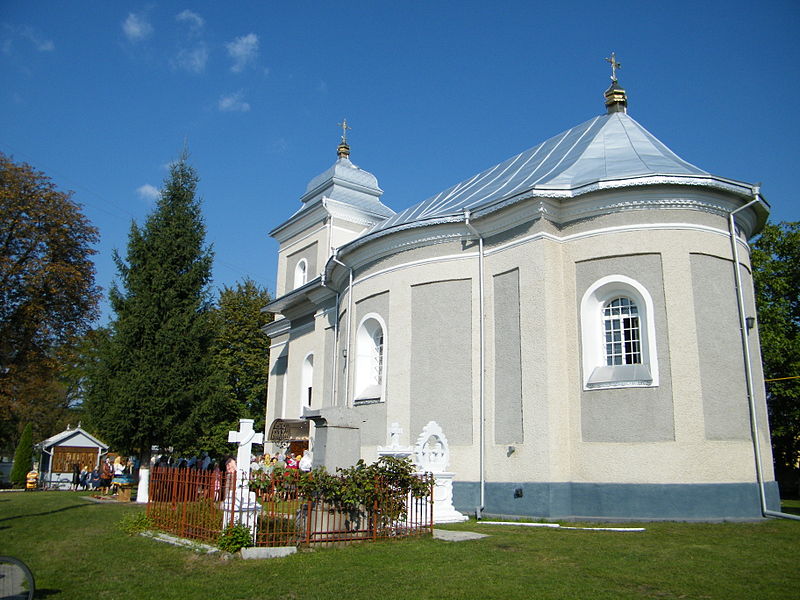
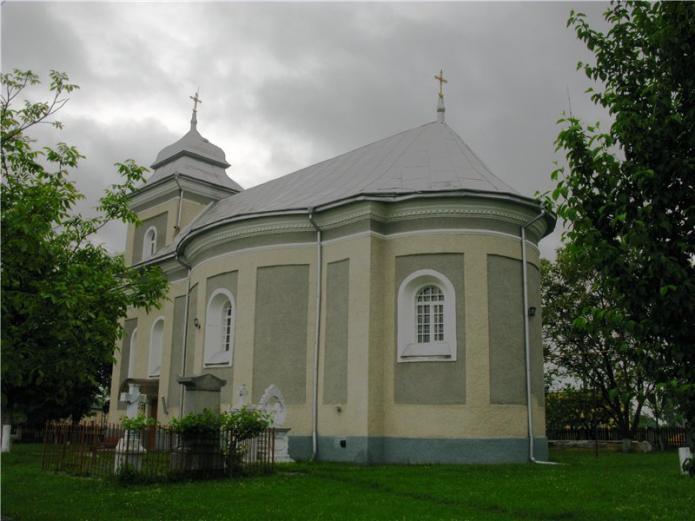
In the west, the land of Shypyn bordered on the Polish possessions, with the Kolochyn River as its border, which is still the border between the Chernivtsi and Ivano-Frankivsk regions. In the north, the Shypyn land reached the Dniester River. The village is decorated with a brick, domeless church of the Nativity of the Virgin Mary built in 1812 at the expense of the landowner Myron de Kostin, the owner of Shypyntsi. The church is typically Bukovynian, three-domed, with a baroque bell tower above the narthex. It is covered with a high pitched roof covered with tiles. The facades of the church are characterized by soft plasticity of the walls, which end with decorative projections in the upper part of small niches and a row of bricks laid at an angle to the surface, a traditional motif of the local architectural school. In the courtyard, among other graves, there are tombstones of members of the noble de Kostin family, one of the most influential families in Austrian Bukovyna. Not far from the church are the remains of the count's park, among which once stood the estate of the landowner who founded the church.
In the village, the old count's park, which once surrounded the estate of Myron de Kostin, has been fragmentarily preserved. Nowadays, the park is home to a rather popular tavern "Pid lypyami". Nowadays, Shypyntsi is famous for its musicians. Local masters are welcome guests at weddings and celebrations throughout the region. Little Dmytro Hnatiuk used to go to listen to them from his native Mamaievtsi. The village hosts the festival "Our Red Motherland" every two years.
The village has the following institutions: a post office, a medical facility, an educational institution, a club, a library, a local history museum, and a bank. The main population is Ukrainians. The villagers are engaged in farming and animal husbandry, entrepreneurial activity and work in various institutions.
We recommend visiting in Shypyntsi


Проживання в Shypyntsi

Accommodation in Shypyntsi, with:
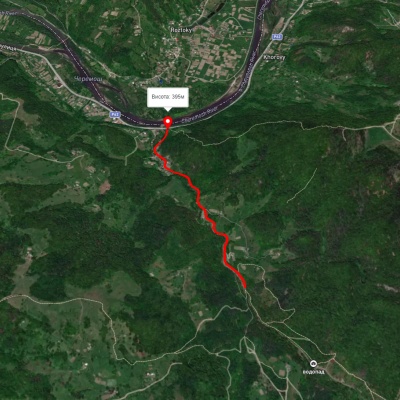
Trails nearby Shypyntsi
Is air conditioning in the room or cottage your main requirement for staying in Shypyntsi?
If you are interested in accommodation with air conditioning in Shypyntsi, take a look: Hotel-Restaurant Complex "Shale" Shypintsi
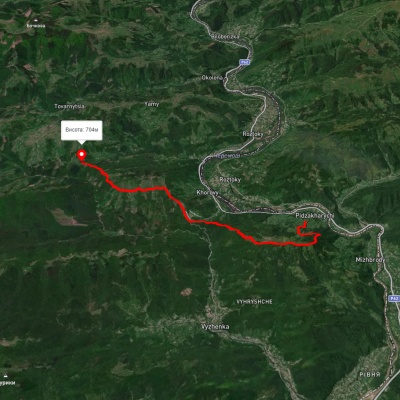
Which hiking trails pass through or near Shypyntsi?
We suggest these hiking trails through or near Shypyntsi: Nimchych Pass – Protiate Kaminnia, Smuharski Waterfalls