Zolochiv Arsenal (Boyarsky Dvor)
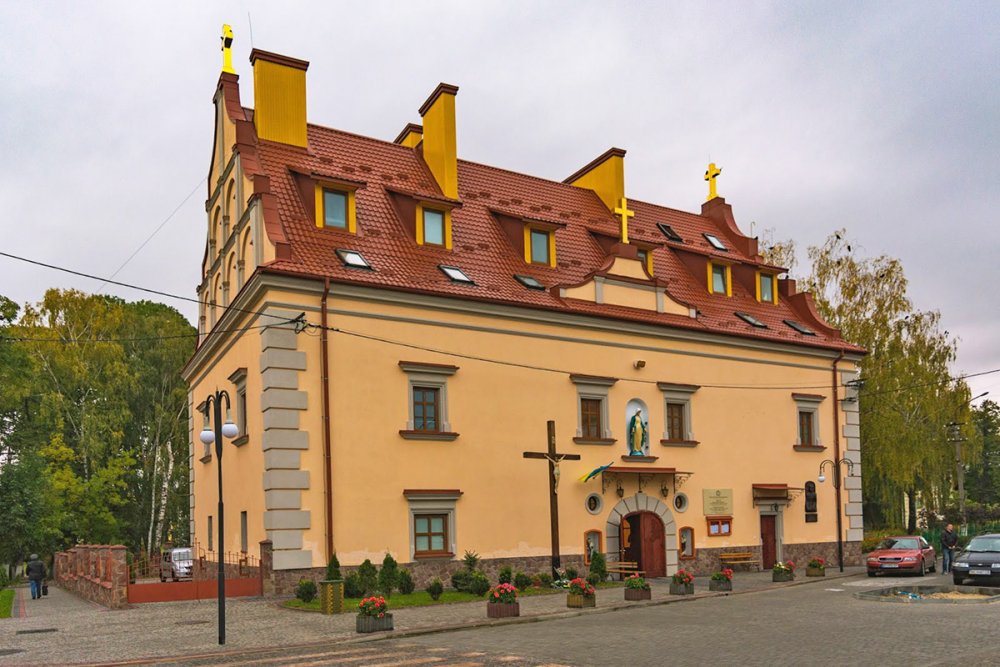
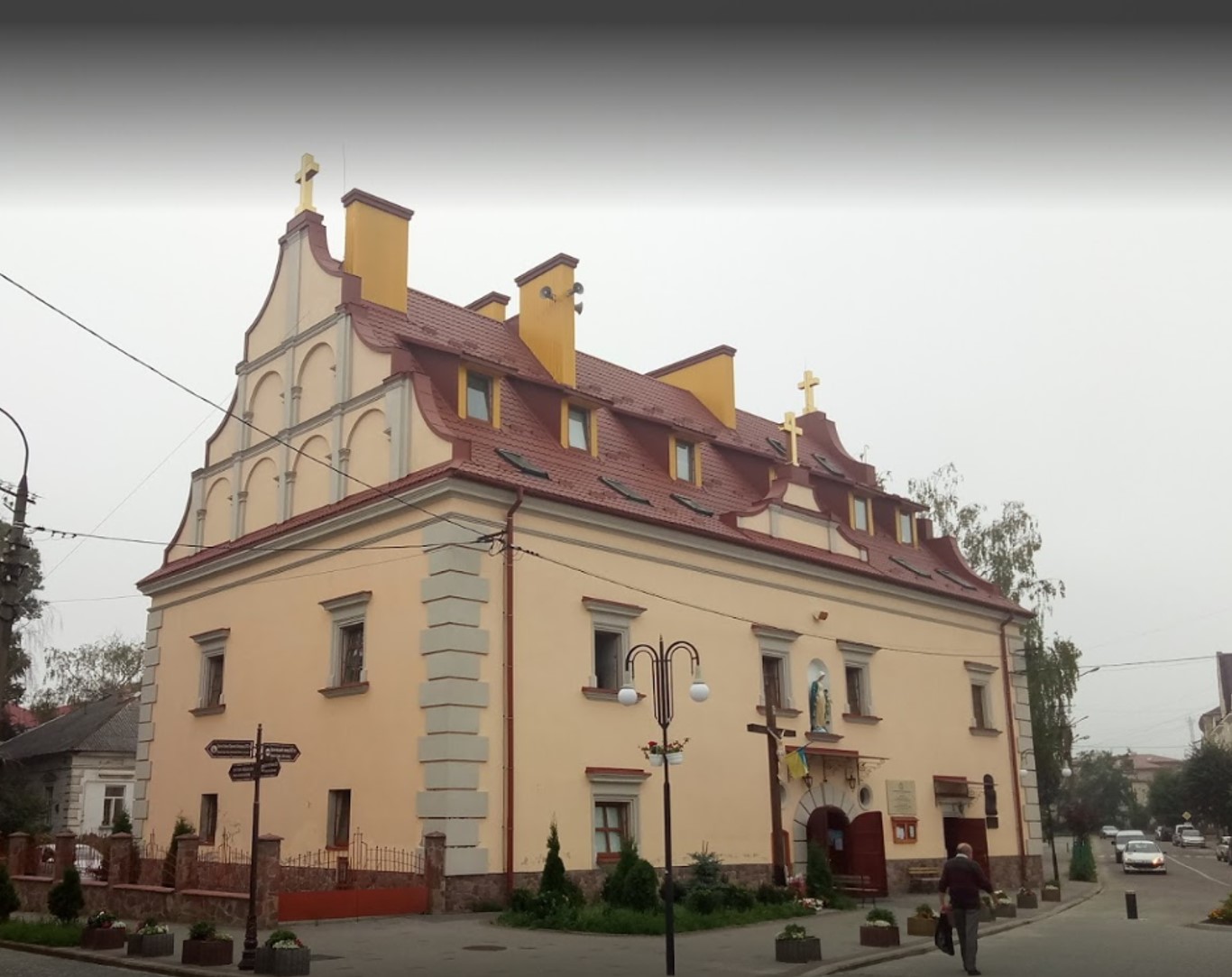
The Zolochiv Arsenal, also known as the Boyar's Court, was built in the 15th century. It is located in the heart of the city, near the city council and the monument to Vyacheslav Chornovil. The arsenal is the oldest architectural monument not only in Zolochiv, but also in Western Ukraine.
The first chronicle mention of Zolochiv is believed to be in 1423. At that time, the Kyrdei family transferred the Zolochiv courtyard to the starosta of Drohobych, Jan Menzhyk. The Zolochiv courtyard is a fortified stone building with a moat and ramparts around it, as well as adjacent wooden buildings. This is the house in the center of modern Zolochiv, which is now called the House of the Poor. There is no information about how long the Cyrdeys spent in Zolochiv, so the exact date of the palace's construction is unknown. It is estimated to be the end of the fourteenth century. The city of Zolochiv owes its name to this building.
For a long time, the owners of Zolochiv lived in this building, and the city arsenal was also located here. But after the construction of Zolochiv Castle , the boyar's court began to decline. In the seventeenth century, it was transferred to the parish church to take care of the poor. That is why this building is also called the house of the poor. The history of the palace, courtyard, or villa, as various archival sources mention Zolochiv, is indescribably rich, interesting, and tragic at the same time. At first, the courtyard was owned by about ten lords, most of whom sued for ownership. In the 17th century, the house became the property of the Polish royal family of Sobieski. Since the king lived in the castle, there was no need for a mansion, so Jan Sobieski gave it to the House for the Poor, a wooden building that once stood near the Zolochiv courtyard. This is where the name Poor House came from. For several years the house belonged to the Roman Catholic and Greek Catholic communities. In 1868 it became the property of the army, and in Soviet times it served as a warehouse.
It should be noted that the architectural layout of the building is unique. The magnificent hall ends with a Gothic chapel, thus combining sacred and civil architecture. In 1686, the Polish king personally authorized the Armenian community to hold services in the chapel, which was granted by the Roman bishop.
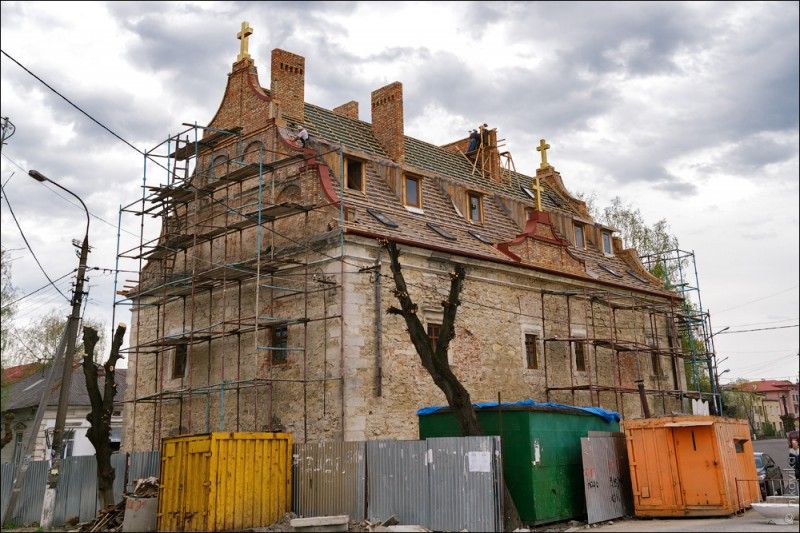
In the early twentieth century, the mayors of the city repeatedly appealed to higher authorities to restore the building. Without waiting for help from above, in 1920 the Poles announced a fundraiser for the restoration of the building, but it proved to be ineffective. The last time the house was repaired was in 1868.
This is truly a unique landmark - one of the most interesting buildings in the country. It has no analogues not only in the Lviv region but in Ukraine as a whole. Zolochiv Poor House can only be compared to the church in Starokonstantyniv near Ostroh. The House of the Poor is a 14th-century Gothic building that was later rebuilt in the Renaissance style. If the monument were to be included in the national register, it would be taken care of not by the poor city council, but by the state budget.
Over time, His Beatitude Lubomyr Husar became interested in the monument.
Now this building houses the Church of the Exaltation of the Holy and Life-Giving Cross of the UGCC and the Monastery of the Holy Cross of St. Damian of the Franciscans.