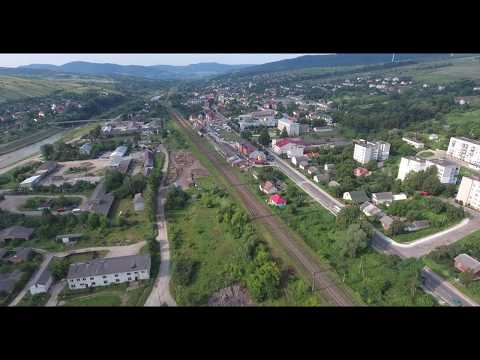
Church of St. Nicholas, Staryi Sambir
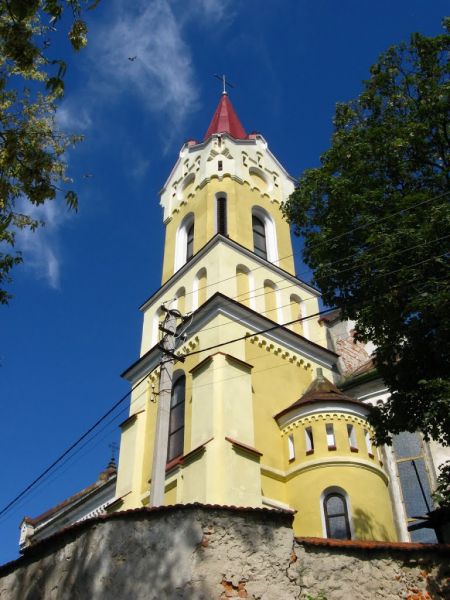
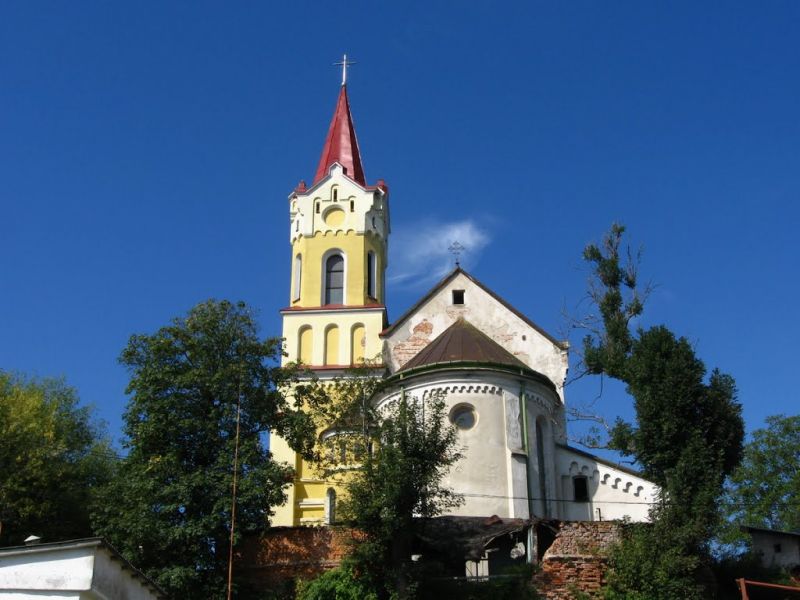
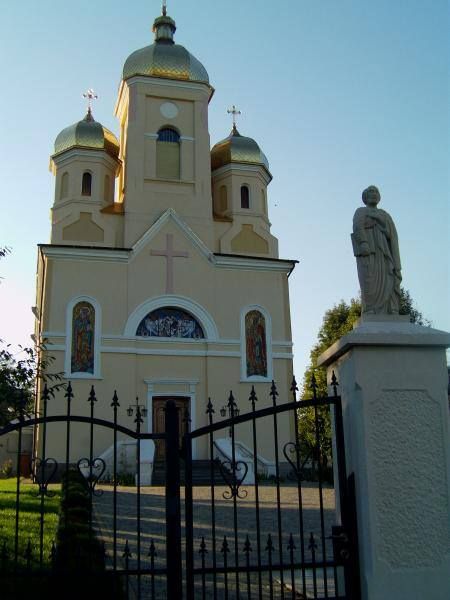
On a small hill in Staryi Sambir stands one of the symbols of the town, the Church of St. Nicholas. The history of St. Nicholas Church in Staryi Sambir dates back about 700 years. In the second half of the 13th century, a separate Sambir diocese was located here, in what was then Sambir. In 1830, a stone church was built in the center of the town. The project was designed by Lviv architect of Czech origin Josef Vandrushka.
The church in Staryi Sambir was built in the so-called Theresian style (named after the Austrian Empress Maria Theresa). The choice of the type depended on the patron, which at that time was the Austrian government. The building was completed by Fr. Hryhorii Litynskyi, who was the parish priest in Staryi Sambir in 1830-1839. The church has a single nave, with a narrower rectangular altar, built in the classical style. Thermal window openings with small profiled framing are typical of Wandrushka's buildings. The main eastern façade of the church was crowned with a square tower covered with a four-sided bell-shaped cupola. The vicarage icons and the apostolic row of the iconostasis with the "King of Glory" and the royal doors were moved to this church. The unique bell of 1638, cast at the expense of all the townspeople, which is the oldest monument of the modern church, was also moved to the bell tower.
The old wooden church was dismantled. A stone chapel of St. Nicholas was built on the site of the altar, which still stands today.
The church was repeatedly repaired and decorated. In the mid-nineteenth century, a four-tiered iconostasis was installed. The church was renovated, the crosses were gilded, and three new icons were made - one of St. Nicholas and two of the Virgin Mary. The next major renovation was carried out in 1910 through the efforts of the parish priest, Father Danylo Lepkyi (1900-1912), and the community. The side altar "The Heart of Jesus Christ" was painted by painter Andrii Demkovych in 1921. In the same year, the walls of the church were covered with beautiful ornamental paintings with separate scenes in the Art Deco style. The customer was the parish priest Andrii Bentsyn (1913-1939). The mural was painted by the Demkowicz brothers, one of whom, Andriy, was a graduate of the Krakow Academy of Arts. The images of archangels and angels and the motifs of ornaments are characteristic. The composition above the choirs is extremely interesting and eloquent: trumpeting cherubs in the center and mourning angels with wreaths on the sides seem to announce and remind us of the liberation struggle of the Ukrainian people during the First World War. The church's mural was restored in the 1970s, and fortunately, it was not repainted.
The period of World War II was not the best page in the history of the church. Most of the church's property was taken away, partly to Poland, and the altar was taken to Mostyska. Since the 1940s, the church was closed and used as a warehouse, and only in 1991 St. Nicholas Church was returned to the Catholic community of Staryi Sambir. Three years later, the altar was brought from Mostyska and installed in the church.
Through the efforts of the parish priest, Fr. Mykhailo Mykolyn, the domes were reconstructed in 2001 and the parish house was rebuilt in 2006-2008 according to the designs of the Starosambir architect Volodymyr Luciv.
On the eve of its 180th anniversary, the Church of St. Nicholas in Starosambir can be proud of its history and perhaps the oldest documented metric among the city churches of Galicia.
The Ukrainian Youth for Christ community operates at the church.
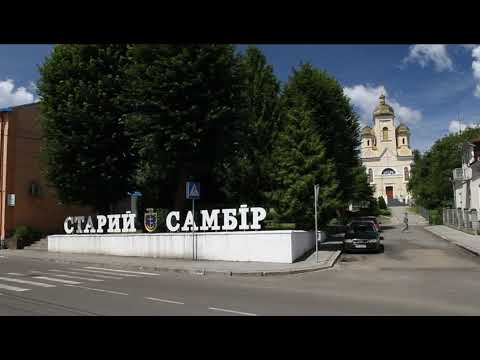
St. Nicholas Church is located almost on the outskirts of the city on the Lviv-Sambir-Uzhhorod road. Taras Shevchenko Park and Stepan Bandera Park are located nearby.
Nearby hiking trails near Church of St. Nicholas, Staryi Sambir:
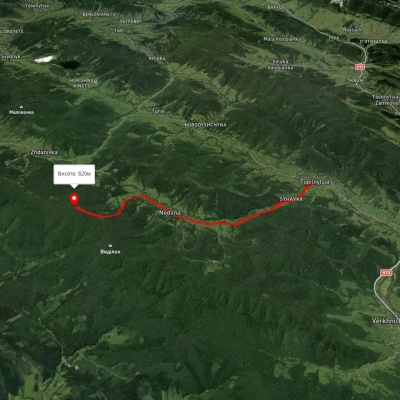
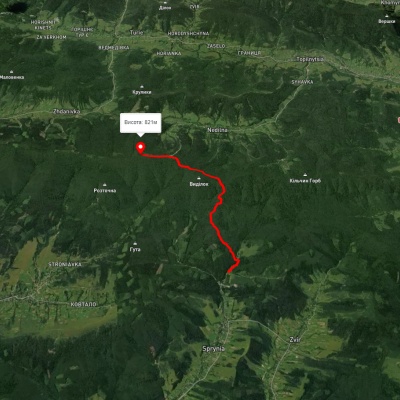
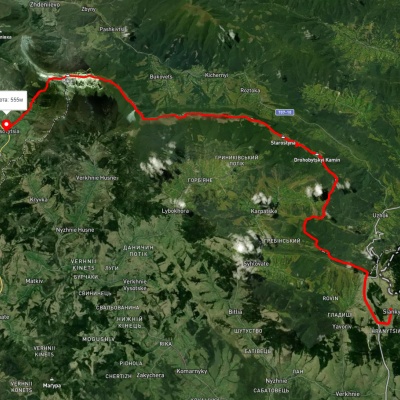
Which trails pass by Church of St. Nicholas, Staryi Sambir?
We suggest these hiking trails through or near Church of St. Nicholas, Staryi Sambir: Nedilna – Tower of Memory, Sprynia – Chapel – Tower of Memory, Sianky village, via the Verkhovyna Watershed ridge and Mount Pikui to Bilasovytsia village, Sianky village, via Mount Starostyna and Mount Velykyi Verkh to Mount Pikui, Sianky village, via Mount Drohobytskyi Kamin, the Ruska Put Pass and Mount Pikui to Bilasovytsia village, Sianky village, via Mount Starostyna, Mount Velykyi Verkh and Mount Pikui to Bilasovytsia village