Neporotove
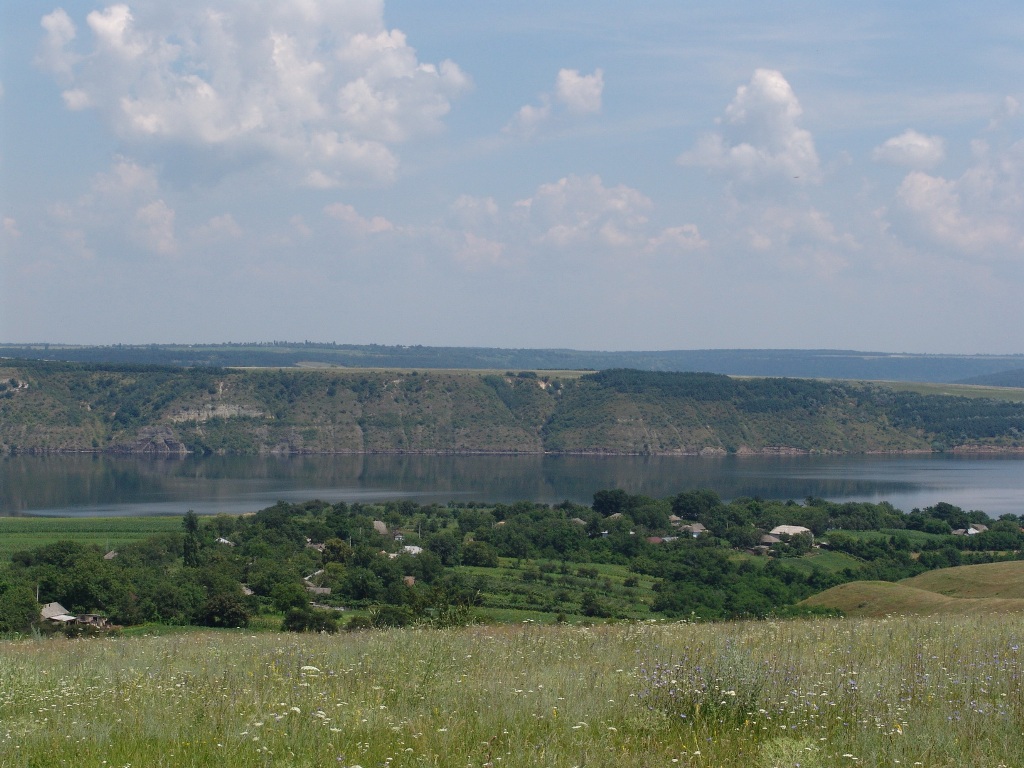
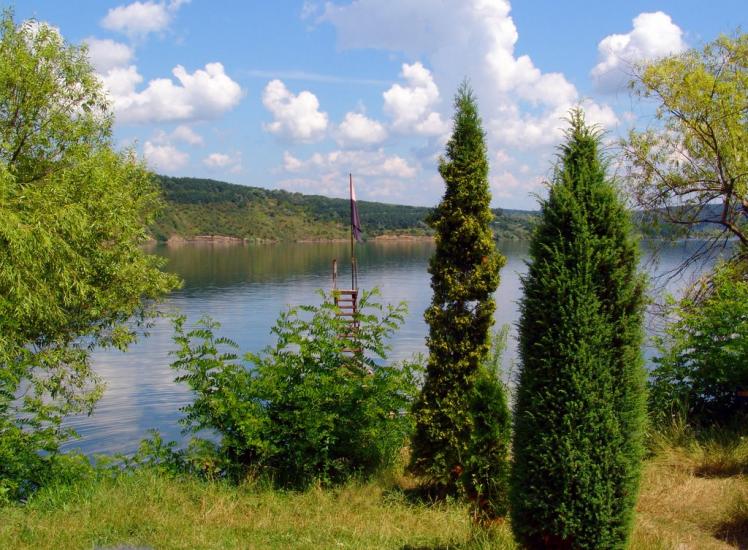
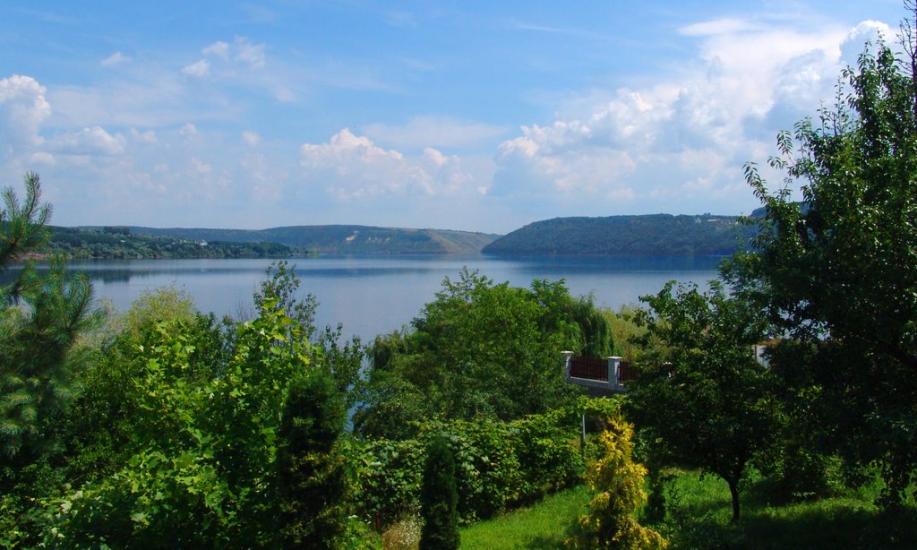
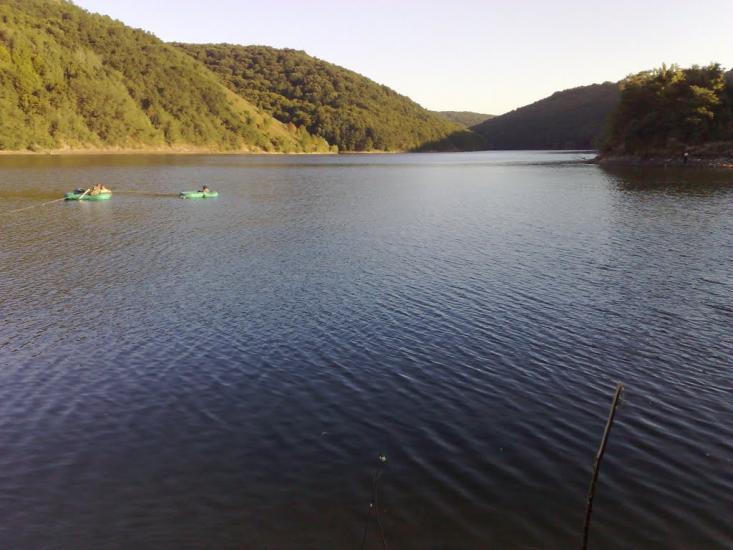
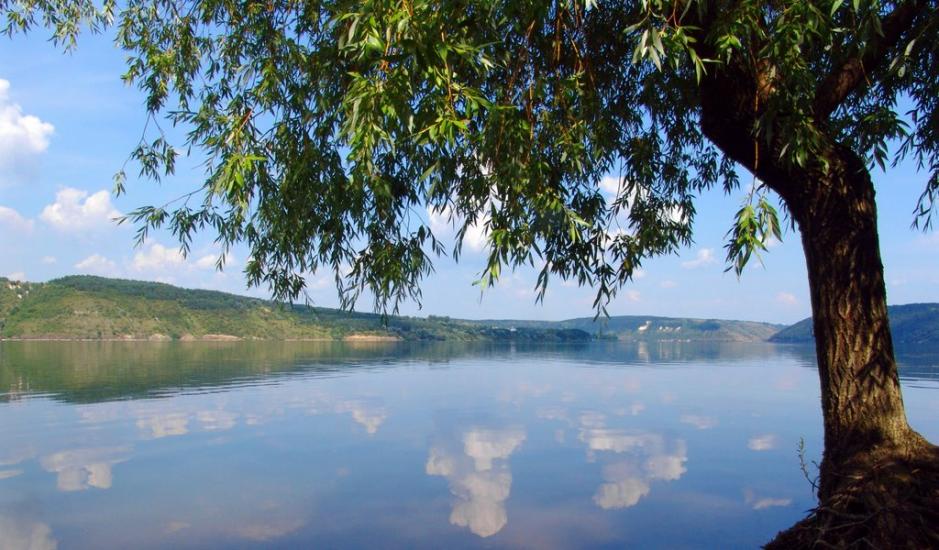
Neporotove is a small village of Sokyryany district , Chernivtsi region. The population is 121 people. It belongs to the Mykhalkivka village council.
The village is popular among tourists for recreation on the Dniester River. In the middle reaches, the Dniester valley is narrow, winding, and rich in picturesque landscapes with stone cliffs and forested banks. The Dniester hydroelectric power plant's pressure structures created a reservoir 194 km long with a surface area of 142 square kilometers. The maximum depth of the reservoir is 54 meters. The water here is suitable for swimming; the upper layer warms up in May. Recreational facilities include sandy beaches with sun loungers, boating and scooter rides. There is an opportunity for fishing - bream, carp, pike perch, ruff, catfish.
Include in the excursion tours:
- St. Nicholas Cave Monastery;
Not far from the village in the Halytsia tract, there is a giant rock above the Dniester, in its ledge there are the remains of a rock monastery founded at the turn of the XI-XII centuries; it was restored in 1999. - Historical and local history museum (in the House of Culture).
The first written mention of the village dates back to 1447. At that time, it, like the rest of Bessarabia, was part of the Moldavian principality. As of 1859, 940 people (465 males and 475 females) lived in the owner's village of Khotyn district of Bessarabia province, there were 210 households, and there was an Orthodox church. As of 1886, the owner's village of the Romankouk Volost had a population of 1119 people, 204 households, an Orthodox church, and a brewery.
In November 1918, the village was occupied by Romania as part of the Hotin district (Judeţul Hotin) of Bessarabia. In 1930, the number of inhabitants was estimated at 1,819. In 1940, the village became part of the Ukrainian SSR, and a village council was organized. On March 18, 1941, the Budiunnyi collective farm was organized. At the beginning of the Second World War it was again occupied by the Romanian army. 300 Jewish families were deported to concentration camps, 5 activists of the village were shot. More than 100 residents went to the front and half of them were killed.
In 1980-1981, in connection with the construction of the Dniester hydroelectric power plant, a mass resettlement of villagers began, resulting in the relocation of 427 families (1271 people) to different parts of Ukraine. The majority of the resettlers who settled in Mikhalkove were provided with land plots for the construction of residential buildings. The IDPs were paid compensation for the purchase of construction materials, and construction materials were sold at preferential prices. During the construction of the Dniester PSPP, about 500 hectares of land were flooded. After the resettlement, 60 households remained in Neporotove.
What to visit
Landmarks, museums and places of interest near Neporotove.
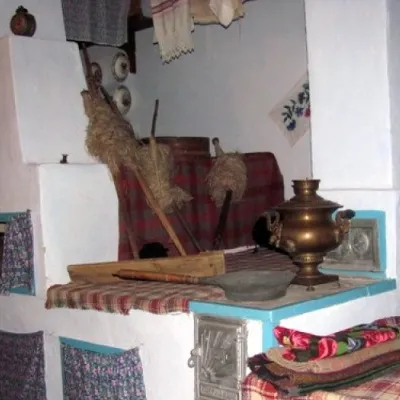 MuseumPottery MuseumKobolchyn13 km from the centreThevillage of Kobolchyn in the Sokyryany district has long been famous for its pottery traditions. Entire dynasties have been practicing this craft here since ancient...
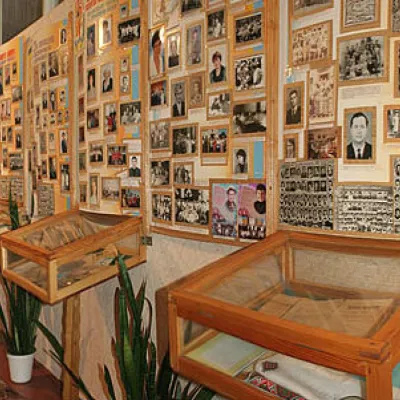 MuseumSokyryany Museum of School HistorySokyryany20 km from the centreIts exposition occupies one room in the building of school No. 1 and includes almost 500 exhibits. The documents and materials on display cover the history of the...
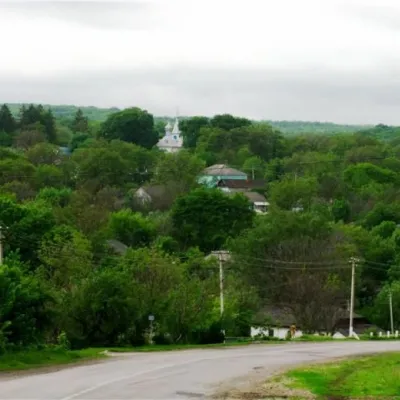 ChurchChurch of the IntercessionDnistrivka28 km from the centreIn 1756, Princess Maria Hickey and the local community built the first wooden church in the village of Dnistrovka, which burned down in 1883.
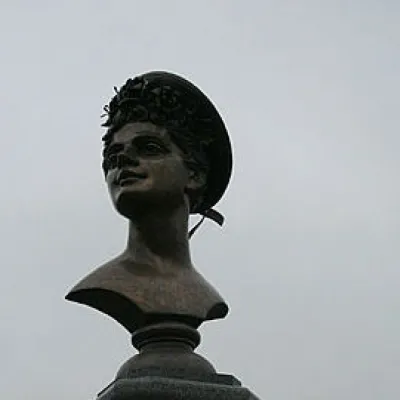 MuseumRoom-museum of Lidia Lypkivska (Lipkovska)Babyn33 km from the centreThe museum was opened in 2007 and is located in the library of the village of Babyn. The museum has 303 exhibits, 30 of which are original.
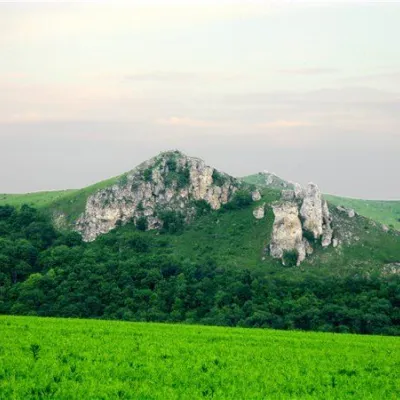 ArchaeologyCone hillsNahoryany36 km from the centreOn the bank of the Dniester, conical hills with picturesque rock formations rise on the bank of the river - this is the Govdy or Shyshkovi Hory (Cone Hills) tract.
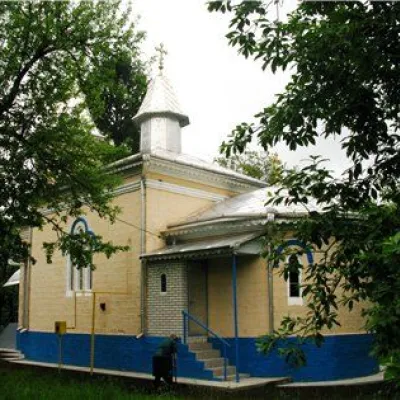 ChurchChurch of the Nativity of the Blessed Virgin MaryNahoryany36 km from the centreThe small church is located in the village of Nahoryany and belongs to the Hrushevske village council of the Kelmenets district.
What's nearby
Video