Turkuliv-Comello Palace, Lviv
TheLviv Academy of Veterinary Medicine is the oldest higher education institution of its kind in Ukraine and Europe. It is one of the first three universities in the former Hungarian Empire. It was here that veterinary medicine was first taught.
For tourists, this academy is notable for its unique museums and even castles. Their main purpose is to directly use the exhibits as visual aids during laboratory work and lectures. Tourists are free to visit them. The Academy has an anatomical, pathological, zoological, folk museum of university history, a feed museum and a horseshoe museum. Therefore, if you have the desire and opportunity, visit at least one of the above museums.
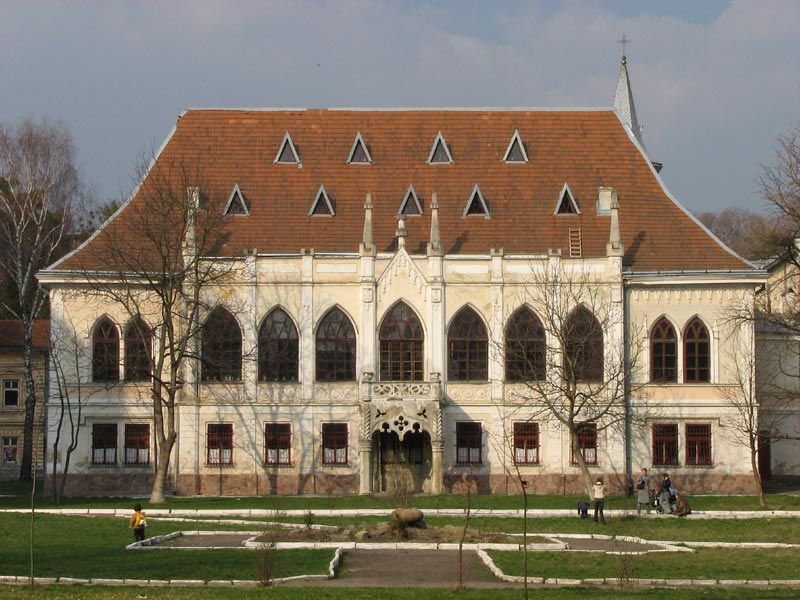
In the park of the Lviv Veterinary Academy, there is a neo-Gothic castle of the 19th century - the Palace of Count Henryk Didushytskyi, later the Turkuli-Comello Palace, the Comello Palace - an architectural monument, the first building in Lviv in the early neo-Gothic style. It is located at 50a Pekarska Street. Like most mansions of that time, it borrowed its name from its famous owners. It is interesting that the construction of the Turkulov-Camello Palace and the Lviv Natural History Museum was managed by one family - the Didushytsky family. However, it had many owners, and was owned by the Didushytskis, Komelos, and others. Diduszycki, Comello, Turkulov, Mayers, Poletyl, and Batycki.
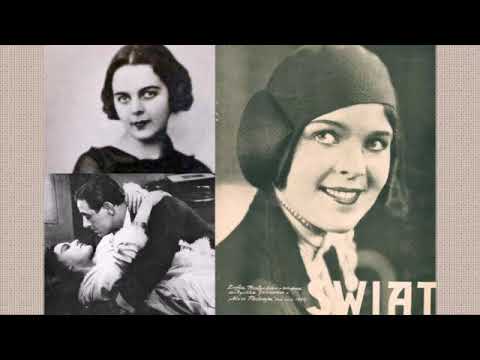
The building on the site of the modern building with a pond and a regular park was first marked on the plan of 1802. The palace was built around 1840-1843 (according to another version, 1810-1830) according to Venetian Gothic models commissioned by Count Henryk Severin Diduszycki (from 1842 his widow, Teodosia Diduszycka, from the counts of Melżyński, lived in the palace). The author of the project was probably Friederik Bauman. As Mieczysław Orłowicz describes, in the mid-nineteenth century, when the palace was owned by Countess Felicja Komello (daughter of Count Tadeusz Turkul), her estate was covered with shingles and looked like a real suburban estate. In the 20s and 30s of the XX century, it belonged to the Batycki family, from which the first Miss Polonia (1930), the actress Zofia Batycka, came from. Since 1937, the palace has been at the disposal of the Lviv Academy of Veterinary Medicine named after Stepan Hzhytskyi. Nowadays, it houses an educational building (Lviv National University of Veterinary Medicine and Biotechnology named after Stepan Hzhytskyi).
In 1985, due to the unsatisfactory technical condition of the building, a project for its reconstruction was developed. At that time, a high, steep roof was designed to replace the existing flat roof to imitate the shingle roofs typical of architecture before the mid-nineteenth century (Ukrzakhidproektrestavratsiya Institute).
The building stands alone at the top of the street. It is best seen from the south, from the square. The style of the building is Neo-Gothic, which is rare in Lviv. One of the building's analogues in Central and Eastern Europe is the Ludwik Michał Pac Palace in the town of Dovspuda in Suwałczyński (Poland), built in the 1820s by architects Peter Bosio and Henryk Marconi.
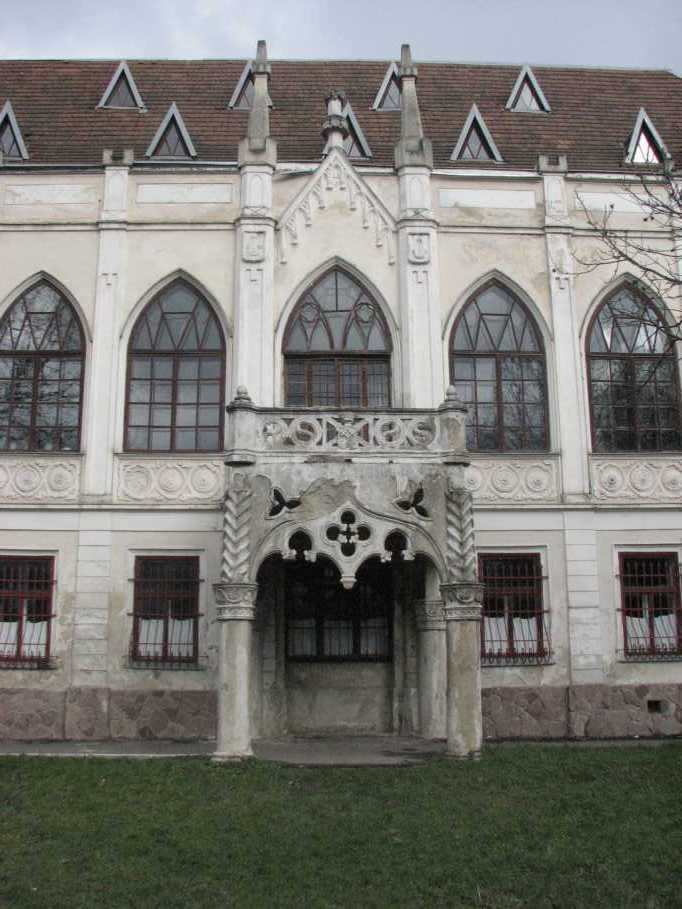
The main façade faces south, toward the square in the back of the site. The brick, plastered, two-story building is rectangular in plan. The high roof has two rows of lucarnes. The main façade is highlighted by a risalit accented by a neo-Gothic portico on the axis. The floors are of different heights. The windows on the second floor are crowned with lancet arches, while the windows on the ground floor are rectangular. There are fials above the risalit. The façade has a strongly extended cornice.
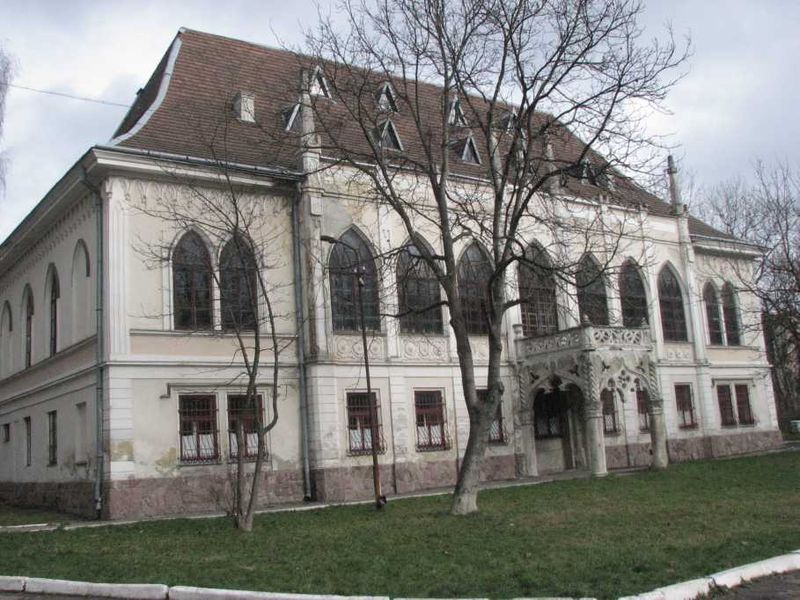
The palace building forms the red line of the street, rectangular in plan, with an added volume to the east. It is built of brick, plastered, two-story with a two-story attic added during the reconstruction. The layout of the building is hall-enfilade, partially changed in the second half of the twentieth century as a result of adaptation of the premises to the needs of the educational institution.
The style of the building is clearly defined in the design of the southern façade. Its composition is symmetrical, with 11 axes of windows, rectangular in the ground floor and lancet on the 2nd floor. The central plane is highlighted by a risalit with an attic parapet topped with pinnacles. The axis of symmetry is accentuated by a Gothic portico and a wimperg with a violet rising above the parapet. The window carpentry has triforium mouldings at the ends. The high roof is covered with a hipped roof and has two rows of triangular lucarnes. This roof design dates back to the reconstruction of the building in 1986.
The northern façade has a more modest design. The central part is distinguished by a thin three-axis risalit, with lancet windows in profiled niches on the 2nd floor. Three-part windows with sharply pointed central parts flank the façade on the sides. The vertical rhythm is emphasized by pilasters with cannulas and lancet finials. The façade is crowned with a wide profile cornice, and the frieze is in the form of an arched belt.
The interior layout has not been preserved. The coat of arms cartouches on the southern façade reveal the names of the palace's owners. The coat of arms "Trivdar" on the balustrade of the portico belonged to the family of the Poletyls. Poletyło (Helena Poletyło was the wife of Tadeusz Turkul). The coat of arms "Sass", located on the pilaster under the wimperg, belonged to the Diduszycki family, the first owners of the site. Next to it is a modified coat of arms "Ostoya" owned by the Turkul family. Another coat of arms, located on the pilaster of the risalit rib, has not been identified.
Regular lawns are laid out in front of the southern façade. In the back, on the site of the former pond, there is a modern figure of the Mother of God.
According to eyewitnesses, back in the late 60s and early 70s, there was still a grave in the back of the garden opposite the main entrance. A monument was erected over the grave, which was demolished along with the grave during the construction of the Veterinary Academy buildings. Now, during heavy rains or when the snow melts, a large amount of water collects at the site of the grave.
The interior layout is of the corridor and enfilade-hall types.
But even if tourists don't manage to get inside, they can always have an interesting time walking in the park around the estate or visiting the Semensky Palace, which is located nearby.