St. Nicholas Church, Zolochiv
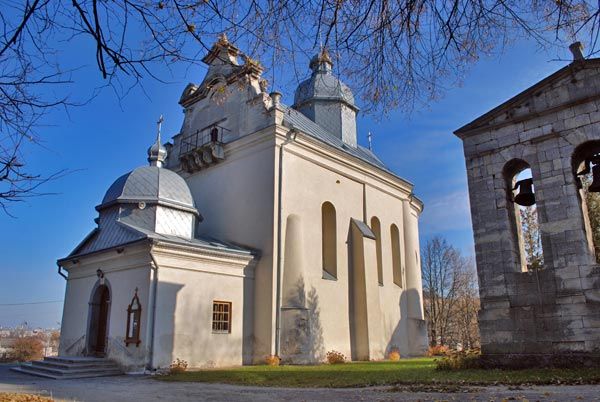
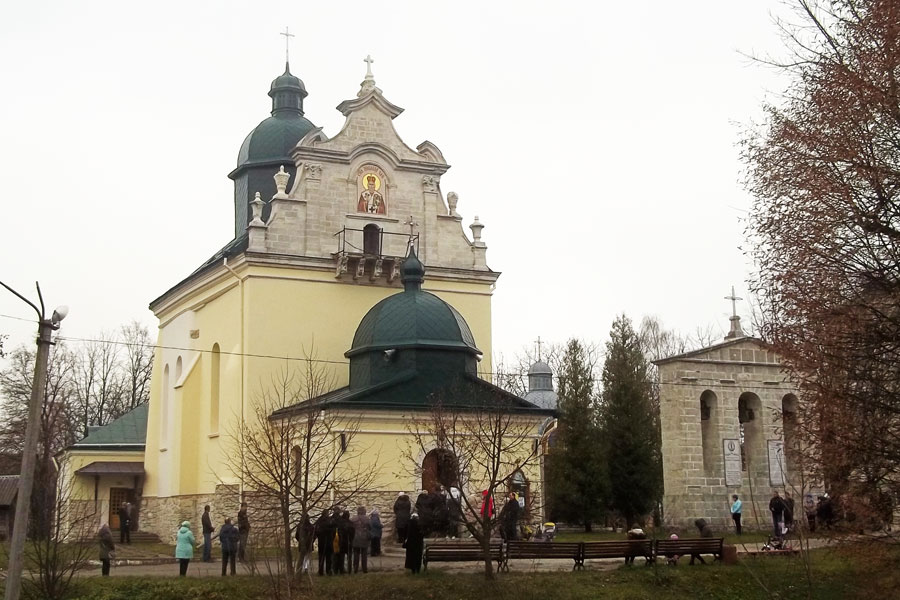
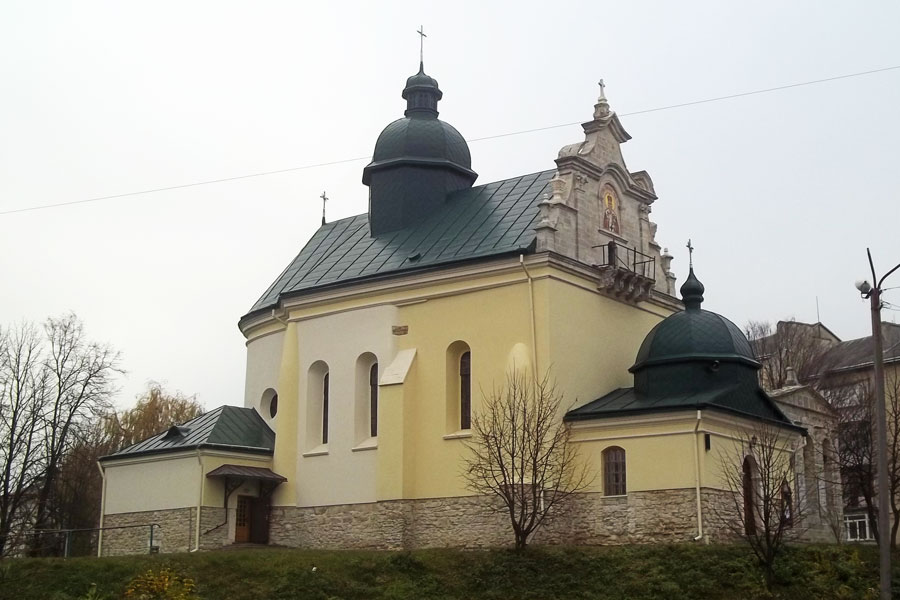
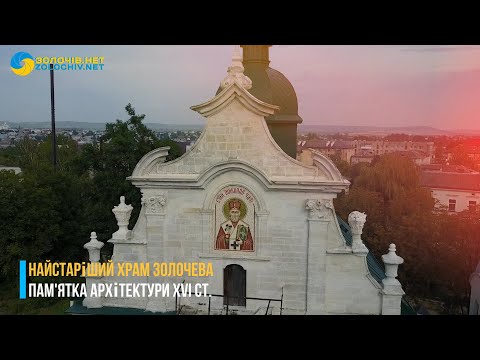
TheChurch of St. Nicholas in Zolochiv is a 16th-century architectural monument and the oldest church in Zolochiv. In ancient times, it was part of the complex of Zolochiv's defensive ramparts, and was called the church on the ramparts. The defensive features of the Church of St. Nicholas have been preserved to this day: the thickness of the walls and window openings.
Probably, the current church was built on the site of the old one, as evidenced by an ancient cross near the church. Such crosses were left on the site where the throne of the previous church was located-destroyed during attacks by Tatar hordes or dismantled to build a new one.
It served not only to perform religious rites but also to protect the inhabitants. The church-fortress was part of the city's defenses. After the restoration, it acquired Baroque features. But the powerful walls of the church and its loophole windows still remind us of the role it once played. The street where the church stands is called Valova, because there were defensive ramparts here.
Since its foundation, the church building has undergone changes; it acquired its modern appearance after the reconstruction of 1765. The funds for the reconstruction were allocated by the Kaniv starosta Mykola Vasyl Pototskyi, a well-known philanthropist and founder of the construction of the Assumption Cathedral of the Pochayiv Lavra, which then belonged to the Basilian Fathers. The iconostasis for the church was made in the workshops of the Pochayiv Monastery.
Most likely, the decorative carving belonged to the carver Anton Shtyl, the sculpture is a crucifix with Adam and Eve chained to the globe, the prophets John and Moses, and the putti by Francis Olensky. Anton Shtyl and Franciszek Olenski were students and followers of the world-famous sculptor of the second half of the eighteenth century, the founder of the Lviv school of Baroque sculpture.
The second half of the eighteenth century created an interesting type of iconostasis-altar in sacred art-a kind of combination of a traditional Ukrainian iconostasis with a Latin altar, where, along with the main icons-the vicarious, feast-day icons-there are figures of apostles, prophets, angels in sculpture, and rich decorative carvings. Such iconostases-altars are preserved in St. George's Cathedral in Lviv, St. Andrew's Church in Kyiv, the church of the Pidhirtsi Monastery, the Assumption Cathedral of the Pochayiv Monastery, and a drawing by Taras Shevchenko, which was replaced during the reign of Tsarist Russia and the Moscow Patriarchate in these territories. The remains of such iconostases can be seen in museums. Only wealthy communities or monasteries and generous patrons could afford iconostases-altars. Obviously, the church of St. Nicholas in Zolochiv had such patrons in the person of the Basilians and Mykola Vasyl Pototskyi. Unfortunately, there is no information about the painting on the iconostasis of that time (it must have belonged to the painters of the Pochayiv workshop, who were oriented toward Luka Dolynskyi, the author of the painting in the Sviatoyursky Cathedral and some unrendered images in the Assumption Cathedral of Pochayiv). The author of the iconostasis was probably the artist Yurii Radyvylovskyi.
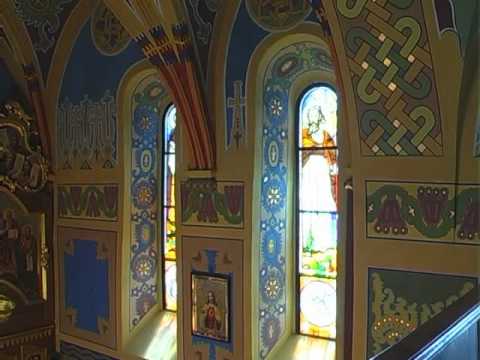
In the early twentieth century, through the efforts of Father Doctor, Shambelian, and then-parish priest Stepan Yuryk, restoration work was carried out in the Church of St. Nicholas. The restoration involved the monumentalist Modest Sosenko (in his sacred painting he was guided by Byzantine models and the Ukrainian tradition). The church was painted in his characteristic style. Modest Sosenko painted some of the icons for the iconostasis, including St. Josaphat, St. Andrew the First-Called, painted from Metropolitan Andrey Sheptytsky, St. Volodymyr, St. Olga, St. Constantine, St. Helen, St. Anthony, Theodosius of the Caves, St. Cyril and Methodius, icons of the Nativity and the Annunciation.
In Soviet times, the church of St. Nicholas housed an atheist museum. The iconostasis was dismantled and thrown away, and the remains were saved by museum workers. Fragments of the iconostasis were kept in the storerooms of the Lviv Art Gallery, the National Museum in Lviv, and the Museum of the History of Religions.
Since 1990, when the Ukrainian Greek Catholic Church was legalized, the Church of St. Nicholas in Zolochiv has been under the care of the Basilians.
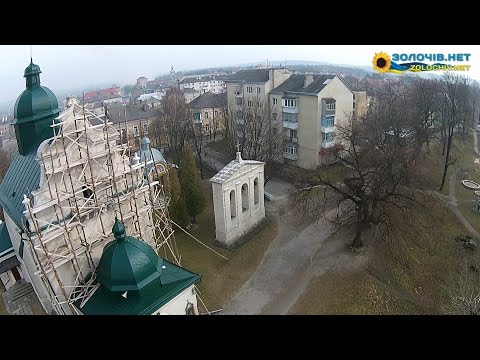
The church has been restored. Through the efforts of the hegumen, Fr. On the initiative of the abbot of the Zolochiv monastery, Fr. Vasyl Tuchapets, specialists from the Lviv branch of the National Research and Restoration Center of Ukraine restored the wall paintings of Modest Sosenko.
In 2001-2004, the iconostasis was recreated through the efforts of the abbot, Fr.
The Church of St. Nicholas in Zolochiv is one of the few churches preserved in Ukraine that presents the best examples of sacred art of various styles (the combination does not lose its compositional unity).