Old Krasnoshora
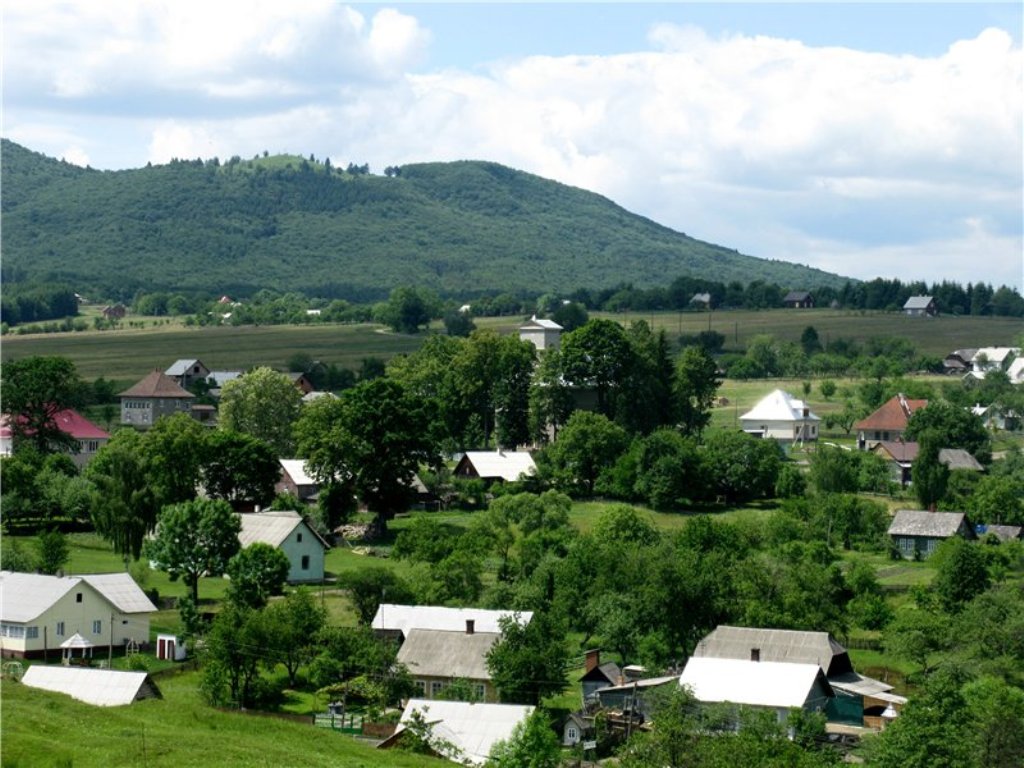
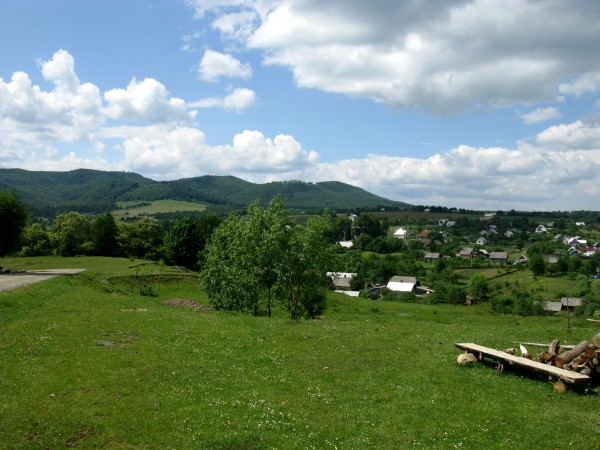
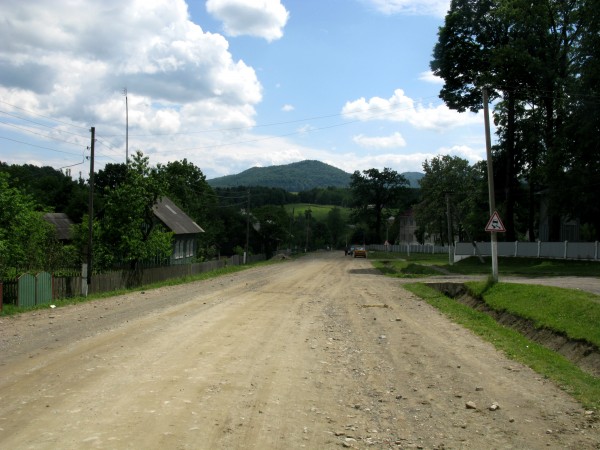
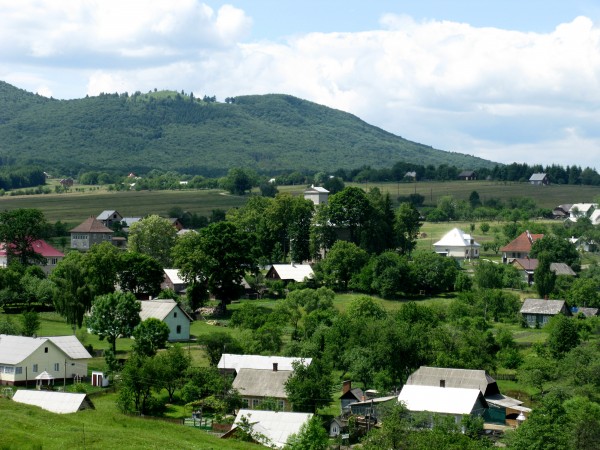
Stara Krasnoshorwa is a mountain village located northwest of Krasnoilsk at an altitude of 465 meters, with a population of 745 inhabitants, more than 70 percent of whom are Polish. The rest are Romanians, and there are a few Ukrainians.
The settlement on the site of today's Stara Krasnoshora dates back to the times of the Moldavian principality. When Bukovyna became part of the Habsburg Empire, Lviv merchant Abraham Kriegsgaber rented the former monastery lands north of Krasna (now Krasnoilsk) for a long term and in 1793 settled it with Czech Germans, woodcutters and glassblowers.
It was the Germans who formed the basis of the future settlement, which was named Huta Krasna and built the first glassworks in Bukovyna that produced hollow and sheet glass. The following year, there was evidence that "the guta in Krasne produces the most beautiful glass and sales are so high that production does not have time to satisfy all buyers... The glass produced is very good and clean, but there is no flint or glass sand near the guta, instead sand is brought from Uhrynkivtsi in the Zalishchyky district at great expense, and crucible clay is brought from the Lubachiv dominion. Only the dense forest and the ease of potash production gave rise to the guta in Krasne."
In 1803, another group of colonists arrived in Krasna Huta, this time from Poland. These were the so-called "Chadetsky Guraly"-the Polish equivalent of the Hutsuls. The conditions for their resettlement here were created by the Austrian Habsburg government, which pursued a policy of mixing the peoples living in the empire. The Chadecian Gurals are Roman Catholics, but they differ from ordinary Poles in their language, clothing, way of life, traditions, and cuisine.
At that time, another glass factory was opened to the east of Krasna Guta. Together, these two gutas produced 120-140 thousand pieces of glassware per year, most of which were imported abroad: to Moldova and even Turkey. But by 1812, almost all the forest around the village was cut down and production volumes began to decline. And after 5 years, the glasshouse burned down and glass production in Krasna Huta stopped forever. Instead of the old glassworks, new ones were opened in Krasna and Lunka, and the name Stara Huta was attached to the settlement, which was used until the Romanian occupation of Bukovyna at the end of World War I. Under the Romanians, the village was called Crasnişoară Veche, and with the arrival of the Soviets it received its current name, Stara Krasnoshora.
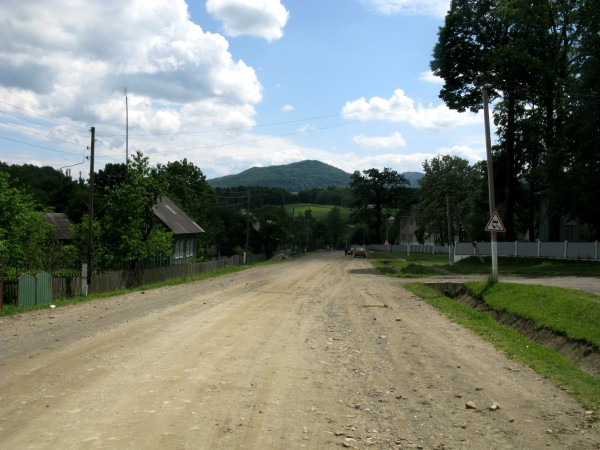
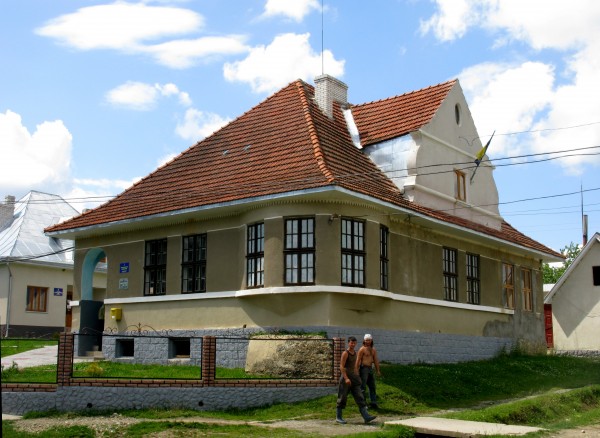
Despite the cessation of glass production, the settlement continued to develop. In 1827, the first school was opened in Stara Guta, and even earlier, in 1825, a Roman Catholic church was opened. The rebuilt church of the Seven Sorrows of the Mother of God (or, as the Poles say, "Mother of God's Painful") is still the dominant feature of the village center today. However, the latest "restoration" has spoiled the appearance of the church: today it does not breathe antiquity at all. However, the old red-tiled building of the village council is pleasing to the eye nearby.


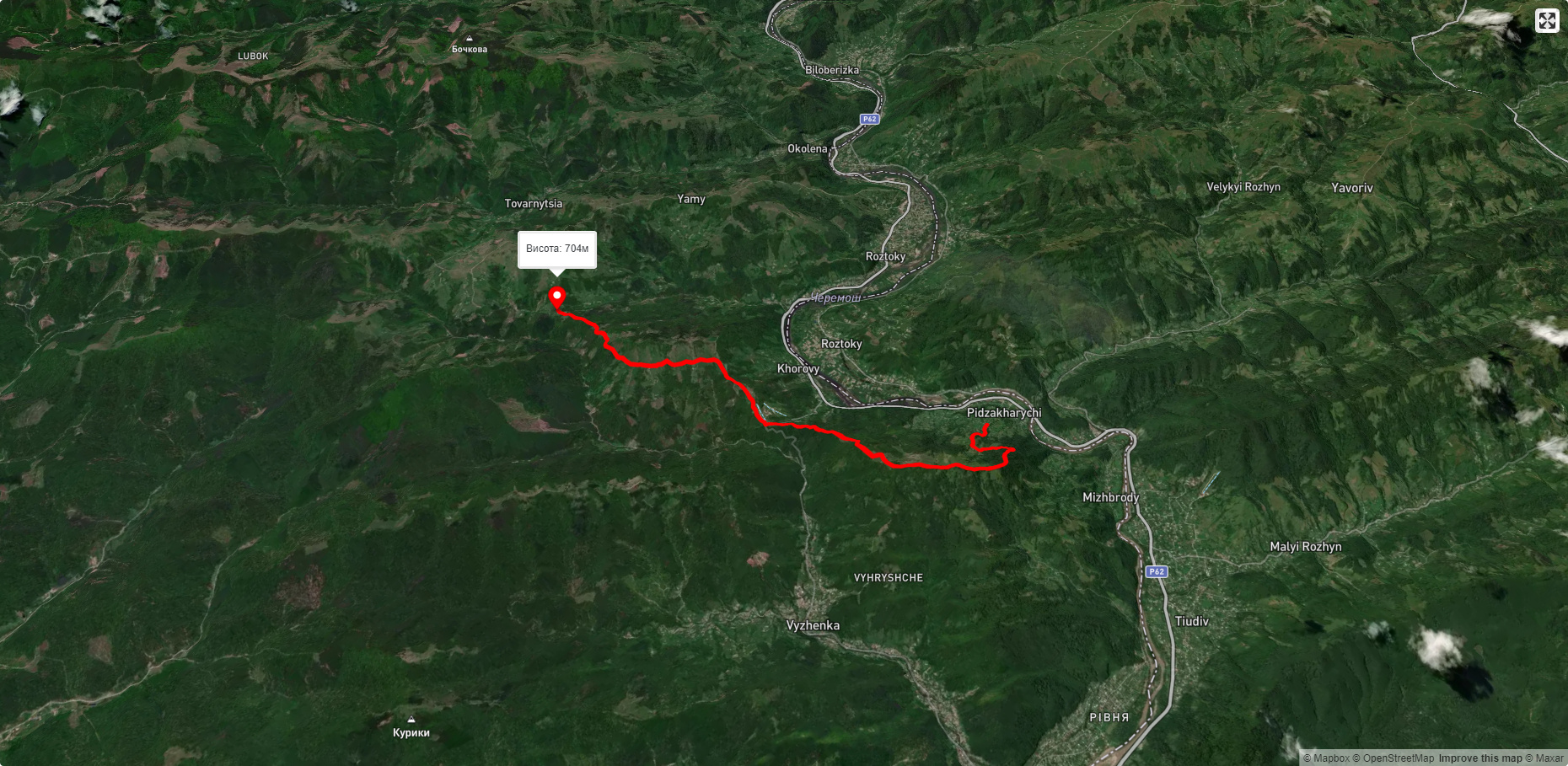
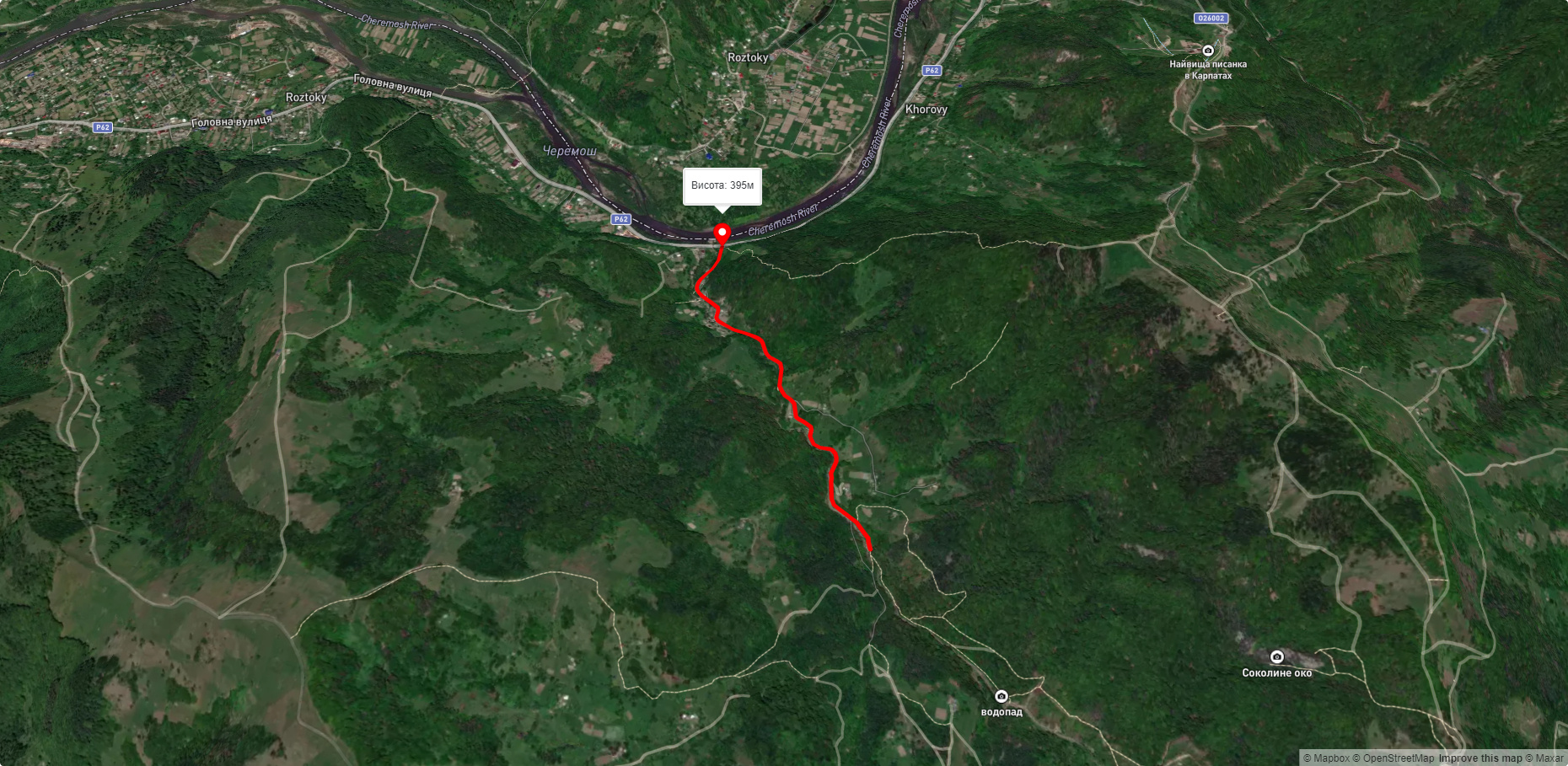
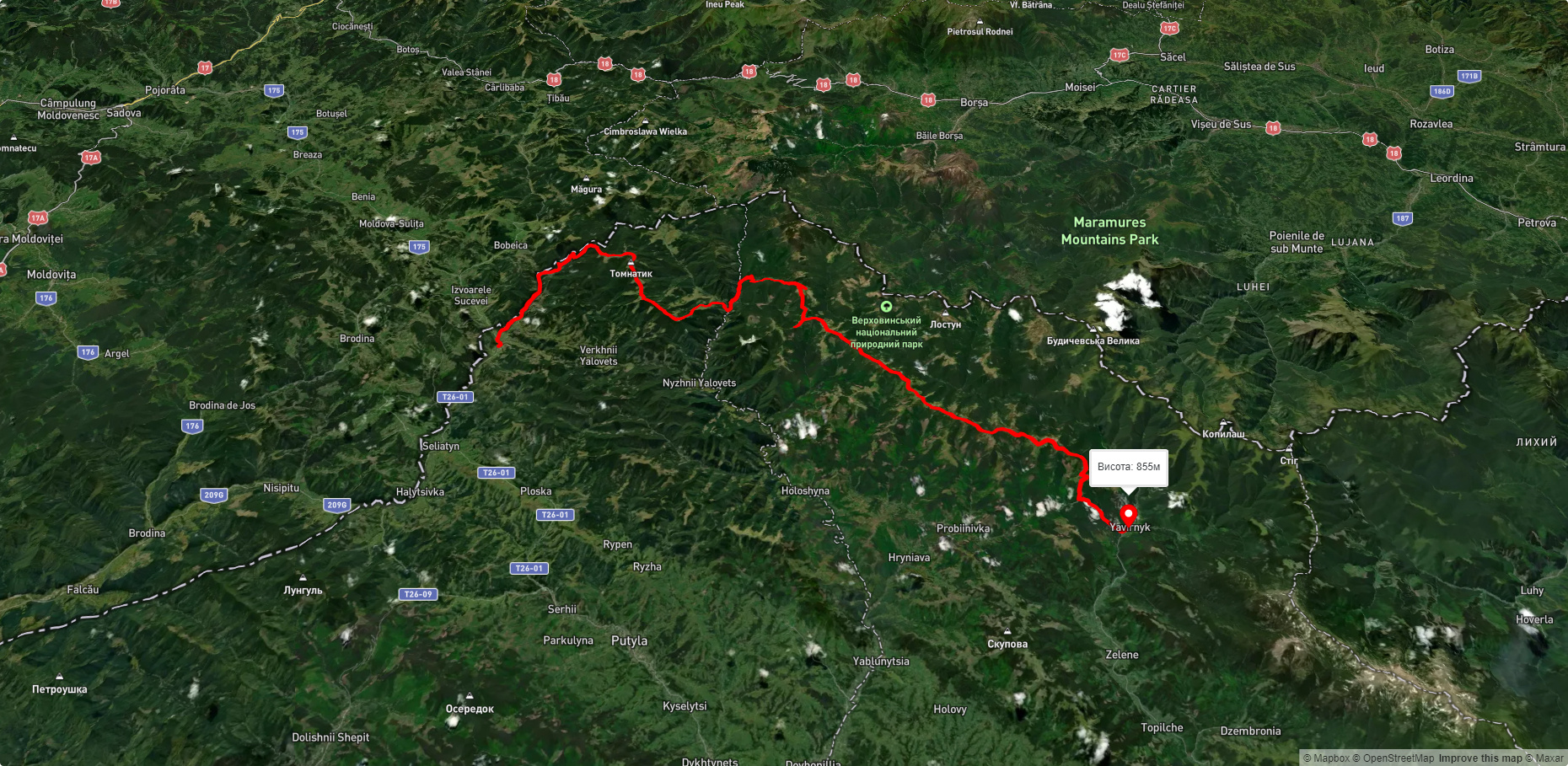
Які туристичні (пішохідні) маршрути проходять через/біля Old Krasnoshora?
Пропонуємо пройти такі туристичні (пішохідні) маршрути через/біля Old Krasnoshora: пер. Німчич - Протяте Каміння, Смугарські водоспади, с. Шепіт, через г. Яровиця, г. Пнів'є, г. Масний Присліп до с. Шибене, с. Шепіт – г. Яровиця, с. Нижній Яловець, через г. Яровиця до с. Шипіт, с. Шепіт, через г. Яровиця, г. Пнів'є, г. Тарниця до с. Пробійнівка