Church of St. Elijah, Krasne
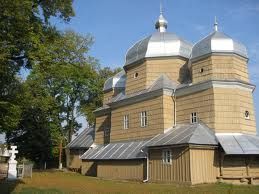
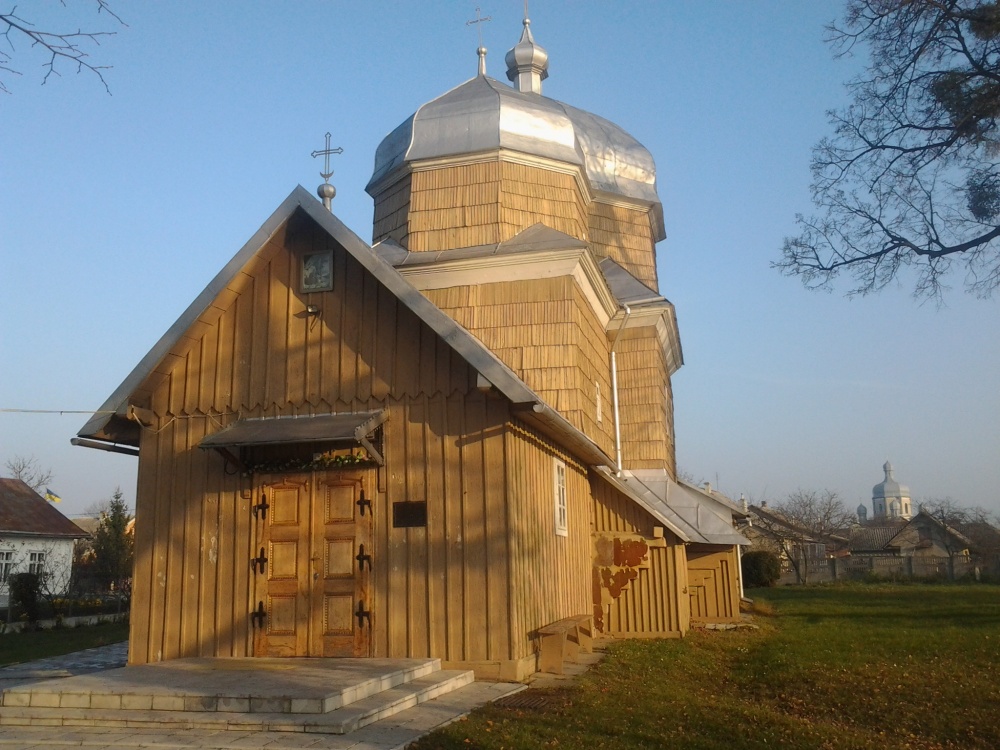
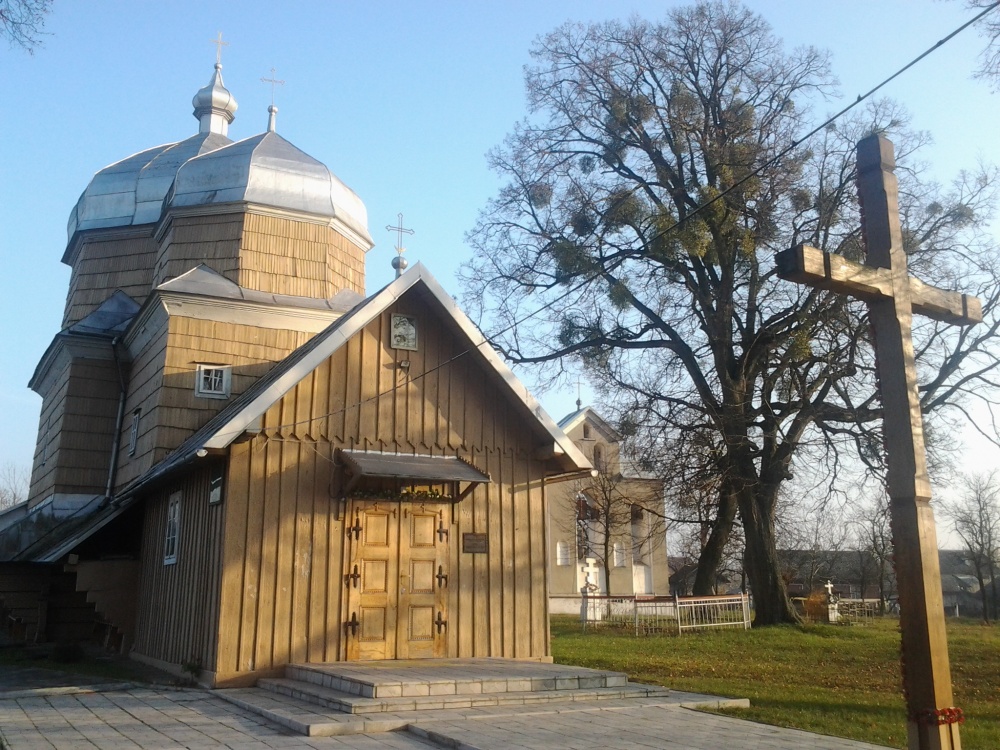
It is located in the south of the village of Chervone on the right bank of the Holohirka River. It is noteworthy that the log church of St. Elijah is a national architectural treasure. Built by Hutsul craftsmen in 1750 using the "without a single nail" technique, the church has retained its original appearance to this day. It is dated by an inscription on the door jamb of the chancel. In 1923, it was expanded, a porch was added to the narthex, a sacristy and a sacristy were added to the altar (the door from the narthex was moved here). Today it is visited only by local parishioners and occasional tourists. But a few centuries ago the church was the largest religious building in the entire Busk district of Lviv region.
It is wooden, three-story, and three-columned. It consists of a rectangular central log house (5.77 by 6.60 m), a square narthex (3.78 by 4.45 m), to which a chancel adjoins, of equal width and twice as long as the narthex, and a faceted five-walled altar (3.73 by 4.65 m). pine log houses are placed on oak foundations. The log cabins, of considerable height, are crowned with tall octagons, which are topped with domes with graceful tops. The building is surrounded by a roof, which is supported by crowns and attached brackets. The compactly grouped volumes create an expressive, dynamic composition dominated by the central top in all dimensions (height - 18.25 m.). All volumes are covered with closed log vaults open to the zenith. The Babynets, with its narrow choirs along the western wall, is connected to the central log house by a low bow arch.
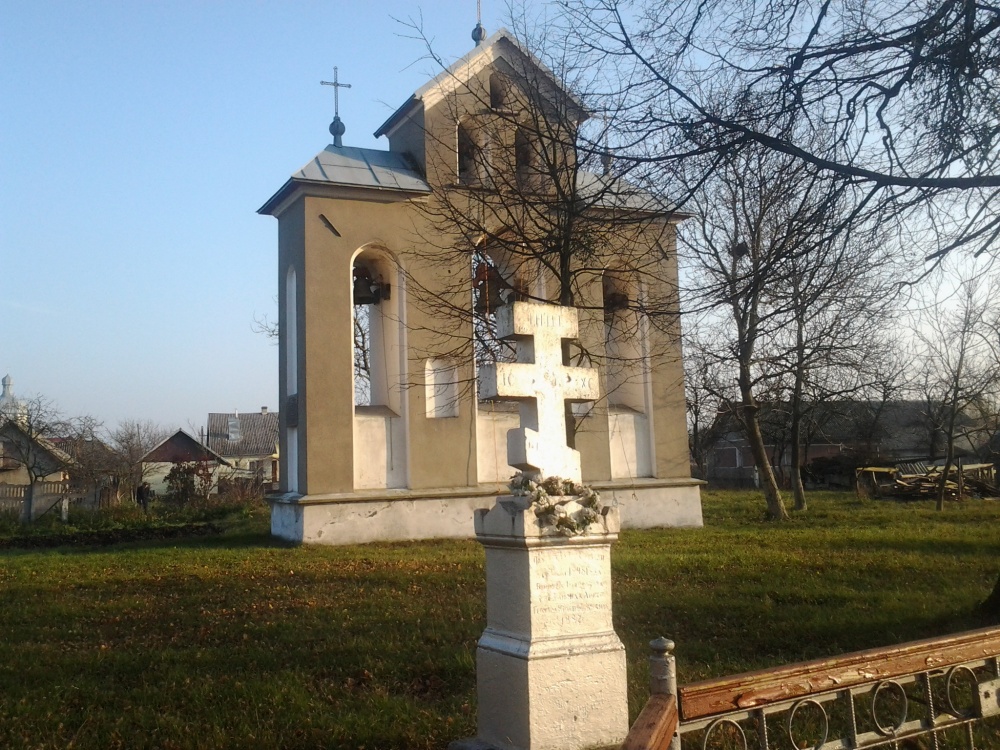
The external beauty of the church was maintained by numerous restorations. The most ambitious of them took place in 1886-1900. It resulted in the construction of a new bell tower near the church.
Interestingly, the interior of the shrine is quite modest. A lot of icons and an ancient altar create a unique calm atmosphere in the church. The nineteenth-century iconostasis is wooden, four-tiered, carved, and gilded. The vicarious row and the Deesis date back to the seventeenth century. The church icon dates back to 1765.
The monument belongs to the brightest works of the Galician school. The church keeps the Cross with the relics of the Pratulyn martyrs and a part of the Clay Cross. There is also an icon of Father Pio with relics and an icon of Father Charbel with a relic.
One of the highlights of the Church of St. Elijah is the well. Few people know the true story of its origin. But most travelers claim that the water in it has healing properties and perfectly quenches thirst.
Location on the map
Comments
Nearby attractions
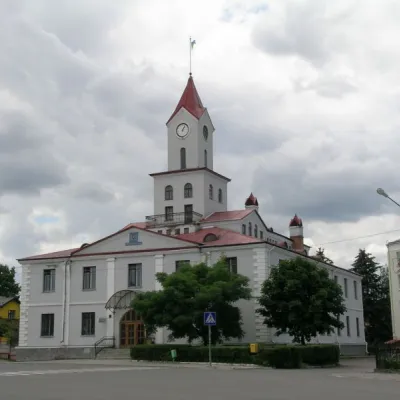 Historic siteBusk town hallBusk5.8 km from Church of St. Elijah, KrasneThe Busk Town Hall is the building of the Busk City Council (Lviv Oblast). It is located in the city center, at 1 Busk's 900th anniversary square.
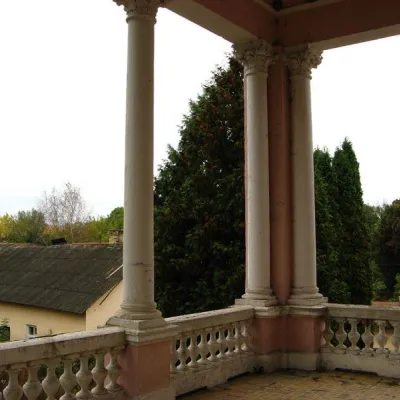 CastleCount Badeni Palace, BuskBusk6.1 km from Church of St. Elijah, KrasneThe BadeniPalace is an excellent example of European architecture of the early 19th century, located in the city of Busk (Lviv region).
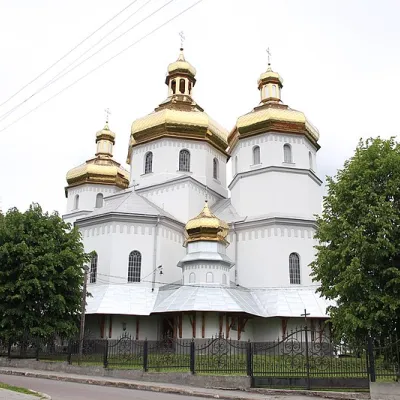 ChurchChurch of St. Nicholas, BuskBusk6.3 km from Church of St. Elijah, KrasneNicholas in Busk, which appeared shortly before the revolution, was built by the city's Orthodox community at their own expense between 1914 and 1938 by one of the...