Church of the Assumption of the Blessed Virgin Mary, Zolochiv
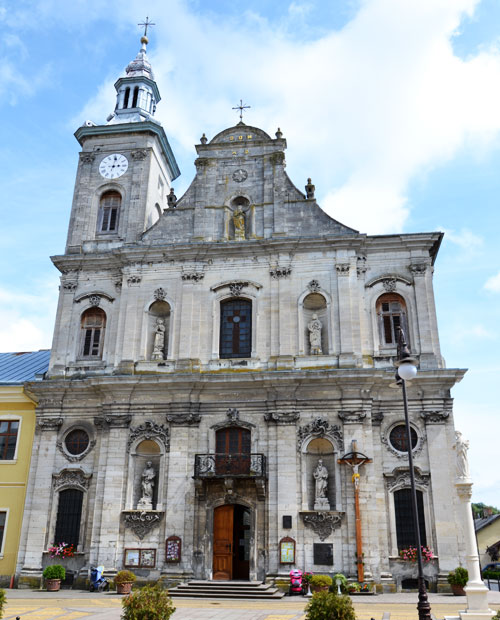
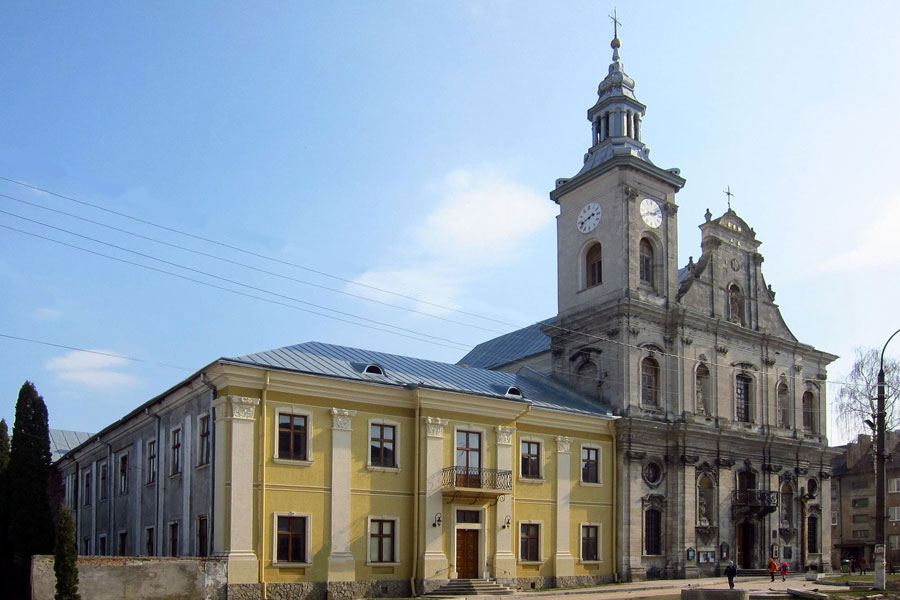
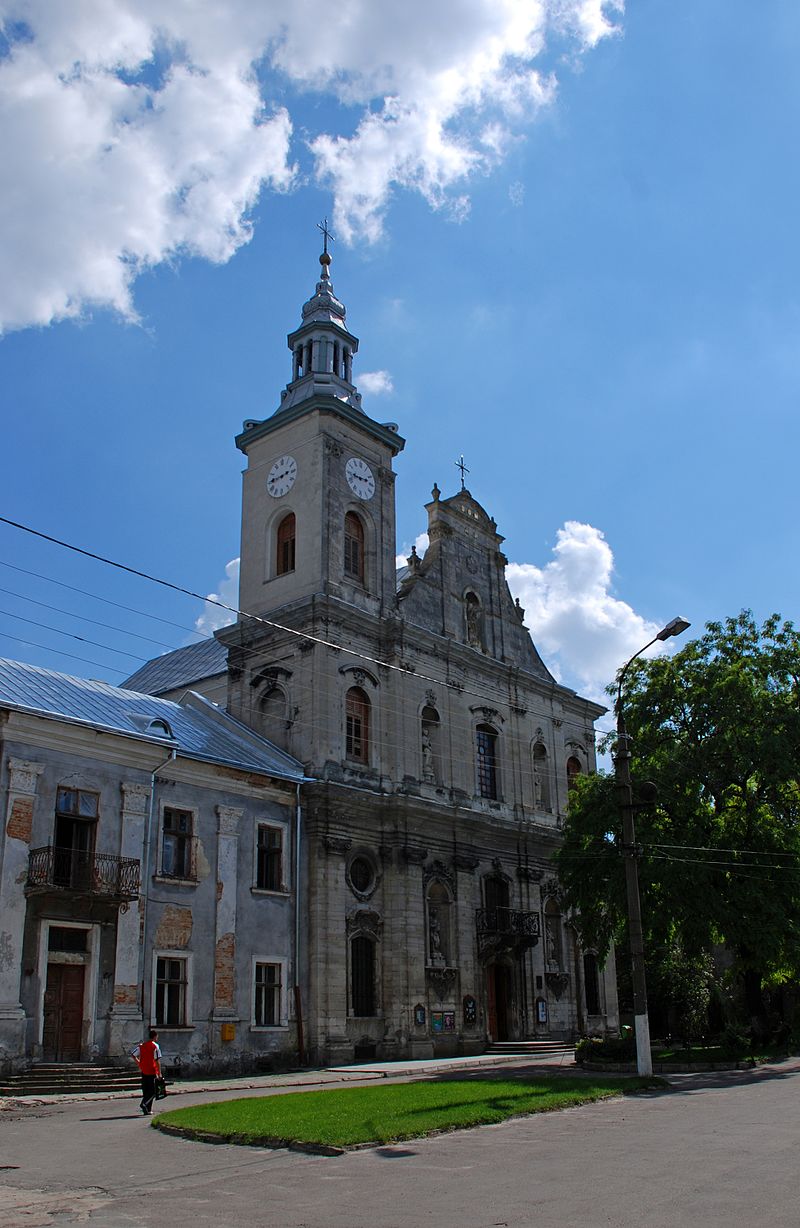
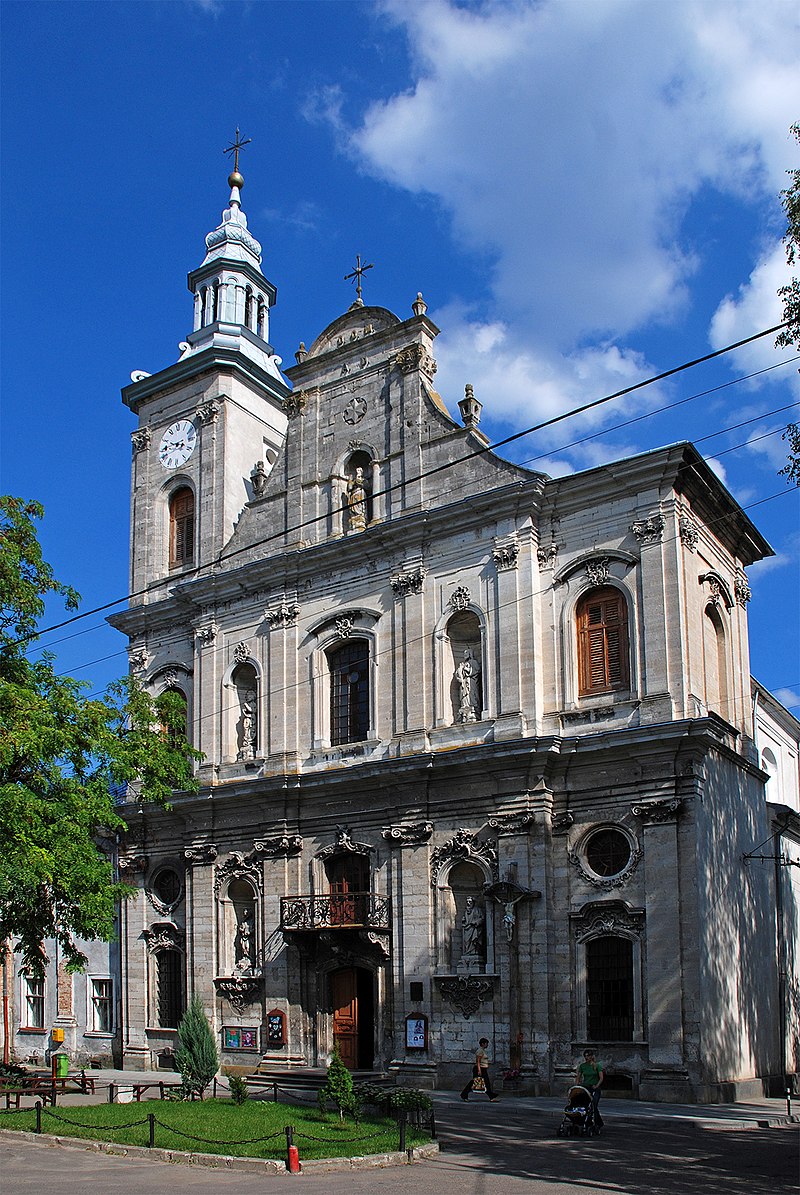
The city of Zolochiv in the Lviv region attracts tourists primarily for its legendary 17th-century castle, which is part of the popular Golden Horseshoe of Lviv region tourist route. The castle really deserves special attention. But after enjoying its virtues, it is not a sin to take a stroll through the streets of Zolochiv and explore its ancient churches, among which there are real architectural masterpieces.
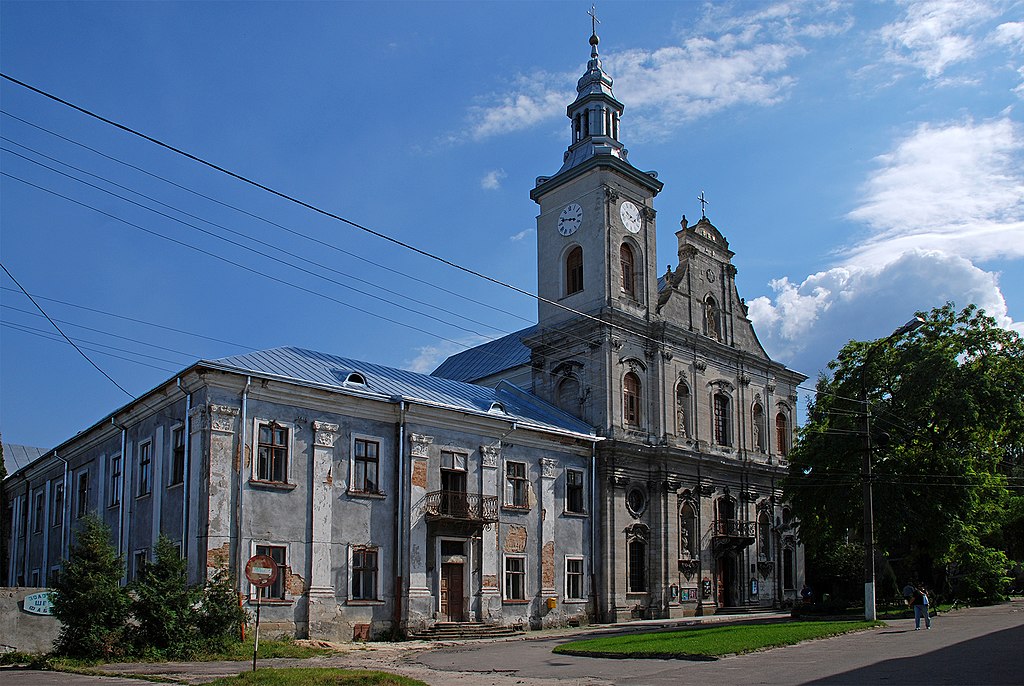
First and foremost, the Church of the Assumption of the Blessed Virgin Mary in Zolochiv (Polish: kościół p.w. Wniebowzięcia Najświętszej Panny Marii), originally consecrated as the Church of the Ascension or Ascension Church, is one of the most prominent architectural monuments of the Baroque era in Ukraine (Zolochiv, Lviv region of Ukraine). The church is the parish Roman Catholic church of Zolochiv, although it did not become such immediately, and for some time it was even subordinate to the Greek Catholic community of the city, and only in 1838 did it receive its current status.
The Roman Catholic parish of Zolochiv began with a church that is now the current Orthodox Resurrection Church. The first wooden church on this site appeared in the early 16th century. In 1624, the owner of the city, Jakub Sobieski (father of the future Polish king Jan III Sobieski), founded a Roman Catholic parish in Zolochiv and allocated funds for the construction of a stone church. The construction of the Renaissance-style church by builder Jerzy Hoffman was completed in 1627. The church, which was consecrated in honor of the Assumption of the Blessed Virgin Mary, was transferred to the care of the Bernardine Fathers, and later became the parish church of Zolochiv.
The Sobieski family continued to take care of the church in the future. Thus, after the fire of 1691, it was King Jan III who contributed to the restoration of the church and allocated funds for the casting of a new bell in Gdańsk. The bell bears the royal coat of arms and two medals with portraits of the king and his wife Maria Kazimierz with Latin inscriptions and the outlines of angels above them. In the crypt of the church, Jakub Sobieski's first wife, Marianna of Wyszniewiecki, and their daughters, Sophia and Kateryna, were buried.
But the son of King Jan III, the grandfather of Zolochiv, Jakub Ludwik Sobieski, was the founder of the construction of a new church and monastery of the Pius Pius order. The construction of the new church, located not far from the old church, began in 1731 and was largely completed in 1733, although the construction actually lasted until 1763.
The Baroque church is built of brick and stone. It has three naves, the central one being higher than the side ones and a semicircular apse. The three-tiered main façade is divided by pilasters and horizontal cornices. The first tier has pilasters of the Ionic order, and the second - of the Corinthian order. The semicircular recesses are decorated with floral patterns of the late Baroque period. The central portal is emphasized by a small balcony with a wrought-iron lattice. The facade of the church is crowned with only one tower on the left side.
The interior of the church is richly decorated. The columns of the central nave are decorated with paired pilasters, the lines of which continue the pagoda, which divide the vault into separate strands. Each of them has a double curvature. The side naves end in cylindrical vaults with fluted vaults.
The parsonage monks were in charge of the church until 1785, when the Austrian authorities, as part of their church reform, liquidated the parsonage college. Three years later, in 1788, the church was closed. Initially, there were plans to transfer the church to the use of local Greek Catholics, but this building turned out to be too large and expensive for them, so finally, half a century later, in 1838, a kind of exchange of sacred buildings took place: the Greek Catholics were given the already mentioned parish church of the Assumption of the Blessed Virgin Mary, while the former church of the piarists became the parish church of Zolochiv.
After that, the church was restored, completed, and re-consecrated. In 1842, at the expense of the grandfather of Zaliztsi, Count Mateusz Mieczynski, a clock was installed on the church tower.
In 1878, the church underwent new changes: the tower was raised, the pediment acquired a new look, and five sculptures of saints were installed in the niches of the facade. The roof of the church was covered with galvanized tin. At the same time, murals were painted behind the altar and on the vaults of the main nave. The neo-Baroque interior decoration of the late nineteenth century has remained virtually unchanged in the church.
Since then, the church has acquired the appearance in which we see it today. Subsequent repairs in 1903-1907, 1934-1935, and 1994-1997 were only cosmetic in nature.
In Soviet times, the shrine was not closed, primarily due to the active position of its pastor, Father Jan Censky. As a result, the Zolochiv church remained the only functioning Roman Catholic church in the Lviv region outside the regional center.
The church complex also includes monastic cells, a refectory, a library, and outbuildings located behind and to the left of the church. A sculpture of the Virgin Mary, consecrated in 2016, stands in front of the church.
Location on the map
Comments
Nearby attractions
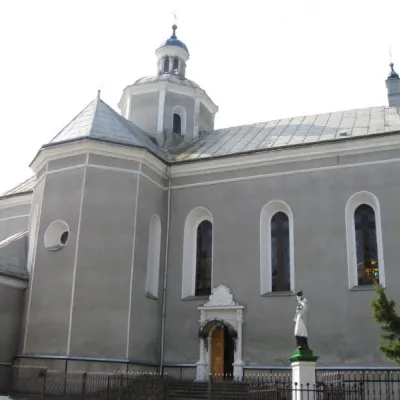 ChurchChurch of the Resurrection, ZolochivZolochivunder 1 km from Church of the Assumption of the Blessed Virgin Mary, ZolochivTheChurch of the Resurrection of the Lord is an Orthodox (OCU) church in the city of Zolochiv, Lviv region, a former church; a striking historical and architectural...
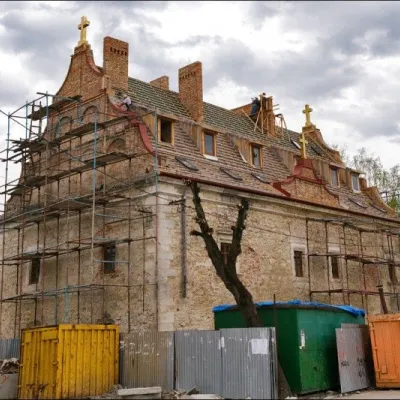 Historic siteZolochiv Arsenal (Boyarsky Dvor)Zolochivunder 1 km from Church of the Assumption of the Blessed Virgin Mary, ZolochivThe Zolochiv Arsenal, also known as the Boyar's Court, was built in the 15th century. It is located in the heart of the city, near the city council and the monument to...
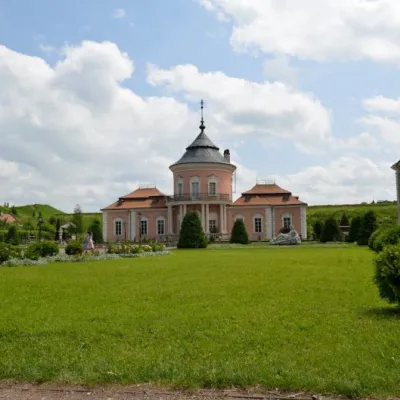 CastleZolochiv Castle ZolochivZolochivunder 1 km from Church of the Assumption of the Blessed Virgin Mary, ZolochivZolochiv Castle, located in the Lviv region, is a former royal residence and a magnificent example of Renaissance architecture.